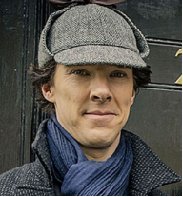
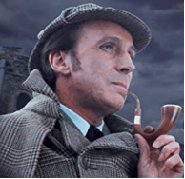
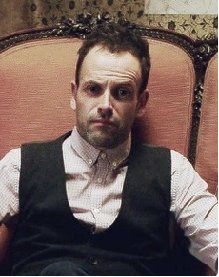
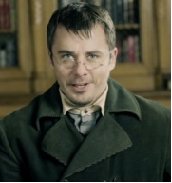
I’m glad I’m a Hufflepuff

Way back in the dark ages when Pottermore was launched, I signed up and was sorted into a house like everyone else. Of course I was hoping I’d be put in to Gryffindor because of the usual reasons, but the Sorting Hat told me I’d do best in Hufflepuff. At the time I was disappointed, but decades later I came to understand that I had been signally honored.
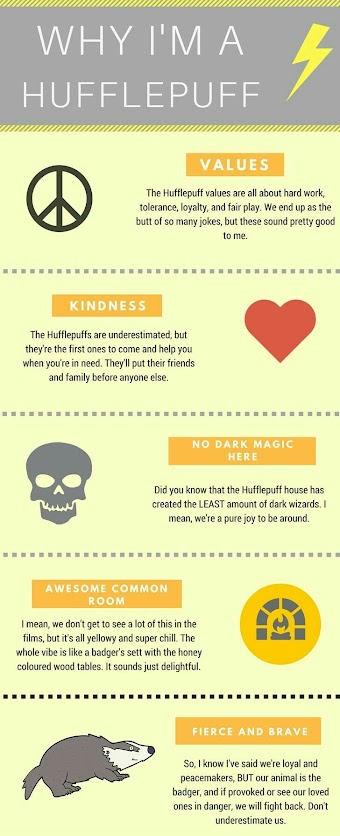
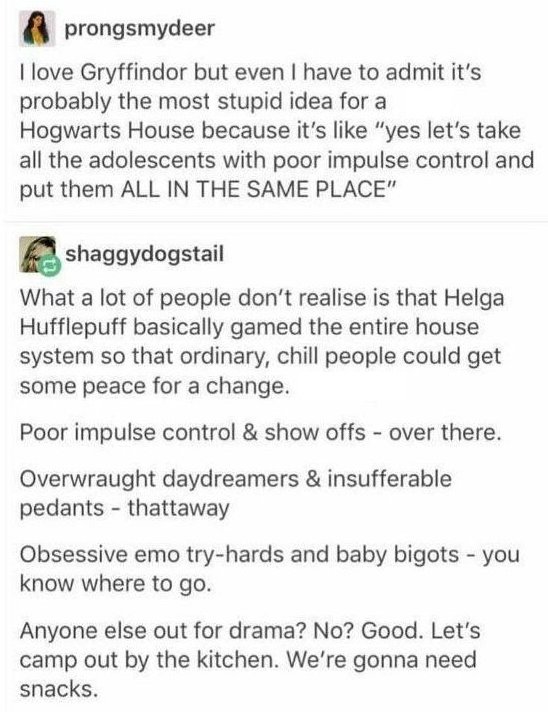
Snacks? Naps? Honor and decency? Service? Loyalty? Building a world that works for everyone, with no one left out? I’m all in. I mean, just look at this common room:
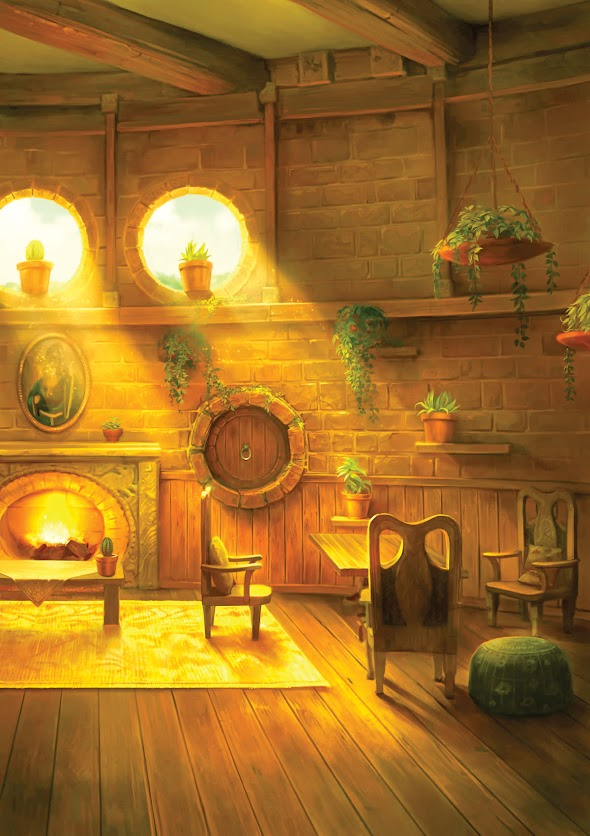
J.K. Rowling’s original writing at Pottermore:

“The Hufflepuff common room is entered from the same corridor as the Hogwarts kitchens. Proceeding past the large still life that forms the entrance to the latter, a pile of large barrels is to be found stacked in a shadowy stone recess on the right-hand side of the corridor.
The barrel two from the bottom, middle of the second row, will open if tapped in the rhythm of ‘Helga Hufflepuff’*.

* The complexity or otherwise of the entrance to the common rooms might be said to give a very rough idea of the intellectual reputation of each house: Hufflepuff has an unchanging portal and requires rhythmic tapping; Slytherin and Gryffindor have doorways that challenge the would-be entrant about equally, the former having an almost imperceptible hidden entrance and a varying password, the latter having a capricious guardian and frequently changing passwords. In keeping with its reputation as the house of the most agile minds at Hogwarts, the door to the Ravenclaw common room presents a fresh intellectual or philosophical challenge every time a person knocks on it.

As a security device to repel non-Hufflepuffs, tapping on the wrong barrel, or tapping the incorrect number of times, results in one of the other lids bursting off and drenching the interloper in vinegar.

A sloping, earthy passage inside the barrel travels upwards a little way until a cosy, round, low-ceilinged room is revealed, reminiscent of a badger’s sett. The room is decorated in the cheerful, bee-like colours of yellow and black, emphasised by the use of highly polished, honey-coloured wood for the tables and the round doors which lead to the boys’ and girls’ dormitories (furnished with comfortable wooden bedsteads, all covered in patchwork quilts).

A colourful profusion of plants and flowers seem to relish the atmosphere of the Hufflepuff common room: various cactii stand on wooden circular shelves (curved to fit the walls), many of them waving and dancing at passers-by, while copper-bottomed plant holders dangling amid the ceiling cause tendrils of ferns and ivies to brush your hair as you pass under them.

A portrait over the wooden mantelpiece (carved all over with decorative dancing badgers) shows Helga Hufflepuff, one of the four founders of Hogwarts School, toasting her students with a tiny, two-handled golden cup. Small, round windows just level with the ground at the foot of the castle show a pleasant view of rippling grass and dandelions, and, occasionally, passing feet. These low windows notwithstanding, the room feels perennially sunny.

Nevertheless, it ought not to be concluded from the above that Hufflepuffs are dimwits or duffers, though they have been cruelly caricatured that way on occasion. Several outstanding brains have emerged from Hufflepuff house over the centuries; these fine minds simply happened to be allied to outstanding qualities of patience, a strong work ethic and constancy, all traditional hallmarks of Hufflepuff House.

Author’s note
When I first planned the series, I expected Harry to visit all four house common rooms during his time at Hogwarts. There came a point when I realised that there was never going to be a valid reason to enter the Hufflepuff room. Nevertheless, it is quite as real to me as the other three, and I always knew exactly where those Hufflepuffs were going when they headed off towards the kitchens after lessons.” 

Hufflepuff is full of some of the most honorable characters:
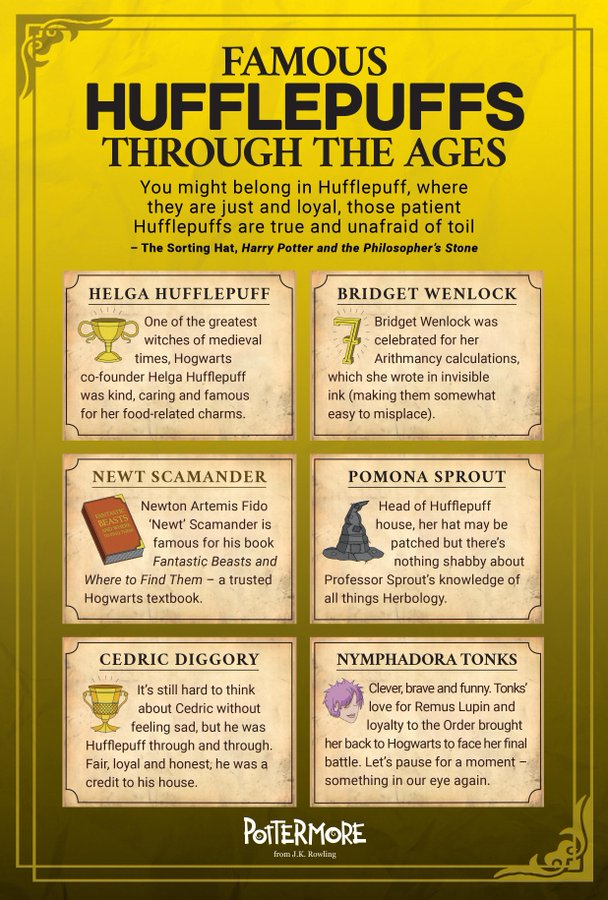
Yeah. Badgers for the win!

The Old Wolf has spoken.
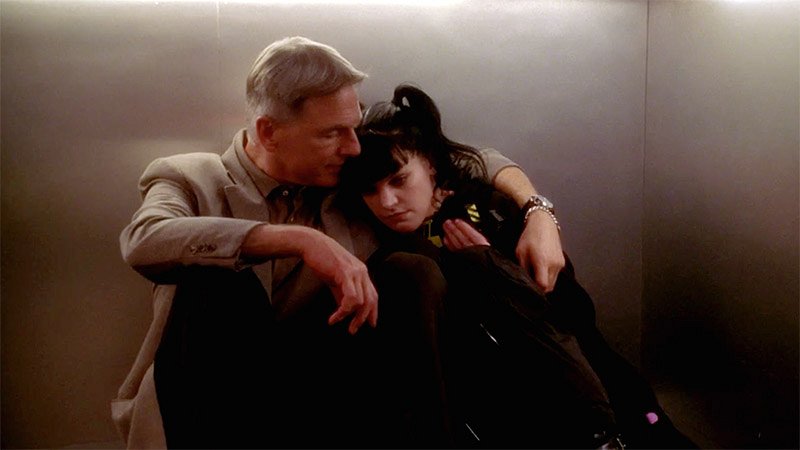
An Open Letter to Mark Harmon and Pauley Perrette.

I get it. I was raised in a family of actors. You’re not the characters you so giftedly played; you’re real people with real lives and real issues, just like the rest of us.

But speaking as someone who has spent the last several months binging the entire run of NCIS¹, you (not unlike the casts of Criminal Minds, Fringe, Blue Bloods, and others)… to me, your characters became family.

And while I can’t speak for the rest of your fan base, what happened behind the scenes which ultimately led to earth-shaking changes in the cast, and the gulf between you which continues to this day, broke my heart.

When I think of the countless interactions between Gibbs and Abby – not the little affectionate pecks and compliments, but the big ones where your characters were displaying pain and vulnerability and true affection and mutual respect and growth – to see that relationship sullied by offscreen animosity and estrangement… Well, it’s downright sad, and the optics for the show which will continue to be available for generations yet unborn are bad. Really bad. Like, thermonuclear bad.

When I think of the years during which Gibbs and Abby supported each other and helped each other through the most difficult times and experiences not unlike a devoted father and daughter,² I cannot imagine their being unable to help each other through a rift like this. Or to accept this kind of separation without fighting tooth and nail for a reconciliation.

I don’t really care about what happened on set. Life is complicated, we’re all human and things happen. Accidents happen. People make mistakes. Words are exchanged. Egos get wounded. Feelings get hurt. It doesn’t really matter. I’m not judging, I’m pleading.

I exhort you to bury the hatchet. It’s been six years now. Sack up,  or as Margo from “The Magicians” might say, ovary up, put your injured pride behind you, and become the friends in real life that you so expertly portrayed for so many years onscreen. Generations of fans will thank you if you do.

– The Old Wolf has spoken.

Footnotes

¹ I have no good reason for why it took me so long to discover this amazing series. I have no excuse other than that life is really busy and there’s so much in the world. But I’m so glad I did. Almost every episode brought me to tears with the goodness and strong relationships demonstrated by the characters and the bonds that they forged and the growth that they demonstrated.

² Yes, yes, you were reading lines on a script written for you by others, but the way you did it made your characters become real, like that velveteen rabbit. You were loved to that level.

New York’s Chinatown Fair and the Animated Dragon

I grew up in New York City in the ’50s and ’60s. Much has gone since that time, but my memories include hings I deeply miss about New York in my early days:

  • The myriad small businesses instead of brass-and-glass
  • Little Italy full of Italians, and the Feasts of San Antonio and San Gennaro
  • Yellow Cabs with huge back seats and those little jumpseats (Yes, unsafe, but they were so fun)
  • Air-conditioned movie theaters with giant screens and velvet curtains where you could stay all day for 50¢ and watch a cartoon, a short subject, a newsreel, and the main feature over and over again
  • the 42nd Street Subway Stations with Red and Blue lights guiding you to your line of choice, IRT, BMT, or IND, or the Shuttle
  • Underground OJ bars and other odd little shops in the subways such as Al Stevenson’s magic store (otherwise known as the Wizard’s Workshop)
  • Hole-in-the-wall pizza joints where you could order pizza by the “Slice!” for 15¢.
  • The Staten Island ferry for a nickel
  • Christmas trees up and down Park Avenue, and the stars that would twinkle on the 666 building
  • the Lord and Taylor Christmas windows
  • And so many more…

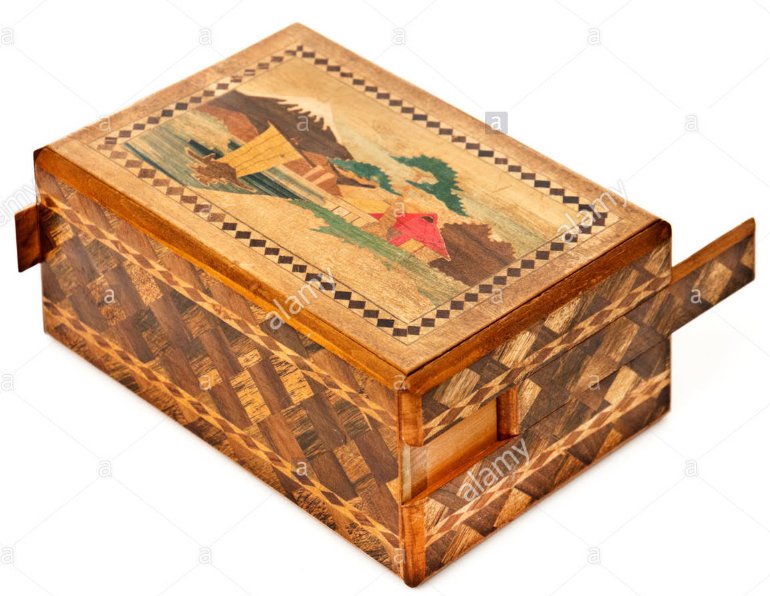
But one of my most indelible memories is from Chinatown, where my mother would take me on occasion. There were myriad stores and restaurants selling the ubiquitous Chinese back-scratchers, finger traps, and wonderful puzzle boxes, some of which I wish I still had.

Alamy stock photo of a Chinese puzzle box, very similar to one I once owned.

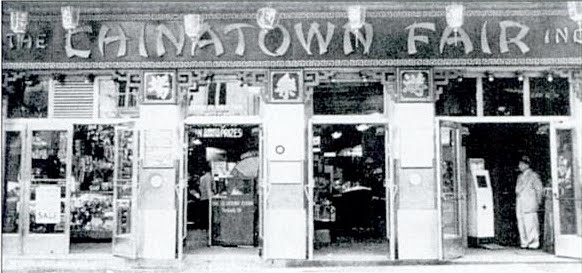
But the most wondrous thing to my young eyes was the Chinatown Fair.

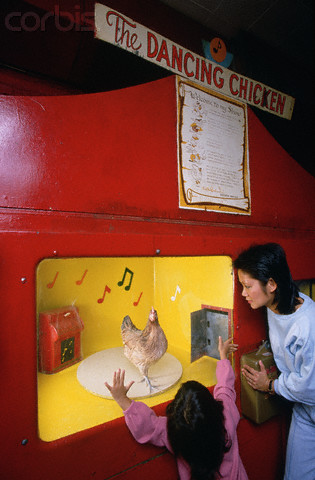
Before it became an electronic game arcade, it featured dancing chickens, tic-tac-toe chickens (you can read about these at Jeremiah’s Vanishing New York), and the amazing animatronic dragon.

8 Mott Street, Chinatown, New York, New York, USA — Performing Chicken in New York Arcade — Image by © Adam Woolfitt/CORBIS

Sadly, no photos of the latter wonder appear to have been saved to the Internet as of this moment, but who knows? Perhaps someone will come across a picture in their old archives and post it in the future. If you happen to stumble across this blog post and have such a photo, please let me know; I would love to feature it here.

At any rate, you would walk up to this row of little windows, each with a coin slot for quarters; drop one in and your window would open, and below you was this most amazing animated dragon which would move and roar at you. Commenter “Donald” at the website Scouting New York had this to say, which syncs with my own memories perfectly:

Yes!! The dragon peep show…. why doesn’t anybody ever mention the dragon peep show? I thought that was the most bizarre “game” I ever saw… you’d drop a quarter in and a sliding plastic window would rise, exposing a glass window underneath (similar to a peep show booth) and literally laying on the basement floor – you’d see this huge animatronic dragon moving it’s head and tail – and from a speaker would blare the soundtrack from an old Godzilla movie… that familiar Godzilla roar. Now the dragon you were looking at and the Godzilla you were hearing of course had nothing to do with each other – but that just added to the cheezy entertainment value of the whole thing. I thought it was great… but nobody ever mentions it. I ALWAYS hear about the Tic Tac Toe Chicken… but never my old dragon friend.

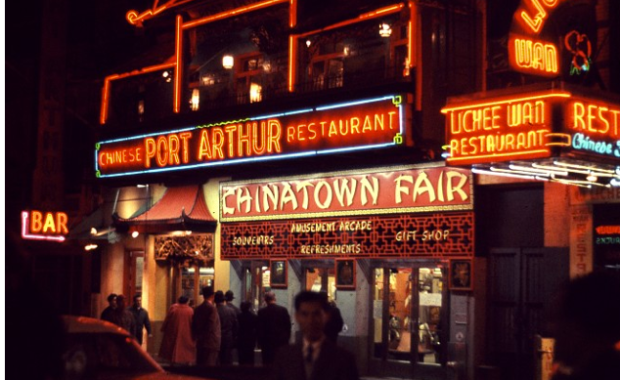
A later photo of The Chinatown Fair at night, from The Chinatown Fair Archive.

The Fair later became a video arcade, but closed in 2011. Some other great memories are archived at Scouting New York, The Gothamist, Ganker, and Huffpost; apparently the arcade featured in a 2015 documentary called The Lost Arcade; in its later years it “the arcade became a shelter to a community as diverse as the city surrounding it and changed lives in doing so.” (IMDB)

According to The Verge, the arcade re-opened in 2012, but the reviews were mixed. Apparently it’s still there, but without that amazing dragon it will never be the same for me.

The Old Wolf has spoken.

The CBS 50th Anniversary Photo

This crossed my Facebook feed the other day, with the title “If you can recognize 5 of these people, you’re old.”

Well, I’m old. And I recognize most of them, but not all. So I did a little digging, and here are my results.

The photo (Click to enlarge):

CBS 50th Anniversary Gathering (1978)

Edit: A better key

The following table lists the personalities with one of the things they are notable for. Not necessarily their most “famous” work, or even one on CBS, but one that I was familiar with or enjoyed. Journalists have no particular show attached to their names because they were all over the place.

1LassieLassie
2Jean StapletonAll in the Family
3Walter CronkiteJournalist – possibly the most famous of my generation
4Alfred HitchcockThe Birds
5Mary Tyler MooreThe Mary Tyler Moore Show
6Ellen CorbyThe Waltons
7Gene RayburnThe Match Game
8Vivian VanceI Love Lucy
9Milburn StoneGunsmoke
10Ann SothernThe Whales of August
11Barbara BainMission Impossible
12Nancy WalkerMurder by Death
13George BurnsGeorge and Gracie
14Cicely TysonThe Help
15Arthur GodfreyThe Glass Bottom Boat
16Red SkeltonThe Red Skelton Hour
17Gale StormIt Happened on 5th Avenue
18Danny KayeThe Court Jester
19Sandy DuncanRoots
20Telly SavalasKojak
21Dale EvansRoy Rogers
22Roy RogersRoy Rogers
23Ken MurrayFollow Me Boys
24June LockhartLost in Space
25Arthur MurrayArthur Murray Dance Studio
26Kathryn MurrayThe Arthur Murray Party
27Eric ScottThe Waltons
28Cami CotlerThe Waltons
29Bonnie FranklinOne Day at a Time
30William ConradCannon
31Eva GaborGreen Acres
32Allen FuntCandid Camera
33Tim ConwayThe Tim Conway Comedy Hour
34Danny ThomasThe Danny Thomas Show
35Bob KeeshanCaptain Kangaroo
36Dennis WeaverMcCloud
37Ray WalstonMy Favorite Martian
38Sally StruthersAll in the Family
39Garry MooreLaugh-In
40Linda LavinBarney Miller
41Douglas EdwardsNewscaster and Correspondent
42Betty  WhiteThe Golden Girls
43Bob SchiefferJournalist
44Ned BeattyDeliverance
45Charles KuraltJournalist
46Arlene FrancisWhat’s My Line
47Jamie FarrMash
48Adrienne BarbeauLove Boat
49Vicki LawrenceThe Carol Burnett Show
50Mary McDonoughThe Waltons
51Don KnottsThe Andy Griffith Show
52Lucille BallI Love Lucy
53Ed AsnerThe Mary Tyler Moore Show
54Jackie CooperHennesey
55Esther RolleGood Times
56Joan HackettThe Defenders
57Eric SevareidJournalist
58Mike WallaceJournalist
59Sherman HemsleyThe Jeffersons
60Jack WhitakerDeadly Heroes
61Isabel SanfordThe Jeffersons
62Judy Norton TaylorThe Waltons
63Bob DenverGilligan’s Island
64Caroll O’ConnorAll in the Family
65Dwayne HickmanThe Many Loves of Dobie Gillis
66Richard C. HotteletJournalist
67Will GeerBroken Arrow
68Lesley StahlJournalist
69Art CarneyThe Honeymooners
70Tony RandallThe Odd Couple
71Bob NewhartThe Bob Newhart Show
72Dick SmothersThe Smothers Brothers
73Hughes RuddJournalist
74Ted KnightThe Mary Tyler Moore Show
75Georgia EngelThe Mary Tyler Moore Show
76Jon WalmsleyAdam-12
77Charles CollingwoodJournalist
78Audrey MeadowsThe Honeymooners
79Valerie HarperThe Mary Tyler Moore Show
80Julie KavnerRhoda
81David HarperThe Waltons
82Bill Macy Maude
83Ken BerryF-Troop
84Art LinkletterHouse Party
85Glen CampbellTrue Grit
86Buddy EbsenThe Beverly Hillbillies
87Michael LearnedThe Waltons
88John ForsytheBachelor Father
89Steve AllenThe Tonight Show
90Carol BurnettThe Carol Burnett Show
91Jim NaborsGomer Pyle
92Beatrice ArthurThe Golden Girls
93Loretta SwitMash
94Ed BradleyJournalist
95Andy GriffithMayberry RFD
96Lee MerriwetherBarnaby Jones
97Demond WilsonSanford and Son
98Lynda CarterWonder Women
99James ArnessGunsmoke
100Dick Van DykeCold Turkey
101Jack LordHawaii Five-O
102Ralph WaiteThe Waltons
103Bernard KalbJournalist
104Martin LandauMission Impossible
105Rob ReinerThe Princess Bride
106Lynnie GreeneThe Golden Girls
107John AmosRoots
108Bob BarkerTruth or Consequences
109Bert ConvyPassword
110Dan RatherJournalist
111Richard CrennaThe Real McCoys
112Mike ConnorsMannix
113David GrohRhoda

The Good Place. A great show.

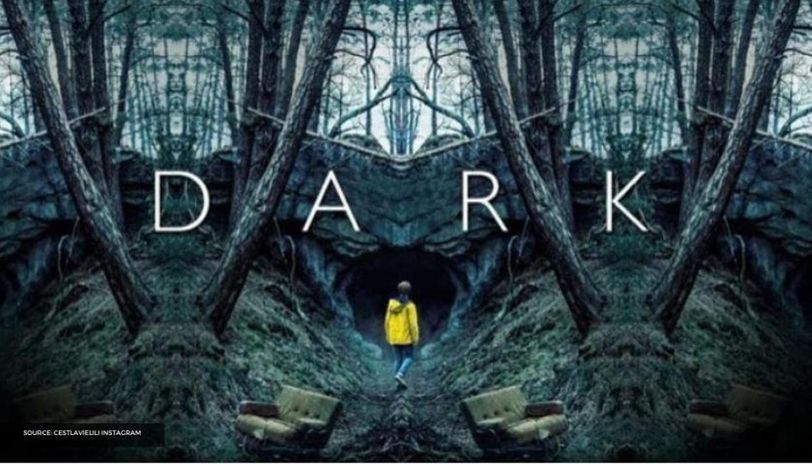
Every now and then I watch a series as it unrolls on Netflix, but more often than not I’m late to the party and can devour the whole thing as fast as my spare time allows me to. Before this last week, my last escapade was with “Dark,” a wonderful German fantasy dealing with time travel, dimension, other worlds, and the interconnected lives of several families in a small town in Germany.

On the heels of that, interspersed with re-watching episodes of “Midnight Diner,” I picked up “The Good Place” as recommended by the Goodwoman of the House.

The last series that delighted me so much was The Dark Crystal – Age of Resistance, which some cretinous executives at Netflix decided not to bring back for a second season, may all their teeth fall out after having had a root canal in every one. The Good Place was fun and charming and thoughtful and provocative from beginning to end.

Maybe, like me, you have been living under a rock and never had a chance to watch this before now. I tend to be late to the party on a lot of modern things, just because life has been so busy for the last 4 years retrofitting a 200-year-old farmhouse and working in a warehouse at the same time. But I’m grateful that this lovely show actually made it onto my radar.

I won’t spoil anything, but according to Wikipedia,

the original premise follows Eleanor Shellstrop (Kristen Bell), a woman welcomed after her death to “the Good Place”, a highly selective Heaven-like utopia designed and run by afterlife “architect” Michael (Ted Danson) as a reward for her righteous life. However, she realizes that she was sent there by mistake and must hide her morally imperfect past behavior while trying to become a better and more ethical person. William Jackson Harper, Jameela Jamil, and Manny Jacinto co-star as other residents of the Good Place, alongside D’Arcy Carden as Janet, an artificial being who assists the residents.”

As the show goes on, it asks a lot of good questions about the nature of human behavior, good and evil, and human relationships – and does so while weaving multiple threads from pop culture and a lot of really funny bits into the mix.

I would love for every individual involved in this show, from the writers and producers to the cast and crew, to know how much pleasure their craft gave me. Ted Danson was superb, and every one of his fellow cast members absolutely knocked it out of the park. The ending was bittersweet but satisfying, but I have to confess I wished that there were more.

The Old Wolf has spoken.

Netflix and “The Age of Resistence”

Every now and then a company makes a hideous mistake in the pursuit of maximizing shareholder value.

Twelve publishers rejected J.K. Rowling’s first Harry Potter manuscript. I would be willing to wager that each of them has moments when decision makers wake up at 2 o’clock in the morning in a cold sweat, screaming “What the hell was I thinking‽”

Gail Berman, the former president of entertainment at Fox Broadcasting Company, was the one who pulled the plug on “Firefly” because “[it] was a big show, a very expensive show and it wasn’t delivering the numbers.” Similarly, Fox cancelled J.J. Abrams’ amazing series “Fringe,” again for the same two reasons:  falling ratings and an expensive production budget.

Popularity doesn’t matter. Quality doesn’t matter. Ground-breaking content doesn’t matter. All that matters is those eyeballs on ads.

Dark Crystal Netflix series

So let’s talk about Henson Studio’s breathtaking return to the world of Thra, a re-imagined prequel to the original “The Dark Crystal.” The first (and now only) season ran for ten episodes, and fans were delighted – everyone I know who resonated with the show was waiting for a continuation of the saga with bated breath.

And then, despite the show being awarded an Emmy for Outstanding Children’s Program – 2020, “88% fresh” ratings on Rotten Tomatoes, and universal acclaim from Metacritic, some yeast-headed executive at Netflix made the decision to “un-renew” the series, and I’d bet a buffalo nickel that the reason was “not making enough money.” The original film was only modestly received when it was first released back in 1982; it earned $41 million at the box office over a production cost of $25 million, but later gained a cult following when it was released to VHS. I have not been able to find production costs for Age of Resistance, but I guess revenue and ratings led the bean counters to conclude that it wasn’t worth the investment.

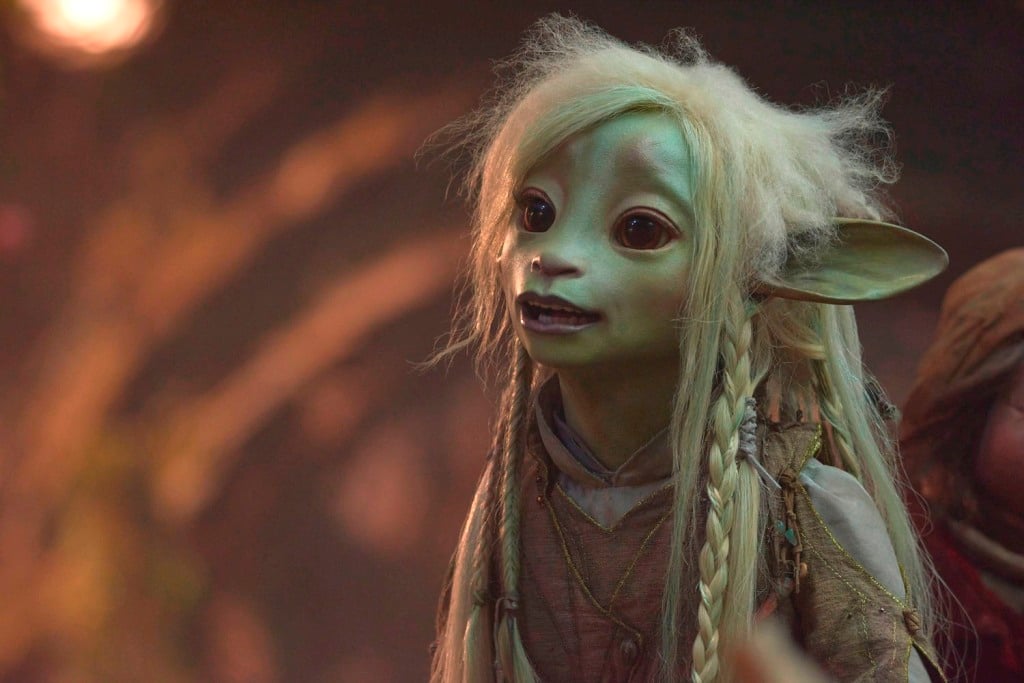
This is an absolute catastrophe. My poor little Deet; I fell in love with her and now Netflix is going to leave her wandering around in the wilds of Thra, consumed by the Darkening.

How AGE OF RESISTANCE Gives THE DARK CRYSTAL a Happier Ending - Nerdist

How could they? A show that absolutely captured the magic and beauty of the original, and added to it with new layers of technology and beautiful storytelling. I tell you this: If I ever get hold of the person who was responsible for the decision to cancel this series, they will think that being attacked by a thousand Garthim looks like a picnic with Miss Julie’s Romper Room class. Jumping H. Jehoshaphat! My heart is broken and I summon legions of Mandalorians and Chaotic Evil Paladins to wreak vengeance!

The only glimmer of hope on the horizon is a statement by Lisa Henson, the executive producer:

“We know fans are eager to learn how this chapter of ‘The Dark Crystal’ saga concludes and we’ll look for ways to tell that story in the future,” said executive producer Lisa Henson. “Our company has a legacy of creating rich and complex worlds that require technical innovation, artistic excellence, and masterful storytelling. Our history also includes productions that are enduring, often finding and growing their audience over time and proving again and again that fantasy and science fiction genres reflect eternal messages and truths that are always relevant. We are so grateful to Netflix for trusting us to realize this ambitious series; we are deeply proud of our work on ‘Age of Resistance,’ and the acclaim it has received from fans, critics and our peers, most recently receiving an Emmy for Outstanding Children’s Program.”

Now from where I stand, she’s being phenomenally charitable to Netflix, but I’m hopeful that Henson Studios can find a way to continue the saga in another environment before I go the way of all the world.

The Old Wolf has spoken.

A brief review of the Star Wars saga, sans spoilers

I’ve waited 42 years for this. 42 long years, pretty much encompassing life, the universe, and everything.

Image result for star wars

I went to see Episode IV in 1977 when it was released, and was of course blown away by the innovation and game-changing nature of A New Hope. Like everyone else, I was all, “Huh? Episode IV? What’s that all about?” As time went on and when in 1980 George Lucas’ grand vision for a “nonology” became known, I was ecstatic. Episodes V and VI were released, and the world seemed rosy; a new episode would be released every three years until the series was complete.

  • Episode IV: A New Hope (1977)
  • Episode V: The Empire Strikes Back (1980)
  • Episode VI: The Return of the Jedi (1983)

Well, about that. George Lucas ran head-on into reality; By 1981, the stress of producing the original trilogy had sapped him of his passion for the series, and he announced that there would be no further sequels. As a result, 1986 to 1999 there was a thirteen-year gap in the Star Wars chronology.

But thanks to changes in technology and advances in the field of CGI, Mr. Lucas changed his mind and ended up producing the Prequel Trilogy, which – together with Episodes 4 through 6 he referred to as “The Tragedy of Darth Vader.”

  • Episode I: The Phantom Menace (1999)
  • Episode II: Attack of the Clones (2002)
  • Episode III: Revenge of the Sith (2005)

Over the next six years as the Prequels were released, a strange thing began to happen to the Star Wars fan base. Instead of rejoicing in new episodes of space opera and opportunities to revisit old heroes and villains like Yoda and Palpateen, massive opprobrium was heaved at Lucas for things like the existence of Jar-Jar Binks, the acting prowess of the young Anakin Skywalker (Jake Lloyd), the petulant Skywalker-turned-Vader (Hayden Christensen), and the heavy dependence on CGI rather than classic effects, among other things.

Finally, after the completion of the Prequels, Lucas gave up the Star Wars world altogether and turned it over to Disney, although he hoped that his ideas for the conclusion, included in the sale, would be factored in to any future films. That was not to be, and the saga took a different turn than its original creator had envisioned.

  • Episode VII: The Force Awakens (2015)
  • Episode VIII: The Last Jedi (2017)
  • Episode IX: The Rise of Skywalker (2019)

The opinion of fans on the final three installments of the saga have been widely divergent. Some loved them, others hated them, for reasons which seemed good to them. As for myself, I just got back from seeing Episode IX this afternoon, and while I promised no spoilers I have this to say:

The entire saga is an absolute masterpiece. My hat is off to George Lucas and everyone who took up the torch after him, or who helped to bring these amazing films to life – from the writers, directors, and producers, to the brilliant actors both old and new, to the stage crews, to the special effects and art and sound and music people, to the people who provided canteen services and emptied trash cans on the set and elsewhere – simply everyone. Bravo. Bravissimo.

The final episode was an immensely satisfying conclusion to the Skywalker epic. I laughed, I cried, I clapped, I cheered, and walked out fulfilled. This is the opinion of one old geek and, of course, your mileage may vary.

And naturally this is not all of Star Wars.

  • Rogue One (2016)
  • Solo (2018)

In A New Hope, a major plot point was the Death Star and the acquisition of the plans (with the weapon’s weakness) by the Rebellion. Rogue One is the story of how the plans for the first Death Star were acquired. And it was poignant, and important to the saga, and brilliant.

While I held off a while watching Solo because in the back of my mind I just kept thinking, “How can they do Solo without Harrison Ford,” when the time came I found that I enjoyed the film thoroughly. It was a worthy addition to the Star Wars universe.

And doubtless, more is to come. Disney+ is currently streaming “The Mandalorian,” which is very well done and has captured the imagination of a new generation with a character called (perhaps erroneously) as “Baby Yoda.” How that will play out remains to be seen. A new trilogy (separate from the Skywalker saga) is in the works, a prequel to Rogue One is planned, and an Obi-Wan Kenobi series is being drafted.

How fans will relate to all of this new material remains to be seen. And while I don’t think I’ll be queuing up in the theaters to see future releases as I did for the original movies, they will definitely be on my watch list.

May the Force be with us all.

The Old Wolf has spoken.

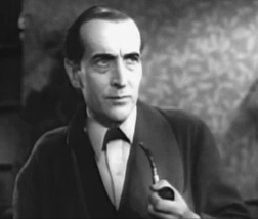
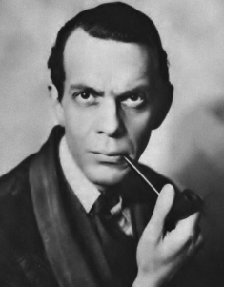
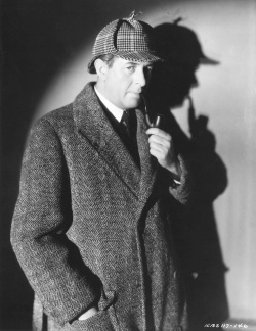
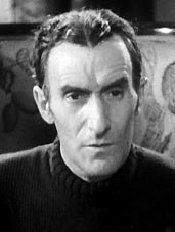
Elementary, my dear Watson. Or perhaps not.

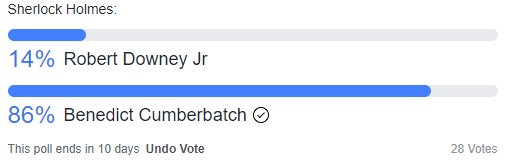
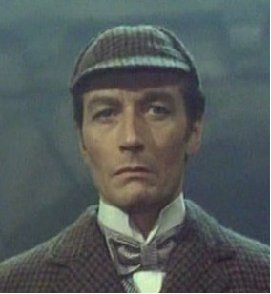
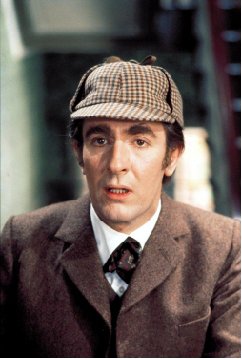
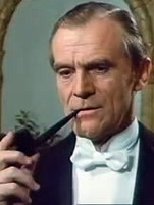
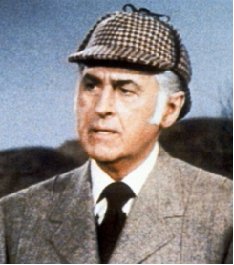
Having recently re-watched the first Holmes movie with Robert Downey, Jr. and having devoured “Sherlock” with Benedict Cumberbatch some time before, I put out a poll to my Facebook circle of friends: Which Holmes did you like best?

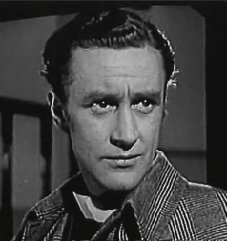
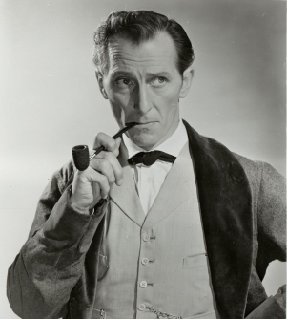
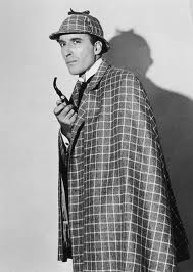
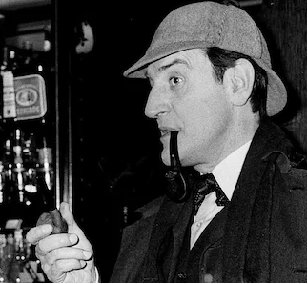
Despite being only 4 days in, Mr. Cumberbatch leads by an overwhelming margin of 24 to 4… but the comments at the poll indicated that there were others who might have fared even better. So I went digging and found as many Sherlocks as I could see (and I may have missed a few in spite of it all, although I suspect these are perhaps the best known); I was astonished to see how many superb actors undertook the iconic rôle, but given the excellence of their craft it was understandable.

I present them here for your gratuitous viewing pleasure.

Who do you think did the best Holmes? Do your homework. There will be a quiz (actually, it’s the poll at the end.)

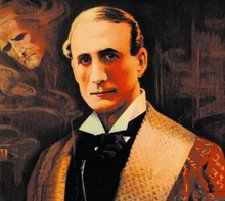
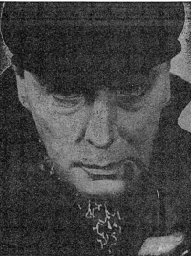
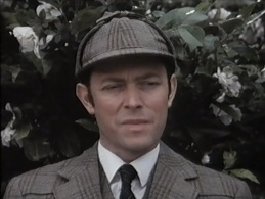
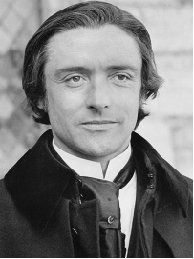
Viggo Larsen
Sherlock Holmes i Livsfare 
1908

Alwin Neuß
Sherlock Holmes
1908

Henry Arthur Saintsbury
The Valley of Fear
1916

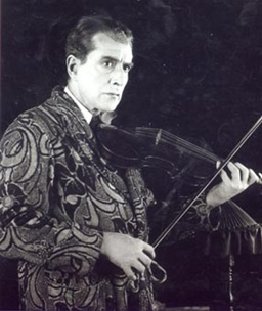
Eille Norwood
The Yellow Face
1921

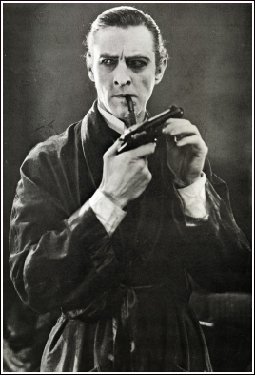
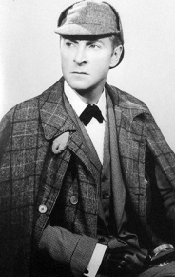
John Barrymore
Sherlock Holmes
1922

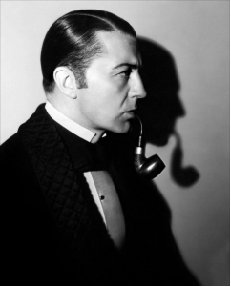
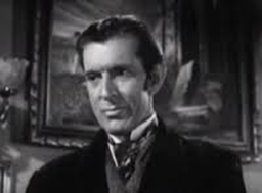
Clive Brook
The Return of Sherlock Holmes
1929

Arthur Wontner
Sherlock Holmes Fatal Hour
1931

Raymond Massey
The Speckled Band
1931

Reginald Owen
A Study in Scarlet
1933

Bruno Güttner
The Hound of the Baskervilles
1937

Louis Hector
The Three Garridebs
1937

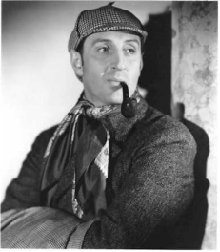
Basil Rathbone
The Hound of the Baskervilles
1939
Probably the most definitive Holmes of my parents’ generation

Alan Napier
The Speckled Band
1949

Alan Wheatley
Sherlock Holmes
1951

Ronald Howard
Sherlock Holmes
1954

Peter Cushing
The Hound of the Baskervilles
1959

Christopher Lee
Sherlock Holmes and the Deadly Necklace
1962

Douglas Wilmer
Detective
1964

John Neville
A Study in Terror
1965

Robert Stephens
The Private Life of Sherlock Holmes
1970

Radovan Lukavský
Touha Sherlocka Holmese
1971

Stewart Granger
The Hound of the Baskervilles
1972

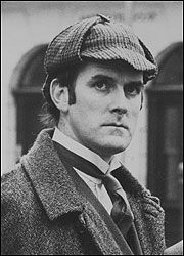
John Cleese
Comedy Playhouse;
Elementary, My Dear Watson:
The Strange Case of the Dead Solicitors

1973

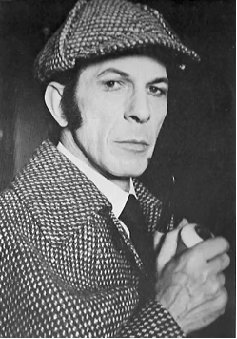
Leonard Nimoy
The Interior Motive – Stage Play
1975

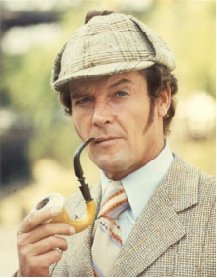
Roger Moore
Sherlock Holmes in New York
1976

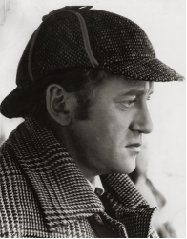
Nicol Williamson
The Seven Percent Solution
1976

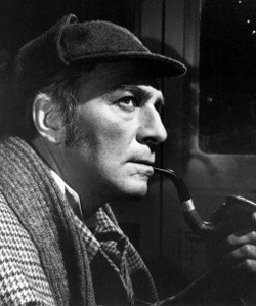
Christopher Plummer
The Sunday Drama
1977

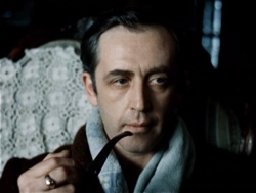
Vasiliy Livanov
Sherlock Holmes and Doctor Watson:
The Acquaintance
1980

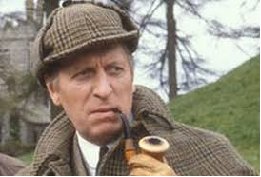
Tom Baker
The Hound of the Baskervilles Series
1982

Guy Henry
Young Sherlock: The Mystery of the Manor House
1982

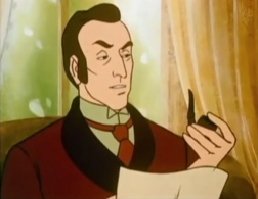
Peter O’Toole
Burbank films, Animated
1983

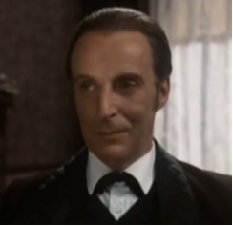
Ian Richardson
The Hound of the Baskervilles
1983

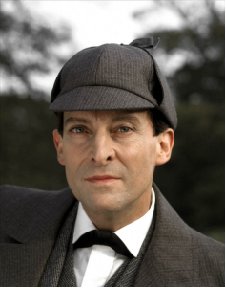
Jeremy Brett
The Adventures of Sherlock Holmes
1984
By far the most popular suggestion from my poll-takers.

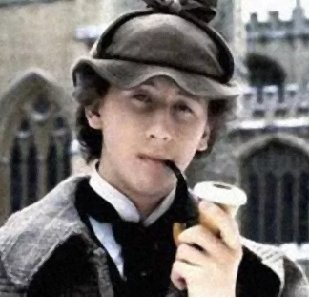
Nicholas Rowe
Young Sherlock Holmes
1985

Brent Spiner
TNG “Elementary, Dear Data”
1988

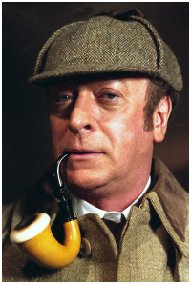
Michael Caine
Without a Clue
1988

Michael Pennington
The Return of Sherlock Holmes
1989

Anthony Higgins
Sherlock Holmes Returns
1993

Matt Frewer
The Hound of the Baskervilles
2000
A good fit for Berlinghoff Rasmussen, a time-traveling con-man in Star Trek. As Holmes? Not so much.

Joaquim de Almeida
The Xango from Baker Street
2001

James D’Arcy
Sherlock
2002

Richard Roxburgh
The Hound of the Baskervilles
2002

Rupert Everett
Sherlock Holmes and the Case of the Silk Stocking
2004

Jonathan Pryce
Sherlock Holmes and the Baker Street Irregulars
2007

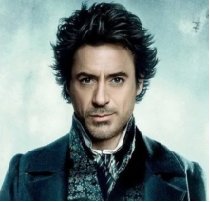
Robert Downey, Jr.
Sherlock Holmes
2009
Perfect Holmes for the Guy Richie vehicle;
Jude Law was a great Watson as well.

Benedict Cumberbatch
Sherlock
2010
You could not ask for a more exquisite “high-functioning sociopath.”

Ben Syder
Sherlock Holmes
2010

Jonny Lee Miller
Elementary
2012

Gary Piquer
Holmes & Watson. Madrid Days
2012

Igor Petrenko
Sherlock Holmes; Russian series
2013

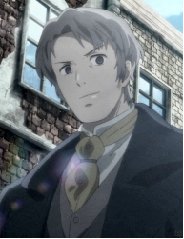
Kōichi Yamadera
Sherlock Holmes
2014

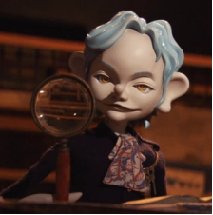
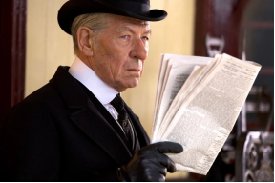
Ian McKellen
Mr. Holmes
2015

Yoshimitsu Tagasuki
Shisha no teikoku
2015

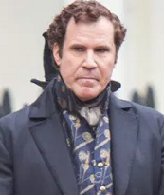
Will Ferrell
Holmes and Watson
2018
Perhaps the most maligned Holmes outside of Matt Frewer,
but this film was not intended to be taken seriously.

So now, you must choose. But choose… wisely.

The Old Wolf has spoken, and will be interested to see the results.

In praise of the writers

I’m just coming down from a rather intense Blue Bloods high, after having binged Season 4 on Netflix. Not exactly sure what prompted me to start watching this one, but it hooked me right away… perhaps it was Tom Selleck, whom I have long adored as an actor, or perhaps it’s because at heart and always I’m a New York City boy.

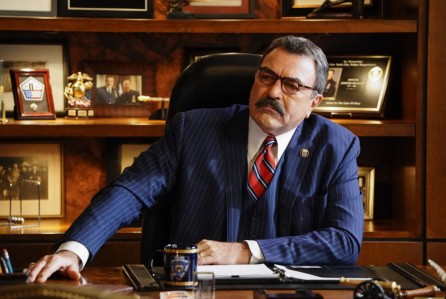
Commissioner Frank Reagan, played by Tom Selleck

Mr. Selleck, as usual, plays an excruciatingly ethical character. He seems to ooze goodness, even when his rôles portray very human (with all the warts) individuals. And the lines he delivers leave one breathlessly hoping that there really are people like Commissioner Frank Reagan out there.

But those lines… well, they aren’t really his. He takes them from the script, and makes them his own, and follows the director’s guidance, and delivers them with incredible grace and stolidity and aplomb, much like Patrick Stewart does as Captain Jean-Luc Picard, but they were written by someone else. Or several someones. And it is not lost on me that an incredible speech or soliloquy delivered by Mr. Selleck or Sir Patrick are lines from the minds of people who only get a single line of text as credit for each episode. People in the background, whose faces we never see, but people who deserve just as much praise as those in front of the camera.

Picard’s line, “The acquisition of wealth is no longer the driving force in our lives. We work to better ourselves and the rest of humanity” probably came from Brannon Braga, Rick Berman, or Ronald Moore. The incredible soliloquy by Soren in the TNG episode, “The Outcast,” was likely written by Jeri Taylor, who also wrote “The Drumhead.” Melinda M. Snodgrass examined in excruciating detail the issues of what defines a human being as a free agent or property. And unless there’s some unrevealed ad-libbing in Blue Bloods, every amazing thing that Frank Reagan says (along with all the other recurring characters) came from the pen of a writer.

Now, forgive me for waxing a bit scriptural here, but in the New Testament book of Matthew we read,

“Even so every good tree bringeth forth good fruit; but a corrupt tree bringeth forth evil fruit.”

(Matthew 7:17)

Good fountains don’t bring forth bitter water. Bad human beings don’t write the amazing kinds of things one hears in TV dramas like this. Someone who is not dedicated to the cause of humanity clawing itself out of the mud and reaching for the stars can’t write like this.

In the end, the outstanding quality of a show like Blue Bloods, or the Next Generation, or Fringe depends on everything coming together – producers, directors, writers, actors, cameramen, editors, sound technicians, stunt people, special effects people… the whole ball of wax. It’s seldom that you get everything clicking just right. But it’s usually the thoughts behind the show that provide the biggest takeaway, and for those feelings that we are left with we have the writers to thank.

Hats off!

The Old Wolf has spoken.

Bally Bazaar: a memory of my favorite pinball machine

Before computer games, there were pinball machines. If I had a nickel for every time I played one of those beasts in the 60s… well, I’d have all my nickels back. And it would be a significant pile.

We’re not going to talk about my addictive personality at the moment – that’s a given, something the Goodwoman of the House never tires of reminding me. But of all the pinball machines I ever played – and there was a pile of them – this one was indisputably my favorite. It showed up at the Jigger Shop (Cheshire Academy’s hole-in-the-wall luncheonette and post office) and was an instant favorite.

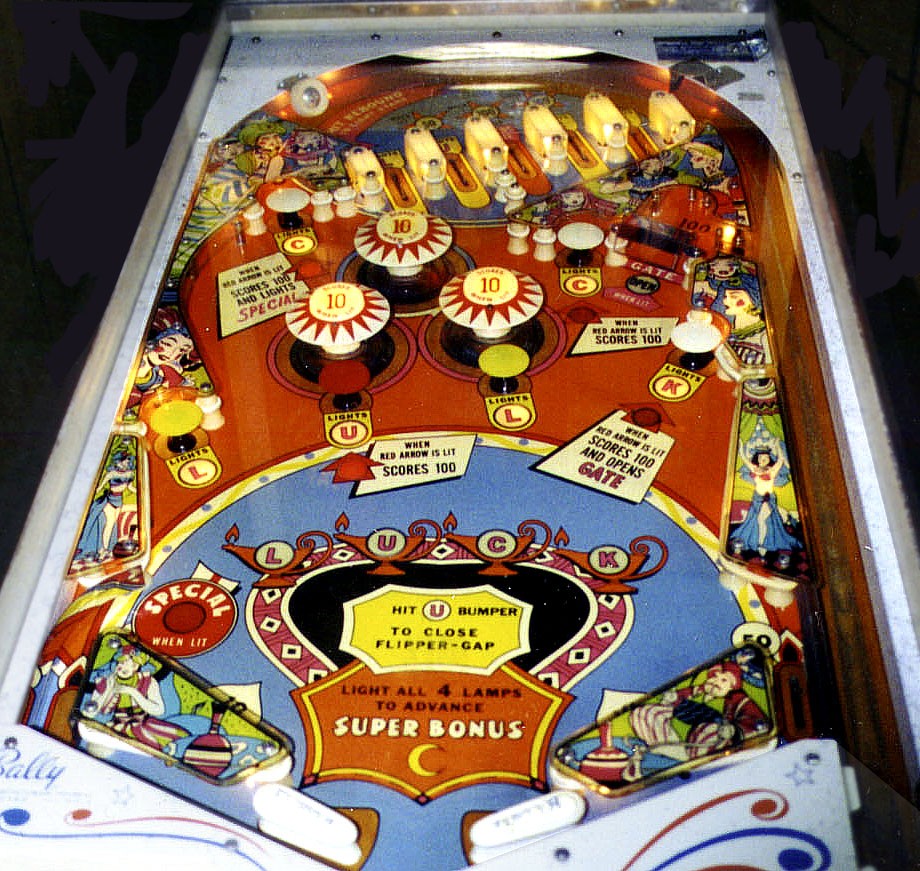
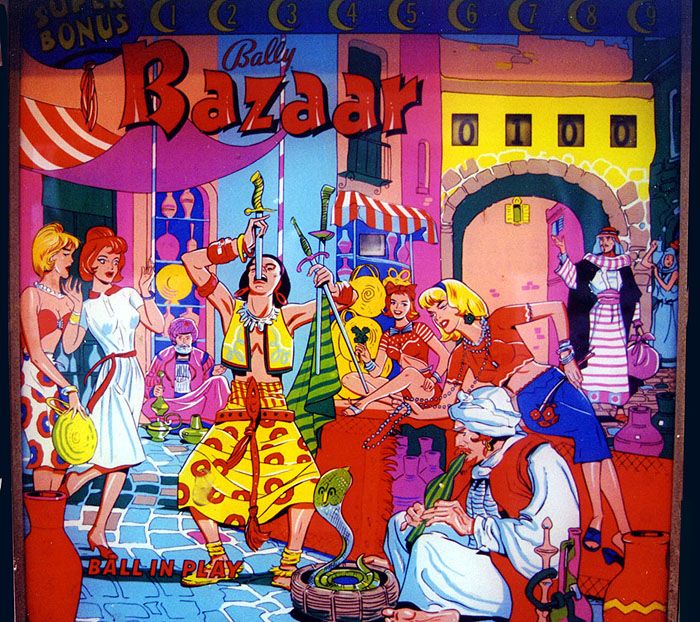
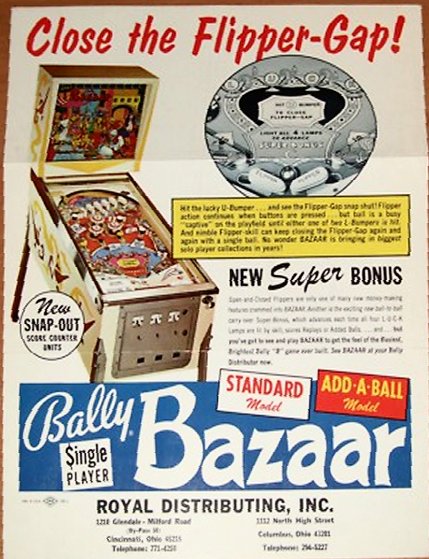
The full specs of this game are here at the The Internet Pinball Database – I’ve culled one or two photos to give you a feel for what it looked like.

bally1

Full view, photo by Tim Brady

bally2

The playing field, photo by Tim Brady

bally3

The back glass, photo by Alan Tate.

bally.jpg

Bazaar flyer from Bally.

bally4

Closeup of the reward schema.

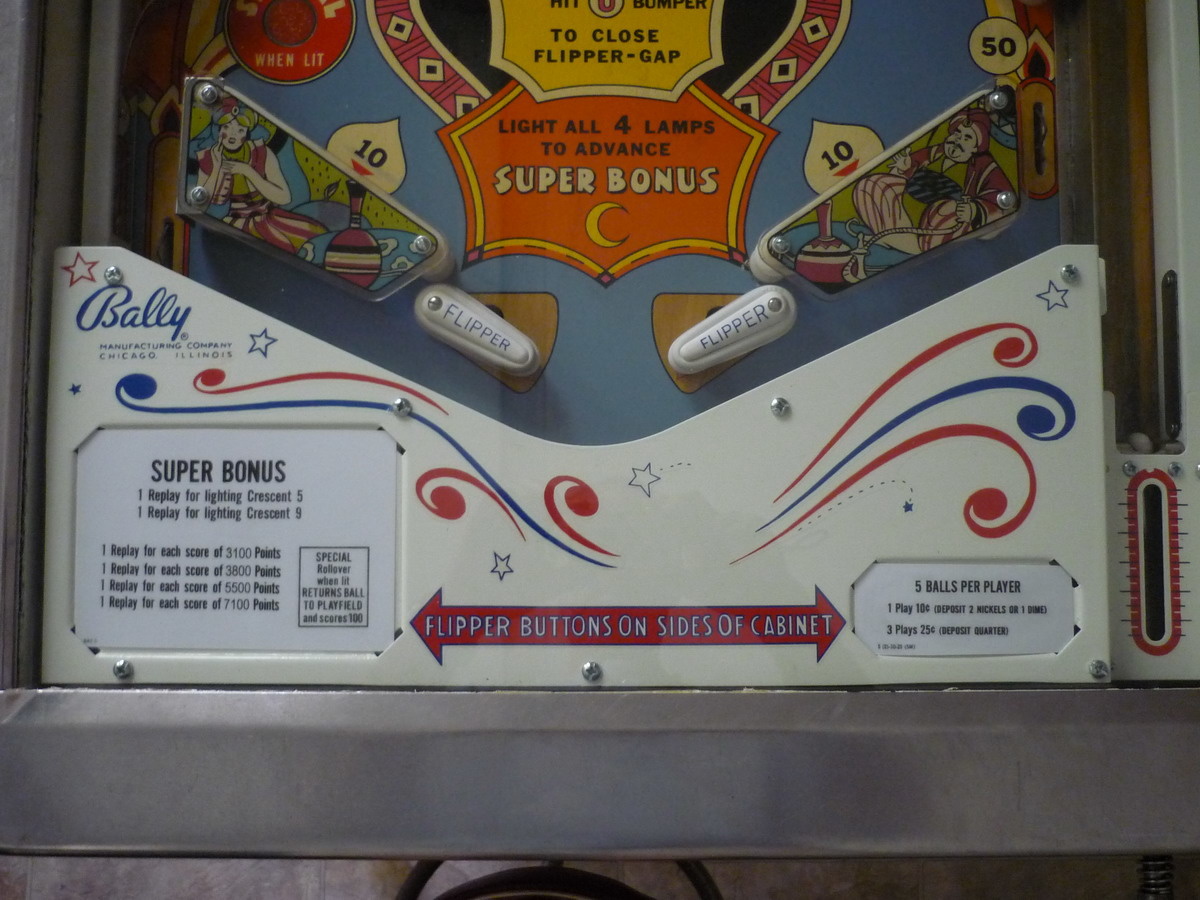
This one was the first machine to have the feature of closing the flipper gap when you hit a certain bumper (in this case, the “U”), which allowed you to keep a single ball in play much longer. If you lighted all the L-U-C-K letters, you would light up one of the crescents at the top of the back glass. In addition to replays for certain score levels, you were granted a free game for lighting crescent 5, and another for lighting crescent 9. Those replays were accompanied not by bells or whistles but by a loud mechanical “snap” which was unique to any machine I had ever played.

Nowadays, modern pinball machines are totally electronic, with amazing graphic displays and what seems like THX-quality sound, and frightfully complex playing fields. If you’re not from the generation that was addicted to these machines, the old ones operated with magnets and solenoids and mechanical relays, long before printed circuits became ubiquitous. Despite being simple by comparison to today’s machines, many of them were frightfully clever, and all of them were designed to be maddeningly captivating.

I imagine that being a pinball repairman was a full-time career back then. Lots of moving parts to break, lots of resistors to fry.
I haven’t played a pinball machine in decades, and I was no “pinball wizard,” but I keenly recall the blood-pumping hours I spent in front of these machines, and this one example in particular.

The Old Wolf has spoken.