A rare color photograph by Albert Kahn of the original Moulin Rouge in Paris, a year before it burned down. 1914
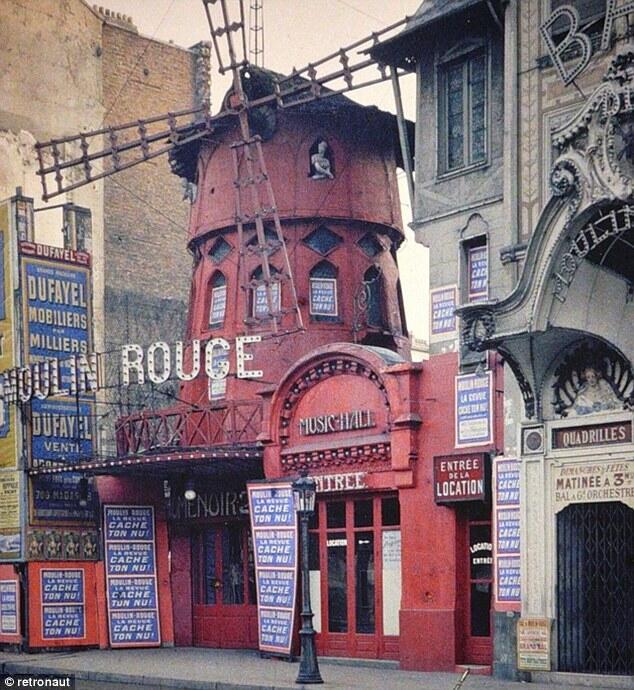
A rare color photograph by Albert Kahn of the original Moulin Rouge in Paris, a year before it burned down. 1914
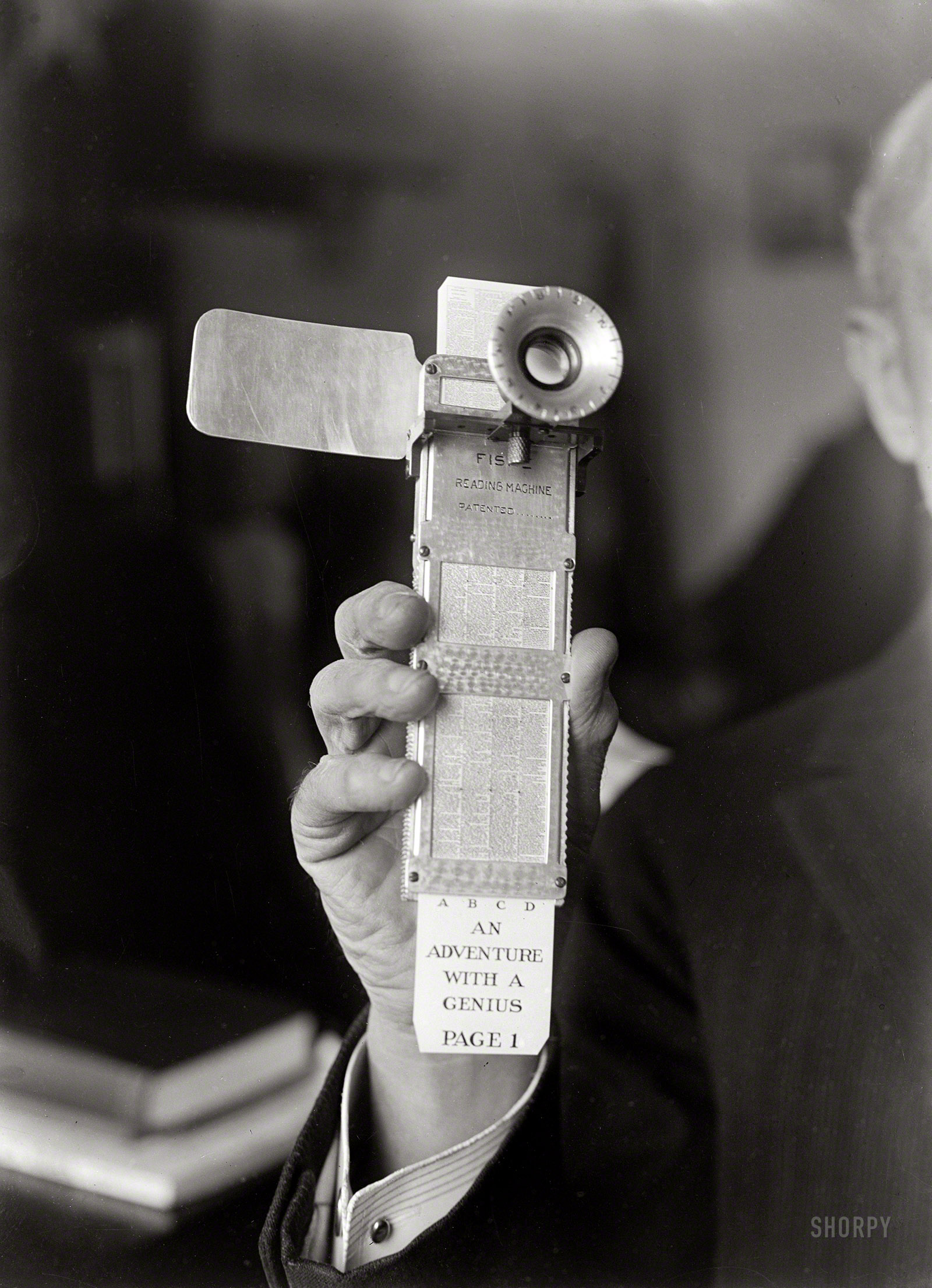
The Fiske Reading Machine in the hand of its inventor, Rear Admiral Bradley Fiske. Image from Shorpy via Glaserei

Miami News, March 30, 1926
I can just imagine what a person would look like using this on the subway…
The Old Wolf has spoken.


Police “catwalk car” in the Holland Tunnel.
As I was growing up, even as a child, I was aware that the rapid advance of technology had begun within sight of my birth year, in relative terms.
I knew, for example, that my mom’s parents were married in 1912, the year of the Titanic disaster.
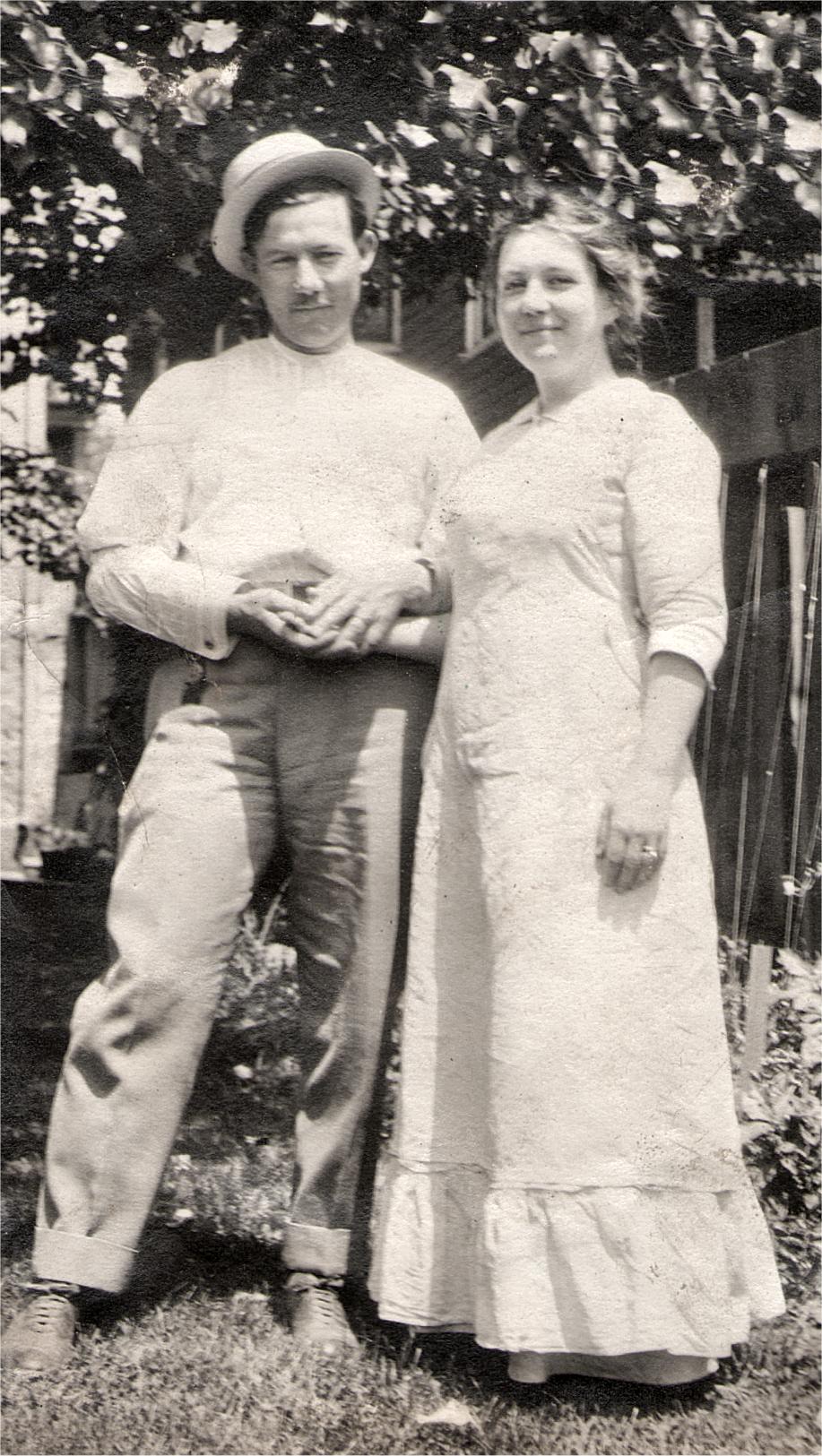
Electricity was still a novelty in many places. Automobiles were still replacing horses.
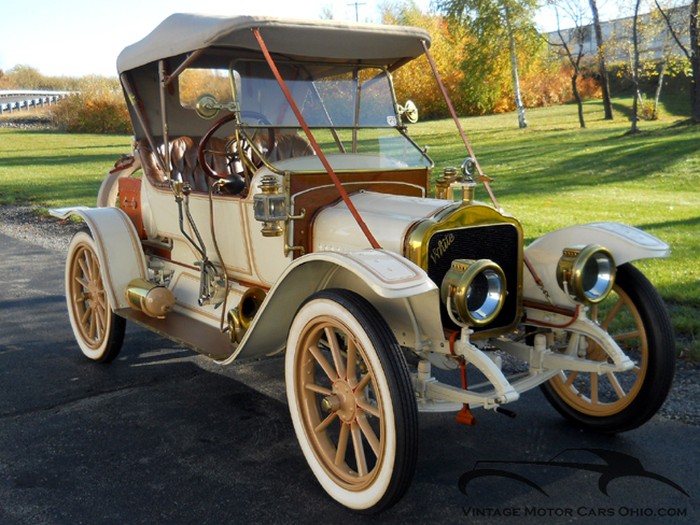
1912 White Motors vehicle
Telephones were still basic in many areas, although dial phones were becoming popular.
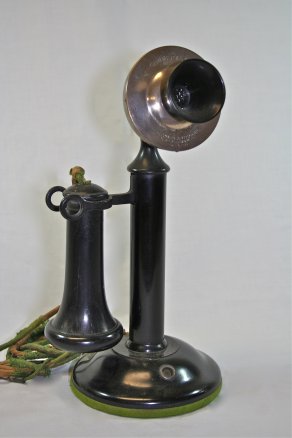
1912 – Connecticut Telephone and Electric Company
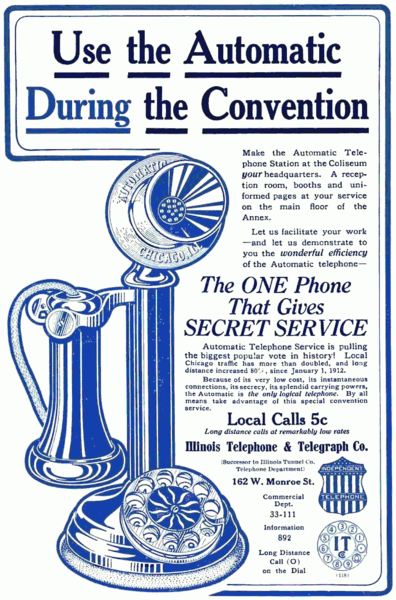
The dial telephone was touted for it’s “secret service” convenience, meaning no operator was required to connect the call. This advertisement targeted delegates to the 1912 Republican National Convention.
Radio had yet to become popular, and was still being used in things like ship-to-shore communications.
Television was not even a glint in Philo T. Farnsworth’s eye, and was strictly the stuff of laboratory experimentation.
The first commerical flight, with one passenger, happened two years later.
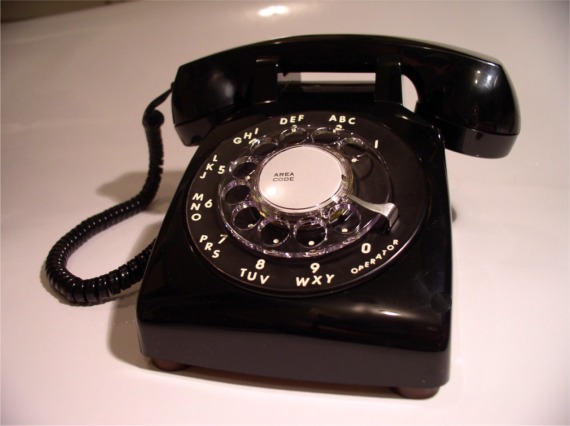
Fast-forward to the 1950’s.
Telephones looked like this:
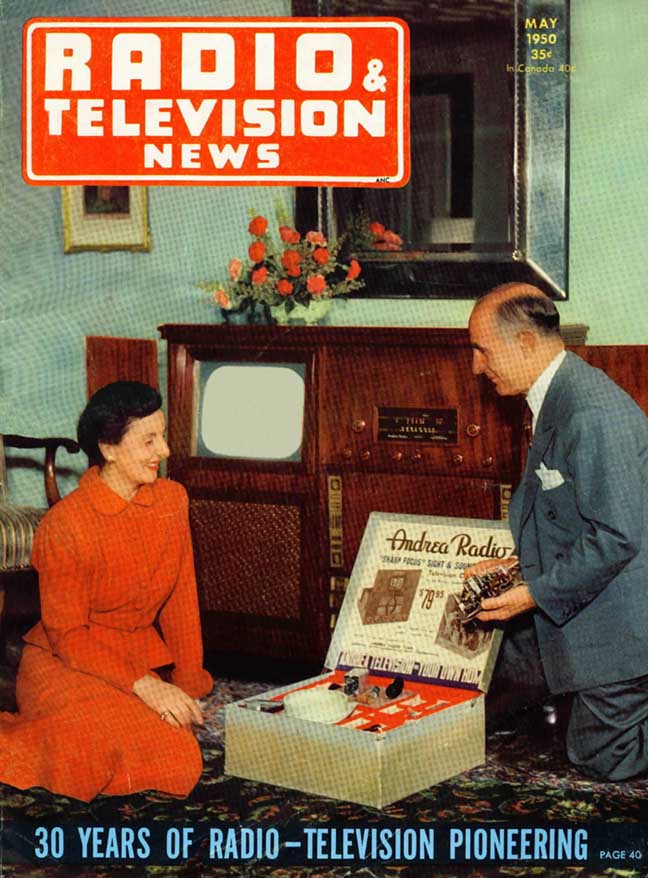
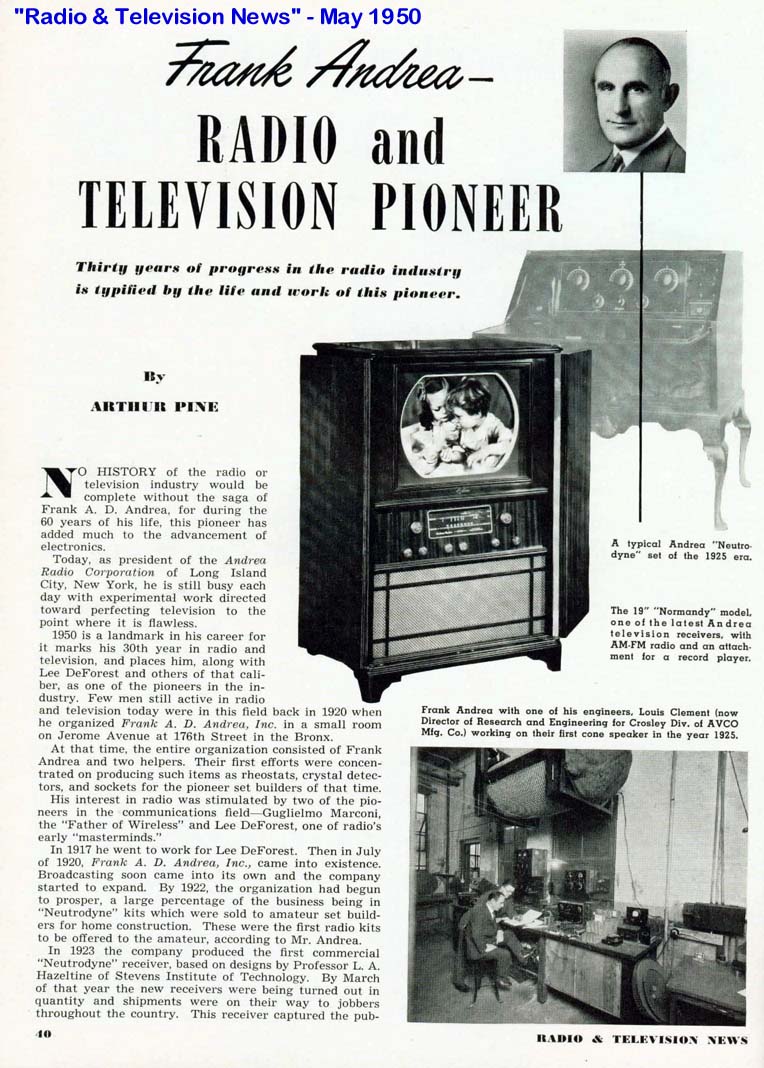
Our television was the “Cadillac” of TV’s at the time – a hand-made Andrea. Mom always had good taste.
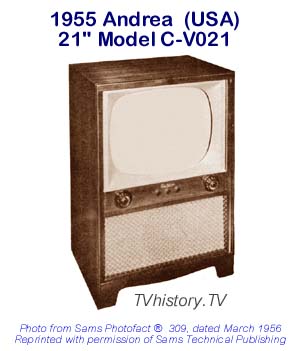
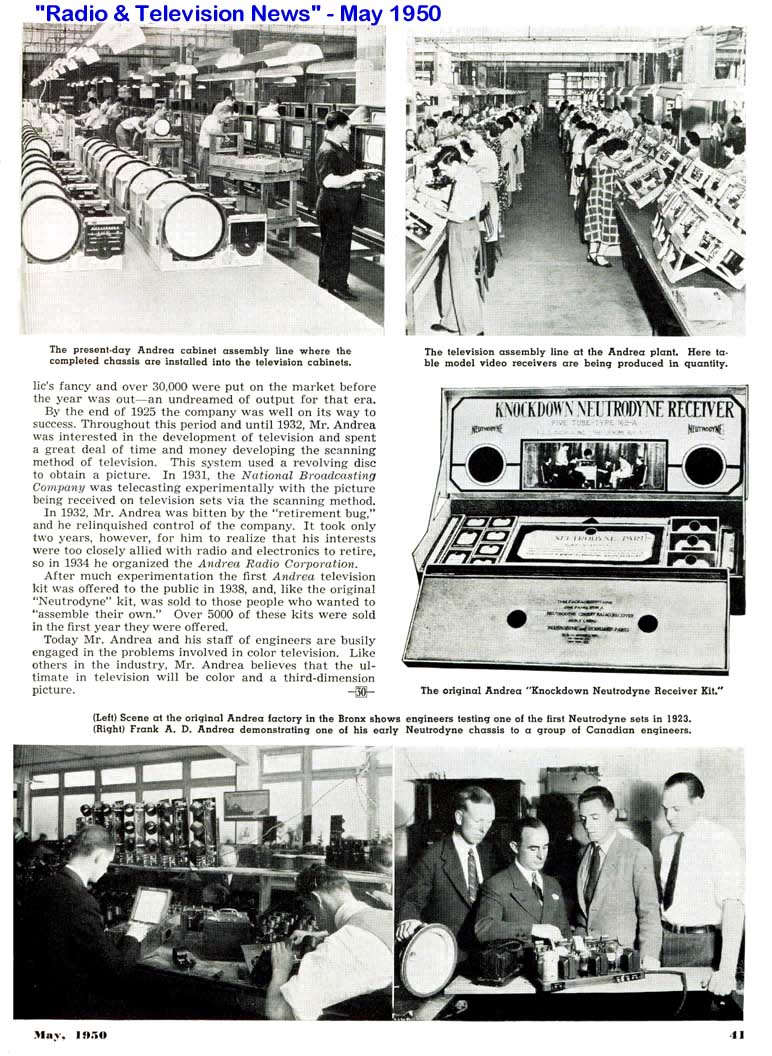
For some history about the Andrea enterprise, see the article from Radio & Television News from May of 1950.
TV’s had a 13-channel dial. UHF was provided for, but no one was broadcasting on those channels yet. Remotes were unheard of – you actually had to haul your ass off the couch and change the channel or adjust the volume by hand. This made channel surfing difficult – unless, like me, you sat 5 inches away from the screen and spun the dial like crazy. My mother always told me I’d hurt my eyes by sitting so close…
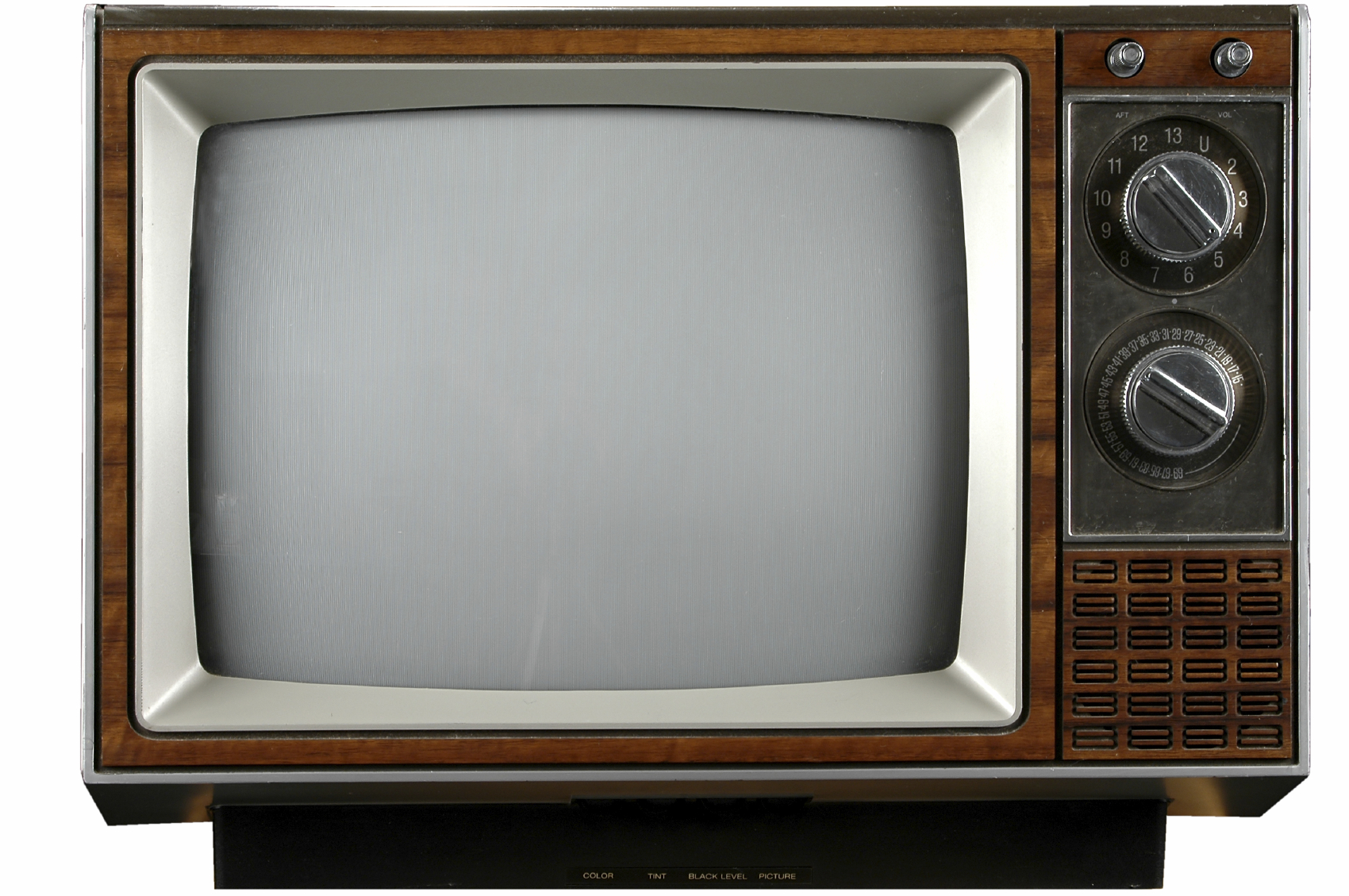
New York City had 7 channels – 2, 4, 5, 7, 9, 11, and 13. Everything was black and white – it wasn’t until the 60’s that we began seeing this:
Channels were pretty much off the air during the night time. Broadcasting would begin at around 5:30 AM. One of the first things to come on (even before the cartoons) was The Modern Farmer. I learned a lot watching that show, waiting for the cartoons to come on. If I was up earlier, all I’d see was something like this:

My mother married for the second time in 1959, and she and her new hubby (that relationship lasted about a year) flew on one of the first commercial jets, to Puerto Rico.
Flying, which I did often during the 50’s and 60’s to visit my mom’s family in Utah or my father in Los Angeles, really did look a lot like this:

They took good care of you back then. Those meal trays would come with little promotional packs of cigarettes, too – usually Marlboro, with four cigarettes in a tiny flip-top box. Kids would get games, or playing cards, and always a set of wings:
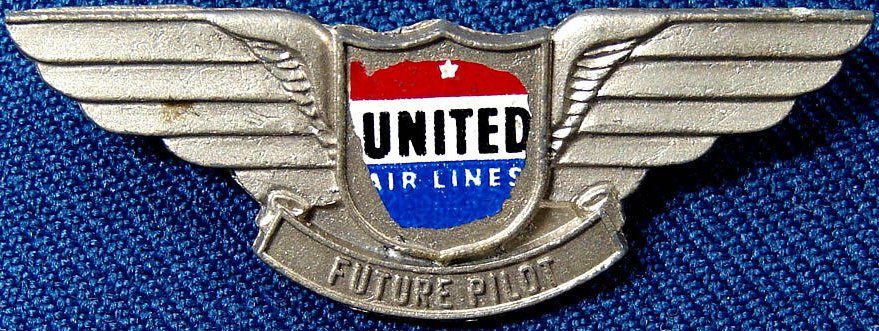
Don’t know what happened to my wings from United, but I still have a set from American kicking around somewhere.
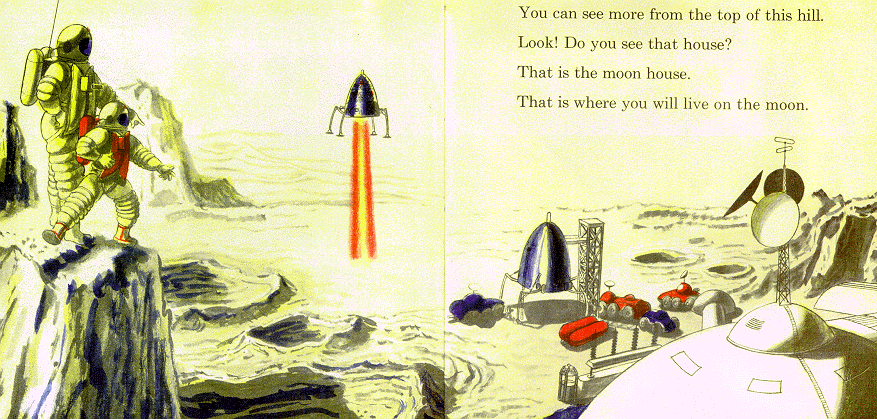
One of my favorite books in 1959 was You Will Go To The Moon, by Mae and Ira Freeman.
The Univac 1 was delivered in 1951, its successor, the Univac II, was delivered in 1958.
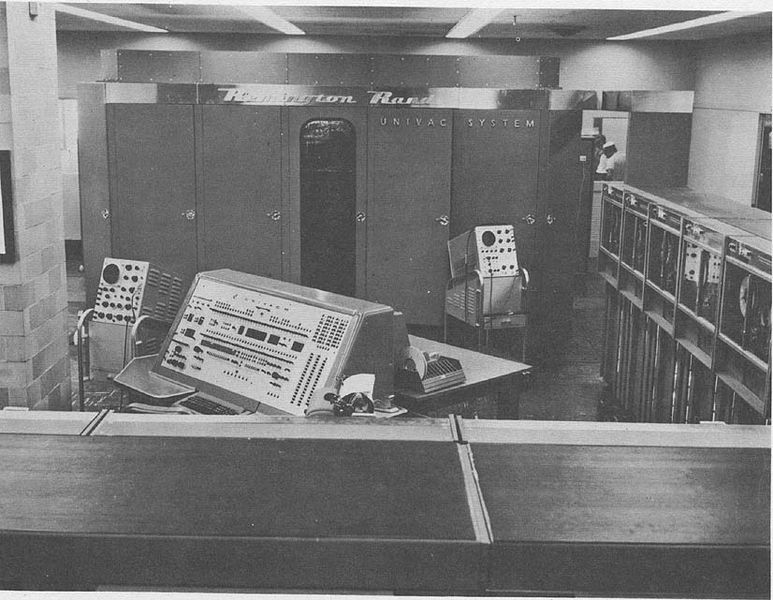
Univac II. My smartphone has more power than this did.
So today, in 2013, technology is advancing at a pace so rapid as to be breathtaking. I write this post on a core i7 machine, still relatively new – and already surpassed by new models. There are kids alive today who have never known what a world without the Internet is like (although they don’t remember NCSA Mosaic, or trying to surf the web over a 300-baud modem.)

Original cartoon courtesy of somethingofthatilk.com. I added this last panel.
In 1959, I could not have possibly imagined what I am seeing today (although I’m still ripped off about my flying car and that trip to the moon). Even with today’s technological and scientific miracles, I cannot imagine what kind of world my grandchildren will see. I can only hope that the world they grow up to see will have advanced in terms of humanity as well as technology.
The Old Wolf has spoken.
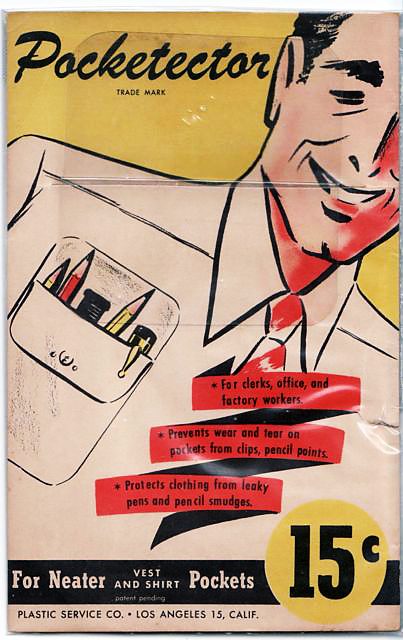
I used one regularly in the 60’s. I think that’s how much I paid. This one is clear, but I recall that I preferred the white ones.
I am still teh g33XXør.
The Old Wolf has spoken.
According to The Verge, new data-retrieval techniques have enabled researchers to play a wax disc recorded by Alexander Graham Bell on 15 April 1885, and previously deemed “uplayable”. Not only was the wax disc, which had been donated to the Smithsonian by Bell himself, heavily damaged, there was also no indication of what kind of device could play it back. However, by dint of taking high-resolution images of the disc and then using computer analysis to rebuild damaged areas, Bell’s voice can be heard clearly. He spends most of his time reciting numbers, but provides an audio “signature” at the end of the recording.
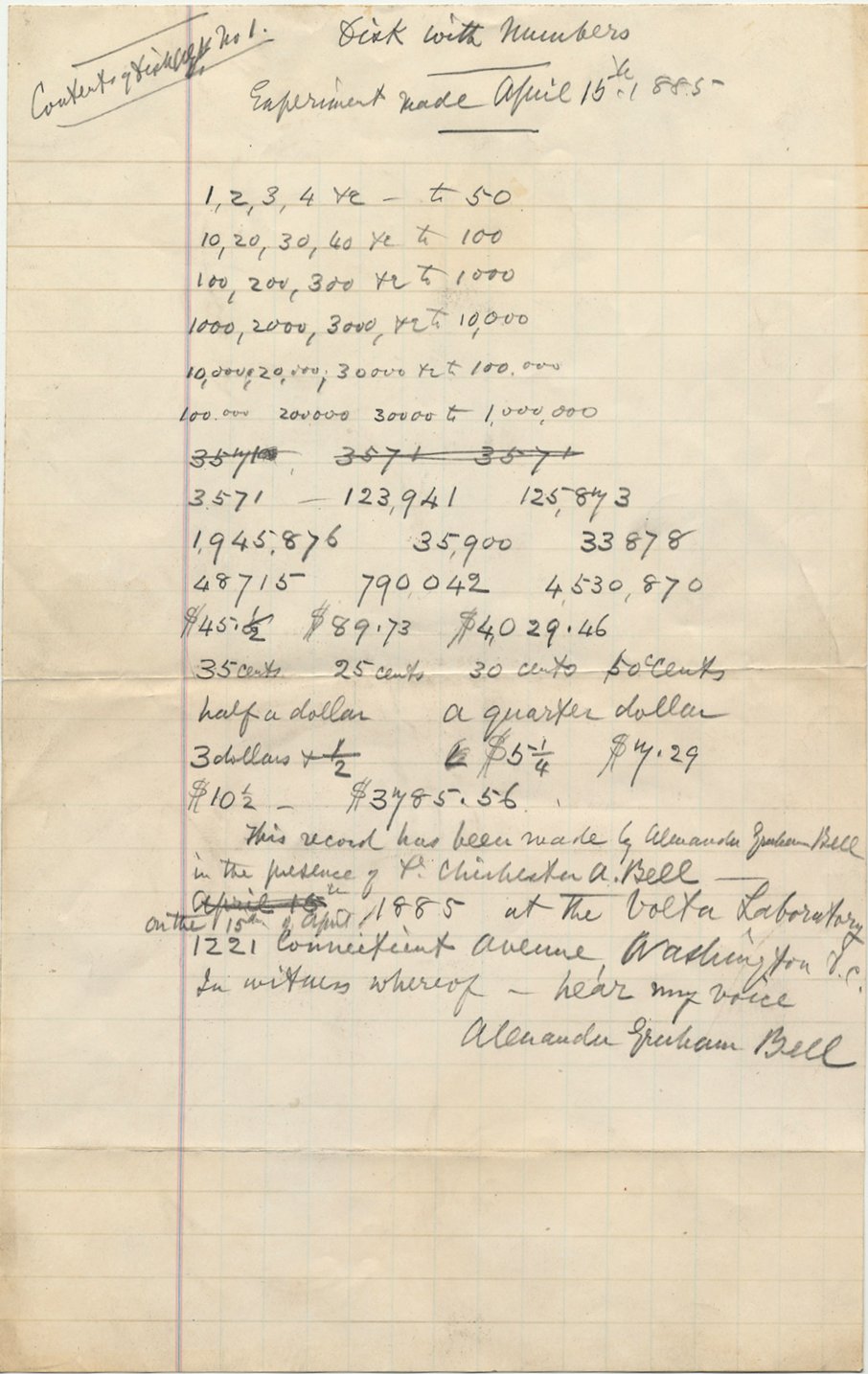
Bell’s transcript of the recording
The recording itself, with captions.
An intriguing bit of history.
The Old Wolf has spoken (but not as well as Alexander Graham Bell.)
Here there be treasure.
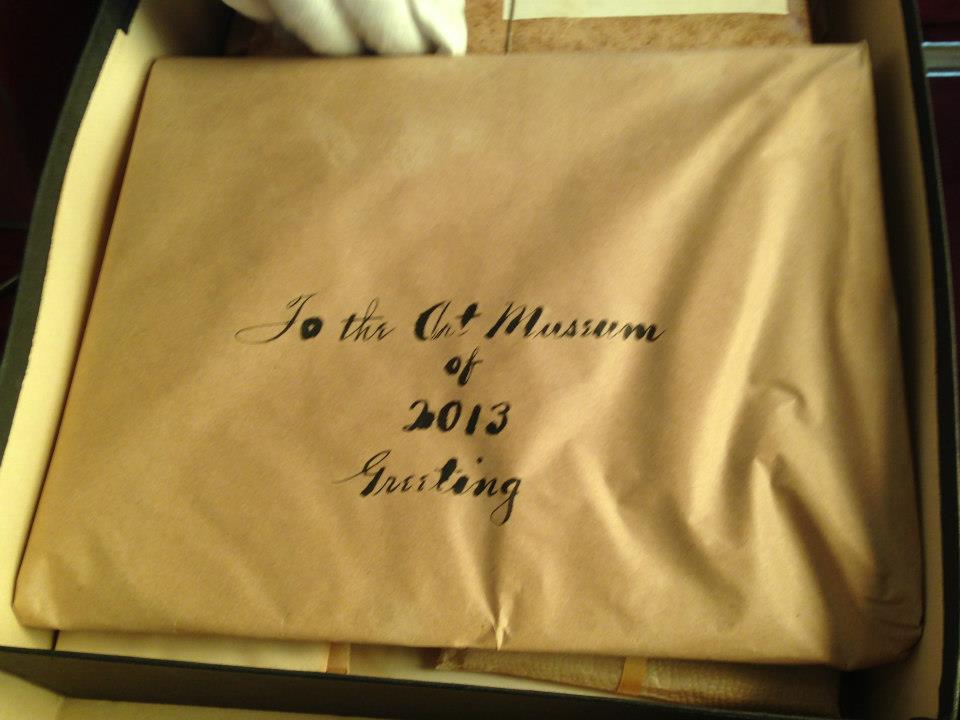
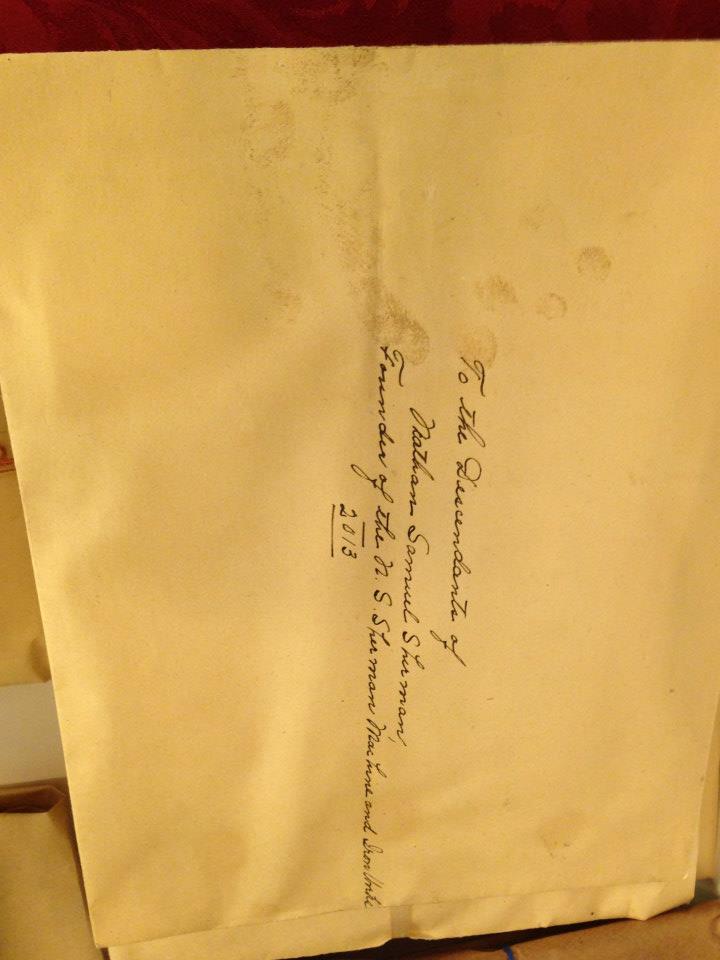
“On April 22, 1913, a “Century Chest” was buried in the basement of the First English Lutheran Church (now the First Lutheran Church of Oklahoma City) at 1300 North Robinson. The ceremony was witnessed by a capacity crowd including Governor Lee Cruce and other notable Oklahoma residents.
Through a century of dutiful vigilance the congregation of the First Lutheran Church has guarded the Century Chest in order that on April 22, 2013, the chest would be unearthed and the past would come alive. The church has partnered with the Oklahoma Historical Society to ensure the treasures of 1913 are preserved and exhibited at the Oklahoma History Center.” (From Oklahoma History)
Some of the beautiful and well-preserved items found:
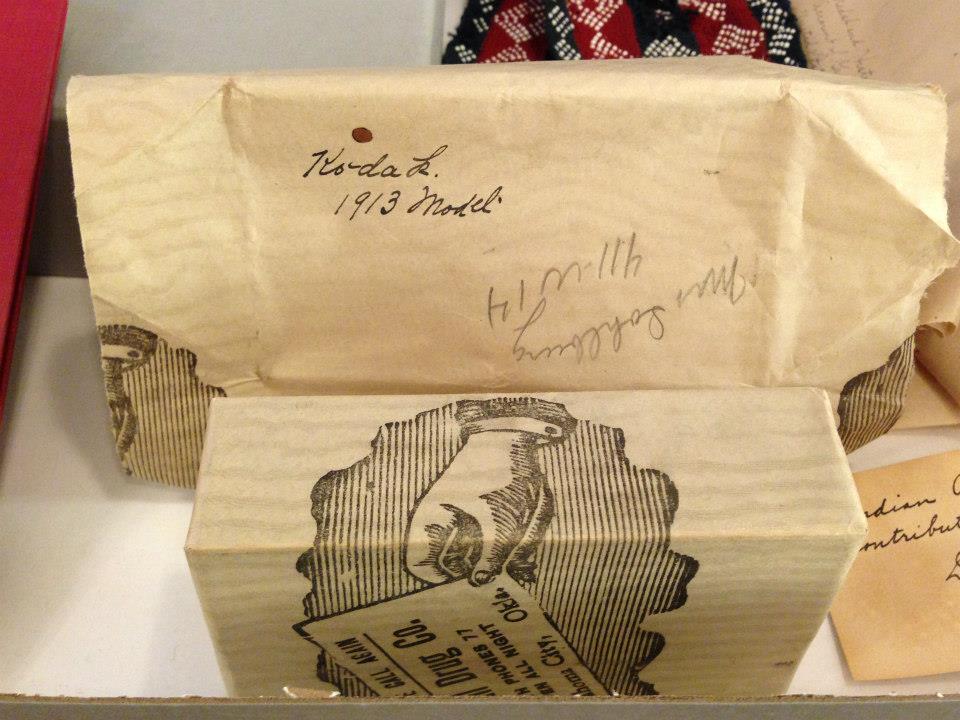
Kodak camera
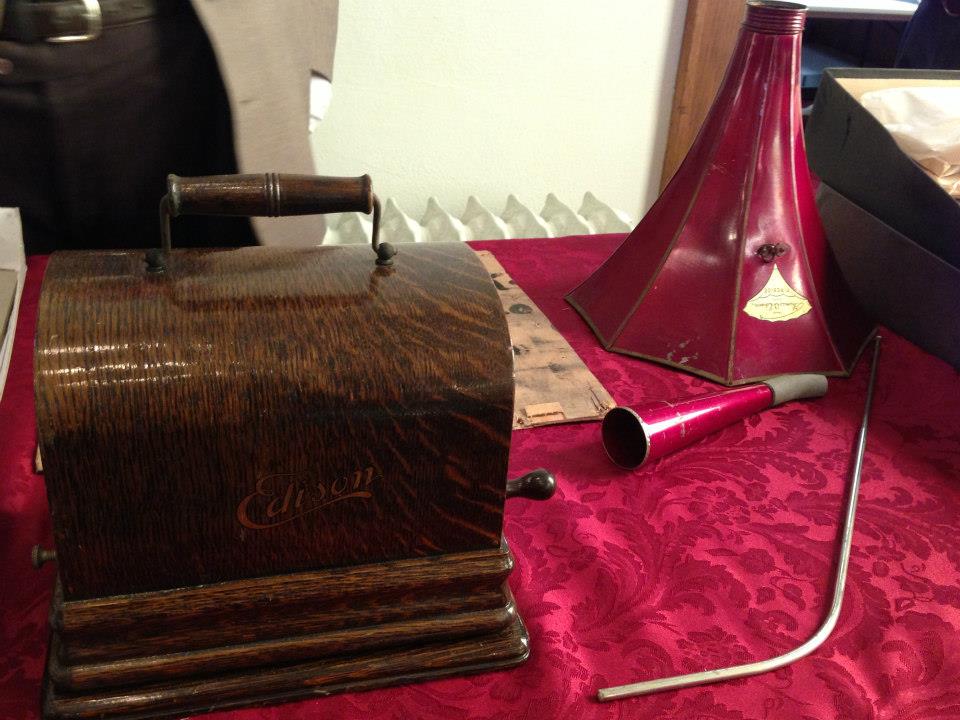
Graphophone

Wax cylinders for graphophone
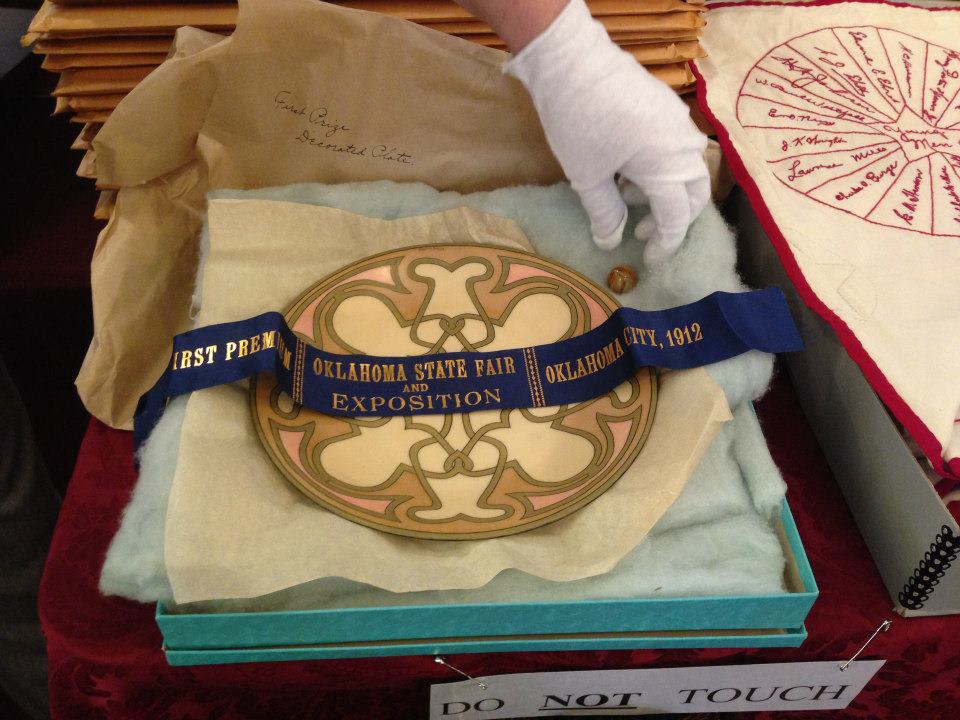
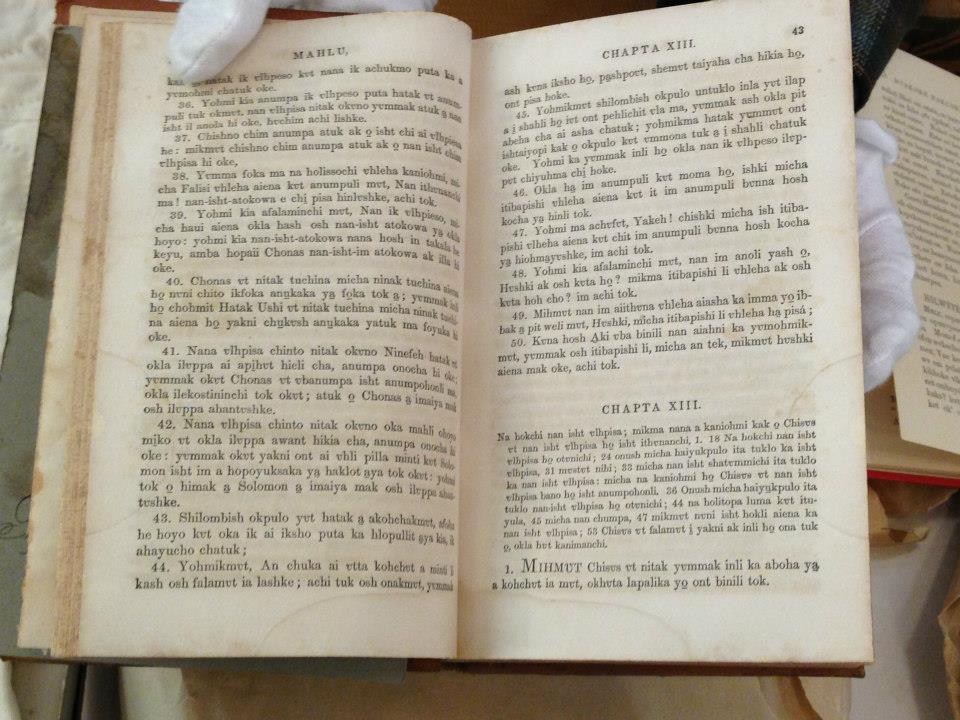
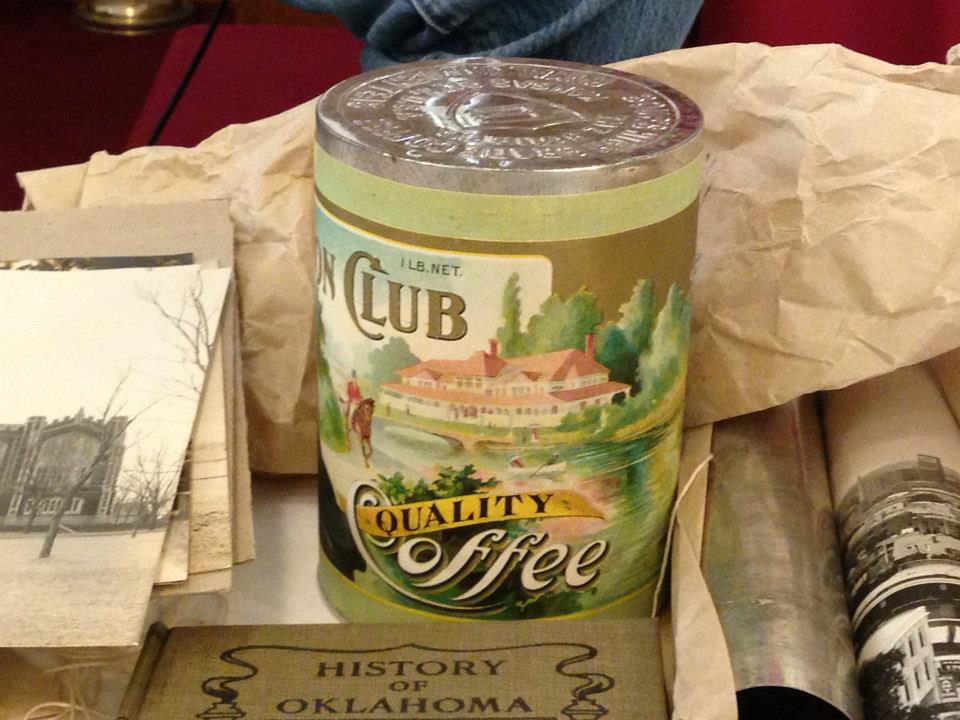
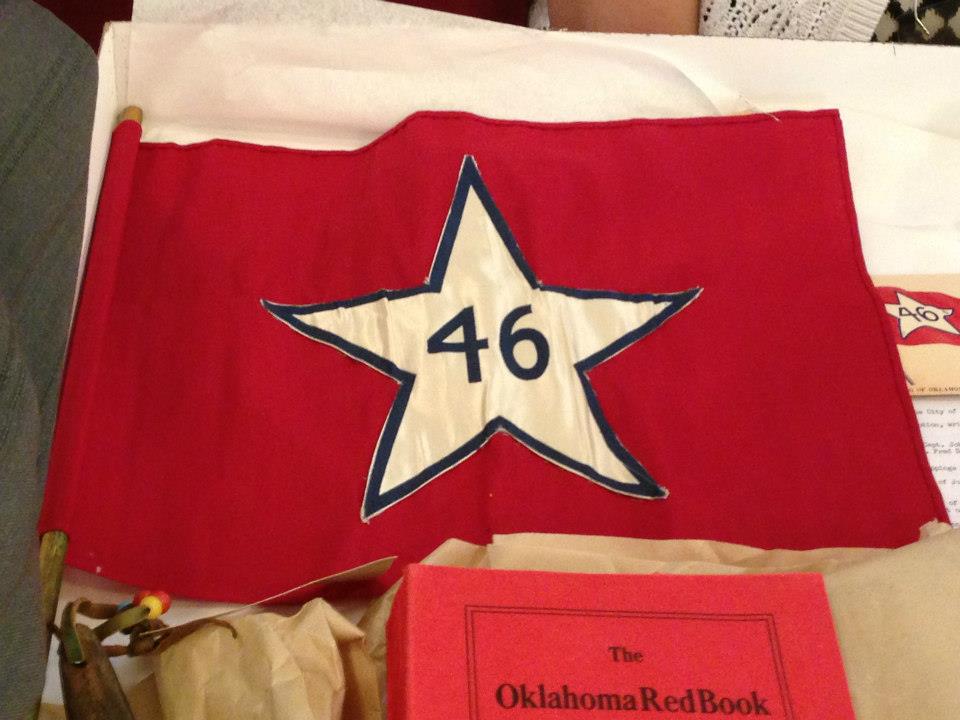
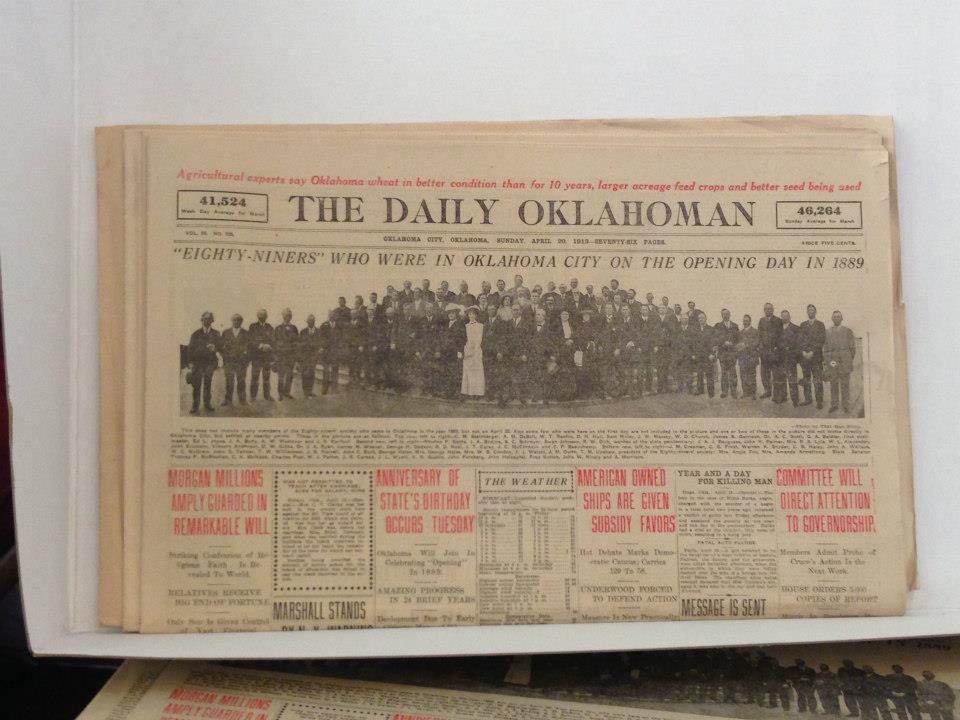
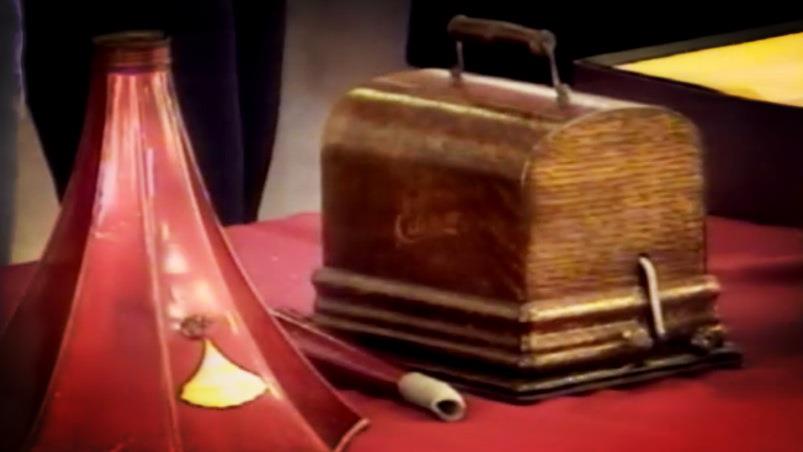
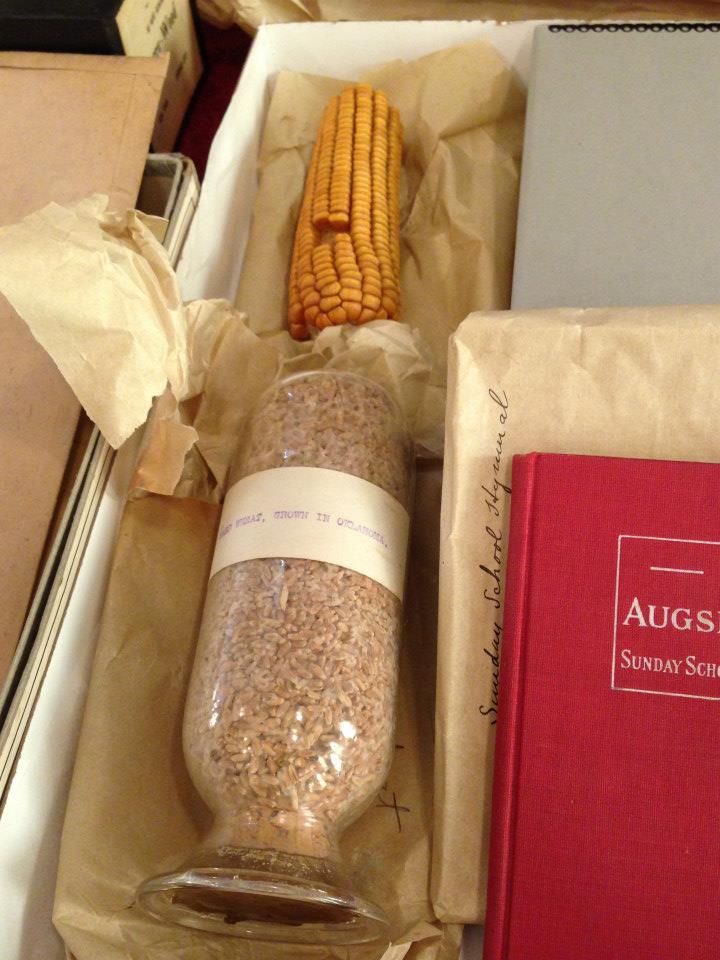
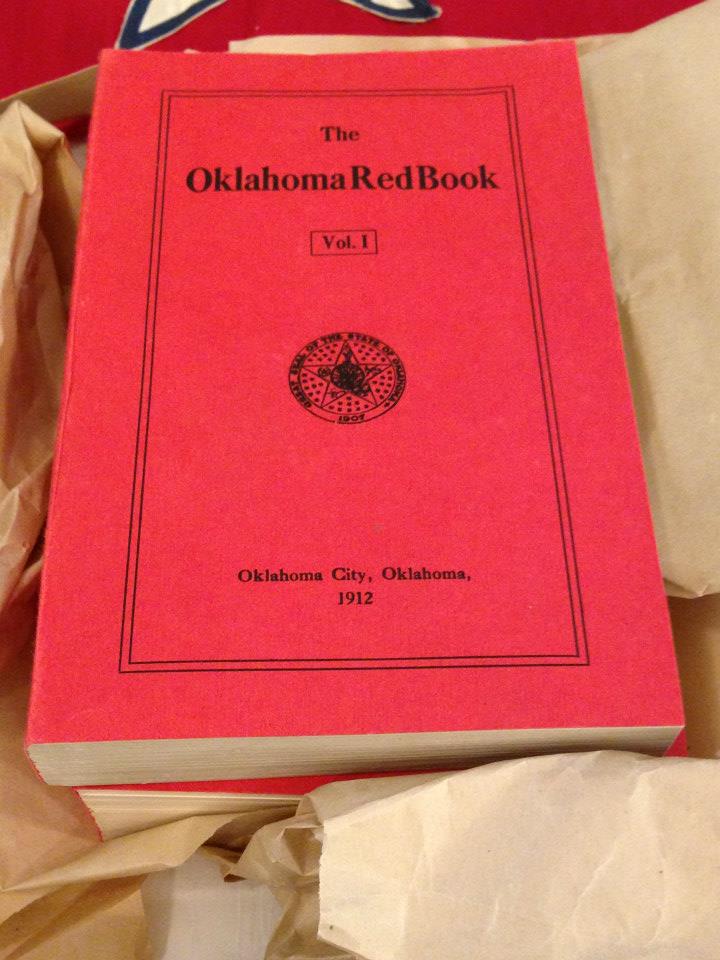
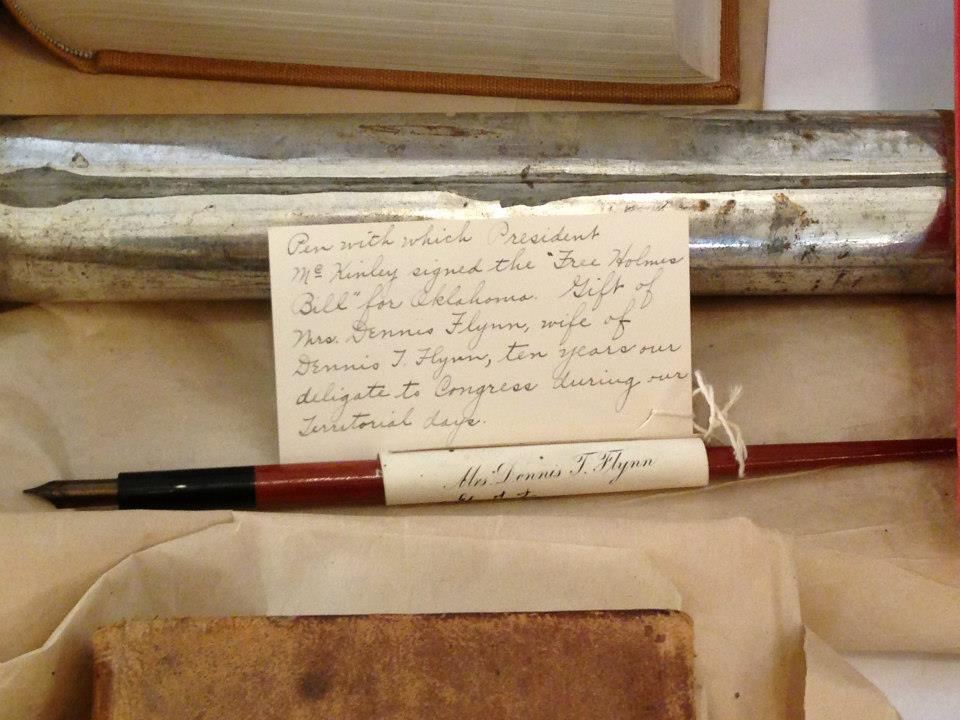
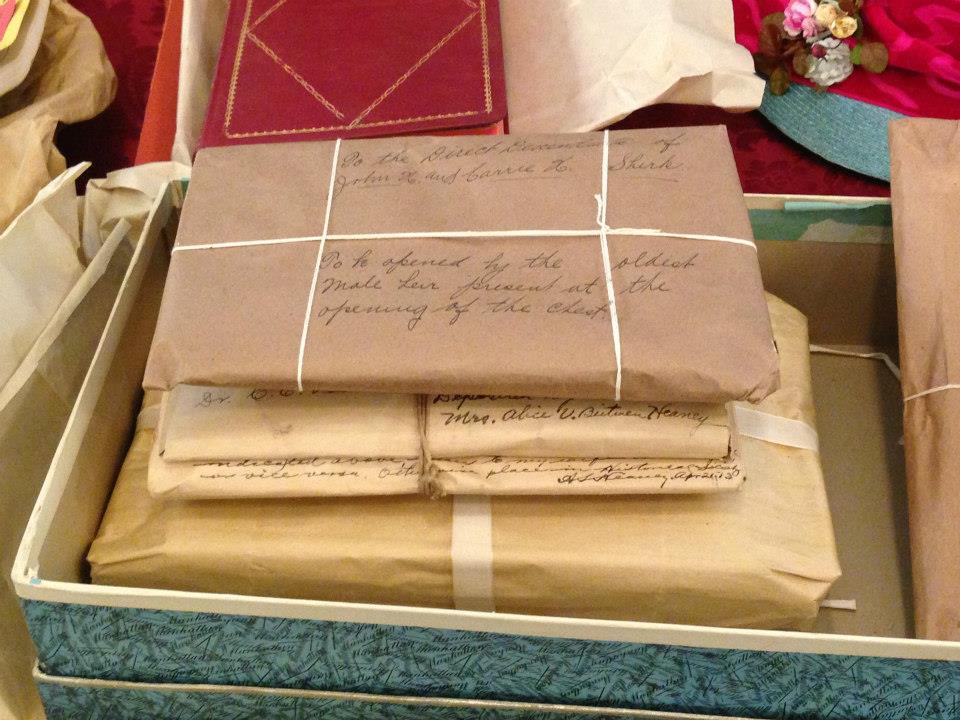
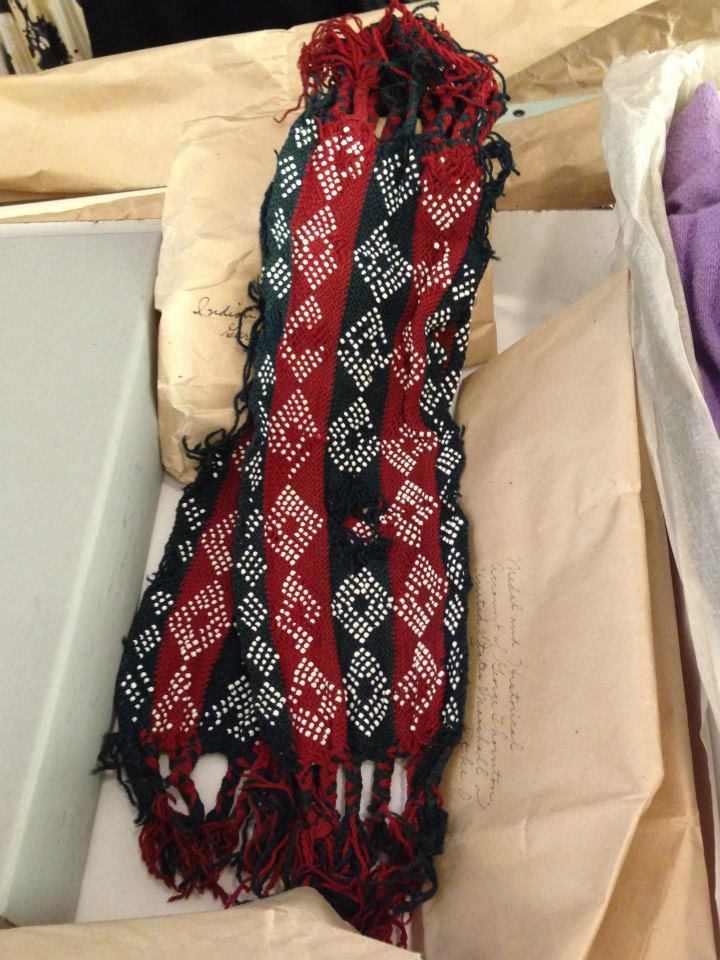
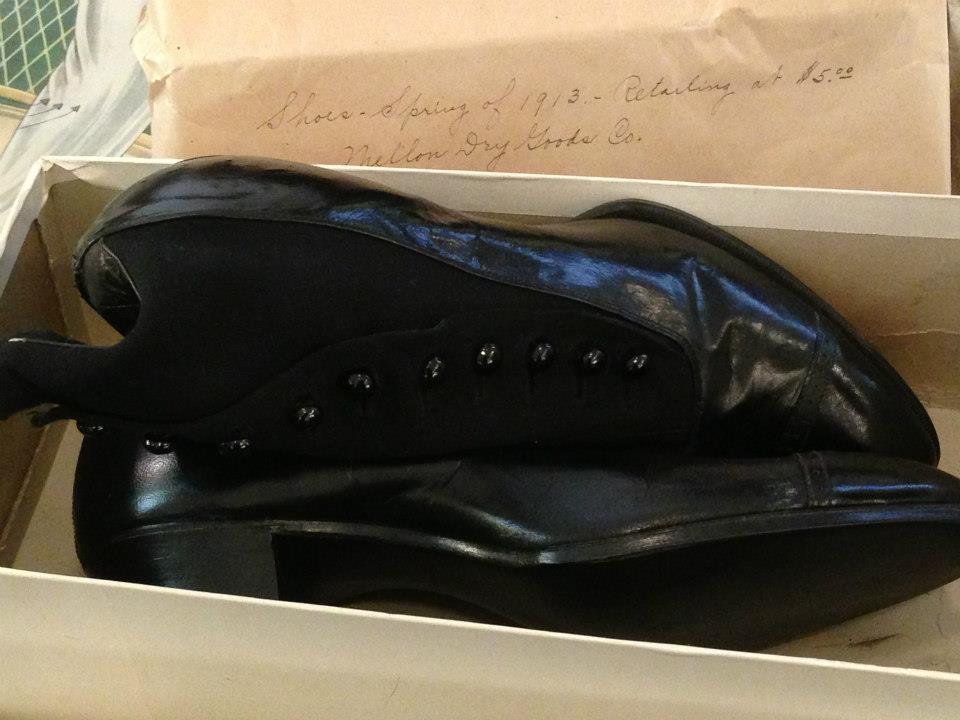
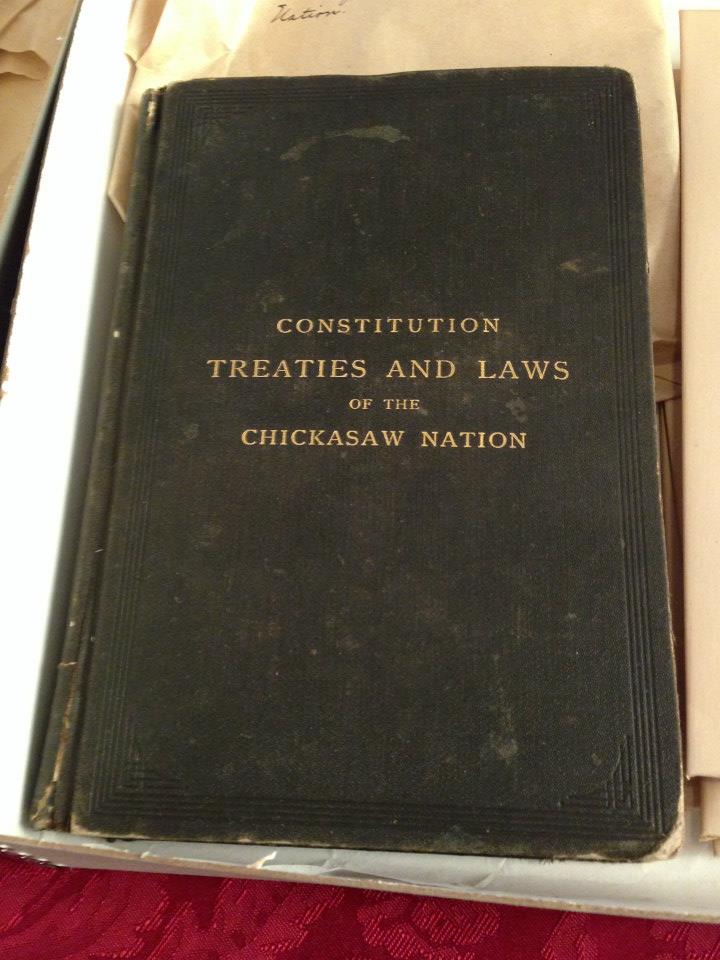
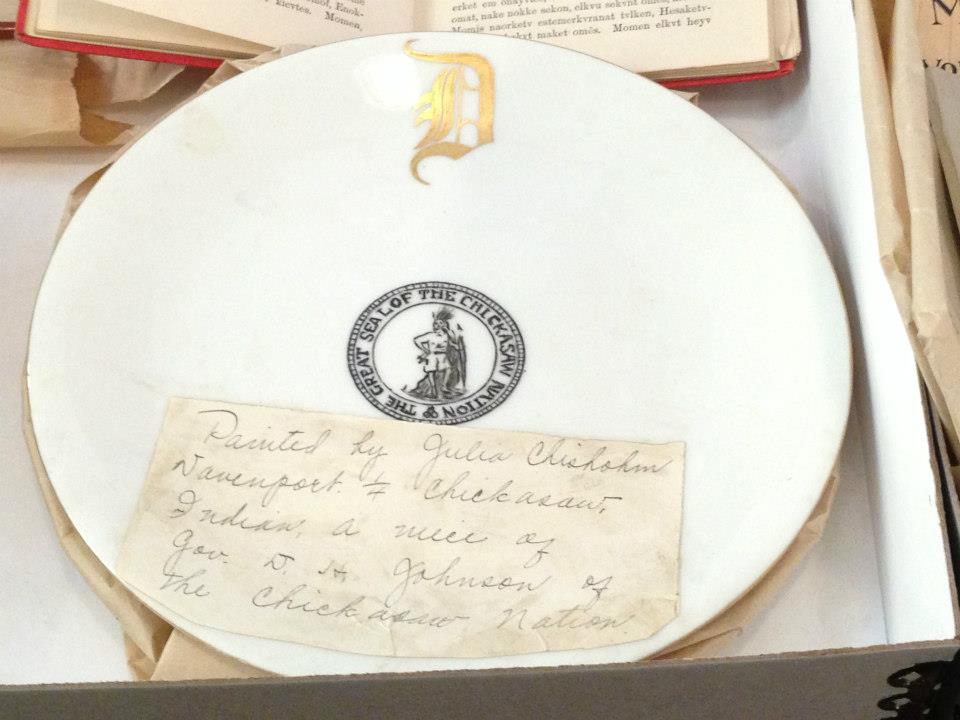
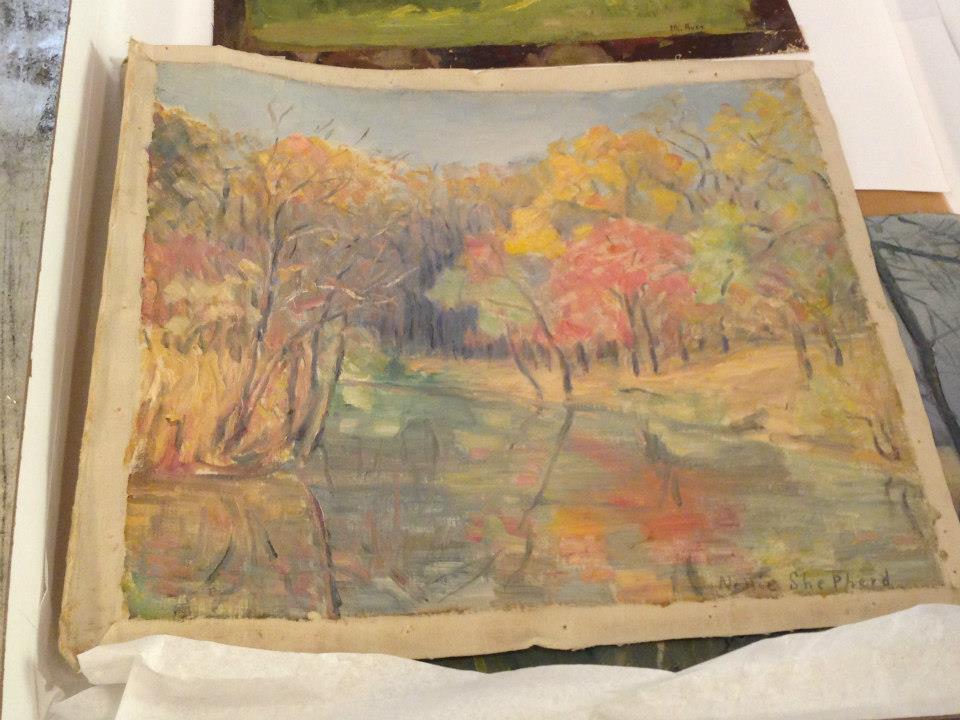
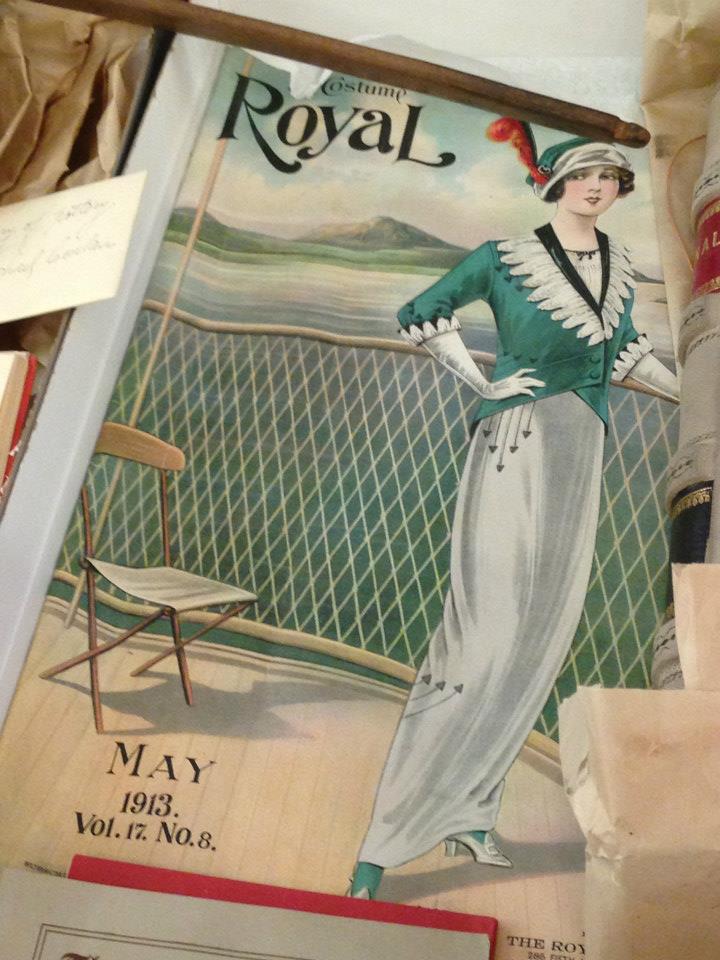
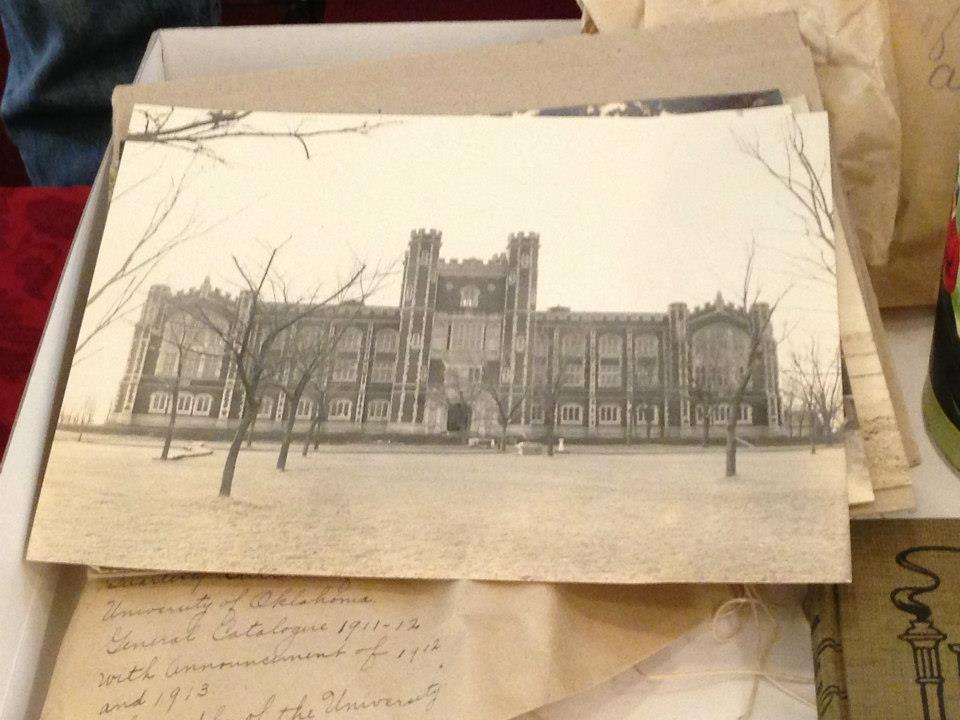
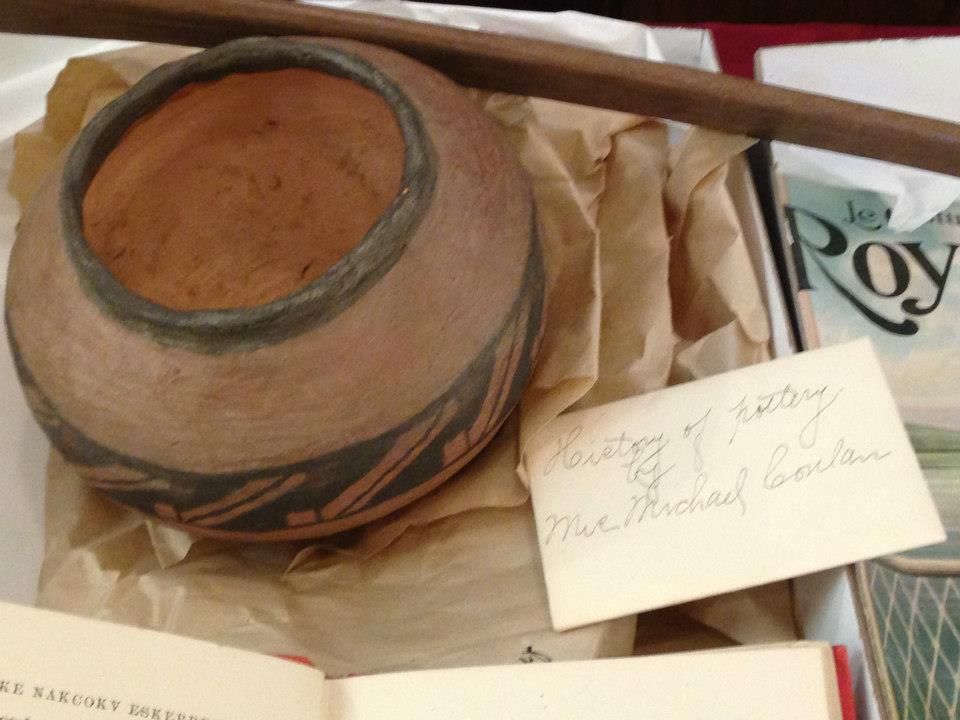
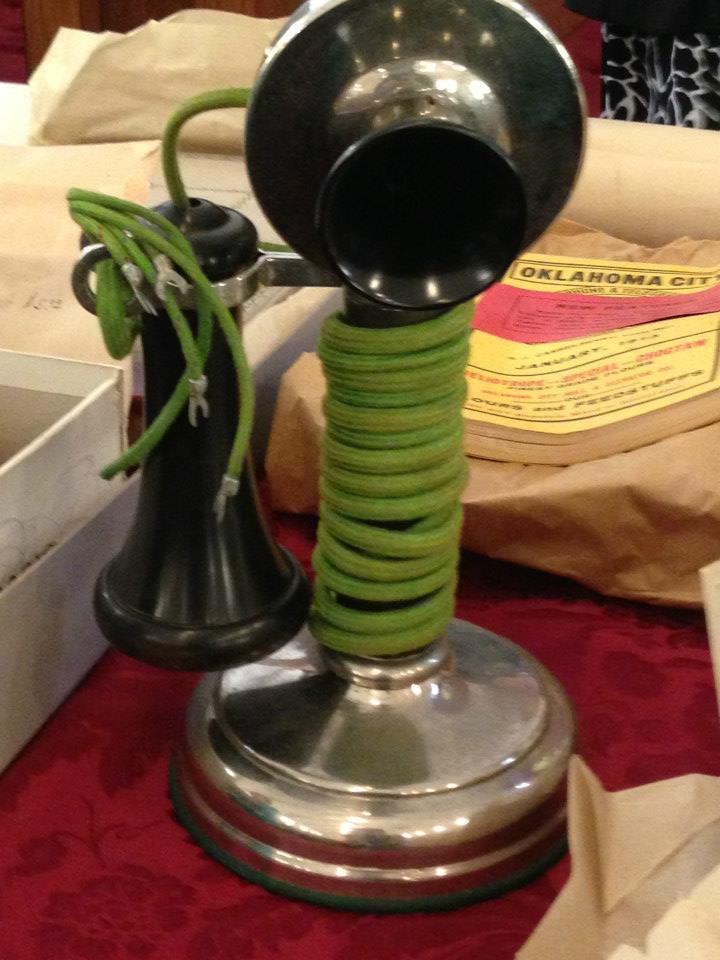
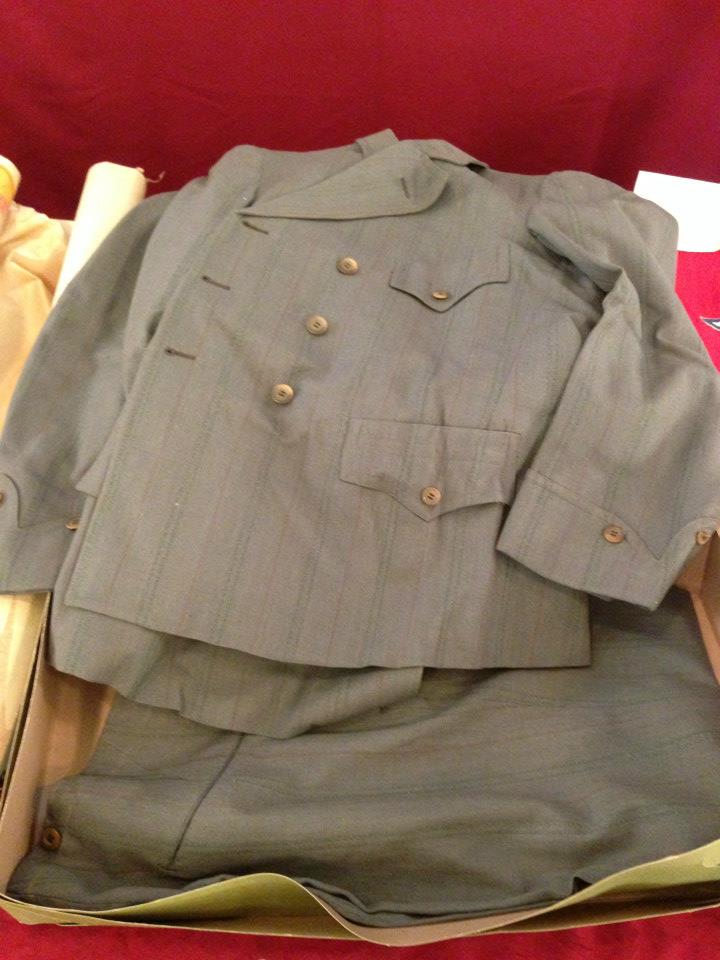
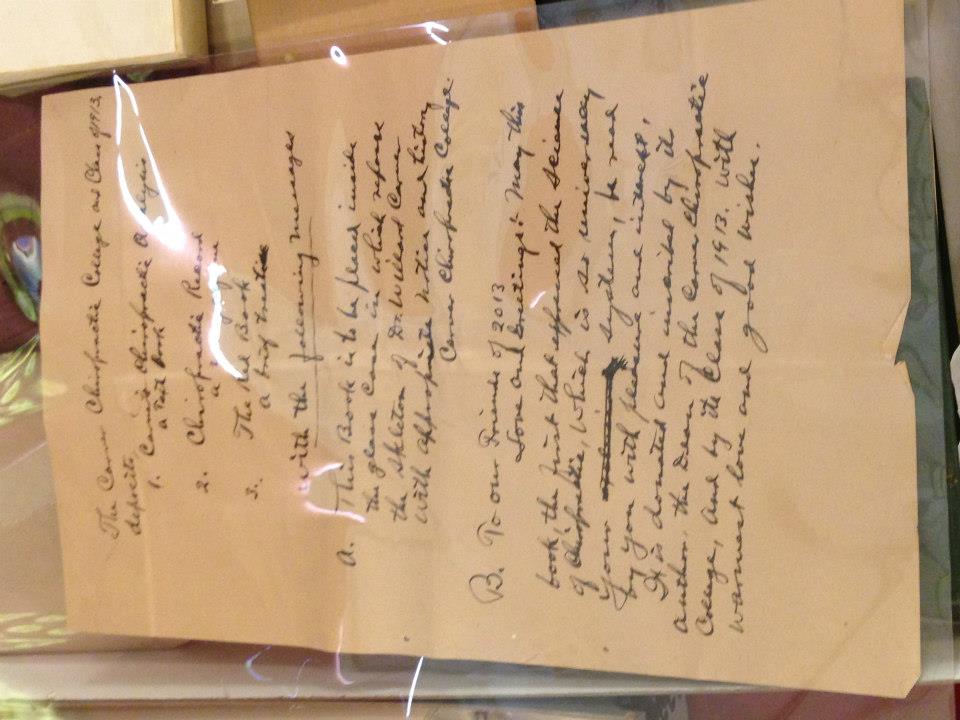
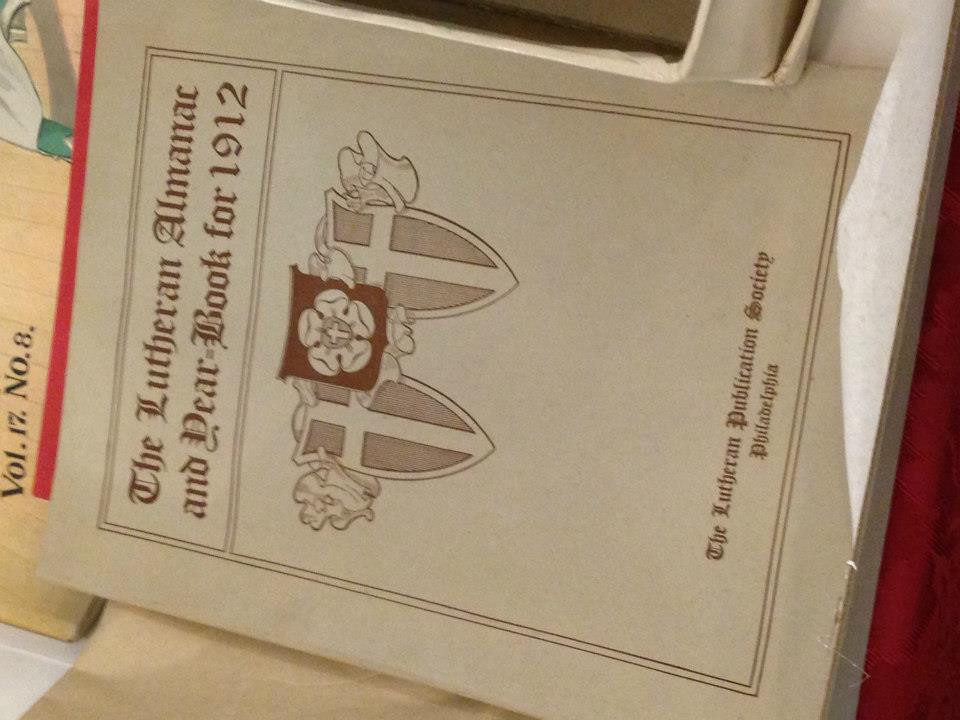
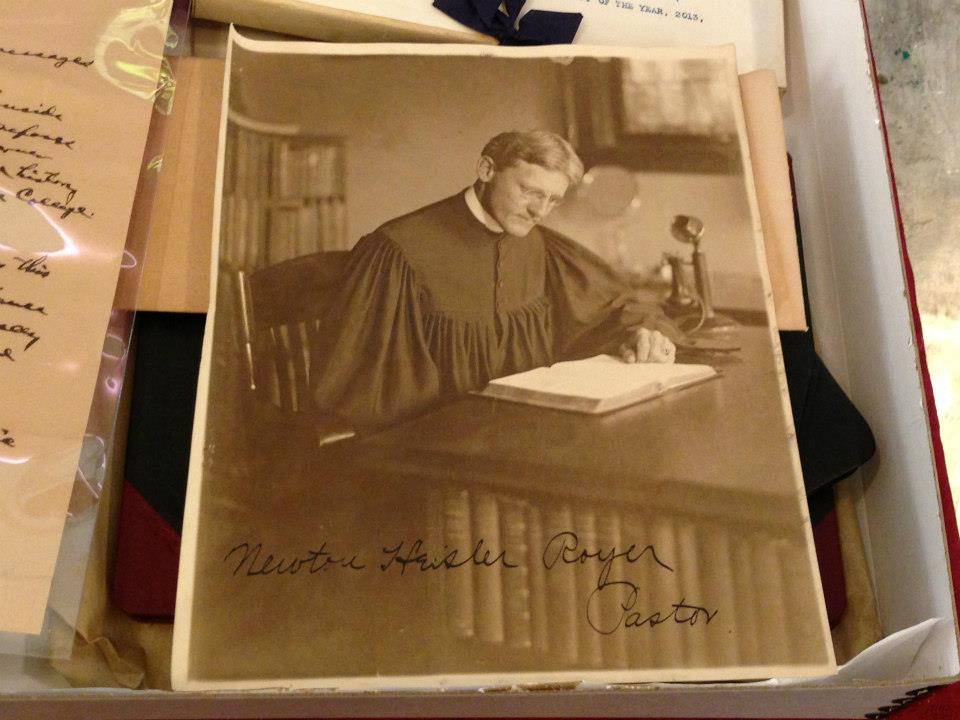
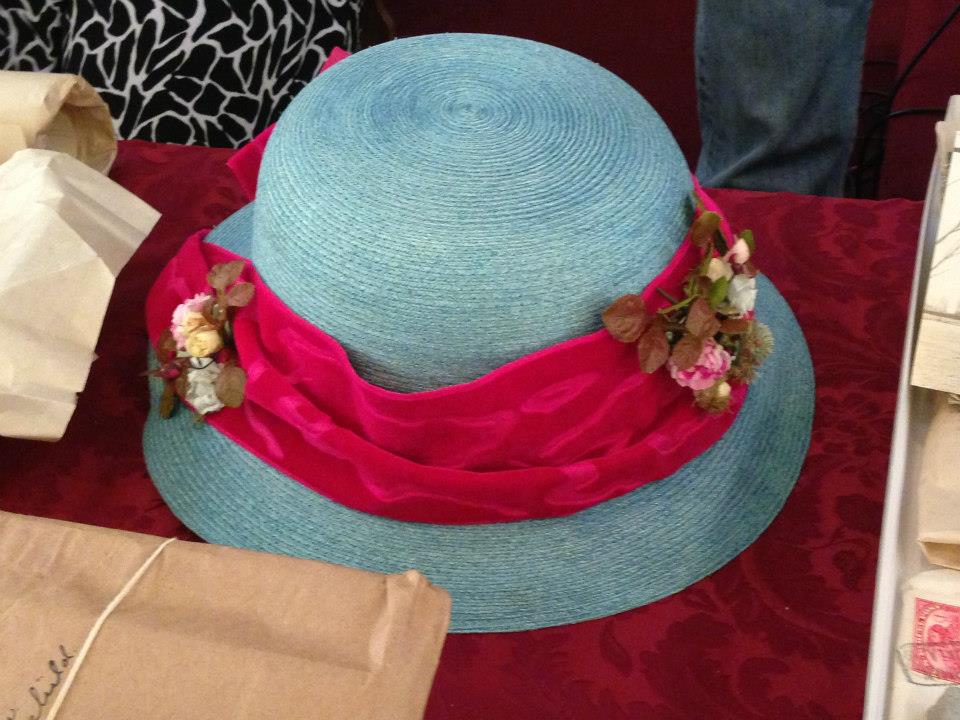
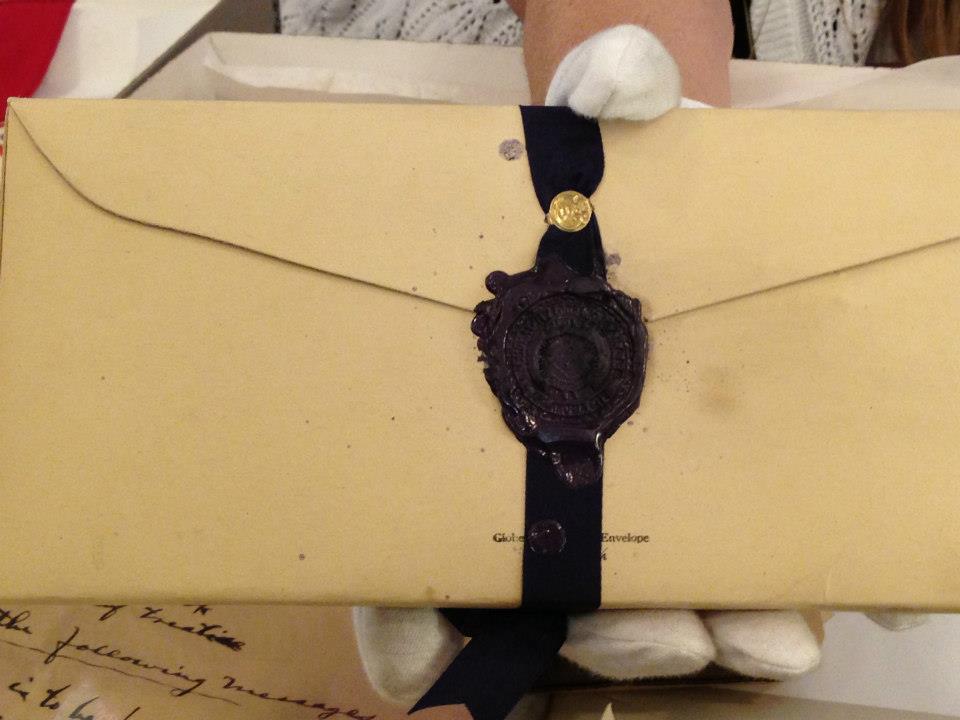
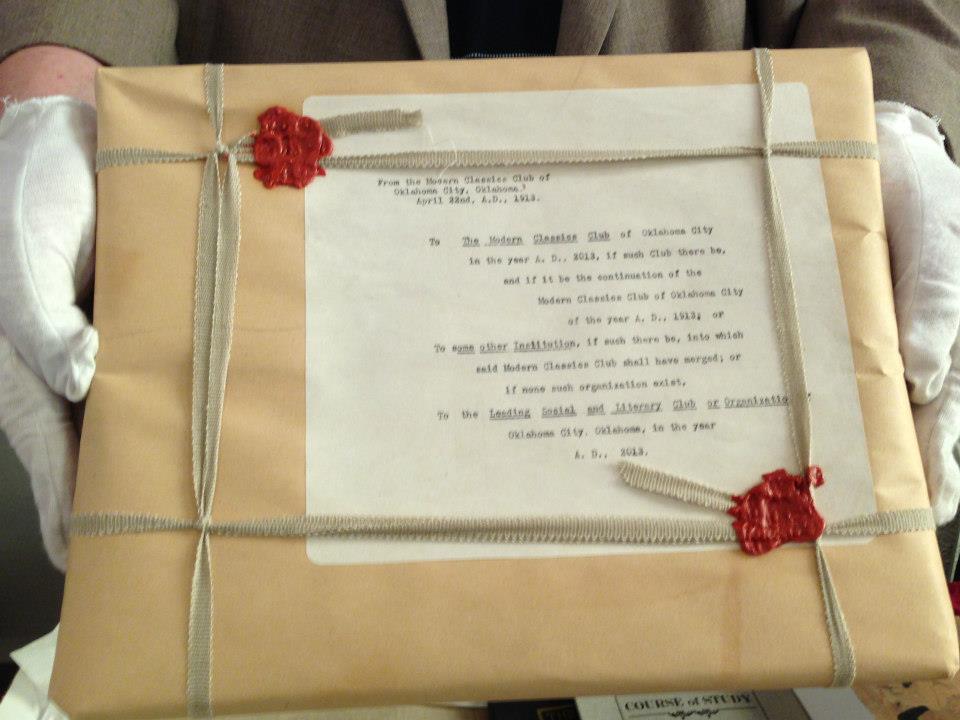
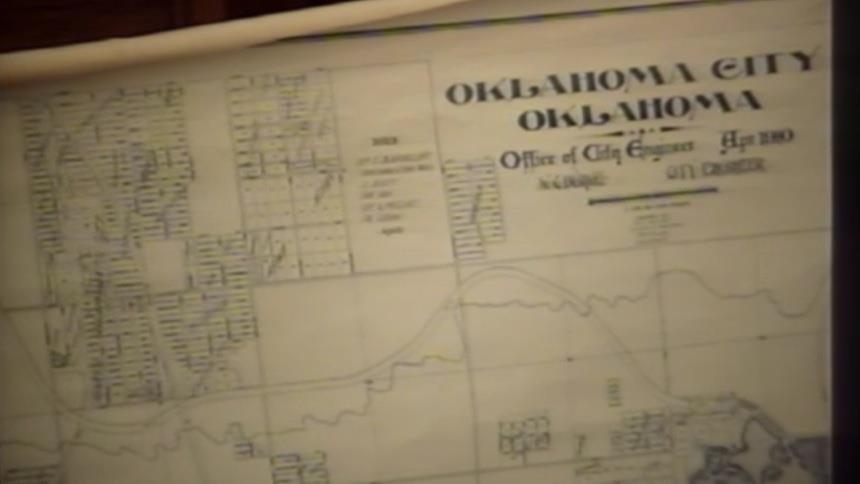
What a wonderful glimpse into the world of 100 years ago. Many other items were included, and will be preserved and curated by the state.
The Old Wolf has spoken.
23rd November 1896: District Line Platform at Victoria Underground Station
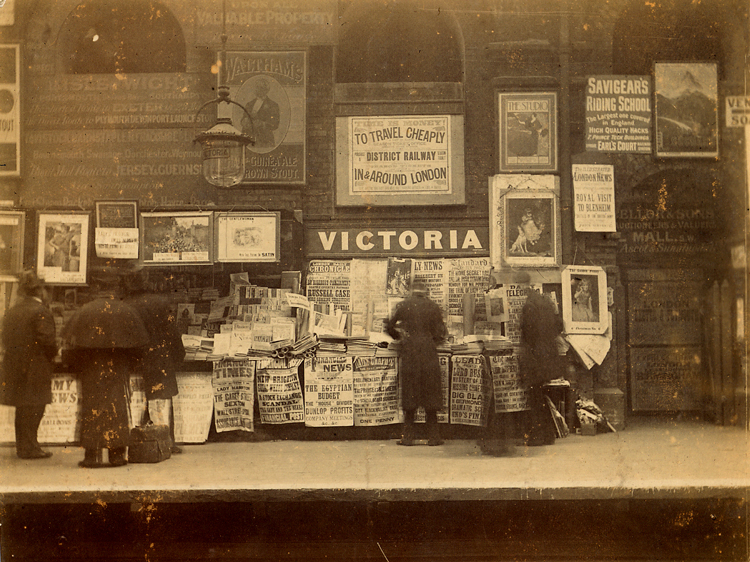
I love old photos like this. They are such a historical treasure.
The Old Wolf has spoken.
While not the first coinage to be minted in our country, these were the earliest coins issued by the authority of the United States.

Obverse
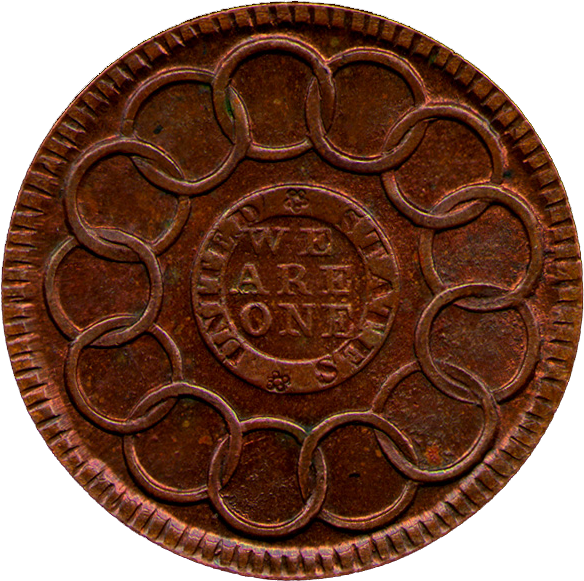
Reverse
The front of the coin depicts the word “fugio” (Latin = “I fly”), a sun, and a sundial, over the motto “Mind your business.” The coin was reputedly designed by Benjamin Franklin, and it is suggested that the image combined with the words form a rebus, meaning “Time flies; do your work.” However, I like the interpretation that each person should tend to his or her own affairs without getting involved in those of others. Franklin is not around to ask.
The reverse of the coin shows the words “United States,” “we are one,” and thirteen rings representing the thirteen original colonies.
I’d love to have one of these in my collection.
The Old Wolf has spoken.
 Playing in the World Game