The 1966 Flood of the Arno River in Florence killed many people and damaged or destroyed millions of masterpieces of art and rare books. It is considered the worst flood in the city’s history since 1557. With the combined effort of Italian citizens and foreign donors and committees, or angeli del fango (“Mud Angels”), many of these fine works have been restored. New methods in conservation were devised and restoration laboratories established. However, even decades later, much work remains to be done. (Wikipedia)
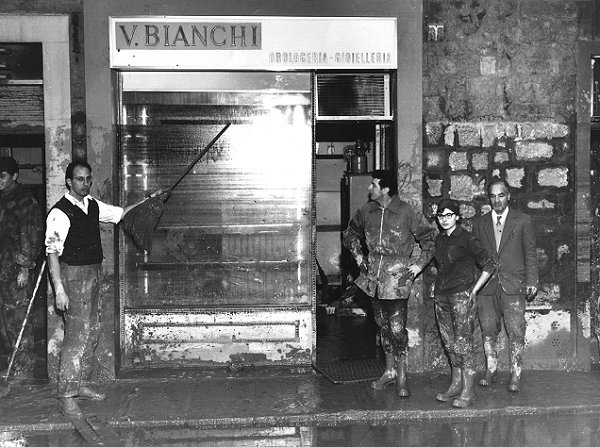
A photo sent to my father by either a relative or a family friend (I never knew which) shows a shopkeeper indicating the water level. What a terrible thing. In some areas of Florence, the water level was over 6 meters high.
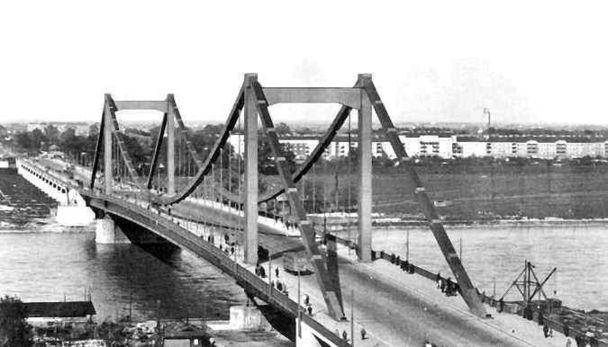
The Reichsbrücke in Vienna, spanning the Danube between Mexicoplatz and Donaustadt, is one of Vienna’s most important bridges. On any given day it carries thousands of commuters back and forth, and links the city center with Kagran to the northeast.
Sunday, August 1, 1976 was different. At about 5:00 AM, according to an eyewitness, the entire bridge lifted up about half a meter, and simply collapsed along its entire length into the Danube. It didn’t take long for word to get around, and it was considered a miracle that it happened both on a Sunday and so early in the morning. Had the bridge failed during a rush hour, hundreds might have been killed – as it is, only five people in four vehicles were on the bridge, and of these, only one lost his life.
I was living in Vienna at the time, and after Church services, we wandered down to see the site for ourselves.
A lone bus sits in the middle of the span. The driver was rescued after a few hours, and the bus now sits in Vienna’s Tramway Museum.
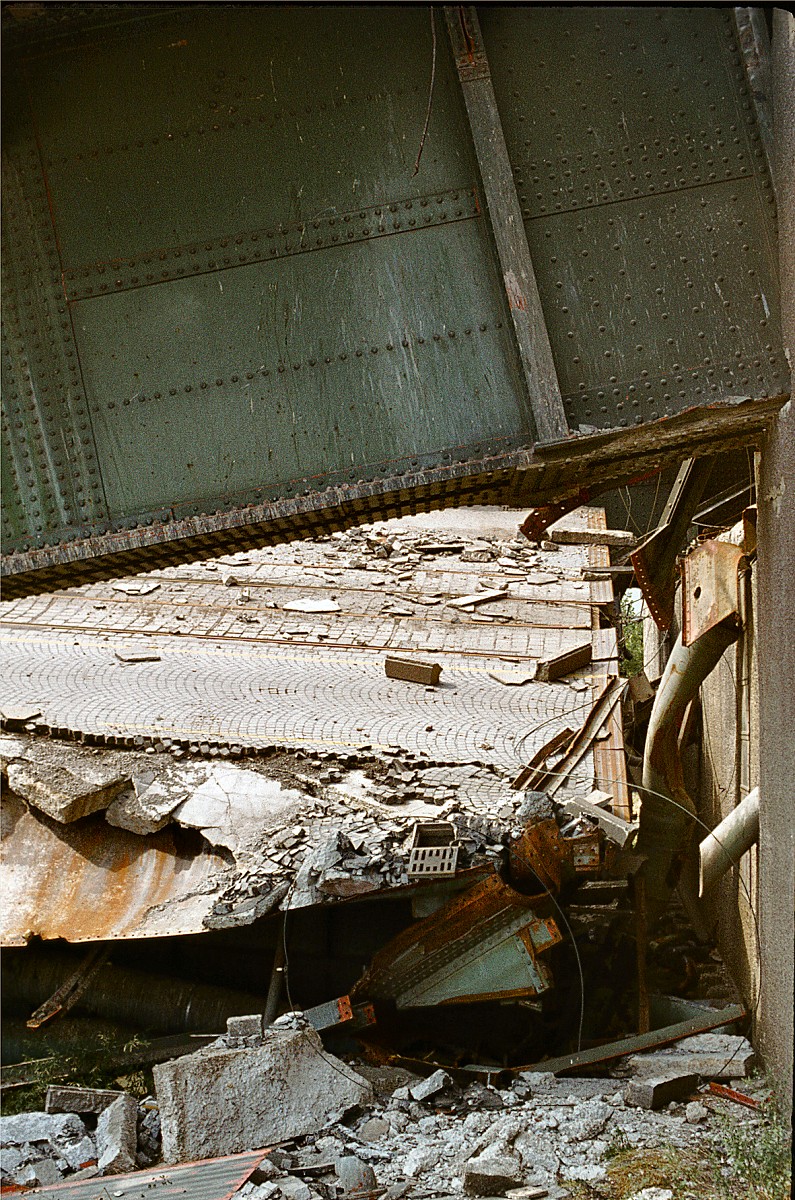
A portion of the bridge’s bed at the juncture with the pylon sits collaped on the ground, with tram tracks and cobblestones visible.
The other side of the collapsed bridge/pylon junction.
Looking across the Danube to the opposite pylon, with the stranded bus visible in the middle.
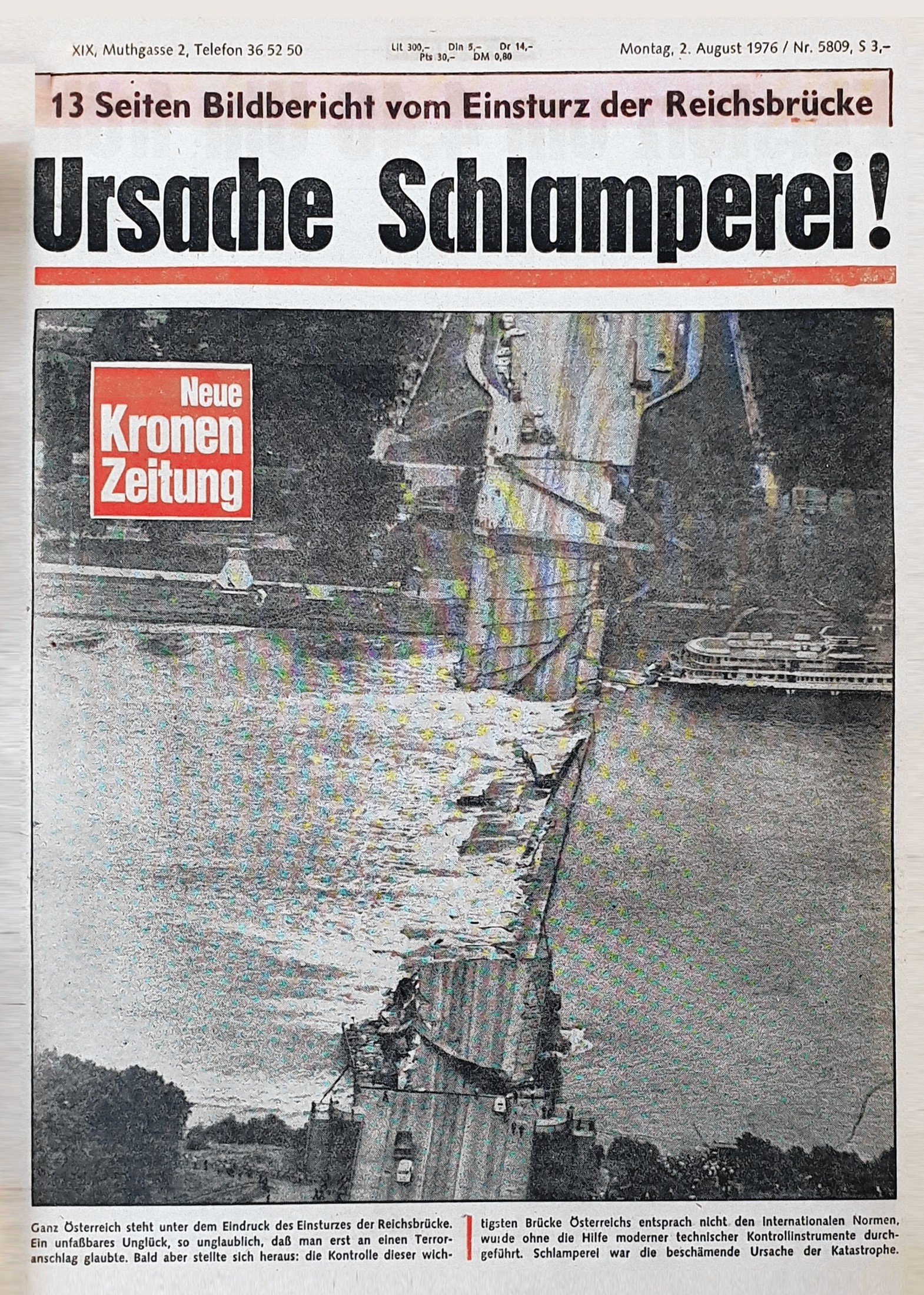
The next day’s headline of the Neue Kronen Zeitung, one of Vienna’s two tabloid papers, screamed “Ursache Schlamperei!” (Cause: Sloppiness!) and proceeded to point the finger at poorly conducted or skipped-over inspections.
All of Austria is feeling the impact of the collapse of the Imperial Bridge. An unfathomable accident, so unbelieveable that it was first thought to be a terrorist attack. Soon, however, it was discovered that the oversight of this, the most important bridge in Austria, was not conducted according to international standards, and without the help of modern technical inspection instruments. Sloppiness was the shameful cause of the catastrophe.
Neue Kronen Zeitung, 2 August 1976, page 1
After the various commissions had finished their studies, however, it was determined that the causes were more mundane. Structural failure of the bearings had begun early because of poor-quality concrete casings, which – while not load bearing – had allowed water to penetrate down to the bearings themselves and begin the process of deterioration. The bearings were surrounded by massive granite boulders, and hence could not have been inspected in any event.
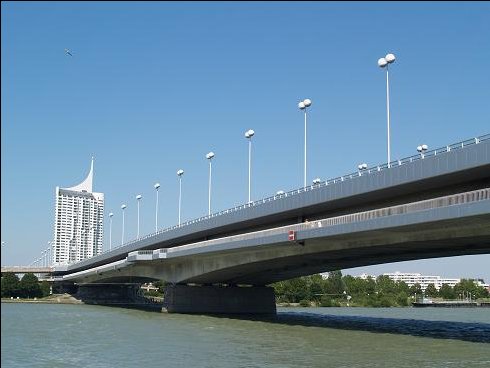
A replacement bridge was begun in 1978 and dedicated in 1980. In the interim, Vienna hastily constructed two temporary bridges to carry traffic across the Danube, which were in use for four years.
The new Reichsbrücke.
It was pretty wild to be so close to a disaster of this magnitude. We expect our big bridges and things to be pretty solid, and when they are not, it’s always a bit disconcerting. Fortunate it was that so few people were directly impacted.
Thanks to the power of the internet (not the least of whose forces of awesomeness is Matt Inman of The Oatmeal), more and more people are becoming acquainted with Nikola Tesla, and realizing that he was one of the most gifted, visonary and unsung scientists to ever walk the earth.
Inman just ran an indiegogo campaign to raise $850,000 toward purchasing Tesla’s last lab im Shoreham, New York, and converting it into a Tesla museum; he actually raised $1,370,511.00.
Yeah, Tesla is awesome, and Edison, who boinked Tesla in the bung, laughed about it, and took all the credit for alternating current, is somewhere on the awesomeness scale right next to Christopher Columbus, who boinked an entire population into the grave (with due respect to all my Italian relatives who still love him.)
But there are other awesome people in the world whom we also haven’t heard much about unless we happen to be internet addicts, and Stumble across an interesting fact at 3:00 AM because we can’t sleep.
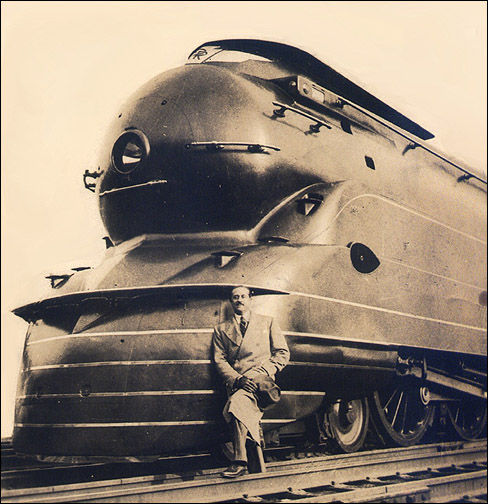
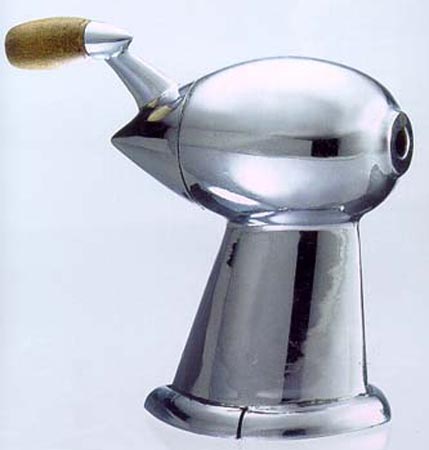
Loewy’s designs are everywhere, and when you see them, they’re unlike anything else in their field. In the 1930’s, he designed the PRR S1 steam locomotive that looks like it came out of the year 2155;
He designed pencil sharpeners that look like TOS Phasers:
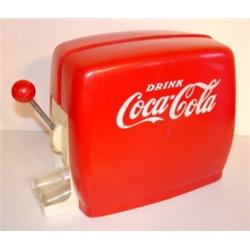
CocaCola dispensing machines upon which 1960’s toys were modeled:
And more cool stuff than you could shake a stick at.
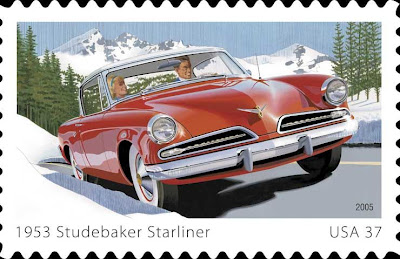
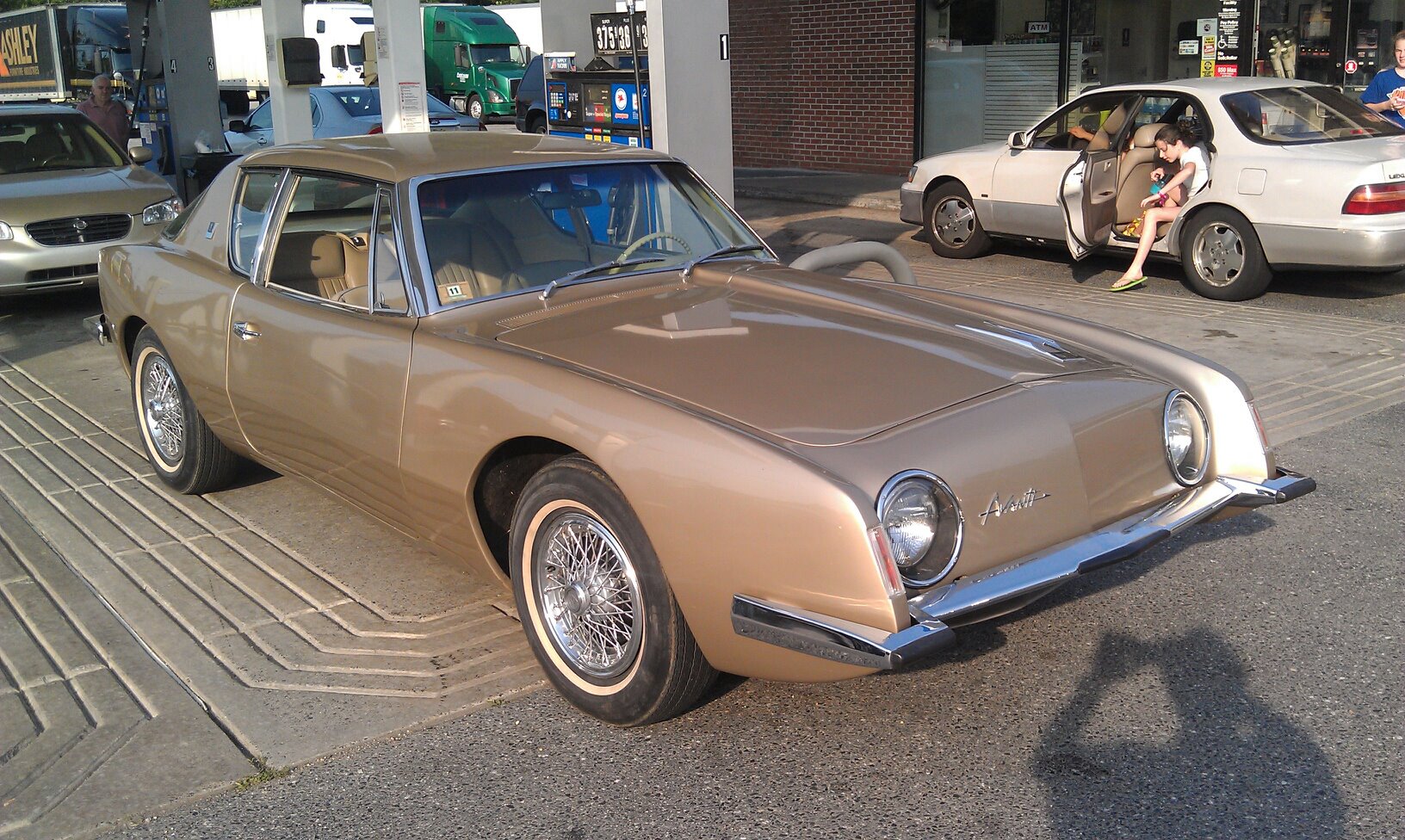
Although the 1953 Studebaker Starliner designed by Loewy’s firm (which was the inspiration for later Mustangs) was largely designed by Robert Bourke, Loewy was later called back to Studebaker to supervise and inspire the team that designed the 1963 Avanti.
This particular model was spotted at a Mobil station at 236 Route 15 in Sturbridge, MA on June 20, 2012. It caught my eye even before I even knew who Loewy was.
Read about him here; you can see more pictures of Loewy’s swooshy stuff at SuperRadNow.
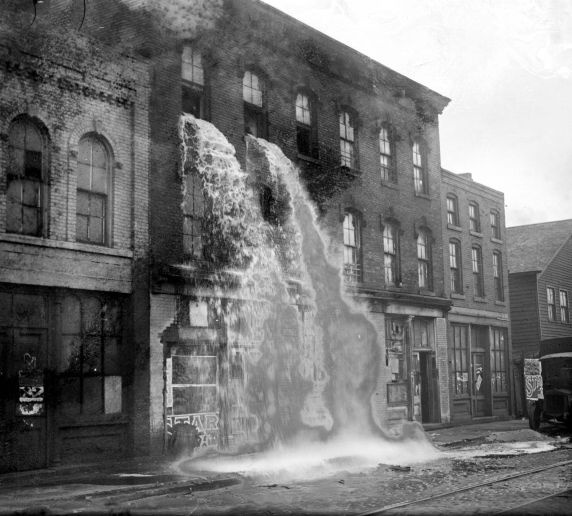
On the subject of “don’t do this,” a more humorous example is found during the Prohibition era.
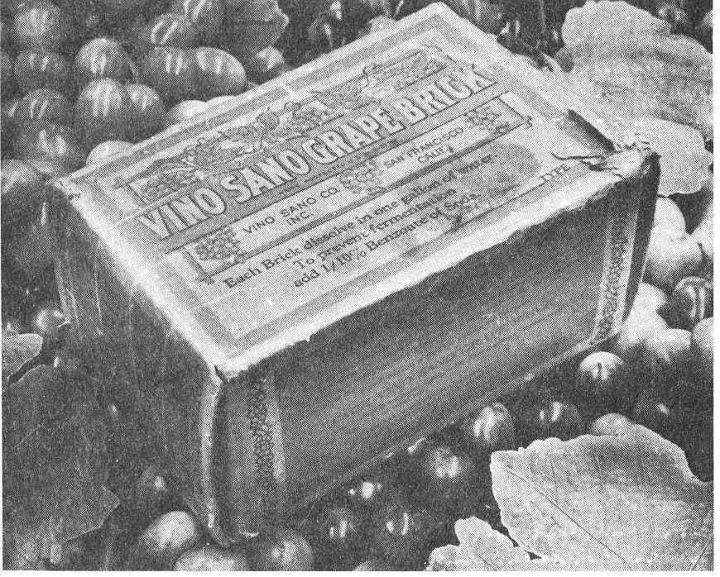
Section 29 of the Volstead Act allowed 200 gallons of “non-intoxicating cider and fruit juice” to be made each year at home. Initially “intoxicating” was defined as anything more than 0.5%, but the Bureau of Internal Revenue soon struck that down and this effectively legalized home wine-making. Vintners increased their output drastically, and products like the above “grape brick” soon saw wide popularity.
The bricks came with a warning label that said, “After dissolving the brick in a gallon of water, do not place the liquid in a jug away in the cupboard for twenty days, because then it would turn into wine” or in the case of the brick pictured here, “To prevent fermentation, add 1/10% Benzoate of Soda.”
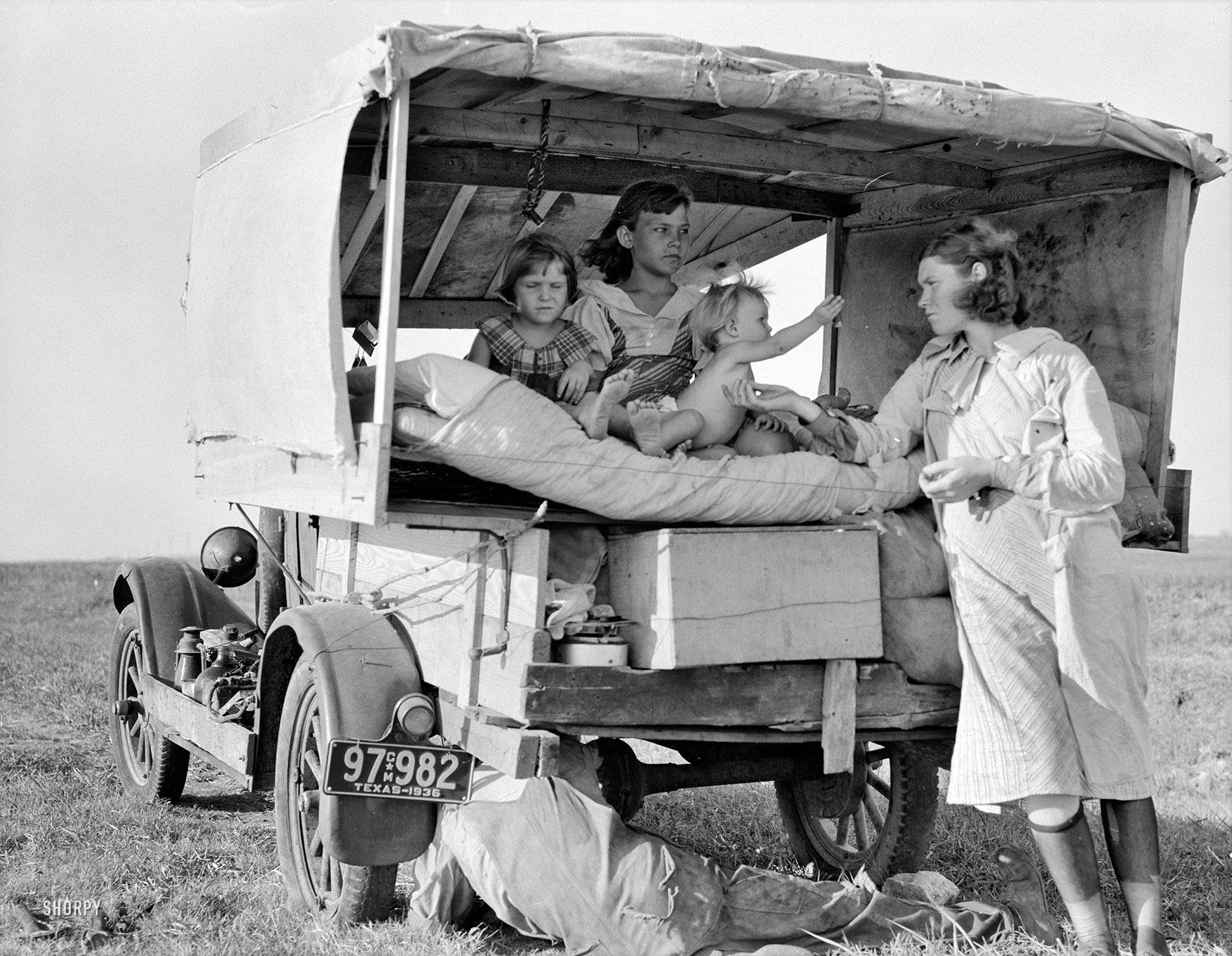
August 1936. “Family between Dallas and Austin. The people have left their home and connections in South Texas, and hope to reach the Arkansas Delta for work in the cotton fields. Penniless people. No food and three gallons of gas in the tank. The father is trying to repair a tire. Three children. Father says, ‘It’s tough but life’s tough anyway you take it.'” Medium-format nitrate negative by Dorothea Lange for the Resettlement Administration.










 Playing in the World Game