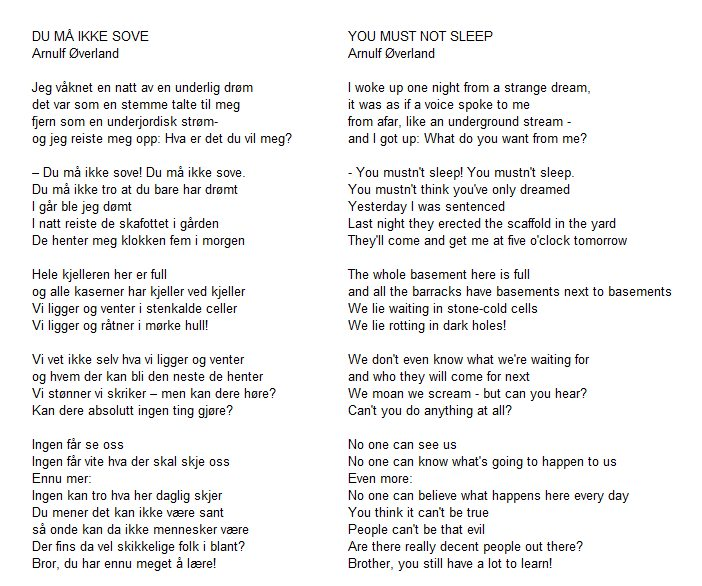
“Arnulf Øverland (1889 – 1968) was a Norwegian author, poet, and nationalist. “Du må ikke sove” (You Must Not Sleep) was published in 1937, and is seen as a warning against Nazism and what was to come.
During the war, Øverland wrote several famous resistance poems, and was imprisoned in Møllergata 19, Grini and Sachsenhausen. He survived all three, and after the war became involved in the Norwegian language struggle as chairman of the Riksmålsforbundet (“The Riksmaal Society – The Society for the Preservation of Traditional Standard Norwegian”).”
We should be paying attention to what is happening in America today, instead of sleeping. This is reminiscent of Ben Franklin’s warning, “We must all hang together, or assuredly we shall all hang separately.”
Original Norwegian and English translation side-by-side
The Old Wolf has nothing more to say, Øverland has said it all.
A number of lists of these great “quotes” have been circulating ever since the days of fax machines, even before “forwards from Grandma.” They’re funny and great to read, but is there any truth to any of them? Let’s explore.
The most famous one that I know of has been thoroughly debunked:
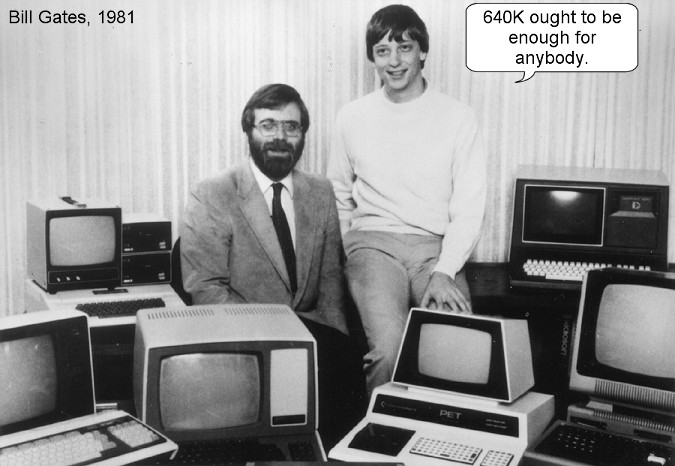
“640K ought to be enough for anybody.” – Bill Gates
An analysis at Quote Investigator ended with “Since Gates has denied the quotation and the evidence is not compelling I would not attribute it to him at this time. Thanks for this difficult interesting question.“
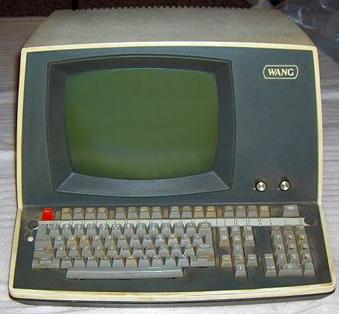
During the early days of computing, programs were often written in Assembly Language, producing very tight code that could run in minimal spaces. The original Wang v.2 word processor was designed to run on workstations with 32K of memory, even though later workstations had a standard 64K.
Wang OIS 64K Workstation
If you want apocrypha, here’s a good one. This story was told to me by a Wang Laboratories internal employee, and I can’t verify its authenticity, but having worked with Wang software and hardware for around 10 years back in the ’80s and ’90s, I would be willing to bet a steak dinner that it is true.
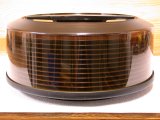
The Wang Word Processor, version 2, was – as mentioned above – written in Assembly language. The source code was kept on these 300MB swappable disk packs which at the time were very convenient for changing storage media.
300 MB Disk Pack
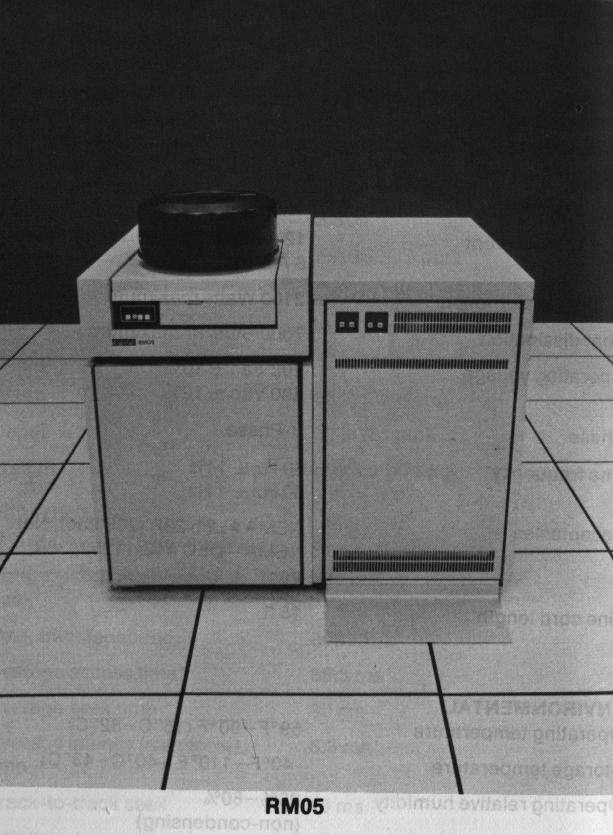
Disk Drive for use with removable packs
As the tale goes, somehow an entire rack of those disk packs got knocked over, destroying both the source code (in Assembly Language) and the backups for that impressively small and fast piece of software. It was for this reason that WP+, the next generation word processor from Wang, was entirely re-written in a slower, larger, higher level language. It emulated many features of the original and added others, but it was cumbersome and inelegant by comparison. Again, I can’t verify this 100%, but it came to me from what I consider a reliable source.
Western Union’s opinion of the telephone
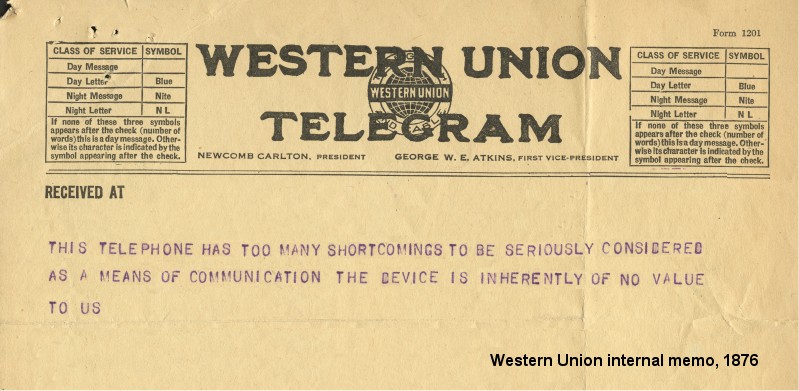
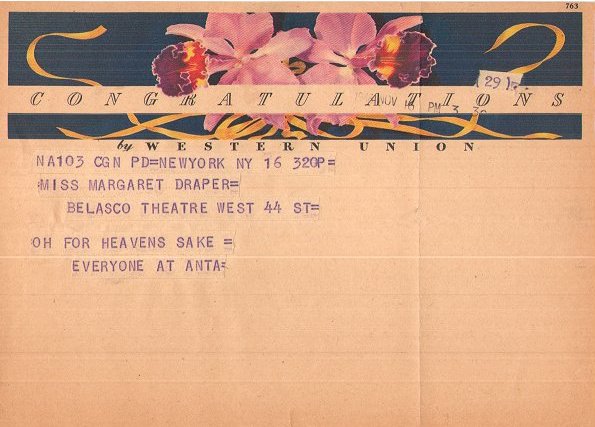
Facsimile Telegram
This ‘telephone’ has too many shortcomings to be seriously considered as a means of communication. The device is inherently of no value to us.” — Purported Western Union internal memo, 1876.
Telegrams were pretty much the way to get a message from one place to another rapidly. Prior to the development of the electric telegraph system designed by Samuel Morse, optical telegraphy which used visual signals seen at a distance was one of the earliest methods of long-distance communication.
Wikipedia reports that “The smoke signal is one of the oldest forms of long-distance communication. It is a form of visual communication used over a long distance. In general smoke signals are used to transmit news, signal danger, or to gather people to a common area.” The use of smoke signals by the indigenous peoples of North America are probably the most familiar to Americans thanks to the popularization of western history in published and broadcast media.
Frederic S. Remington (1861-1909); The Smoke Signal; 1905; Oil on canvas; Amon Carter Museum of American Art, Fort Worth, Texas; 1961.250
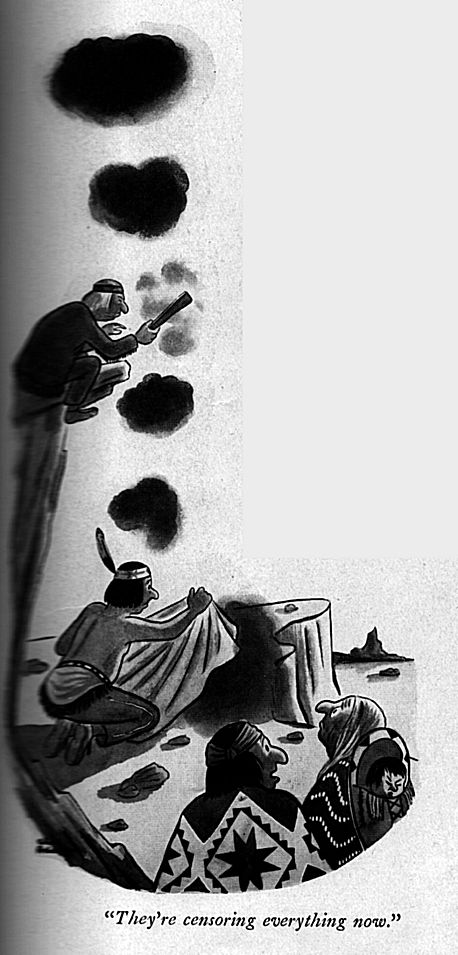
This method of communication has been the basis for much humor as well:
Charles Addams, The New Yorker
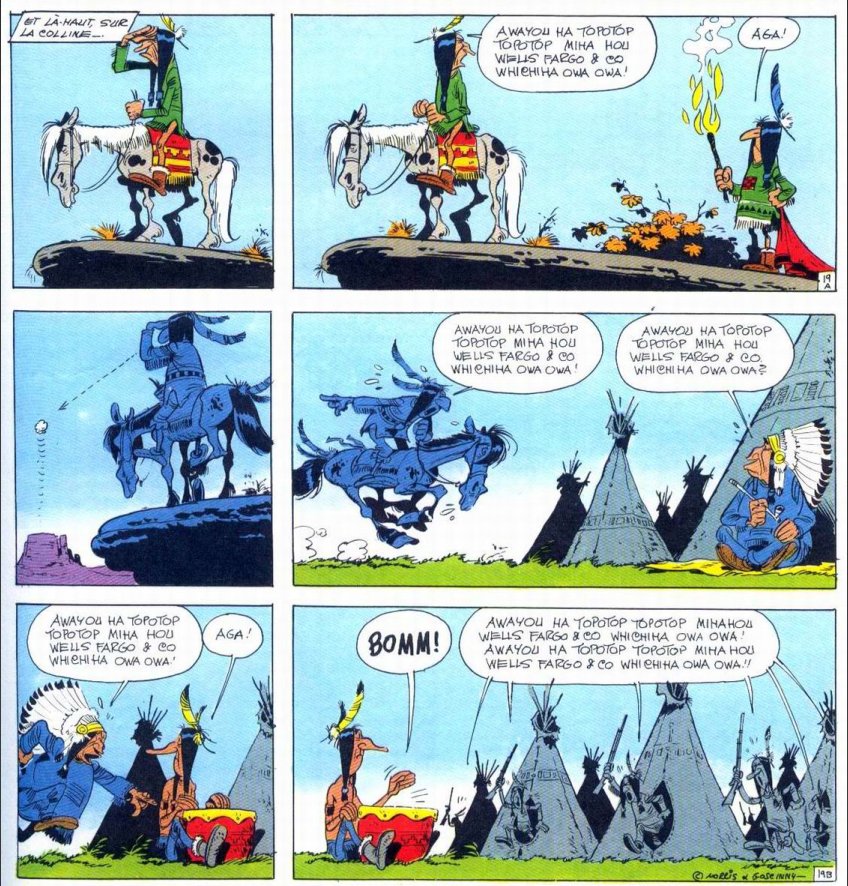
Lucky Luke – “La Diligence” (Dargaud, 1968 series) #32 by Morris and Goscinny
The joke here is that a single puff of smoke or one beat of a drum can communicate large quantities of information, which of course is not the case.
One of the most stirring cinematographic representations of optical telegraphy can be found in Peter Jackson’s version of J.R.R. Tolkien’s “The Two Towers,” where the beacons of Gondor – signal fires strategically placed on mountaintops – played a crucial role in summoning Rohan’s forces to help Gondor.
The Beacons of Gondor
Once electricity came on the scene, the electrical telegraph, augmented by Morse Code, became the dominant method of rapid long-distance communication, and was the underpinning of the telegram system for which Western Union became so famous.
Telegrams – about which I have written elsewhere – were used for everything where information had to be transmitted rapidly, from business meetings, to military applications, to notifications of death, to congratulations on Broadway, and countless other uses.
Telegram sent to my mother from ANTA (American National Theater and Academy) wishing her good luck in “For Heaven’s Sake, Mother” on November 16, 1948. Sadly, the play only ran for fourdays.
So when the telephone made its debut on the world stage, Western Union supposedly turned up its nose and sniffed loftily that it was not anything worthy of consideration. While the invention of the telephone, followed by the modern Internet and the proliferation of smartphones, ultimately doomed the telegram to the vaults of history, at the time concern about the new technology was real. The supposed internal memo at Western Union, however, was not. A lovely article at Wondermark discusses the origins of this urban legend in great detail and is worth the read if such things interest you.
Be aware, however, that even the telegraph itself was met with skepticism by shortsighted individuals:
“I watched his face (Samuel F.B. Morse) closely to see if he was not deranged, and was assured by other Senators as we left the room that they had no confidence in it either.”
-Senator Oliver Smith of indiana, 1842, after witnessing a first demonstration of the telegraph
The Radio
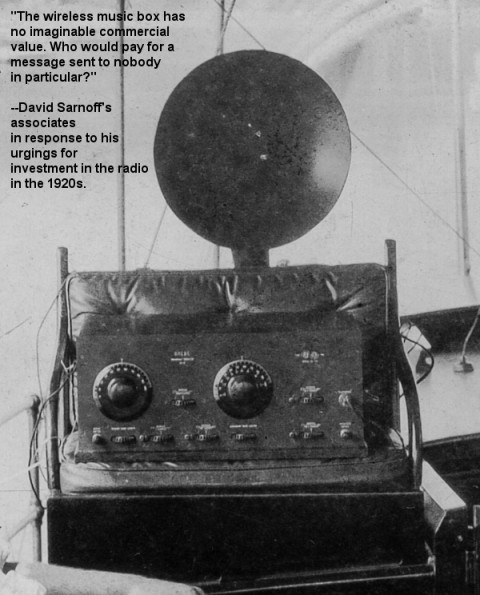
“The wireless music box has no imaginable commercial value. Who would pay for a message sent to nobody in particular?” — David Sarnoff’s associates in response to his urgings for investment in the radio in the 1920s.
David Sarnoff was an early pioneer in the promotion of wireless radio as a new technology. I asked Perplexity about the supposed response from investors, and it had this to say:
In summary, although the quote closely reflects real skepticism Sarnoff faced, there is no documented evidence that an investor sent this precise message to him—the wording appears to be apocryphal or retrospective, encapsulating broader contemporary attitudes
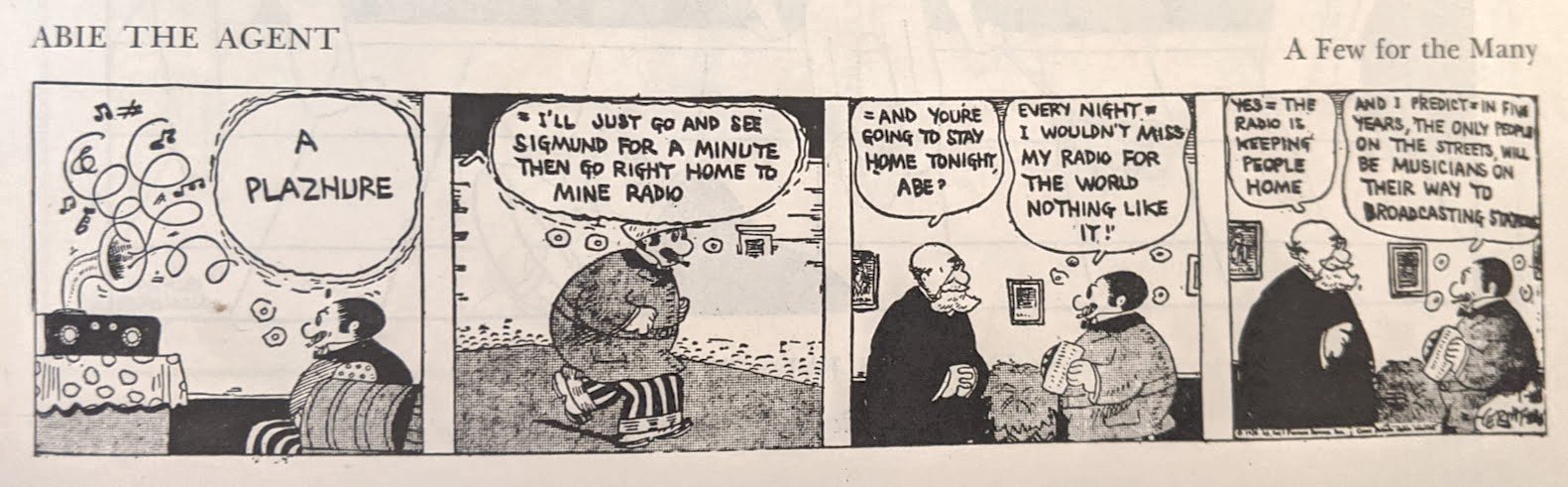
Obviously, “fear of the new, from those with a vested interest in the old” (from the Wondermark article linked above) didn’t keep the radio from becoming immensely popular.
The March of Technology
“Computers in the future may weigh no more than 1.5 tons.” attributed to Popular Mechanics from 1949
This is a true quote, but is often quoted out of context, unlike the quote in the image above. Popular Mechanics was making a forecast based on the technology of that time, suggesting computers could shrink significantly but still be very large by modern standards. This reflected an era when computers were massive and used vacuum tubes. The prediction was reasonable then but didn’t foresee transistor and integrated circuit breakthroughs that led to much smaller, lighter computers. You don’t know what you don’t know.
More about Computers
Once more, this quote is a misinterpretation; a very good background is found here. The short explanation is:
From a question on the history of IBM on their website, “Did Thomas Watson say in the 1950s that he foresaw a market potential for only five electronic computers?” IBM offers the following explanation:
We believe the statement that you attribute to Thomas Watson is a misunderstanding of remarks made at IBM’s annual stockholders meeting on April 28, 1953. In referring specifically and only to the IBM 701 Electronic Data Processing Machine — which had been introduced the year before as the company’s first production computer designed for scientific calculations — Thomas Watson, Jr., told stockholders that “IBM had developed a paper plan for such a machine and took this paper plan across the country to some 20 concerns that we thought could use such a machine. I would like to tell you that the machine rents for between $12,000 and $18,000 a month, so it was not the type of thing that could be sold from place to place. But, as a result of our trip, on which we expected to get orders for five machines, we came home with orders for 18.”
You don’t know what you don’t know
“I have traveled the length and breadth of this country and talked with the best people, and I can assure you that data processing is a fad that won’t last out the year.”
-The Editor in Charge of Business Books for Prentice Hall, 1957
“But what … is it good for?“
-Engineer at the Advanced Computing Systems Division of IBM, 1968, commenting on the microchip.
“There is no reason anyone would want a computer in their home.”
-Ken Olson, president, chairman and founder of Digital Equipment Corp., 1977
The three quotes above are not examples of obtuseness or stupidity, but rather the inability to predict the incredible rush of innovation that the computer industry would experience. I have written about the incredible shrinking data storage elsewhere, and even that article is now outdated; SanDisk has introduced a 4TB MicroSD card, whether or not something of this nature is even needed.
There’s nothing new under the sun
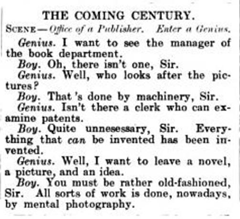
“Everything that can be invented has been invented.”
–Charles H. Duell, Commissioner, U.S. Office of Patents, 1899.
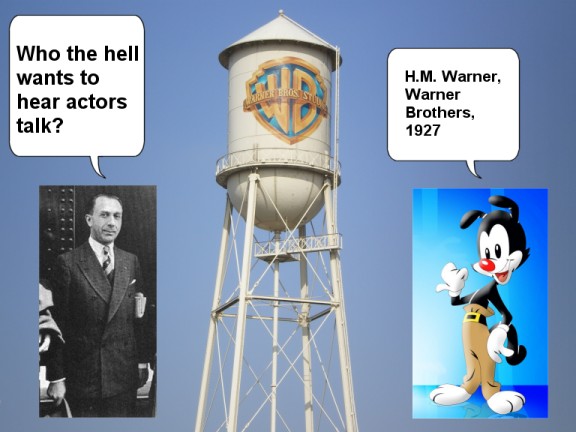
According to Quote Investigator, Warner probably said this but more confirmation would be useful. The linked article provides some interesting background about resistence to the inclusion of sound and voice in films, which up until that time were entirely silent.
There are many more “boneheaded quotes” out there, but the above dive into some of the most famous is an indication that each one deserves to be investigated for accuracy before spreading them around as 100% accurate.
Imgur recently did a Book Fair, where users would post their favorite or beloved books. This put me in mind of my own library as a child, many of which I have preserved or re-acquired over time for my own enjoyment (and for my grandchildren, if I can ever get them to visit me.)
Here then, a compendium of some of the books I have cherished since I was small, along with a few that have been added along the way.
In no particular order, because I love them all.
Winner of the Ruth Schwartz Children’s Book Award
“Maylin cooks delicious meals every day in her father’s restaurant, but it’s her lazy brothers who take all the credit. One day a contest is held to honor the visiting Governor of South China and Maylin’s brothers don’t hesitate to pass off her cooking as their own. But when neither the brothers nor the Governor himself can replicate Maylin’s wonderful dish, they all learn that there’s more to the art of good cooking than just using the right ingredients.” (Description from Amazon) It’s the love that went into it that was missing.
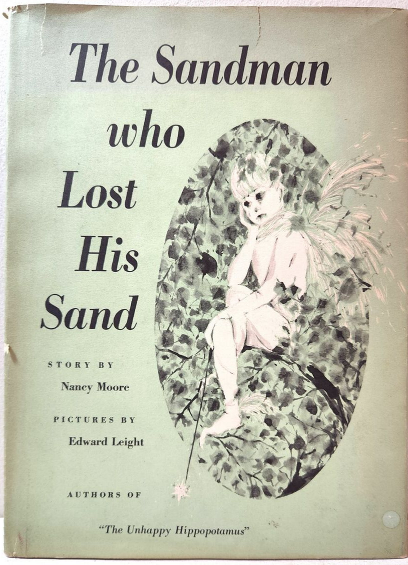
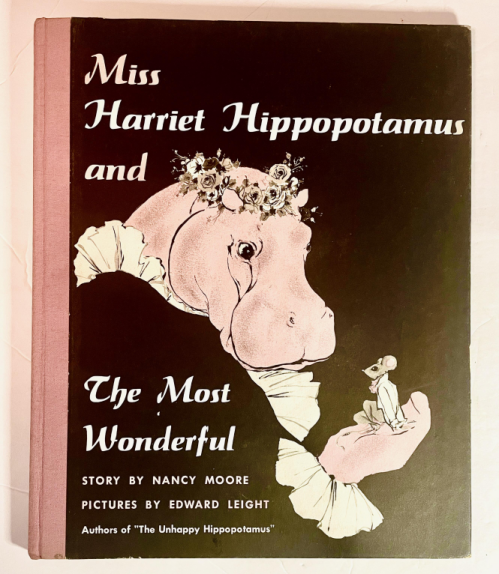
This is an obscure volume, but it’s special to me because I’m included in the dedication. My mother was good friends with Edward Leight, who was a frequent guest in our home and who made the most insane chocolate mousse that I have ever tasted. Rivalled even things I’ve had in Paris.
Another volume by the same authors. I always loved Harriet and Mouse.
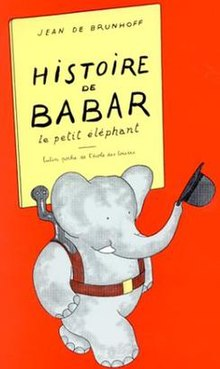
This volume is in French, which I began learning at Hunter College Elementary School under the gentle tyranny of Mme. Hopstein of blessed memory. The Babar stories in my library are in English, but the translations are lovely and capture the flavor of the originals.
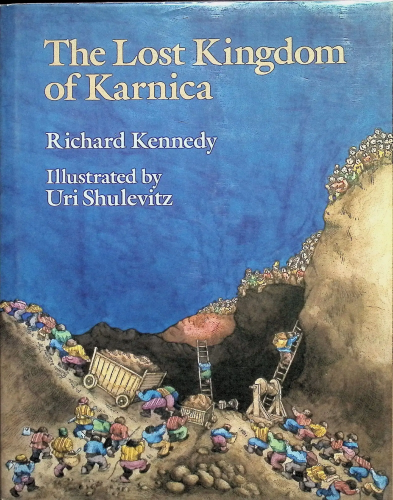
A morality tale about the dangers of unbridled greed.
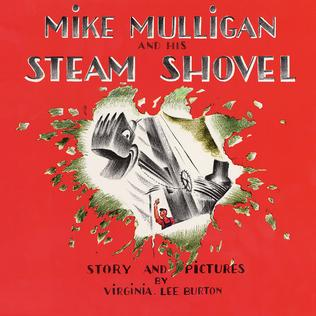
One of the ultimate classics. Everyone should have this on their children’s bookshelf.
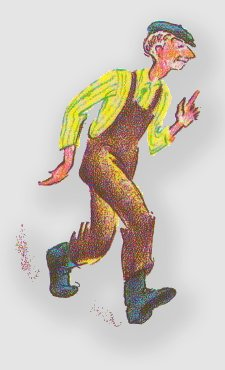
Henry B. Swap and his “glas wen” – a Welsh term, literally, a “blue smile” – a smile that is insincere or mocking. But even Henry learned an important lesson in this book.
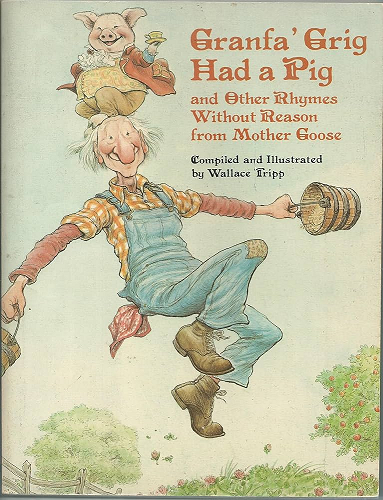
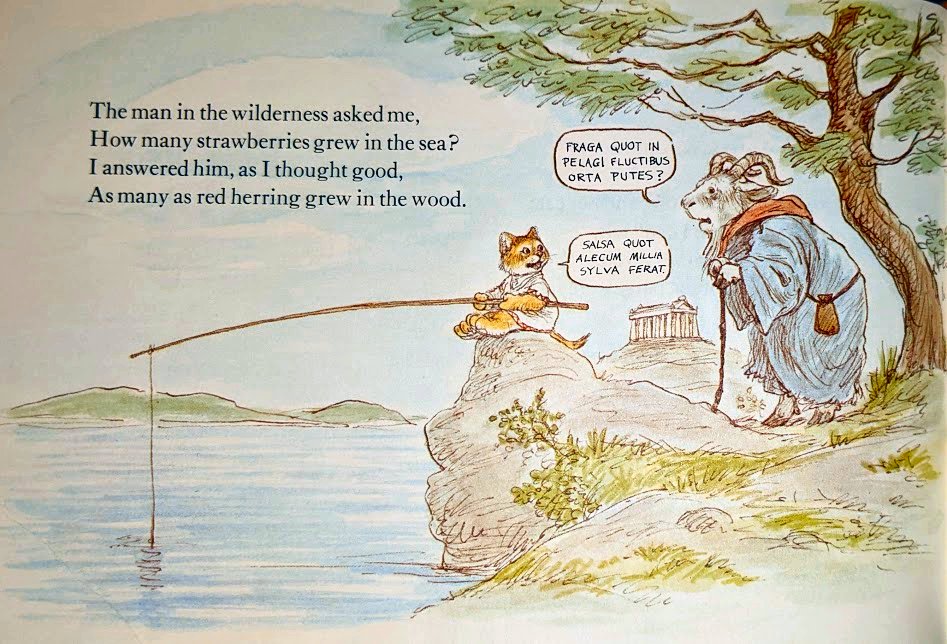
Wallace Tripp is probably one of my favorite illustrators of all time. His draftsmanship is exquisite, and his sense of humor is weird enough to tickle my funny bone in all the right places.
I remember perusing this book and its little side-illustrations for hours. I learned a lot about road construction and the structure of a town from this volume.
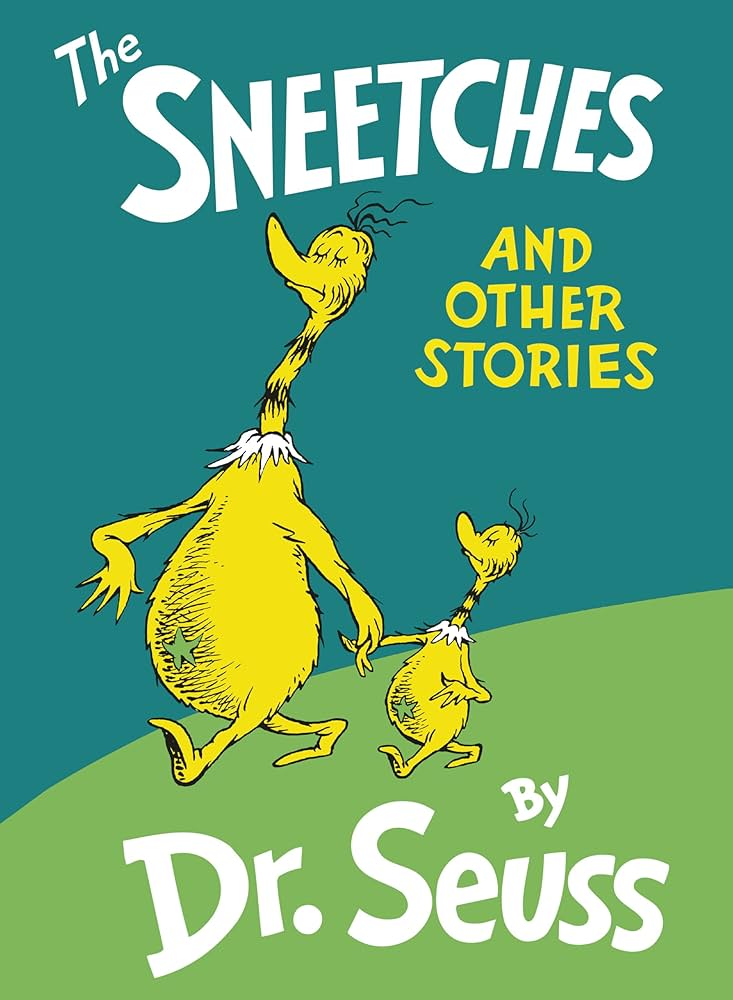
Representative of all Dr. Seuss books. This one has some really good lessons in it, but all of them are wonderful. Bartholomew Cubbins, If I Ran the Circus, Mulberry Street, the Lorax… too many to choose a favorite.
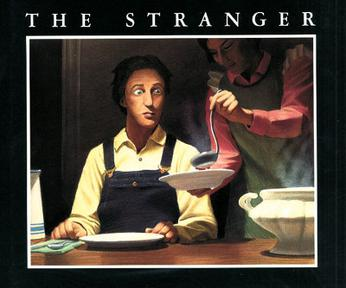
Is it a book by Chris Van Allsburg? Then it deserves to be on your shelves. This one is a particular favorite of mine, but Jumanji (of course), The Garden of Abdul Gasazi, and The Polar Express come to mind just as rapidly.
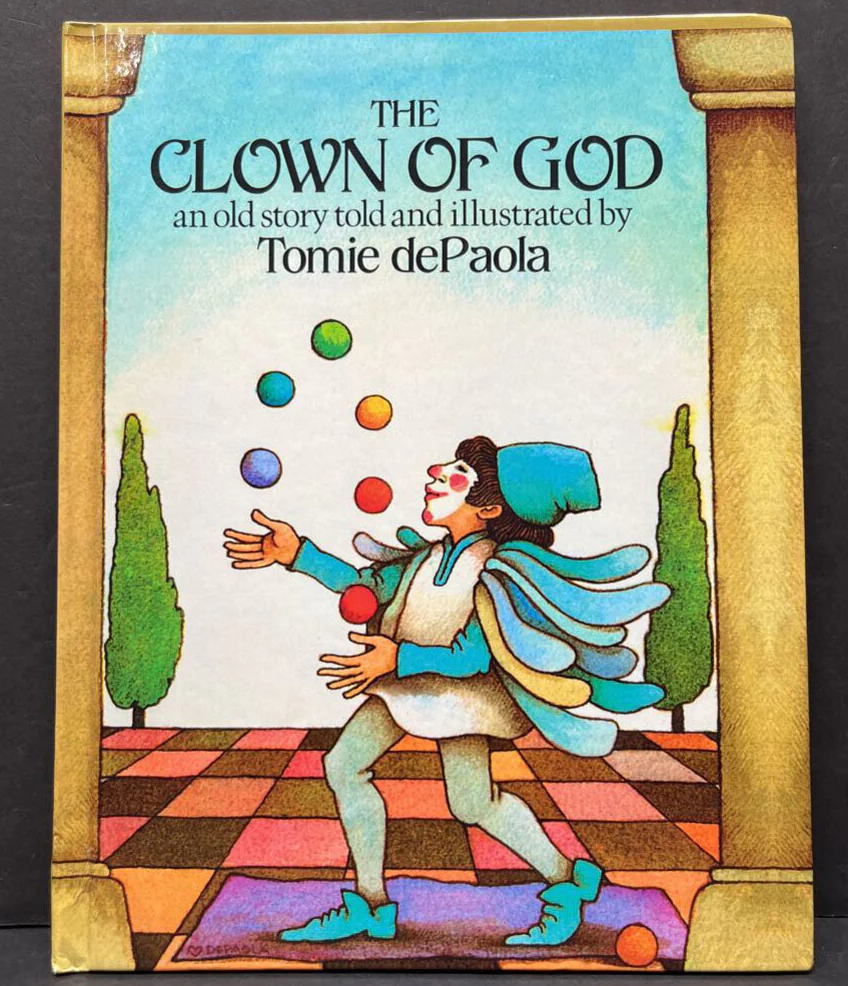
Haul out the tissues. Tomie de Paola has written the most touching stories of humanity (this one), History (Tony’s Bread), and Faith (see the next one, below.) Beautiful illustrations and gentle humor.
For you, dear child. For you!
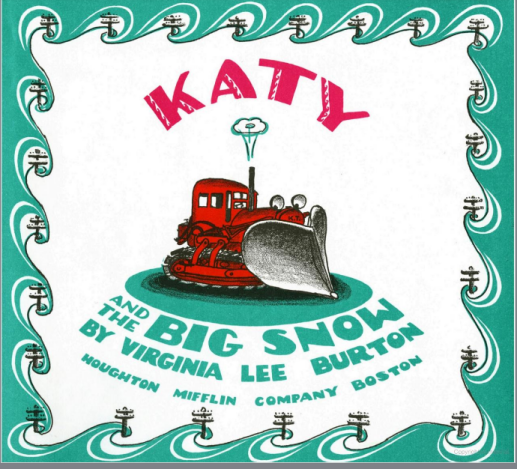
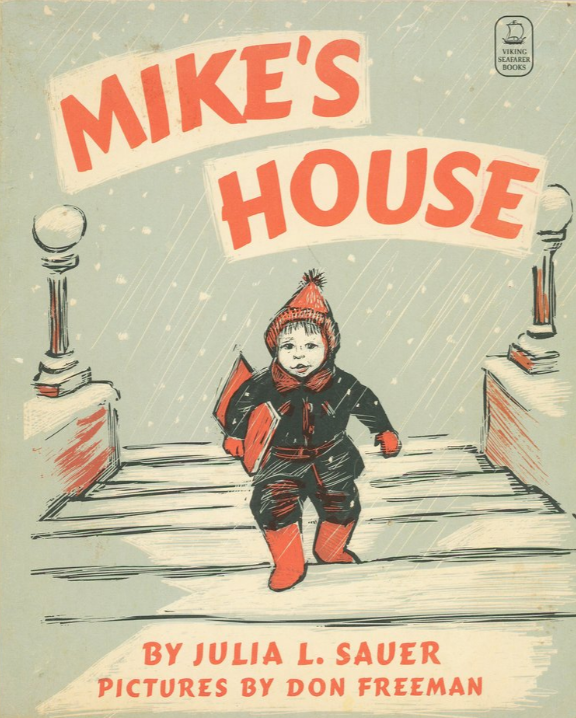
One of my long-term favorites. I could easily identify with Robert, the hero of this story, one of those tough pre-schoolers who would never be stopped by a little snow.
Something about poor Wee Gillis, torn between his relatives of the Highlands and the Lowlands, spoke to me as a child… along with bagpipes. Of course, bagpipes. Big ones.
I grew up in New York City, but I loved visiting my country cousins. This little book deserves all the awards it has ever garnered.
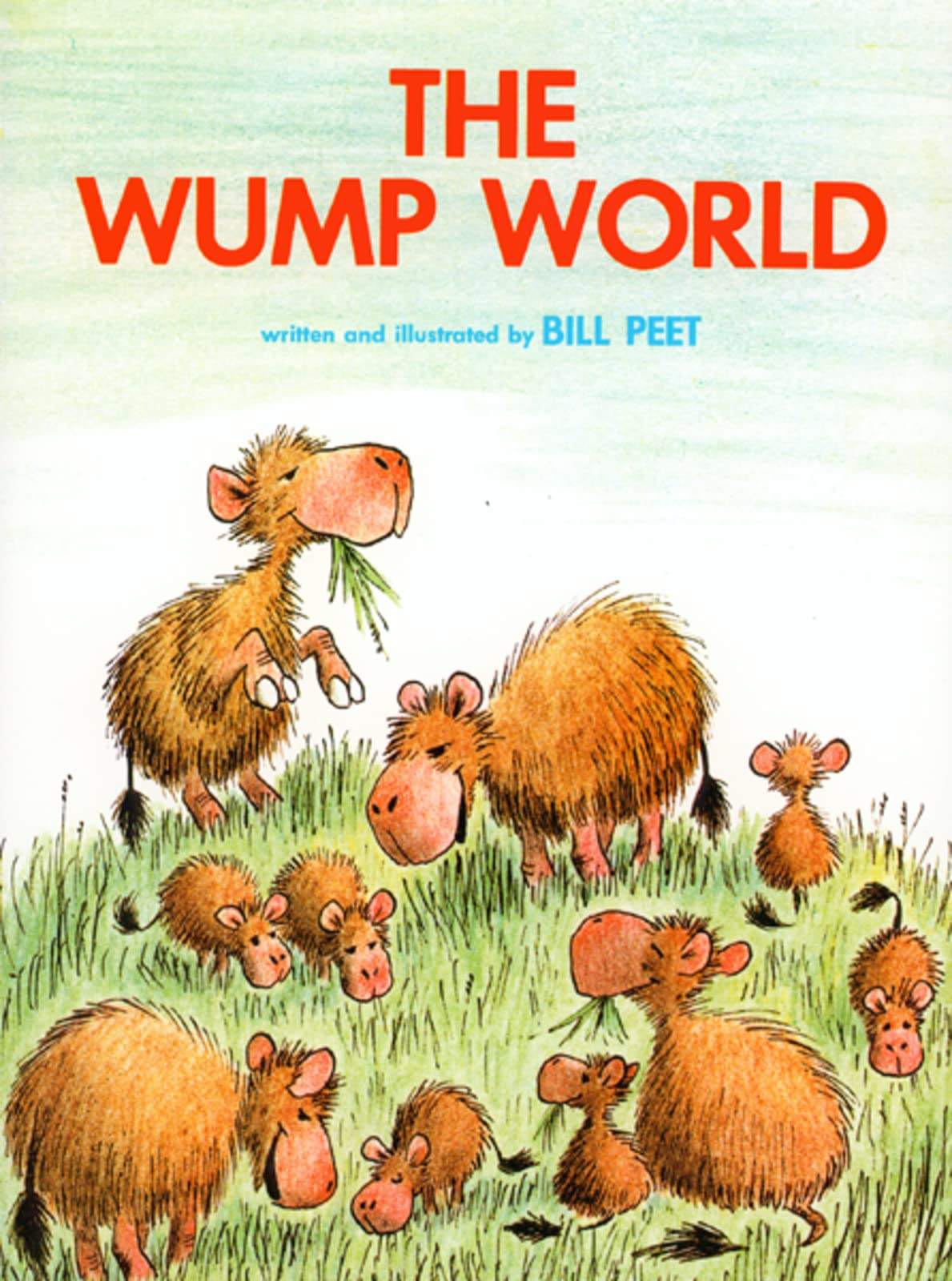
I think our kids read every single book by Bill Peet that we could get our hands on from the library. They were entertaining, but also carried important themes. Some weeks we would make two trips, bringing home 20 or so books at a time. Reading time was precious, and as they grew older they would devour books by themselves – either for sheer enjoyment or to win an individual pizza from Pizza Hut with the “Book it!” program.
All the kids participated.
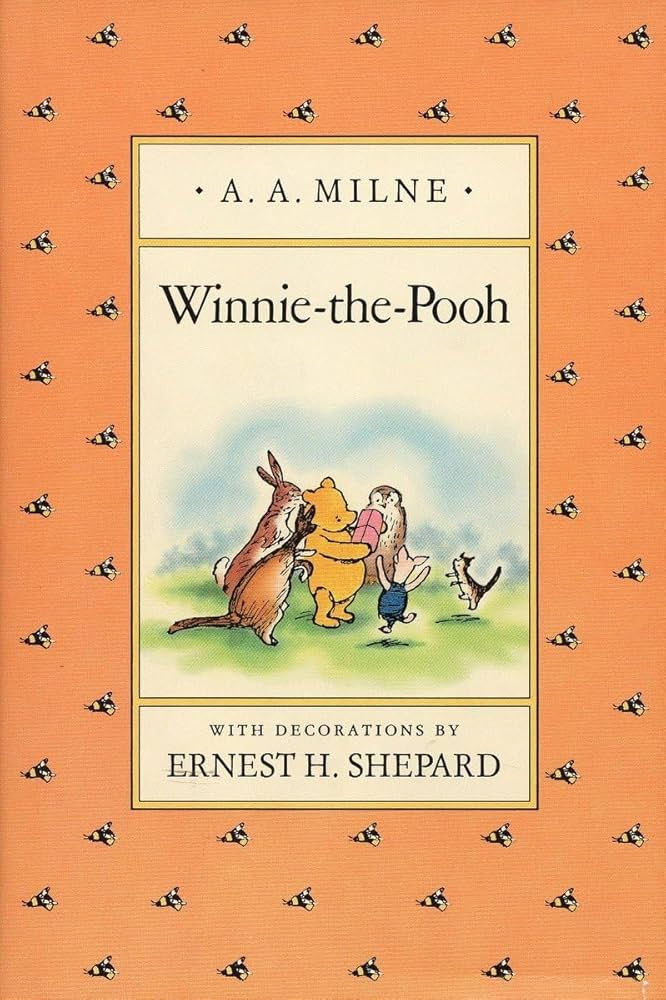
The gentle stories and poetry of A.A. Milne will always be part of my childhood and my present.
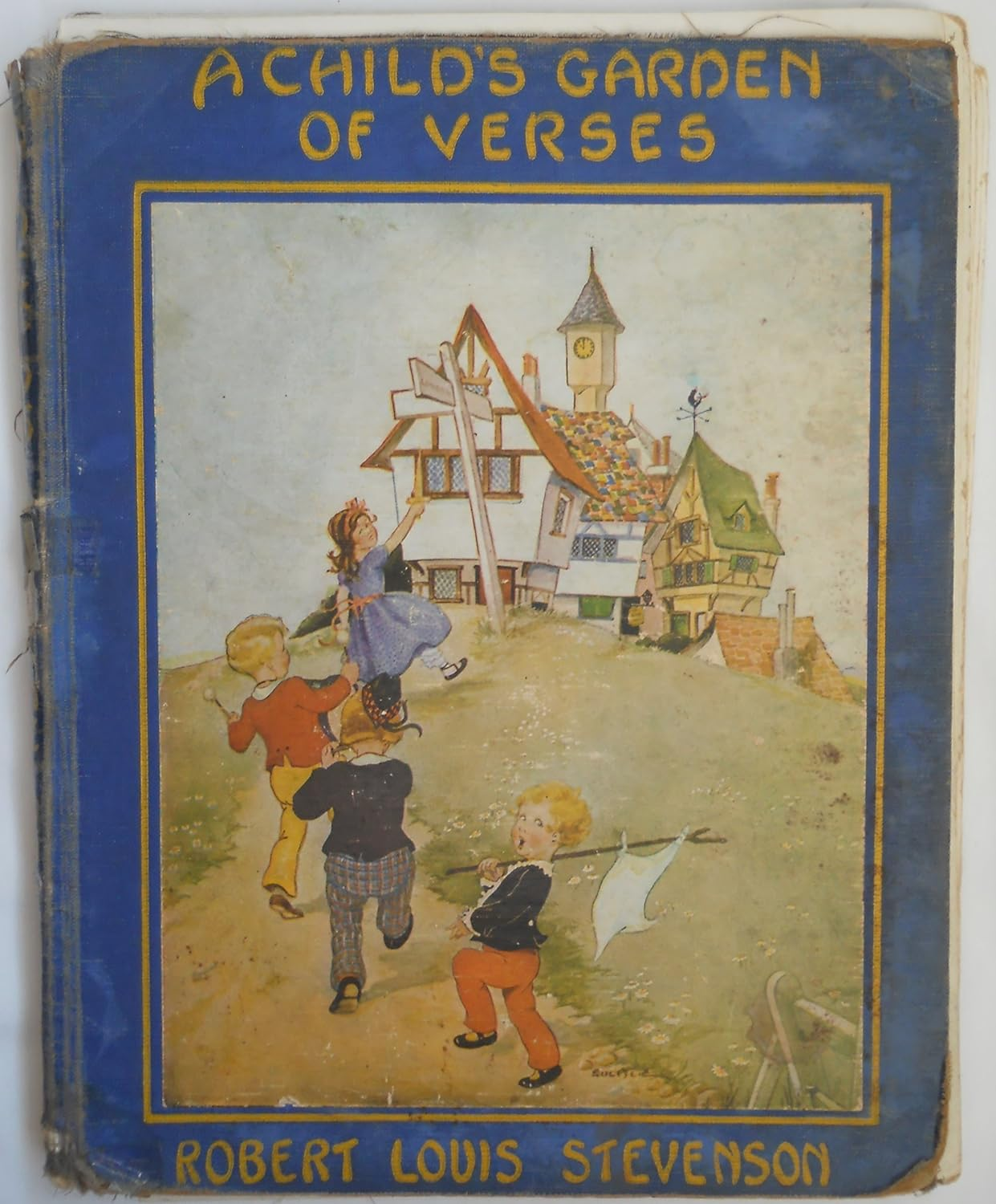
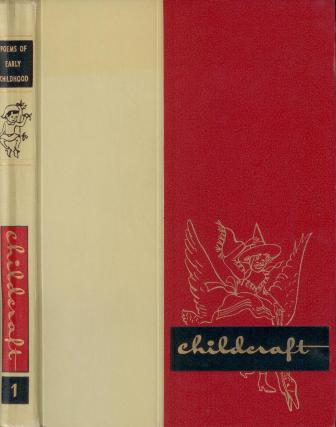
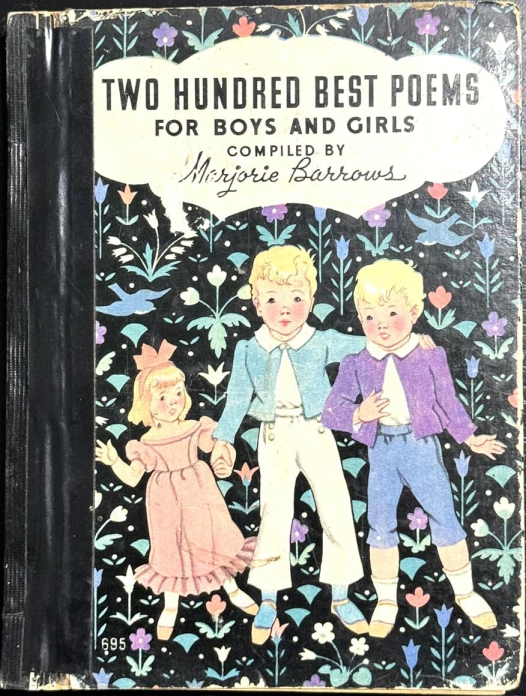
There have been countless editions of this collection of poetry, but the one illustrated by Eulalie Minfred Banks has always been my favorite, perhaps because it’s the one I had as a child.
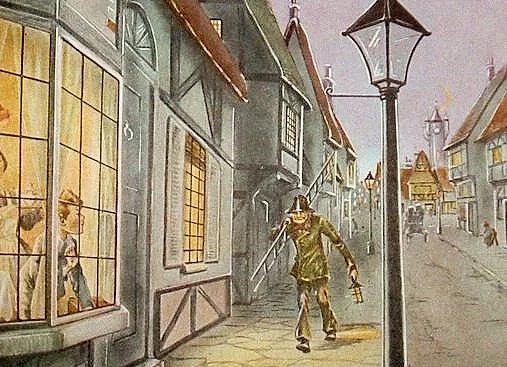
The Lamplighter
My tea is nearly ready and the sun has left the sky; It’s time to take the window to see Leerie going by; For every night at teatime and before you take your seat, With lantern and with ladder he comes posting up the street Now Tom would be a driver and Maria go to sea, And my papa’s a banker and as rich as he can be; But I, when I am stronger and can choose what I’m to do, O Leerie, I’ll go round at night and light the lamps with you For we are very lucky, with a lamp before the door, And Leerie stops to light it as he lights so many more; And O! before you hurry by with ladder and with light, O Leerie, see a little child and nod to him tonight! -Robert Louis Stevenson
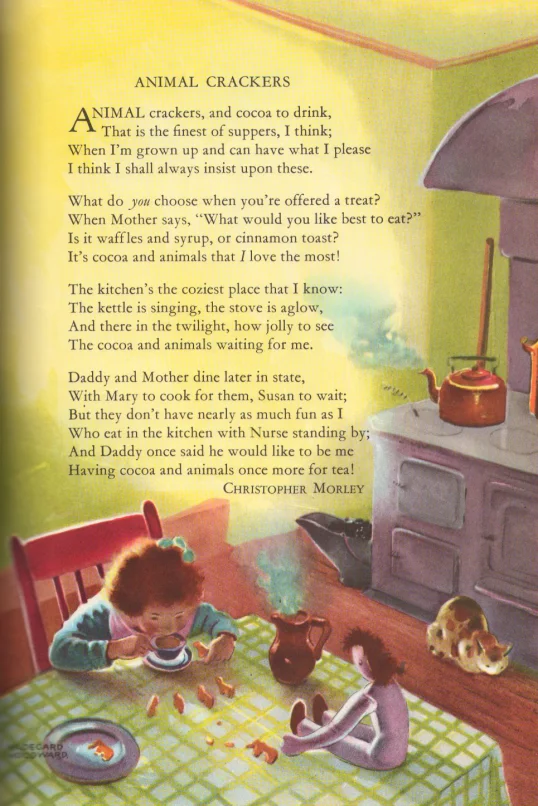
This one was discovered later on one of those trips to the library. It’s a charming collection of children’s poetry, with illustrations by numerous artists including Eloise Wilkin and many others.
Daddy and Mother dine later in state, With Mary to cook for them, Susan to wait always cracked me up.
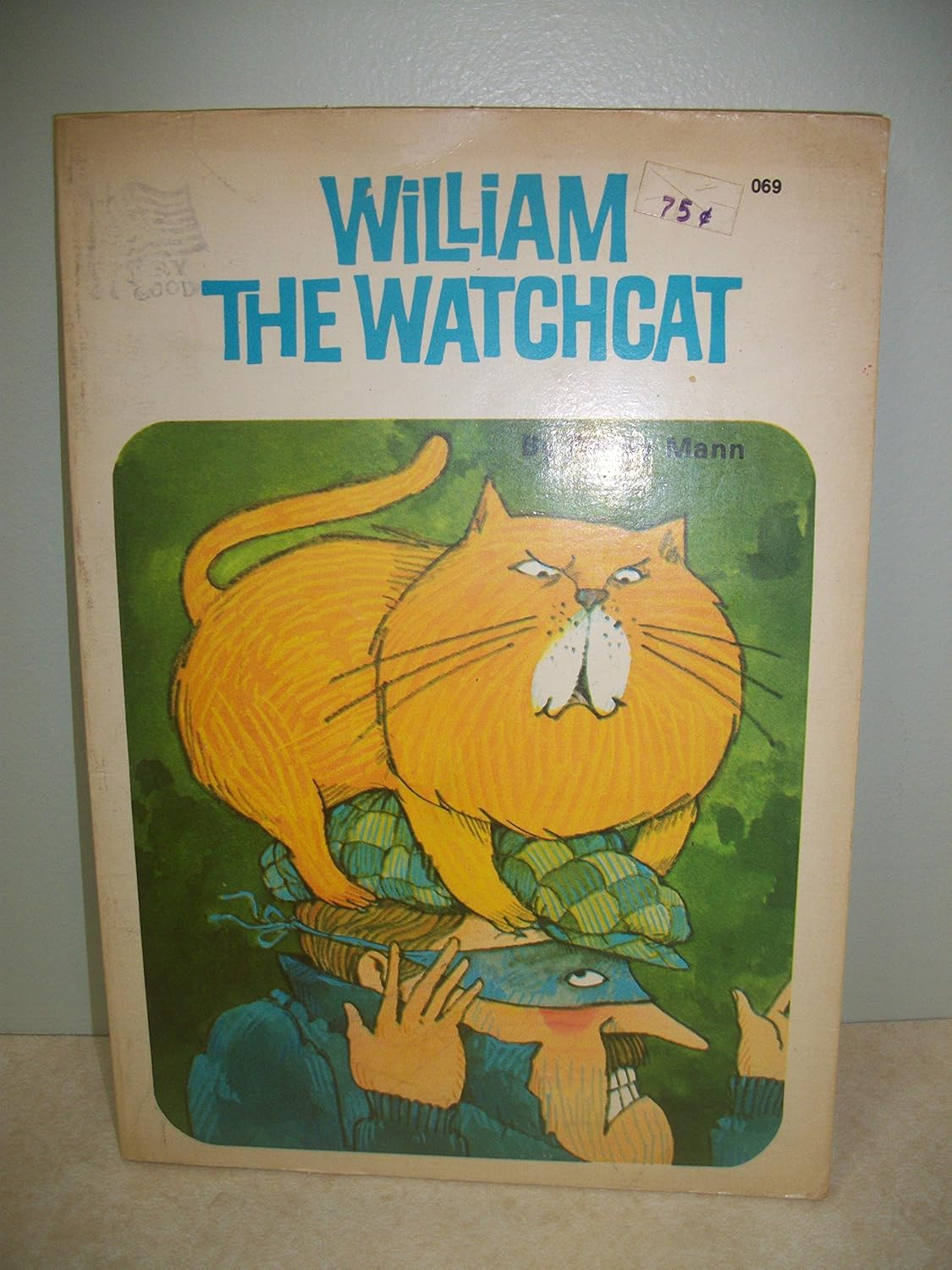
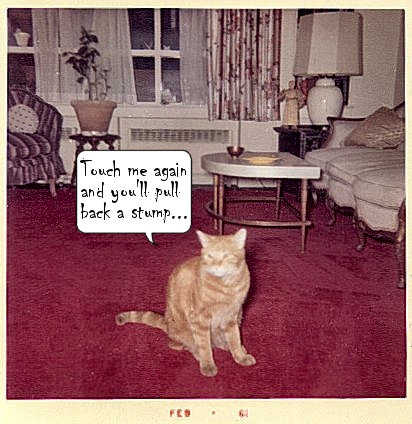
Something about this story always made me smile. The simple language and the charming illustrations were part of it, but perhaps it made me think of Twee, my Cat from Hell, with affectionate (but terrified) memory.
Ah, the poor little rich girl. Again, a book set in New York, which immediately spoke to me. Even as a child I thought Eloise was an insufferable brat, but the illustrations and stories were captivating enough that I kept coming back for more.
This is youth fiction, but having been fortunate enough to grow up in NYC on my mother’s dime and visiting both MOMA and the Met frequently, I could easily place myself in the shoes of these intrepid young explorers.
“If visions of Claudia and Jamie bathing—and collecting lunch money—in the Met’s Fountain of Muses bring up fond childhood memories of your own, you’re among the legions of readers who grew up loving E.L. Konigsburg’s From the Mixed-Up Files of Mrs. Basil E. Frankweiler. The classic children’s book turns 50 in 2017, and the tale of the Kincaid siblings spending their days wandering about the paintings, sculptures and antiquities, and their nights sleeping in antique beds handcrafted for royalty, is as popular as ever. The 1968 Newbery Medal winner has never been out of print.” – Patrick Sauer, History Correspondent for the Smithsonian Magazine.
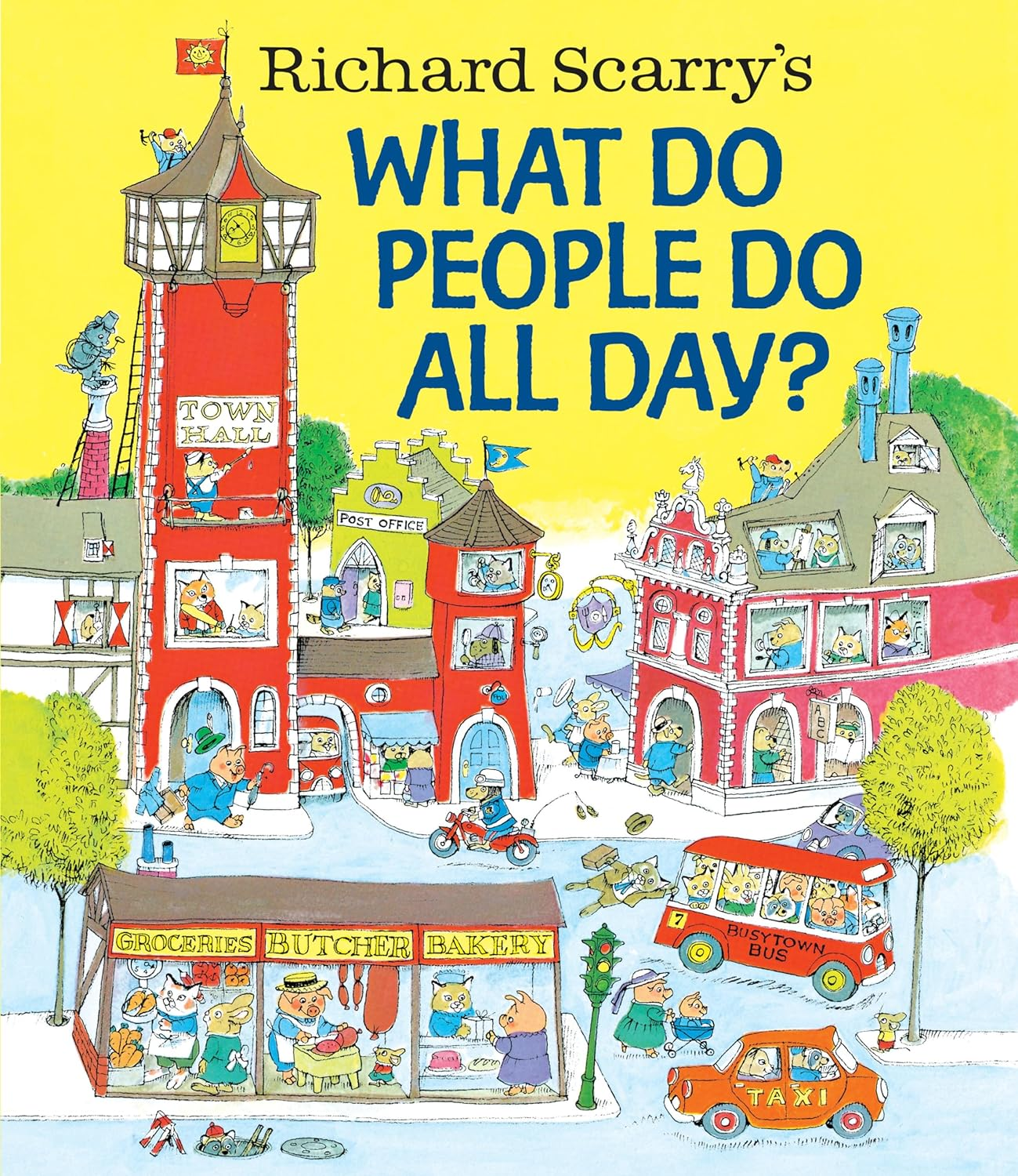
No list of favorites would be complete without an entry from Richard Scarry. These books allowed younger children to be able to identify so many things in the world around them, illustrated with sympathetic characters like Huckle Cat, Lowly Worm, and Bananas Gorilla. We spent hours with these editions.
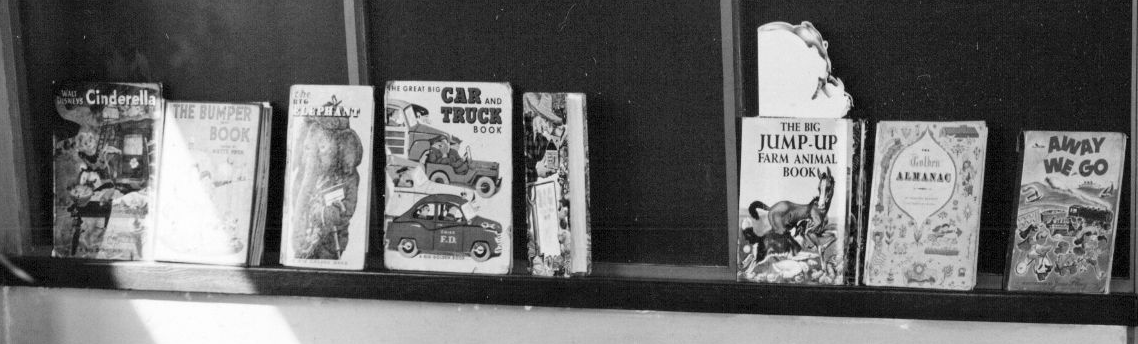
On that note, this is taken from a photo of my nursery school class in 1954. Notice the Car and Truck book on the shelf, one of Richard Scarry’s earlier volumes, which I still remember with great fondness.
I had this book as a child, and kept it until it literally crumbled into dust. I was able to score another copy from the Internet, but it, too, is ancient. I have referred to it in another post.
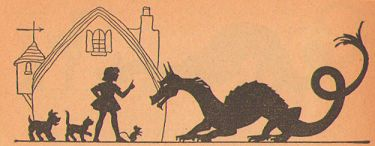
The Tale of Custard the Dragon, by Ogden Nash Silhouettes by Janet Laura Scott and Paula Rees Good
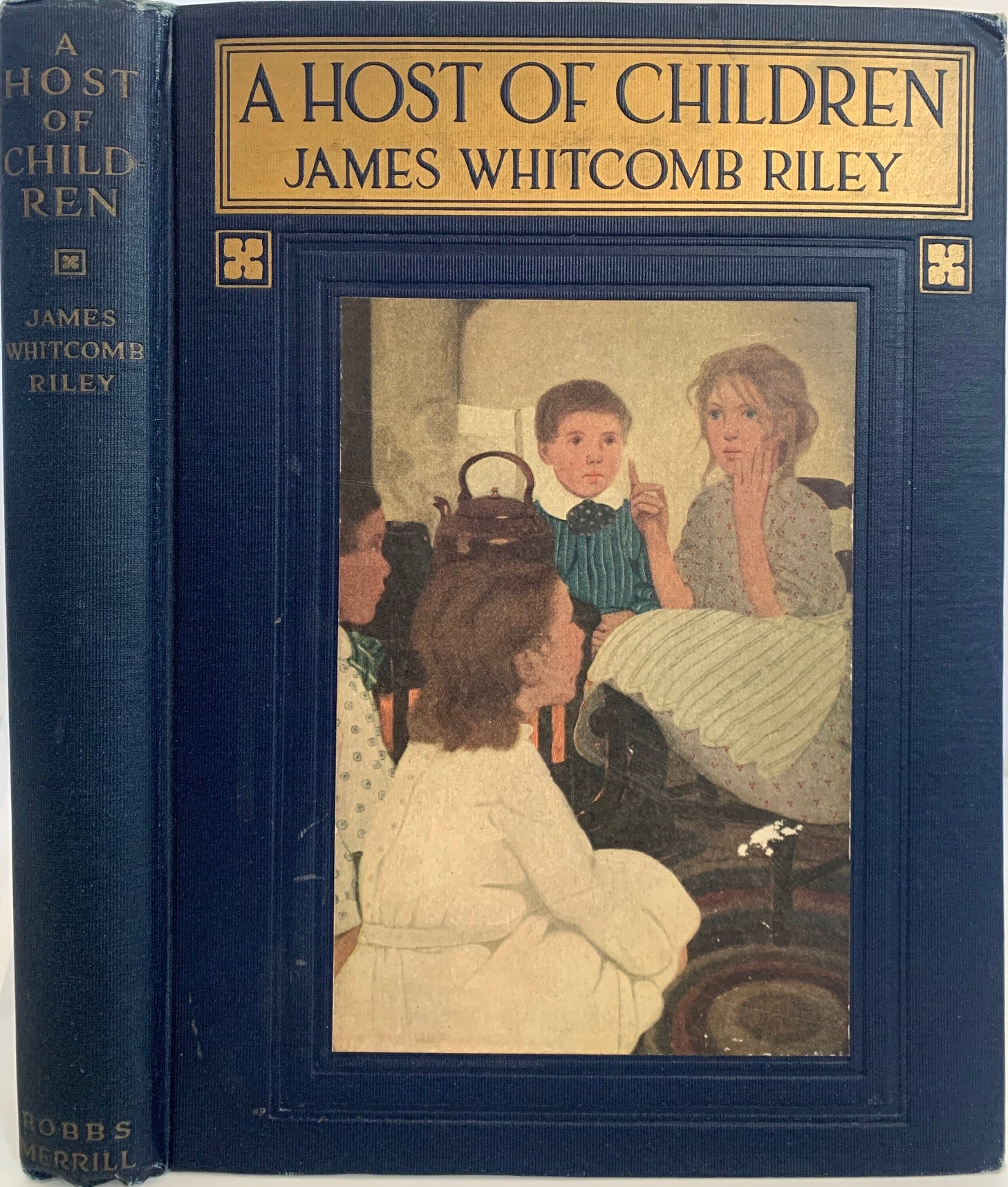
Riley, James Whitcomb, A Host of Children, Bobbs-Merrill, 1920
This book is special to me, because – while sadly uncredited, the black-and-white illustrations were done by a great-aunt of mine, Mildred Rogers Dickeman. Here is a post featuring an extract from this book, “Little Orphant Annie.”
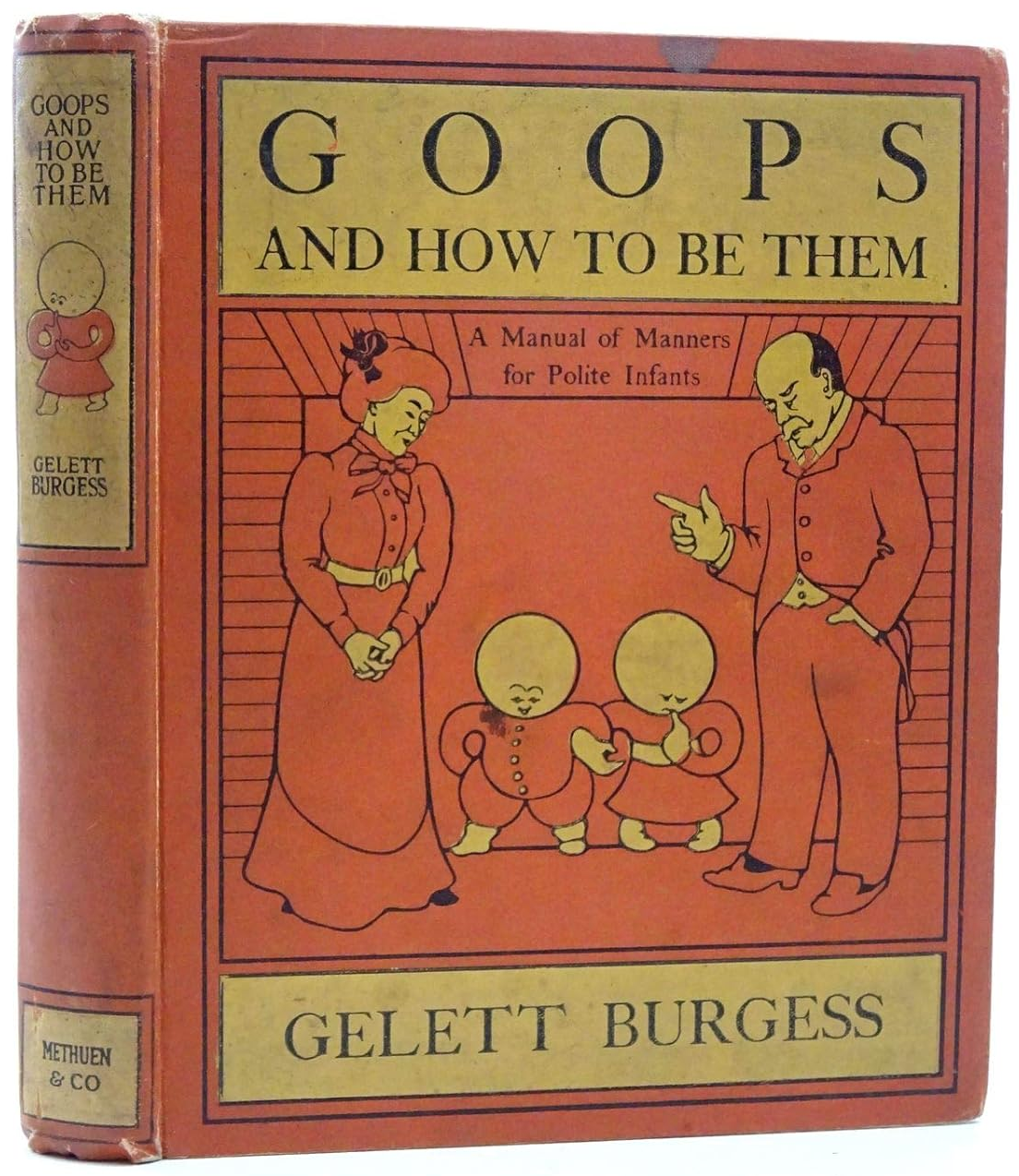
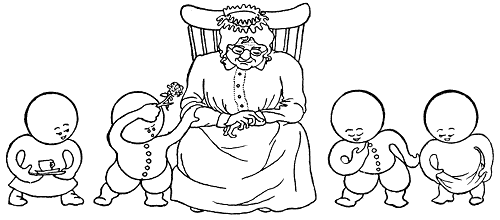
This book was written and illustrated by Gelett Burgess in 1900. People may think that the manners extolled in this wonderful book are stilted and out of date, but I maintain that we would have a much more civil society if these were univerally taught and observed.
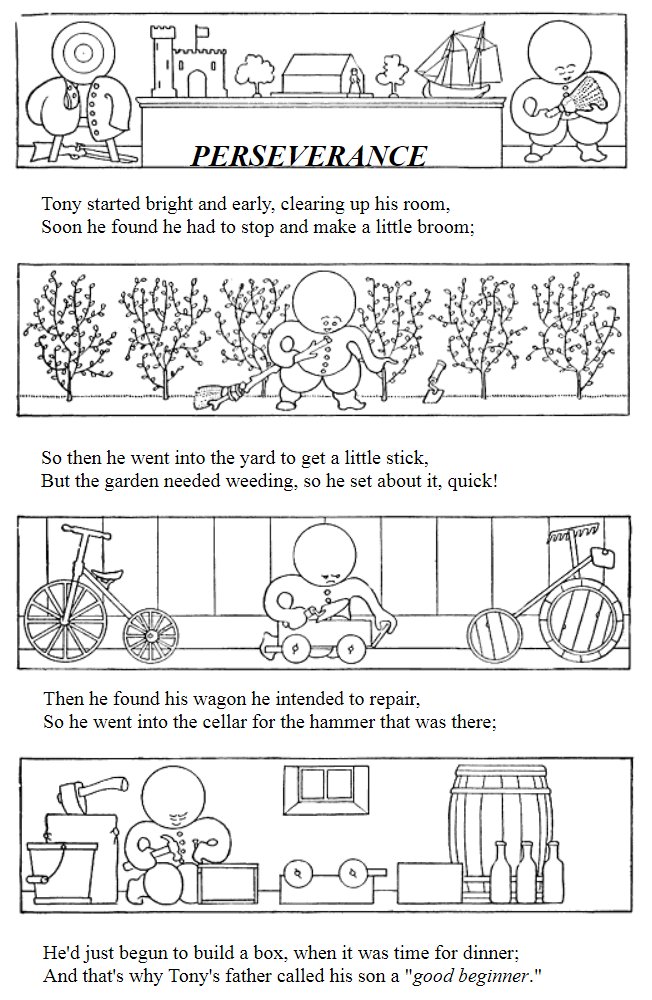
Tony had ADHD, which was not recognized at the time, but boy howdy is this me.
The entire book is available online at Project Gutenberg for your enjoyment.
I’m tired. I could keep going forever, but this is a good representative sample of children’s books that I have loved, and that I would wholeheartedly recommend to anyone who has young people around.
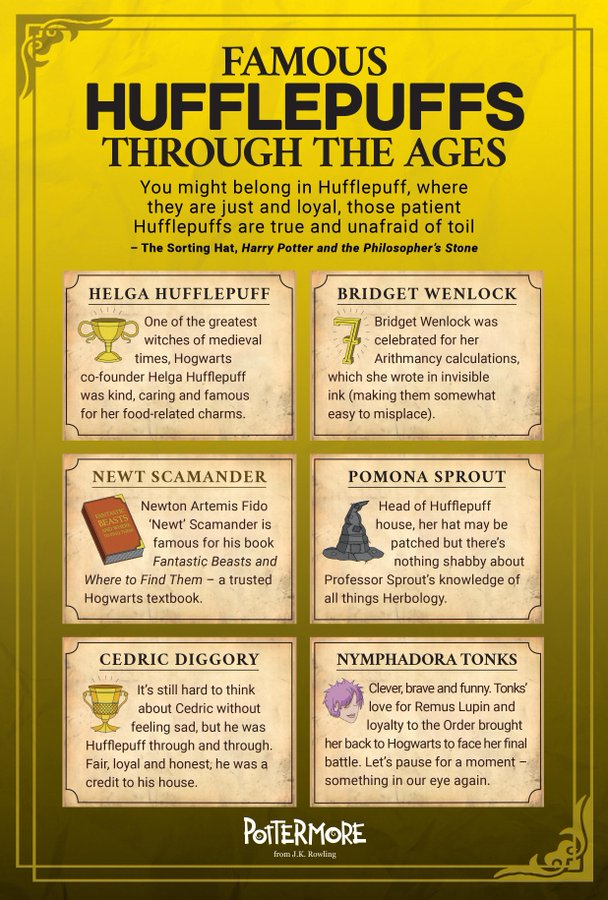
Way back in the dark ages when Pottermore was launched, I signed up and was sorted into a house like everyone else. Of course I was hoping I’d be put in to Gryffindor because of the usual reasons, but the Sorting Hat told me I’d do best in Hufflepuff. At the time I was disappointed, but decades later I came to understand that I had been signally honored.
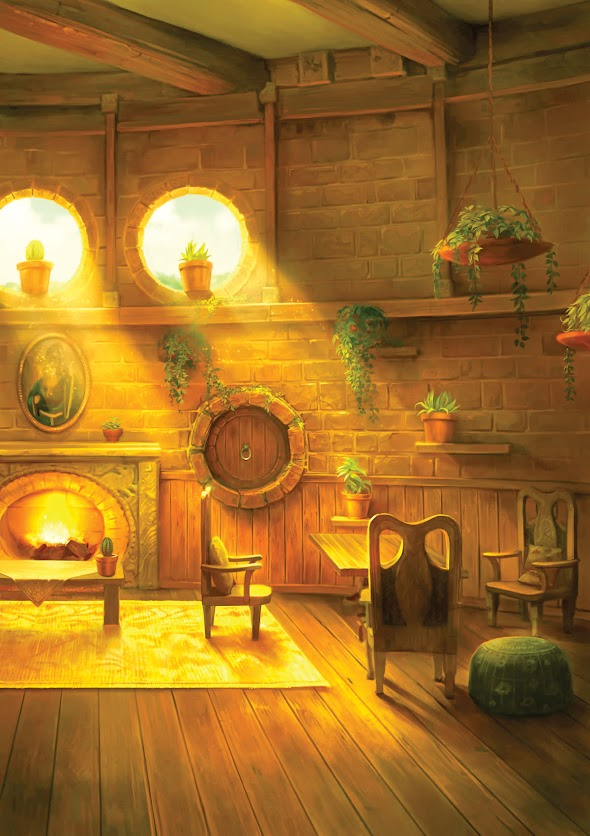
Snacks? Naps? Honor and decency? Service? Loyalty? Building a world that works for everyone, with no one left out? I’m all in. I mean, just look at this common room:
J.K. Rowling’s original writing at Pottermore:
“The Hufflepuff common room is entered from the same corridor as the Hogwarts kitchens. Proceeding past the large still life that forms the entrance to the latter, a pile of large barrels is to be found stacked in a shadowy stone recess on the right-hand side of the corridor. The barrel two from the bottom, middle of the second row, will open if tapped in the rhythm of ‘Helga Hufflepuff’*.
* The complexity or otherwise of the entrance to the common rooms might be said to give a very rough idea of the intellectual reputation of each house: Hufflepuff has an unchanging portal and requires rhythmic tapping; Slytherin and Gryffindor have doorways that challenge the would-be entrant about equally, the former having an almost imperceptible hidden entrance and a varying password, the latter having a capricious guardian and frequently changing passwords. In keeping with its reputation as the house of the most agile minds at Hogwarts, the door to the Ravenclaw common room presents a fresh intellectual or philosophical challenge every time a person knocks on it.
As a security device to repel non-Hufflepuffs, tapping on the wrong barrel, or tapping the incorrect number of times, results in one of the other lids bursting off and drenching the interloper in vinegar.
A sloping, earthy passage inside the barrel travels upwards a little way until a cosy, round, low-ceilinged room is revealed, reminiscent of a badger’s sett. The room is decorated in the cheerful, bee-like colours of yellow and black, emphasised by the use of highly polished, honey-coloured wood for the tables and the round doors which lead to the boys’ and girls’ dormitories (furnished with comfortable wooden bedsteads, all covered in patchwork quilts).
A colourful profusion of plants and flowers seem to relish the atmosphere of the Hufflepuff common room: various cactii stand on wooden circular shelves (curved to fit the walls), many of them waving and dancing at passers-by, while copper-bottomed plant holders dangling amid the ceiling cause tendrils of ferns and ivies to brush your hair as you pass under them.
A portrait over the wooden mantelpiece (carved all over with decorative dancing badgers) shows Helga Hufflepuff, one of the four founders of Hogwarts School, toasting her students with a tiny, two-handled golden cup. Small, round windows just level with the ground at the foot of the castle show a pleasant view of rippling grass and dandelions, and, occasionally, passing feet. These low windows notwithstanding, the room feels perennially sunny.
Nevertheless, it ought not to be concluded from the above that Hufflepuffs are dimwits or duffers, though they have been cruelly caricatured that way on occasion. Several outstanding brains have emerged from Hufflepuff house over the centuries; these fine minds simply happened to be allied to outstanding qualities of patience, a strong work ethic and constancy, all traditional hallmarks of Hufflepuff House.
Author’s note When I first planned the series, I expected Harry to visit all four house common rooms during his time at Hogwarts. There came a point when I realised that there was never going to be a valid reason to enter the Hufflepuff room. Nevertheless, it is quite as real to me as the other three, and I always knew exactly where those Hufflepuffs were going when they headed off towards the kitchens after lessons.”
Hufflepuff is full of some of the most honorable characters:
This lovely video, intimately crafted, was a delightful and wistful view into a time so far removed from us that it’s difficult to even get one’s head around. More years in the future than there are atoms in the observable universe, 8 * 10¹²⁰ years according to this imagining… but still fascinating.
Most of it is pure speculation, but it’s speculation based on mathematics that have been developed at this point in time, and real observations of the universe and what happens inside places like the Large Hadron Collider and other particle-generating devices.
Hasn’t happened yet.
If you’re not sure, the joke here is that some fear the energies generated within the Large Hadron Collider will be great enough to rip a hole in the fabric of space time, or to create a local black hole that will consume the earth. But thus far, this has shown no signs of happening.
The Large Hadron Collider
I’ve seen other such productions, equally thought-provoking, and all of them put me in mind of Isaac Asimov’s “The Last Question.” It’s a similar imagination, although somewhat simplified because the concept of black holes would only be posited two years after the story was written, of what happens when entropy reaches its ultimate terminal state, and there is no energy left anywhere in the universe at all. It revolves around humanity’s quest to stop the heat death of the universe, by asking ever-more powerful computers, “How can entropy be reversed?”
The eternal response
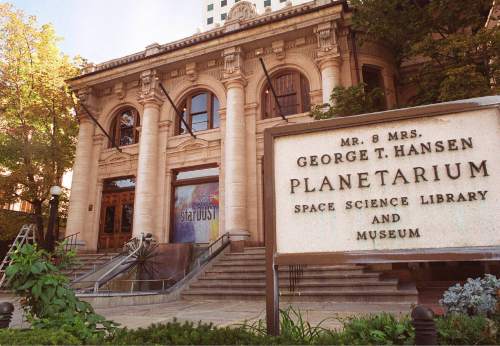
It’s a beautiful story, and I won’t spoil it, because it has an unexpected ending – one that always brings a few tears to my eyes – and it gives me hope for the continuation of life; I just love Asimov’s writings. I recall with fondness a dramatization of this story that I saw long ago at the Hansen Planetarium, when it was still at its original home in the renovated Salt Lake Public Library at 15 South State Street in Salt Lake City, Utah.
The old Hansen Planetarium
Fortunately or unfortunately, right now all we have to worry about is destroying our world by allowing climate change to proceed unchecked, and insane despots like Vladimir Putain knocking on the door of World War III with his rapacious attacks on innocent neighbors.¹ But from a scientific standpoint, it is captivating to imagine what will happen to our universe when all of these concerns have become moot.
Shut up, you deviants. I mean Jack Sparrow-type booty. Arr…
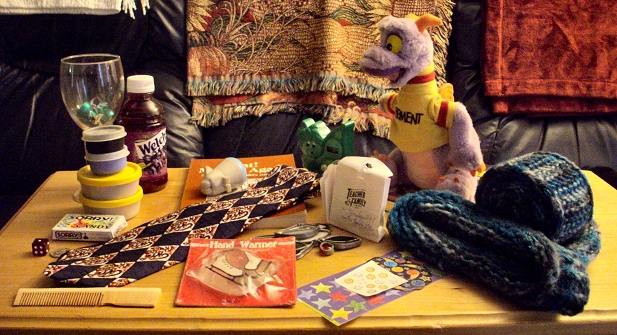
In 2010, a chest o’treasure arrived in me mailbox from a pretty wench in a far-off land. A whole bundle of silly, fun things: most useful, all appreciated.
The tie was the most interesting of all. To look at, it’s just a nice Christmas-themed cravat (since I only have one other, this will be a fine addition next Yule season.) But on closer examination, there are bits and snatches of words running through the candy canes.
I could tell the writing extended through the candy canes onto the blue background, but it was impossible to see in normal light, especially with the reflection from the shiny silk. So I scanned it, hoping to bring out a bit of detail.
With a little contrast and gamma manipulation, I was able to get the words to come out a bit more (this is just a small section, and my working image was much larger):
What jumped out at me was “The Christmas Joy”, “around the year”, “spot”, and “frozen”. Doing a Google search on these words came up with one – and only one – hit, a poorly-scanned copy of Down Durley Lane and Other Ballads by Virginia Woodward Cloud, published in 1898(!), and illustrated by Reginald Bathurst Birch which included this poem, “Old Christmas”:
It’s a long way round the year, my dears, A long way round the year. I found the frost and flame, my dears, I found the smile and tear!
The wind blew high on the pine-topp’d hill. And cut me keen on the moor: The heart of the stream was frozen still, As I tapped at the miller’s door.
I tossed them holly in hall and cot, And bade them right good cheer, But stayed me not in any spot, For I’d traveled around the year
To bring the Christmas joy, my dears, To your eyes so bonnie and true; And a mistletoe bough for you, my dears, A mistletoe bough for you!
What a delightful, hidden, and serendipitous message!
Miraculous it was that these words were even clear in the transcription, because it was a raw optical-conversion, and much of the text came out as garbage. What’s more, Virginia Woodward Cloud is a rather obscure poet, not unlike Grace Noll Crowell, (whose works I had hunted for over a period of 40 years, only having success last year thanks to another deep internet search). So the odds of finding one of Cloud’s poems on a Christmas tie are pretty slim.
A bit more digging found a beautiful online, zoomable copy of the book – “Old Christmas” is on page 99.
And all this because I gave the wench a stale crust of bread…
I suspect Ms. Parker, whoever, she is, has never been inside Barnes and Noble… or any bookstore for that matter. Peruse the shelves of any respectable bookseller, and you’ll find works from every point along the political spectrum, from Holy, Holy God, Thank You For Appointing Trump Emperor of the World (I’m sure something similar exists) to Bob Woodward’s Fear, and anything inbetween. ¹
The Humor section will be chock-full of collections of political cartoons from such geniuses as Pat Oliphant, who pilloried everyone that deserved it regardless of political affiliation.
If Ms. Parker’s train of thought were carried to its very illogical end-of-line, every bookstore in the world should be boycotted for carrying an item that someone happened to find offensive.
It’s called “The First Amendment.” Satire and Parody are Constitutionally protected speech.
But in one thing, Ms. Parker is right. This book is very disrespectful; comparing 45 to a pig is most unfair to the pigs of the world.
One of my all-time favorite books has always been The Human Comedy by William Saroyan. It’s a lovely novel about good-hearted, hard-working people living in a terrible time of death, destruction, and fear – the days of World War II. It is also written in a simple, delicious style, reflective of a certain simple goodness that much of our society no longer seems to prize.
In the course of the story, Homer Macaulay, a 14-year-old boy whose father has died and whose brother Marcus is away at the war, takes a job at the local telegraph office. There he meets Mr. Spangler, the manager, and Willie Grogan, the old-time telegrapher.
The following excerpt from the novel has always moved me because of Saroyan’s writing, but now more than ever since as of today I am no longer sixty-seven years old, the same age as Willie.
Homer sings “Happy Birthday” to Mr. Grogan
Spangler asked suddenly, “You know where Chatterton’s Bakery is on Broadway? Here’s a quarter. Go get me two day-old pies — apple and cocoanut cream. Two for a quarter.”
“Yes, sir,” Homer said. He caught the quarter Spangler tossed to him and ran out of the office. Spangler looked after him, moving along into idle, pleasant, nostalgic dreaming. When he came out of the dream, he turned to the telegraph operator and said, “What do you think of him?”
“He’s a good boy,” Mr. Grogan said.
“I think he is,” Spangler said. “Comes from a good, poor family on Santa Clara Avenue. No father. Brother in the Army. Mother works in the packing-houses in the summer. Sister goes to State College. He’s a couple of years underage, that’s all.”
“I’m a couple overage,” Mr. Grogan said. “Well get along.”
Spangler got up from his desk. “If you want me,” he said, “I’ll be at Corbett’s. Share the pies between you—” He stopped and stared, dumbfounded, as Homer came running into the office with two wrapped-up pies.
“What’s your name again?” Spangler almost shouted at the boy.
“Homer Macauley,” Homer said.
The manager of the telegraph office put his arm around the new messenger. “All right, Homer Macauley,” he said. “You’re the boy this office needs on the night-shift. You’re probably the fastest-moving thing in the San Joaquin valley. You’re going to be a great man some day, too— if you live. So see that you live.” He turned and left the office while Homer tried to understand the meaning of what the man had said.
“All right, boy,” Mr. Grogan said, “the pies.”
Homer put the pies on the desk beside Mr. Grogan, who continued to talk. “Homer Macauley,” he said, “my name is William Grogan. I am called Willie, however, although I am sixty-seven years old. I am an old-time telegrapher, one of the last in the world. I am also night wire-chief of this office. I am also a man who has memories of many wondrous worlds gone by. I am also hungry. Let us feast together on these pies— the apple and the cocoanut cream. From now on, you and I are friends.”
“Yes, sir,” Homer said.
The old telegraph operator broke one of the pies into four parts, and they began to eat cocoanut cream.
“I shall, on occasion,” Mr. Grogan said, “ask you to run an errand for me, to join me in song, or to sit and talk to me. In the event of drunkenness, I shall expect of you a depth of understanding one may not expect from men past twelve. How old are you?’
“Fourteen,” Homer said, “but I guess I’ve got a pretty good understanding.”
“Very well,” Mr. Grogan said. “I’ll take your word for it. Every night in this office I shall count on you to see that I shall be able to perform my duties. A splash of cold water in the face if I do not respond when shaken— this is to be followed by a cup of hot black coffee from Corbett’s.”
“Yes, sir,” Homer said.
“On the street, however,” Mr. Grogan continued, “the procedure is quite another thing. If you behold me wrapped in the embrace of alcohol, greet me as you pass, but make no reference to my happiness. I am a sensitive man and prefer not to be the object of public solicitude.”
“Cold water and coffee in the office,” Homer said. “Greeting in the street. Yes, sir.”
Mr. Grogan went on, his mouth full of cocoanut cream. “Do you feel this world is going to be a better place after the War?”
Homer thought a moment and then said, “Yes, sir.”
“Do you like cocoanut cream?” Mr. Grogan said.
“Yes, sir,” Homer said.
The telegraph box rattled. Mr. Grogan answered the call and took his place at the typewriter, but went on talking. “I, too, am fond of cocoanut cream,” he said. “Also music, especially singing. I believe I overheard you say that once upon a time you sang at Sunday School. Please be good enough to sing one of the Sunday School songs while I type this message from Washington, D. C.”
Homer sang Rock of Ages while Mr. Grogan typed the telegram. It was addressed to Mrs. Rosa Sandoval, 1129 G Street, Ithaca, California, and in the telegram the War Department informed Mrs. Sandoval that her son, Juan Domingo Sandoval, had been killed in action.
Mr. Grogan handed the message to Homer. He then took a long drink from the bottle he kept in the drawer beside his chair. Homer folded the tele- gram, put it in an envelope, sealed the envelope, put the envelope in his cap and left the office. When the messenger was gone, the old telegraph operator lifted his voice, singing Rock of Ages. For once upon a time he too had been as young as any man.
Saroyan, William, The Human Comedy, Harcourt, Brace and Company (1943)
Willie is 67, and has lived a hard life. Alcoholism takes its toll. I don’t feel as old as Willie, but I haven’t lived through two world wars or known the privations of the Depression. But the number stuck in my mind, and brought back these recollections.
Age is a funny thing. It’s relative. When I first read The Human Comedy as a young man (one of the few books that has ever made me weep like a grade-schooler), sixty-seven seemed far, far away and ancient. Now that I’ve passed that mark, aside from the wear and tear that comes with an aging body I don’t feel as old as Willie – somehow I’m still around 24 inside. Or sometimes 15. Or sometimes five.
I remember that even as a child, I was amused by Gelett Burgess’ poem “Consideration” found in Goops and How To Be them:
When you’re old, and get to be Thirty-four or forty-three, Don’t you hope that you will see Children all respect you?
Will they, without being told, Wait on you, when you are old, Or be heedless, selfish, cold? I hope they’ll not neglect you!
But it’s important to remember that life expectancy has changed radically over the last century and a half.
Today, in 2019, the average human can expect to live to age 79.
in 1943 when The Human Comedy was published, the average US life expectancy for a male was 62.4, so Willie was well past the mark.
In 1900, when The Goops was written, the number was considerably lower: 46.3
And in 1853 when Herman Melville wrote “Bartleby the Scrivener,” lower still – around 38, so the narrator can be forgiven for calling himself “a rather elderly man,” ” somewhere not far from sixty.”
Much of the rising life expectancy can be attributed to advances in medical science, the eradication of many infectious diseases, and the judicious application of vaccines against diseases such as polio, smallpox, and the many childhood diseases that carried so many people away.
Public Service Announcement: Vaccines are generally safe and prevent far more suffering than they cause.
I’m to the point now where I can no longer count on the fingers of both hands the number of family members, friends and associates who have graduated from mortality at an age younger than I am today. We never know when our number will be called; like everyone else I will board the bus (“Heart and Souls” reference) when it comes for me, and while I hope for significantly more time here on earth I will be grateful for what I’ve been given. By the standards of days gone by, I’ve already beaten the odds by a mile.
The following is a translation of an extract from the Library and National Archives of Quebec (BAnQ). Visit the site for the full article with images (in French).
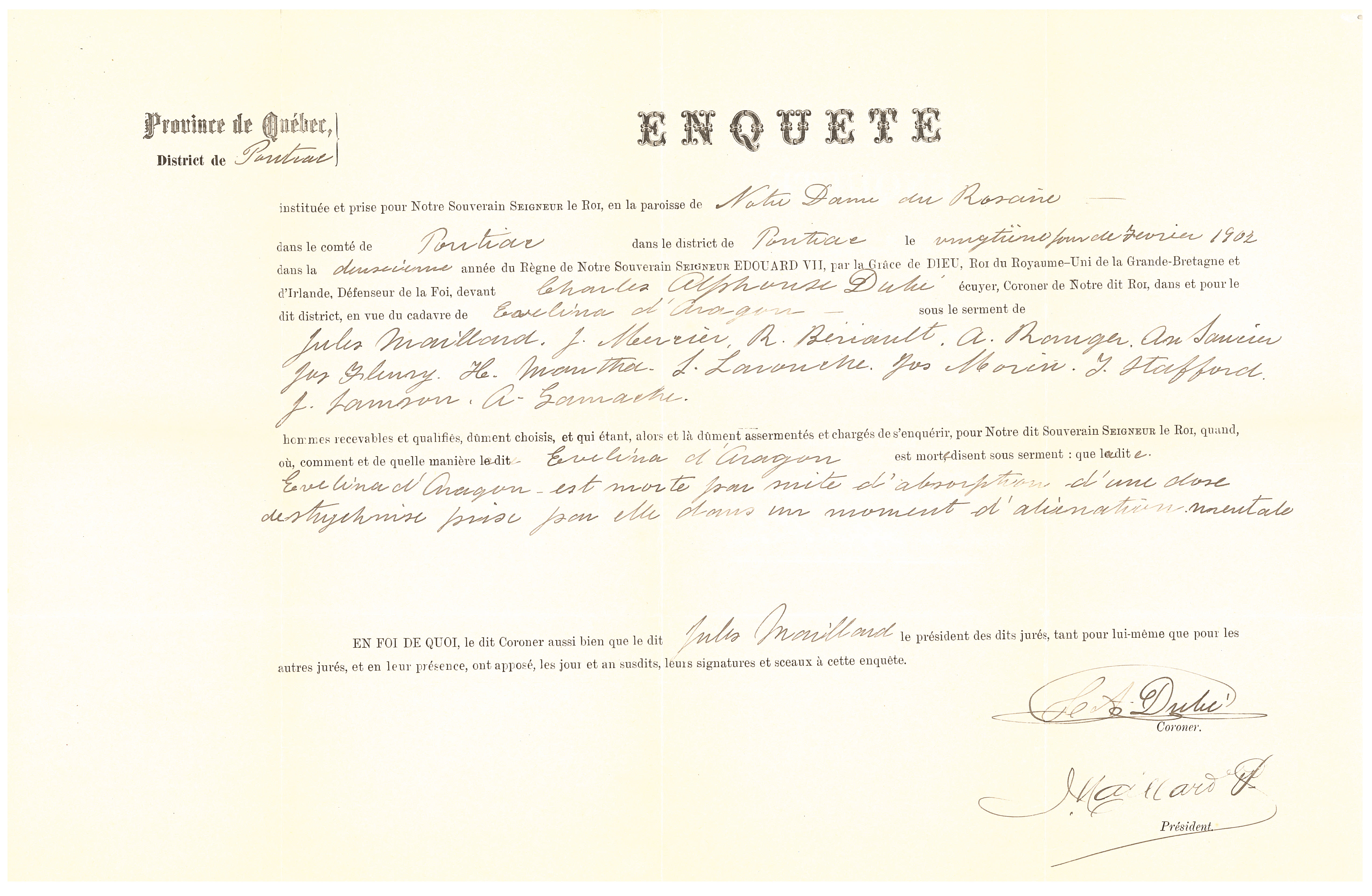
On February 20, 1902, coroner Charles Alphonse Dubé met with several witnesses at Notre-Dame-du-Rosaire in the Pontiac district. He wanted to determine the cause of the death of Mrs. Evelina d’Aragon, found dead in bed. After investigation, he concluded that the latter committed suicide by taking a dose of strychnine “in a moment of insanity.”
In his statement to the jury, Dr. Dubé, who was well acquainted with Madame d’Aragon, declared that she left to her husband, Alfred-Saint-Louis, a note which read: “Dear Alfred, now free. Your taste for the bottle, your first companion, will satisfy you. Evelina. Although these words suggest that Mrs. d’Aragon, who was pregnant at the time, committed suicide because of her husband’s alcoholic addictions, Dr. Dubé believed that the reason is quite different.
In order to demonstrate that Ms. d’Aragon was not in full possession of her mental faculties at the time of her death, he stated that she suffered from exalted and romantic ideas that she had certainly acquired by reading many novels. Dr. Dubé affirmed that: “There is nothing in the world to distort judgment, and to exalt the imagination like the reading of these novels, where everything tends to excite intelligence and lead to a false interpretation of ordinary things of life.
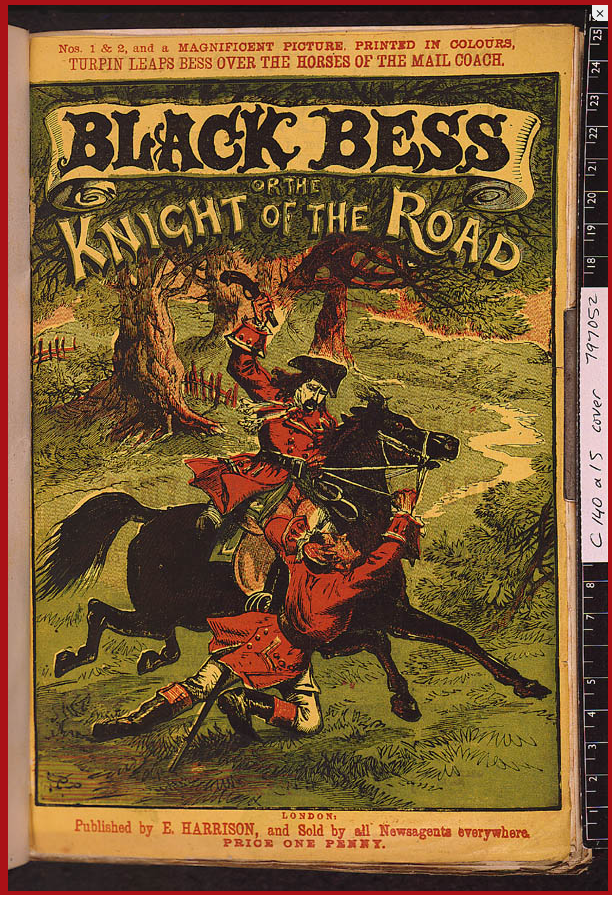
So watch yourselves out there, those penny dreadfuls will rot your brain. {heavy sarcasm}
While searching for something else in my LiveJournal archive, I ran across this little gem which was sent to me by a translator colleague in 1999. It’s out on the net, but you have to know just what you’re looking for to find it.
Merge matic books from the Washington Post Invitational: Readers were asked to combine the works of two authors and provide a suitable blurb. Back to the books.
The overall winner is also the Rookie of the Week:
Second Runner Up: “Machiavelli’s The Little Prince” Antoine de Saint Exupery’s classic children’s tale as presented by Machiavelli. The whimsy of human nature is embodied in many delightful and intriguing characters, all of whom are executed. (Erik Anderson, Tempe, Ariz.)
First Runner Up:
“Green Eggs and Hamlet” Would you kill him in his bed? Thrust a dagger through his head? I would not, could not, kill the King. I could not do that evil thing. I would not wed this girl, you see. Now get her to a nunnery. (Robin Parry, Arlington)
And the Winner of the Dancing Critter: “Fahrenheit 451 of the Vanities” An ’80s yuppie is denied books. He does not object, or even notice. (Mike Long, Burke)
Honorable Mentions:
“2001: A Space Iliad” The Hal 9000 computer wages an insane 10 year war against the Greeks after falling victim to the Y2K bug. (Joseph Romm, Washington)
“Curious Georgefather” The monkey finally sticks his nose where it don’t belong. (Chuck Smith, Woodbridge)
“The Hunchback Also Rises” Hideously deformed fellow is cloistered in bell tower by despicable clergymen. And that’s the good news … (John Verba, Washington)
“The Maltese Faulkner” Is the black bird a tortured symbol of Sam’s struggles with race and family? Does it signify his decay of soul along with the soul of the Old South? Is it merely a crow, mocking his attempts to understand? Or is it worth a cool mil? (Thad Humphries, Warrenton)
“The Silence of the Hams” In this endearing update of the Seuss classic, young Sam I Am presses unconventional foodstuffs on his friend, Hannibal, who turns the tables. (Mark Eckenwiler, Washington)
“Jane Eyre Jordan”: Plucky English orphan girl survives hardships to lead the Chicago Bulls to the NBA championship. (Dave Pickering, Bowie)
“Nicholas and Alexandra Nickleby” Having narrowly escaped a Bolshevik firing squad, the former czar and czarina join a troupe of actors only to find that playing the Palace isn’t as grand as living in it. (Sandra Hull, Arlington)
“Catch 22 in the Rye” Holden learns that if you’re insane, you’ll probably flunk out of prep school, but if you’re flunking out of prep school, you’re probably not insane. (Brendan Beary, Great Mills)
“Tarzan of the Grapes” The beleaguered Okies of the dust bowl are saved by a strong and brave savage who swings from grapevine to grapevine. (Joseph Romm, Washington)
“Where’s Walden?” Alas, the challenge of locating Henry David Thoreau in each richly detailed drawing loses its appeal when it quickly becomes clear that he is always in the woods. (Sandra Hull, Arlington)
“Looking for Mr. Godot” A young woman waits for Mr. Right to enter her life. She has a looong wait. (Jonathan Paul, Garrett Park)
“Rikki Kon Tiki Tavi” Thor Heyerdahl recounts his attempt to prove Rudyard Kipling’s theory that the mongoose first came to India on a raft from Polynesia. (David Laughton, Washington)


























 Playing in the World Game