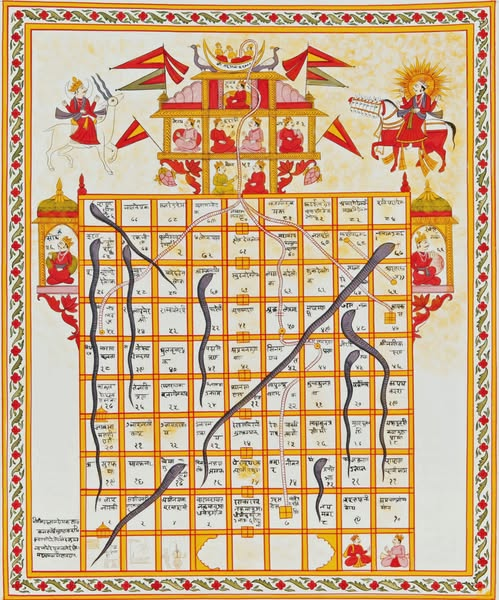
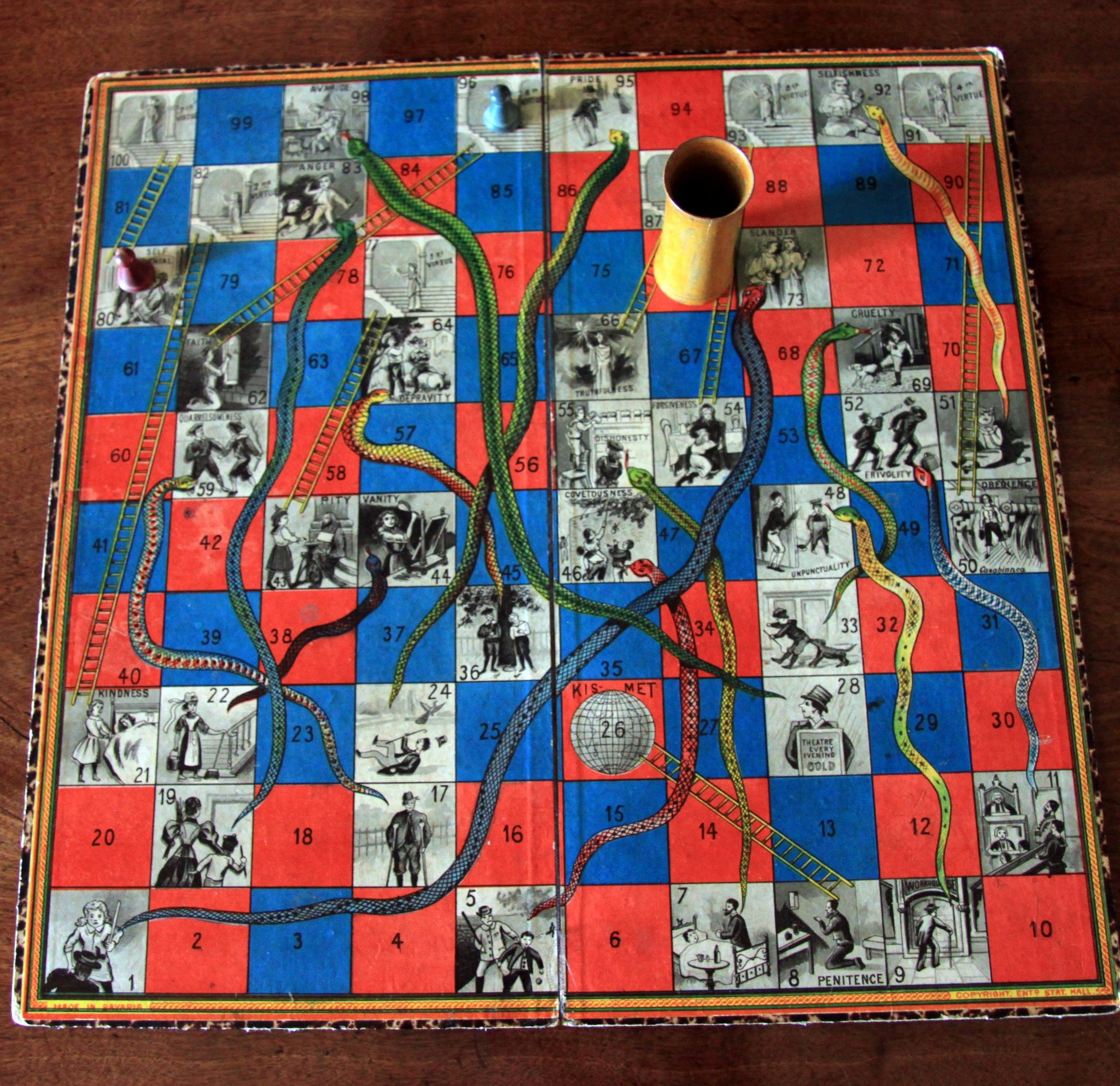
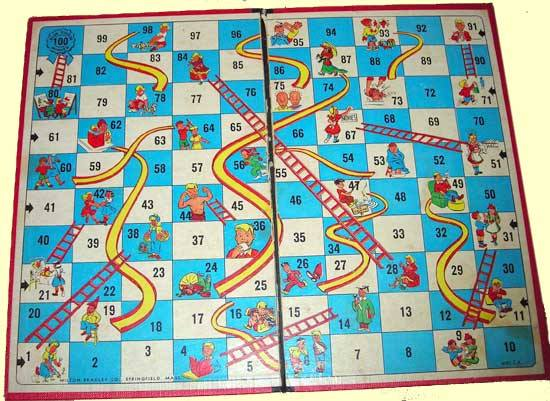
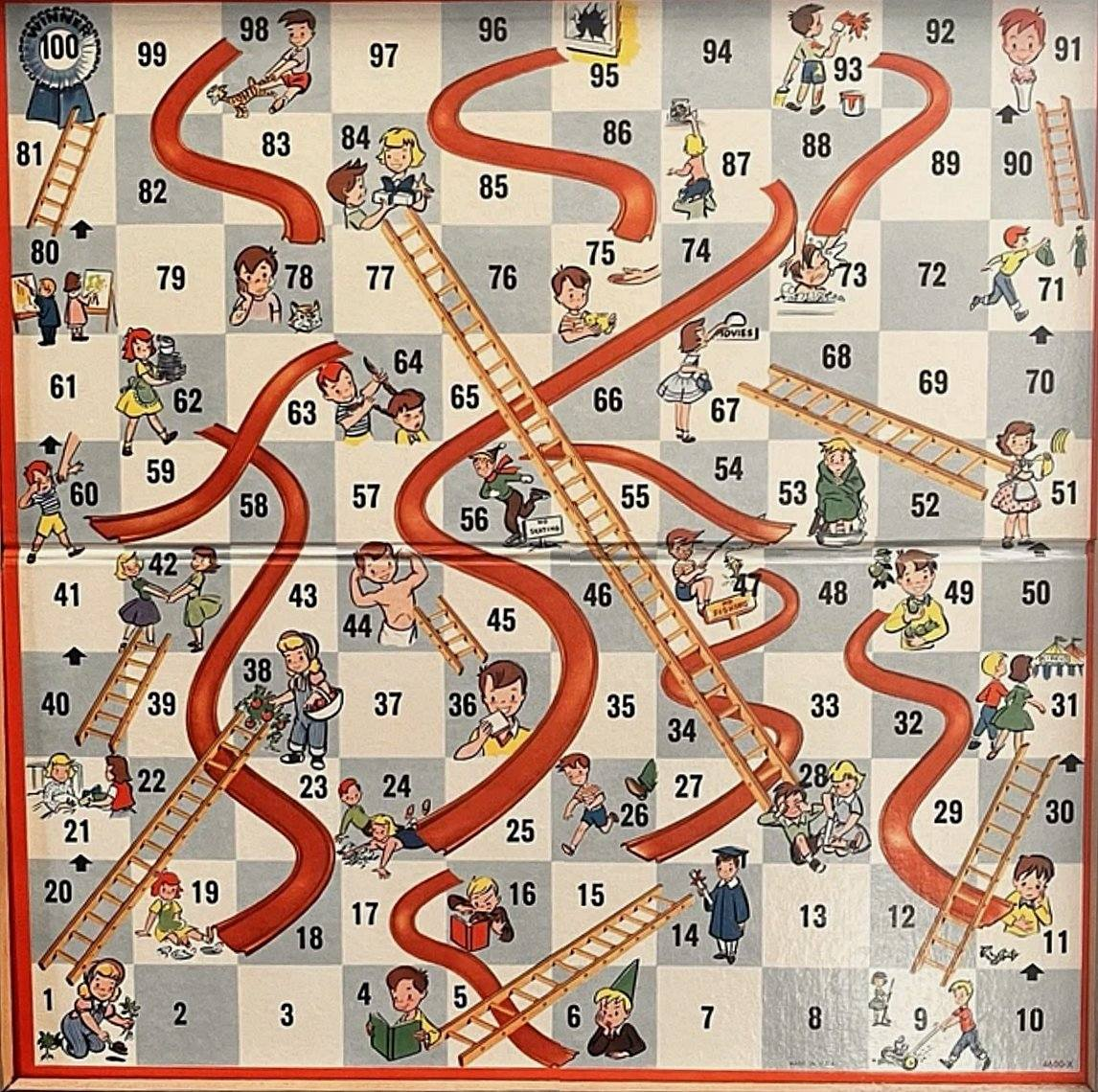
Snakes and ladders (Chutes and Ladders in the USA) is a board game for two or more players regarded today as a worldwide classic] The game originated in ancient India as Moksha Patam¹, and was brought to the United Kingdom in the 1890s.
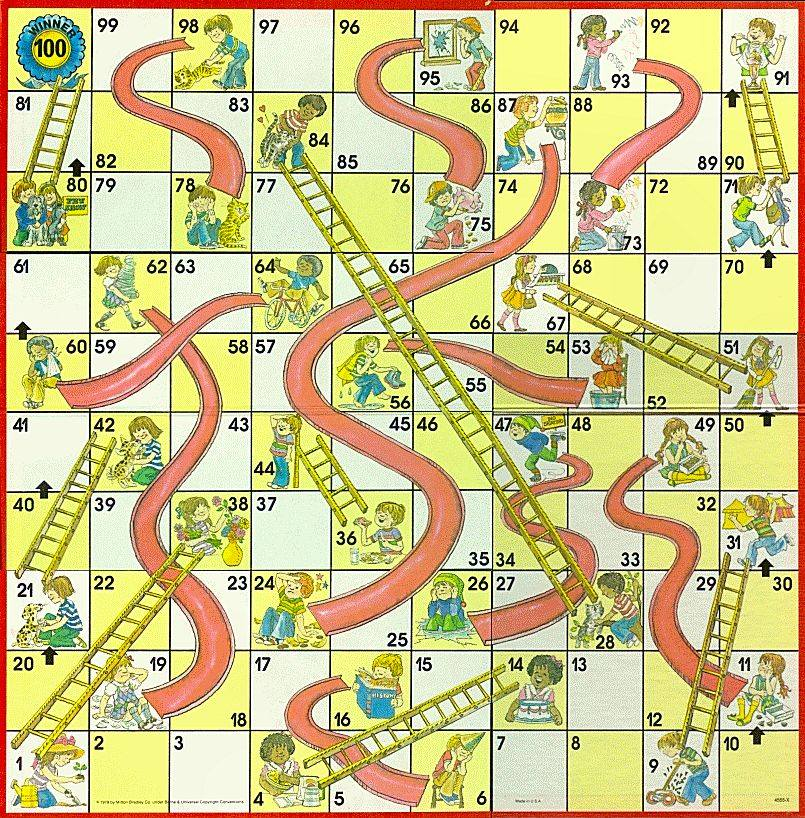
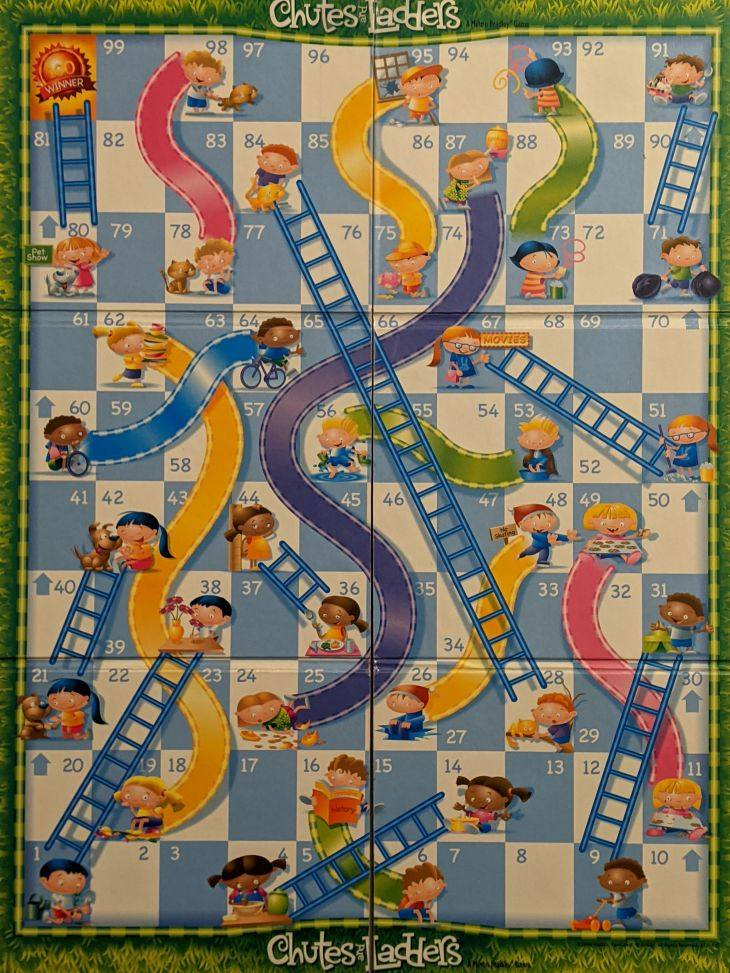
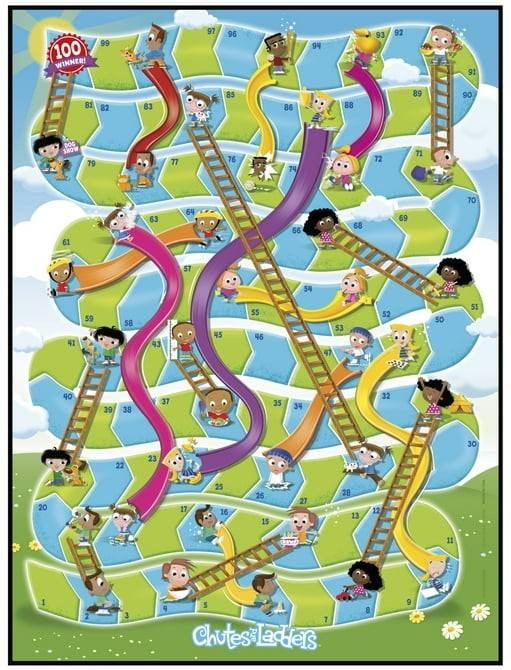
Which board do you remember best?
19th Century Jain Version of Moksha Patam
UK Version, 1900
1940’s Version
1952. This is the version I grew up with.
1979. This is the version I played with my children.
2020 Version
Current Edition
This game is both instructional and a lot of fun, and is 100% a game of chance. No skill whatsoever is required, making it relatively contention-free for players of all ages.
The Old Wolf has spoken
Footnotes
¹Moksha Patam is the ancient Indian precursor to the game of Snakes and Ladders, originating as a spiritual game to teach the concepts of karma, virtue, and liberation (moksha) from the cycle of rebirth. While the Western version simplified the game, Moksha Patam originally used ladders to symbolize good deeds leading to higher spiritual levels and snakes to represent vices causing spiritual decline. The ultimate goal of the game was to reach the final square, representing moksha, through virtuous actions, though the exact symbolism and number of ladders and snakes varied. Moksha: Means liberation or spiritual release from the cycle of birth, death, and rebirth. Patam/Pata: Indicates a path or ladder.
Imgur recently did a Book Fair, where users would post their favorite or beloved books. This put me in mind of my own library as a child, many of which I have preserved or re-acquired over time for my own enjoyment (and for my grandchildren, if I can ever get them to visit me.)
Here then, a compendium of some of the books I have cherished since I was small, along with a few that have been added along the way.
In no particular order, because I love them all.
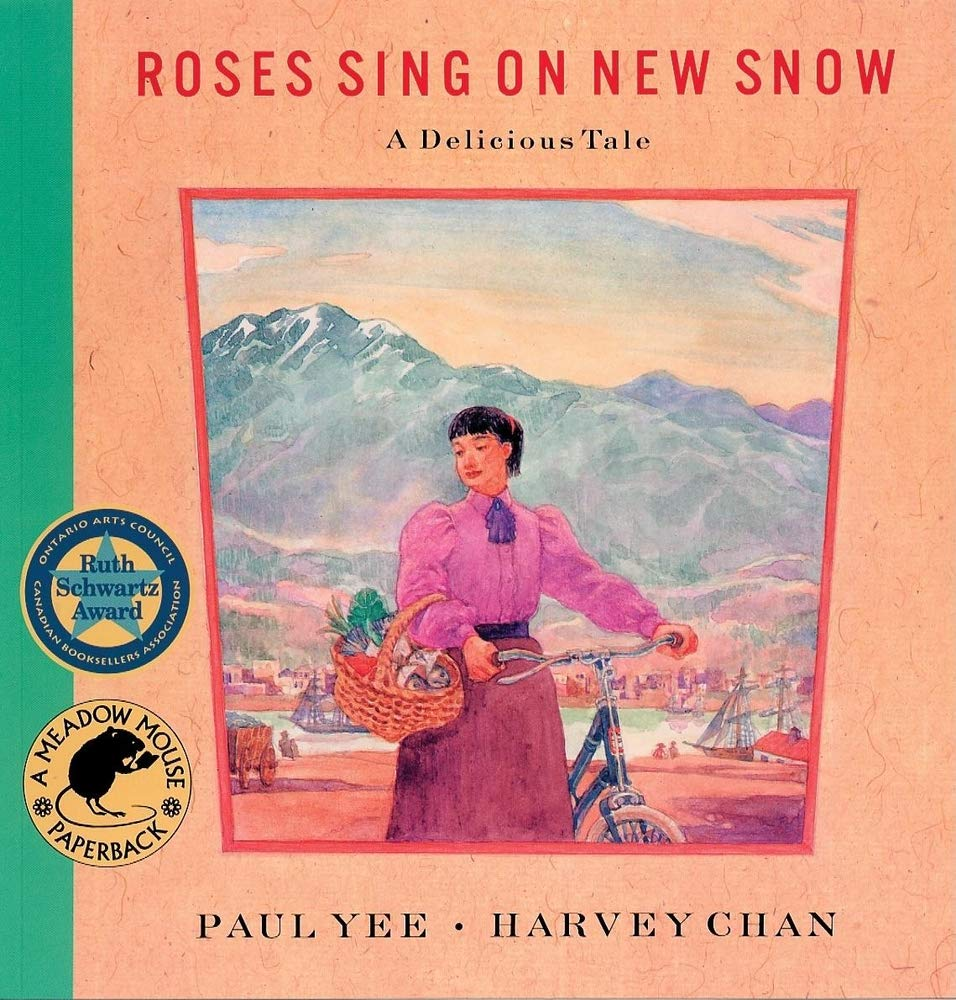
Winner of the Ruth Schwartz Children’s Book Award
“Maylin cooks delicious meals every day in her father’s restaurant, but it’s her lazy brothers who take all the credit. One day a contest is held to honor the visiting Governor of South China and Maylin’s brothers don’t hesitate to pass off her cooking as their own. But when neither the brothers nor the Governor himself can replicate Maylin’s wonderful dish, they all learn that there’s more to the art of good cooking than just using the right ingredients.” (Description from Amazon) It’s the love that went into it that was missing.
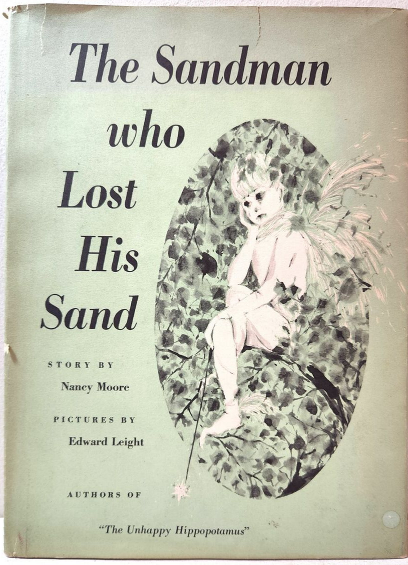
This is an obscure volume, but it’s special to me because I’m included in the dedication. My mother was good friends with Edward Leight, who was a frequent guest in our home and who made the most insane chocolate mousse that I have ever tasted. Rivalled even things I’ve had in Paris.
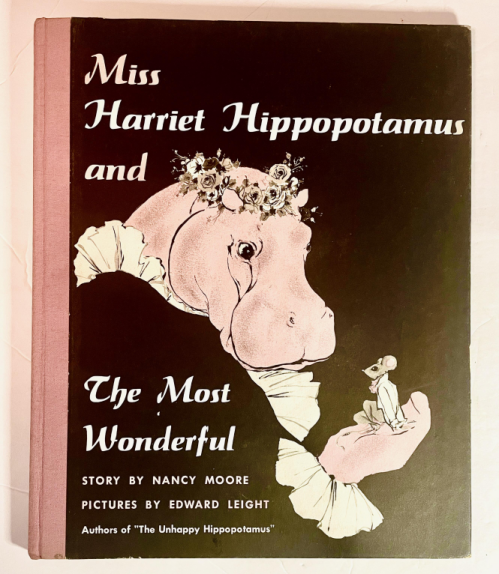
Another volume by the same authors. I always loved Harriet and Mouse.
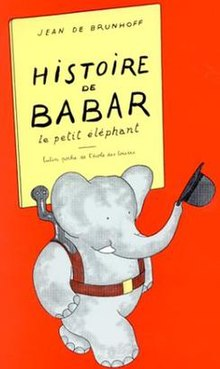
This volume is in French, which I began learning at Hunter College Elementary School under the gentle tyranny of Mme. Hopstein of blessed memory. The Babar stories in my library are in English, but the translations are lovely and capture the flavor of the originals.
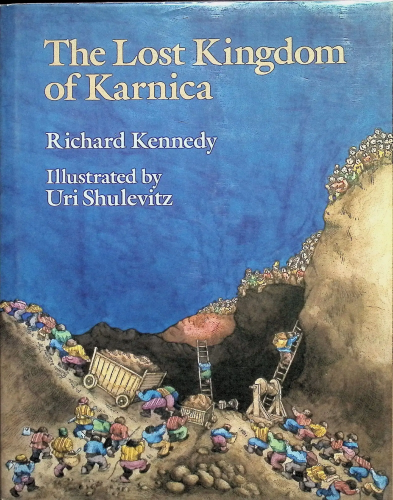
A morality tale about the dangers of unbridled greed.
One of the ultimate classics. Everyone should have this on their children’s bookshelf.
Henry B. Swap and his “glas wen” – a Welsh term, literally, a “blue smile” – a smile that is insincere or mocking. But even Henry learned an important lesson in this book.
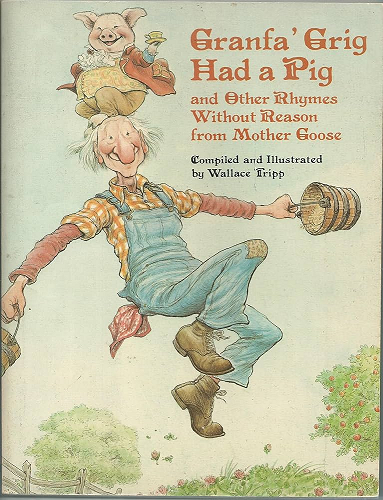
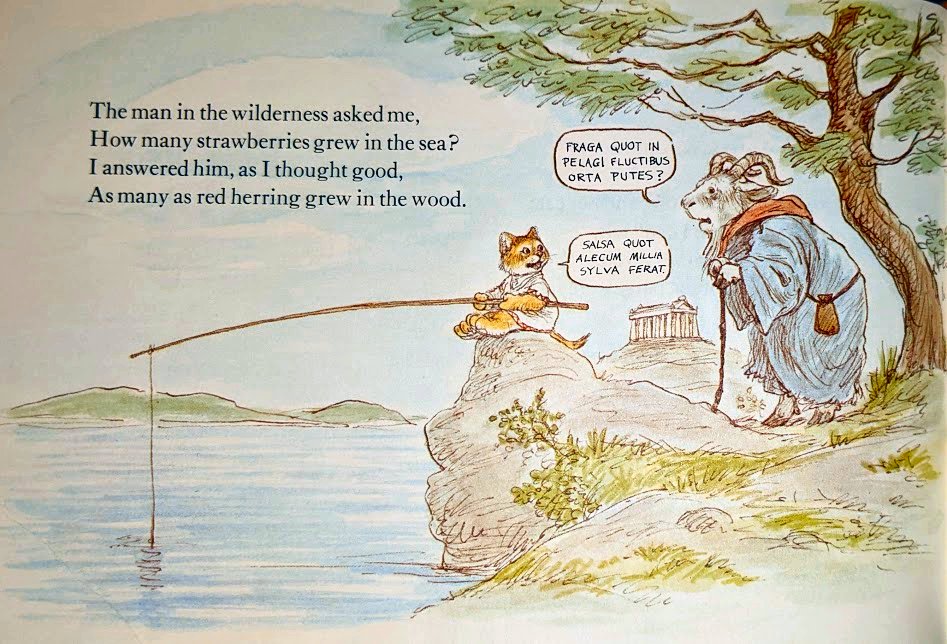
Wallace Tripp is probably one of my favorite illustrators of all time. His draftsmanship is exquisite, and his sense of humor is weird enough to tickle my funny bone in all the right places.
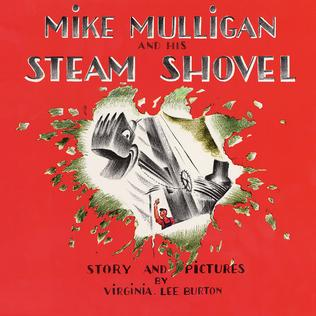
I remember perusing this book and its little side-illustrations for hours. I learned a lot about road construction and the structure of a town from this volume.
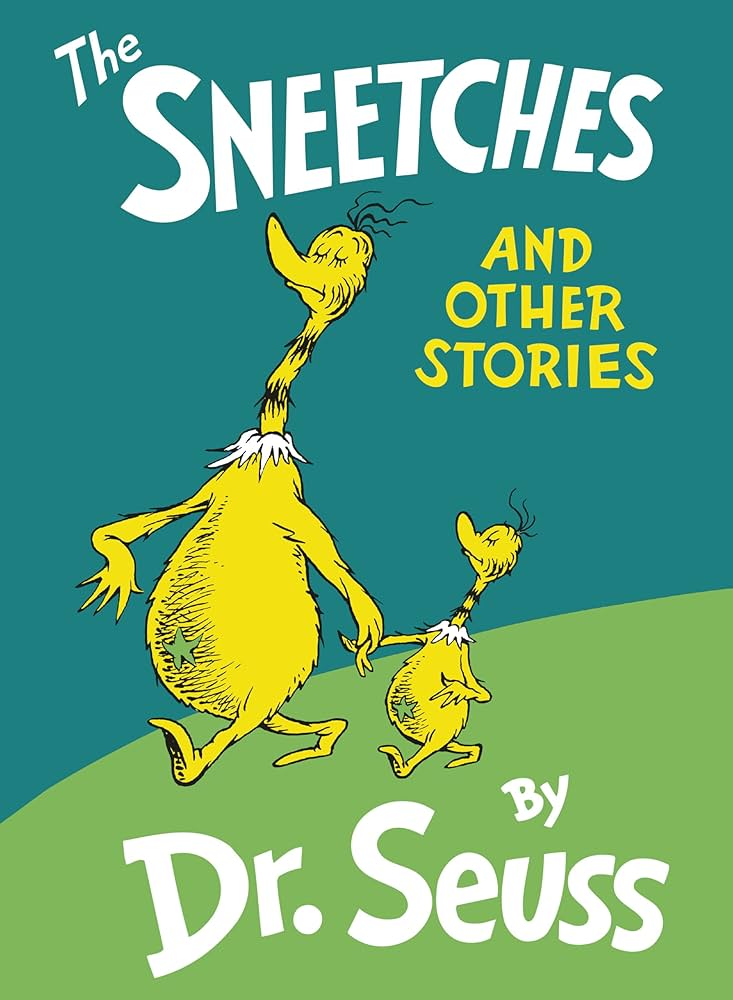
Representative of all Dr. Seuss books. This one has some really good lessons in it, but all of them are wonderful. Bartholomew Cubbins, If I Ran the Circus, Mulberry Street, the Lorax… too many to choose a favorite.
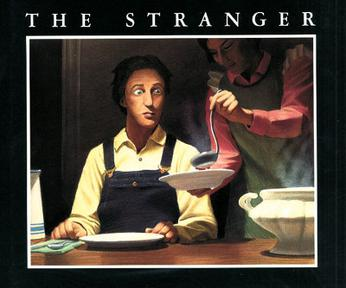
Is it a book by Chris Van Allsburg? Then it deserves to be on your shelves. This one is a particular favorite of mine, but Jumanji (of course), The Garden of Abdul Gasazi, and The Polar Express come to mind just as rapidly.
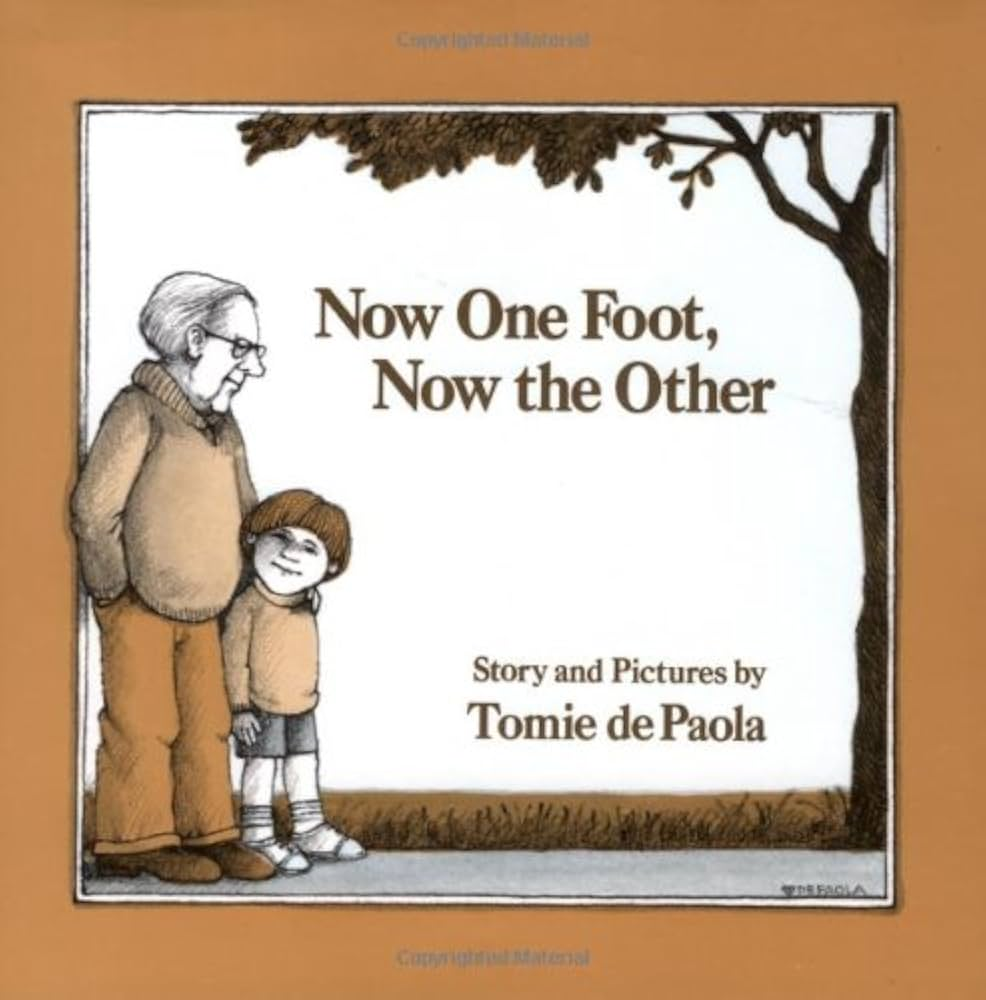
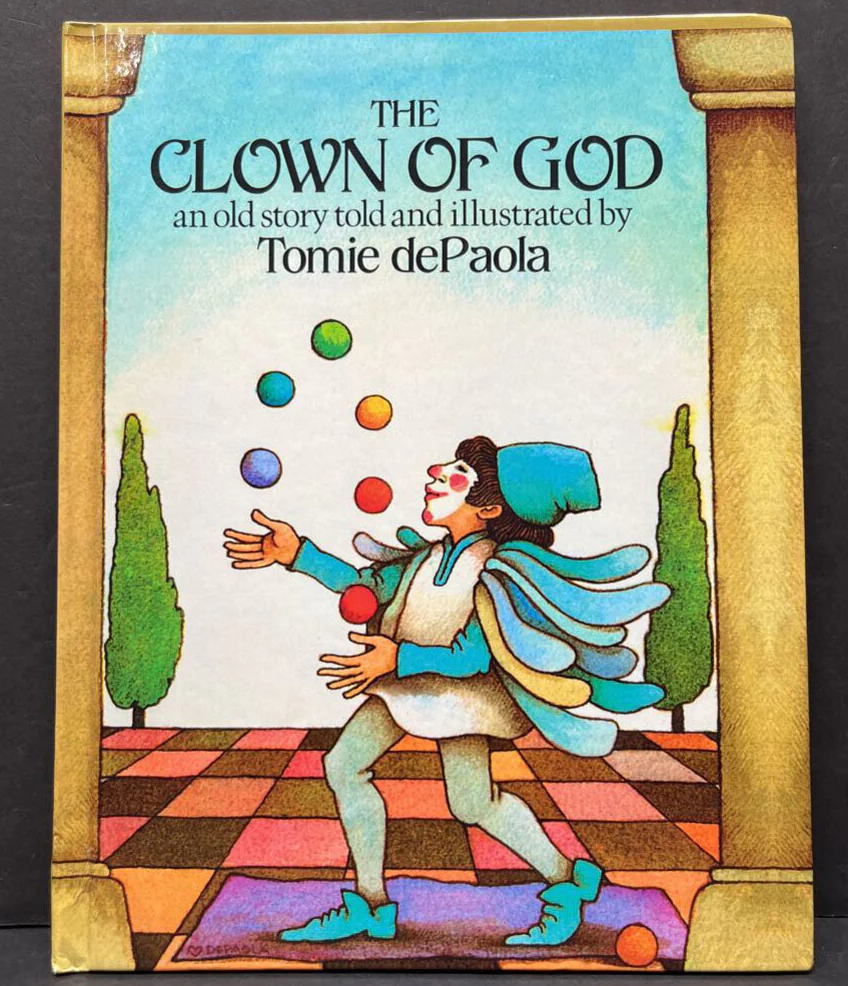
Haul out the tissues. Tomie de Paola has written the most touching stories of humanity (this one), History (Tony’s Bread), and Faith (see the next one, below.) Beautiful illustrations and gentle humor.
For you, dear child. For you!
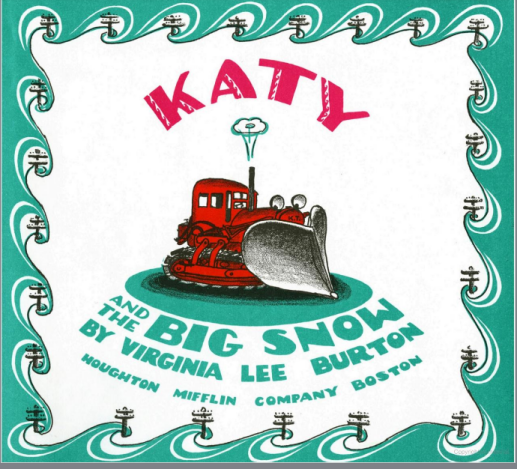
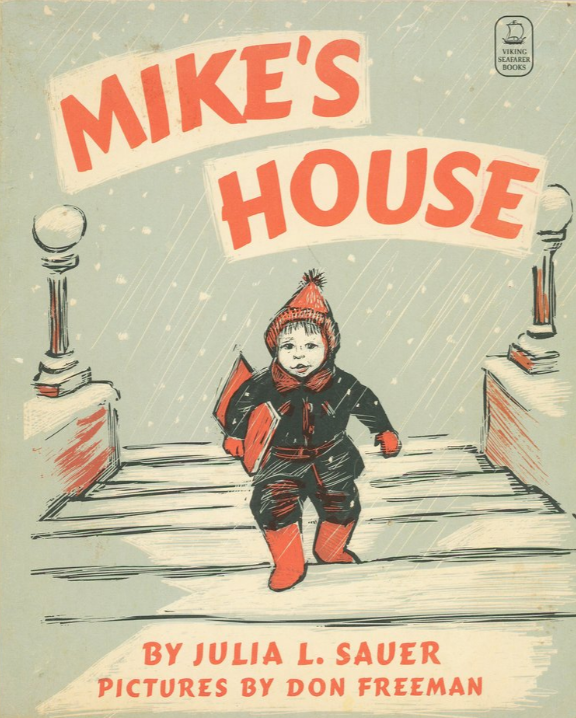
One of my long-term favorites. I could easily identify with Robert, the hero of this story, one of those tough pre-schoolers who would never be stopped by a little snow.
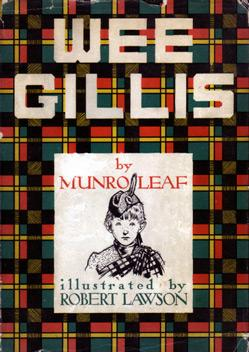
Something about poor Wee Gillis, torn between his relatives of the Highlands and the Lowlands, spoke to me as a child… along with bagpipes. Of course, bagpipes. Big ones.
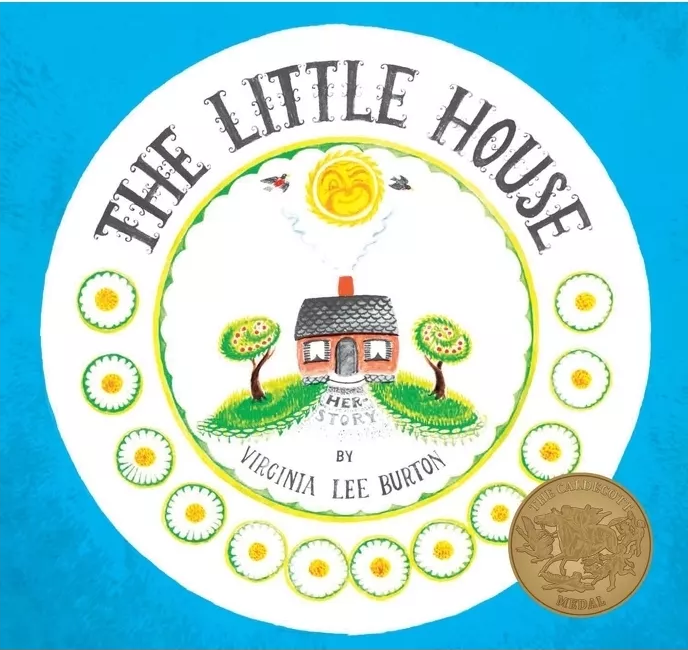
I grew up in New York City, but I loved visiting my country cousins. This little book deserves all the awards it has ever garnered.
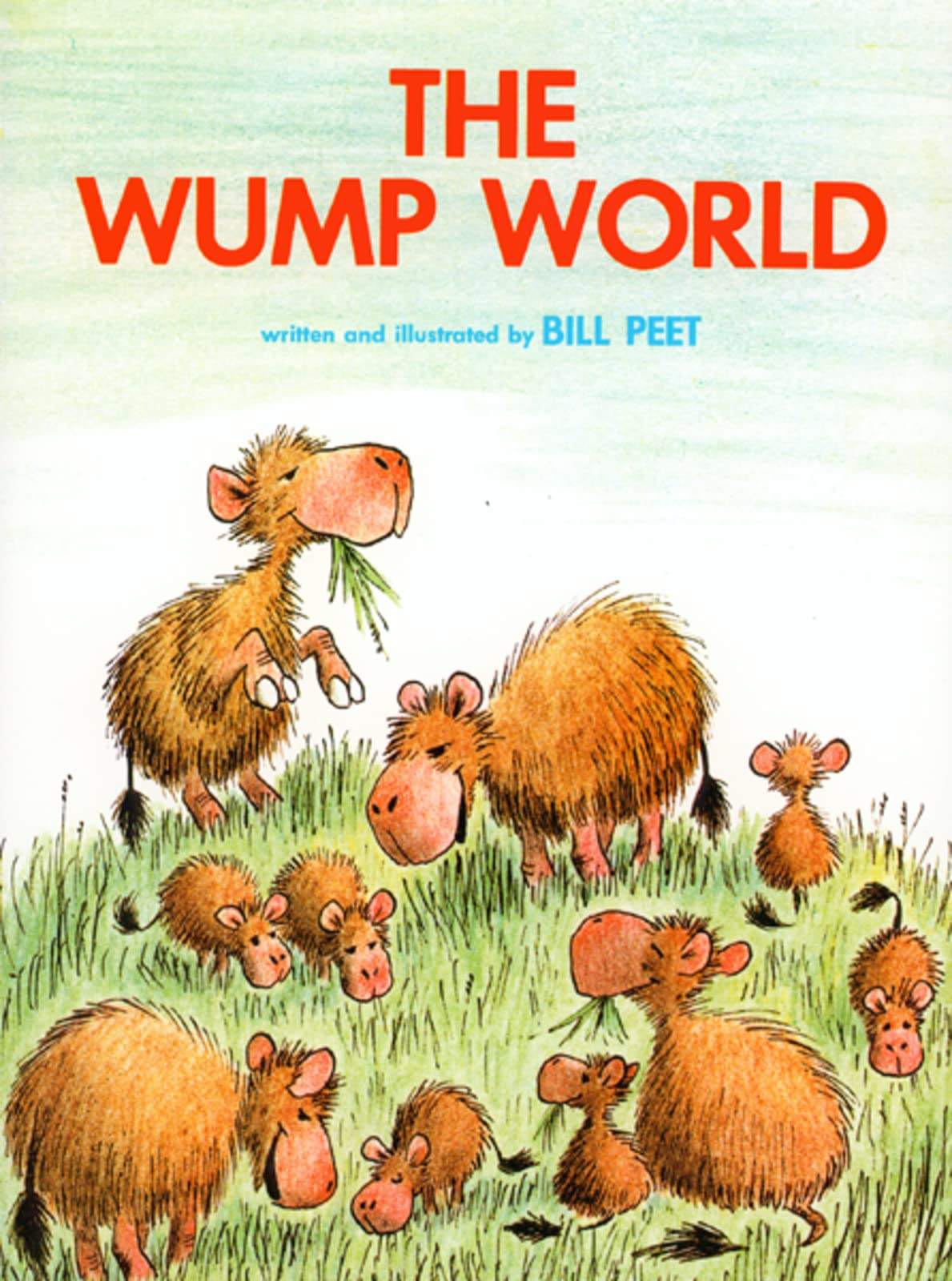
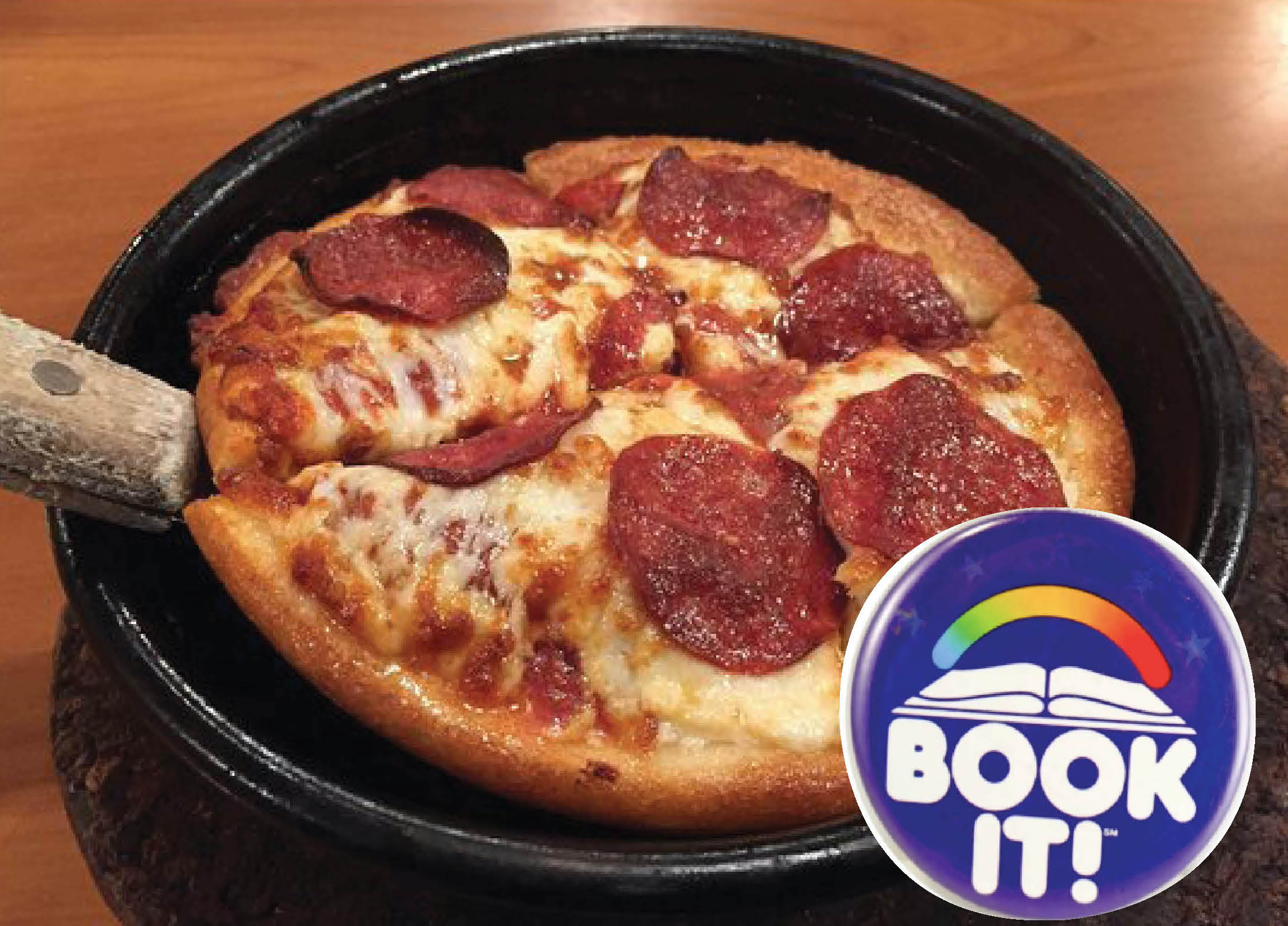
I think our kids read every single book by Bill Peet that we could get our hands on from the library. They were entertaining, but also carried important themes. Some weeks we would make two trips, bringing home 20 or so books at a time. Reading time was precious, and as they grew older they would devour books by themselves – either for sheer enjoyment or to win an individual pizza from Pizza Hut with the “Book it!” program.
All the kids participated.
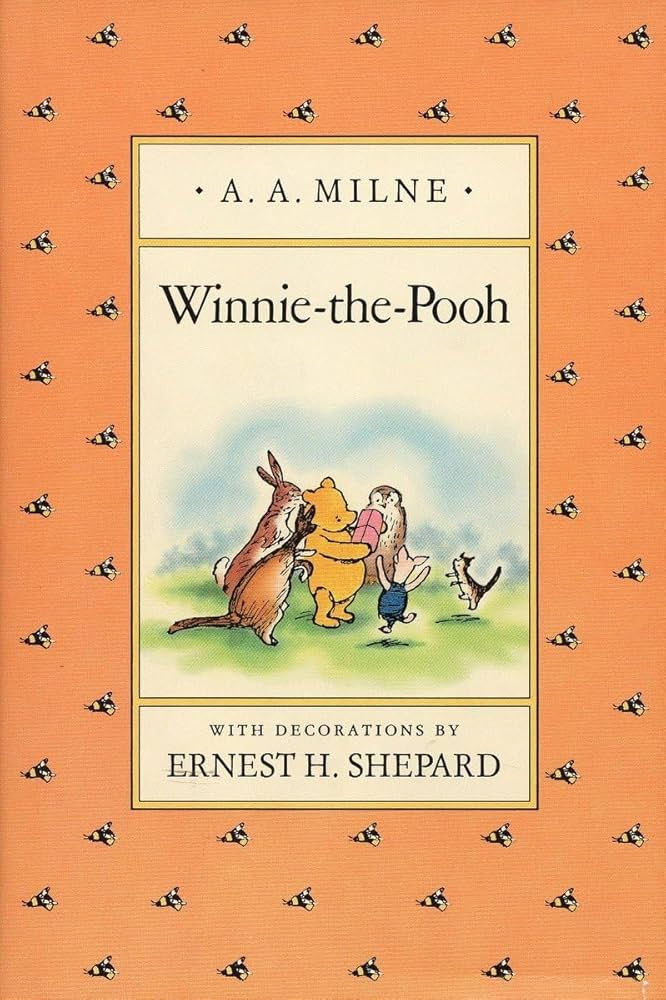
The gentle stories and poetry of A.A. Milne will always be part of my childhood and my present.
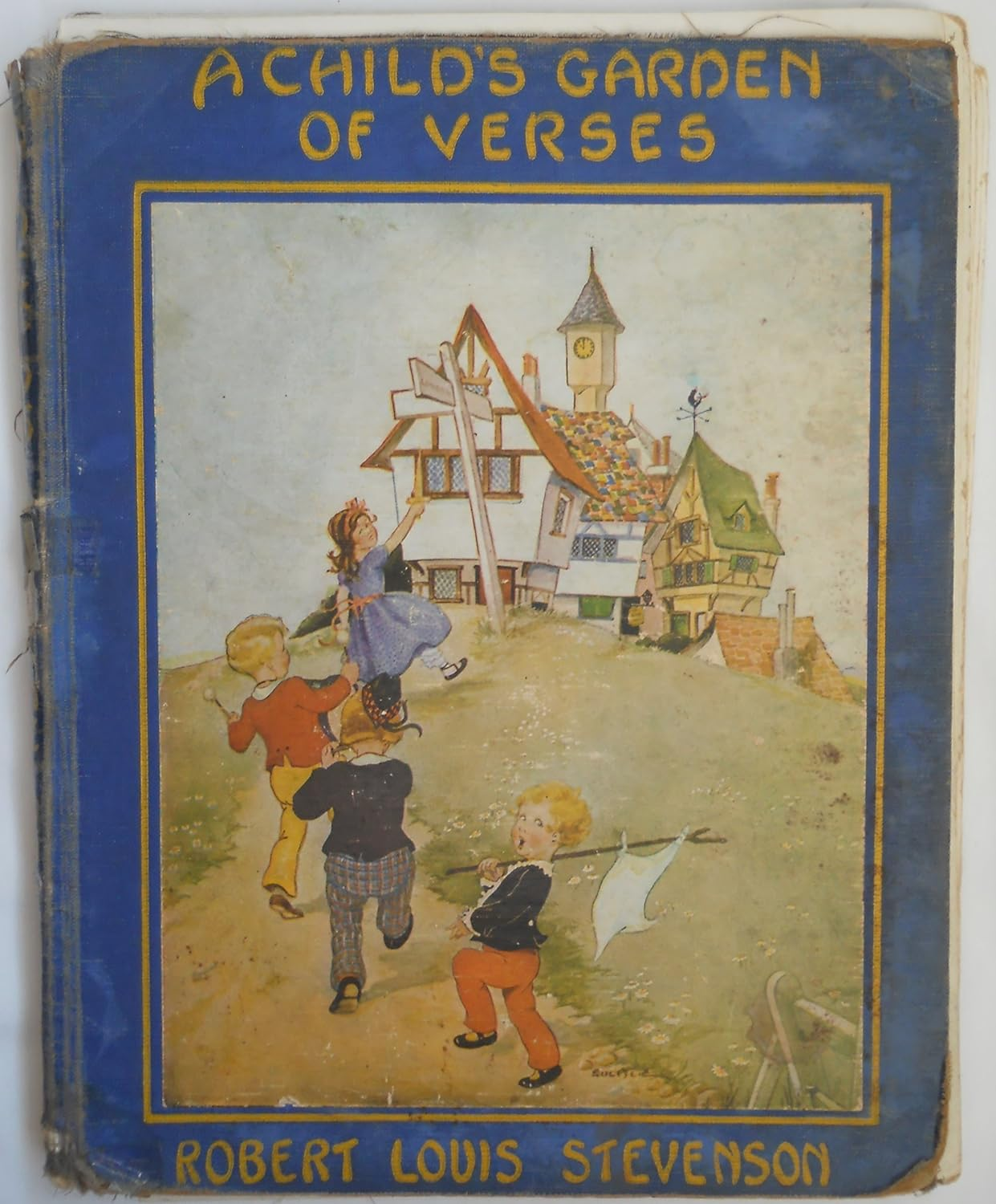
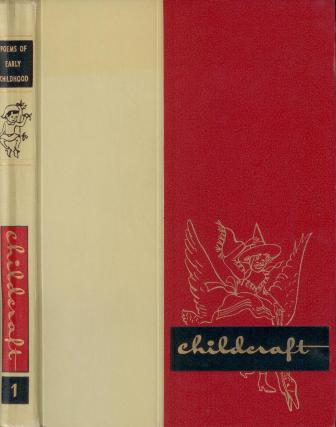
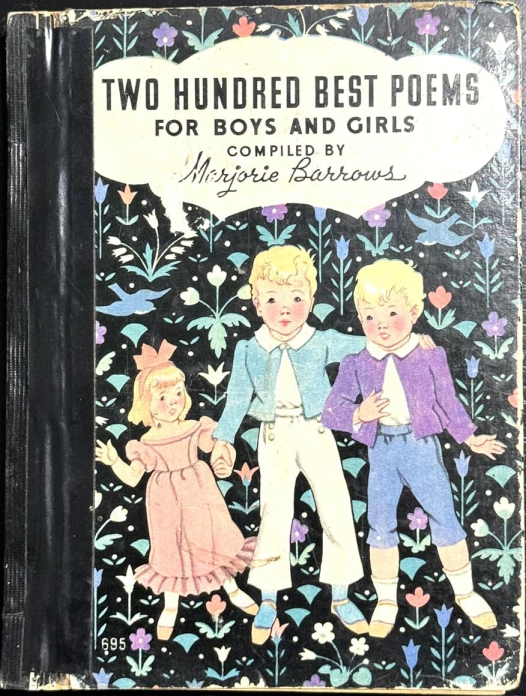
There have been countless editions of this collection of poetry, but the one illustrated by Eulalie Minfred Banks has always been my favorite, perhaps because it’s the one I had as a child.
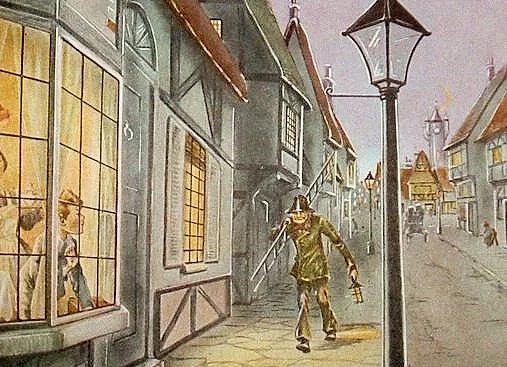
The Lamplighter
My tea is nearly ready and the sun has left the sky; It’s time to take the window to see Leerie going by; For every night at teatime and before you take your seat, With lantern and with ladder he comes posting up the street Now Tom would be a driver and Maria go to sea, And my papa’s a banker and as rich as he can be; But I, when I am stronger and can choose what I’m to do, O Leerie, I’ll go round at night and light the lamps with you For we are very lucky, with a lamp before the door, And Leerie stops to light it as he lights so many more; And O! before you hurry by with ladder and with light, O Leerie, see a little child and nod to him tonight! -Robert Louis Stevenson
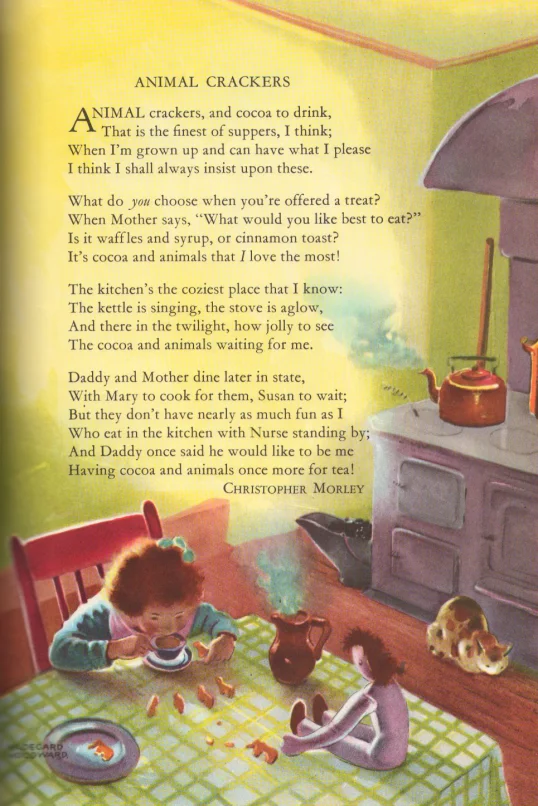
This one was discovered later on one of those trips to the library. It’s a charming collection of children’s poetry, with illustrations by numerous artists including Eloise Wilkin and many others.
Daddy and Mother dine later in state, With Mary to cook for them, Susan to wait always cracked me up.
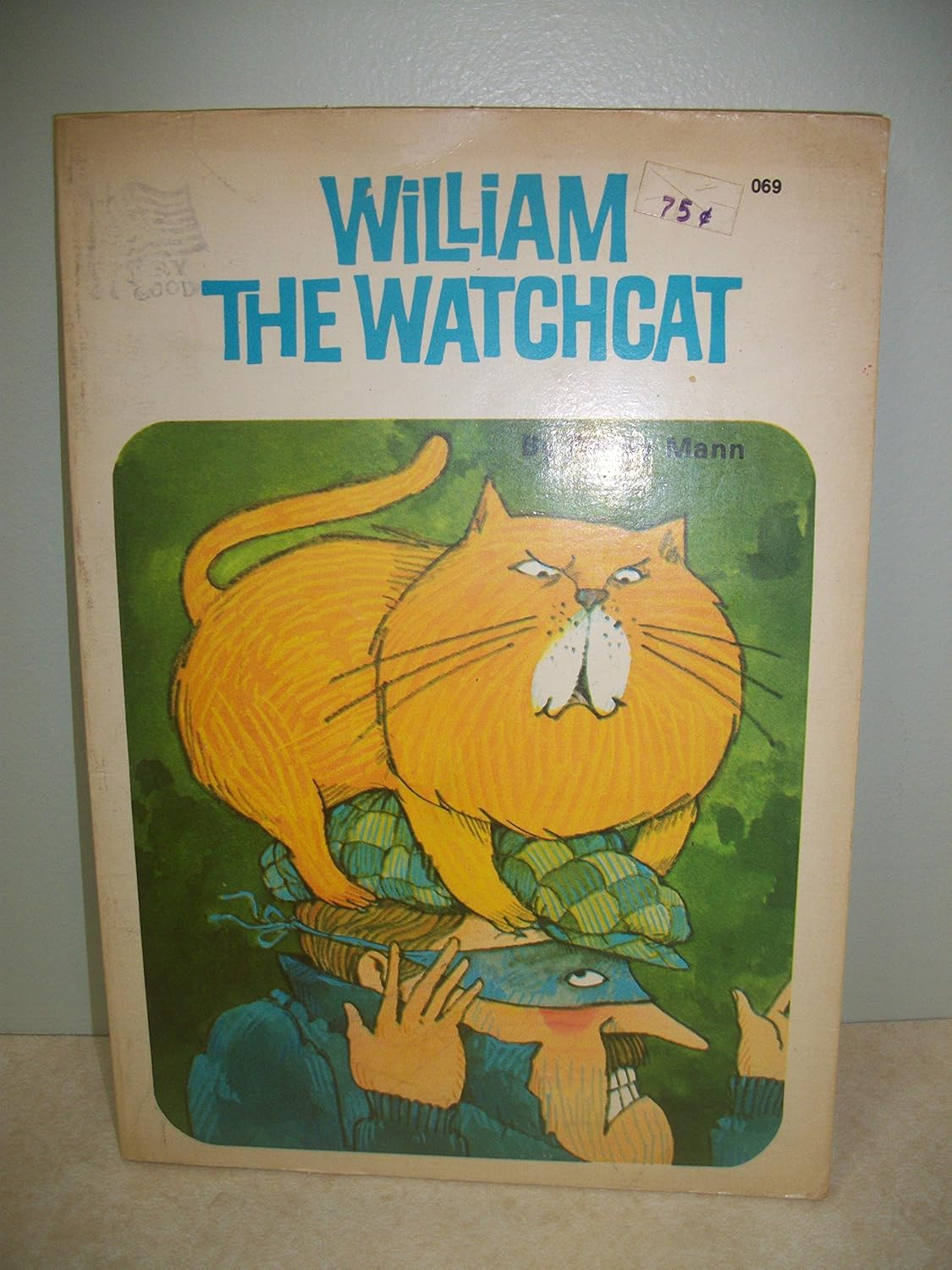
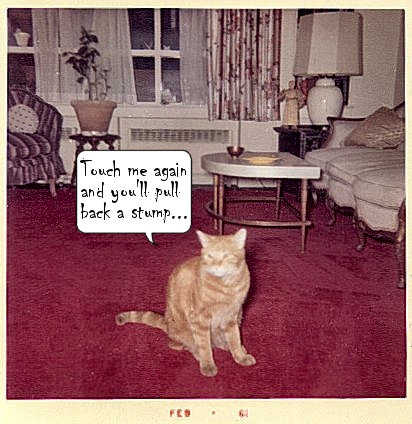
Something about this story always made me smile. The simple language and the charming illustrations were part of it, but perhaps it made me think of Twee, my Cat from Hell, with affectionate (but terrified) memory.
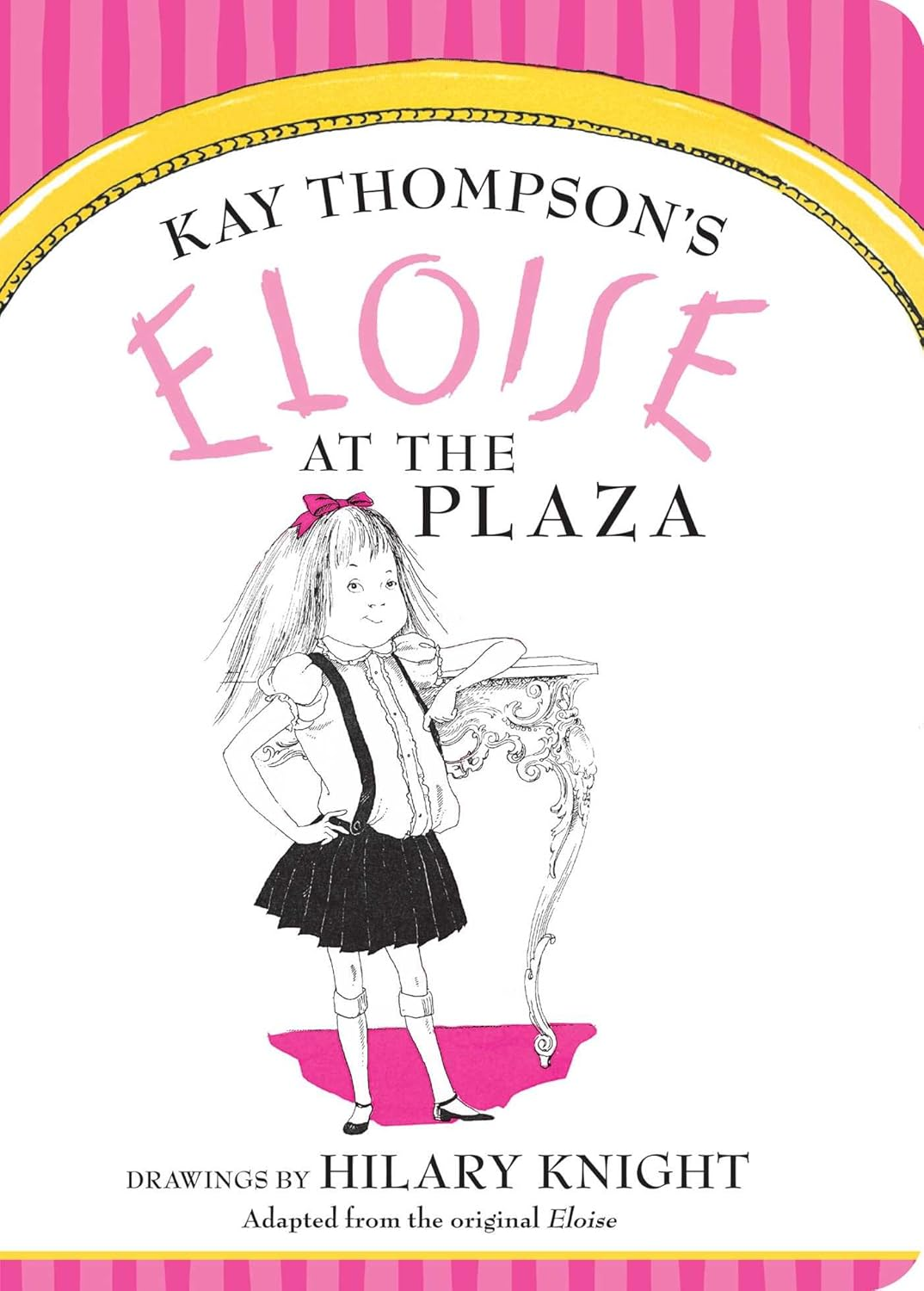
Ah, the poor little rich girl. Again, a book set in New York, which immediately spoke to me. Even as a child I thought Eloise was an insufferable brat, but the illustrations and stories were captivating enough that I kept coming back for more.
This is youth fiction, but having been fortunate enough to grow up in NYC on my mother’s dime and visiting both MOMA and the Met frequently, I could easily place myself in the shoes of these intrepid young explorers.
“If visions of Claudia and Jamie bathing—and collecting lunch money—in the Met’s Fountain of Muses bring up fond childhood memories of your own, you’re among the legions of readers who grew up loving E.L. Konigsburg’s From the Mixed-Up Files of Mrs. Basil E. Frankweiler. The classic children’s book turns 50 in 2017, and the tale of the Kincaid siblings spending their days wandering about the paintings, sculptures and antiquities, and their nights sleeping in antique beds handcrafted for royalty, is as popular as ever. The 1968 Newbery Medal winner has never been out of print.” – Patrick Sauer, History Correspondent for the Smithsonian Magazine.
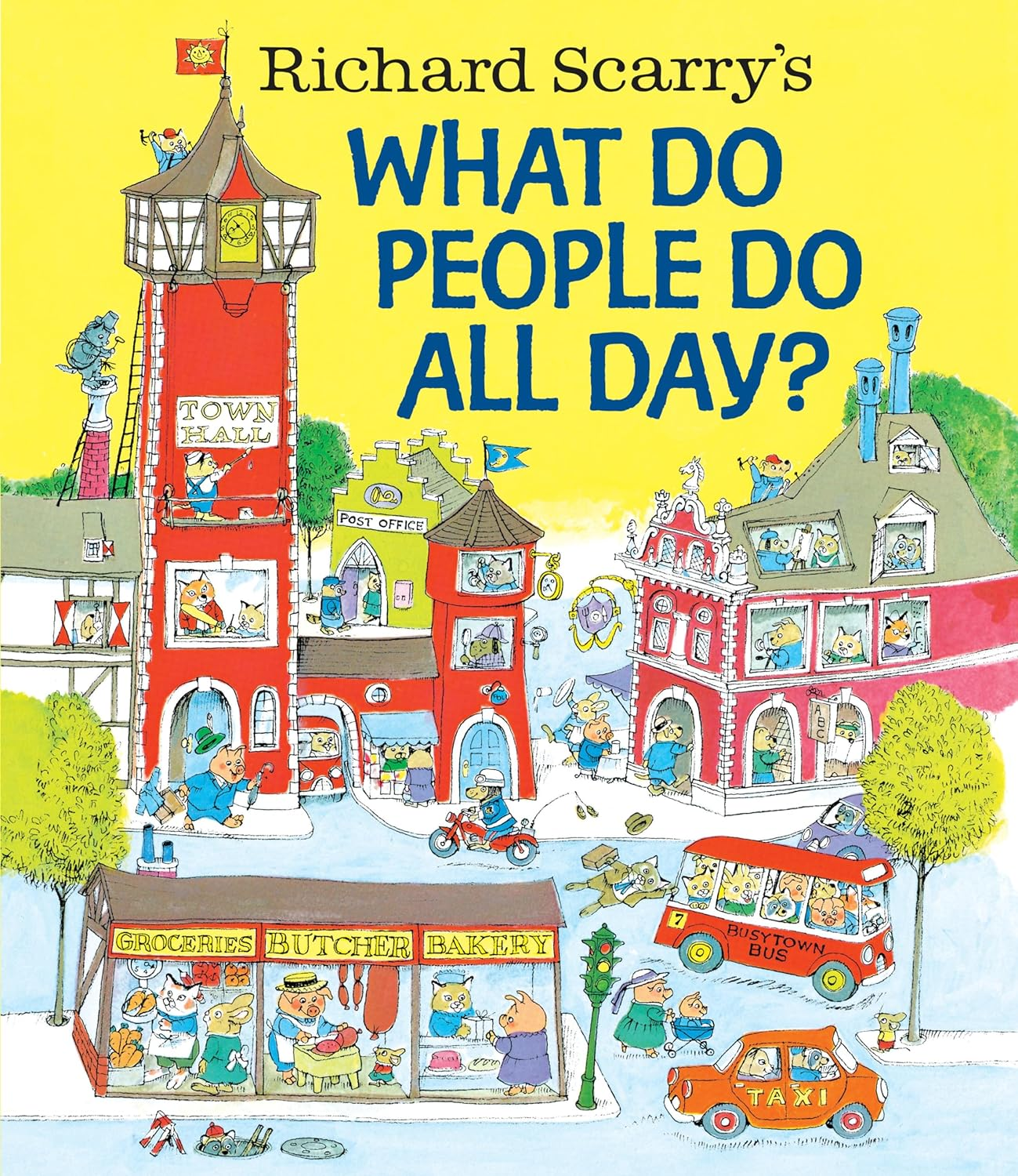
No list of favorites would be complete without an entry from Richard Scarry. These books allowed younger children to be able to identify so many things in the world around them, illustrated with sympathetic characters like Huckle Cat, Lowly Worm, and Bananas Gorilla. We spent hours with these editions.
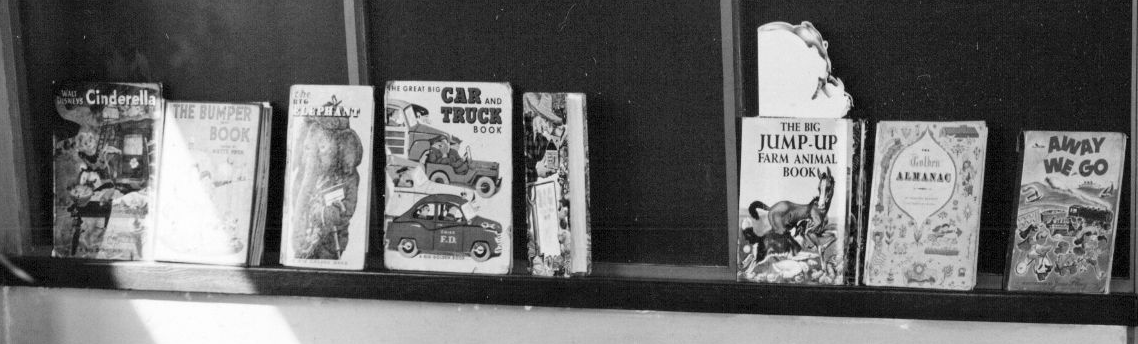
On that note, this is taken from a photo of my nursery school class in 1954. Notice the Car and Truck book on the shelf, one of Richard Scarry’s earlier volumes, which I still remember with great fondness.
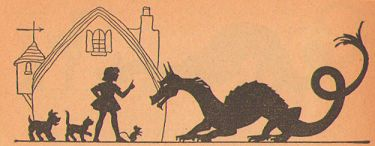
I had this book as a child, and kept it until it literally crumbled into dust. I was able to score another copy from the Internet, but it, too, is ancient. I have referred to it in another post.
The Tale of Custard the Dragon, by Ogden Nash Silhouettes by Janet Laura Scott and Paula Rees Good
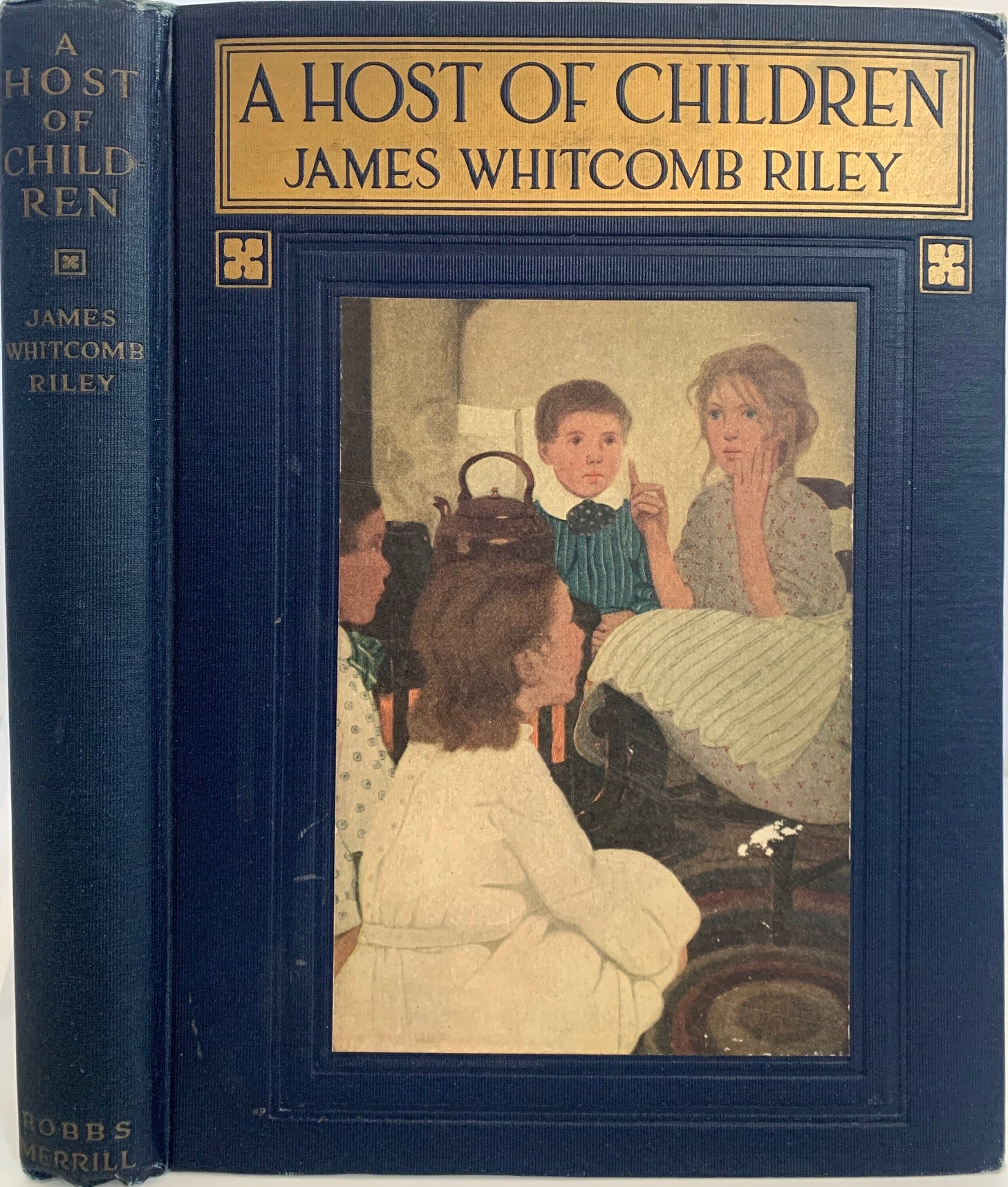
Riley, James Whitcomb, A Host of Children, Bobbs-Merrill, 1920
This book is special to me, because – while sadly uncredited, the black-and-white illustrations were done by a great-aunt of mine, Mildred Rogers Dickeman. Here is a post featuring an extract from this book, “Little Orphant Annie.”
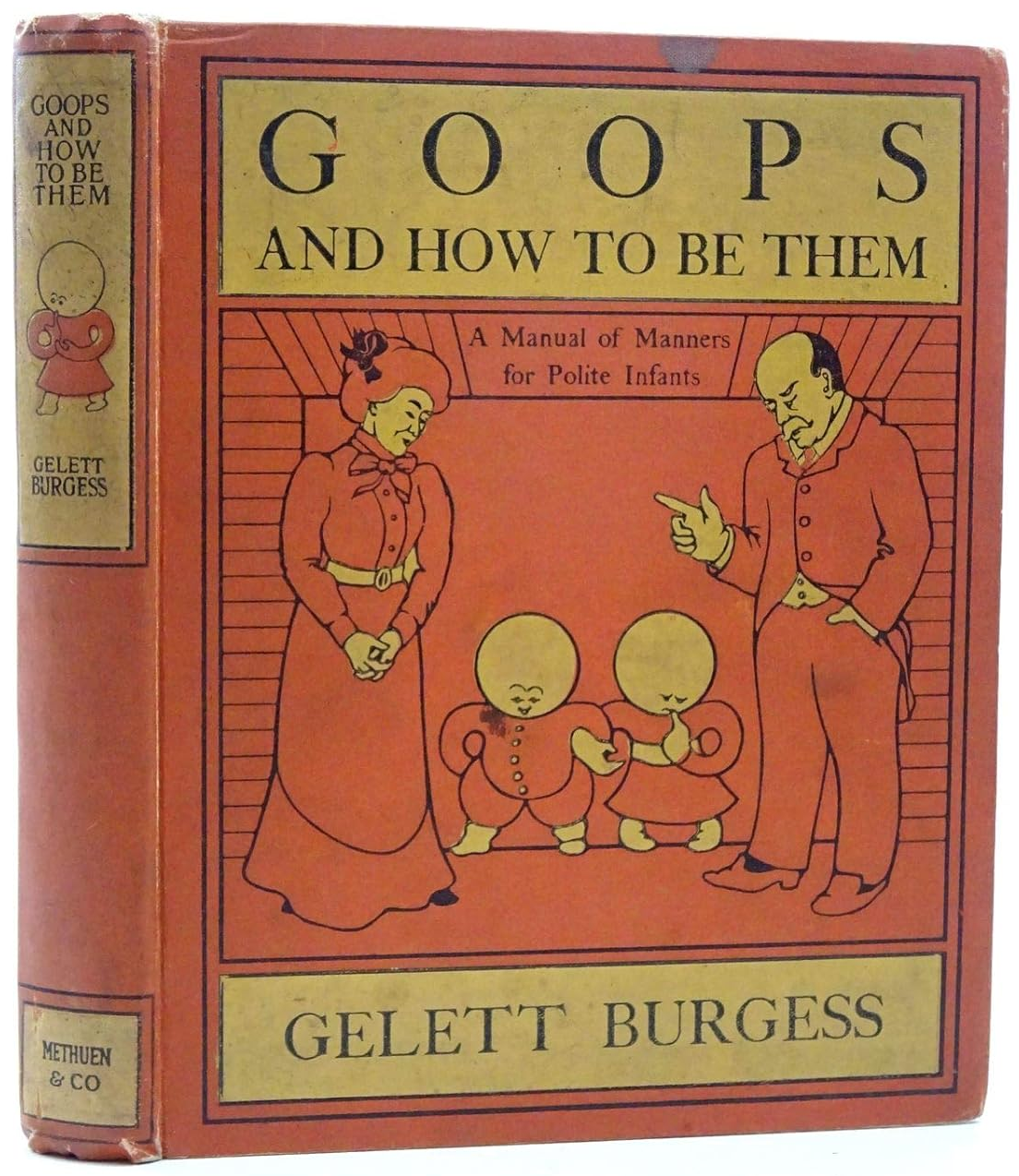
This book was written and illustrated by Gelett Burgess in 1900. People may think that the manners extolled in this wonderful book are stilted and out of date, but I maintain that we would have a much more civil society if these were univerally taught and observed.
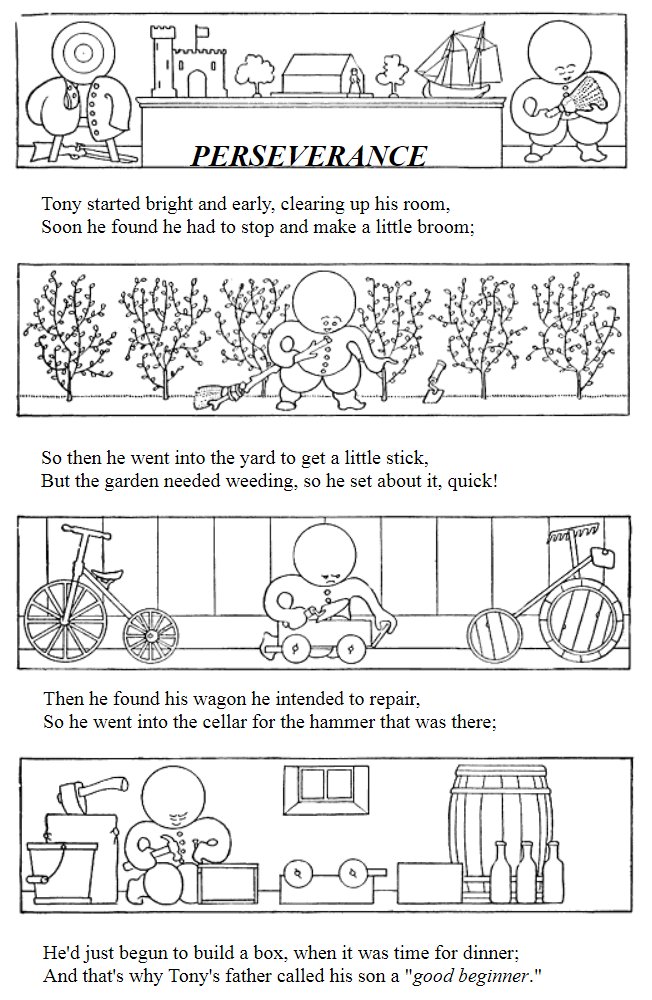
Tony had ADHD, which was not recognized at the time, but boy howdy is this me.
The entire book is available online at Project Gutenberg for your enjoyment.
I’m tired. I could keep going forever, but this is a good representative sample of children’s books that I have loved, and that I would wholeheartedly recommend to anyone who has young people around.
The New York City I grew up in is gone. It has been replaced by a new city, different in many ways and with ongoing challenges, but not without an endless variety of vibrant neighborhoods and ethnic influences.
But I have to say that I deeply miss what “Little Italy” once was. It was the home of my ancestors, two wanderers from Italy who came alone from Calabria and Tuscany, met in the Big Apple, and raised a respectable family on the basis of hard work, faith, and thrift. And the Italian enclave of New York was a perfect place for them to live the American Dream.
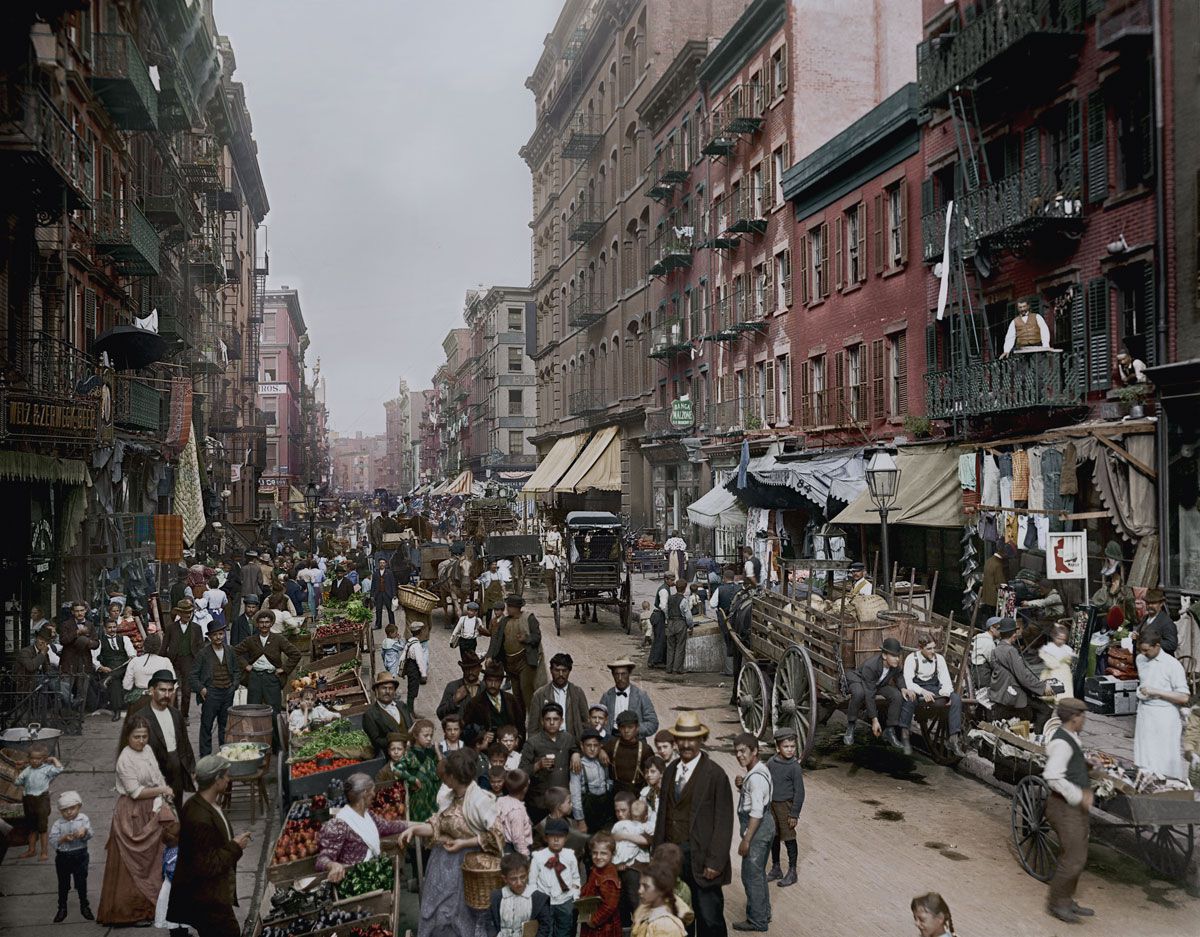
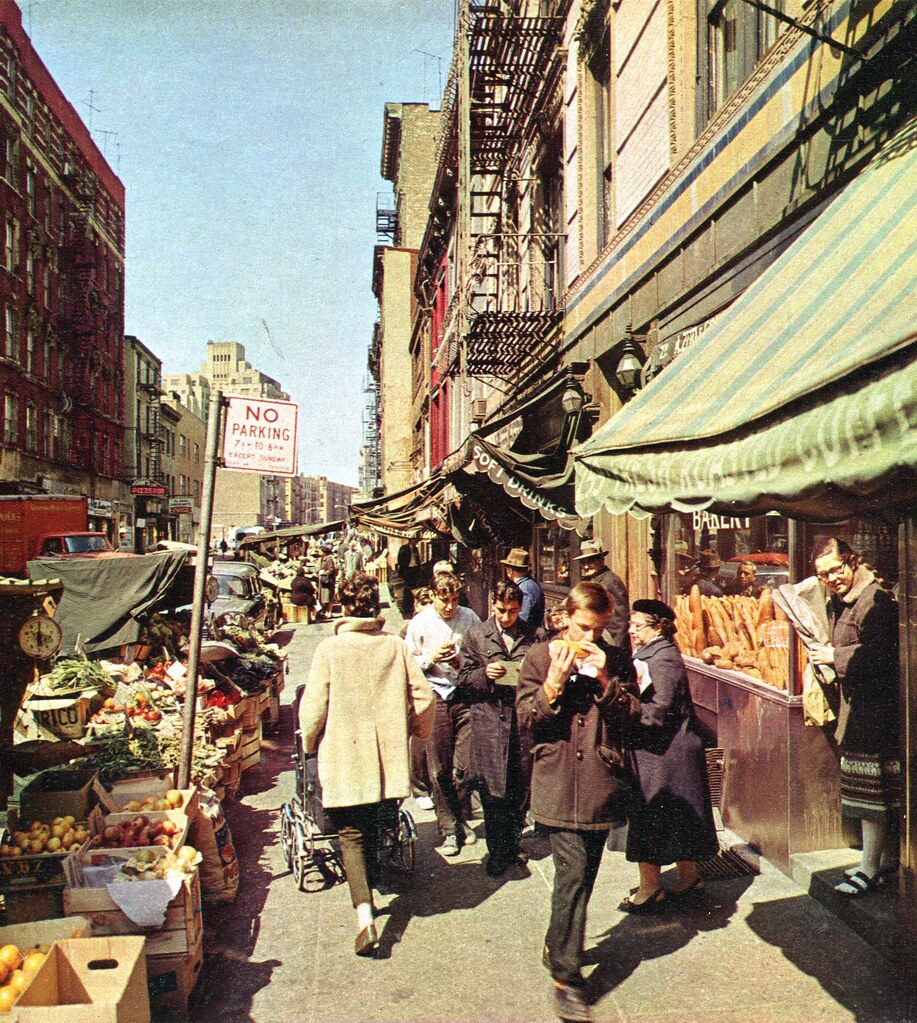
Mulberry Street in 1900, Colorized. This is about the time my grandparents arrived from Italy.Little Italy in 1962
The neighborhood as I knew it was busy and vibrant, full of local bakeries, pizzerias, streetside stalls, cigar stores, candy stores, stationery stores, butcher shops, and anything and everything a thriving community transplanted from the “old country” would need or want. But even then, the slow downward slide toward gentrification had begun.
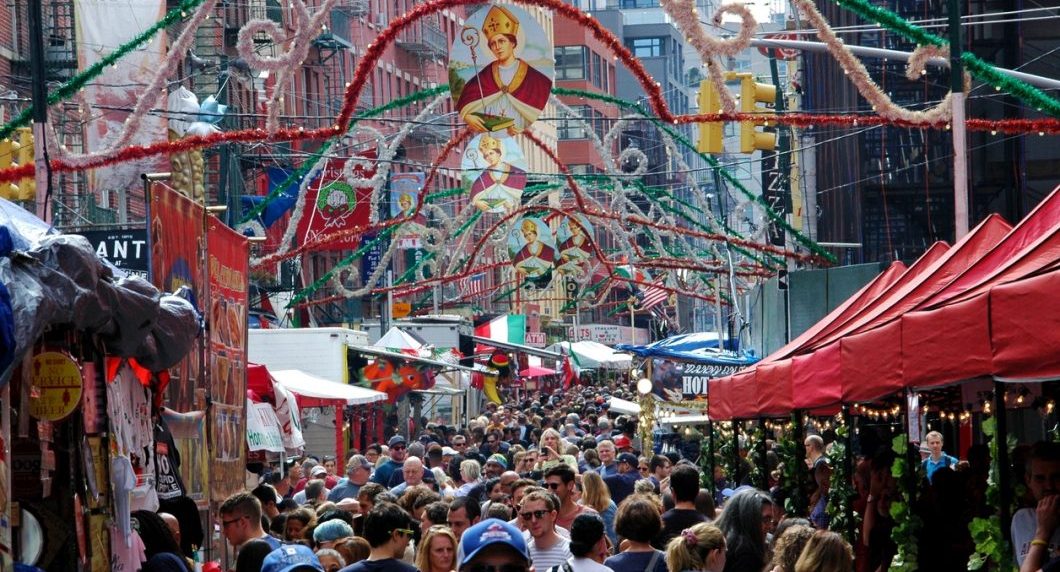
Anyone who has seen “The Godfather, Part II” is familiar with the street festival during which Vito Corleone assassinates Don Fanucci. This is a portrayal based on the Festa di San Gennaro (The Feast of St. Januarius) which was brought to New York by immigrants from Naples in 1926 as a continuation of the celebration of their patron Saint. Originally a one-day celebration, the Festa continues to this day as an 11-day extravaganza (except in 2020, when it was cancelled due to the Covid outbreak); activities include Italian street food, sausages, zeppole (fried dessert balls otherwise known as “Italian doughnuts”), games of chance (often dishonest¹), music, cannoli-eating contests, vendors, parades, and the grand procession honoring the patron saint – the tradition of attaching money to the statue continues, with the funds designated to be used for the poor. In the past it has been a major tourist attraction, and hopefully it will be once again when the pandemic madness has passed.
The Feast of San Gennaro
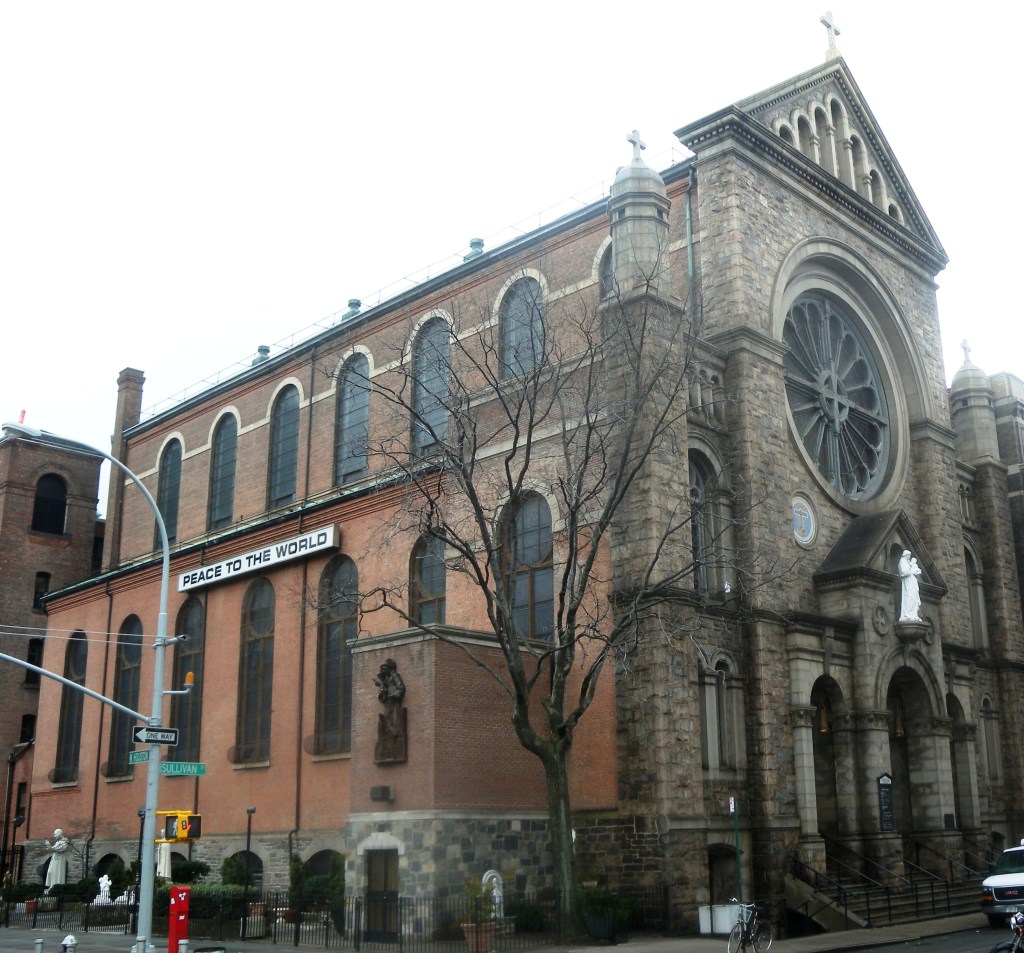
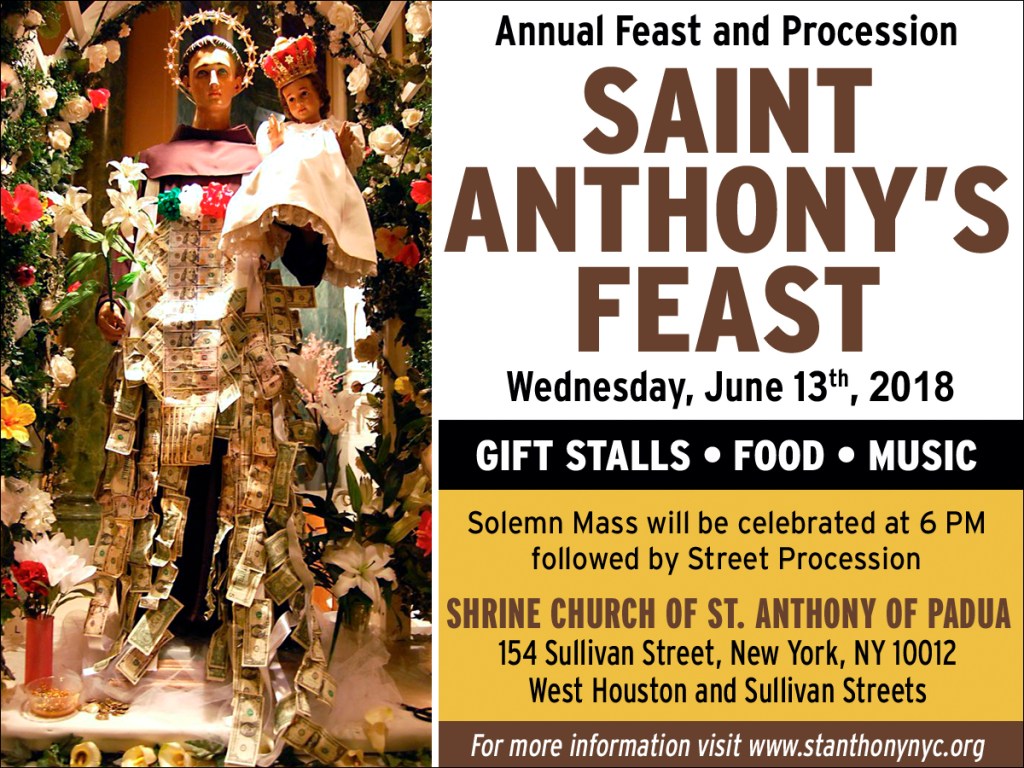
But known to fewer people is the fact that there was a second Festa which took place along Sullivan Street in Greenwich Village during the ’60s: The Feast of St. Anthony of Padua. St. Anthony’s was established in 1859 as the first parish in the United States formed specifically to serve the Italian immigrant community. (Wikipedia)
St. Anthony’s Church
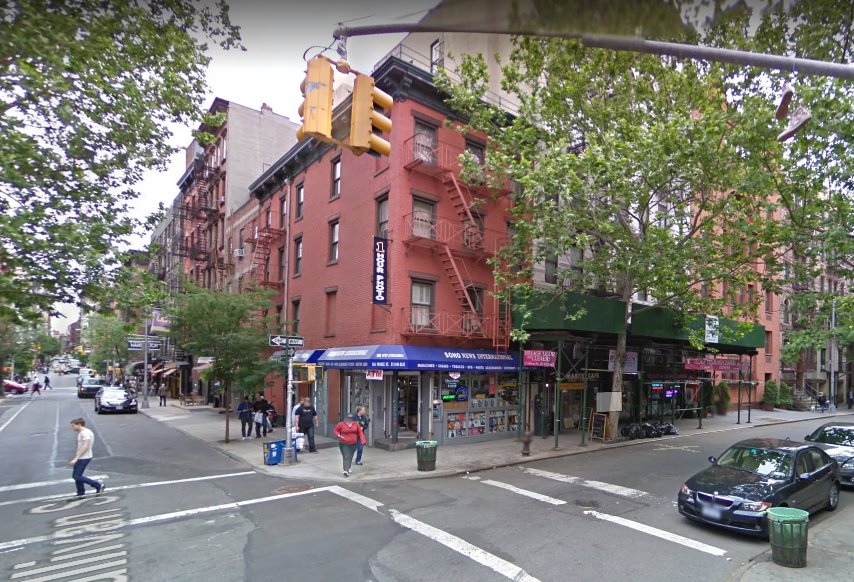
I know of this because the celebration happened right under my window when I was living right on the corner of Prince and Sullivan, at 186 Prince Street.
186 Prince Street, seen in 2009
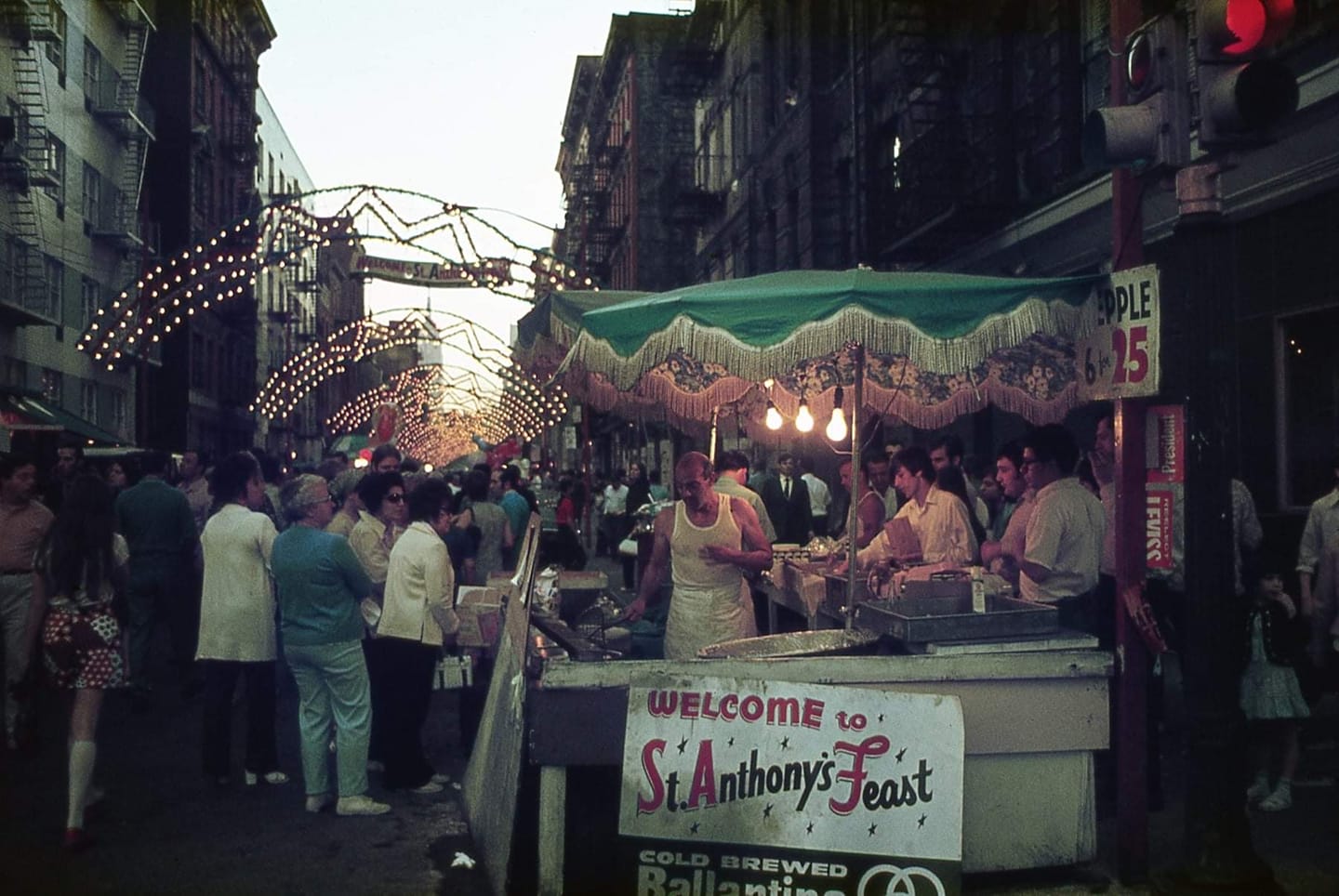
Saint Anthony’s feast was not as big and grandiose as the one for San Gennaro, but it was more intimate and more homey. The noise and the ruckus and the celebration would last far into the night, and the sounds and the smells of Italian food was tantalizing.
Feast of St. Anthony, 1960s
Even kids got into the act. It was not uncommon to see a number of boys sitting along the street inviting others to play the “shot glass” game, in which pennies were dropped into a slot at the top of a large jar of water, with the aim of getting them into a shot glass at the bottom. Winners collected 10¢; those who had the knack of holding the coin by its edge and giving it a spin straight down could usually clean out their competition in short order, while others simply watched their coins gently float down to land outside the sweet spot.
Shot Glass in the Bottle Game
Sadly the festival for St. Anthony has largely died out; efforts have been made to revive it, but due to the changing demographics of the Village and the reduction of Little Italy to a shadow of its former self, interest has waned and there has not been enough social momentum to bring it back to its former glory.
The St. Anthony Procession in 2015
From what I am told, Italian festivals continue to be a big deal in other cities such as Boston, but these were the ones that I knew, and I miss them
The Old Wolf has spoken.
Footnotes
¹ I say this from personal experience. One game involved a long track in front of the stand, in which a shiny metal car was pushed; it would bounce back and forth between springs at each end (kind of a flat variation of the “wheel of chance”) and a pointer on the car would land in a given zone when it stopped. The very small center zone was highlighted for a major prize; others were smaller prizes or nothing. I gave it a shot (probably 25¢ a play) and watched the car land dead center in the grand prize. That was before the ride operator gave it a shove with her hand, which I saw very clearly. I walked away with a set of colored glasses which I gave to my mother, but I should have won something much better – can’t remember what it would have been. I was only 12 at the time and complaining would have done no good.
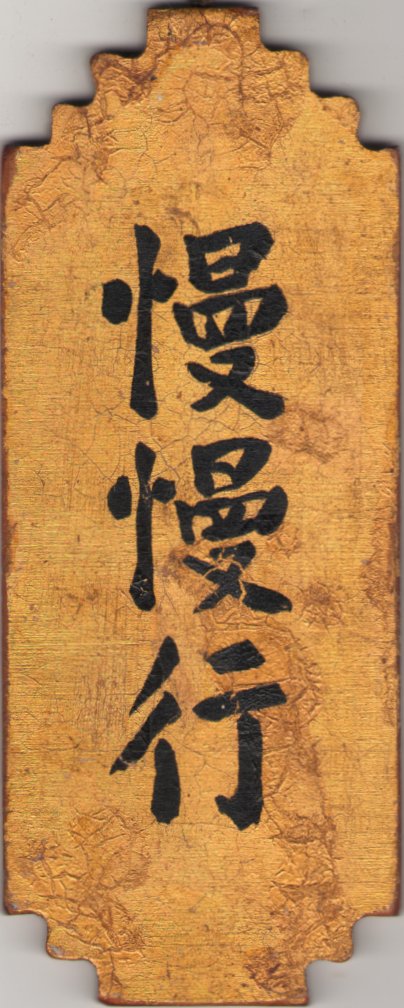
For the longest time, this little plaque has hung by my door, much in the same way as a mezuzah graces the home of the Jewish faithful.
Mahn Mahn Hong
For a number of reasons, it is among my most treasured possessions, those things that have transient value during our sojourn on this pale blue dot, and which often end up in a thrift store or the landfill when they are passed to family who have no connection to them.
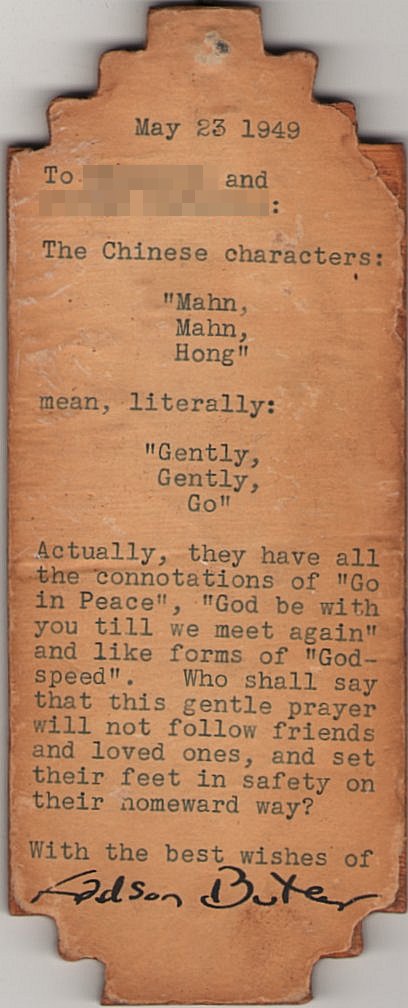
The back side looks like this:
This came to me from the effects of my father, who – despite the fact that it was a gift celebrating a marriage that would end 9 years later – obviously treasured it and the sentiment included.
I have already written of Ladson Butler, a man of keen intellect and the heart of a Compassionate Samurai, whom I regret not having known in life. This was a present from him to my parents on the occasion of their wedding.
The hanzi (慢慢行) on the front read “mahn mahn hong” in Cantonese, or “Màn man xíng” in Mandarin. Butler’s translation, “gently, gently go” is accurate – 慢 is “slowly,” and 行 means “go” or “travel.” Other translations have been rendered as “take it easy” or “take care.” The sentiment extended to a visitor who is leaving your home is the same, regardless of how you read it, and brings to mind the gentleness of the well-known “Irish blessing:”
Go n-éirí an bóthar leat Go raibh an ghaoth go brách ag do chúl Go lonraí an ghrian go te ar d’aghaidh Go dtite an bháisteach go mín ar do pháirceanna Agus go mbuailimid le chéile arís, Go gcoinní Dia i mbos A láimhe thú.
May the road rise to meet you May the wind be always at your back May the sun shine warm upon your face, The rains fall soft upon your fields And until we meet again May God hold you in the hollow of His hand.
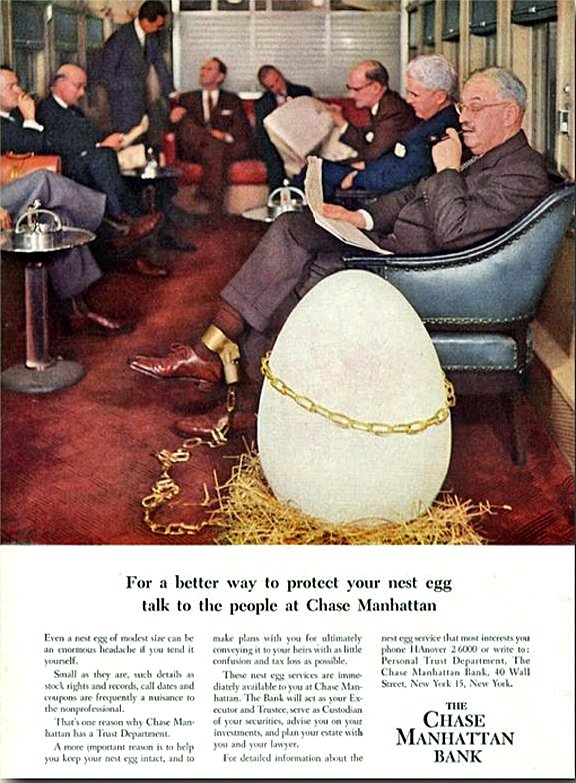
Decades ago, Chase Manhattan ran an investment campaign featuring the “nest egg” as the primary hook:
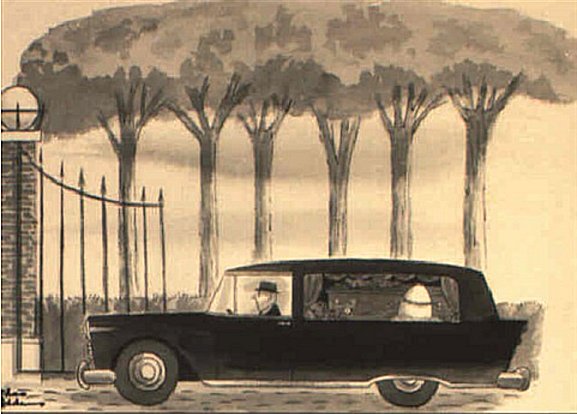
Charles Addams, the famous cartoonist whose work appeared so frequently in the New Yorker, had a different take on this:
Despite intense effort, it’s still true – you can’t take it with you. Elbert Hubbard, an author and humanist of previous generations, once expressed the same sentiment more poignantly:
“The dead carry in their clenched hands only that which they have given away.”
So this little jewel of mine will remain behind when the bus comes for me, and whether or not someone treasures it after I am gone remains to be seen – I can only hope. But for me it has had immense value.
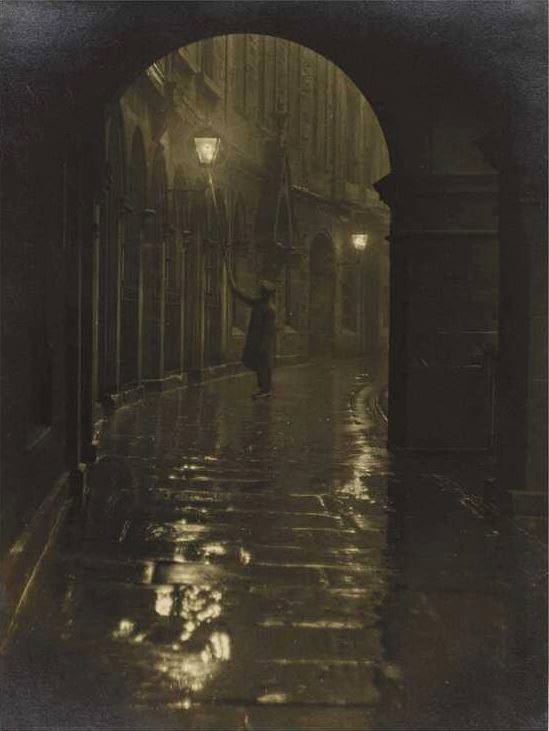
Lamplighter, Victoria Terrace, Edinburgh, 1928. Photographer Unknown
The Lamplighter
My tea is nearly ready and the sun has left the sky;
It’s time to take the window to see Leerie going by;
For every night at teatime and before you take your seat,
With lantern and with ladder he comes posting up the street
Now Tom would be a driver and Maria go to sea,
And my papa’s a banker and as rich as he can be;
But I, when I am stronger and can choose what I’m to do,
O Leerie, I’ll go round at night and light the lamps with you
For we are very lucky, with a lamp before the door,
And Leerie stops to light it as he lights so many more;
And O! before you hurry by with ladder and with light,
O Leerie, see a little child and nod to him tonight! -Robert Louis Stevenson
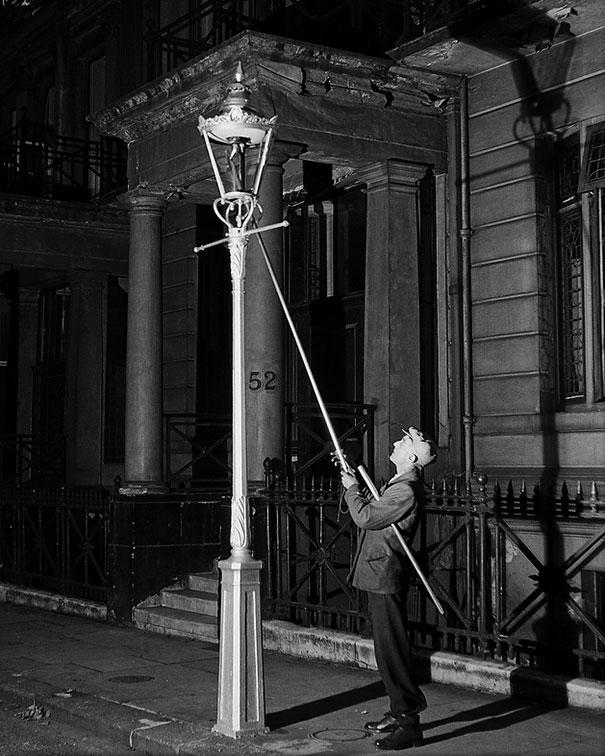
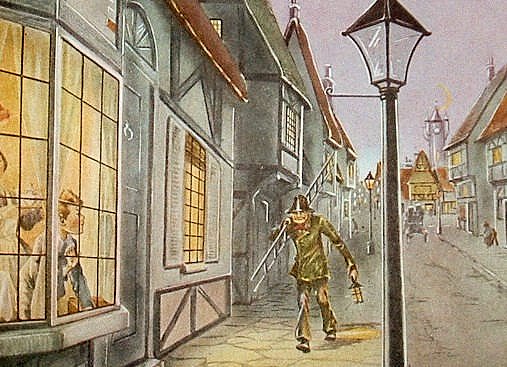
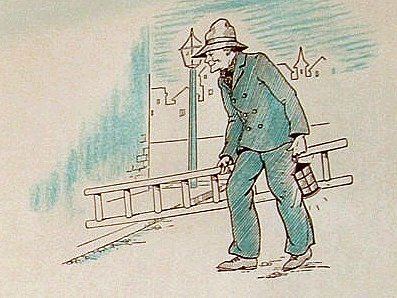
This poem, one of my favorites in A Child’s Garden of Verses, refers to the days when lamplighters would come around the streets of Edinburgh, lighting the gas lamps. As a child, Stevenson was an invalid (hence the reference to “when I am stronger”), and looking out of the window to see the lamplighter would be a bright spot in the lonely child’s day; to be noticed and nodded to would be exceptional.)
A Child’s Garden of Verses, Platt and Munk, 1929, illustrations by Eulalie
In a book that I wish everyone in the world could read, because it is filled with goodness and sadness and love and despair, and the kind of language that Eudora Welty and O. Henry and Walter Van Tilburg Clark knew how to use, language which not only conveys a message but which also fills the mouth – language which, like a finely aged beef or a vintage wine, deserves to be rolled around on the tongue and savored – William Saroyan wrote:
THE LITTLE BOY named Ulysses Macauley one day stood over the new gopher hole in the backyard of his house on Santa Clara Avenue in Ithaca, California. The gopher of this hole pushed up fresh moist dirt and peeked out at the boy, who was certainly a stranger but perhaps not an enemy. Before this miracle had been fully enjoyed by the boy, one of the birds of Ithaca flew into the old walnut tree in the backyard and after settling itself on a branch broke into rapture, moving the boy’s fascination from the earth to the tree. Next, best of all, a freight train puffed and roared far away. The boy listened, and felt the earth beneath him tremble with the moving of the train. Then he broke into running, moving (it seemed to him) swifter than any life in the world.
When he reached the crossing he was just in time to see the passing of the whole train, from locomotive to caboose. He waved to the engineer, but the engineer did not wave back to him. He waved to five others who were with the train, but not one of them waved back. They might have done so, but they didn’t. At last a Negro appeared leaning over the side of a gondola. Above the clatter of the train, Ulysses heard the man singing:
“Weep no more my lady, 0 weep no more today We will sing one song for the old Kentucky home For the old Kentucky home far away”
Ulysses waved to the Negro too, and then a wondrous and unexpected thing happened. This man, black and different from all the others, waved back to Ulysses, shouting: “Going home, boy-going back where I belong!” The small boy and the Negro waved to one another until the train was almost out of sight
Then Ulysses looked around. There it was, all around him, funny and lonely-the world of his life. The strange, weed-infested, junky, wonderful, senseless yet beautiful world. Walking down the track came an old man with a rolled bundle on his back. Ulysses waved to this man too, but the man was too old and too tired to be pleased with a small boy’s friendliness. The old man glanced at Ulysses as if both he and the boy were already dead.
The little boy turned slowly and started for home. As he moved, he still listened to the passing of the train, the singing of the Negro, and the joyous words: “Going home, boy-going back where I belong!” He stopped to think of all this, loitering beside a china-ball tree and kicking at the yellow, smelly, fallen fruit of it. After a moment he smiled the smile of the Macauley people-the gentle, wise, secret smile which said Hello to all things.
-William Saroyan, The Human Comedy
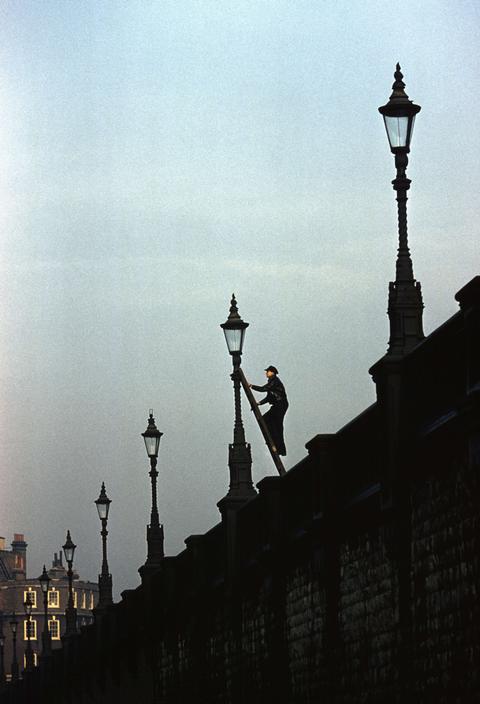
Apparently the profession lasted a lot longer than I had realized; the picture in London below is purported to have been taken in 1962, found at /r/historyporn.
Today as in the past, little children with their hearts full of innocence and wonder wave to the big people passing by; the delight that illuminates their faces on the rare occasion when someone takes the time to notice them, and wave back, or nod, or smile, or say hello, is large return on a small investment. Here’s a perfect modern example:





 Playing in the World Game