I’m glad I’m a Hufflepuff

Way back in the dark ages when Pottermore was launched, I signed up and was sorted into a house like everyone else. Of course I was hoping I’d be put in to Gryffindor because of the usual reasons, but the Sorting Hat told me I’d do best in Hufflepuff. At the time I was disappointed, but decades later I came to understand that I had been signally honored.
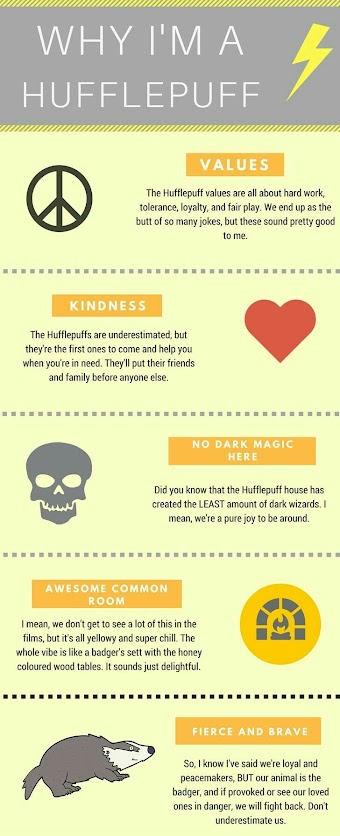

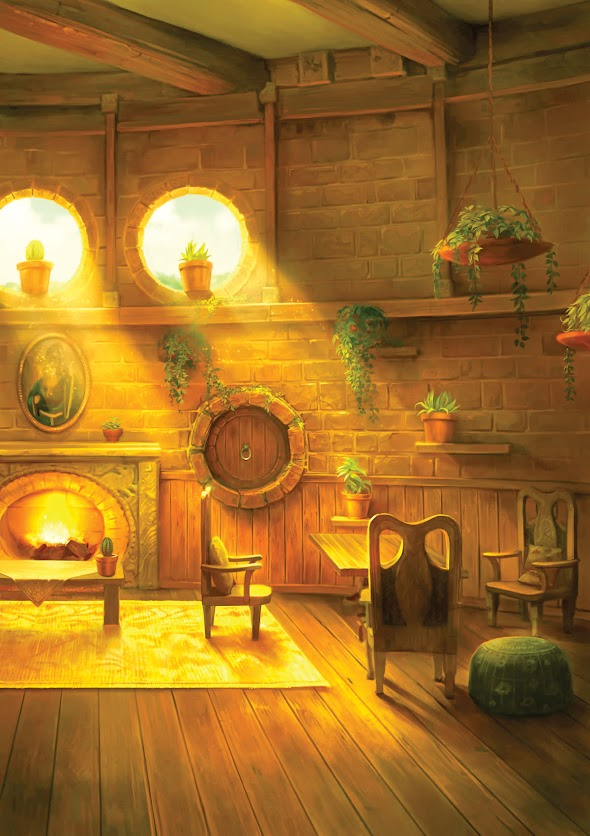
Snacks? Naps? Honor and decency? Service? Loyalty? Building a world that works for everyone, with no one left out? I’m all in. I mean, just look at this common room:
J.K. Rowling’s original writing at Pottermore:

“The Hufflepuff common room is entered from the same corridor as the Hogwarts kitchens. Proceeding past the large still life that forms the entrance to the latter, a pile of large barrels is to be found stacked in a shadowy stone recess on the right-hand side of the corridor.
The barrel two from the bottom, middle of the second row, will open if tapped in the rhythm of ‘Helga Hufflepuff’*.

* The complexity or otherwise of the entrance to the common rooms might be said to give a very rough idea of the intellectual reputation of each house: Hufflepuff has an unchanging portal and requires rhythmic tapping; Slytherin and Gryffindor have doorways that challenge the would-be entrant about equally, the former having an almost imperceptible hidden entrance and a varying password, the latter having a capricious guardian and frequently changing passwords. In keeping with its reputation as the house of the most agile minds at Hogwarts, the door to the Ravenclaw common room presents a fresh intellectual or philosophical challenge every time a person knocks on it.

As a security device to repel non-Hufflepuffs, tapping on the wrong barrel, or tapping the incorrect number of times, results in one of the other lids bursting off and drenching the interloper in vinegar.

A sloping, earthy passage inside the barrel travels upwards a little way until a cosy, round, low-ceilinged room is revealed, reminiscent of a badger’s sett. The room is decorated in the cheerful, bee-like colours of yellow and black, emphasised by the use of highly polished, honey-coloured wood for the tables and the round doors which lead to the boys’ and girls’ dormitories (furnished with comfortable wooden bedsteads, all covered in patchwork quilts).

A colourful profusion of plants and flowers seem to relish the atmosphere of the Hufflepuff common room: various cactii stand on wooden circular shelves (curved to fit the walls), many of them waving and dancing at passers-by, while copper-bottomed plant holders dangling amid the ceiling cause tendrils of ferns and ivies to brush your hair as you pass under them.

A portrait over the wooden mantelpiece (carved all over with decorative dancing badgers) shows Helga Hufflepuff, one of the four founders of Hogwarts School, toasting her students with a tiny, two-handled golden cup. Small, round windows just level with the ground at the foot of the castle show a pleasant view of rippling grass and dandelions, and, occasionally, passing feet. These low windows notwithstanding, the room feels perennially sunny.

Nevertheless, it ought not to be concluded from the above that Hufflepuffs are dimwits or duffers, though they have been cruelly caricatured that way on occasion. Several outstanding brains have emerged from Hufflepuff house over the centuries; these fine minds simply happened to be allied to outstanding qualities of patience, a strong work ethic and constancy, all traditional hallmarks of Hufflepuff House.

Author’s note
When I first planned the series, I expected Harry to visit all four house common rooms during his time at Hogwarts. There came a point when I realised that there was never going to be a valid reason to enter the Hufflepuff room. Nevertheless, it is quite as real to me as the other three, and I always knew exactly where those Hufflepuffs were going when they headed off towards the kitchens after lessons.” 

Hufflepuff is full of some of the most honorable characters:
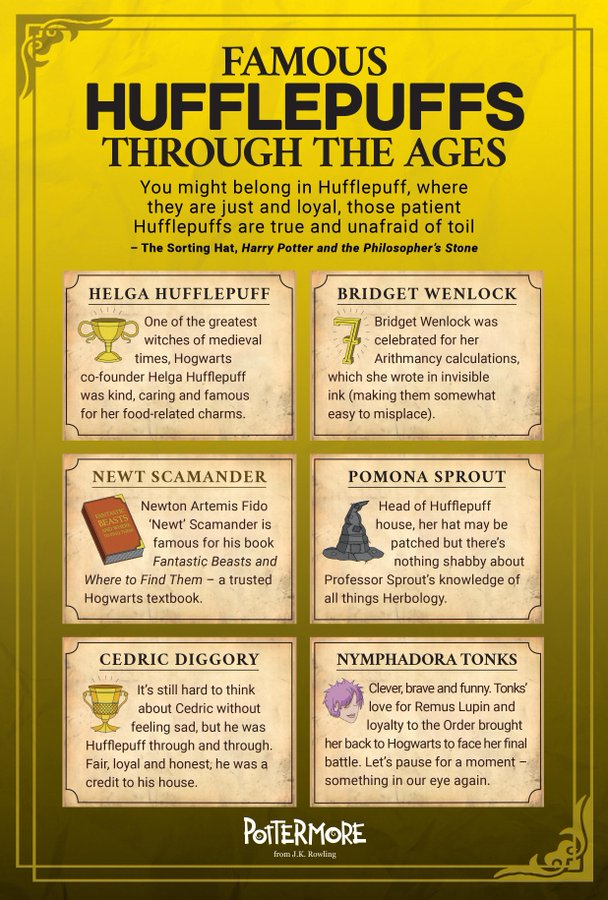
Yeah. Badgers for the win!

The Old Wolf has spoken.
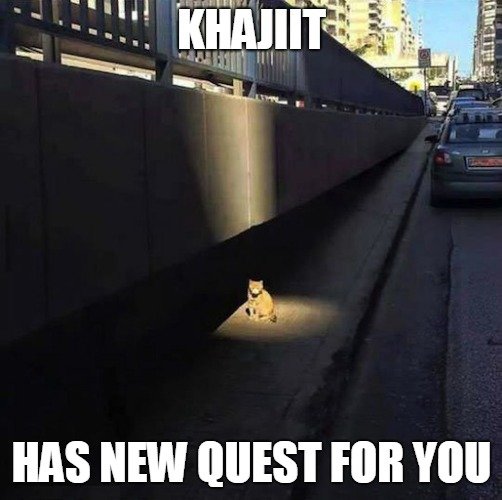
With a party like this, how can our quest fail?

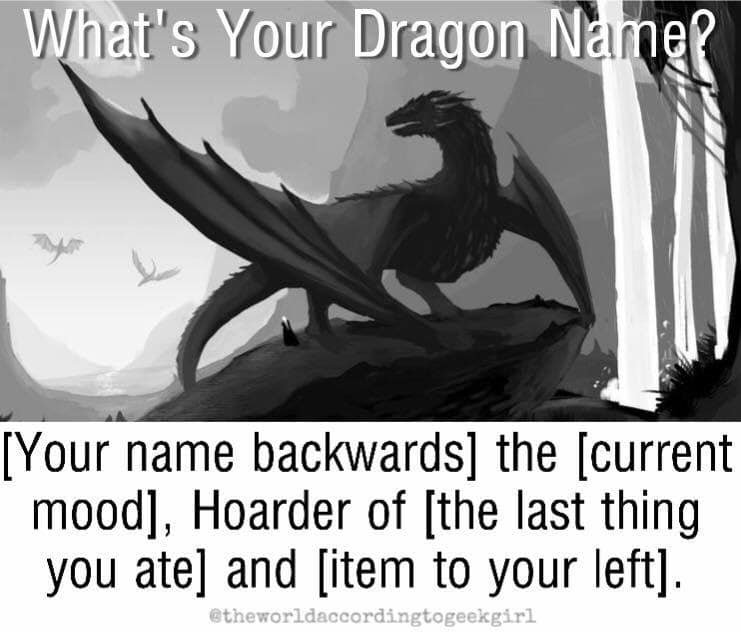
Ran across this little game on Facebook; since it didn’t involve a phishing quiz or the inadvertent revelation of any personally-identifying information, I thought I’d play along. The results were delightful.

I removed real names for privacy reasons.

Rehpotsirhc the drowsy, hoarder of soba and Care Bears.
Dlanor the cold. Hoarder of peanut butter cookies and sandals.
Nna the curious, hoarder of raisins and cordless vacuum cleaners
Rehtaeh the Anxious, Hoarder of lime tortilla chips and afghan blankets!
Ael the Uncomfortable, hoarder of potato chips and coffee mugs.
Arual the tired. Hoarder of apple pie and pillows.
Licec the Wise, hoarder of popcorn and pruning shears
Drahcir the Morose, hoarder of bananas and air-conditioning units.
EnnaInot the mildly amused, hoarder of meal replacement shakes and trees.
Nirtak, the quiet, hoarder of iced tea and Real Simple Magazine!
Rotcèh the Cool, Hoarder of Chinese Noodles with Pico de Gallo and Kleenex!
Norahs the grumpy, hoarder of sugar-free chocolate and books (vu den?)
Ardnassac the eternal, horder of egg yolks and pink sticky notes.
Sirraf the bored, hoarder of pies and controllers.
Leahcim the Curious, hoarder of tortellini and pinboards
Evets the Content, hoarder of apples and gift cards.
Anasus the happy, hoarder of cake and shoes.
Divad the Amused, hoarder of vanilla sheet cake and essence oils.
Arual the cold, hoarder of protein bars and cat grass
Samoht the pissed-off, Hoarder of turkey sandwiches and ring binders.
Anil the anxious, hoarder of orange and Pomeranian.
NnaEd the tired. Hoarder of leftover curry and random strangers.
Aitit the Hungry, hoarder of bananas and bookshelves.
Lisses the relaxed, Hoarder of apricots and books 😀
Trebled the Grateful, Hoarder of Boiled eggs and White Boxers.
Ainos the sleepy, hoarder of buttered baguette and tweens.
Nosilla the Purposeful, Hoarder of Crumpets and Old Diaries.
Aneres the anxious, hoarder of apple pecan French toast and snoring husbands.
Samot the Hopeful, Hoarder of Camembert and… Camembert.
Ecafinob the Amused, Hoarder of Peanut Butter Toast and Pillows.
Yllib the Half-sozzled, Hoarder of Nuts and Small Clockwork Devices.
Hgalahs the Woozy, Hoarder of Baked Potatoes and Dictionaries.
Ael the Achy, Hoarder of E-liquid.
Lorac the Hungry, Hoarder of Grapes and Headphones

We are ready!

The Old Wolf has spoken.

Ursula K. LeGuin: Ever classy and insightful

Recently Ursula K. LeGuin was presented with a well-deserved Lifetime Achievement Award; Neil Gaiman presented her the Medal for Distinguished Contribution to American Letters.

If you love writing or reading, her acceptance speech is worth a look, so I have reproduced a transcript here:

“Thank you Neil. And to the givers of this beautiful reward, my thanks from the heart. My family, my agent, editors, know that my being here is their doing as well as mine, and that the beautiful reward is theirs as much as mine. And I rejoice in accepting it for, and sharing it with, all the writers who were excluded from literature for so long–my fellow authors of fantasy and science fiction. Writers of the imagination, who for the last 50 years watched the beautiful rewards go to the so-called realists.

I think hard times are coming when we will be wanting the voices of writers who can see alternatives to how we live now, and can see through our fear-stricken society and its obsessive technologies, to other ways of being, and even imagine some real grounds for hope. We will need writers who can remember freedom. Poets, visionaries—the realists of a larger reality.

Right now, I think we need writers who know the difference between the production of a market commodity and the practice of an art. Developing written material to suit sales strategies in order to maximize corporate profit and advertising revenue is not quite the same thing as responsible book publishing or authorship. (Thank you, brave applauders.)

Yet I see sales departments given control over editorial. I see my own publishers in a silly panic of ignorance and greed, charging public libraries for an e-book six or seven times more than they charge customers. We just saw a profiteer try to punish a publisher for disobedience and writers threatened by corporate fatwa, and I see a lot of us, the producers, who write the books, and make the books, accepting this. Letting commodity profiteers sell us like deodorant, and tell us what to publish and what to write. (Well, I love you too, darling.)

Books, you know, they’re not just commodities. The profit motive is often in conflict with the aims of art. We live in capitalism. Its power seems inescapable. So did the divine right of kings. Any human power can be resisted and changed by human beings. Resistance and change often begin in art, and very often in our art—the art of words.

I have had a long career and a good one. In good company. Now here, at the end of it, I really don’t want to watch American literature get sold down the river. We who live by writing and publishing want—and should demand—our fair share of the proceeds. But the name of our beautiful reward is not profit.

Its name is freedom.

Thank you.”

Ms. LeGuin’s bibliography is visible at Wikipedia.

Ursula has spoken much better than The Old Wolf.