This is what I get for growing up in New York in the 50’s.
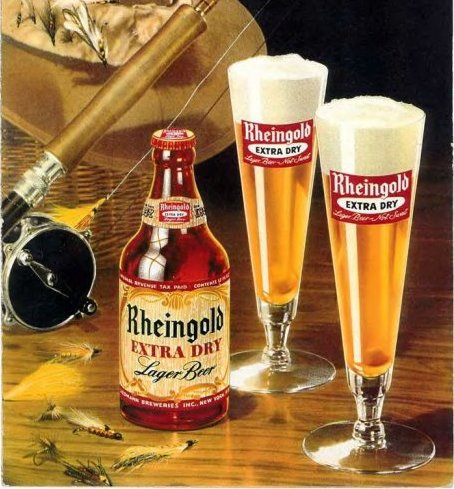
♫ My beer is Rheingold, the dry beer
Think of Rheingold whenever you buy beer
It’s not bitter not sweet
Extra dry flavored treat,
Won’t you try extra dry Rheingold Beer! ♫
♫ Who’s the first to conquer space
It’s incontrovertible!
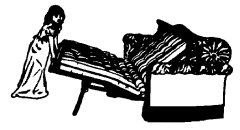
That the first to conquer living space
It’s a Castro convertible!
Who conquered space with fine design
Who saves you money all the time?
Who’s tops in the convertible line? Castro convertible! ♫
(Castro was the first popular hide-a-bed company).
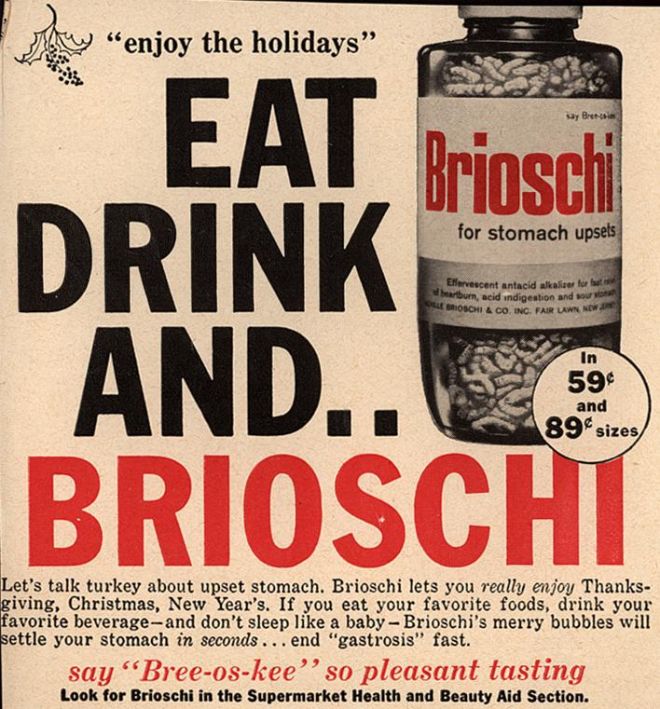
♫ Eat too much, drink too much,
Take Brioschi, take Brioschi!
Eat too much, drink too much,
Mild Brioschi, just for you! ♫
Yeah, I loved Superman and all the others. Don’t let me think too hard about what my comic collection looked like – Since I started reading them in the 50’s, I could have sent all of my kids through Harvard if I had kept them all.
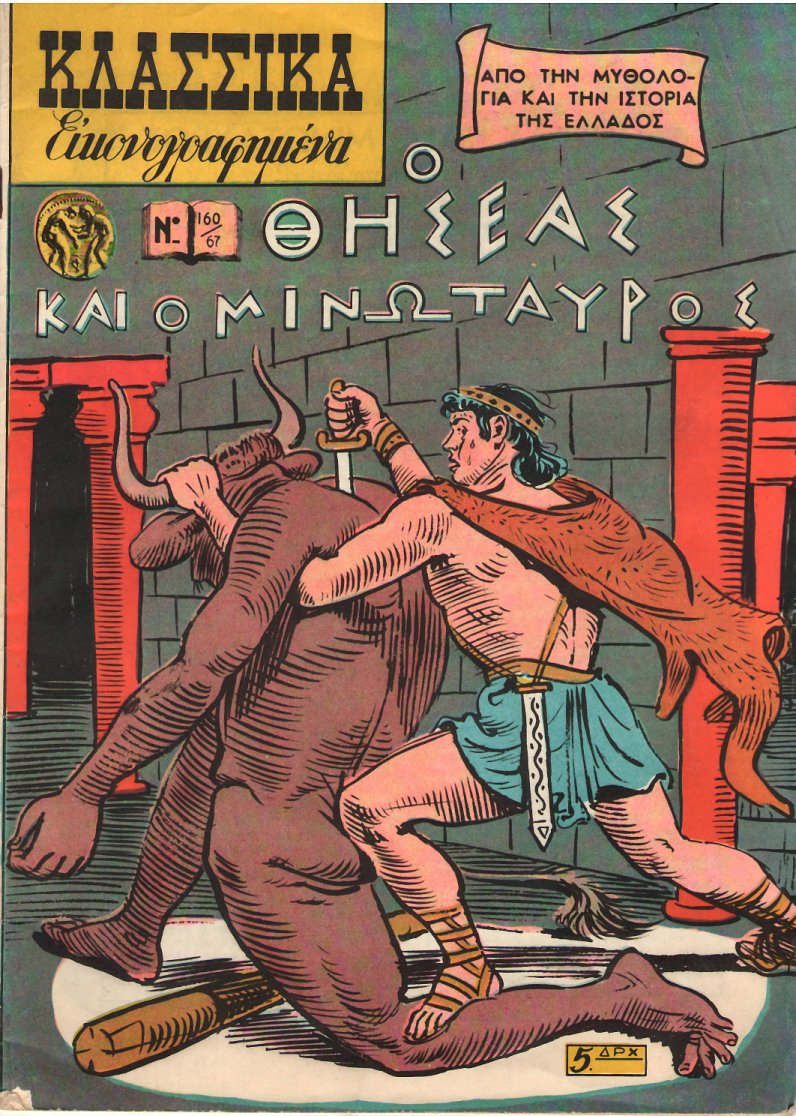
But I loved the Classics. It may be part of the reason that I enjoyed reading the real things later… I think I read every book whose Classics Illustrated version I had encountered. These things were great – almost like Cliff’s Notes in graphic novel format. Over time I’ve been able to reassemble a fair percentage of the ones I had as a kid – fortunately for me, they’re not highly sought-after and so I can usually find bargains in used bookstores (but not at ComicCon, where the dealers charge ten prices.)
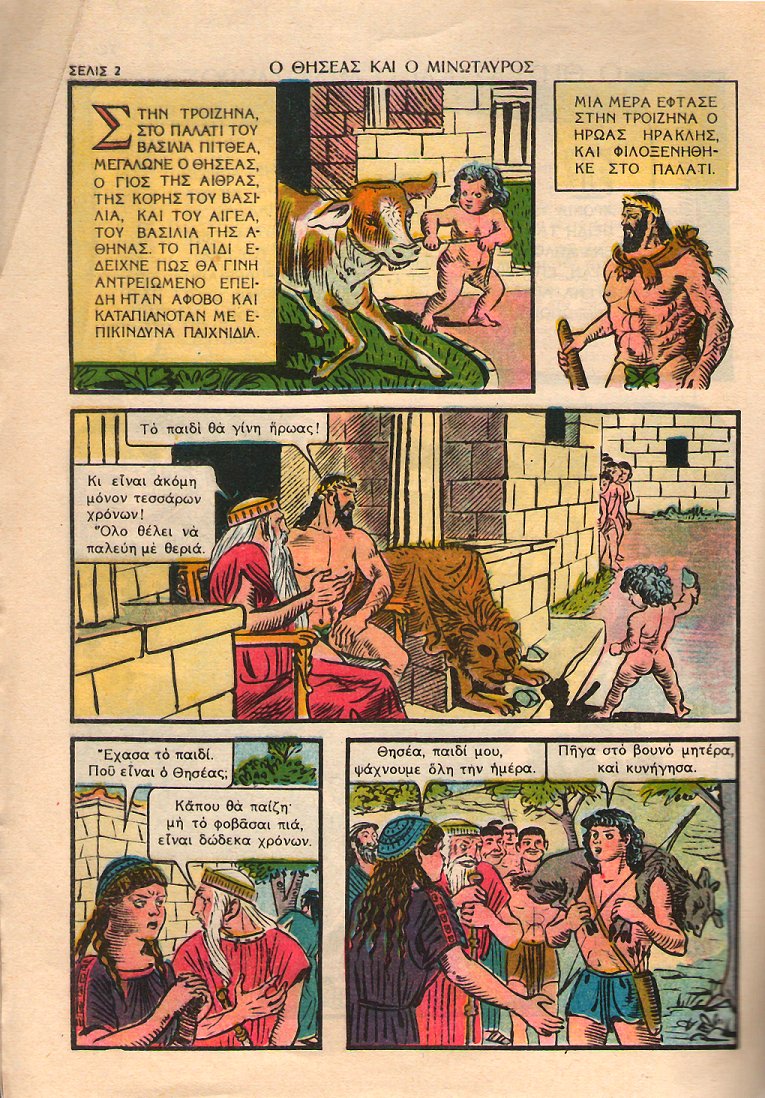
They were even popular in other languages – here a sample of Theseus and the Minotaur in Greek (I noticed with interest that this one was printed in katharevousa, with polytonic instead of monotonic accents, so that’s a good clue that it was published earlier than 1976 when dimotiki became the official Greek standard.)
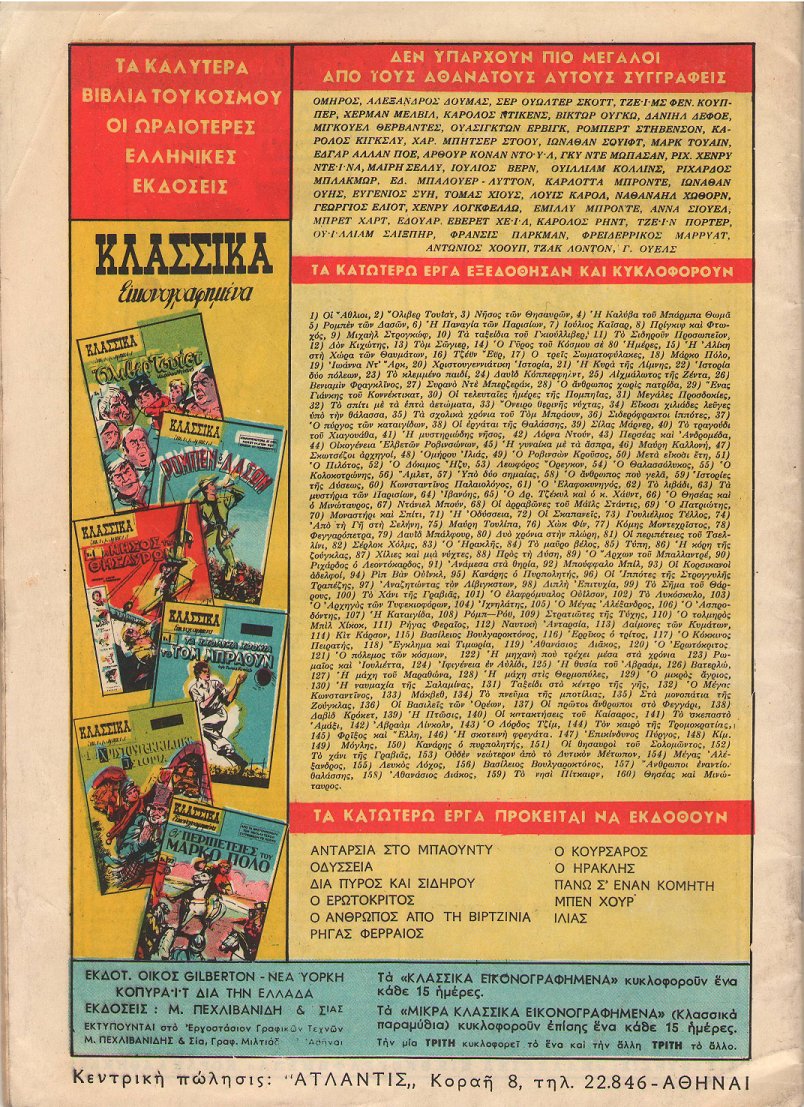
There appears to be no date information anywhere in the comic, so I can’t tell you when this was printed, but the Greek series began publication in 1951.
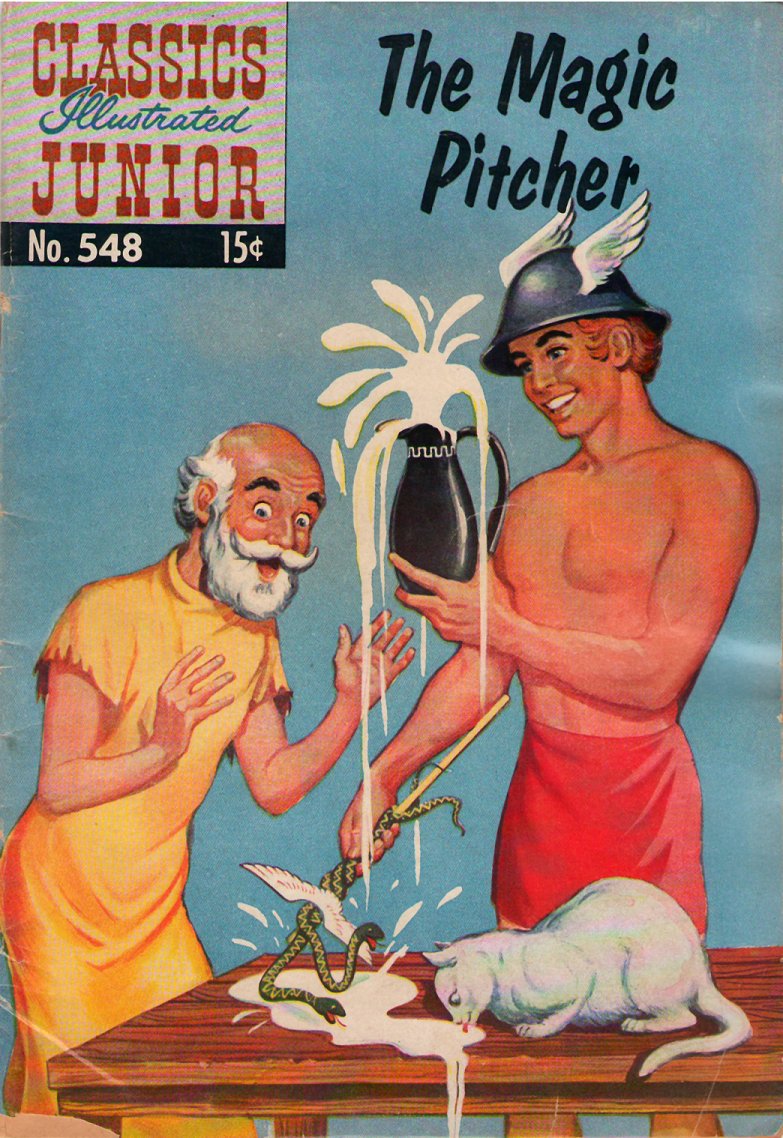
Classics Illustrated Junior
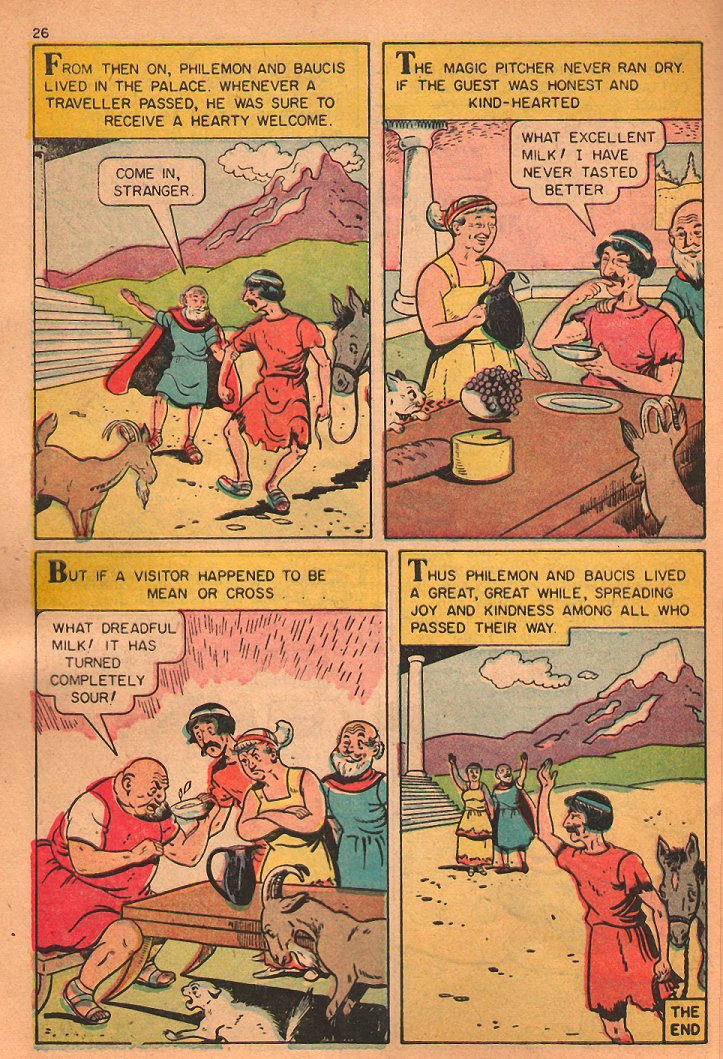
These were funny, often silly, but educational nonetheless. I learned a lot from these when I was very young.
I remember being on a camping trip with my youngest son once – we were trying to get a fire started, or a Coleman stove, or something, and the matches were damp. At one point he came out with “What a dreadful match! It has gone completely out!” and I just about needed a change of trousers from laughing so hard. It was good to know that some of my early culture had rubbed off on the next generation.
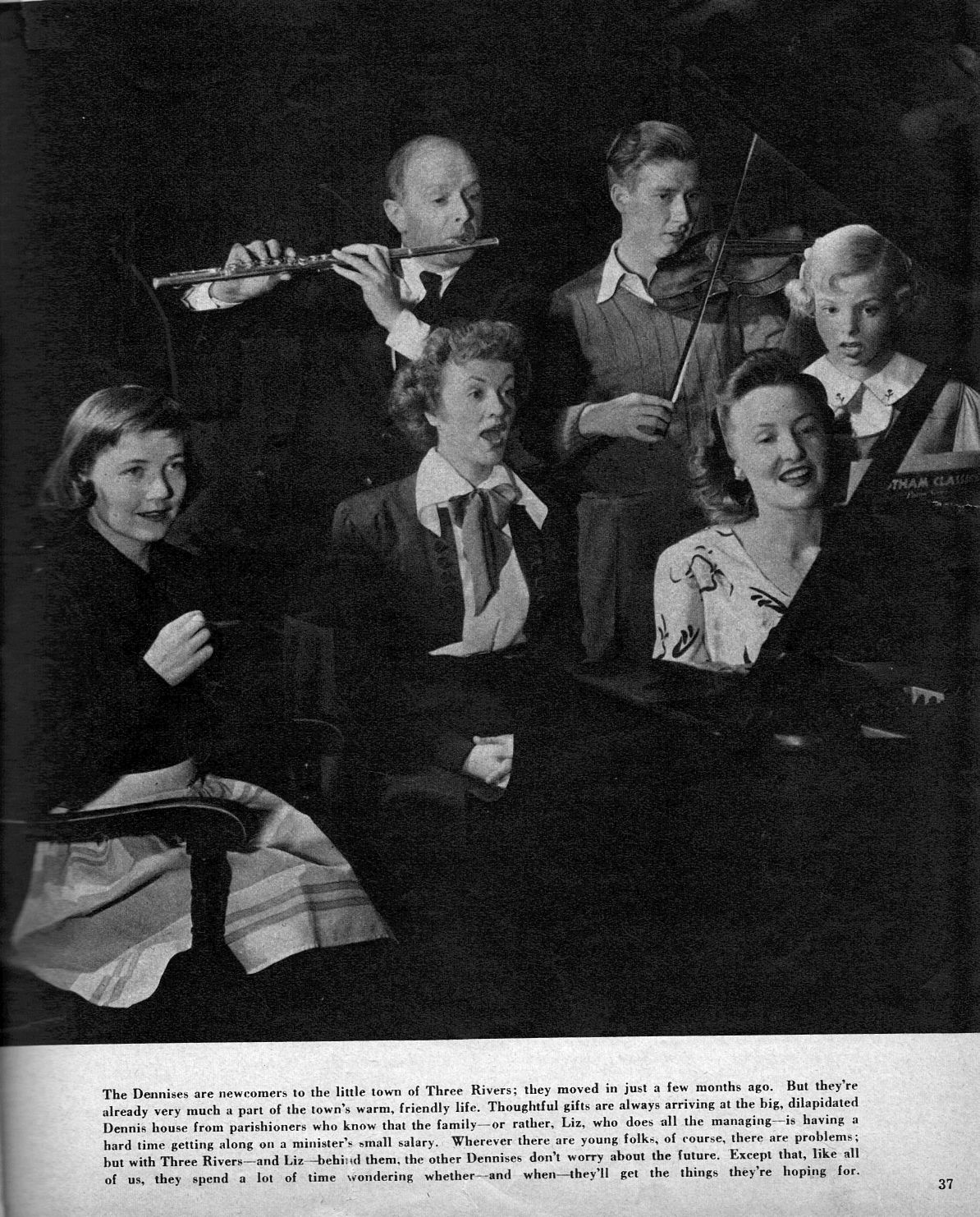
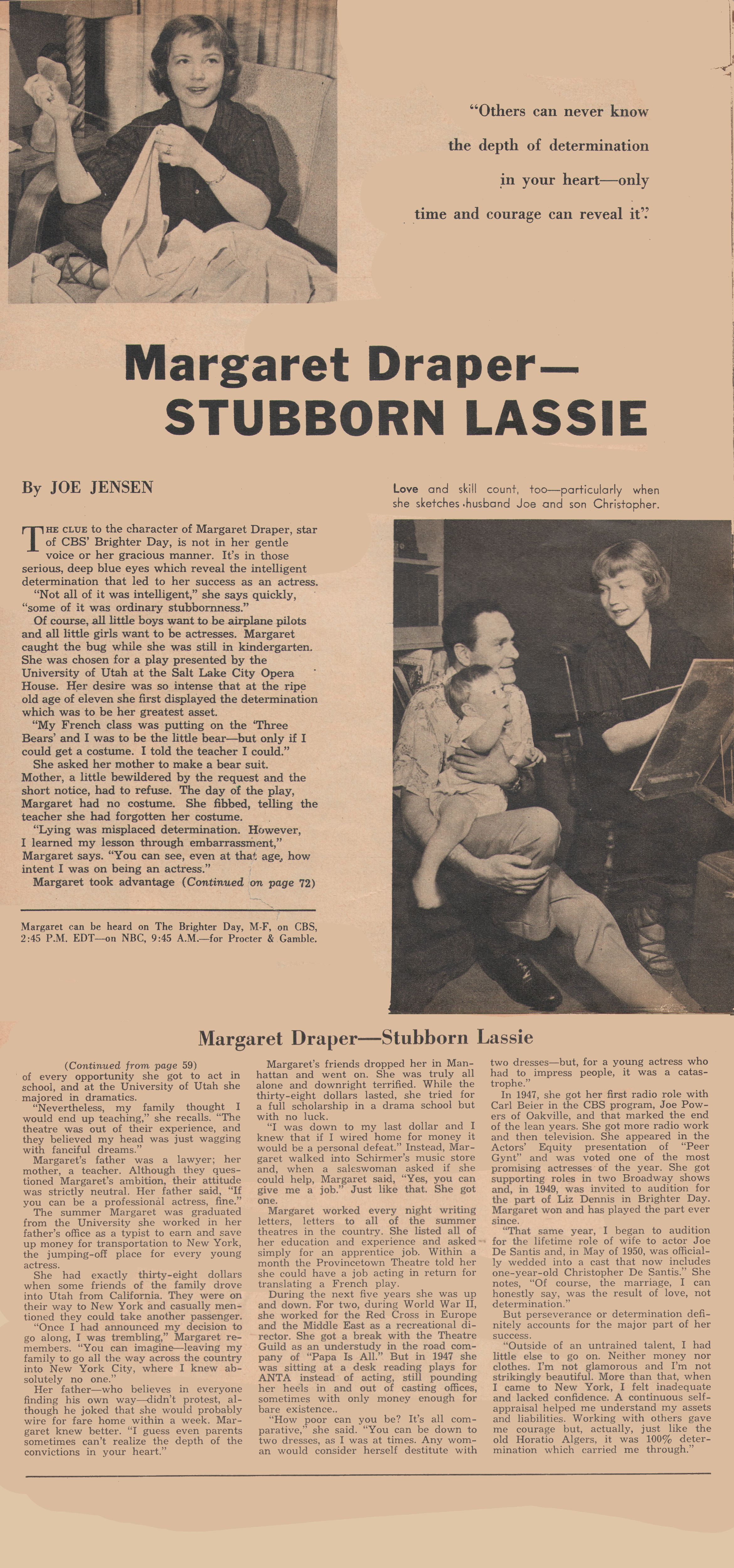
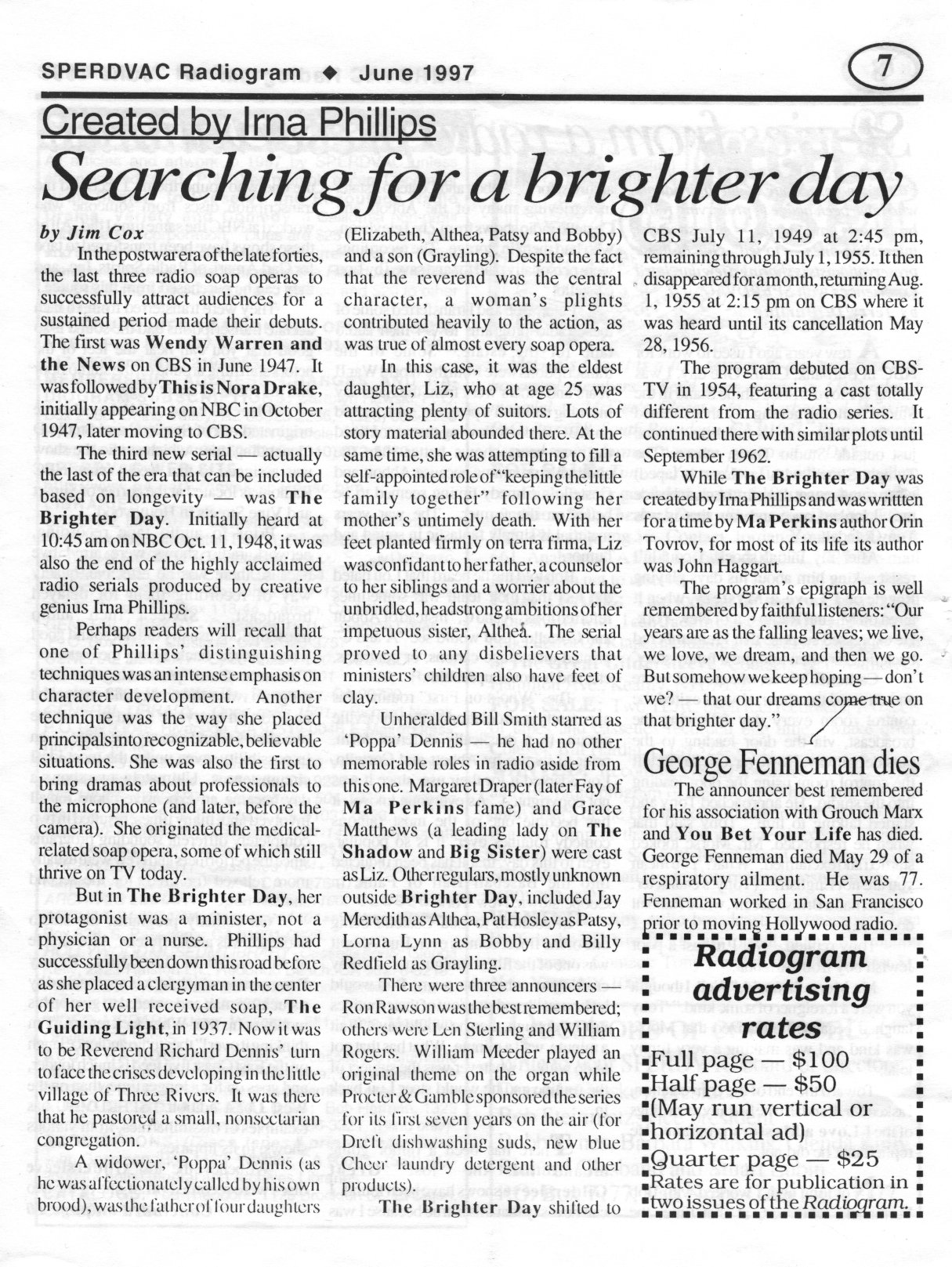
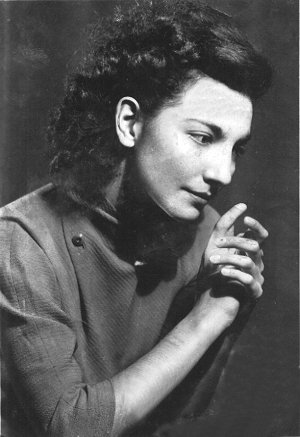
From 1948 to 1954, Margaret Draper played the part of Liz Dennis on The Brighter Day. It was one of her first significant breakout rôles, and led to a successful career in radio and later television, mostly in the advertising world.
Radio-TV Mirror, May 1949 – Papa and Liz Dennis
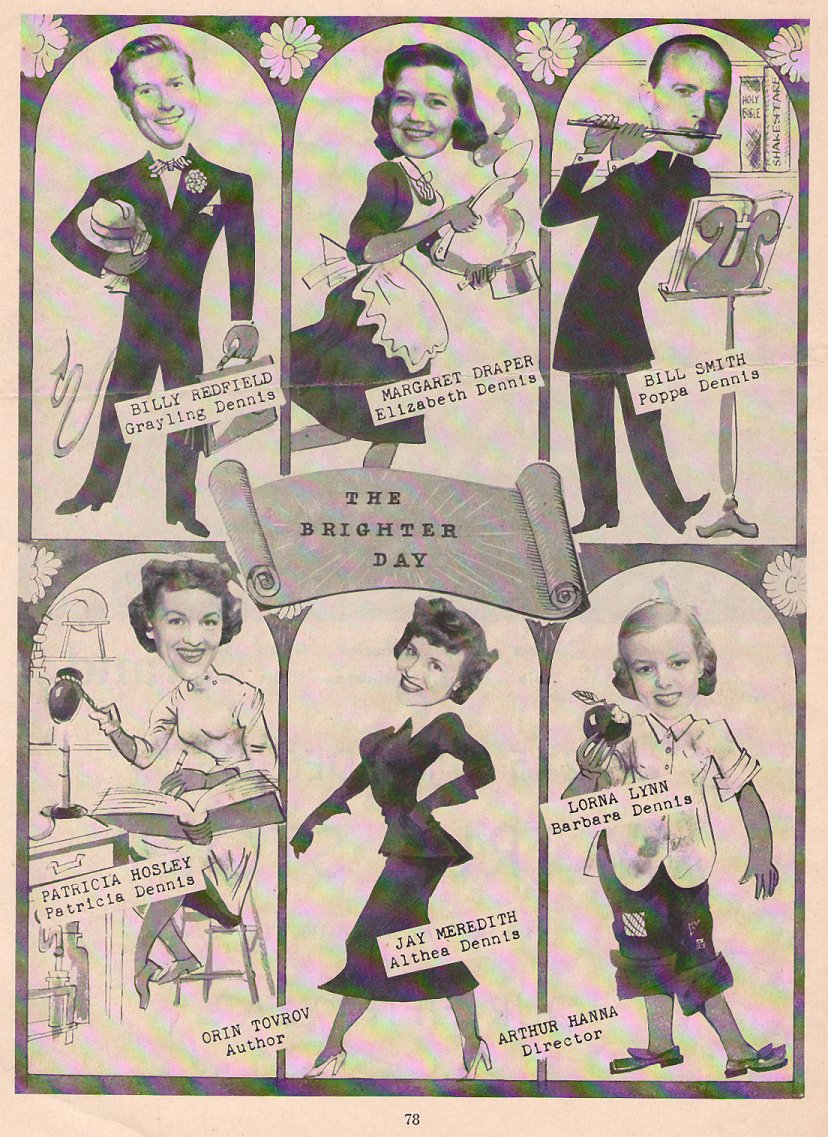
Radio-TV Mirror, May 1949 – The Cast of the Brighter Day
Radio-TV Mirror, June 1950
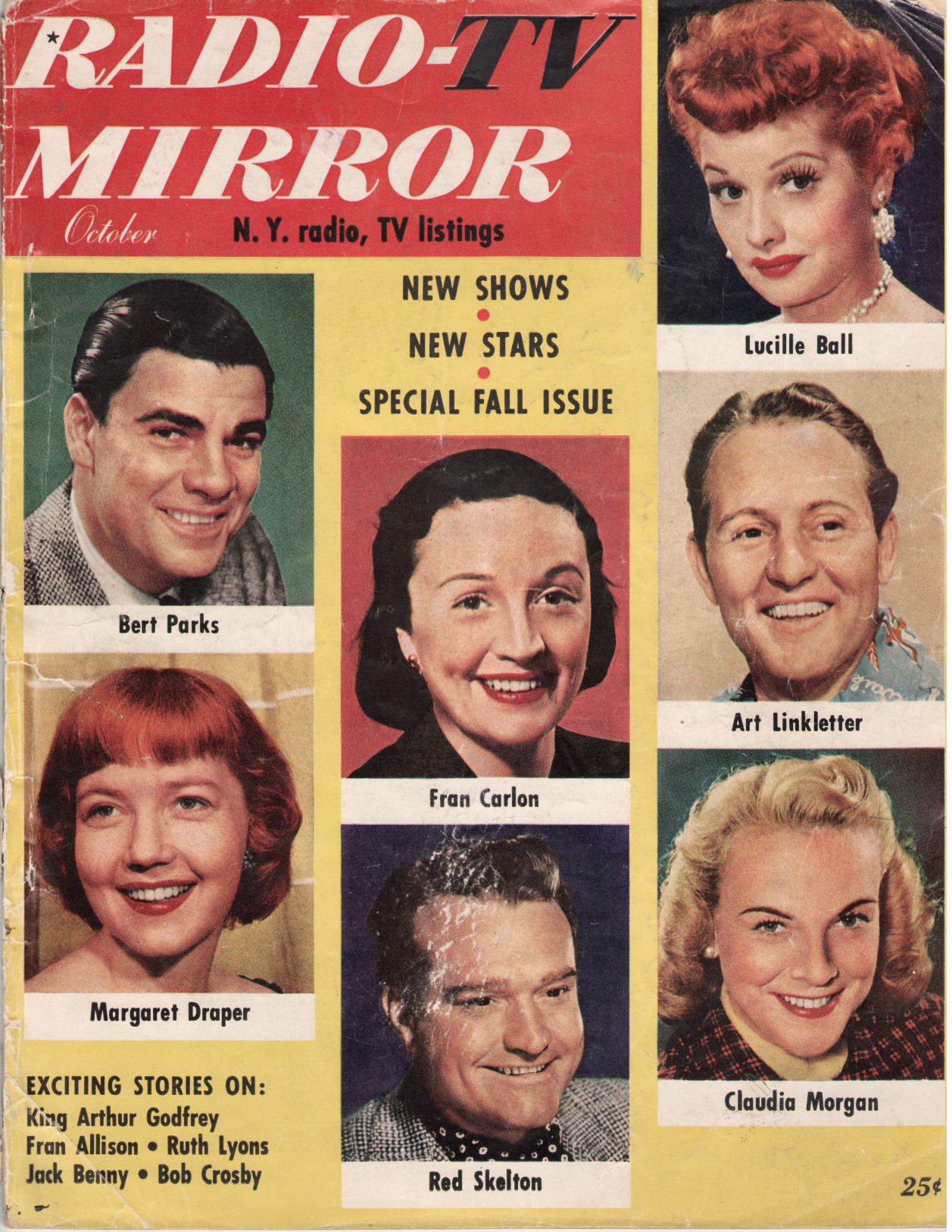
Radio-TV Mirror, October 1952
Radio-TV Mirror, October 1952
From Radio-TV Mirror, not certain which issue
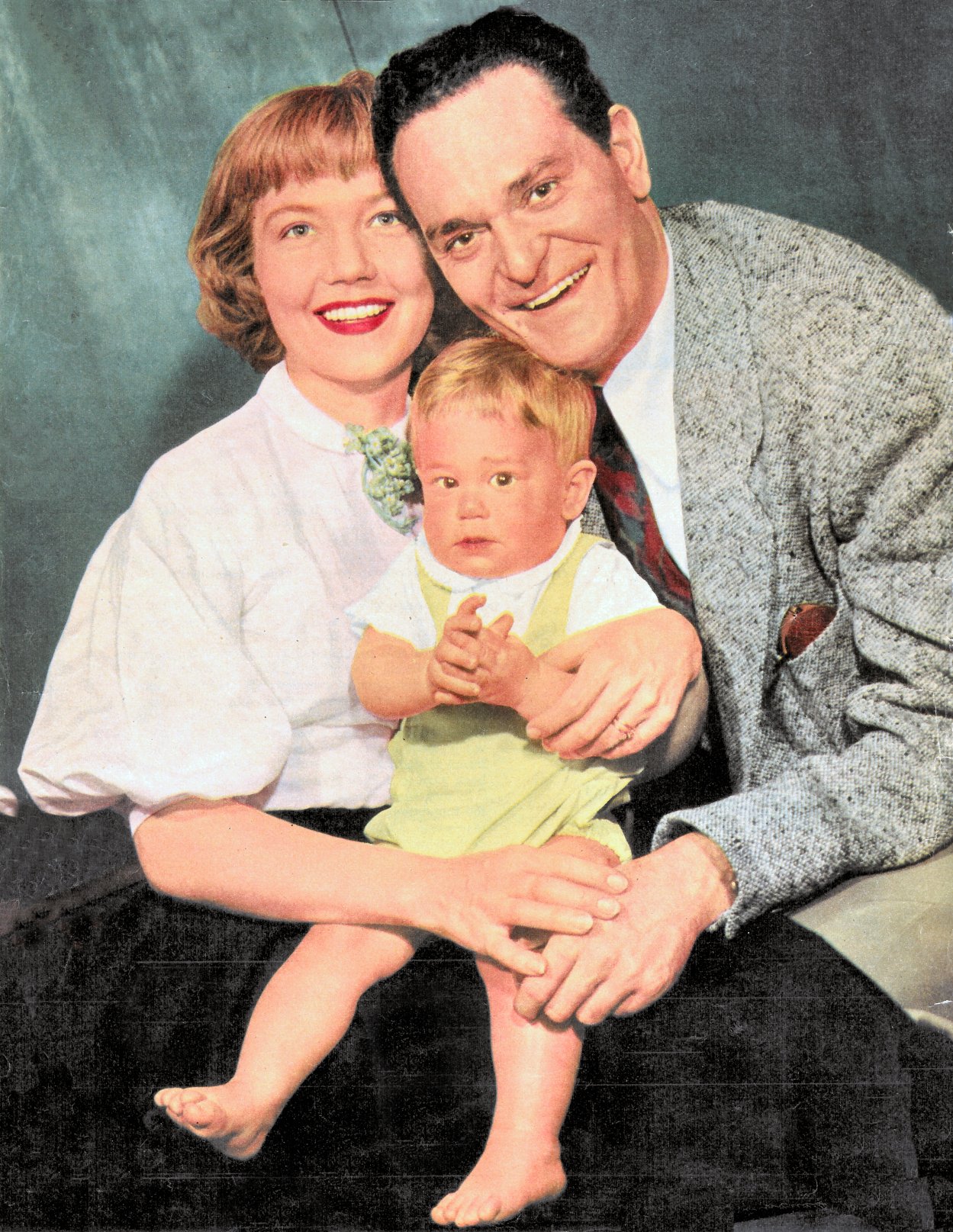
Margaret Draper, Joe DeSantis and their son
In 1999, the Friends of Old Time Radio convention featured a reunion of the Dennis girls, who with others put on a reader’s theatre featuring The Brighter Day, followed by a Q&A session.
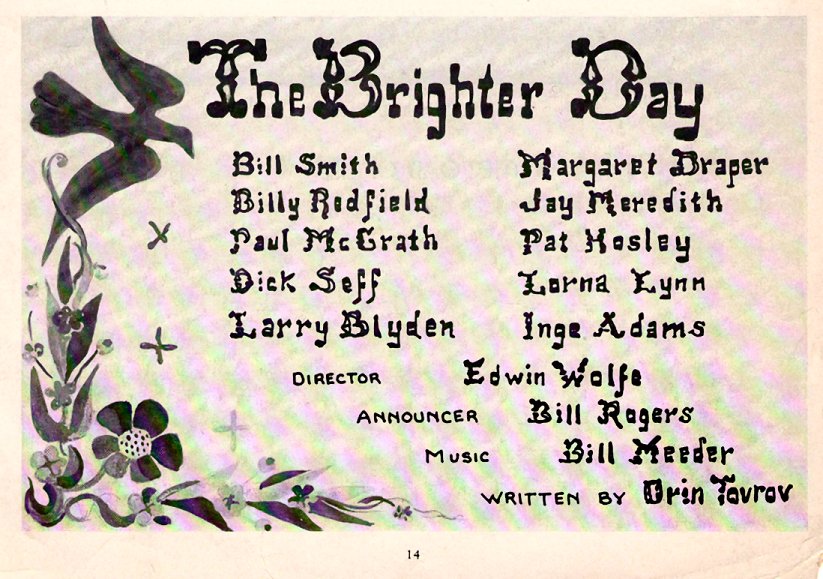
Cast
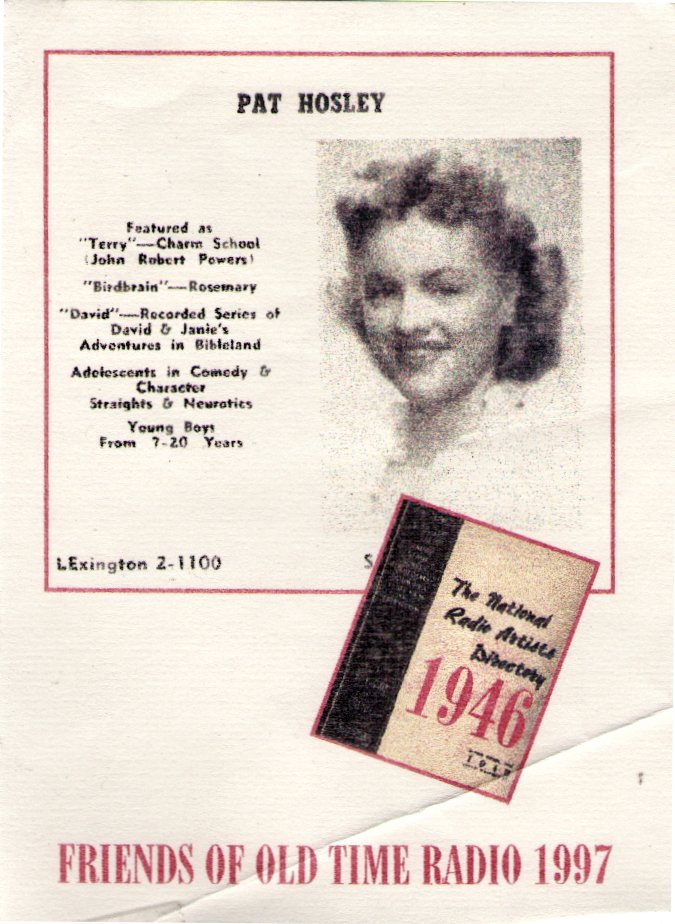
Patsy – Pat Hosley
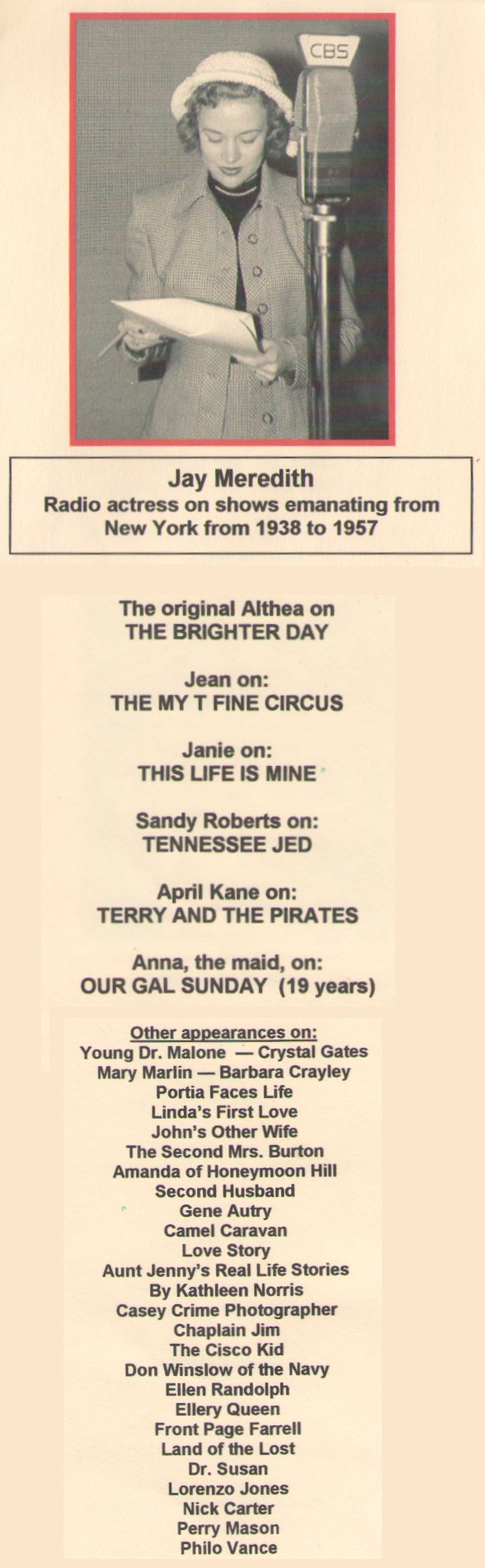
Althea – Jay Merideth
Liz – Margaret Draper
Papa – Leslie Pagan
Jerry – George Ansbrough
Narrator – Bill Owen
Sound Effects – Lynn Nadelle and Bart Curtis
Music – Ed Klute
Producer – David Segal
Director – Bill Nadell
Engineering – Bill Sudamack
The following two posters were displayed outside the convention room:
Pat Hosley
Jay Merideth
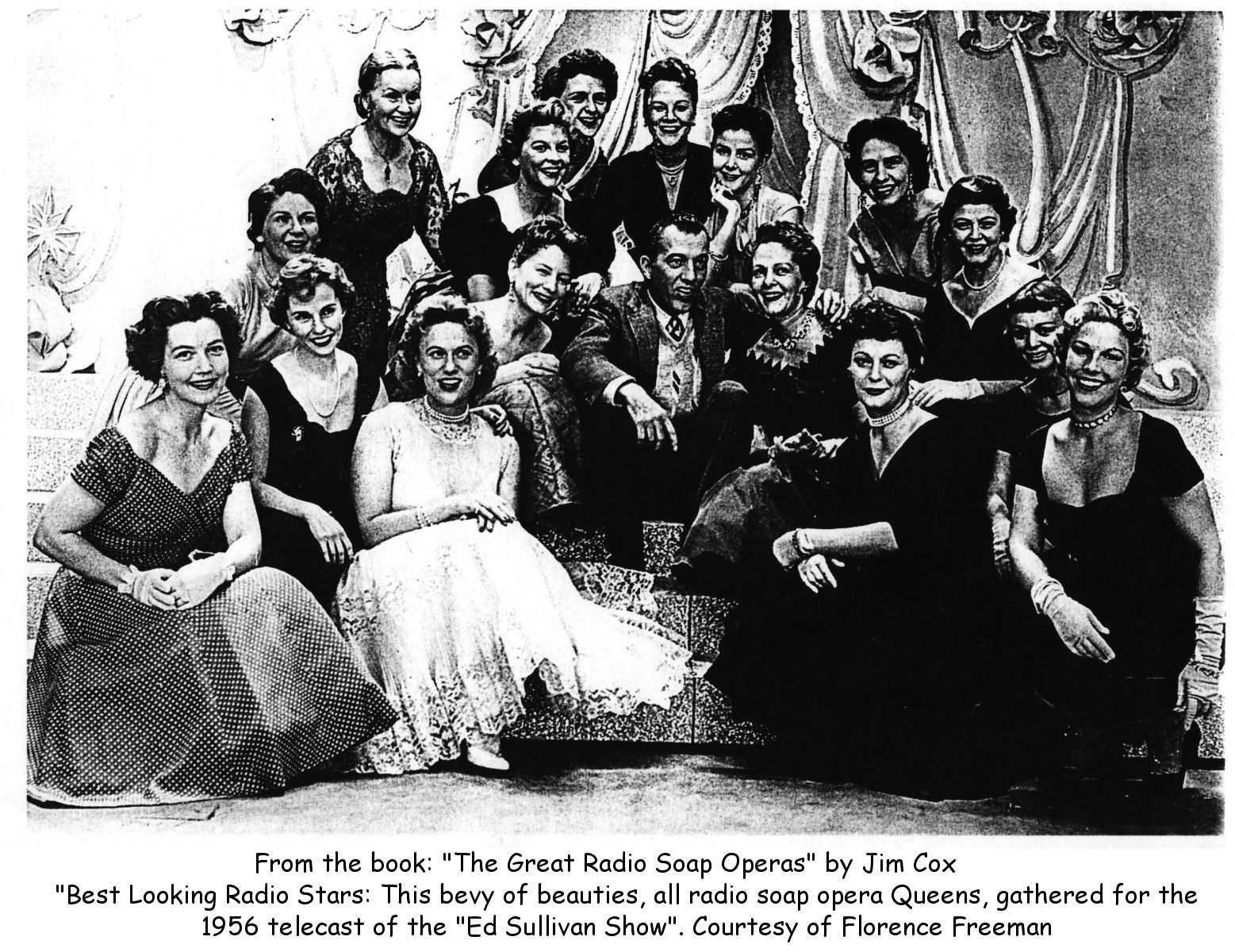
Radio stars at a “Ma Perkins” party. Brighter Day cast on the right.
Cast of The Brighter Day asks the audience to be kind.
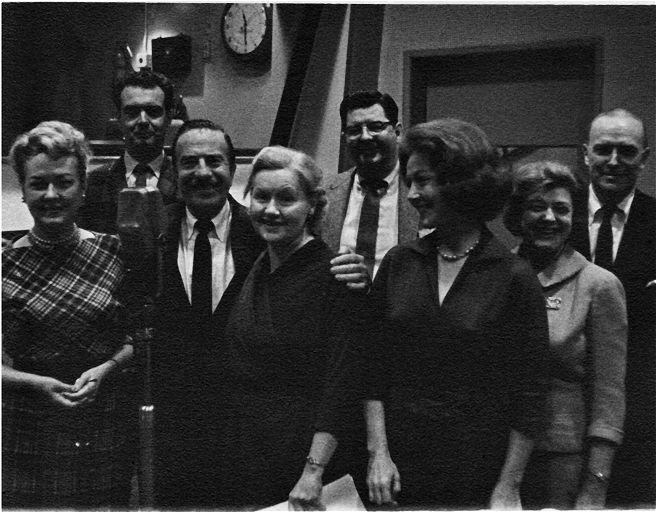
A later photo of the Brighter Day cast, looks like around 1960.
Margaret Draper, front row, Left.
Trade magazine advert for Brighter Day
Trade magazine advert for Brighter Day
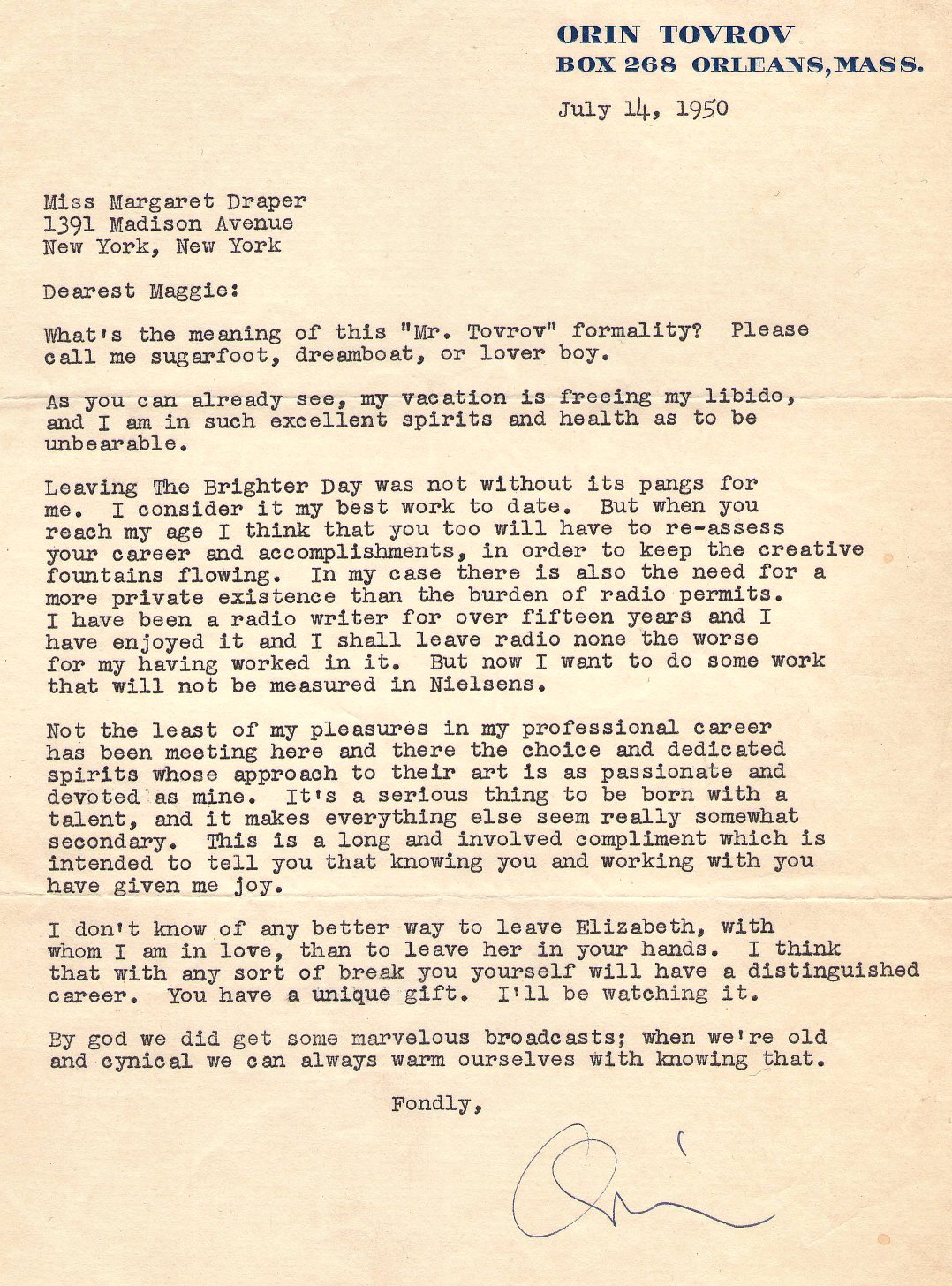
The writer of Brighter Day for many years, Orin Tovrov, had a special fondness for Margaret, and vice versa. Here’s a letter Orin wrote to Maggie on the occasion of his leaving Brighter Day in 1950:
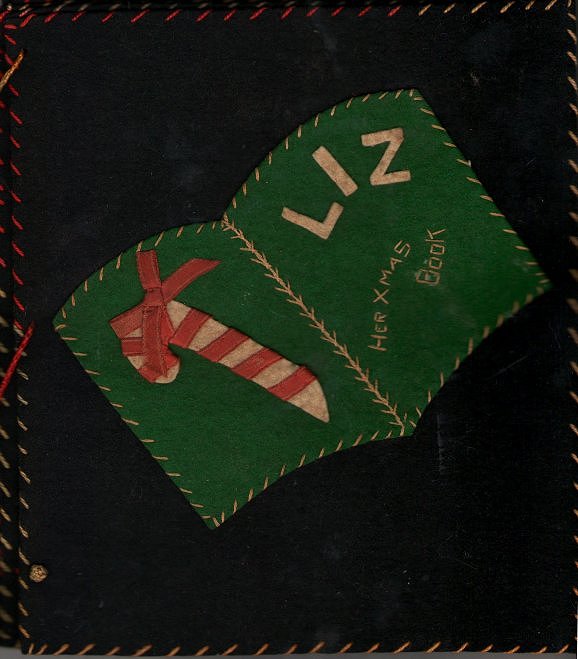
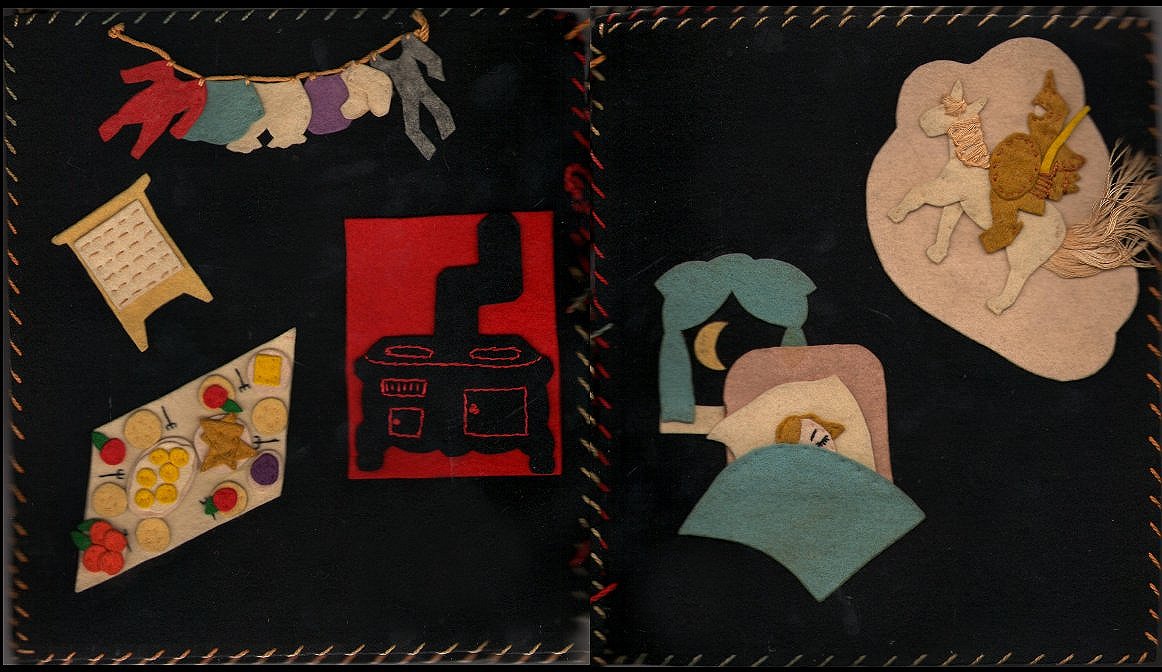
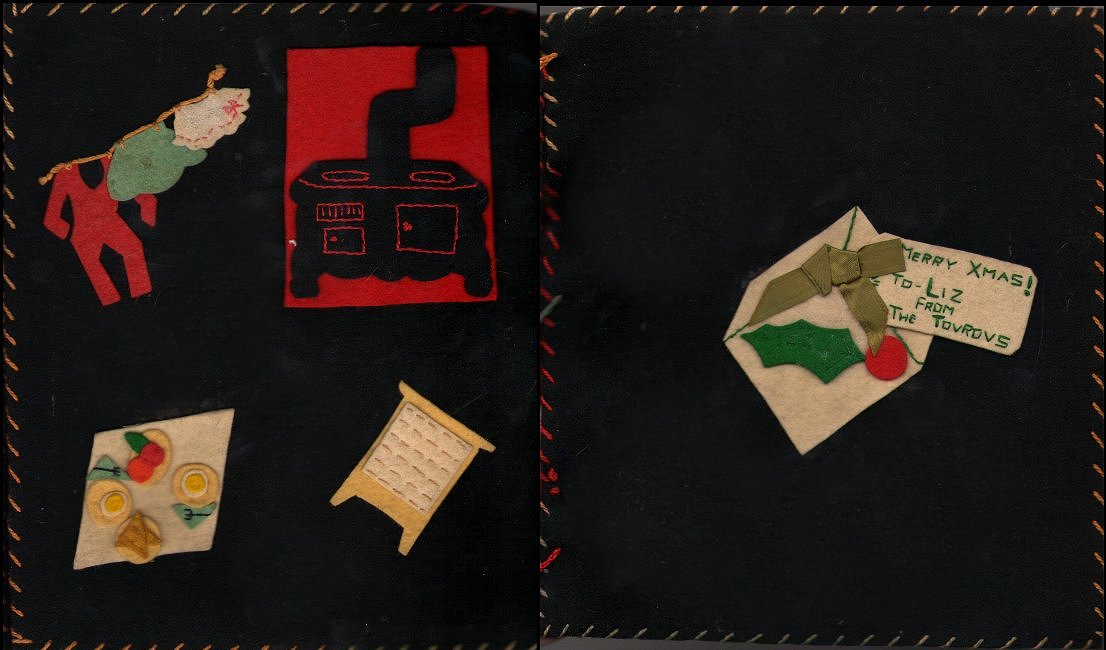
A very gracious letter. A further indication of the Tovrovs’ respect and appreciation for Margaret’s work as Liz Dennis is found in this beautiful felt book made for “Liz” at Christmas, 1949. It must have taken many hours to create. I loved this book as a child – I could look at it for hours, and it almost acted as a sort of “quiet book” if memory serves.
Front Cover
Attending Church (The missing piece is the Hymn Board; Daily Food and chores.
Liz dreams of her Knight in Shining Armor
Which one will it be? Finally married! Notice the reference to older sister Marcia, who had married and left the family before the show began. She never appeared on-air.
More home life; Christmas label
Back Cover
More about The Brighter Day can be seen in the following Links:
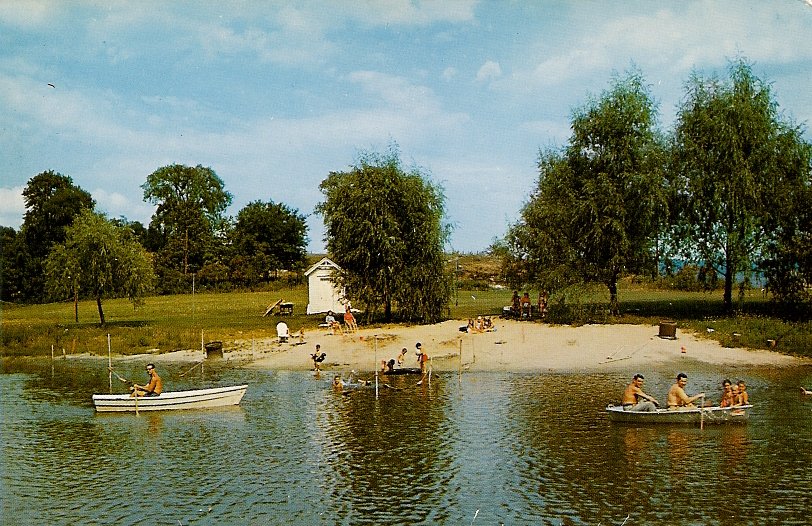
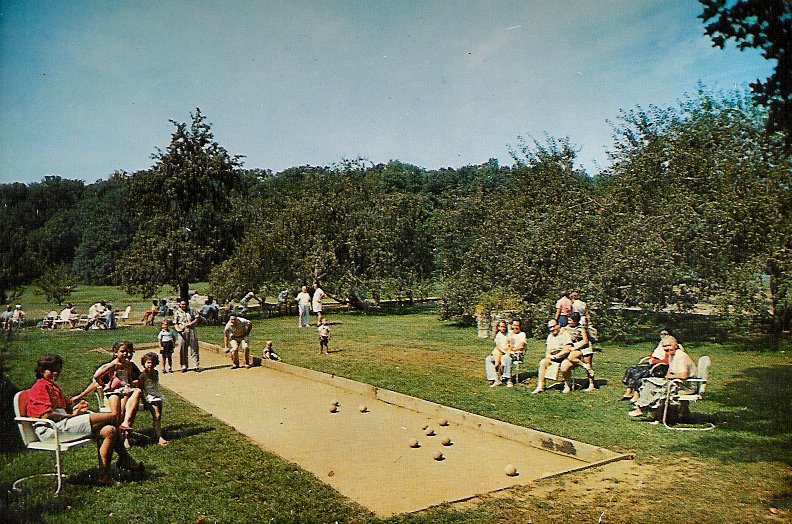
In the 1940’s, 1950’s and to some extent into the 1960’s, the Catskill mountains of New York were home to a conglomeration of hotels, bungalows and cabin communities that became known as the Borscht Belt. After my father’s first marriage dissolved, his ex-wife married a Frenchman, Andre Lavielle, and opened a resort in Patterson, NY modeled on the same idea and called it Le Robinson. Miriam was the descendant of Russian Jewish immigrants; it’s unclear whether the clientele came from the same Ashkenazi Jewish population of New York that made the Catskill resorts so popular, or whether they catered to an Italian clientele (the resort featured bocce courts), but the general idea was the same – a place to get away from the City and relax.
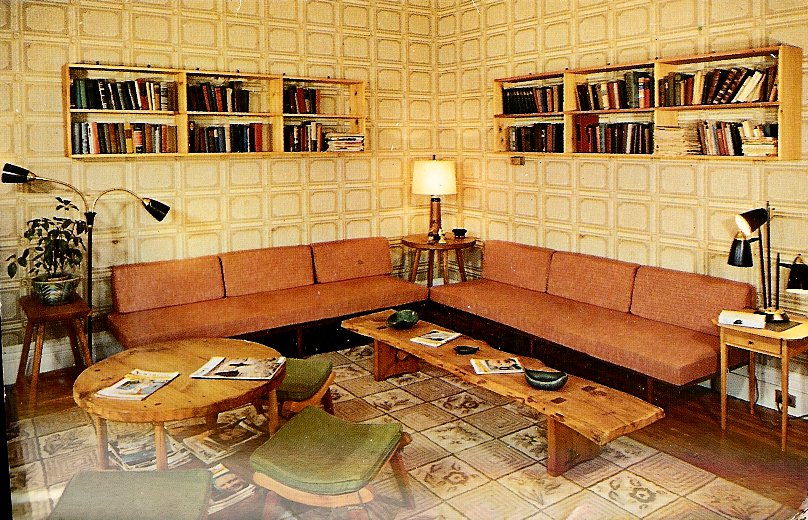
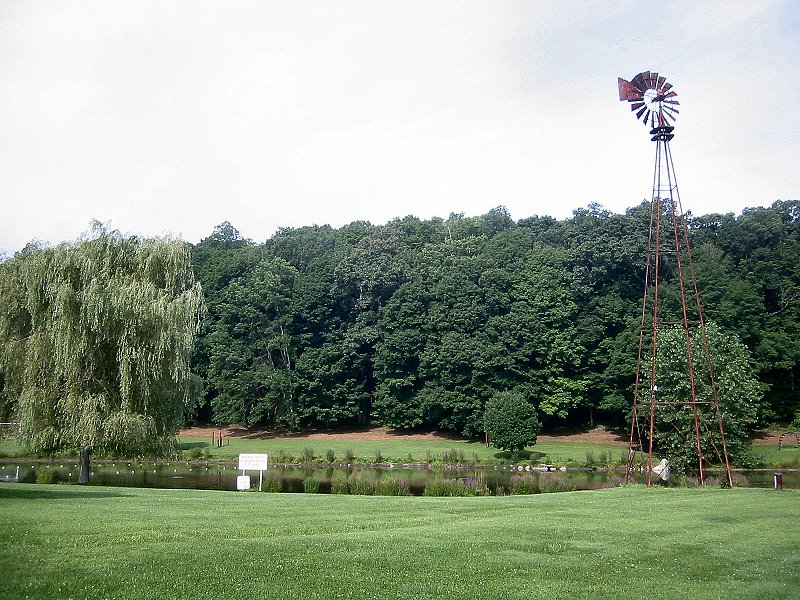
I still have memories of visiting the place; the library, table-top shuffleboard games (metal pucks lubricated by some sort of sand), the windmill, the boating pond, and sitting on the screened veranda while an early bug-zapper incinerated unwelcome guests.
Le Robinson farm was located on Maple Avenue [in Patterson, NY], and was the former home of Jacob Stahl, best known as the owner of the Putnam Cigar Factory and other buildings in the village of Patterson. The house was a four story frame structure that was built in the fall of 1896, and was a showplace in Patterson when it was built. The property had two or three owners after the death of the Stahl family, and in the late 1950s was owned by Miriam M. Lavielle and Andre Lavielle. The Lavielle’s operated the house as a French restaurant and boarding house known as Le Robinson. The house had room for 50 guests, and there were cottages located on the adjoining property.
Mrs. Lavielle was instrumental in the formation of Boys and Girls Scout programs in Patterson in the 1950s, and was a member of the HAGS social club that sponsored many activities that benefited community programs in Patterson. She was also a president of the Parent-Teachers Association. She was born in New York City in 1913, and died after a long illness at the age of 45 on August 5, 1959.
Andre Lavielle continued to run Le Robinson after the death of his wife, and resided in one of the cottages with his stepson. An early morning fire destroyed Le Robinson in February, 1960. The fire was discovered shortly after midnight, and had already spread through the wooden structure. The blaze could be seen for ten miles. The house was unoccupied. The Patterson Fire Department was summoned, and ran hoses to the nearby pond, but had trouble directing the water on the fire as high winds diverted the spray from the hoses. The winds sent sparks in the direction of the cottages, but they did not catch fire. Patterson Supervisor William Millar had a brush with death when he stepped on a live electrical wire that had fallen on the ground. He warned firemen and spectators away from the wire until power could be cut. The property was purchased byt the town of Patterson for use as a park.
Andre Lavielle also owned the Chez Andre Restaurant, located on NYS Route 22.
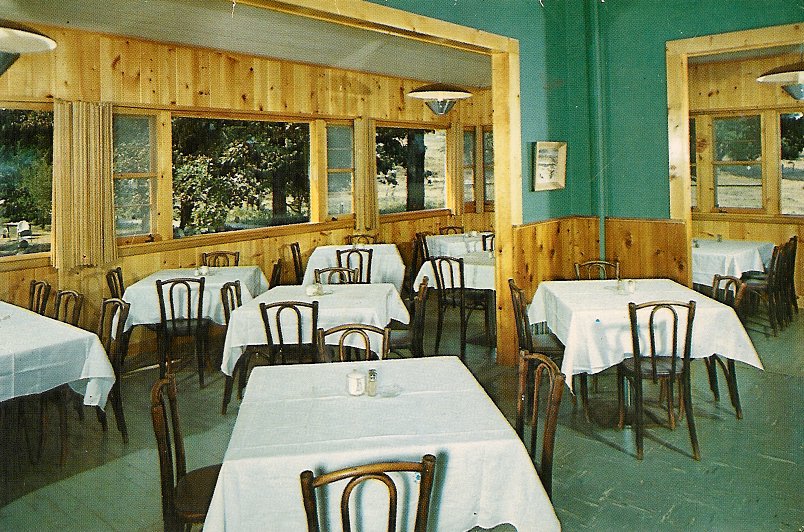
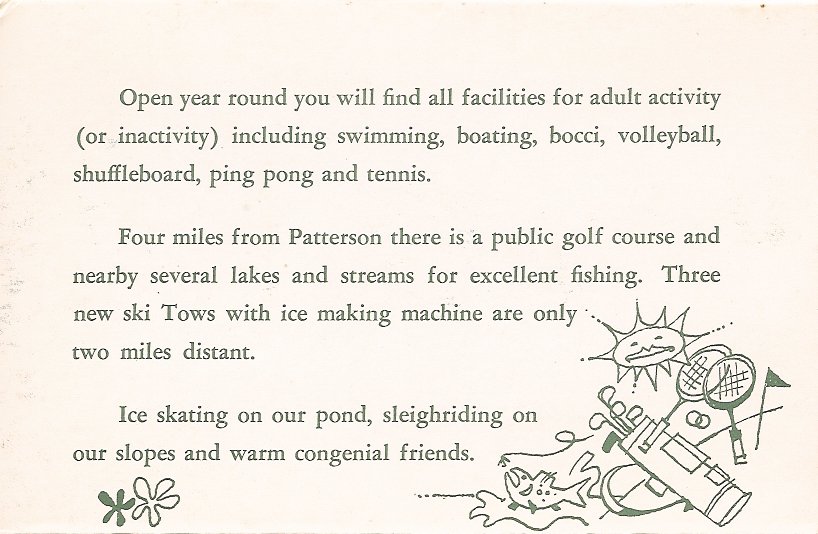
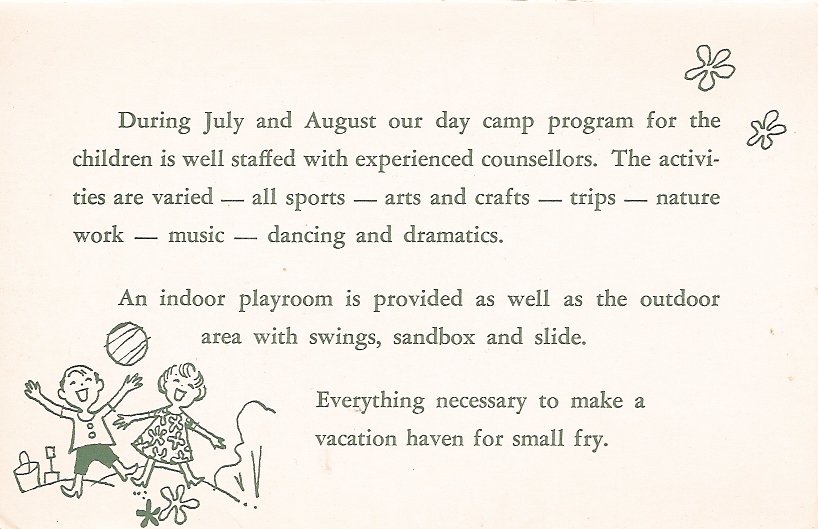
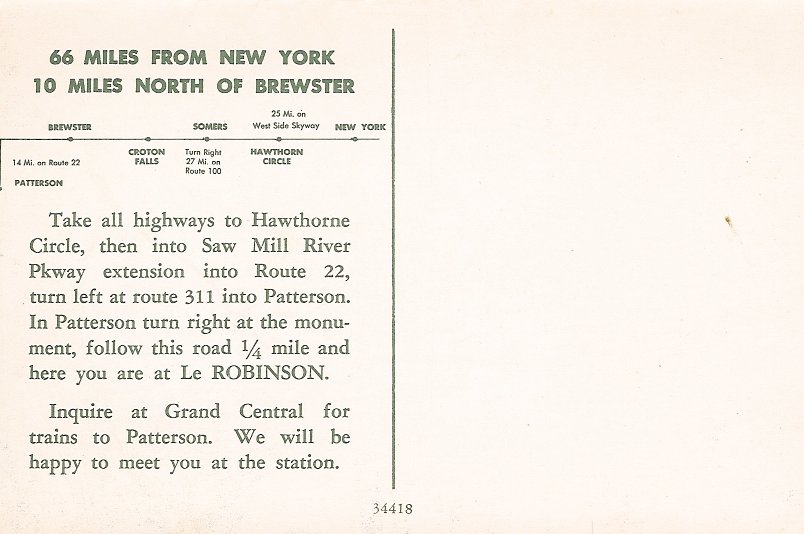
Among my father’s papers was this brochure, which gives an idea of what the resort looked like:
The Main House
From left: Louise and Walter Schloss, Unknown couple, Abe and Shirley Goldshlag
The boating pond with one of the beaches; in boat at left, Charles Martens who was a counselor there in 1957.
Lounge and Library
The Dining Area
Bocce Court
On the extreme right are Jane Moskowitz and next to her Andre’s mother Angele who was visiting from France. In the back you can see Al Seymann and Nat Rothenberg.
Brochure Cover
Today the property remains, but has been transformed into a memorial park for veterans. It has been well-cared for and is a pleasant and attractive place, still used by families in the neighborhood.
The “Vienna Public Feeding GMBH” was established in 1919, with the goal of providing for the nutrition of children and the more vulnerable sections of society. It was renamed the “Viennese public kitchen company” in 1920, and retained that name until the company merged with Wigast. From 1999 to 2001, Wigast was gradually absorbed into the Austrian Tourist Office; at that time it was the largest restaurant umbrella company in Austria and included restaurants such as Rathauskeller, Donauturm and Schloss Wilhelminenberg, as well as the Wienerwald chain. In 2008, the Tourist Office sold off its restaurant holdings to better focus on tourist promotion.
The WÖK above was photographed in the summer of 1976 in the 18th Bezirk of Vienna.
What you got there was cheap and edible, but not much else. It reminded me of the ÖBB Betriebsküche in Villach, where I became acquainted with Beuschel; indeed, when I read Melville’s description of Turkey in “Bartleby the Scrivener” – (his clothes were apt to look oily and smell of eating-houses), WÖK is always what I think of. That said, the memories are indelible, and the WÖKs now belong to history.
I love the light in this photo. This Schornsteinfeger (chimney sweep) was working in Gertrudplatz 7 in the 18th Bezirk of Vienna, sometime in the latter part of 1976. I caught him up in the attic and asked him to pose for a photo. It’s one of my favorite memories of Austria. (Next to the heiße Maroni, the Schnitzel, the Chokoladeschnecken, the mountains of Innsbruck, usw usw usw…=)
Today, Reuters reported that the Taliban in Afghanistan is after Prince Harry, hoping to make political hay out of a high-profile target. The article states in part,
“(Reuters) – The Afghan Taliban said on Monday they were doing everything in their power to try to kidnap or kill Britain’s Prince Harry, who arrived in Afghanistan last week to fly attack helicopters. Queen Elizabeth’s grandson is in Afghanistan on a four-month tour, based in Camp Bastion in the volatile Helmand province, where he will be on the front line in the NATO-led war against Taliban insurgents. ‘We are using all our strength to get rid of him, either by killing or kidnapping,’ Zabihullah Mujahid, a Taliban spokesman, told Reuters by phone from an undisclosed location.”
Mr. Muhajid, you understand nothing of Islam. You understand nothing of jihad, which is personal struggle to make yourself more like the Allah you claim to worship, but whom you understand not at all. Tom Clancy said it far better than I ever could:
“Islam is not the enemy of our country or any other. Just as my family was once attacked by people calling themselves Catholics, so these people have twisted and defiled their own religious faith in the name of worldly power, and then hidden behind it like the cowards they are. What God thinks of that, I cannot say. I know that Islam, like Christianity and Judaism, teaches us about a God of love and mercy–and justice.”
Tom Clancy, Executive Orders
No one is fighting a war against Islam, except withing the confines of your own uneducated and deluded minds. You are wrong about the world, wrong about freedom, wrong about personal liberty, and wrong about your own faith.
If Allah exists in any form at all, he is not one of the Old Gods. He does not demand blood and sacrifice, or the suppression of other human beings – women, gays, Baha’is, Jews, or any other of his creations; he does not demand that unbelievers be subject to the Dhimmi tax, or beaten for your pleasure, or executed at your whim. Your guns do not make your right; your misguided mullahs and imams do not make you right; the destruction of priceless cultural treasures at the fatwa of one insane man do not make you right. You are wrong, and all the bullying thuggery in the world will not change that. You will no doubt consider this blasphemy and worthy of death, but I do not excuse my words. I am not a Muslim, but I tell you plainly that I understand your Allah far better than you ever will.
Humanity will survive your onslaught. Shari’a will not prevail. As our race gropes toward the stars, backward-thinking mobsters like yourself and those who follow you will fade into obscurity and irrelevance. The only hope you have for survival is to lay down your weapons of war and join those who seek to live in peace with their neighbors, who seek to build a better world for all people. Do this, and you will live. Do it not, and you and each of you relegate yourselves to the dustbin of history.
It’s a funny thing about life; if you refuse to accept anything but the best, you very often get it. -W. Somerset Maugham
I bargained with Life for a penny,
And Life would pay no more,
However I begged at evening
When I counted my scanty store;
For Life is a just employer,
He gives you what you ask,
But once you have set the wages,
Why, you must bear the task.
I worked for a menial’s hire,
Only to learn, dismayed,
That any wage I had asked of Life,
Life would have paid.
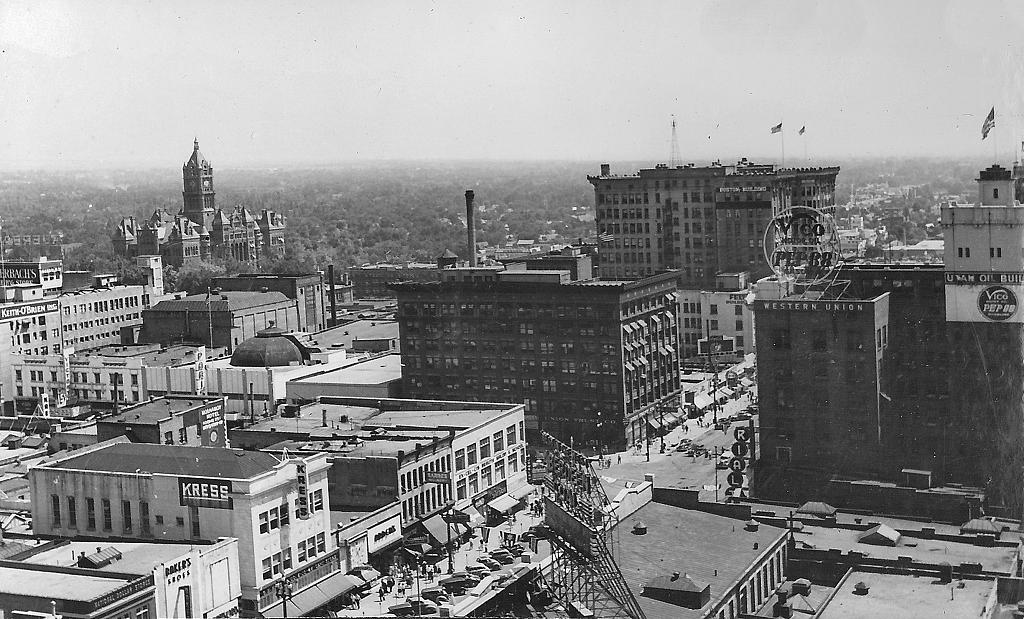
Taken from the Continental Bank building where my uncle, Courtney Rogers Draper, officed with his father, Delbert Morley Draper. Courtney was a promising attorney before being sent to the Philippines in 1939. He was interned by the Japanese and lost his life on the Enoura Maru in Takao Harbor on December 15, 1944.


















 Playing in the World Game