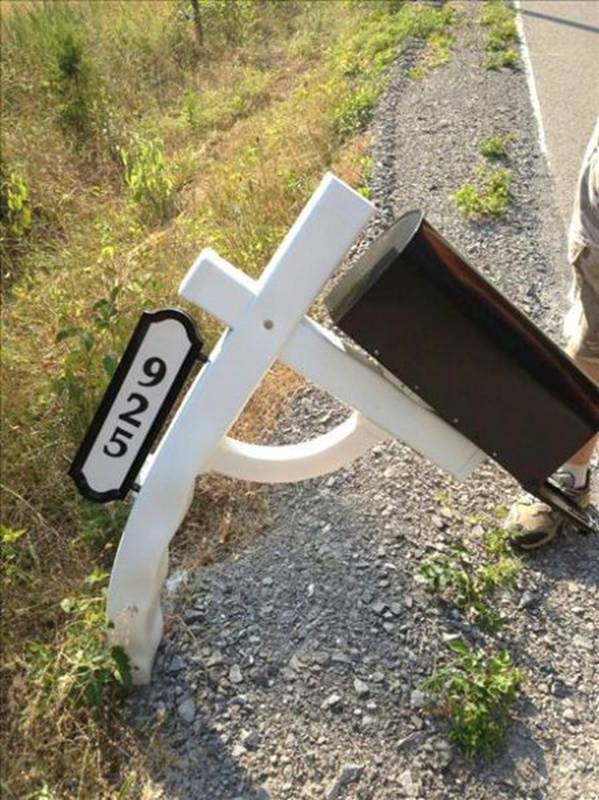
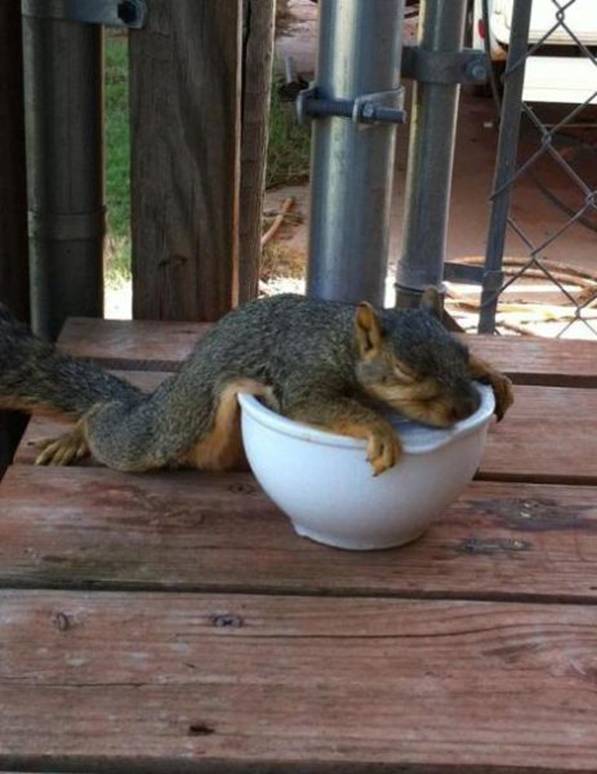
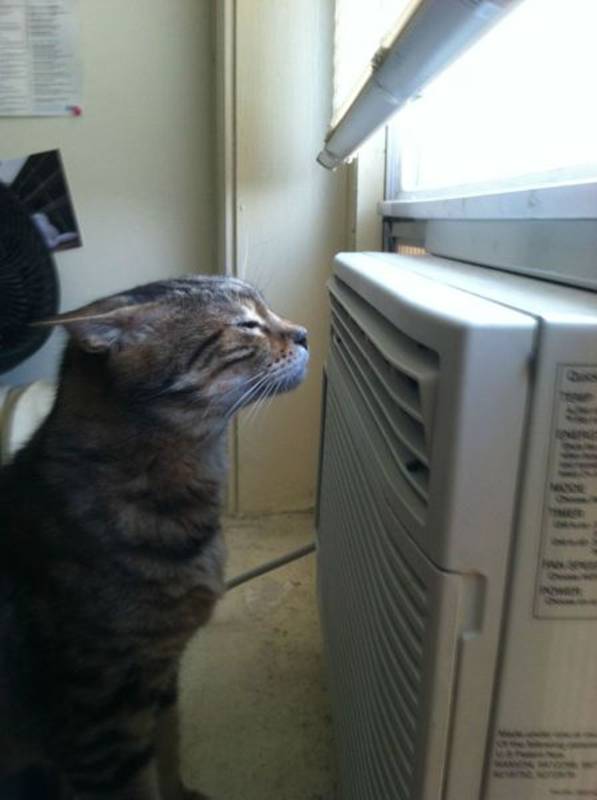
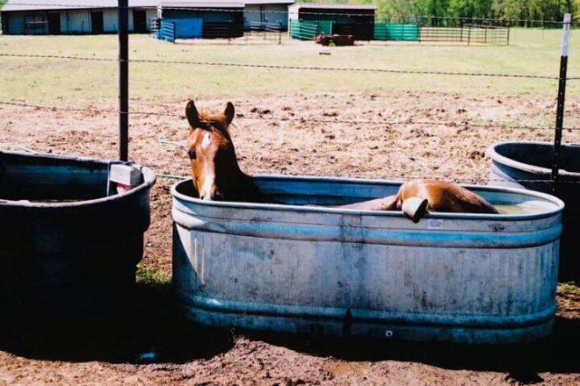
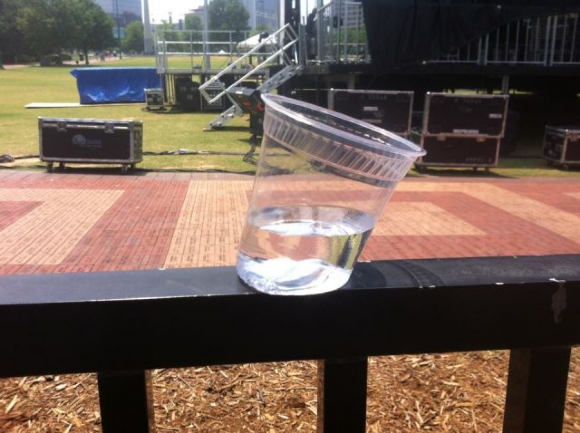
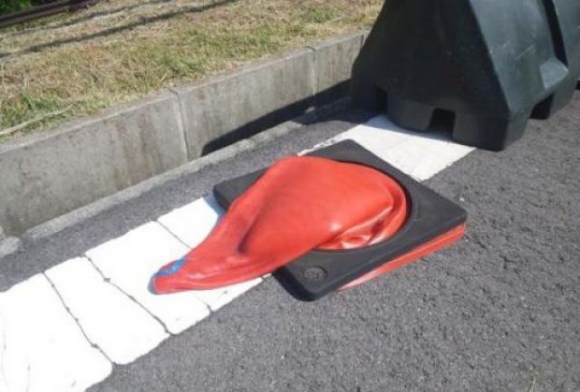
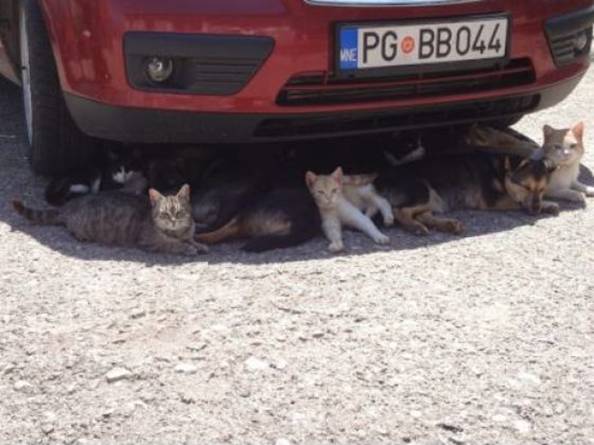
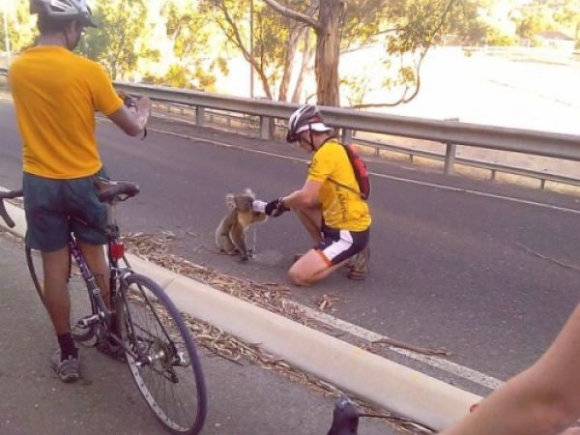
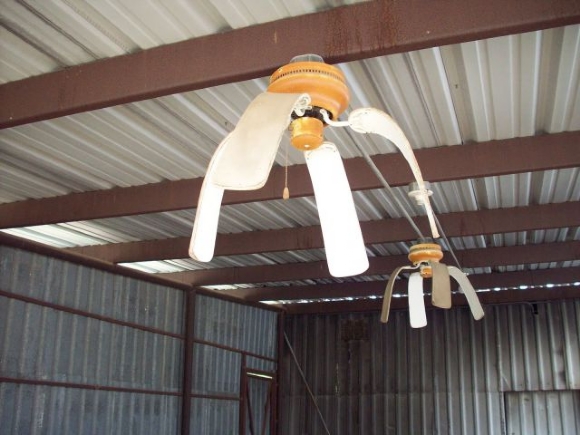
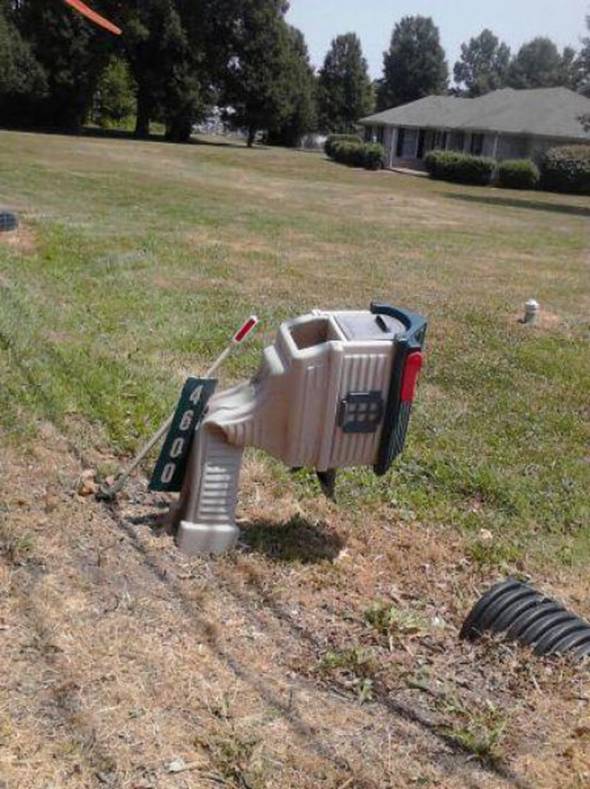
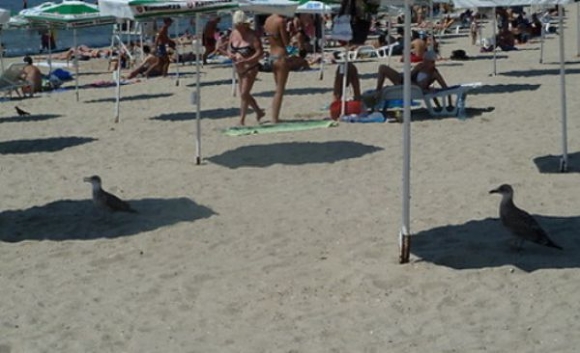
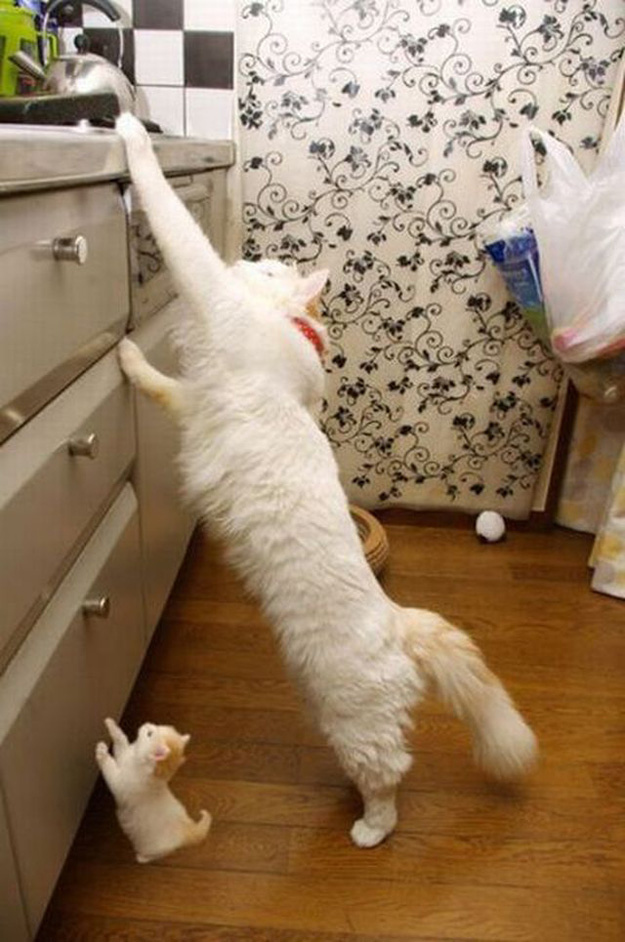
Climate Change. Any questions?

This post is filed under “humor” rather than “go all foamy-mouthed and debate politics.” As a result, comments have been disabled for this post.

I happen to believe that mankind’s presence is affecting the climate; from where I sit, the science appears to back up my gut feeling.

These pictures are gathered from all over and most likely do not belong to any given time period. Whatever  the case, it’s been hot this summer.

Reflections on Corn Country

1987 – (Written during a business trip to Northern Illinois University)

Drive for an hour or two west of Chicago and you are in another world; life is different in the corn belt. Corn really does grow as high as an elephant’s eye, and creeps right up to the edges of the roads in endless regiments of green, waving stalks. Stop by the roadside, get out and walk up to it like an impenetrable forest, each stalk strong, tall, with tough, gnarly roots rising up from the rich soil. No sprinklers here; God waters these crops. No fences either; they just don’t seem needed.

Here and there an oasis in reverse, a dry patch among the endless plains of verdure that stretch as far as the eye can see. Places like Malta, Illinois, Pop. 1000. Drive through the center of town and go back in time 50, 60 years. The general store with its 3-stool lunch counter looks like it hasn’t been modernized since 1943. It hasn’t, either. Some of the products on display might have last been paid for with silver dimes and quarters, old silver dimes and quarters. Three men sit playing cards in a corner. They, and the proprietor, belong to the same era. Since he is busy, one of the card players gets up to help me. I feel Gumbyesque, walking through the pages of a prewar novel. Everything here is slow, quiet, peaceful.

Malta, IL – General store, looking exactly the same as it did in 1978. Found at Flickr.

The rest of the shops on the street all seem to have been closed for years, but signs on the doors give the owner’s phone number – trade by appointment. I would have liked to go into the antique store. This whole town is an antique: what forgotten treasures might be found within? Malta’s public library is housed in a small brick cottage with a picket fence, half the size of my first home. Open Tuesdays from 1 to 6 PM, but today is not Tuesday.

The next town down the road is Creston, Pop. 500. They must go into Malta to shop.

On the campus of Northern Illinois Univerity, rabbits hop through the bushes. One of the buildings looks just like Emily Brontë could have lived in it. Where one might expect placards explaining fire escape routes, instead one is told what to do in case of a tornado, and when evening falls, the shrubbery and trees flicker with hundreds of tiny, falling stars: the fireflies which my desert children have never known. In spite of their cold luminescence they impart a warm feeling to the dusky night air.

An invitation to a private viewing of a Burmese art exhibition in the campus museum. In one corner of a room, a Burmese lady is dishing up rice and something which looks vaguely like chop suey for the guests. I have eaten, but cannot resist. Having partaken of glowing coals in sulfuric acid, I retire to my room in the on-campus hotel, wishing I could find some nice bland Szech’uan cooking to quench the fire in my entrails.

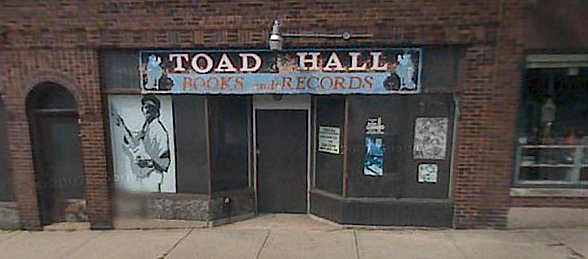
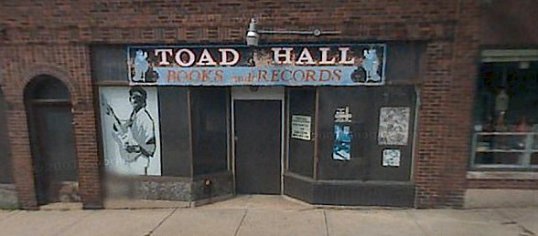
The following day found me at Toad Hall in Rockford, one of my favorite bookstores in the whole wide world. I could happily starve to death there.
 

I regret only that I don’t have a lifetime to explore and photograph all the beautiful nooks and crannies in this part of our nation.

The Old Wolf has spoken, for no reason.
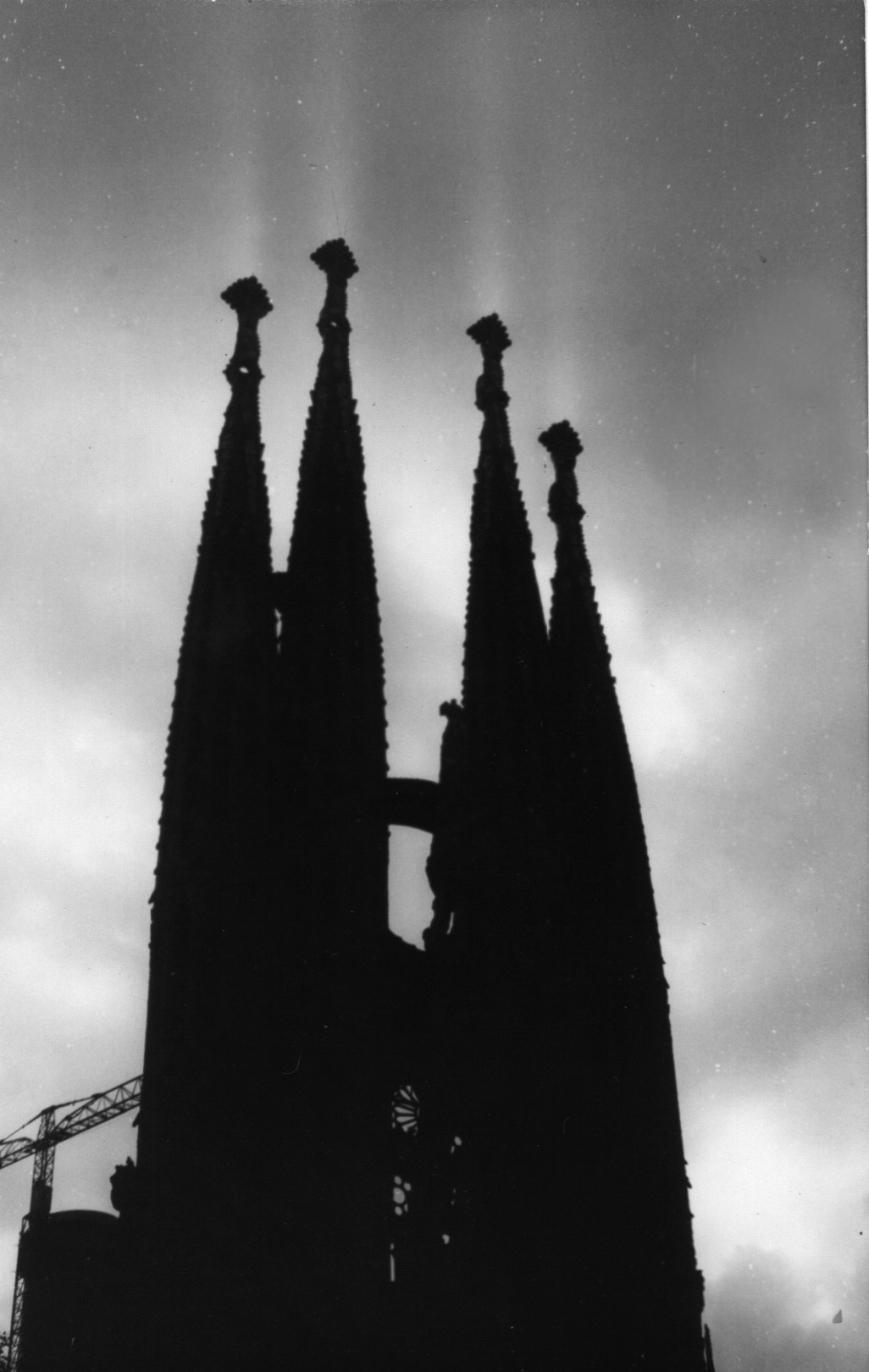
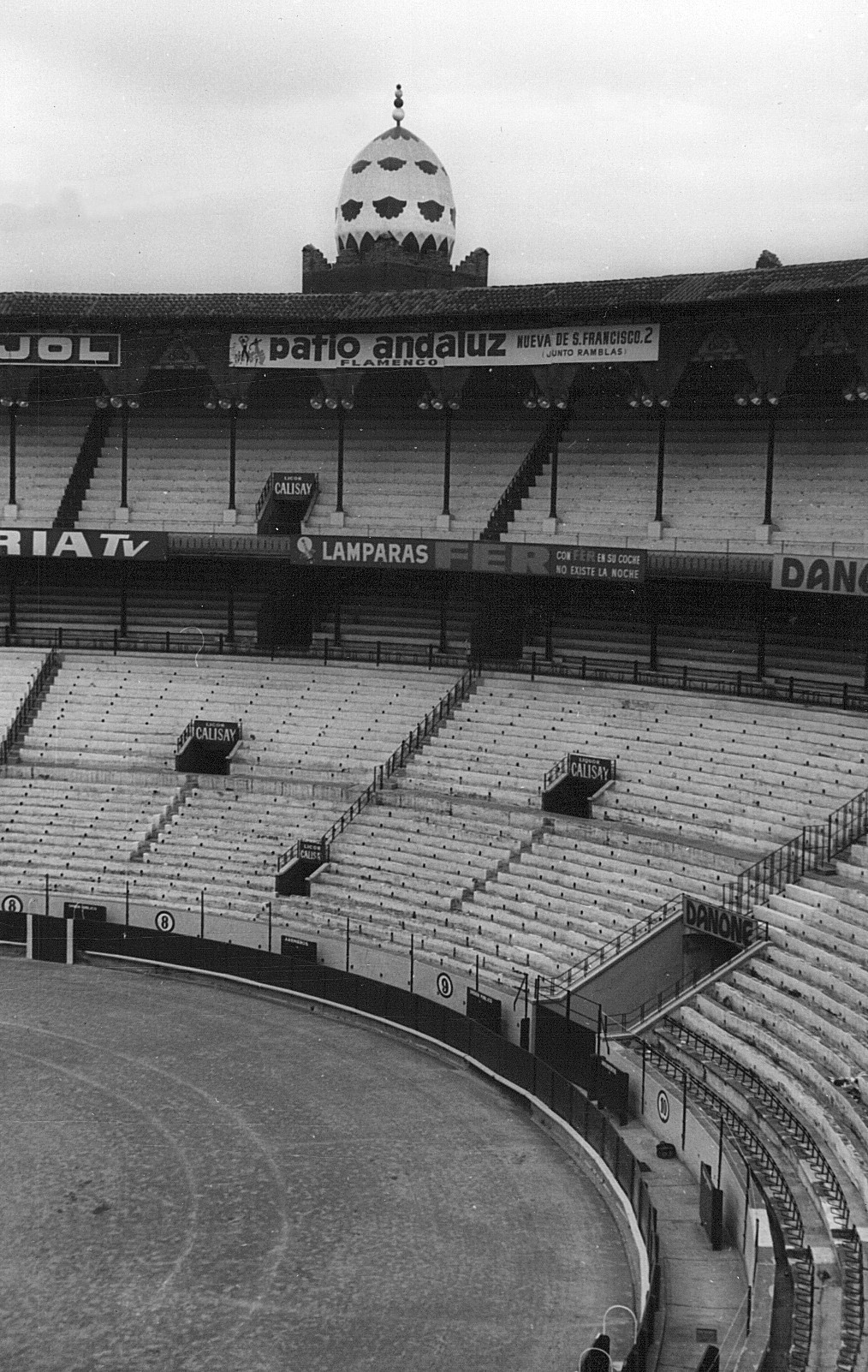
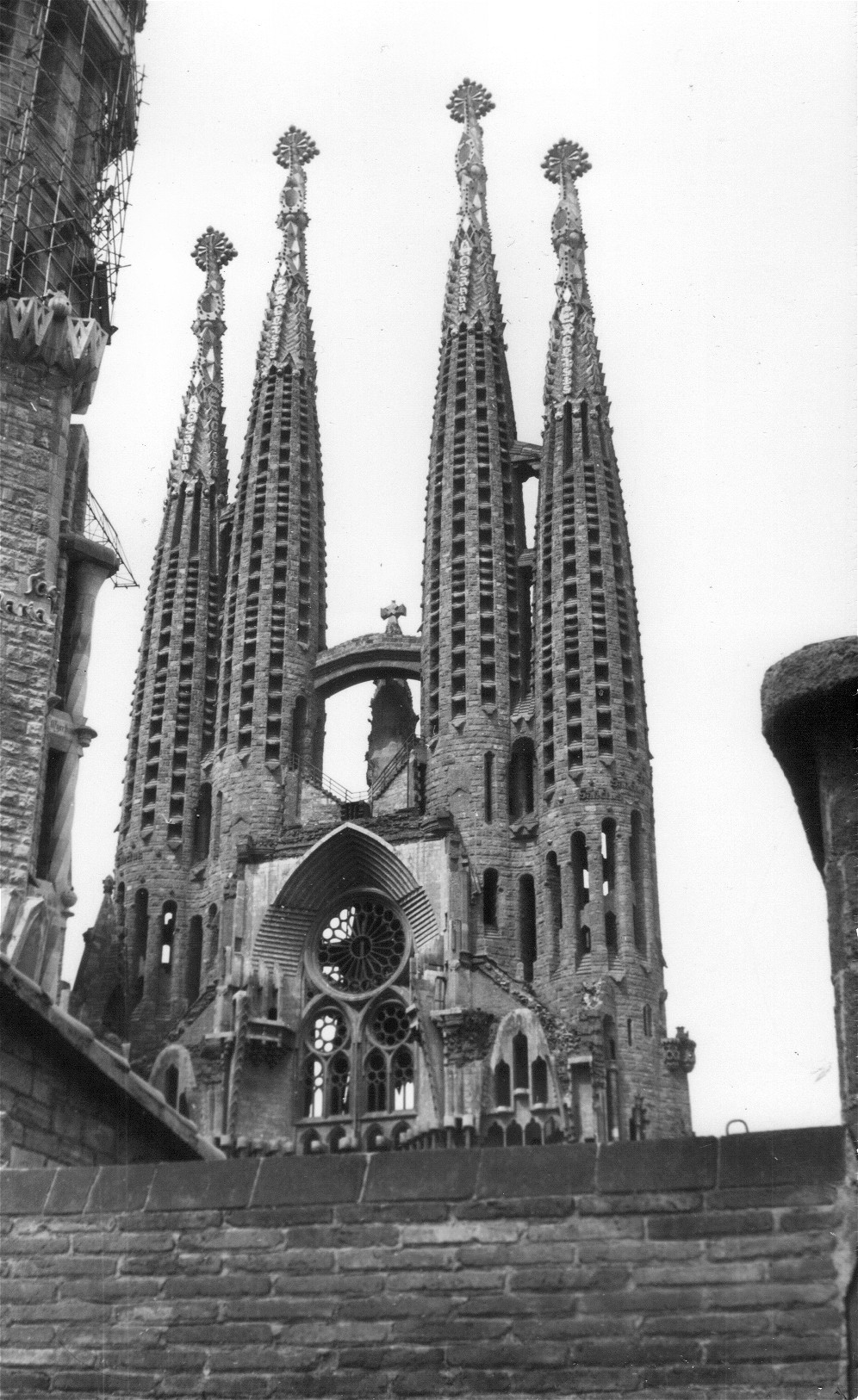
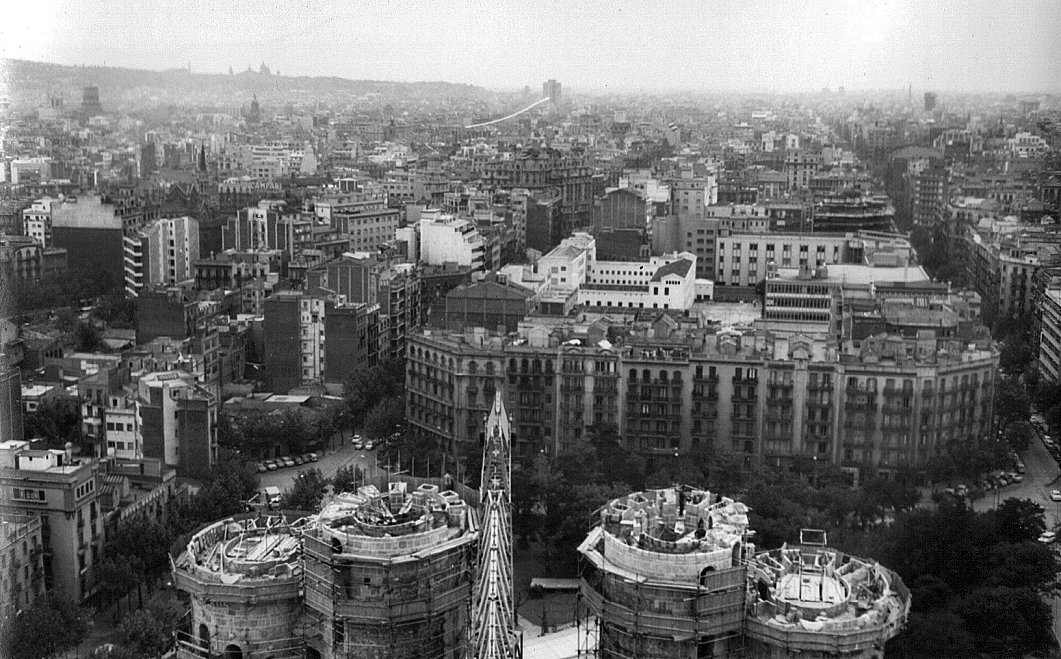
Barcelona, 1970

Nativity façade of the Sagrada Familia at Sunset. Unretouched.

Looking up the tower stairway

Plaza de Toros

Sagrada Familia – Completed Nativity Façade spires.

Passion Façade spires under construction

Barcelona to the east, viewed over the rising spires of the Passion Façade.

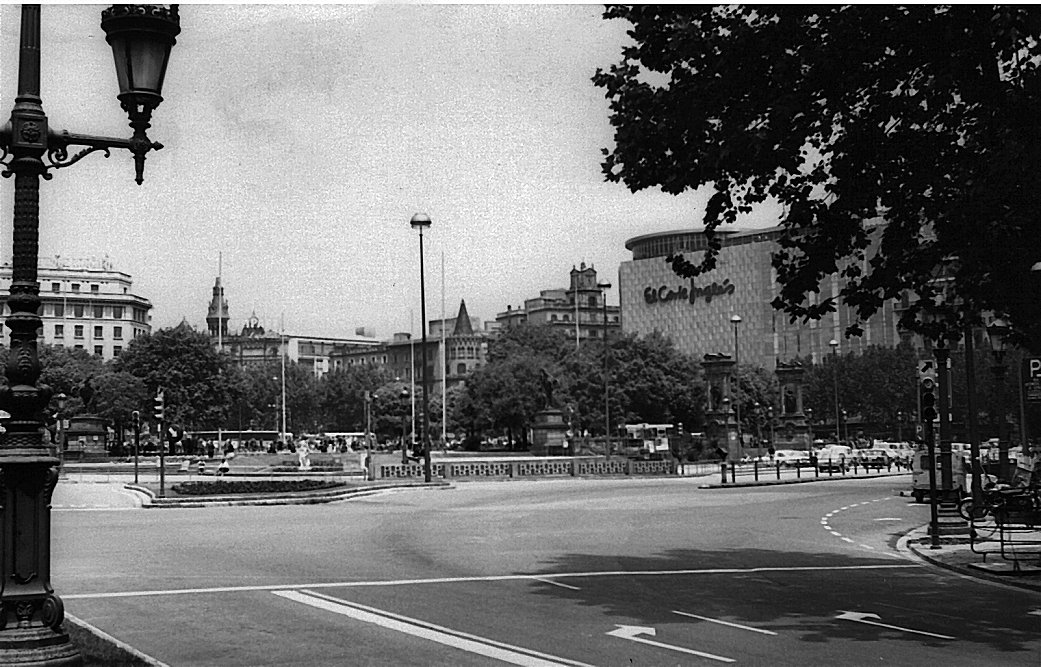
Plaza de Catalunya

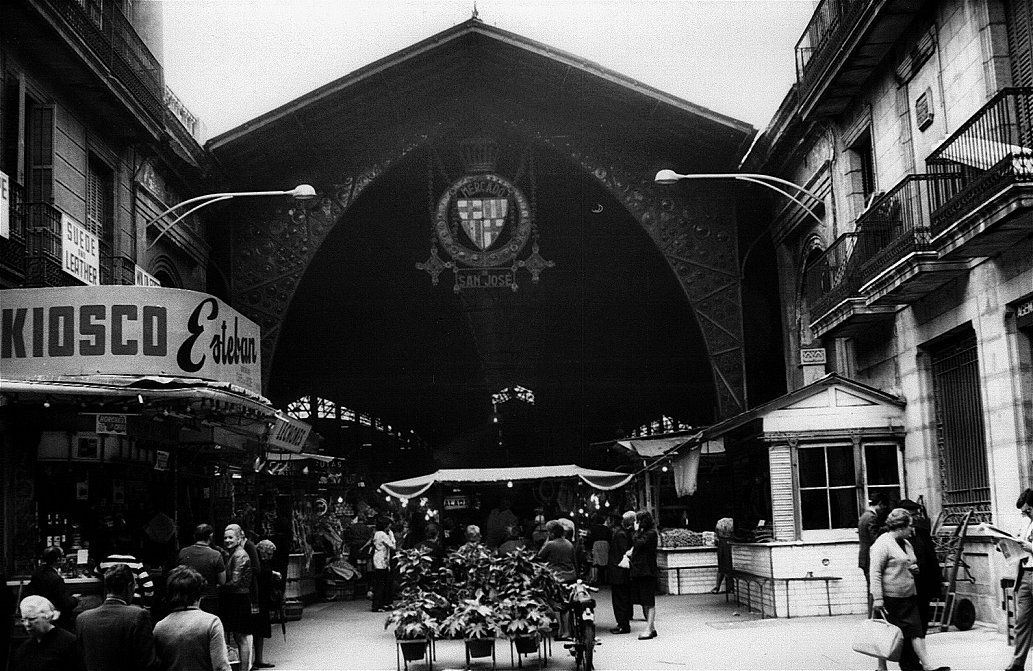
Mercado in San Jose

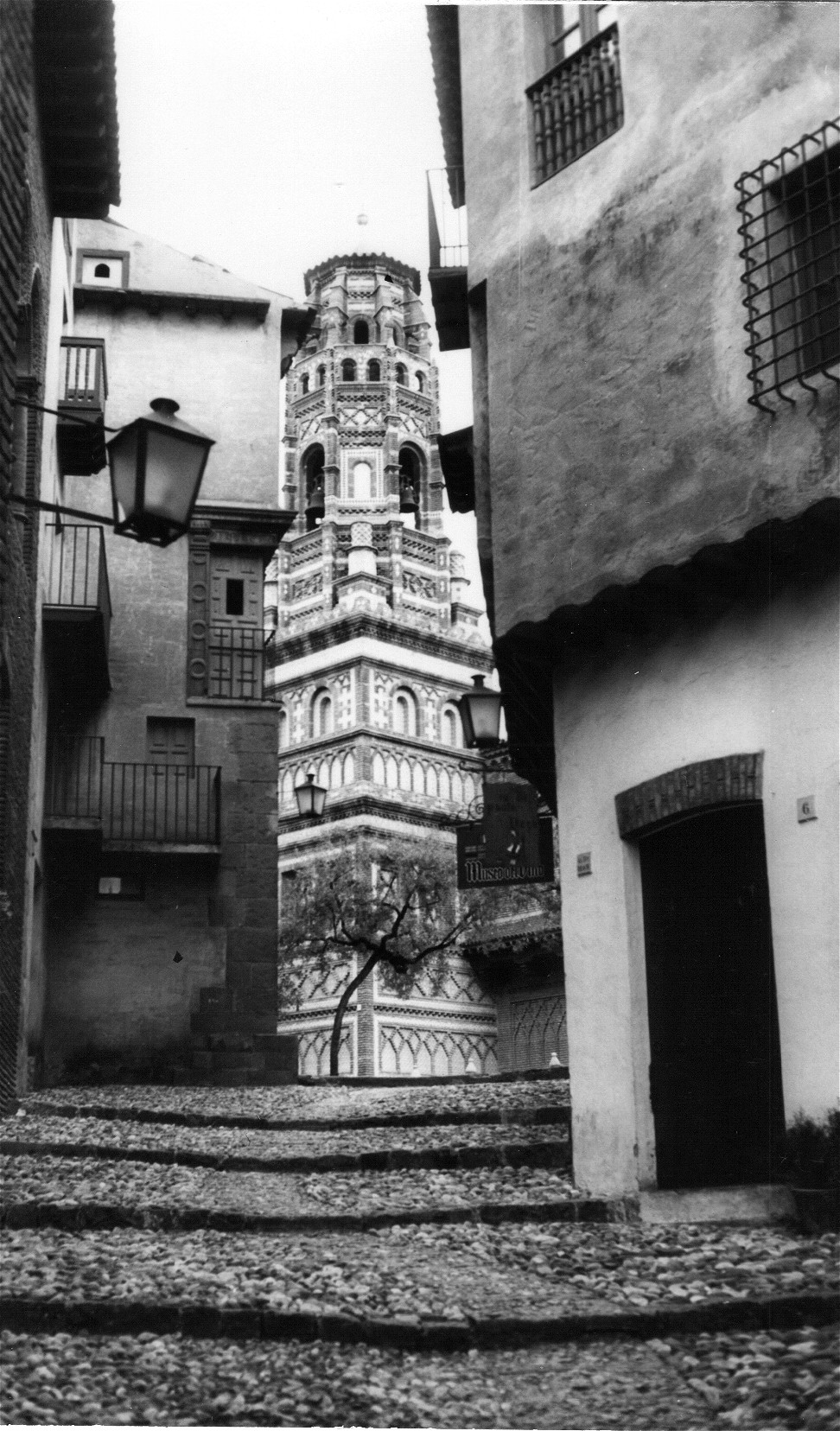
Spanish Village

All photos ©1970-2012 Old Wolf Enterprises

El vell llop ha parlat.


Stuttgart, 1970

In 1970 I took a little junket to Stuttgart to see a young lady with whom I was terminally smitten; I was living in Naples at the time, and she was on a study-abroad program with Gettysburg College where I had met her in 1968. Alas, my heart was broken, but it was an awesome trip nonetheless.

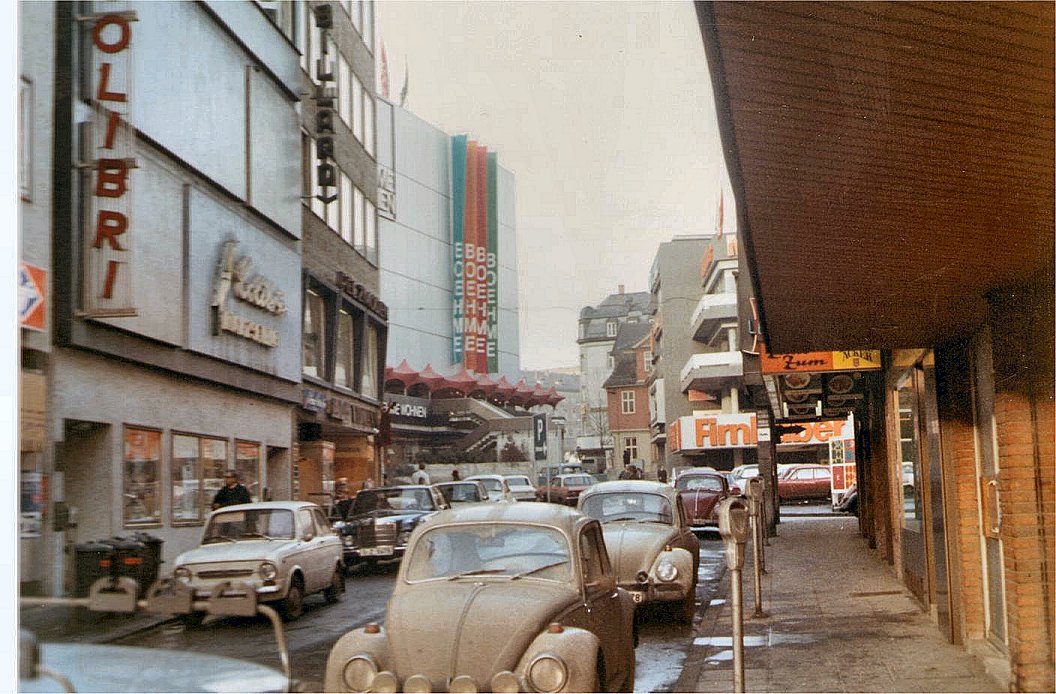
Stuttgarter side street, 1971.

Downtown Stuttgart.

I had lunch in the little Zum Zum on the right – Grillhaxen and Dunkelbier, if I remember aright.

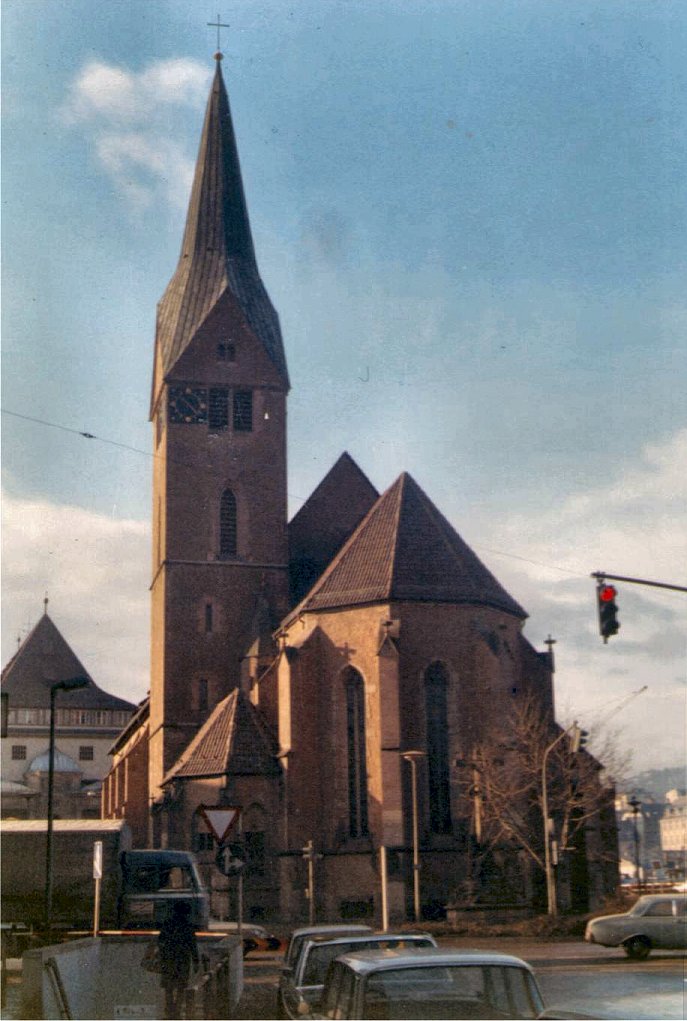
Leonhardskirche Stuttgart

Agricultural protest against the policies of Willy Brandt.

Unusual, since a number of his social reforms were targeted at benefiting farmers.

The Old Wolf hat gesprochen.

Egypt, 1976

In December of 1976 I had the chance to visit Egypt. This is a small sample of some of my favorite images from the trip.

Aswan – Aga Khan Mausoleum

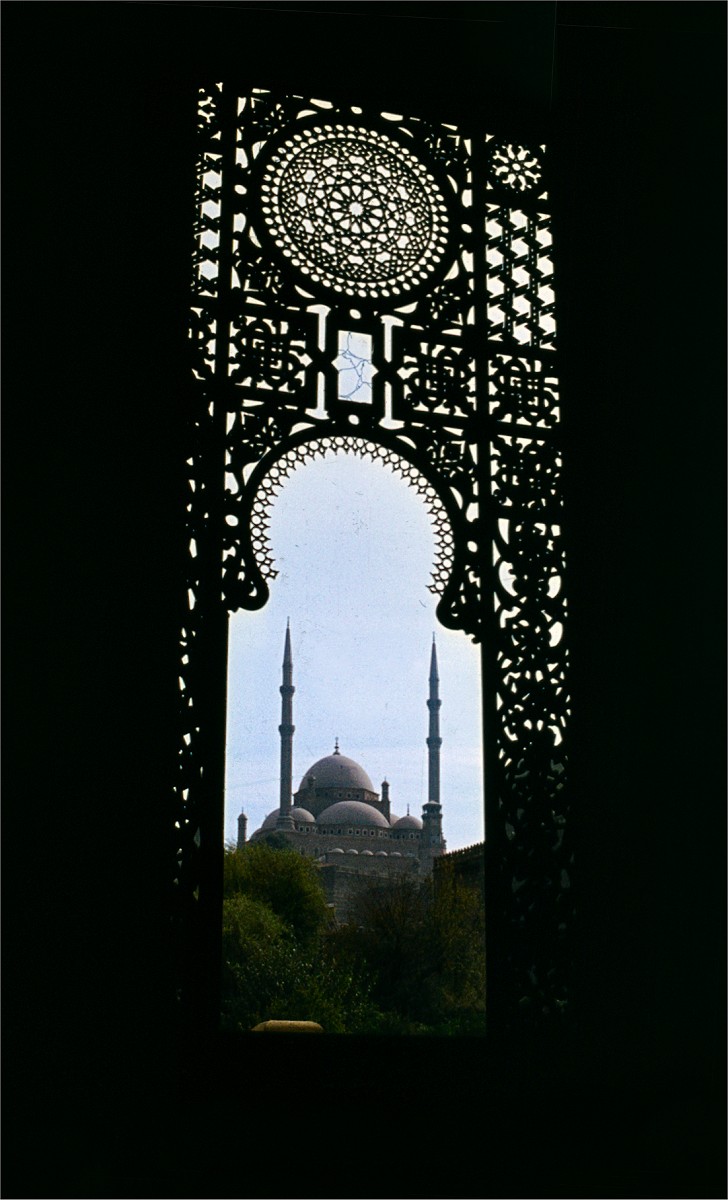
Cairo – Muhammad Ali Mosque

Abu Simbel temple exterior

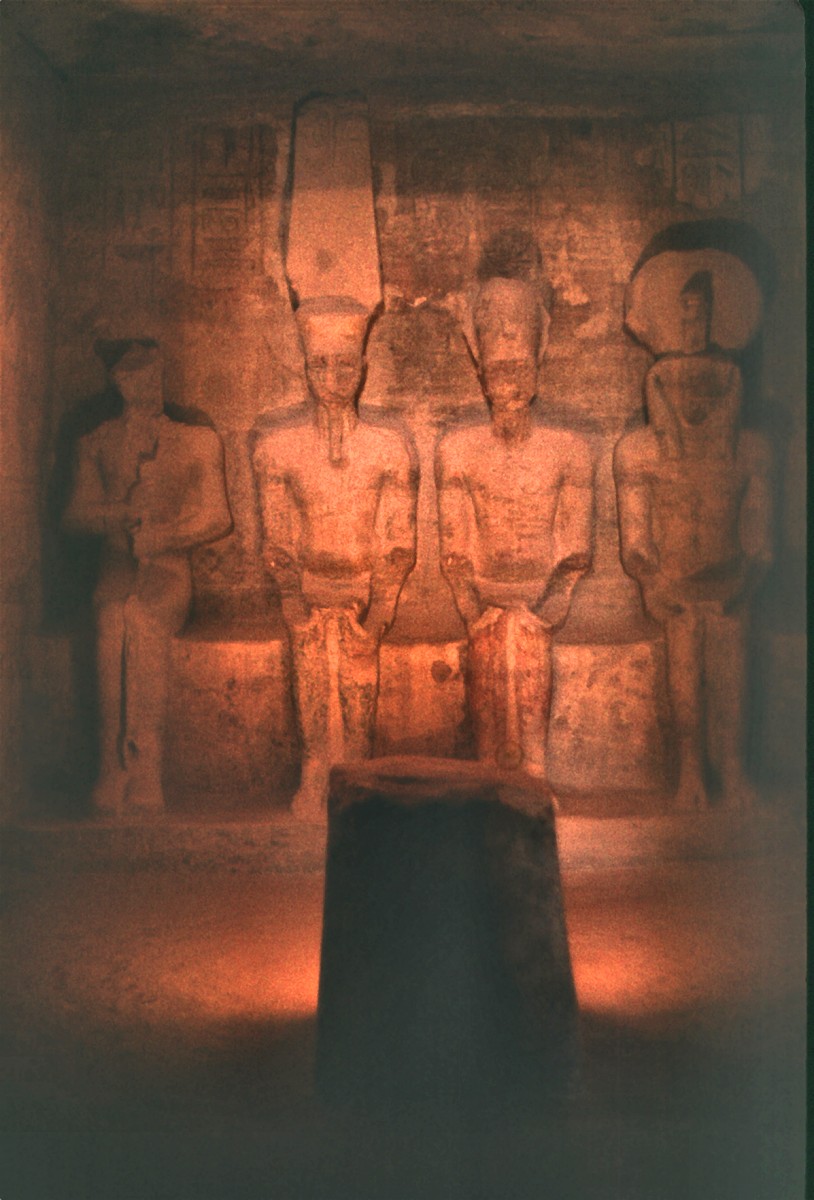
Abu Simbel Temple – Interior

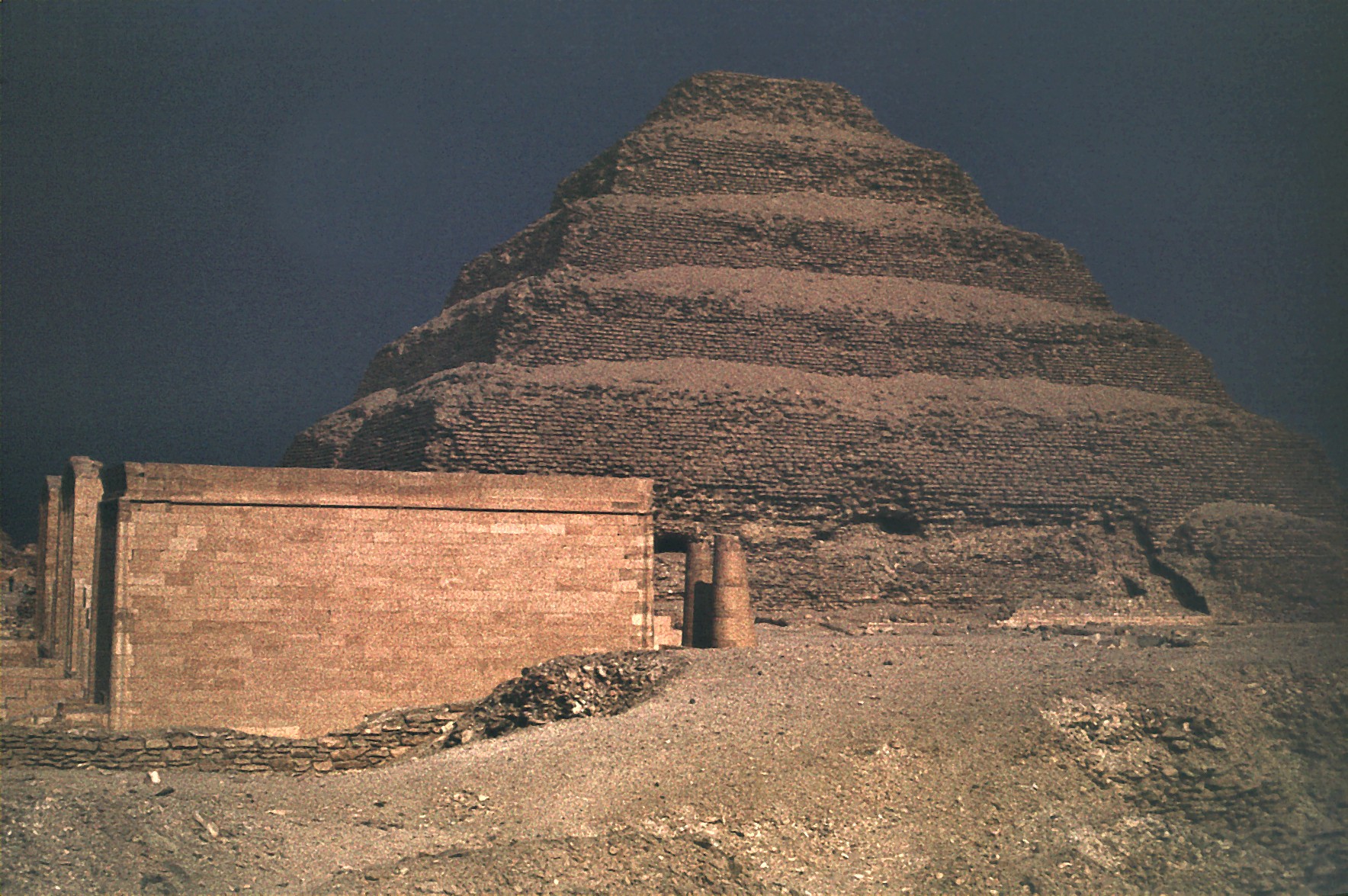
The Step Pyramid of Saqqara

The Father of Terror

Cairo – Ramadan booth

Colossus at Memnon.  This always calls to mind the famous poem:

Ozymandias

By Percy Bysshe Shelley

I met a traveller from an antique land,
Who said—“Two vast and trunkless legs of stone
Stand in the desert. . . . Near them, on the sand,
Half sunk a shattered visage lies, whose frown,
And wrinkled lip, and sneer of cold command,
Tell that its sculptor well those passions read
Which yet survive, stamped on these lifeless things,
The hand that mocked them, and the heart that fed;
And on the pedestal, these words appear:
My name is Ozymandias, King of Kings;
Look on my Works, ye Mighty, and despair!
Nothing beside remains. Round the decay
Of that colossal Wreck, boundless and bare
The lone and level sands stretch far away.”

Aswan – Christmas Day, 1976

Aswan – Overlooking the Nile

Luxor

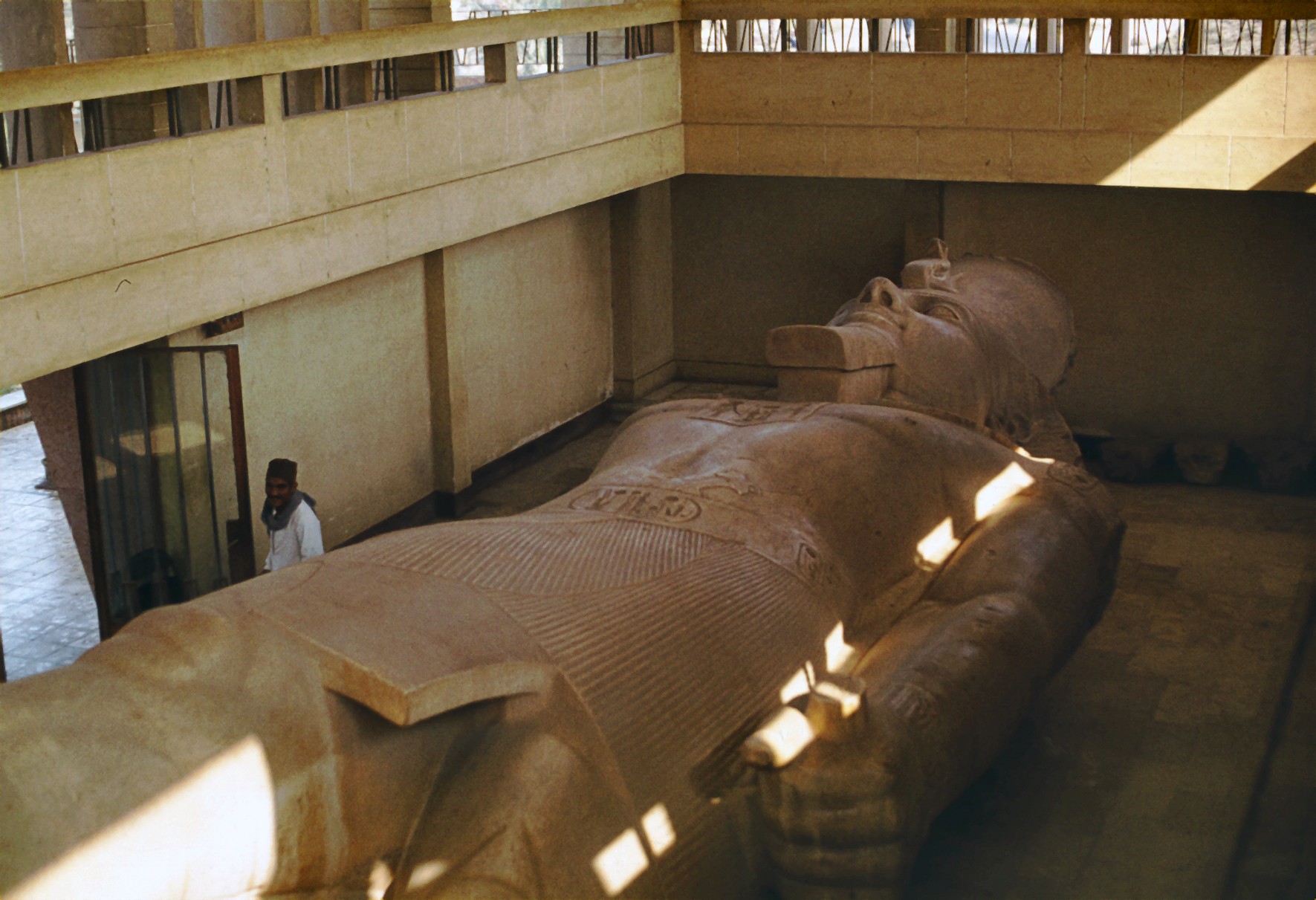
Memphis – Reclining Ramses II

This was a phenomenal trip – 2 weeks in an amazing country. Al Qahira munwwara bi Ahlaha!

All images ©1976-2012 Old Wolf Enterprises

♬He’s a born undertaker’s mute…

… I can see him in his small black suit,
Following behind the funeral procession
With his features fixed in a suitable expression. ♬

That’s Your Funeral, Oliver, London and original Broadway productions

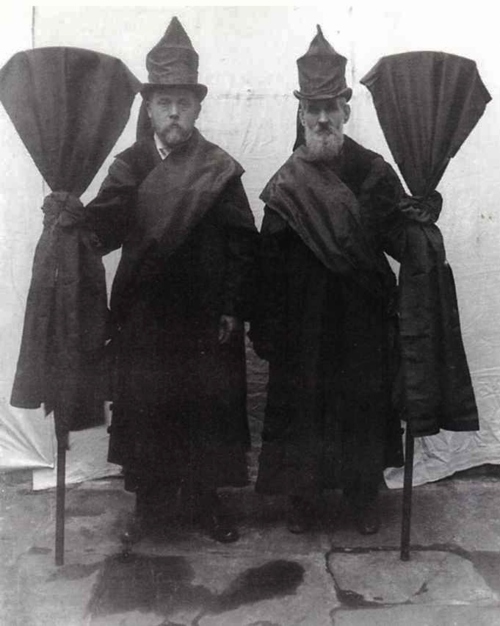
From about 1600 to 1914, there were two professions in Europe now almost totally forgotten. The mute is depicted in art quite frequently but in literature is probably best known from Dickens’ “Oliver Twist.” Oliver is working for Sowerberry’s when this conversation takes place: “There’s an expression of melancholy in his face, my dear … which is very interesting. He would make a delightful mute, my love”. The main purpose of a funeral mute was to stand around at funerals with a sad, pathetic face. A symbolic protector of the deceased, the mute would usually stand near the door of the home or church. In Victorian times, mutes would wear somber clothing including black cloaks, top hats with trailing hatbands, and gloves. (Wikipedia)