The World’s Largest Gold Ingot

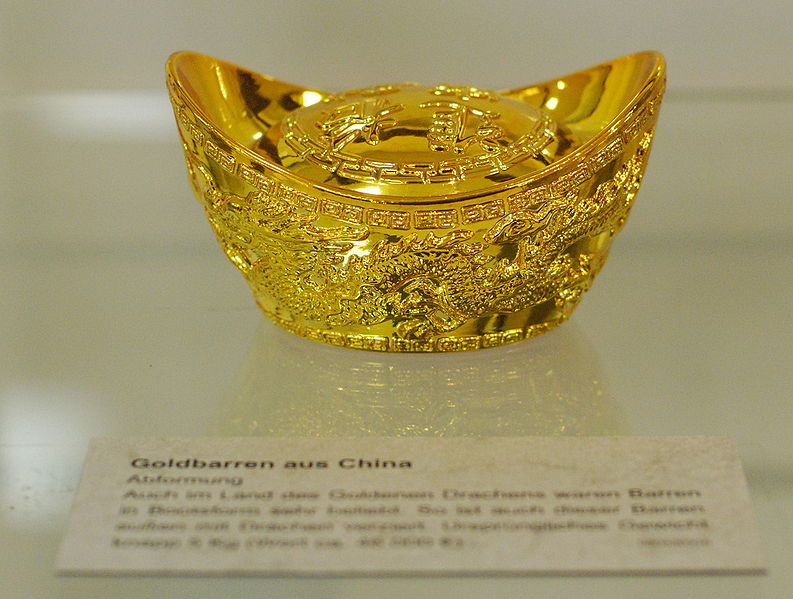
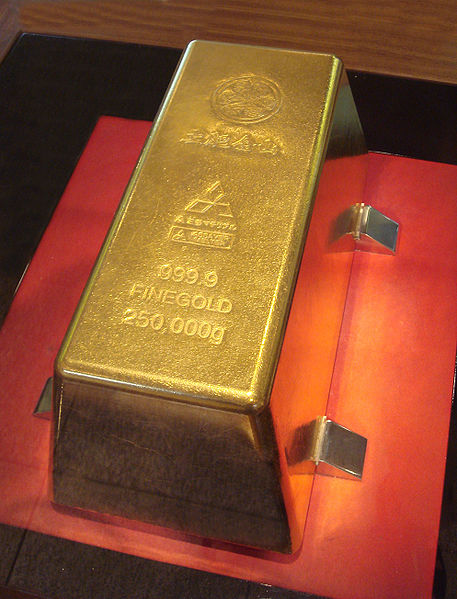
At today’s gold spot prices, 250 kg of gold would be worth $12,503,668.00. This bar, about 17″ long and manufactured by Mitsubishi Materials Corporation, is on display at the Toi gold mine. At 550 lbs, even without all the security measures that must be in place, they don’t have to worry about a single individual trying to haul this off.

In retrospect, this Lao Fu Zi cartoon makes a lot of sense, given the weights involved:

The large ingot must weigh over half a ton; in the days before the internet, I always wondered why wealth was represented by that strange hat-like object.

Shown above, an imperial gold sycee.

The internet is a massive time-sink for the undisciplined soul such as I, but it also feeds my thirst for knowledge. Trouble is, it’s like feeding from a fire hydrant.

The Old Wolf has spoken.

Lovely architecture

Strange is good. Conventional is boring.

From 150 Strange Buildings of the World comes this collection of eye-openers.

The Free Spirit Spheres always make me think of Riven whenever I see them.

See the rest of the collection here.

One of my favorite examples of brilliant creativity is Vienna’s Gas Tank City. Constructed in1896, and used to store the gas that supplied Vienna, these four giant gasometers are now used as modern and original living spaces.

These places always reminded me vaguely of the concept of arcologies, most prominently featured in SimCity 2000.

The Old Wolf has spoken.

Bricks of Wine

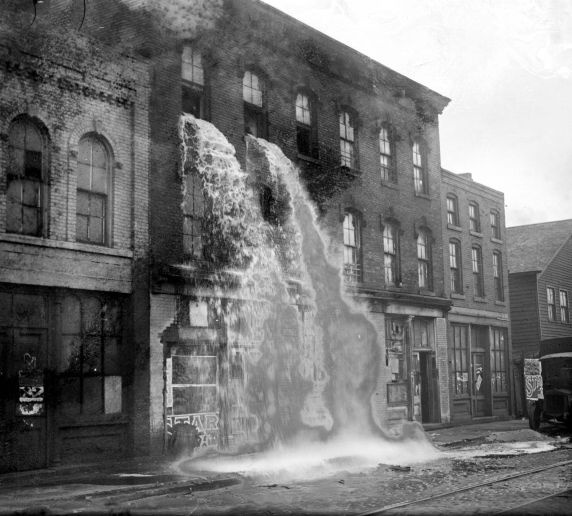
On the subject of “don’t do this,” a more humorous example is found during the Prohibition era.

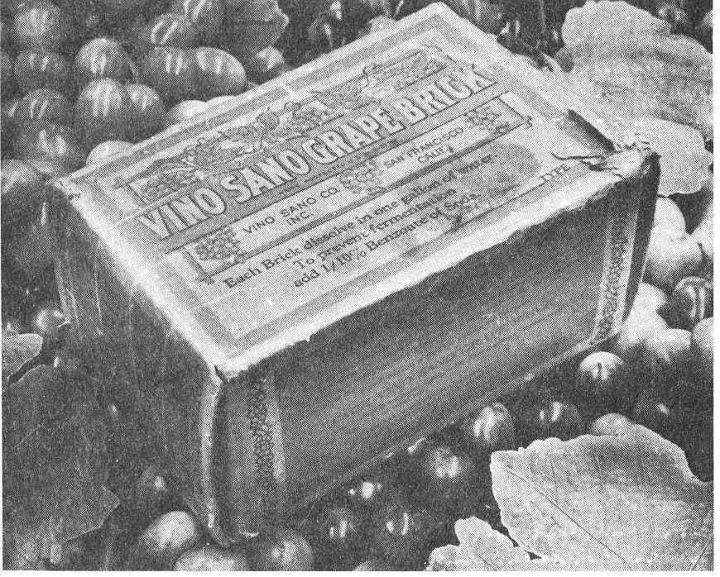
Section 29 of the Volstead Act allowed 200 gallons of “non-intoxicating cider and fruit juice” to be made each year at home.  Initially “intoxicating” was defined as anything more than 0.5%,  but the Bureau of Internal Revenue soon struck that down and this effectively legalized home wine-making. Vintners increased their output drastically, and products like the above “grape brick” soon saw wide popularity.

The bricks came with a warning label that said, “After dissolving the brick in a gallon of water, do not place the liquid in a jug away in the cupboard for twenty days, because then it would turn into wine” or in the case of the brick pictured here, “To prevent fermentation, add 1/10% Benzoate of Soda.”

Remember that.

The Old Wolf has spoken.


Be sure not to do this to bypass federal law

This post started with a memory. I was thinking about a vacation trip my wife and I took this summer, and a humble motel in South Paris, Maine. I wrote about Goodwin’s Motor Inn over at Yelp, and one of the things I said was:

“The bathroom was well-cleaned. The shower head must have been installed back in the days before the government took to shoving its nose in everyone’s business, and to Pluto with water-saver fixtures, thank you… the absolutely Amazonian cascade of hot water that greeted me when I turned it on was enough to make me cheerfully forgive any other shortcomings the room might have had.”

It really was nice. And I’ve never liked water-saver shower fixtures from the time they became federally mandated; you can certainly get clean with 2.5 gallons per minute, but most of the time I just don’t feel like I’ve had that real cascade experience I grew up with in the 50’s.

I know I’m not the only one. Here’s a shot from the instruction sheet of a WaterPik shower head:

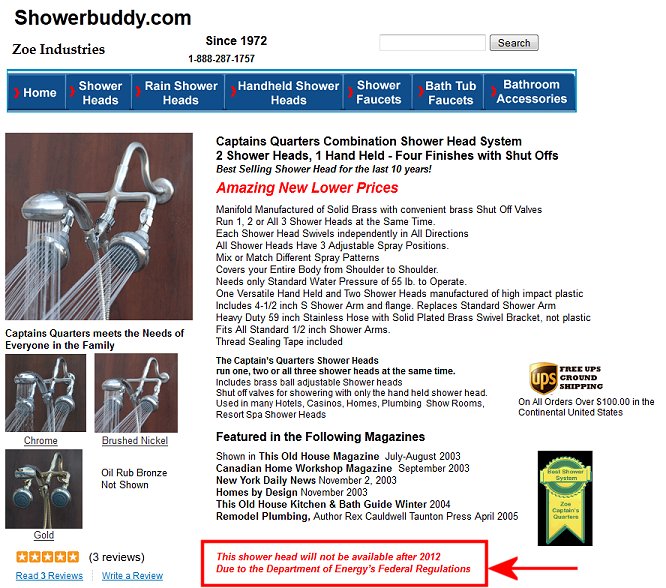
Other companies have tapped into consumer frustration with low water flow; Zoe Industries, realizing that the DOE regulations were written on a per head basis, began manufacturing some lovely multi-head devices, some with up to eight nozzles.
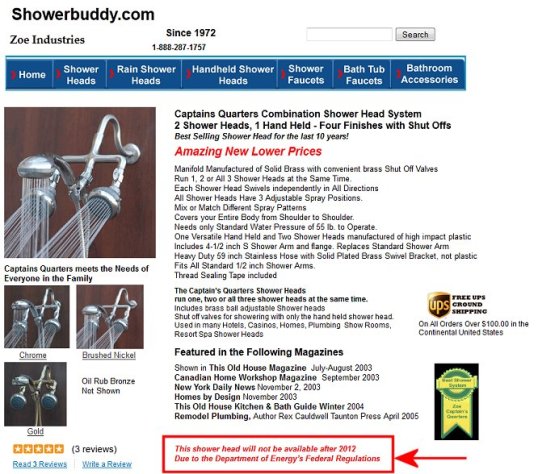
Unsurprisingly, the government was not happy with this arrangement, and not only did they re-write their regulations to bypass the per-head loophole, they levied fines of close to half a million dollars against Zoe for non-compliance. Even though that particular emmerdement was “settled” and Zoe only had to pay around $30,000, the company will have to stop manufacturing its multi-head fixtures at the end of 2012, and the company is fighting for its life. If you want one, you’ll have to hurry.

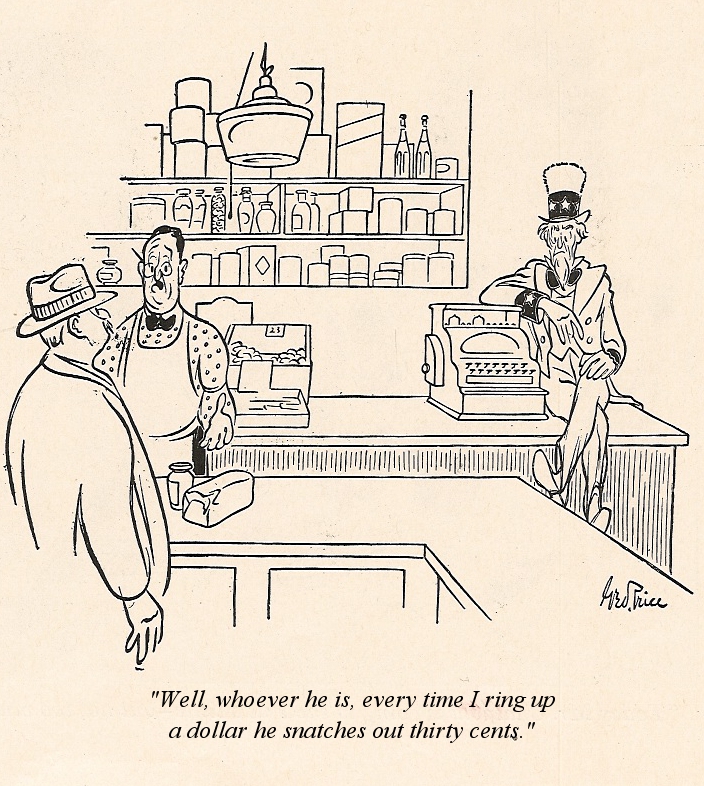
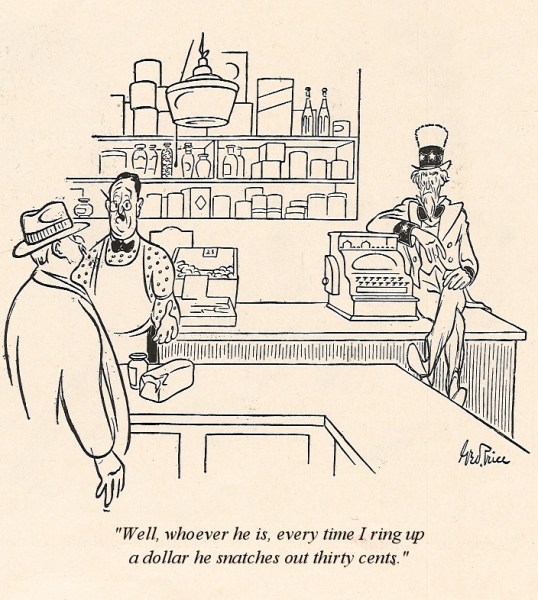
There’s something fundamentally annoying about government interference in private life and private business; an early cartoon dealing with income taxes still resonates today:
In the case of water, however, it’s quite plain that more is at stake than just personal convenience, because water is a global concern.
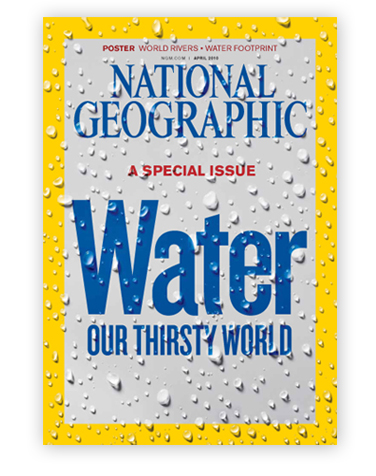
The special Water Issue is available online.

71% of earth’s surface is covered with it, yet wars are fought over access to enough. As the population of our planet continues its more than exponential growth, ensuring access to clean water for the world’s population will continue to become more difficult.

As Americans, we belong to the 8 nations that consume over 50% of the world’s fresh water resources:

That usage is not just based on personal consumption, but also on the amount of water required to produce food and other products; our hunger for beef and other meats is responsible for a large percentage of our overall use, as outlined in an article Treehugger.

In the case of water, the science is clear; we have to conserve, or we’re going to run out; living in a desert state drives that message home on a daily basis.

Coming full circle, technology is doing all it can to produce products that save more water without sacrificing performance; the EPA’s WaterSense program is just one example.

I understand the need for conservation, but dang, that shower at Goodwin’s was nice.

The Old Wolf has spoken.
Heiligenblut and Großglockner, Austria, 1975

In a previous post I put up some Austrian travel posters; one of them focused on Heiligenblut,  a town in northwest Kärnten in Austria, nestled at  the foot of Großglockner, the highest mountain in that country.

On May 29, 1975, I had a chance to visit the town, and I can say without reservation that the place is truly stunning.

St. Vincent Church, Heiligenblut. The Großglocknerspitze (the summit) was hiding behind the clouds, and as the day progressed the clouds increased, so I felt fortunate to get this shot.

This is probably one of the most picturesque (or, as I think it should be pronounced, “picture-squee” places in the world.

The Old Wolf has spoken.
The Ohnosecond

“That minuscule fraction of time it takes your brain to realize that you’ve just made a GIGANTIC mistake and reconcile the fact that it is too late.”

Like this one:

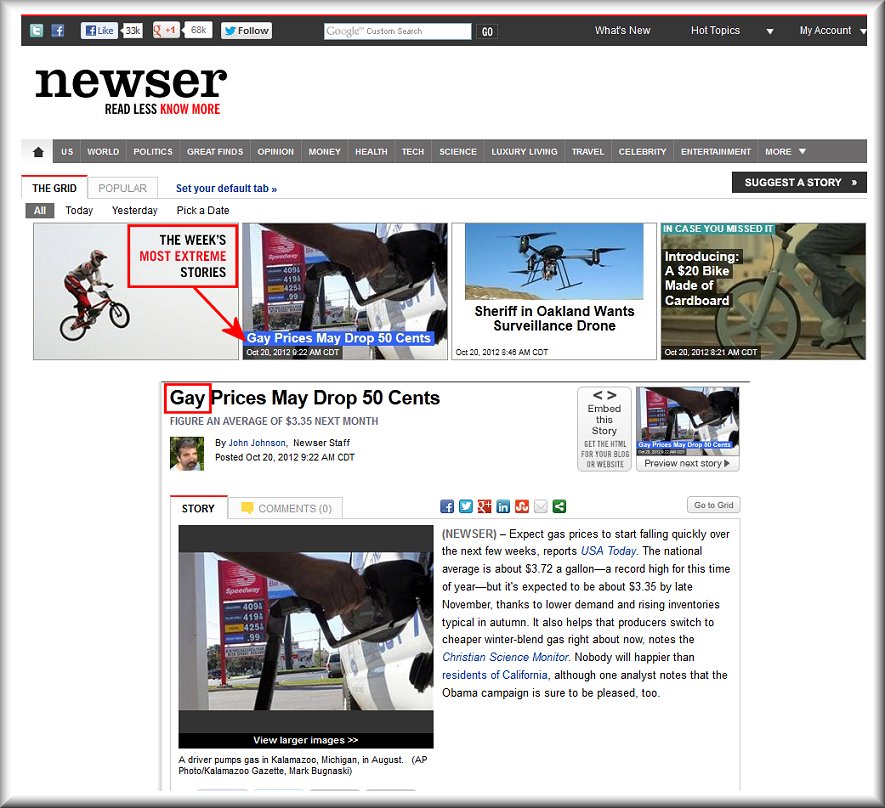
By the time I had this compiled and saved, the error had been corrected… but they were 0.67 ohnoseconds too slow.

Op-Ed: Cycling

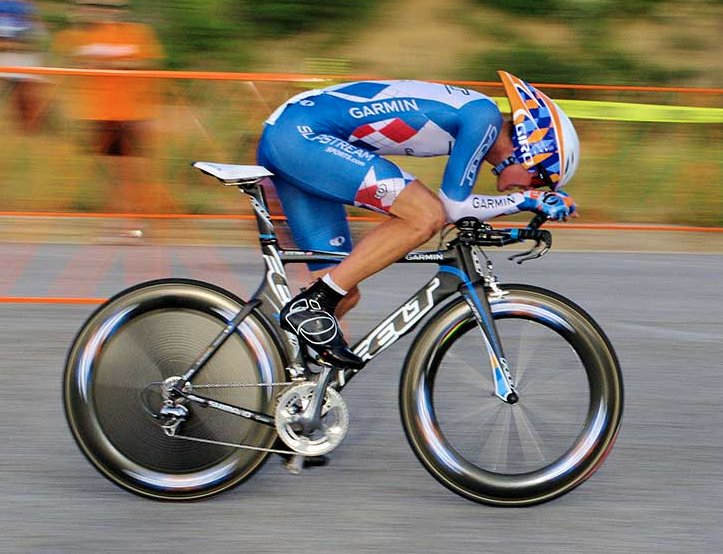
An article at CNN today proclaims “Armstrong doping scandal casts shadow over cycling.” Without going into a long, drawn-out analysis, of which you can find many on the web, I present here a few thoughts on the subject from no less a reliable source than my own rather limited brain.

  1. Doping appears to have been endemic to cycling for a long time. That said, it should be remembered that banned substances don’t make you a superman, they just give you a competitive edge in a sport where seconds count. A lot of people made some lousy choices “because everyone was doing it,” but nothing should take away from the fact that Mr. Armstrong and his colleagues were incredible, driven athletes who spent agonizing hours, months, and years in training and against incredible odds.
  1. Sponsors are fleeing in droves, if only to protect their own bottom line from the taint of guilt by association, but they will be back when the sport has cleaned house.
  1. Livestrong has done incredible things in the support of those suffering from cancer. The errors of the man should not take away from the successes of the foundation.
  1. Cycling will survive. The microscope now trained upon the sport is a sure guarantee that steps will be taken to purge the doping culture, dial back the expectations about 10%, and rebuild the sport on a clean footing. Rabobank stated, “We are no longer convinced that the international professional world of cycling can make this a clean and fair sport. We are not confident that this will change for the better in the foreseeable future,” but that’s corporate weasel-speak for “we’re covering our own asses.”

Ceteris paribus, there may not be another Lance Armstrong waiting in the wings at the moment, but given the history of sports in general, I have no doubt there will be another champion before too long, one who can make both spectators and sponsors sit up and take notice. It may be a long road back, but long roads, with lots of hills, are what these athletes are used to.

The Old Wolf has spoken.