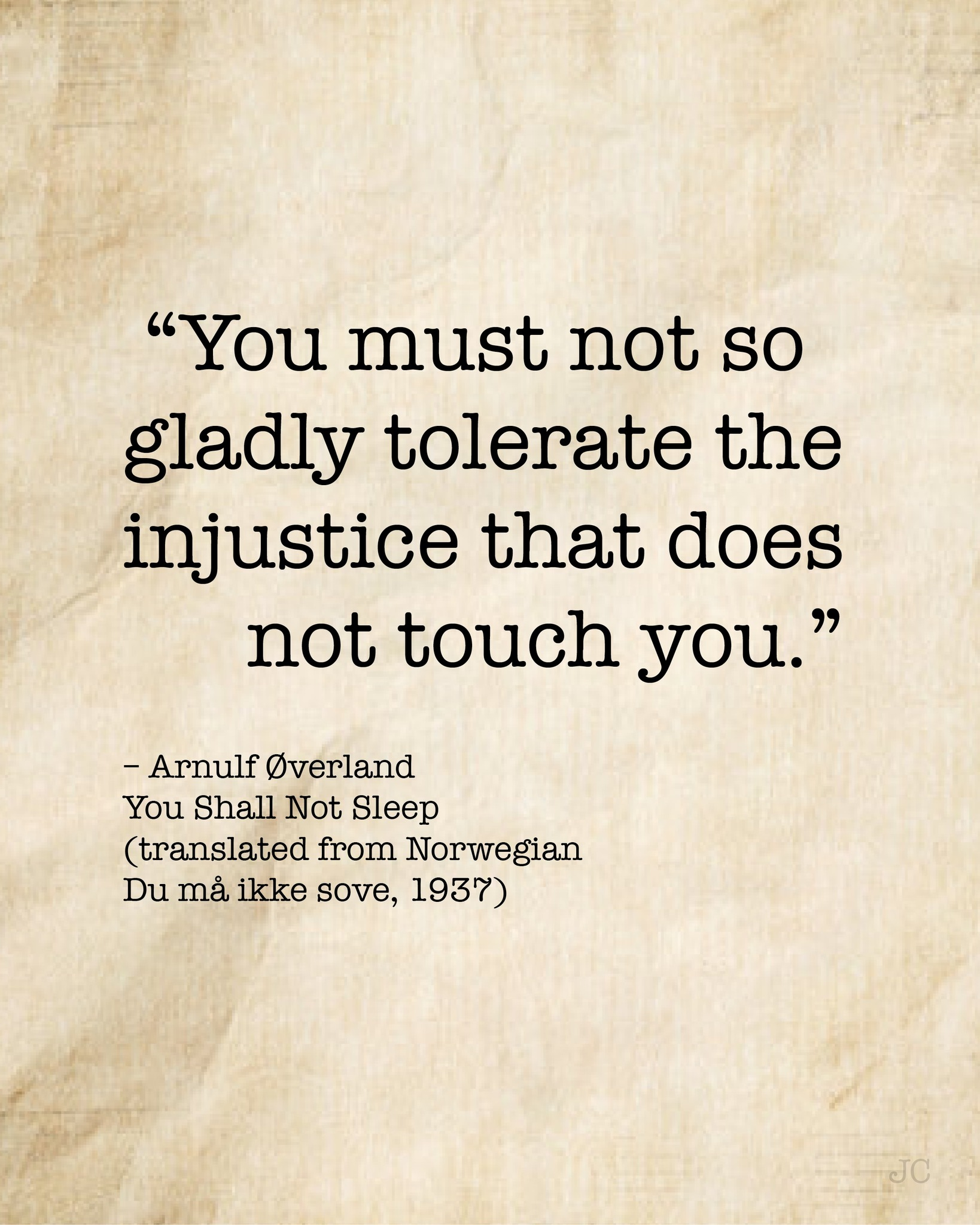
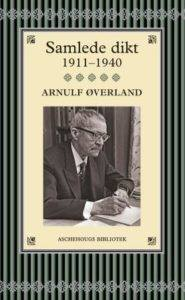
“Arnulf Øverland (1889 – 1968) was a Norwegian author, poet, and nationalist. “Du må ikke sove” (You Must Not Sleep) was published in 1937, and is seen as a warning against Nazism and what was to come.
During the war, Øverland wrote several famous resistance poems, and was imprisoned in Møllergata 19, Grini and Sachsenhausen. He survived all three, and after the war became involved in the Norwegian language struggle as chairman of the Riksmålsforbundet (“The Riksmaal Society – The Society for the Preservation of Traditional Standard Norwegian”).”
We should be paying attention to what is happening in America today, instead of sleeping. This is reminiscent of Ben Franklin’s warning, “We must all hang together, or assuredly we shall all hang separately.”
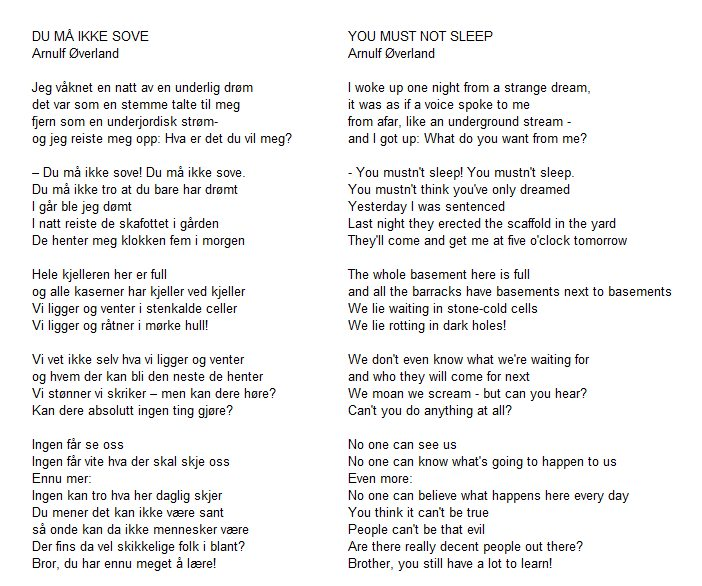
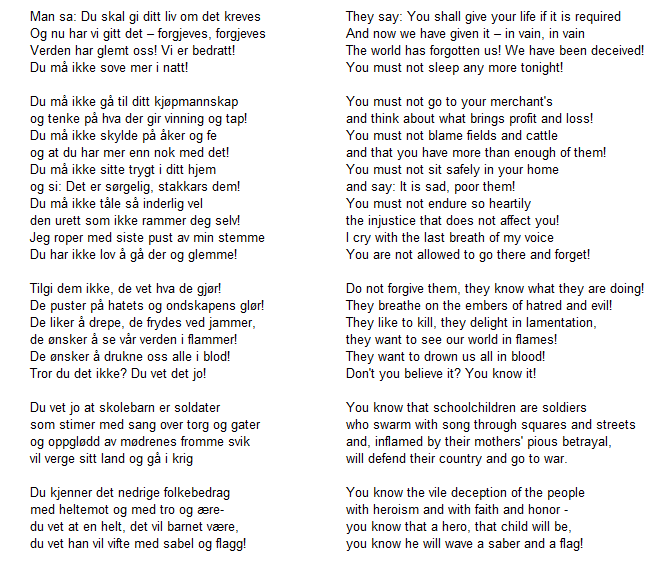
Original Norwegian and English translation side-by-side
The Old Wolf has nothing more to say, Øverland has said it all.
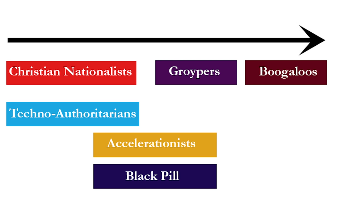
This video by Ronan Farrow clearly delineates the main far-right movements current in America. There are others, but these are the dominant ones infesting our society, and it helps to understand them.
Ronan Farrow
Below you will find the transcript of his remarks:
“In the wake of Charlie Kirk’s assassination there has been a lot of discussion about the “far right” movement he was part of. But the “far right” is a spectrum of different movements, and understanding them might help you understand what is happening in America.
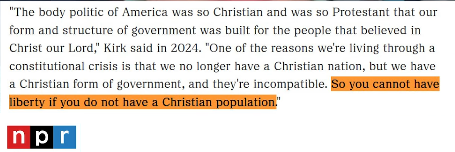
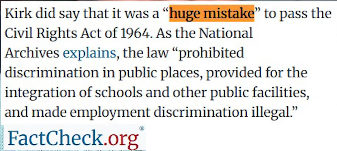
First, Christian Nationalism. This group’s leaders, like Kirk and Marjarie Taylor Greene, tap into valid frustrations with broken systems, but also exploit xenophobia and racism. They believe that the US was founded as, and must be restored to a Christian State. For many of them, that means white dominance and nonwhite immigration and multiculturalism are threats. Kirk himself said, “You cannot have liberty if you do not have a Christian population” and called the Civil Rights Act a “huge mistake.”
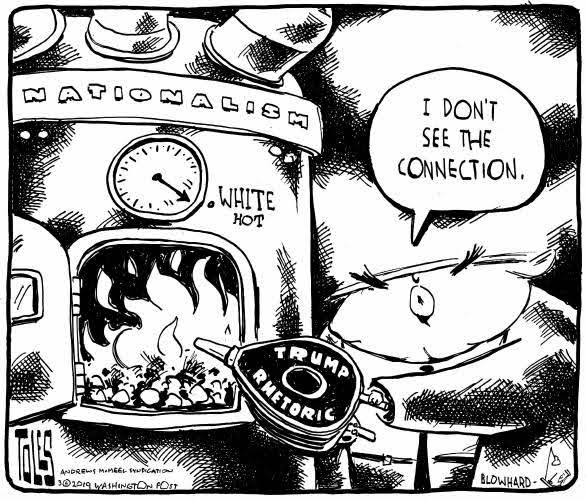
The movement works within the system, and its leaders don’t openly call for violence, but their rage baiting rhetoric has inspired it, with adherents participating in the January 6th attack.
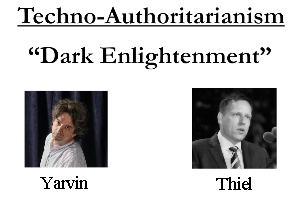
A different strain is the Techno-authoritariarian or Dark Enlightenment movement, pushed by Curtis Yarvin and Silicon Valley billionaire supporters like Peter Thiel.
They hold that democracy has failed, and want an authoritarian society run like a corporation, by an unelected CEO-monarch and enforcing a stratified racial hierarchy based on pseudoscience.
Finally, a view gaining ground across the far right is accelerationism. That’s the belief that society is byond saving and its collapse needs to be hastened.
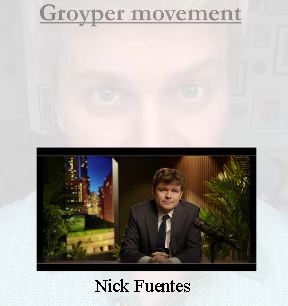
This view is held by many within the Groyper movement, which is led by Nick Fuentes and seeks to establish a white, Christian, anti-Semitic, authoritarian state.
It’s named after its racist meme toad mascot. Fuentes avoids direct calls to violence, but his followers rely on online harassment, including threats of violence against political opponents and minorities. Some were also charged for their rôle on January 6th.
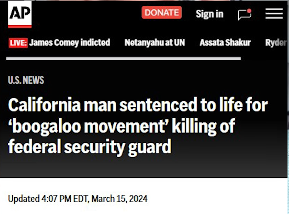
The Boogaloo movement on the other hand explicitly calls for violence against the government. Its name drawn from memes about the ’80s movie “Breaking 2, Electric Boogaloo” is a reference to a second civil war. Self-described ‘boogaloo bois” have been convicted of domestic terrorism plots and murders of government officials.
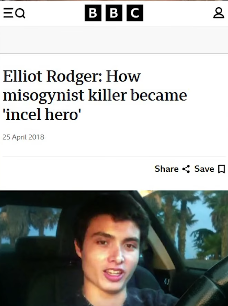
A more personal nihilism is embodied in the Black Pill worldview, which cuts across these movements. Its adherents often identify as incels and they want to destroy the progressive society that empowered women to reject them. The name comes from The Matrix, which is ironic. Since that film’s directors have said that the pills were a trans allegory.¹ Black pill followers are mainly misogynistic, but they have a lot of natural overlap with white supremacists
Most are passive, but the philosophy has inspired several mass murders.
People in this country are hurting. They are frustrated with systems that are rigged against them. You can see how those anxieties are exploited in these groups and their visions from building an authoritarian state to just watching the world burn.
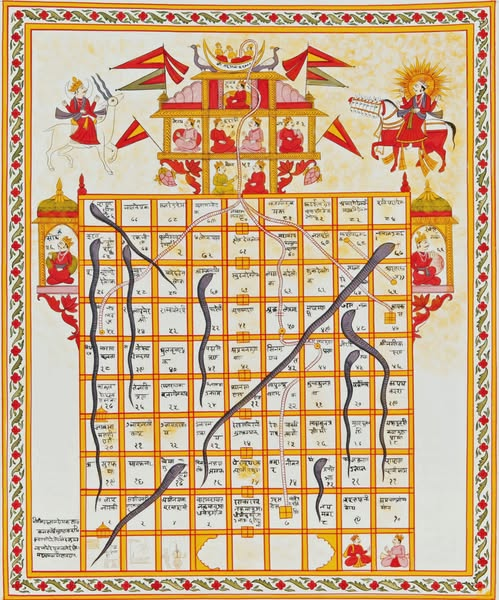
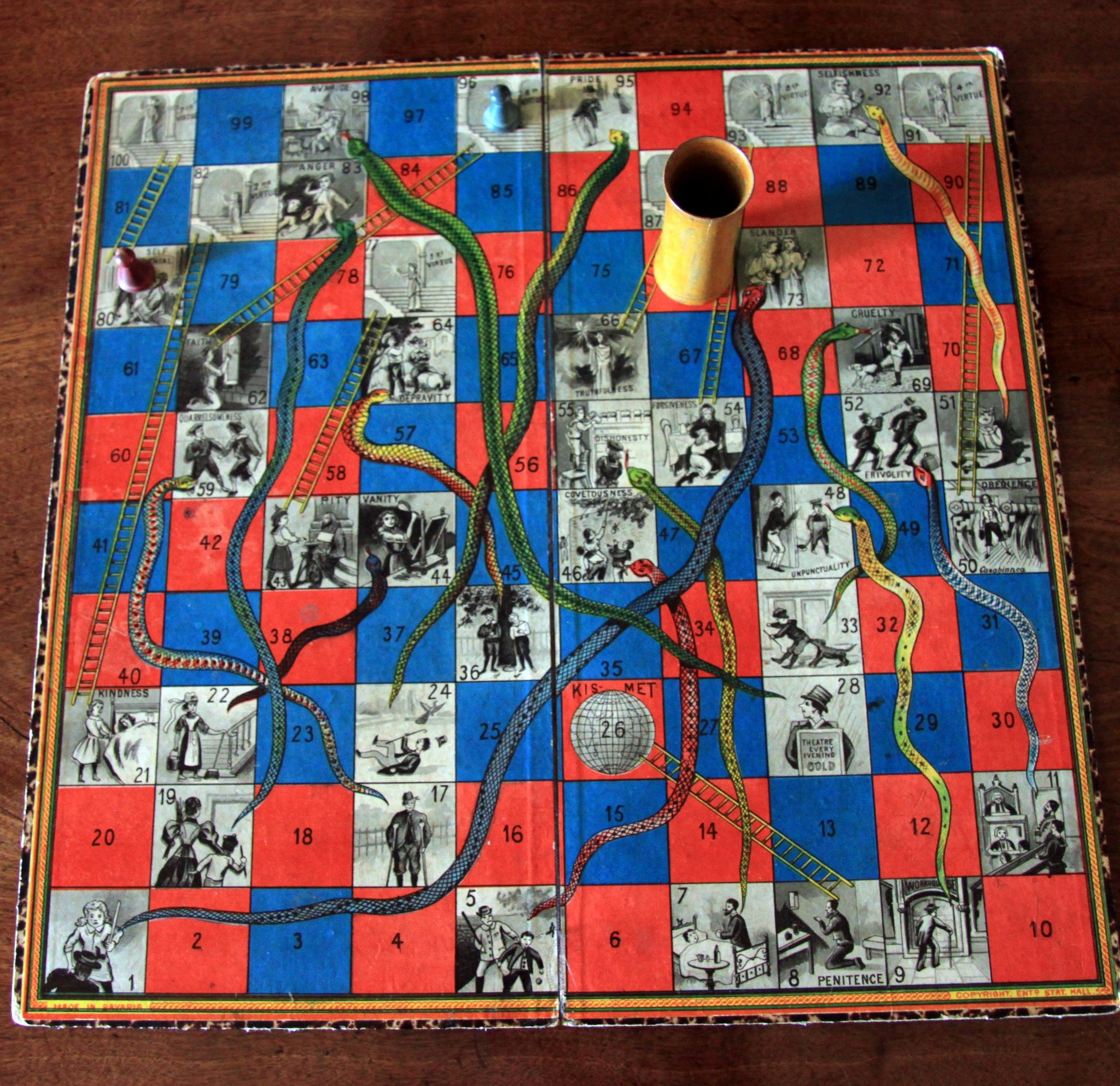
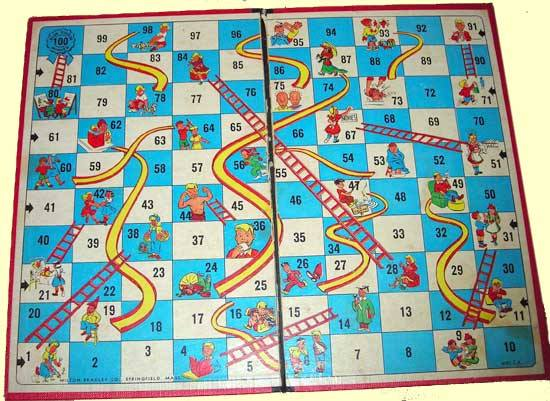
Snakes and ladders (Chutes and Ladders in the USA) is a board game for two or more players regarded today as a worldwide classic] The game originated in ancient India as Moksha Patam¹, and was brought to the United Kingdom in the 1890s.
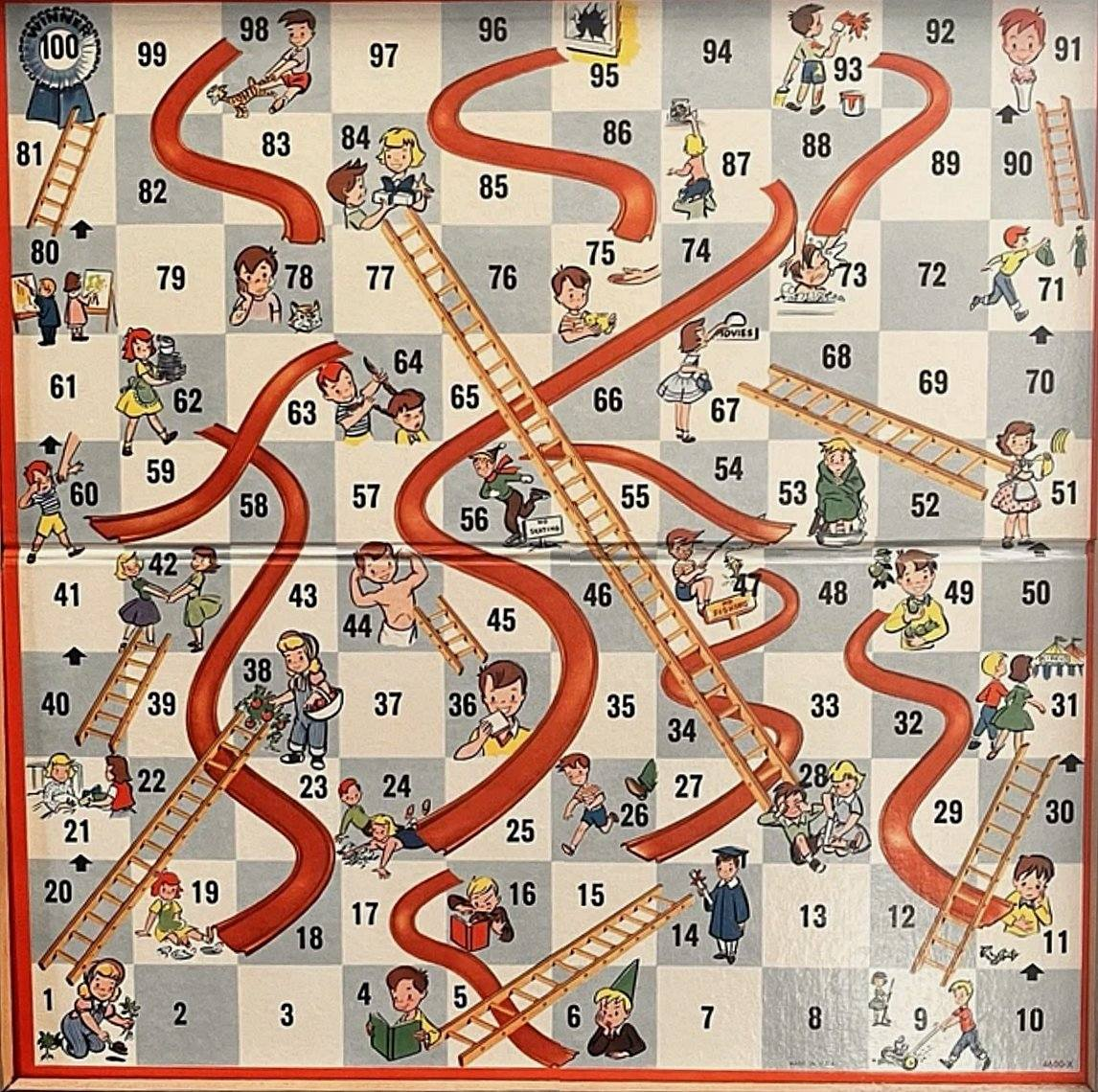
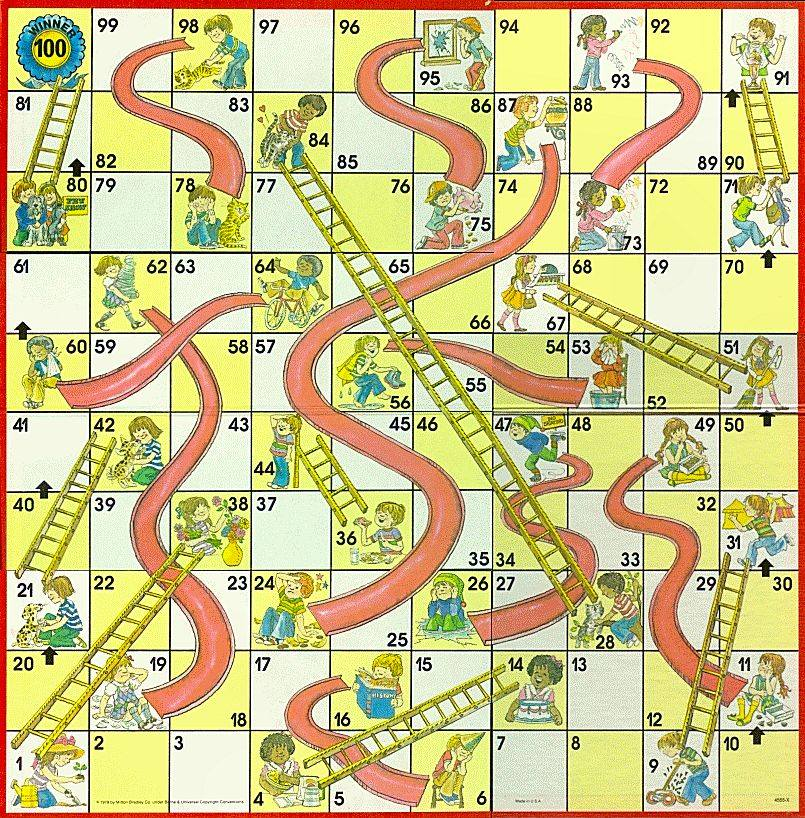
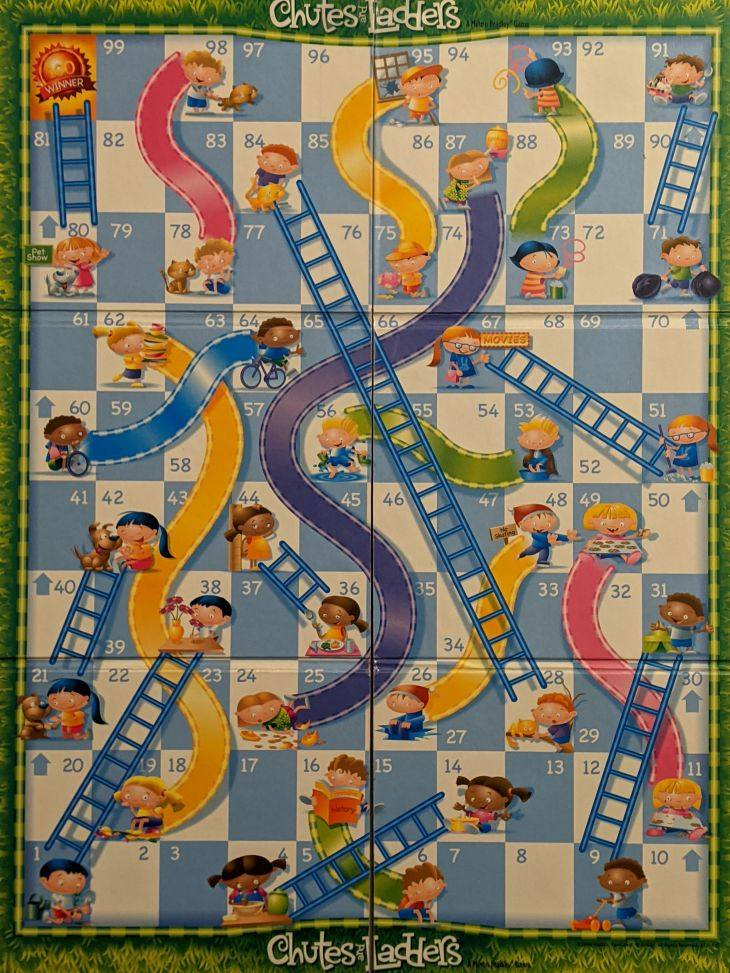
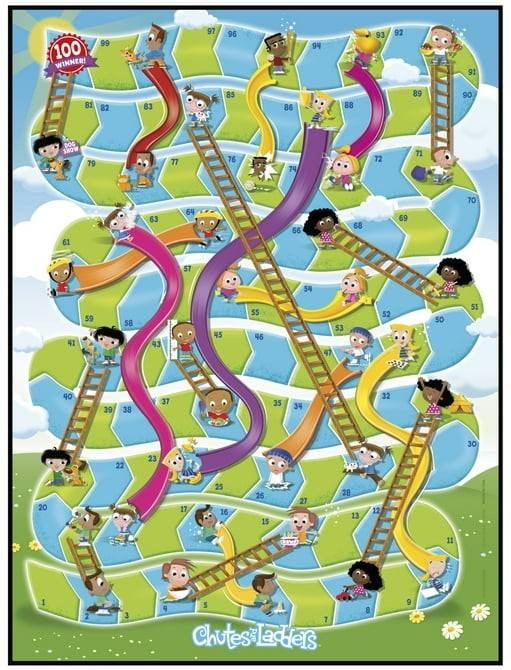
Which board do you remember best?
19th Century Jain Version of Moksha Patam
UK Version, 1900
1940’s Version
1952. This is the version I grew up with.
1979. This is the version I played with my children.
2020 Version
Current Edition
This game is both instructional and a lot of fun, and is 100% a game of chance. No skill whatsoever is required, making it relatively contention-free for players of all ages.
The Old Wolf has spoken
Footnotes
¹Moksha Patam is the ancient Indian precursor to the game of Snakes and Ladders, originating as a spiritual game to teach the concepts of karma, virtue, and liberation (moksha) from the cycle of rebirth. While the Western version simplified the game, Moksha Patam originally used ladders to symbolize good deeds leading to higher spiritual levels and snakes to represent vices causing spiritual decline. The ultimate goal of the game was to reach the final square, representing moksha, through virtuous actions, though the exact symbolism and number of ladders and snakes varied. Moksha: Means liberation or spiritual release from the cycle of birth, death, and rebirth. Patam/Pata: Indicates a path or ladder.
Written by a mainstream Christian, Kate Penney Howard on Facebook. I am immeasurably grateful for this post.
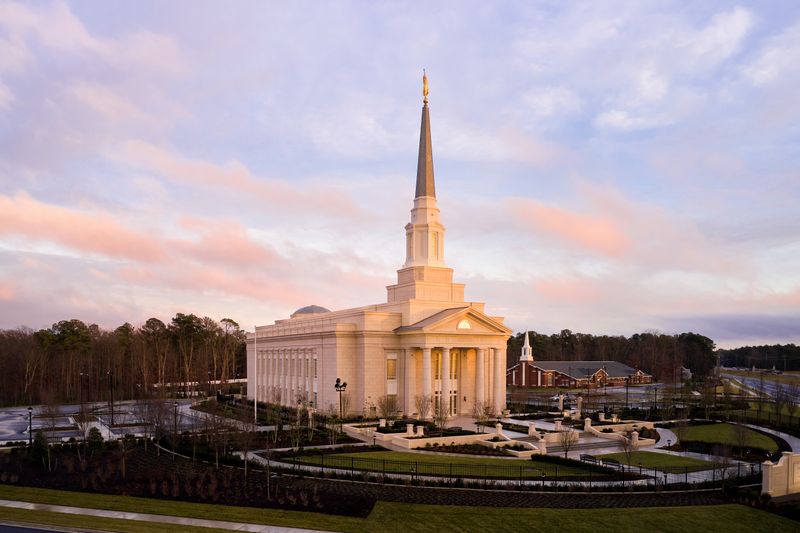
“In recent weeks, I’ve watched a troubling pattern emerge online. Whenever a news story mentions the horrific attack in Grand Blanc, there’s an inevitable chorus of voices “correcting” the record: “Actually, Mormons aren’t Christians.” Let me be clear: This is gatekeeping, and it needs to stop. One of the most dangerous temptations of religious life is the urge to define who’s “in” and who’s “out.” When we appoint ourselves as arbiters of authentic faith, we’re not protecting orthodoxy. We’re playing God. The Latter-day Saints call themselves Christians. They center their faith on Jesus Christ. It’s literally in the name of their church. They believe Jesus is the Son of God, that he died and was resurrected, and that salvation comes through him. They read the Bible, gather for worship, sing hymns, pray to God, and seek to follow Christ’s teachings about love, service, and redemption. I know a LOT of LDS folk and I have to say, they give me a run for my money in the being kind and graceful department. Do they have different theological perspectives than me? Absolutely. So do Quakers. So do Catholics. So do Methodists and Presbyterians and Episcopalians. So do Catholics and Orthodox Christians. So do Pentecostals. So do Seventh-Day Adventists. So do Unitarians. The body of Christ has always contained multitudes. Exclusion has consequences. We cannot talk about denying Latter-day Saints the label “Christian” without acknowledging the violent history behind such rhetoric. In the 19th century, largely at the urging of preachers in the Restoration Movement (that’s us, my DoC friends), and Presbyterians, Baptists, and Methodists, Mormons were driven from state to state, their homes burned, their communities terrorized, and sometimes killed. Missouri’s governor issued an extermination order against them in 1838. Joseph Smith was murdered by a mob. And throughout this persecution, one of the accusations hurled at them was that they weren’t “real Christians,” that they were dangerous heretics who deserved what they got. When we casually exclude LDS individuals today, we echo that violent history. We may think we’re making a theological point, but we’re perpetuating a legacy of exclusion that has caused real harm to real people. Rather than obsessing over differences, let’s consider what Latter-day Saints share with the wider Christian tradition: We worship the same God and proclaim the same savior. We share sacred scripture in the Bible We practice baptism and communion We value prayer, worship, and community as essential to faith We believe in serving others and caring for those in need We affirm that Christ’s resurrection offers hope and new life We gather to worship and encourage one another We seek to follow Christ’s example of love and compassion These aren’t minor overlaps. These are the heart of Christian faith. Do I think they are perfect? No, I do not. However, neither is my tradition and neither is yours. Here’s what troubles me most about the “Mormons aren’t Christians” crowd: the stunning confidence that their interpretation of Christianity is the only valid one. As if two thousand years of Christian diversity, debate, and development can be boiled down to a checklist, and anyone who doesn’t tick every box gets expelled. The early church argued about whether Gentiles could be Christians without first becoming Jewish. They debated the nature of Christ for centuries. They split over the filioque and papal authority. We built this country on religious freedom. Why do we think it’s suddenly our job to kick people out? I’m not suggesting all theological distinctions are meaningless. I’m not saying differences don’t matter. I’m saying that deciding who gets to claim the name “Christian” isn’t our call to make. If someone says, “I follow Jesus Christ,” who am I to say they don’t? What profound arrogance would that require? Instead, let’s practice some humility. Let’s recognize that God is bigger than our theological boxes. Let’s acknowledge that throughout history, the people who were absolutely certain about who was “in” and who was “out” have often been on the wrong side of justice. The Latter-day Saints have been our neighbors, our colleagues, our fellow seekers of truth. They have fed the hungry, clothed the naked, and loved their neighbors. They have raised families, built communities, and tried to live out their faith with integrity. They call themselves Christians. That’s enough for me. But, Pastor Kate. We know you. We know you have strong feelings about some things, like the ordination of women and the safety of LGBTQIA believers. I do. I do have those strong feelings. And I also know that several LDS folk, including a Bishop, have kindly asked me if I would be open to talking to them about these two issues. And I did. And I could tell their ears were hearing me. I think there’s hope that we’ll agree on more things. Maybe instead of asking “Are Mormons really Christians?” we should ask: “What kind of Christians are we being when we spend our energy excluding others instead of living out Christ’s radical love?” Jesus said, “By this everyone will know that you are my disciples, if you love one another” (John 13:35). He didn’t say, “Everyone will know you’re my disciples if you have perfect theology.” He didn’t say, “Prove your faith by drawing the boundaries tightly.” He said: Love one another. The tent of God’s love is bigger than we imagine. Let’s stop trying to make it smaller.”
This is so comprehensive and well-written that it defies theological dispute.


 Playing in the World Game