The poison of Christian Nationalism

In the Appendix to ๐ฟ๐‘–๐‘“๐‘’ ๐‘œ๐‘“ ๐‘Ž๐‘› ๐ด๐‘š๐‘’๐‘Ÿ๐‘–๐‘๐‘Ž๐‘› ๐‘†๐‘™๐‘Ž๐‘ฃ๐‘’ by Frederick Douglass (Boston: Anti-Slavery Office, 1845), Douglass wrote:

“I find, since reading over the foregoing Narrative, that I have, in several instances, spoken in such a tone and manner, respecting religion, as may possibly lead those unacquainted with my religious views to suppose me an opponent of all religion. To remove the liability of such misapprehension, I deem it proper to append the following brief explanation. What I have said respecting and against religion, I mean strictly to apply to the ๐‘ ๐‘™๐‘Ž๐‘ฃ๐‘’โ„Ž๐‘œ๐‘™๐‘‘๐‘–๐‘›๐‘” ๐‘Ÿ๐‘’๐‘™๐‘–๐‘”๐‘–๐‘œ๐‘› of this land, and with no possible reference to Christianity proper; for, between the Christianity of this land, and the Christianity of Christ, I recognize the widest possible difference โ€” so wide, that to receive the one as good, pure, and holy, is of necessity to reject the other as bad, corrupt, and wicked. To be the friend of the one, is of necessity to be the enemy of the other. ๐ˆ ๐ฅ๐จ๐ฏ๐ž ๐ญ๐ก๐ž ๐ฉ๐ฎ๐ซ๐ž, ๐ฉ๐ž๐š๐œ๐ž๐š๐›๐ฅ๐ž, ๐š๐ง๐ ๐ข๐ฆ๐ฉ๐š๐ซ๐ญ๐ข๐š๐ฅ ๐‚๐ก๐ซ๐ข๐ฌ๐ญ๐ข๐š๐ง๐ข๐ญ๐ฒ ๐จ๐Ÿ ๐‚๐ก๐ซ๐ข๐ฌ๐ญ: ๐ˆ ๐ญ๐ก๐ž๐ซ๐ž๐Ÿ๐จ๐ซ๐ž ๐ก๐š๐ญ๐ž ๐ญ๐ก๐ž ๐œ๐จ๐ซ๐ซ๐ฎ๐ฉ๐ญ, ๐ฌ๐ฅ๐š๐ฏ๐ž๐ก๐จ๐ฅ๐๐ข๐ง๐ , ๐ฐ๐จ๐ฆ๐ž๐ง-๐ฐ๐ก๐ข๐ฉ๐ฉ๐ข๐ง๐ , ๐œ๐ซ๐š๐๐ฅ๐ž-๐ฉ๐ฅ๐ฎ๐ง๐๐ž๐ซ๐ข๐ง๐ , ๐ฉ๐š๐ซ๐ญ๐ข๐š๐ฅ ๐š๐ง๐ ๐ก๐ฒ๐ฉ๐จ๐œ๐ซ๐ข๐ญ๐ข๐œ๐š๐ฅ ๐‚๐ก๐ซ๐ข๐ฌ๐ญ๐ข๐š๐ง๐ข๐ญ๐ฒ ๐จ๐Ÿ ๐ญ๐ก๐ข๐ฌ ๐ฅ๐š๐ง๐. [Emphasis mine]. Indeed, I can see no reason, but the most deceitful one, for calling the religion of this land Christianity. I look upon it as the climax of all misnomers, the boldest of all frauds, and the grossest of all libels.”

The entire appendix – nay, the entire book, but the appendix is a representative summary of Douglass’ thought – is a short but compelling read, and I recommend it to anyone who wishes to understand the foundation of hate in Christian Nationalism.

The following text is a representation of how this attitude showed up in 1965, and which persists today, to the great shame and detriment of our society.

“The hate stare was everywhere practiced, especially by women of the older generation. On Sunday, I made the experiment of dressing well and walking past some of the white churches just as services were over. In each instance, as the women came through the church doors and saw me, the “spiritual bouquets” changed to hostility. The transformation was grotesque. In all of Montgomery only one woman refrained. She did not smile. She merely looked at me and did not change her expression. My gratitude to her was so great it astonished me.” Griffin, John Howard, Black Like Me.ยน

Given the gross disconnect between the Christianity found in the New Testament and the Book of Mormon, and the behavior of far too manyยฒ of those who profess to be followers of Christ in the current timeline, it is no wonder that so many people are turning away from mainstream Christian churches, citing loss of belief, negative experiences, LGBTQ-related concerns, scandals, and politics.

As a nation, we must do better if we are to have a country that works for everyone, with no one left out. R. Buckminster Fuller expressed this idea in what came to be known as his “World Game,” after which this blog is named:

โ€œMake the world work, for 100% of humanity, in the shortest possible time, through spontaneous cooperation, without ecological offense or the disadvantage of anyone.โ€

The Old Wolf has spoken.

Footnotes

ยน Black Like Me, first published inย 1961, is a nonfiction book by journalistย John Howard Griffinย recounting his journey in theย Deep Southย of the United States, at a time whenย African Americansย lived under theย Jim Crow laws. Griffin was a native ofย Mansfield, Texas, who had his skin temporarily darkened to pass as a black man. He traveled for six weeks throughout theย racially segregatedย states ofย Louisiana,ย Mississippi,ย Alabama,ย Arkansas, andย Georgiaย to explore life from the other side of theย color line.ย Sepia Magazineย financed the project in exchange for the right to print the account first as a series of articles.(Wikipedia)
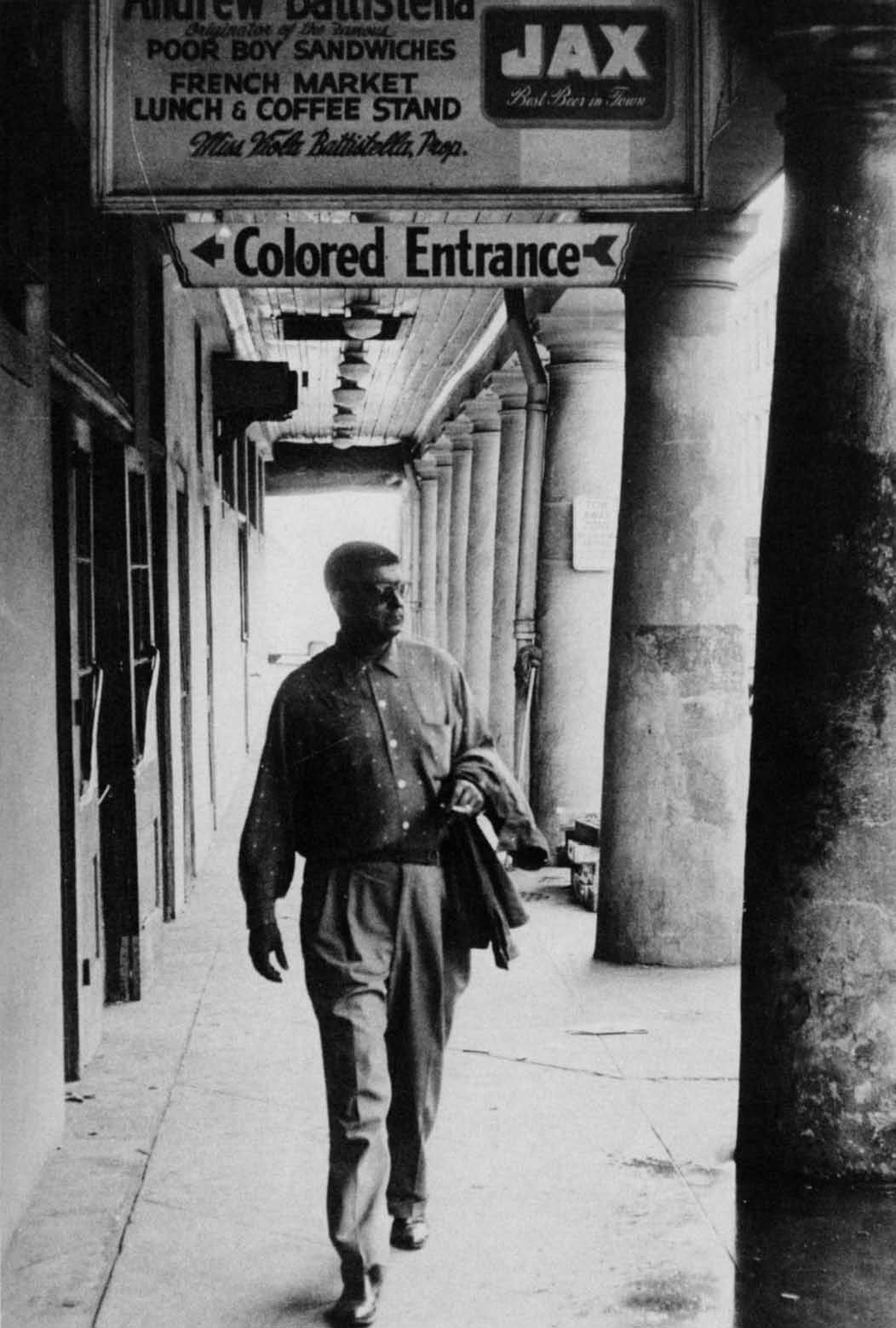
John Howard Griffin as a Black man, walking under an arcade in New Orleans, Louisiana. Photograph by Don Routledge.

ยฒ It goes without saying that there are countless people in all Christian denominations who do their best to emulate the teachings of Jesus and go about, in a quiet and unassuming way, doing good. These are they who form a bulwark against the flood of openly-practiced hate and division of the hypocritical Christian Nationalists.
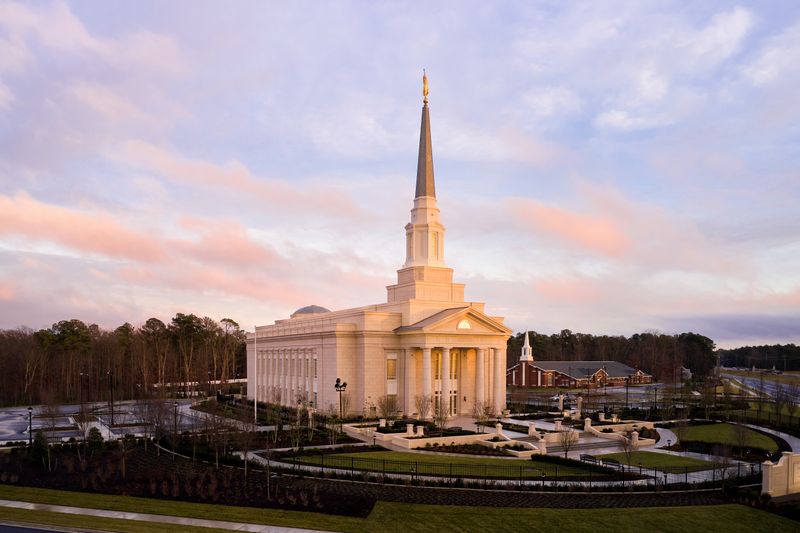
A message to my evangelical brothers and sisters

Written by a mainstream Christian, Kate Penney Howard on Facebook. I am immeasurably grateful for this post.


“In recent weeks, I’ve watched a troubling pattern emerge online. Whenever a news story mentions the horrific attack in Grand Blanc, there’s an inevitable chorus of voices “correcting” the record: “Actually, Mormons aren’t Christians.”
Let me be clear: This is gatekeeping, and it needs to stop.
One of the most dangerous temptations of religious life is the urge to define who’s “in” and who’s “out.” When we appoint ourselves as arbiters of authentic faith, we’re not protecting orthodoxy. We’re playing God.
The Latter-day Saints call themselves Christians. They center their faith on Jesus Christ. It’s literally in the name of their church. They believe Jesus is the Son of God, that he died and was resurrected, and that salvation comes through him. They read the Bible, gather for worship, sing hymns, pray to God, and seek to follow Christ’s teachings about love, service, and redemption.
I know a LOT of LDS folk and I have to say, they give me a run for my money in the being kind and graceful department.
Do they have different theological perspectives than me? Absolutely. So do Quakers. So do Catholics. So do Methodists and Presbyterians and Episcopalians. So do Catholics and Orthodox Christians. So do Pentecostals. So do Seventh-Day Adventists. So do Unitarians. The body of Christ has always contained multitudes.
Exclusion has consequences.
We cannot talk about denying Latter-day Saints the label “Christian” without acknowledging the violent history behind such rhetoric. In the 19th century, largely at the urging of preachers in the Restoration Movement (thatโ€™s us, my DoC friends), and Presbyterians, Baptists, and Methodists, Mormons were driven from state to state, their homes burned, their communities terrorized, and sometimes killed. Missouri’s governor issued an extermination order against them in 1838. Joseph Smith was murdered by a mob.
And throughout this persecution, one of the accusations hurled at them was that they weren’t “real Christians,” that they were dangerous heretics who deserved what they got.
When we casually exclude LDS individuals today, we echo that violent history. We may think we’re making a theological point, but we’re perpetuating a legacy of exclusion that has caused real harm to real people.
Rather than obsessing over differences, let’s consider what Latter-day Saints share with the wider Christian tradition:
We worship the same God and proclaim the same savior.
We share sacred scripture in the Bible
We practice baptism and communion
We value prayer, worship, and community as essential to faith
We believe in serving others and caring for those in need
We affirm that Christ’s resurrection offers hope and new life
We gather to worship and encourage one another
We seek to follow Christ’s example of love and compassion
These aren’t minor overlaps. These are the heart of Christian faith.
Do I think they are perfect? No, I do not. However, neither is my tradition and neither is yours.
Here’s what troubles me most about the “Mormons aren’t Christians” crowd: the stunning confidence that their interpretation of Christianity is the only valid one. As if two thousand years of Christian diversity, debate, and development can be boiled down to a checklist, and anyone who doesn’t tick every box gets expelled.
The early church argued about whether Gentiles could be Christians without first becoming Jewish. They debated the nature of Christ for centuries. They split over the filioque and papal authority. We built this country on religious freedom. Why do we think it’s suddenly our job to kick people out?
I’m not suggesting all theological distinctions are meaningless. I’m not saying differences don’t matter. I’m saying that deciding who gets to claim the name “Christian” isn’t our call to make.
If someone says, “I follow Jesus Christ,” who am I to say they don’t? What profound arrogance would that require?
Instead, let’s practice some humility. Let’s recognize that God is bigger than our theological boxes. Let’s acknowledge that throughout history, the people who were absolutely certain about who was “in” and who was “out” have often been on the wrong side of justice.
The Latter-day Saints have been our neighbors, our colleagues, our fellow seekers of truth. They have fed the hungry, clothed the naked, and loved their neighbors. They have raised families, built communities, and tried to live out their faith with integrity.
They call themselves Christians. That’s enough for me.
But, Pastor Kate. We know you. We know you have strong feelings about some things, like the ordination of women and the safety of LGBTQIA believers. I do. I do have those strong feelings. And I also know that several LDS folk, including a Bishop, have kindly asked me if I would be open to talking to them about these two issues. And I did. And I could tell their ears were hearing me. I think thereโ€™s hope that weโ€™ll agree on more things.
Maybe instead of asking “Are Mormons really Christians?” we should ask: “What kind of Christians are we being when we spend our energy excluding others instead of living out Christ’s radical love?”
Jesus said, “By this everyone will know that you are my disciples, if you love one another” (John 13:35). He didn’t say, “Everyone will know you’re my disciples if you have perfect theology.” He didn’t say, “Prove your faith by drawing the boundaries tightly.”
He said: Love one another.
The tent of God’s love is bigger than we imagine. Let’s stop trying to make it smaller.”


This is so comprehensive and well-written that it defies theological dispute.

The Old Wolf has spoken.