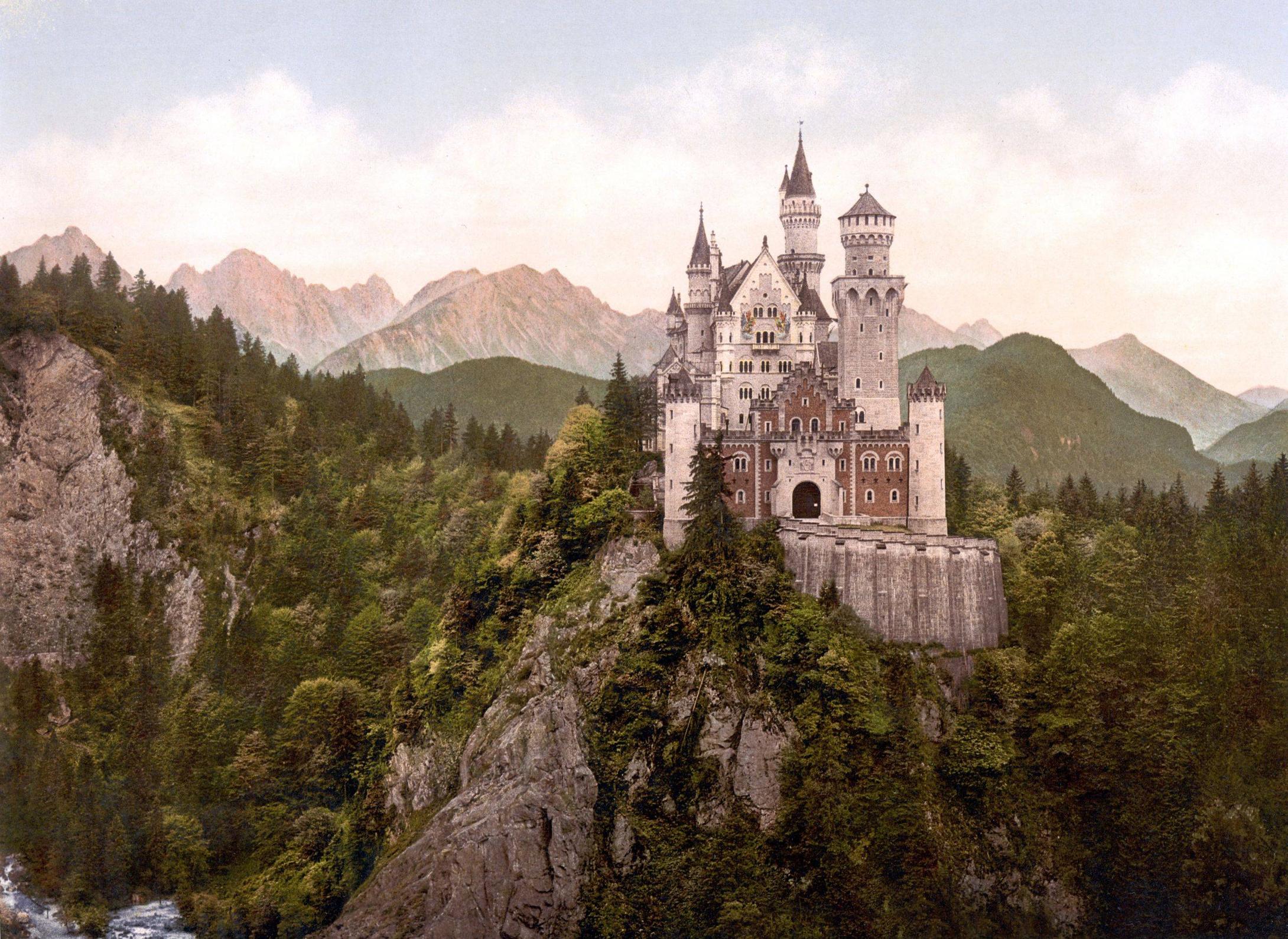
Neuschwanstein Castle, 1900

An old Photochrom of Neuschwanstein in Füssen, Germany.

iB3pikk

These were “colorized images produced from black-and-white photographic negatives via the direct photographic transfer of a negative onto lithographic printing plates. The process is a photographic variant of chromolithography, a broader term that refers to color lithography in general.” (Wikipedia)

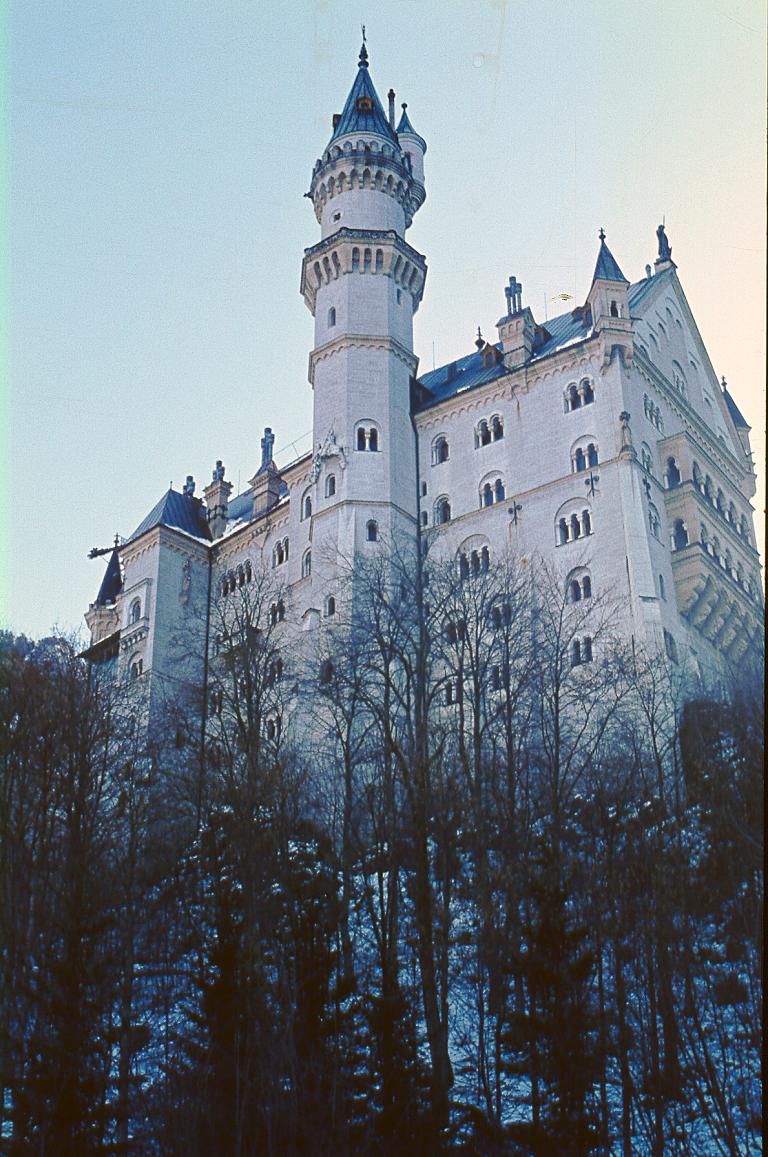
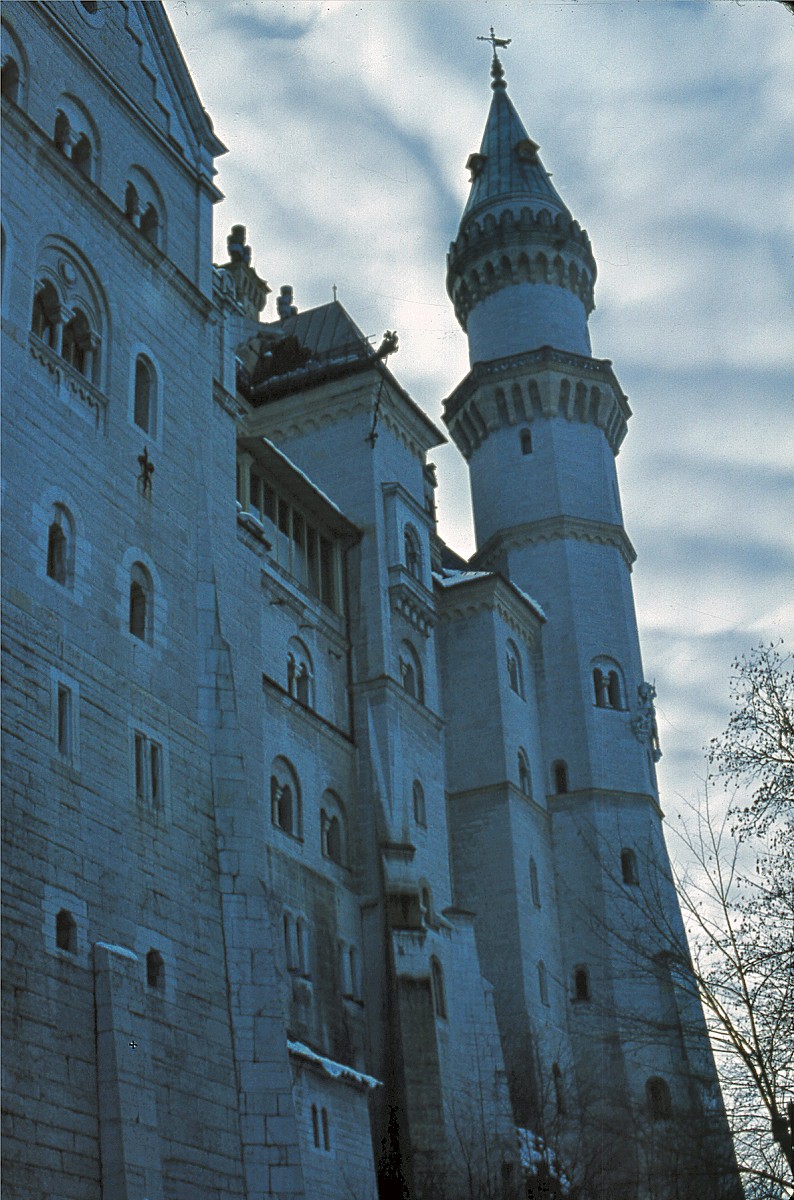
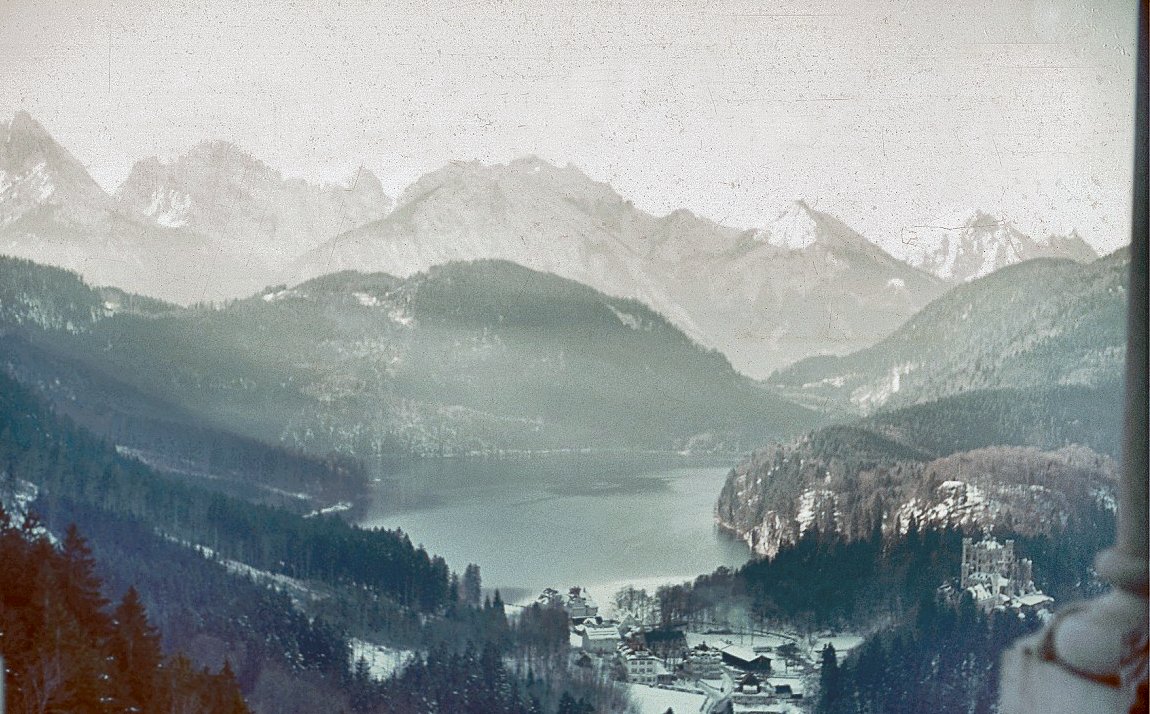
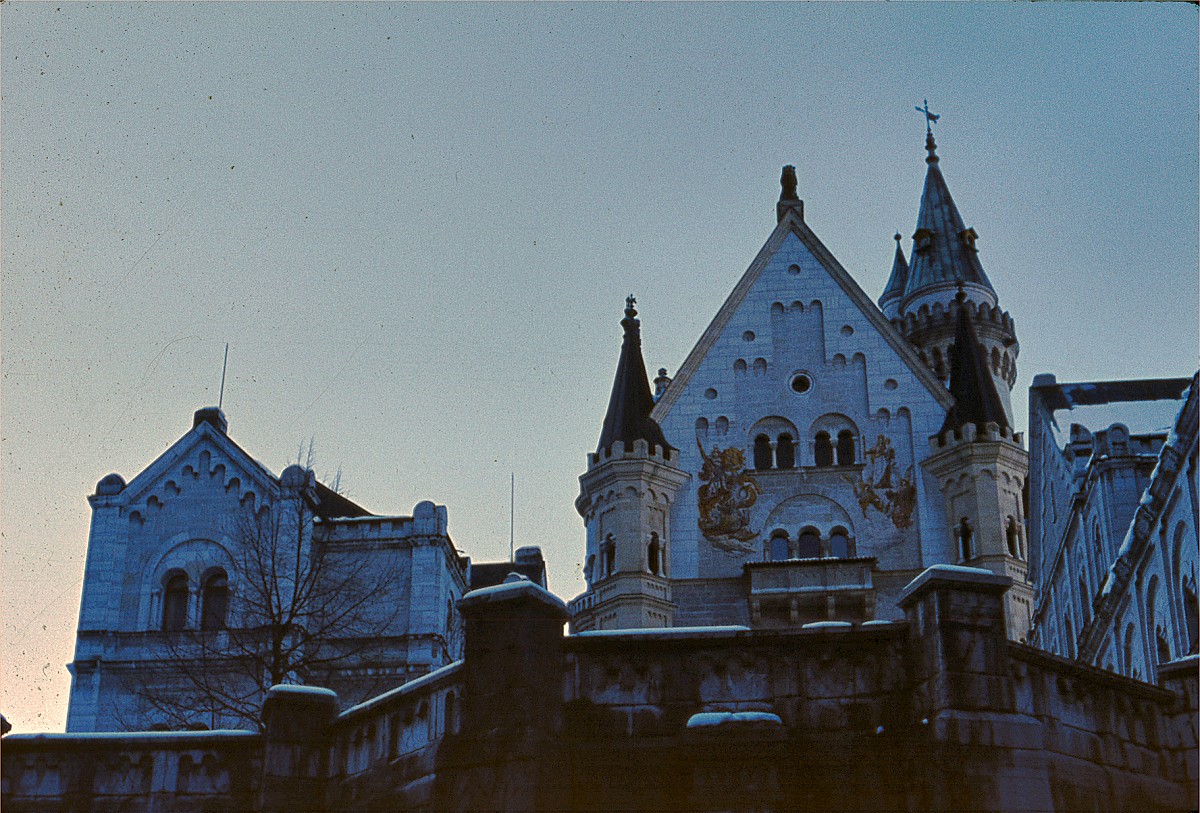
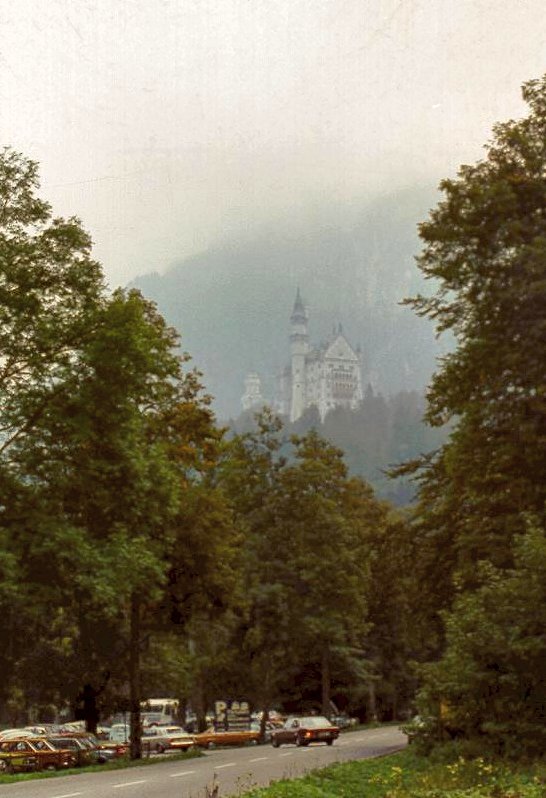
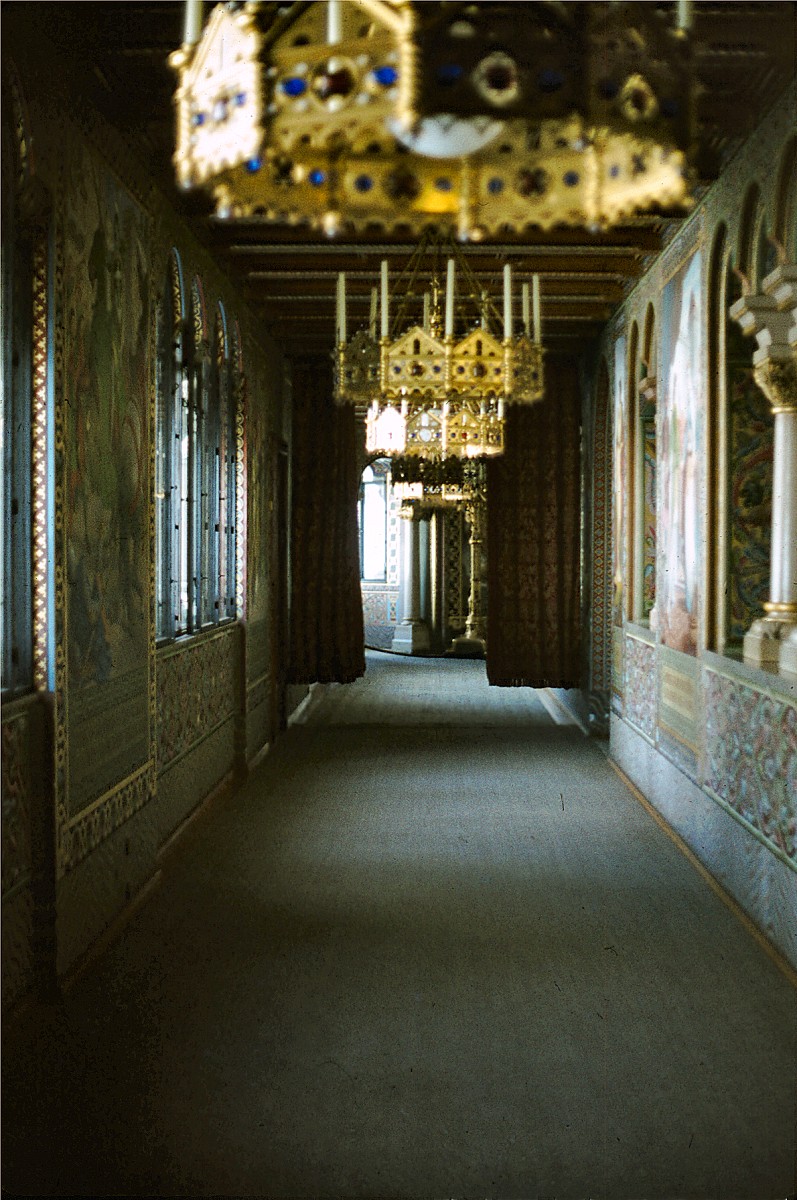
Below are a few shots I took from my visit to Neuschwanstein in 1976 – it was winter, and gray, so the colors are not spectacular, and my camera was basically hqiz, but I recall how wonderful it was to visit the “original fairy tale castle” that inspired Disney’s simulacrum.

Füssen - Schloß Neuschwanstein 2

Fussen - Neuschwanstein 2

Fussen from Neuschwanstein 2

Füssen from Neuschwanstein

Fussen - Neuschwanstein view

Füssen - Schloß Neuschwanstein in the mist - Cropped

Castle in the Mist

Fussen - Neuschwanstein interior

An interior hallway

I would pay large money to be able to explore the entire castle, turrets and all – most of those areas are off limits to tourists.

The Old Wolf has spoken.

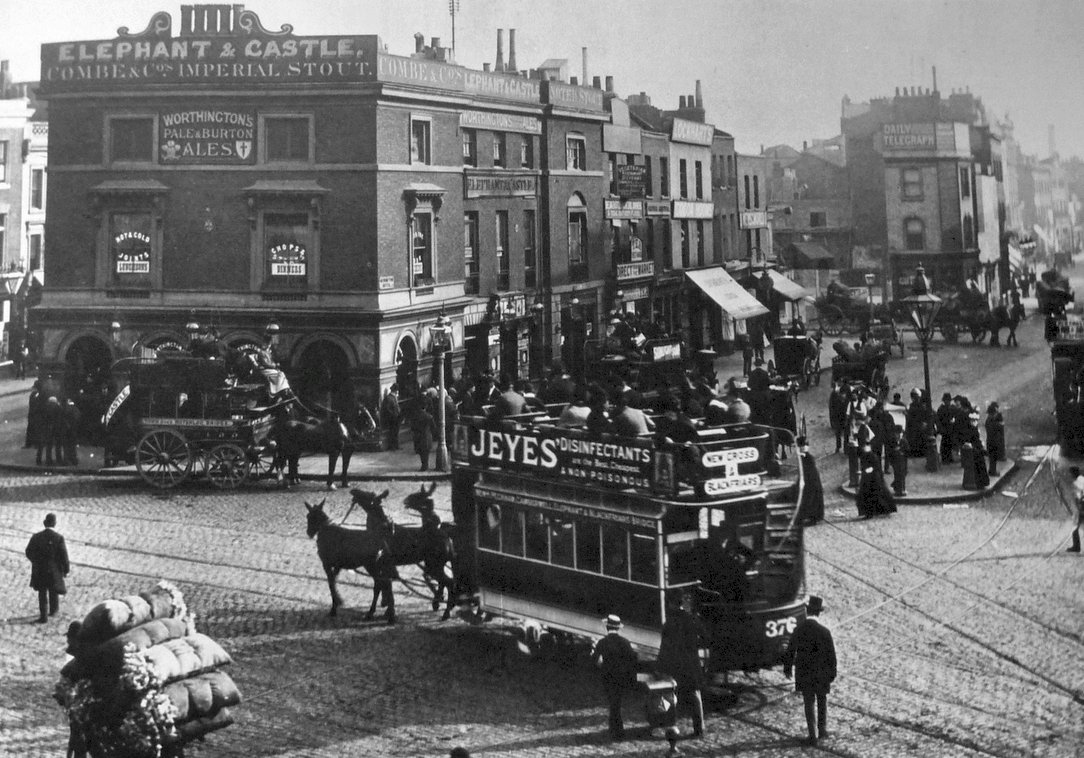
The Aleph and Tentacles, London, 1890

aleph


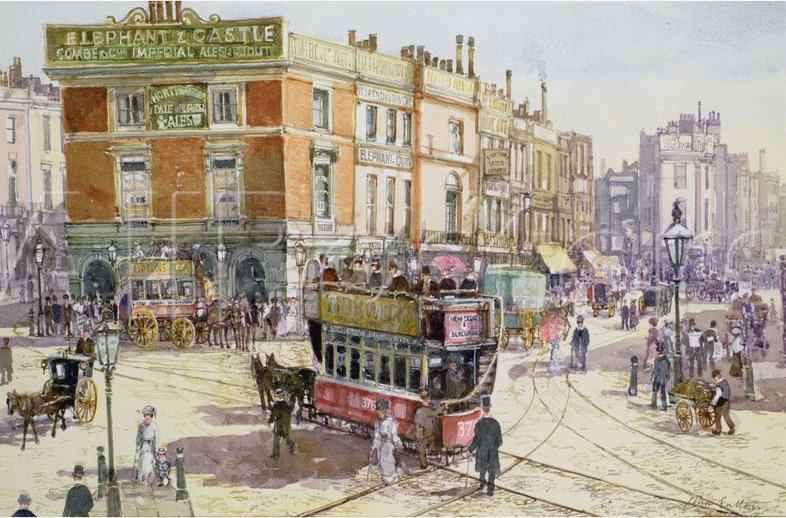
Elephant and Castle is a major road junction in Central London, England, in the London Borough of Southwark and the name of the surrounding area, largely superseding Newington. This photo of the eponymous pub was taken in 1890. The photo was used by artist John Sutton to produce a watercolor:

Elephant Sutton


The area has had a rather checkered history in terms of prosperity, and is currently the subject of a master-planned redevelopment budgeted at £1.5 billion.

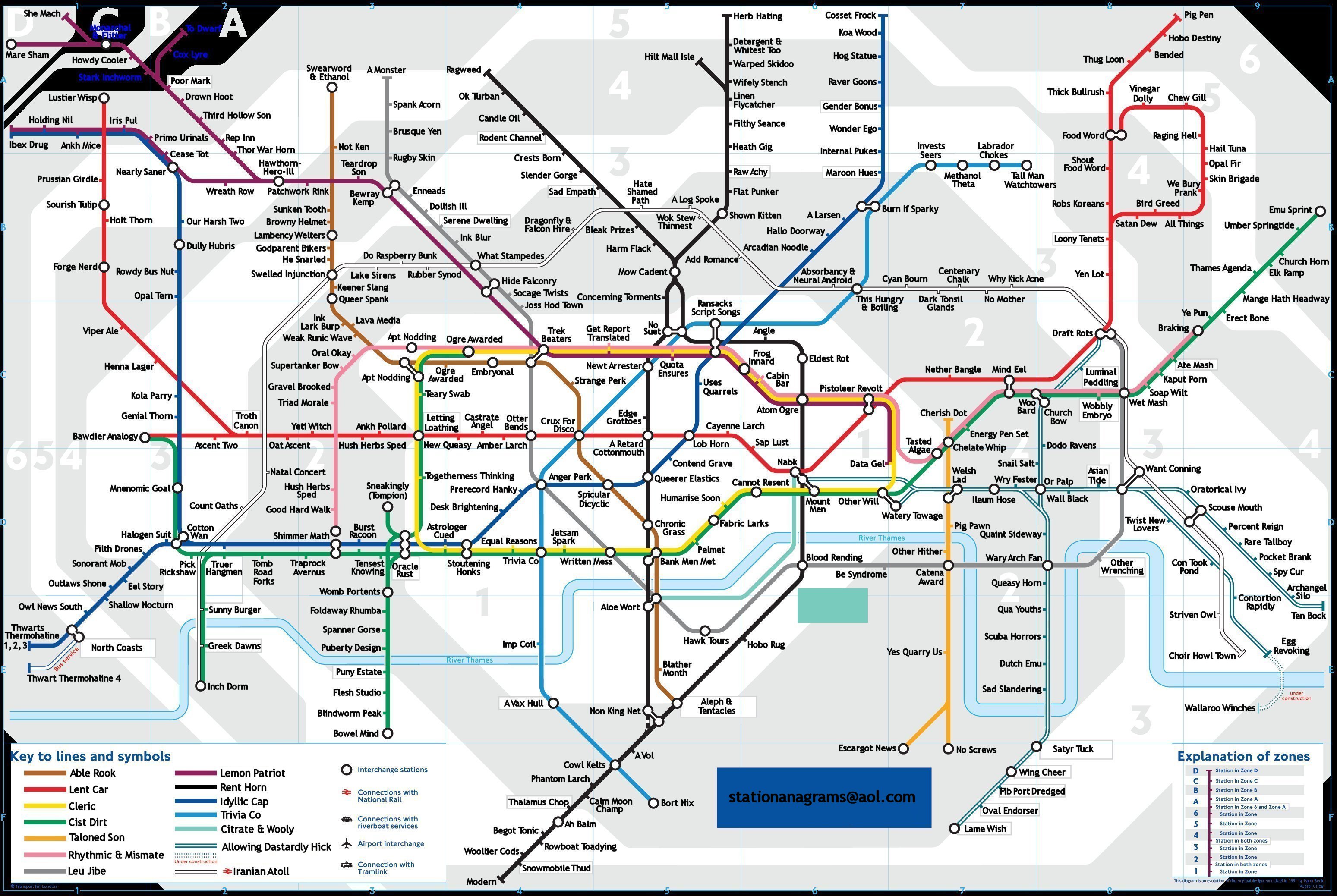
As for the strange title of this post, feast your eyes on this brilliant map of the London underground, with every station turned into an anagram. I assume no responsibility for soiled screens or ruined keyboards; put down your Guinness before you have a look.

anagrammap

The Old Wolf has spoken.

Rome, 1860

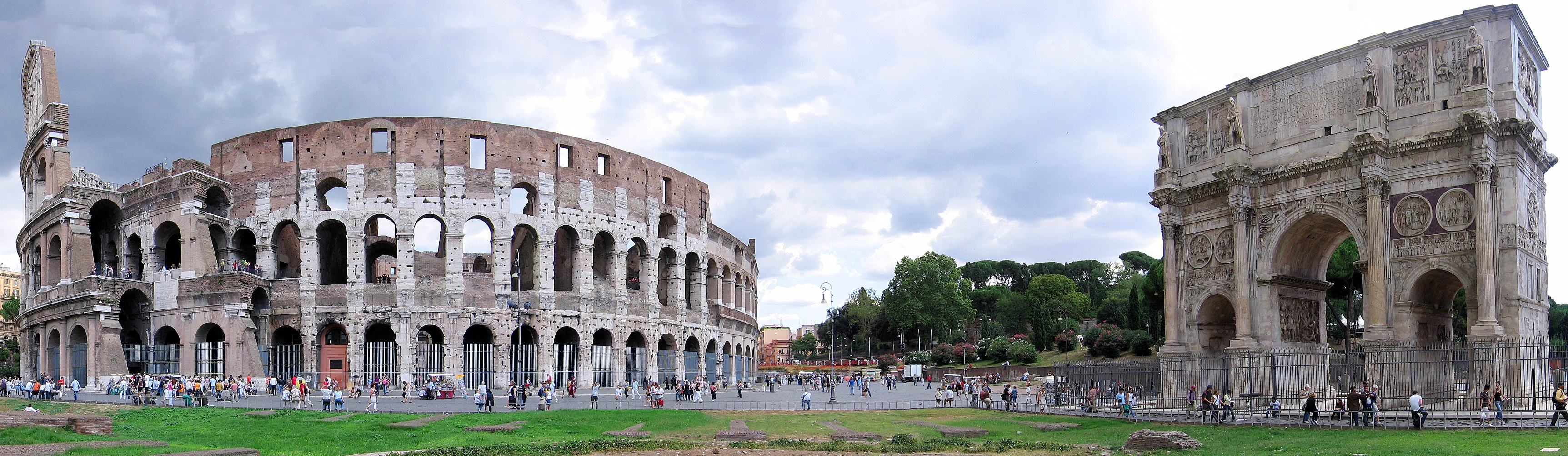
Intriguing shot of the Coliseum, Meta Sudans and the Arch of Constantine. Tourism was quite different back then.

EvUdf2Lh

Another image from 1858:

Tommaso_Cuccioni_Colosseo_1858

The conical monument in front is the Meta Sudans, or the “sweating cone,” a large conical fountain in ancient Rome built some time between 89 and 96 A.D. It marked the spot where a Roman triumphal procession would turn left from the via Triumphalis along the east side of the Palatine onto the via Sacra and into the Forum Romanum itself. The ruins of Meta Sudans survived until the 20th century. In 1936 Benito Mussolini, il stronzo, had its remains demolished and paved over to make room for the new traffic circle around the Colosseum. A commemorative plaque was set in the road. Although the above-ground structure is gone, its foundations were later re-excavated, revealing the extensive substructure. After another excavation in 1997-98 the traffic circle was closed and the area became a pedestrian district.

The same view today:

Colosseum-Arch-of-Constantine-Rome-italy-panorama-photo-by-Konrad-Zielinski-son-of-Julo

Photo by Konrad Zielinski, found at AntonK.com

Il vecchio lupo ha parlato.

The hidden operating theatre

Old-op-the-lond


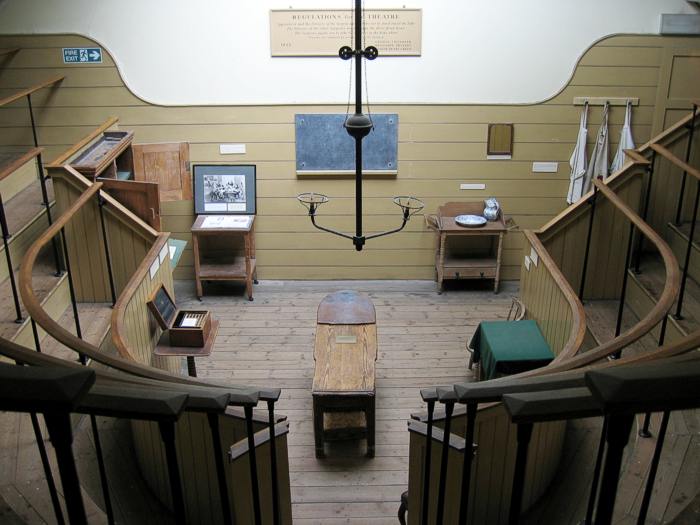
The Old Operating Theatre Museum and Herb Garret is a museum of surgical history and one of the oldest surviving operating theatres. It is located in the garret of St Thomas’s Church, Southwark, on the original site of St Thomas’ Hospital. This photo shows the reconstruction of the theatre as it would have looked while in use.

lookingwest-web

Built in 1822, the operating theatre was used for 40 years, when the hospital moved to a different location. The garret was walled up;  it was forgotten, and remained undiscovered until 1957.   Read more at Wikipedia and The Old Operating Theatre website.

For your gratuitous edification and mine – I had to go scurrying to the dictionary for this one – the “garret” referred to is “a habitable attic or small (and possibly dismal or cramped) living space at the top of a house.”

Place-saint-georges

Place Saint-Georges in Paris, showing top-floor garret windows.

?????????????


Carl Spitzweg, The poor poet (Der arme Poet), 1839, showing a garret dwelling.

The Old Wolf has spoken.

The World’s Smallest Apartments

In Tokyo, where the average price of an apartment is $260,000, space is at a premium.
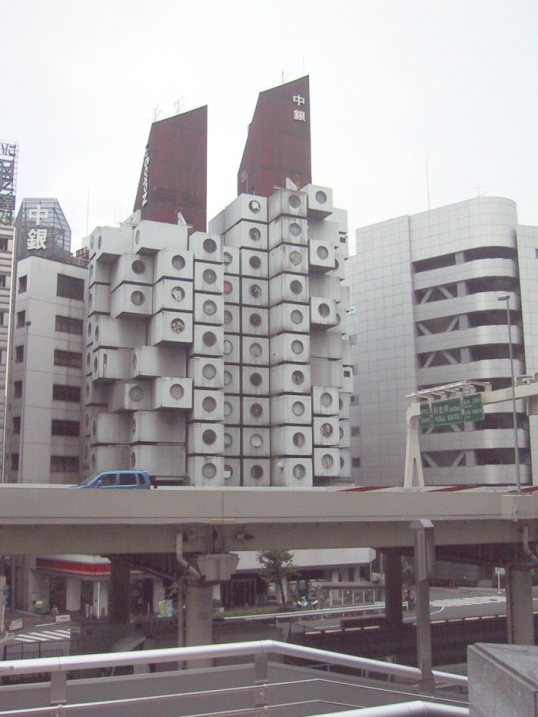
nakagin_capsule_tower_02

Kisho Kurokawa, who was one of the leading members of an influential architectural movement in the 1960s called Metabolism, designed and built  the Nakagin Capsule Tower to address some of these space concerns.

Each capsule measures 2.3 m (7.5 ft) × 3.8 m (12 ft) × 2.1 m (6.9 ft) and functions as a small living or office space.

The building was the world’s first example of capsule architecture built for actual use. The building was still in use as of 2010, but has fallen into disrepair. As of October 2012, around thirty of the 140 capsules remained in use as apartments, while others were used for storage or office space, or simply abandoned and allowed to deteriorate.

Today, the building faces the threat of demolition to make way for a conventional apartment complex.

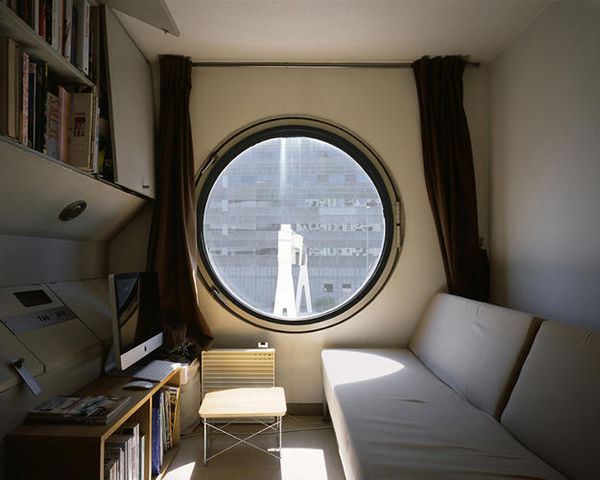
noritaka-minami-nakagin-capsule-tower-1972-photography-6

“The original target demographic were bachelor salarymen (white-collar workers). The compact apartments included a wall of appliances and cabinets built into one side, including a kitchen stove, a refrigerator, a television set, and a reel-to-reel tape deck. A bathroom unit, about the size of an aircraft lavatory, is set into an opposite corner. A large circular window over a bed dominates the far end of the room.” (Wikipedia)

You can see more pictures of the capsule dwellings at Miiniim.

Obviously such arrangements would not be suitable for everyone, but people have different needs and philosophies; many people in the US are exploring the options of living in small apartments or tiny houses in order to make ends meet. Some of these small living arrangements are convenient and attractive. I wouldn’t mind downsizing, but I have no idea where I’d put all my books…

The Old Wolf has spoken.
A World of Villages

31uefwI

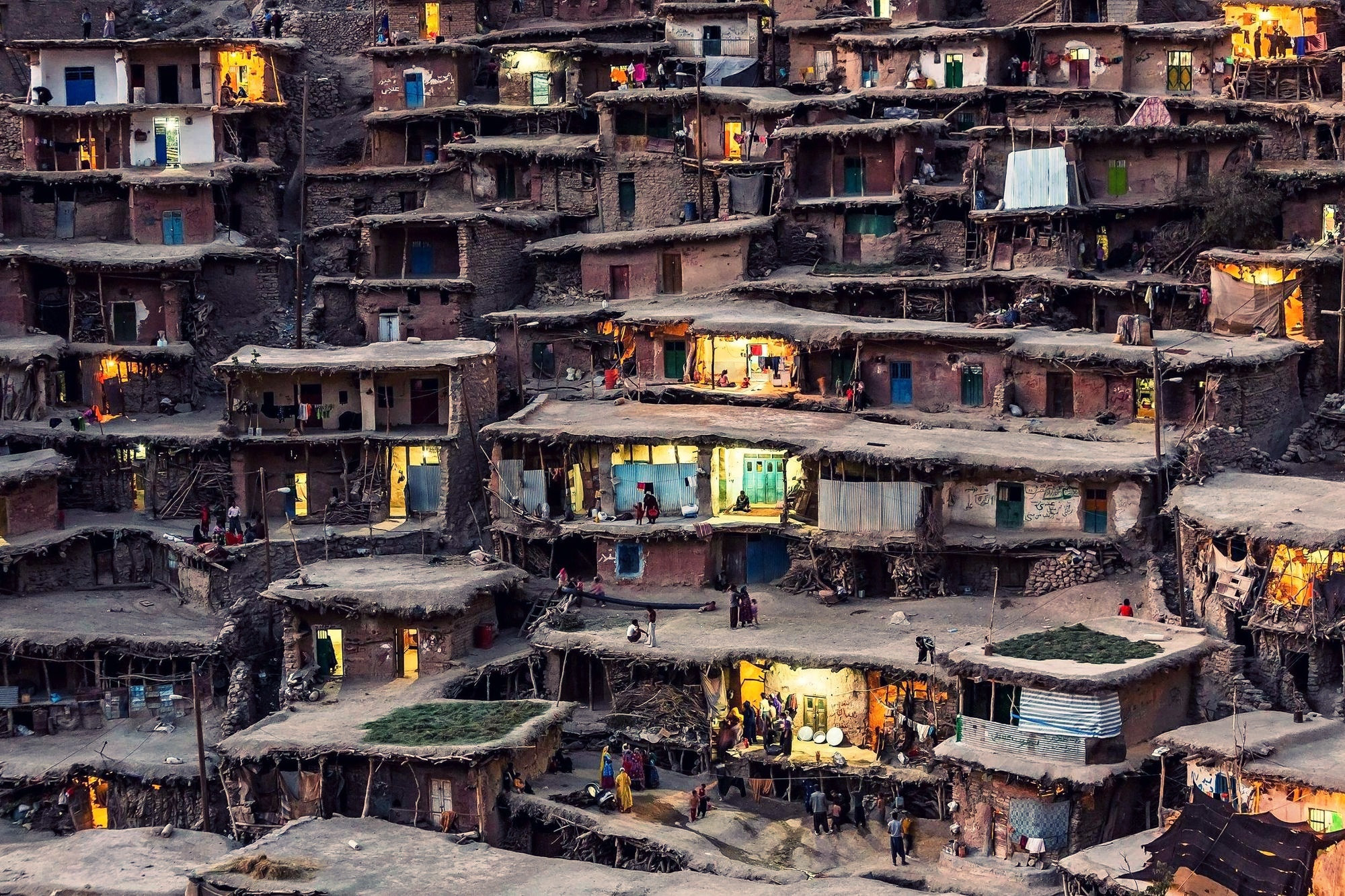
“Dusk”: Iran – Photo by Mohammadreza Momeni. Found at 500px.

fuWZV

This appears to be another view of the village above.

i21_RTR2MADH

A view of Palangan village in Kurdistan province, about 660 km (412 miles) southwest of Tehran, on May 11, 2011. Iranian Shi’ite and Sunni Kurds live in harmony with each other in Palangan, although Sunni is the religion of the majority of the people. (Reuters/Morteza Nikoubazl) Found at The Atlantic (that article is worth a look).

jvIV2jch

Masouleh Village in Alborz mountains, Gilan Province (Northern Iran). Found at reddit.


3pDZ5lD


Mountain village in Tibet

People live in amazing ways and in amazing places. To those of us accustomed to our own comfortable dwellings, it may seem mind-boggling. To them it’s just another Wednesday.

The title of this post was taken from this book, written by a man with whom I attended elementary school back in the Pleistocene era. A review from Library Journal:

The commonly heard phrase that a writer has “put a lot of himself into the book” is especially apt for describing Schwartz’s six-year journey through Africa and Asia. In that time Schwartz managed to get into the most obscure places imaginable and amazingly get out alive and intact. During much of his odyssey he had little or no money, so he slept on sand, floors, or in parking lots and ate whatever portion of the lo cal fare the natives whose languages he seldom understood tossed his way. The most wonderful thing about the book is the innocence Schwartz preserves despite the dangers. However the locals react to him, Schwartz makes the best of it and continues with his careful observations. He has written a really memorable book about them and himself. Laurence Hull, Stanly Cty. P.L., Albemarle, N.C.
Copyright 1986 Reed Business Information, Inc.

The Old Wolf has spoken.

Skinny Townhouse, $3¼ million.

8 feet four inches wide at its widest spot, the narrowest townhouse in New York has sold for 3.25 million dollars.

Bedford

990 square feet is described by the New York Post as “underfed,” but I compare that to my first home in south Provo, Utah, which had 800 square feet finished. Yes, there was an unfinished basement of the same size, but we didn’t use it for much except storing a few things.

This particular home was built in 1873, and has housed such famous individuals as Edna St. Vincent Millay, who wrote “Ballad of the Harp-Weaver,” there in 1923-24.

945612-0-20130815132426

Edna St. Vincent Millay and husband Eugen Jan Boissevain in front of the townhouse.

I seriously don’t understand the economics of New York City, even though I grew up there. Who’s got the money to rent this place for $14,000 a month? The 1%, I guess.

Intersting piece of New York trivia, at any rate. See the Post article linked above for more interesting bits and pieces about this little home.

The Old Wolf has spoken.

The Hagia Sophia (Ayasofya camii) 1888-1910, İstanbul

interior_view_of_ayasofya_mosque_formerly_the_church_of_hagia_sophia._istanbul._1888-1910


This interior shot of the Ayasofya Mosque predates its conversion into a secular museum in 1935. The calligraphic roundels in front bear the names of Mohammed and Allah – others carried the names of various caliphs. If Brown’s new novel Inferno ever gets made into a movie, this building will likely get some additional exposure; if you ever get to Turkey, it’s definitely worth a visit.

The Old Wolf has spoken.