Sometimes the Universe smiles, and sometimes it doesn’t

Karma. Everyone wants good Karma.

Over at reddit, it’s measured in orangered or periwinkle (props to the author of this gif, whoever you are):

upvote downvote

In other locations, one doesn’t accrue upvotes and downvotes, but there is still a certain intangible karma that people collect for creating / sharing “cool” images, so we often see things like this:

smileinthesky

or this:

sunset_smile

The two images above are almost certainly photoshopped, and I’ve seen them in my inbox more times than I can count. Not that they’re not really cute, but on occasion nature can one-up the photoshoppers.

Smiley-Philippines_1124654c

AP Photo

In December of 2008, a beautiful conjunction of Venus, Jupiter, and a crescent moon created a lovely “smile” in the night sky, although depending on where you were in the world, it probably didn’t appear straight-up like this.

More recently, however, the Hubble telescope captured a lovely smiley face created by gravitational lensing:

A smiling lens

You can read the science behind the capture at spacetelescope.org.

The Old Wolf has spoken.

Free software, and some memories.

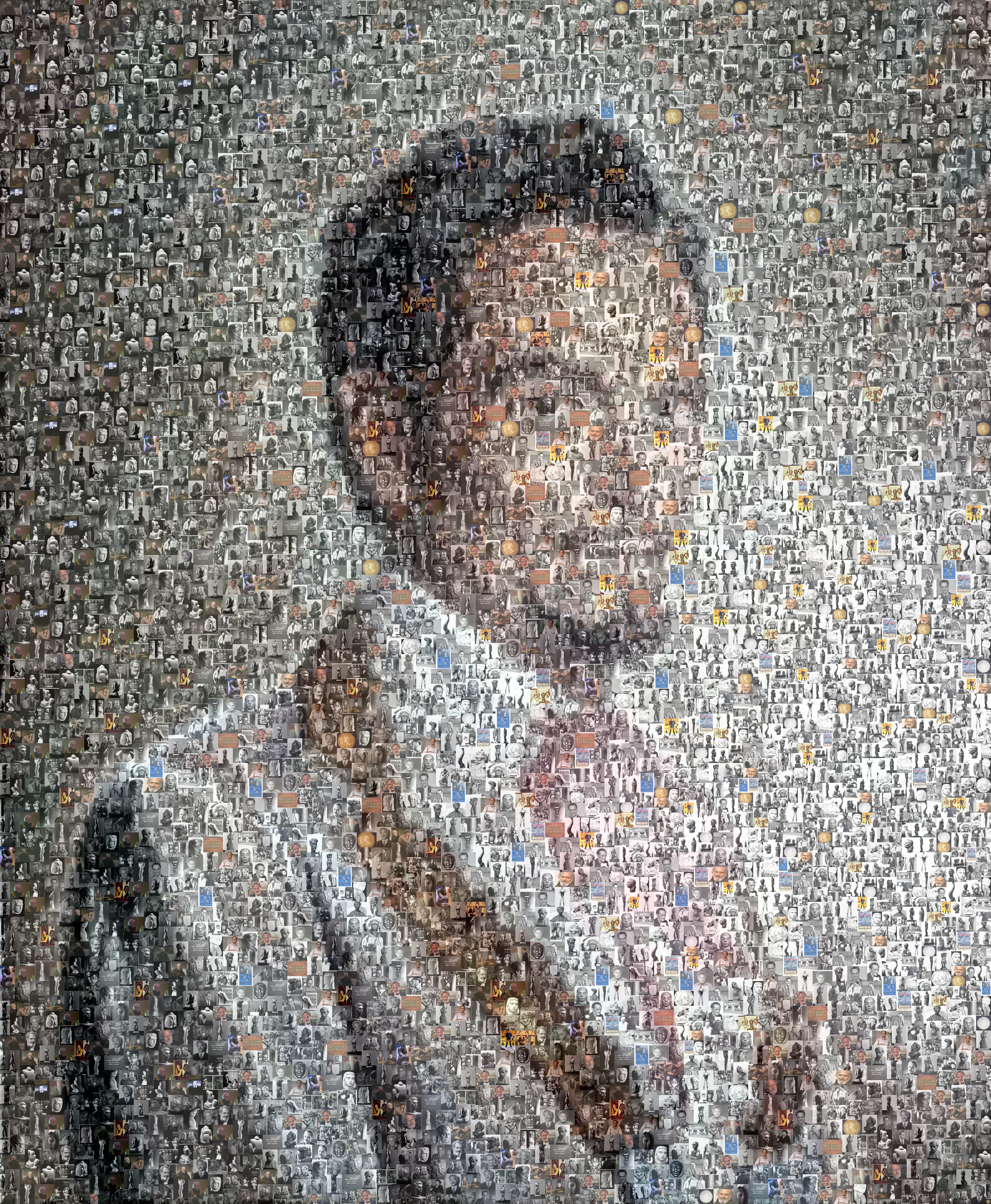
Joe Portrait Prop Mosaic02

The above image (click it to enlarge) was created by AndreaMosaic, a free software program that allows one to create  the kind of photomosaics invented by Robert Silvers. I’m not sure what the legal ramifications of all this is, but I love the result.

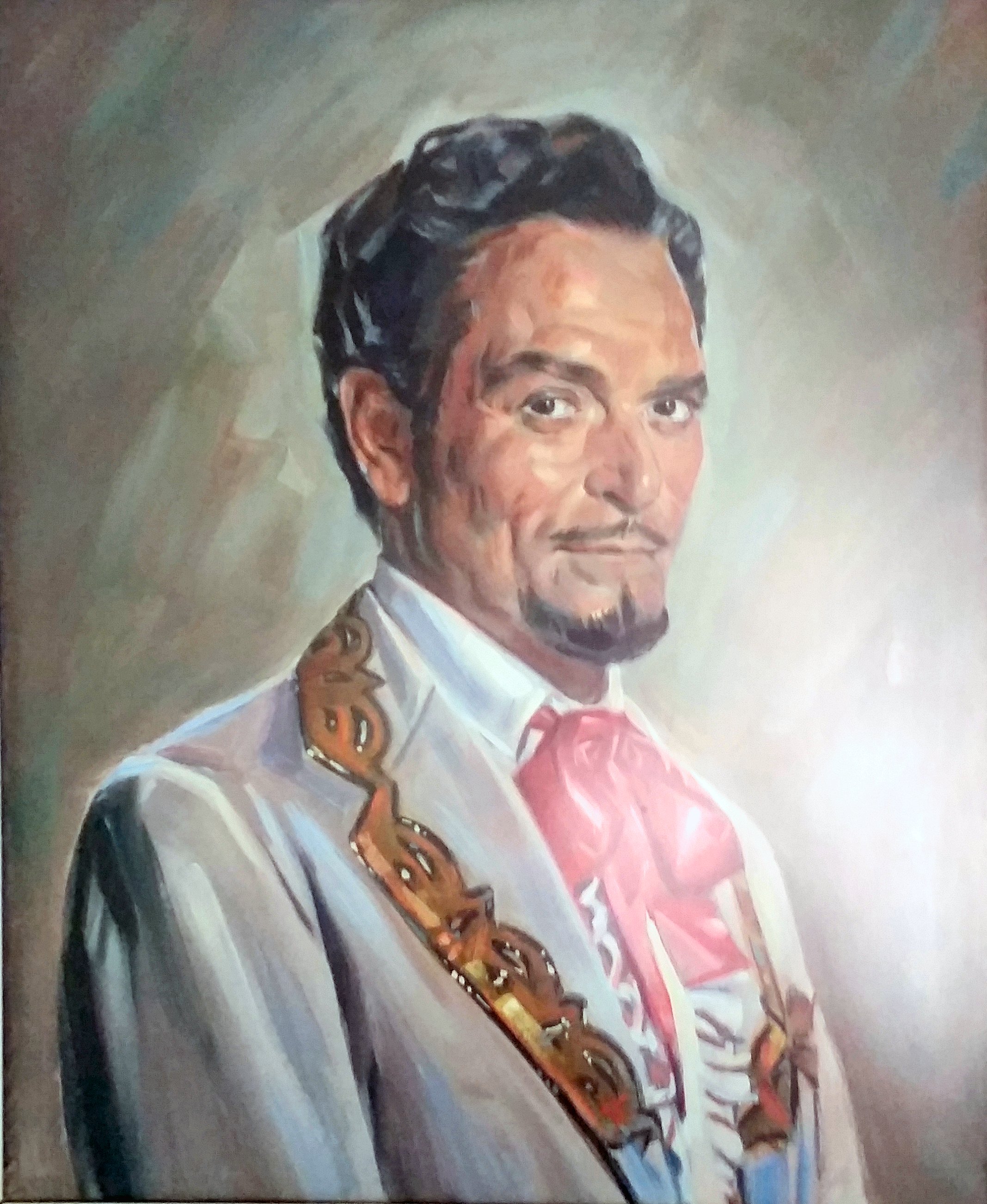
This was the original picture I used to create the mosaic:

Joe Portrait Prop

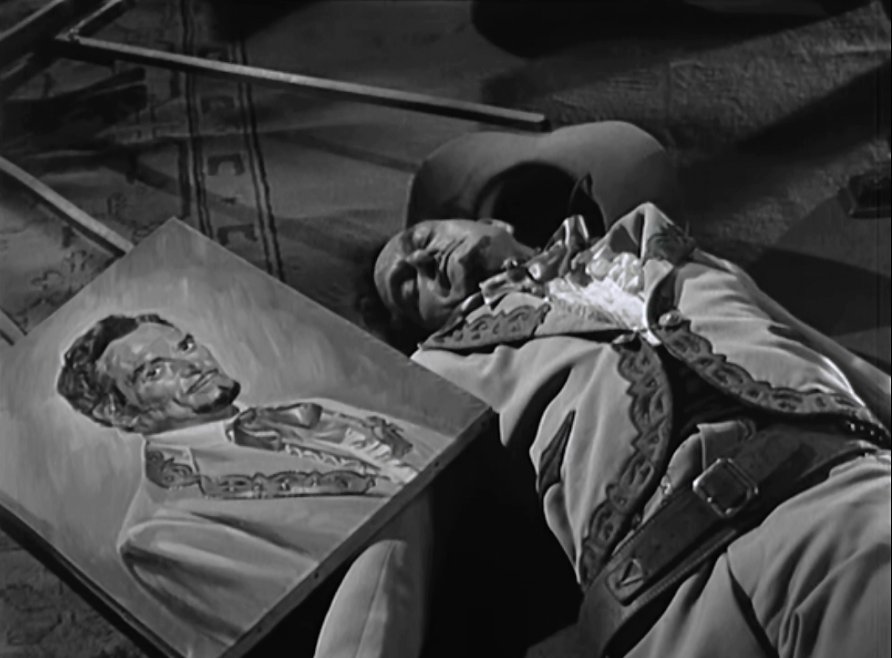
This painting is one of two created for the Warner Brothers show “Cheyenne;” the episode was “Road to Three Graves.”

Dad died well. He had lots of practice during his career.

Both painted on rice paper and in a balsa wood frame, one was crashed into during the filming; the other survived in his possession and it came to me when he passed on. Joe was a long-time visitor of the Eldred Center in Provo, Utah, where he had many friends; after his death, I donated the picture to the center where it hung by the office. I once took my wife there and showed it to her, because I was quite pleased they remembered him with such fondness.

In a sweet and romantic gesture, she later arranged to go back to the center and re-purchase it for me as a gift, a deed which brought tears to my eyes; it now hangs over our mantel during the month of June, representative of both Father’s Day and our shared birthday. A couple of years ago the old Eldred Center was demolished and moved to a new recreation center; heaven only knows what would have happened to the portrait had my beloved not rescued it. Perhaps it would have gone to the new location, perhaps not. In 2013, close to 25 years would have passed since Joe’s death, and few seniors of today would remember him; whatever the case,  I am most grateful to have this treasured painting back in my possession,

The mosaic, by the way, is composed of multiple images from my father’s career, as well as his sculptures.

The Old Wolf has spoken.

Tutpoxy (or, never give a repair job to an incompetent)

If  you’re not familiar with the infamous attempt at restoration of a 19th-century fresco by Spanish artist Elias Garcia Martinez, done by an elderly woman at the the church of Santuario de Misericordia in Borja, Spain, then you are either living under a rock or – perhaps – concerning yourself with more important things than obscure news.

jesus

Now comes a similar but no-less disturbing tale from Egypt, featuring the iconic mask of King Tutankhamun.

King-Tut-Golden-Mask-kings-and-queens-2461543-850-1212

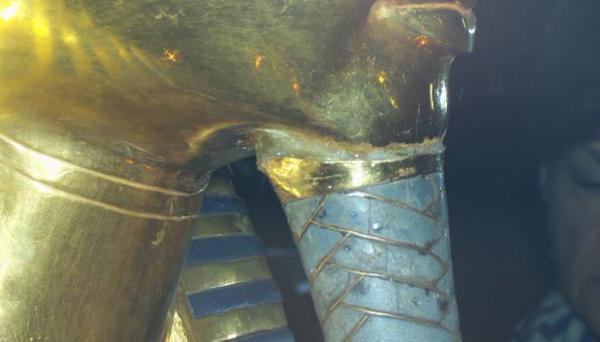
If you’re in charge of cleaning this famous relic, “What do you do if someone accidentally damages one of the world’s most famous artifacts under your charge at the Egyptian Museum? Do you a) report it to the nation’s antiquities ministry to ensure it’s properly repaired by specialists, or b) frantically call your husband so he can sloppily glue the broken piece back into place?” (from the Newser article).

tutpoxy

Apparently the latter, based on the picture above, is exactly what happened. Newser continues:

“The AP notes it reached three of the Cairo museum’s conservators by phone, and they’re all giving different stories: They don’t seem to agree on when the Epoxy Incident happened, and one says the beard was loose and purposely removed. What they do agree on—and all sources spoke on condition of anonymity for fear of reprisal—is that someone on high ordered a quick fix, and that the adhesive used was more damaging than helpful. “Unfortunately, he used a very irreversible material,” one of the conservators said. “Epoxy has a very high property for attaching and is used on metal or stone, but … it wasn’t suitable for an outstanding object like Tutankhamun’s golden mask.”

For now, the lights at the display are being kept low. I can only hope that the internal politics can be overcome sufficiently to get the artifact properly repaired, which apparently now will be a massive undertaking. Sounds to me like some official in the chain needs to be mummified himself.

The Old Wolf has spoken.

Sketches of Life in the Uintah Basin

Alice Woolf

Alice Bartlett Woolf, 1916-1997

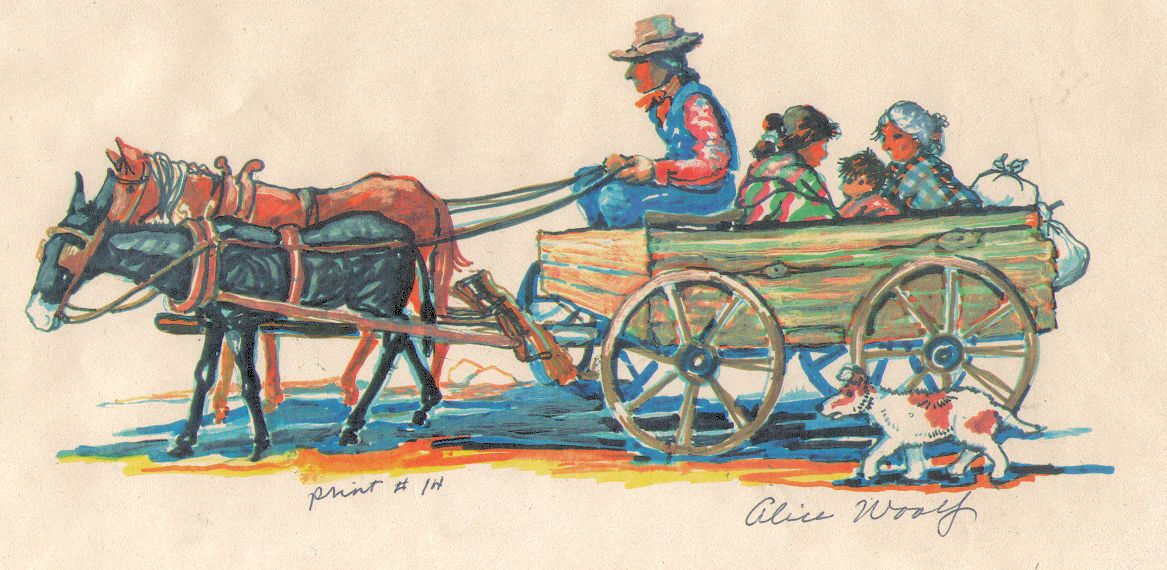
Alice Bartlett Woolf, a painter, writer, master teacher, horse breaker, and story teller, was also a dear friend of my mother. While working on scanning my mother’s papers, I came across an article that Alice had submitted to the Utah Humanities Review for their first edition in October of 1947. I found it delightful, and thought it worth sharing here. I have provided a PDF version of the article for anyone who wants to download it. The essay gives a homey, affectionate and impartial look at Mormon communities in the first half of the 20th century; there is much to be envied in the lifestyle of these simple and sincere people.


SKETCHES OF LIFE IN THE UINTAH BASIN

Woolf, Alice B.
Utah Humanities Review
1 (October1947): 313–319.

 Expecting the mode of life and the people to be much changed, I was going “home” for a vacation in the red sand hills of northeastern Utah. As I turned my car north from U.S. highway 40, I was delighted to see again the small farms on either side of a very muddy and rutted road. Of course, I reasoned, the very structure of the farms, with outbuildings, Jackson-fork hay derricks, stackyards, and straw-covered. sheds couldn’t have all disappeared in the space of fifteen years. But what of the people? Had the innovation of elec­tric lights, radios and refrigerators changed their way of life? Did they still refer to a journey to Salt Lake, or some place other than the Uintah Basin as “outside”? Had the oil boom in the nearby town of Vernal urbanized them?
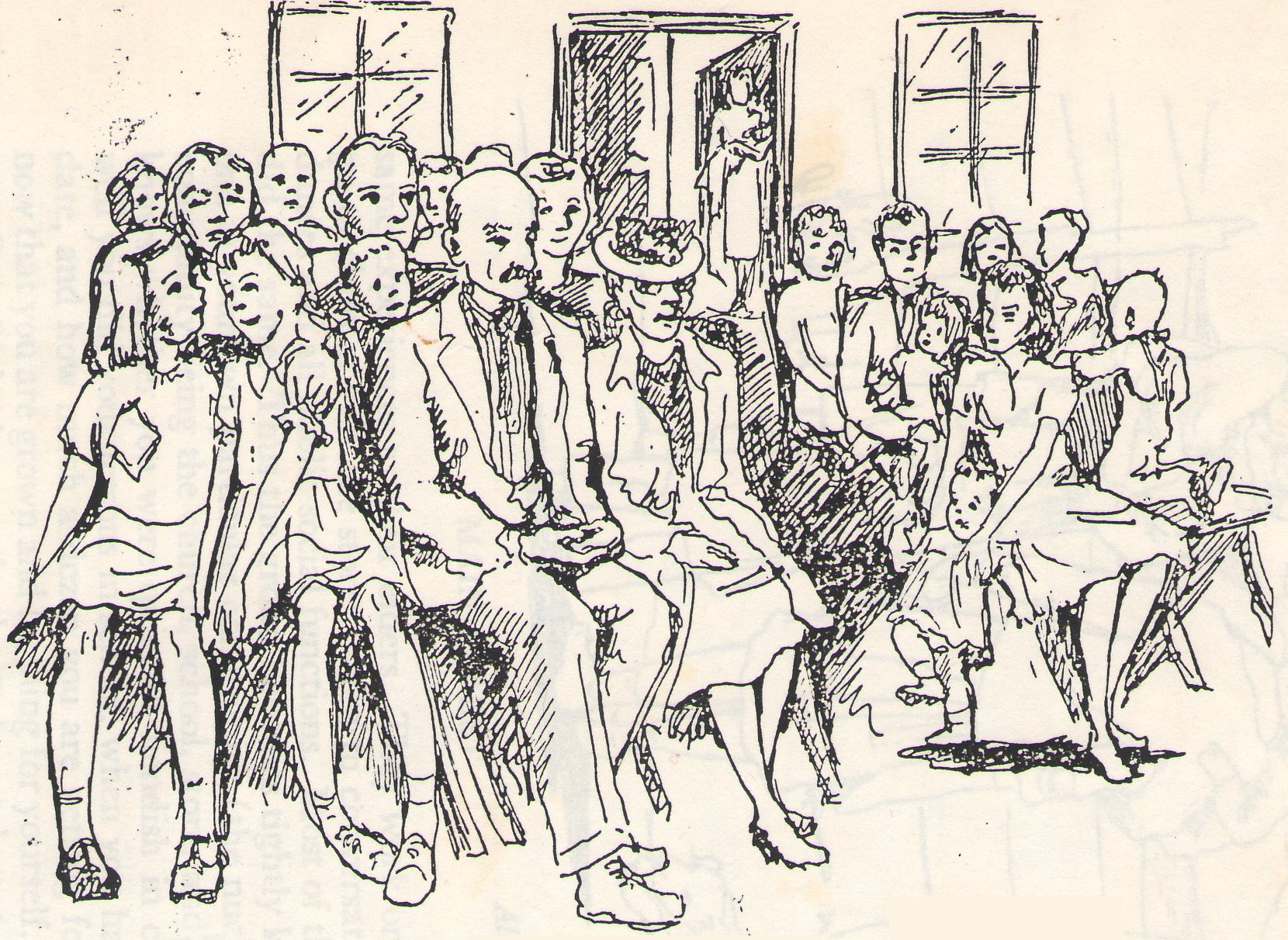
Woolf1

SUNDAY MORNING – Alice Woolf

 After several weeks in Uintah and Duchesne counties I concluded that life in general was much the same as it had been when I was a child of the sagebrush, happily riding my pony between prairie dog holes.

Of course, one may wonder why anyone should hope that small communities of people would not change; and after some thought, I decided that the people in the farm area to the south of the Uintah Mountains are, by and large, the happiest group I have ever known. I had been worried lest the “finer things” of civilization had made them unhappy with their lot, for to the casual observer the small farmer in the Uintah Basin has so many natural odds against him that it seems incredible that the country has ever been popu­lated. He has a constant battle with wind, sand, drouth, and grasshoppers. Getting water to the land has been a major problem since the land was homesteaded, and even today everyone donates time to the building of canals and ditches, in an effort to fight the desert dryness.

Main Street

MAIN STREET – Alice Woolf

 The main factor in this happiness the people enjoy, it seems to me, is the complete social integration of all members of the community. From birth, children go through the same experiences as their elders. They work or: the farms, go to church, visit the stores, listen to conversations, attend dances and all public social functions. Most of their parents did the same. Thus the group becomes tightly knit. Everyone in our own particular community (the nucleus of each community being the church, school, store, and post office) knows whether you were quiet or fiendish in church, how well you did your lessons in school, when you had your first date, how much a dozen you are getting for your eggs now that you are grown and farming for yourself.

One finds the people themselves tolerant and understanding with members of their own community, or of com­munities they would consider neighboring. They discuss the faults and failings of friends, as well as their good qualities, with joyous abandon. However, this ready acceptance extends only to the group. A stranger entering their midst – let’s say someone from “outside, ” perhaps Colorado or Wyoming – would receive a very reserved welcome from everyone, and it would take considerable good-will on the stranger’s part to draw any attention but the rather austere courtesy that is far from impolite, but leaves the atmosphere a little frigid.

Farm methods have improved somewhat in the last few years. There are more tractors and less broken-down teams. Nearly everyone has a car, and there are actually people in the farming district who are getting running water.

In dress the people are utilitarian rather than stylish. The men wear overalls and work shirts, and the women effect the typical “Utah” house dress and apron.
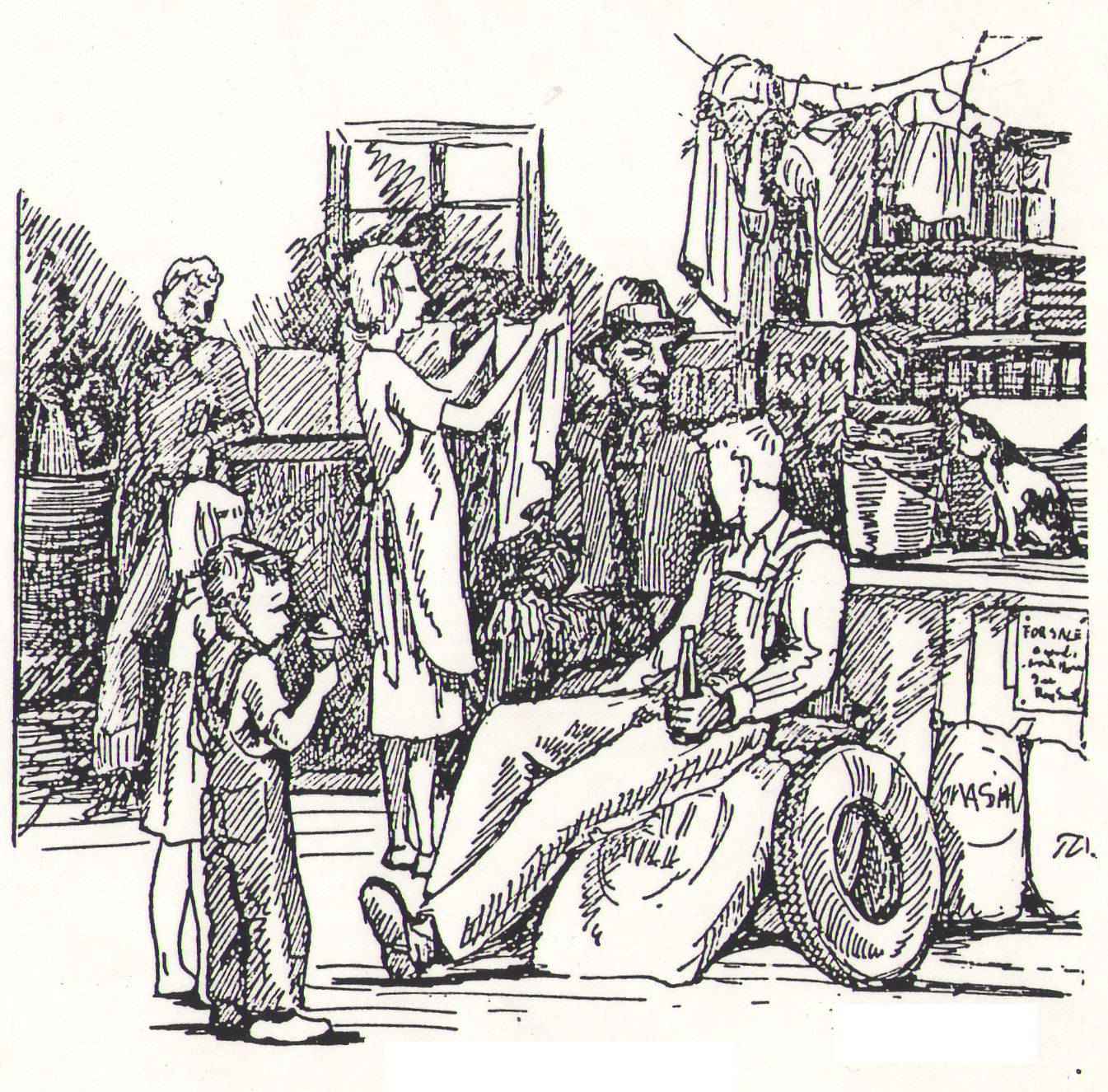
Country Store

COUNTRY STORE – Alice Woolf

 In the series of sketches, I chose several pictures which depict the life of the people. The one entitled “Main Street” is actually a typical thoroughfare in rural life. The barbed wire fence in the background encloses a pasture that lies between the store and the school house. l would like to call attention again to the children, who, even though small, are becoming used to grown-up talk, and the exigencies of grown­up life.

I have chosen two other sketches dealing with social pleasure. One is the interior of a typical rural store, where the people come partly to buy and partly to visit. There is nearly always a family or two in the store, the men, of course, discussing weather and crops, and the women doing exactly what visiting women have always done talking a mile a minute. The second sketch concerns a dance. This one happens to be at a Gold-and-Green Ball, but is a scene that might be sketched at any country’ dance. Unlike dances in the city, this one is not selective; everyone comes. Many come as “lookers-on.” They simply choose a scat and tend children and visit. The young women, both married and unmarried, come in delightful confections of pink and blue tulle, as “formal” as can be. Older children slick up in their Sunday best and dance or not as they feel inclined. The charm of the whole occasion is that everyone has a good time, the dancers dancing, the onlookers speculating about any new romances, and the children just being children. At midnight the three or four-piece orchestra plays “Home Sweet Home, ” and the hall is vacated, except for a few older boys who stay to put the chairs up for church next morning.

Gold and Green Ball

GOLD AND GREEN BALL – Alice Woolf

 When someone in the community dies, friends of the family build the coffin. This is looked on not so much as a distasteful task as a last kindly gesture toward the de­ceased, and even though neighboring towns have undertak­ing parlors, it is rare indeed that the dead are not cared for by their own friends.
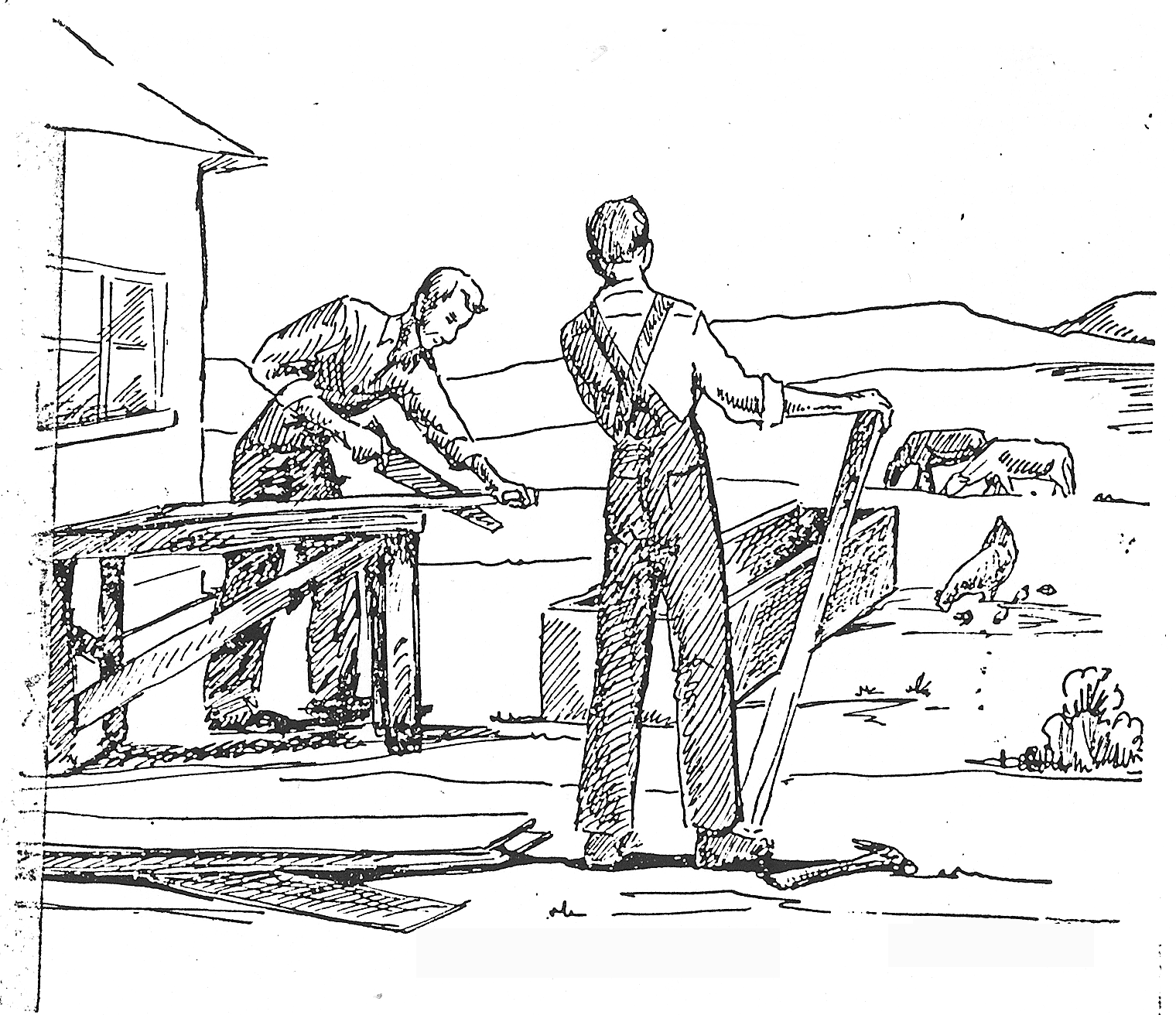
Making coffins

MAKING COFFINS  – Alice Woolf

Sunday morning finds nearly everyone at church. If chores or housework keep people until past the starting time, they come late, expecting everyone to understand. Here again we see ail ages amalgamated together in the large general assembly. No one minds the general hubbub caused by the small children, least of all the people conducting the church service, who are very likely tending children of their own. Somehow everyone comes away from the church up­lifted spiritually, although an outsider might find the whole atmosphere confusing.

Last but not least is the sketch called “Saturday Night.” Never, in my return visit, did I fail to feel nostalgic as I walked into a warm kitchen and saw the tub on the floor and warm towels on the down-turned open door. If there is one thing above others that seems to cement family solidarity, it is the Saturday night bath. By the time everyone has par­ticipated in chopping wood and carrying water in prepara­tion, and has emerged clean and shining from a tin tub, all seems right with the world.

Saturday Night

SATURDAY NIGHT – Alice Woolf

 After spending several months in such an area, it is a little difficult to return even to the modestly urban life of Salt Lake City, as it is always hard to leave a peaceful life among happy people for a life that is more hectic and far less happy. Struggling with wood-chopping, water-carrying, and a cow-to-you milk supply is incidental when one has a joyful life. If one makes the slightest attempt to live within the group mores and customs his life can be an open book – ­read and accepted by all, good and bad alike; and he can of course help in accepting his acquaintances, good and bad alike. With such community solidarity, as long as one stays in the community, security and contentment are forever present.


Two prints of artwork by Alice WoolfAlice Woolfe Print 1 Alice Woolfe Print 2Alice and my mother were born in the same year; Alice passed five years before mother did, but they were lifelong friends, and I recall hearing many stories about her as I was growing up. I’m pleased to share this bit of Utah history which, thanks to Alice’s insights, has been preserved.
The Old Wolf has spoken.

The 2.6 million dollar watch

For a number of years I was involved in a marketing enterprise, and my sponsor enjoyed wearing a diamond-studded Rolex that he picked up for about half-price, a mere $125,000. I always wondered how much sense it made to wear that much money around on your wrist, but whatever floats his boat.

Then I discovered this:

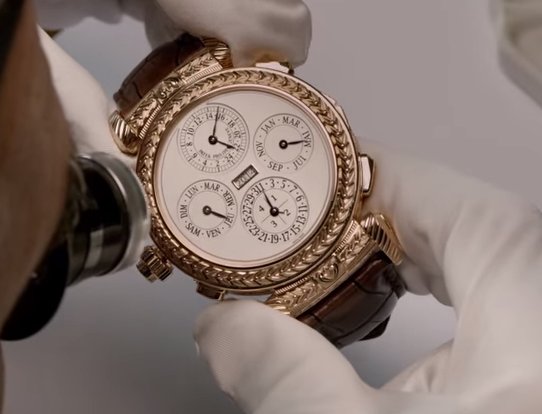
This video describes the design and manufacture of the Patek Philippe 5175R Grandmaster Chime Watch, which sells for $2.6 million… if the president of the firm thinks you’re worthy to own one. To celebrate the 175th anniversary of the firm, only seven were made, six of them to be sold to a very exclusive number of long-time collectors, the seventh to be displayed at the Patek Philippe Museum in Geneva.

Patek2

Now, Patek Phillippe is the zenith of the summit of the pinnacle of the watchmaking world to start with. They don’t let anything but perfection out of their factory doors. But this particular watch would make Jacquet-Droz blush with embarrassment and want to crawl into a hole for having produced such crude workmanship, and he was a world-class craftsman and a genius.

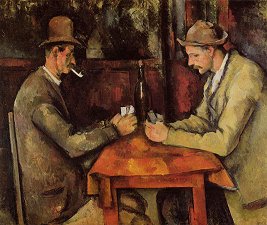
When I read the title of the video, I thought to myself, “why in the world would someone create, let alone buy, such an expensive watch? Well, the buyers will have their own reasons. But as for the creation… this is not merely a timepiece, this is art. People pay much more than a paltry 2.6 million for coveted artwork; remember that someone paid an estimated $259 million for Cezanne’s The Card Players.

Cezanne

Watch the video. You’ll see that this piece is lovingly crafted in the most excruciating detail by craftspeople who could rightfully be called national treasures. Designers, machine workers, watchmakers, artists, metallurgists, you name it – the skill and precision and absolutely insane devotion to a perfect product are visible here.

Movement

The movement before assembly

I’ll never be fortunate enough to hold a piece of art like this, and I’m not likely to see one in a museum either, so watching the video will have to suffice for me.

Patek 3

The Reverse Side

But from where I sit, this miracle of design and labor is worth every penny that the company charges for it.

Now, this whole adventure raises a few questions. Recently, redditor /u/mattertater calculated an estimate in raw dollars for how much it would take to end world hunger if every citizen of first-world countries contributed the same amount annually. (Thread with commentary)

With an approximate first-world population of 906,715,020 people, or 12.45% of the global population, the UN estimate of $30 billion annually works out to roughly $33.08 per year, or about 9¢ a day. For comparison’s sake, note that the US military, with an annual estimated budget of $640 billion, could come up with that amount all by itself by trimming 5% of its annual spending.

These are just some interesting raw numbers. It is understood that the problem of world hunger is much more than throwing dollars at it, involving as it does so many factors such as distribution chains, administration, corruption, agriculture, warfare, and countless others. But it’s intriguing to wonder if given the pressing problems of the world, owning a watch that costs this much money really makes sense. Still, on a much smaller scale, 8 people were willing to pony up $999.99 for the “I am Rich” app at the Apple Store before it was pulled down… and all it does is display a glowing, red gem which the rest of the world can’t have. Veblen goods have their appeal, usually for reasons of vanity.

The world is so full of a number of things…

The Old Wolf has spoken.

Custom Laser Engraving: Getting the Word Out

Business can be a fickle thing, sort of like success in show business. Some people just get lucky and get the breaks; others struggle for a lifetime to make a living at their craft.

Advertising is expensive, and from what I’ve seen, the only people who make money from advertising are the advertising promoters.

So here’s a bit of free exposure for some friends of mine up in Canada who could use a boost.

Fractal

They do all kinds of custom work.
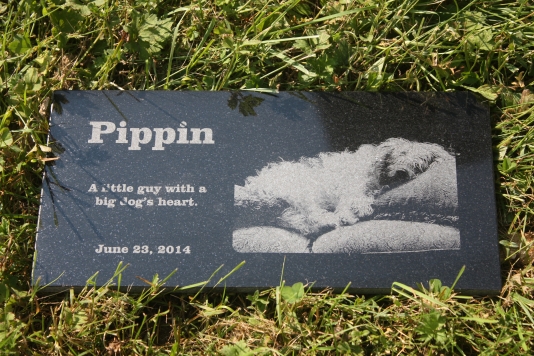
pippin-memorial_th

Pet Gravestones


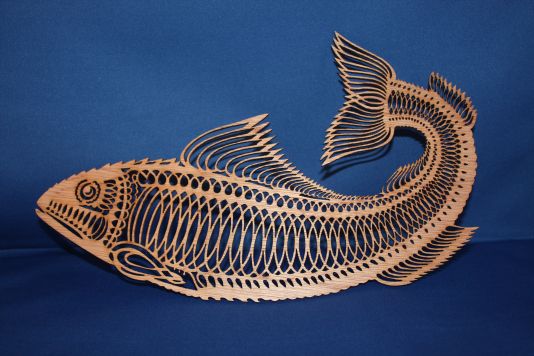
carved_fish_th

Wood Engraving


pal_water_bottle_th

Metal and Glass

If you have any needs in this area, I know they would appreciate your business. Visit them at www.fractalcoffee.com.

The Old Wolf has spoken.

Gordon Parks: Alabama, 1950’s

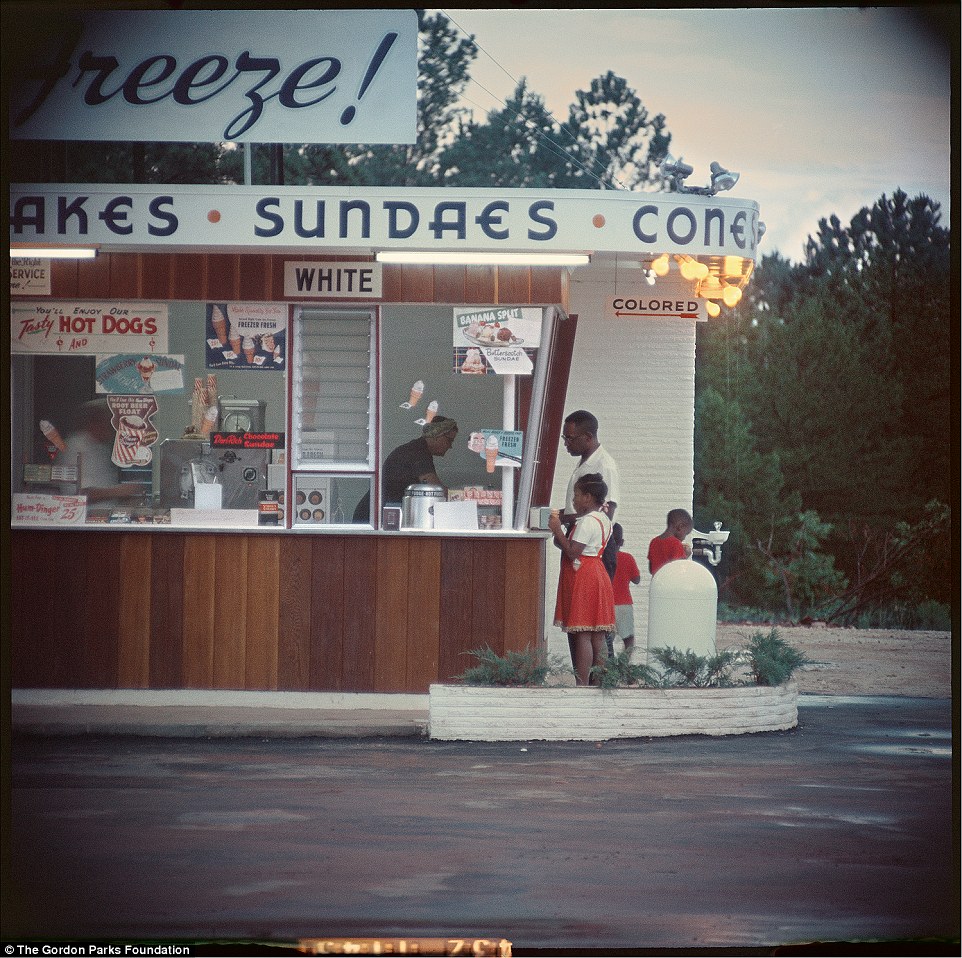
1415915696325_wps_10_MUST_LINK_BACK_TO_SITE_ht

This beautiful picture by Gordon Parks is one of a series of 40 that will be on display at the High Museum of Art in Atlanta, Georgia. I had posted another image from this series here without attribution, which has now been rectified.

There is very little to say about this era of our history that has not already been said, and better, by other historians and sociologists. Yet this particular image strikes me with the sheer insanity of the entire proposition. Same restaurant, same server, same product, yet a separate window six feet away from the “White” one. None of it makes any sense, and as I take a long view of our nation, I realize that although superficial progress has been made, there is still far too much bigotry alive and well.

Read more about the exhibit at the Daily Mail.

The Old Wolf has spoken.
Philadelphia – 3rd International Sculpture Exhibition, 1949

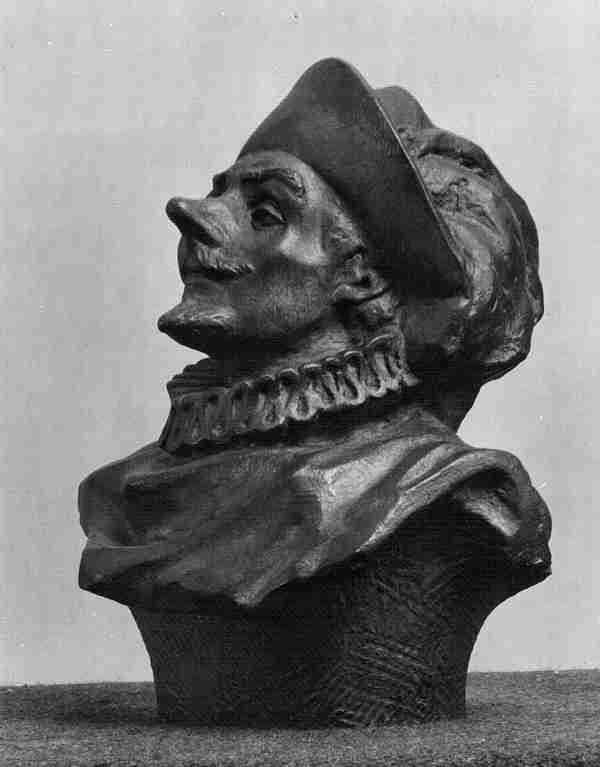
My father was an actor by trade and a sculptor by avocation. He was very good at it, and worked in clay, wood, and stone. When he passed (hang head), most of his work was donated to local musea; a few examples follow.

muni

Paul Muni

Opus 03

Walter Hampden as Cyrano de Bergerac, modeled from life

Opus 08

Negro Dancer, Bronze

Opus 02 - Lear (destroyed)

King Lear, plaster, destroyed

Washingon Square 1

As a young man during the depression, my father and his first wife would lug his sculptures to a display in Washington Square in New York – heavy work, because most of his materials, such as limestone, granite, and wood came from building debris. In the evening, he would lug them all back to his workshop. Sufficie it to say he was passionate about sculpture, and remained so to the end of his days.

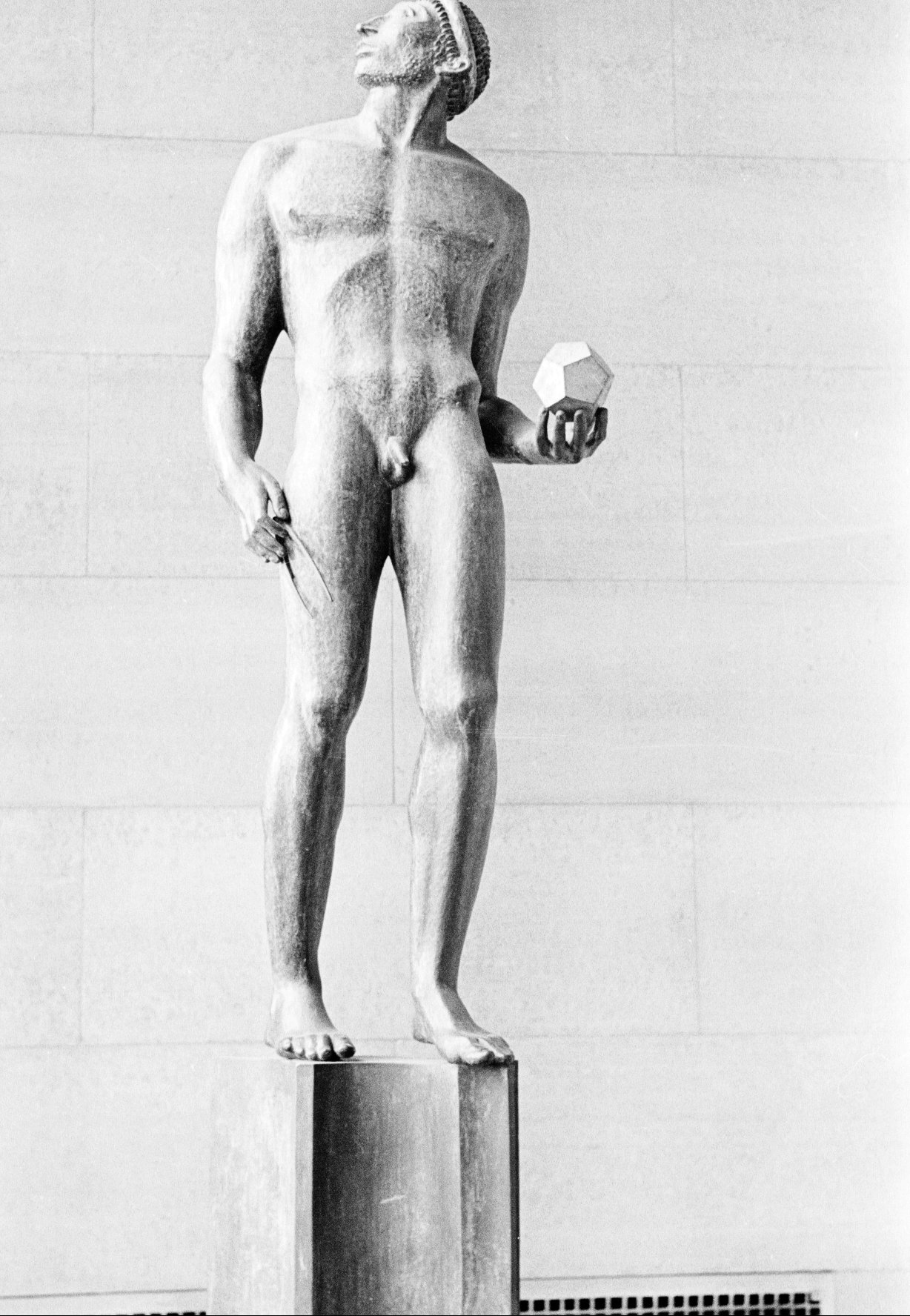
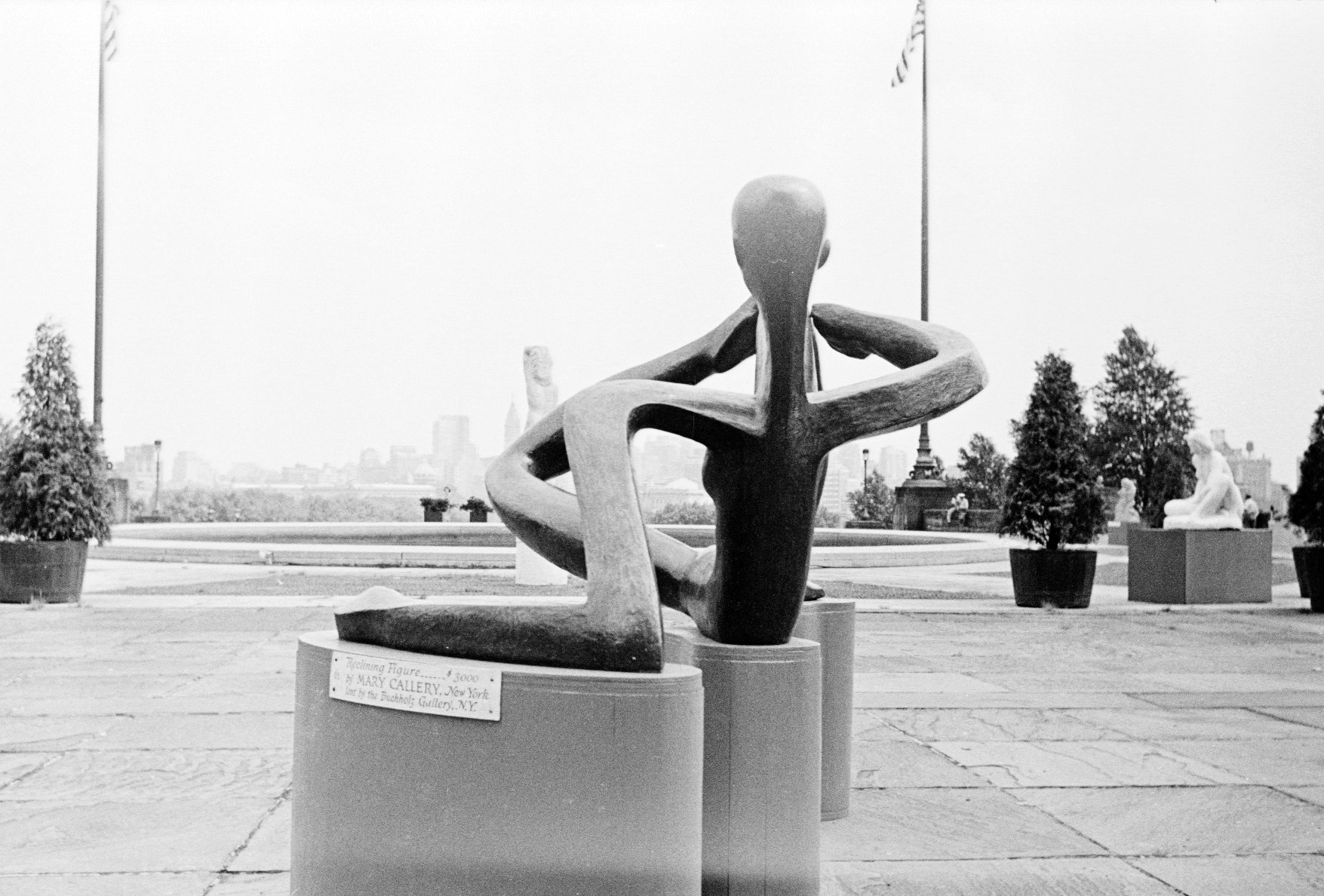
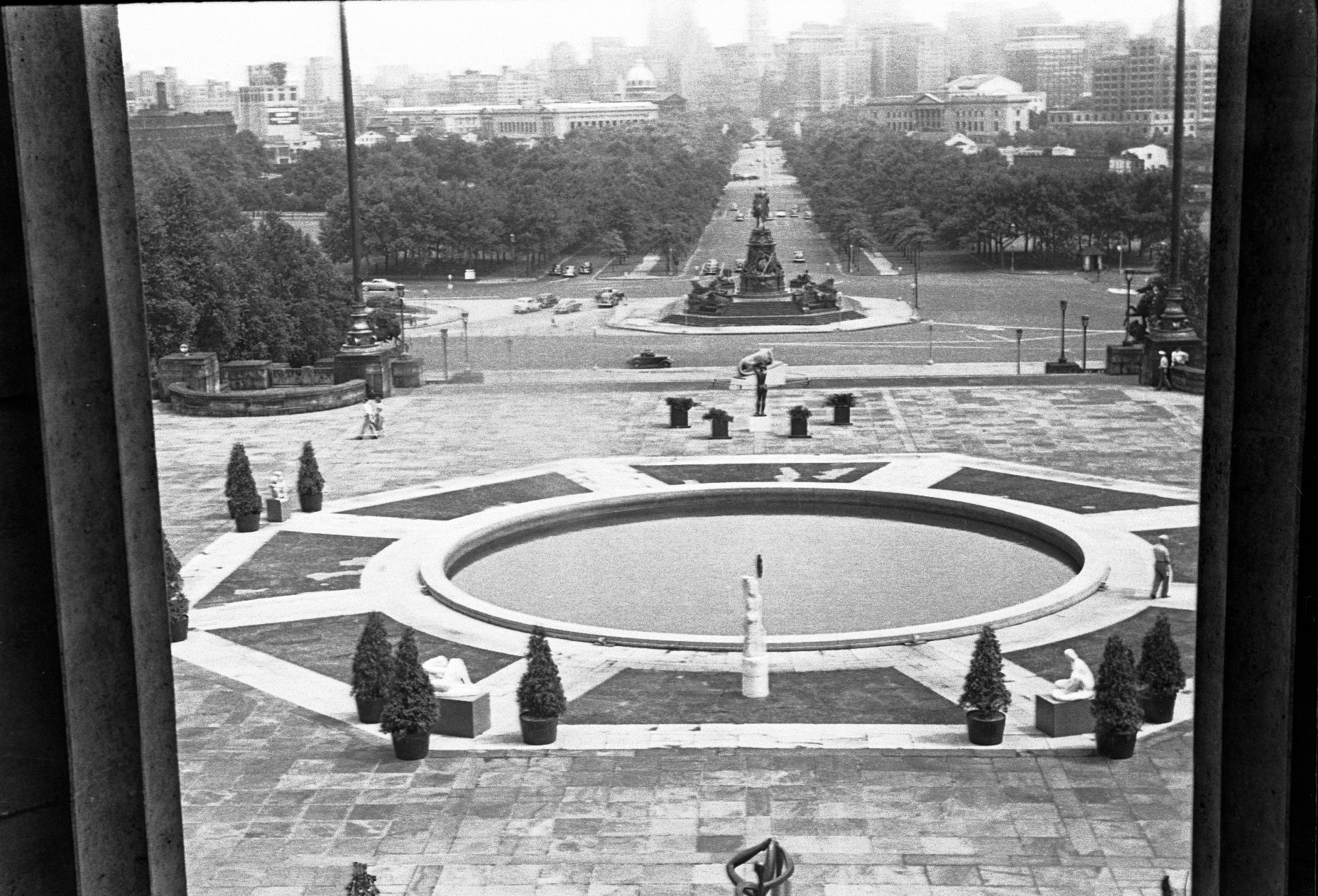
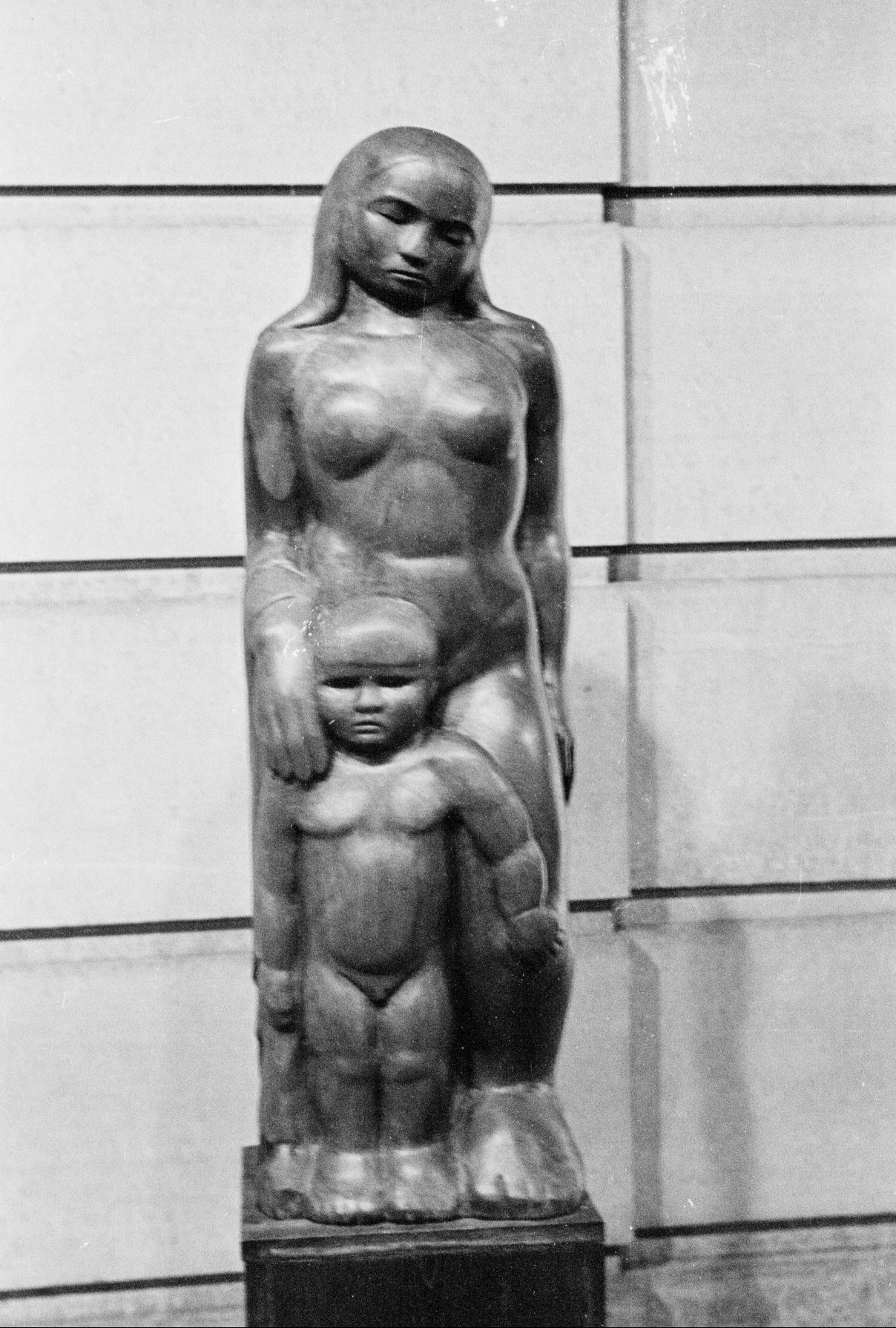
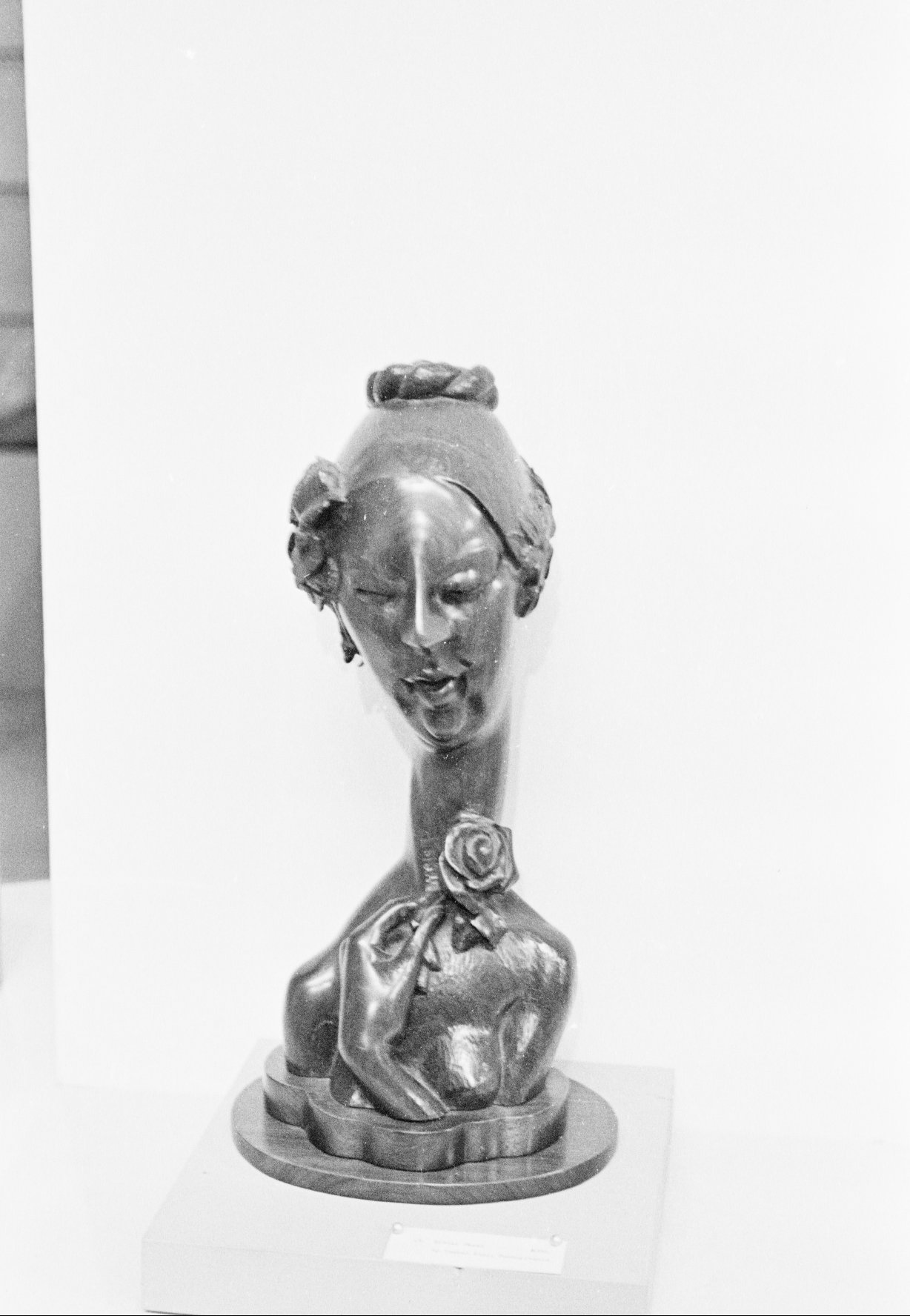
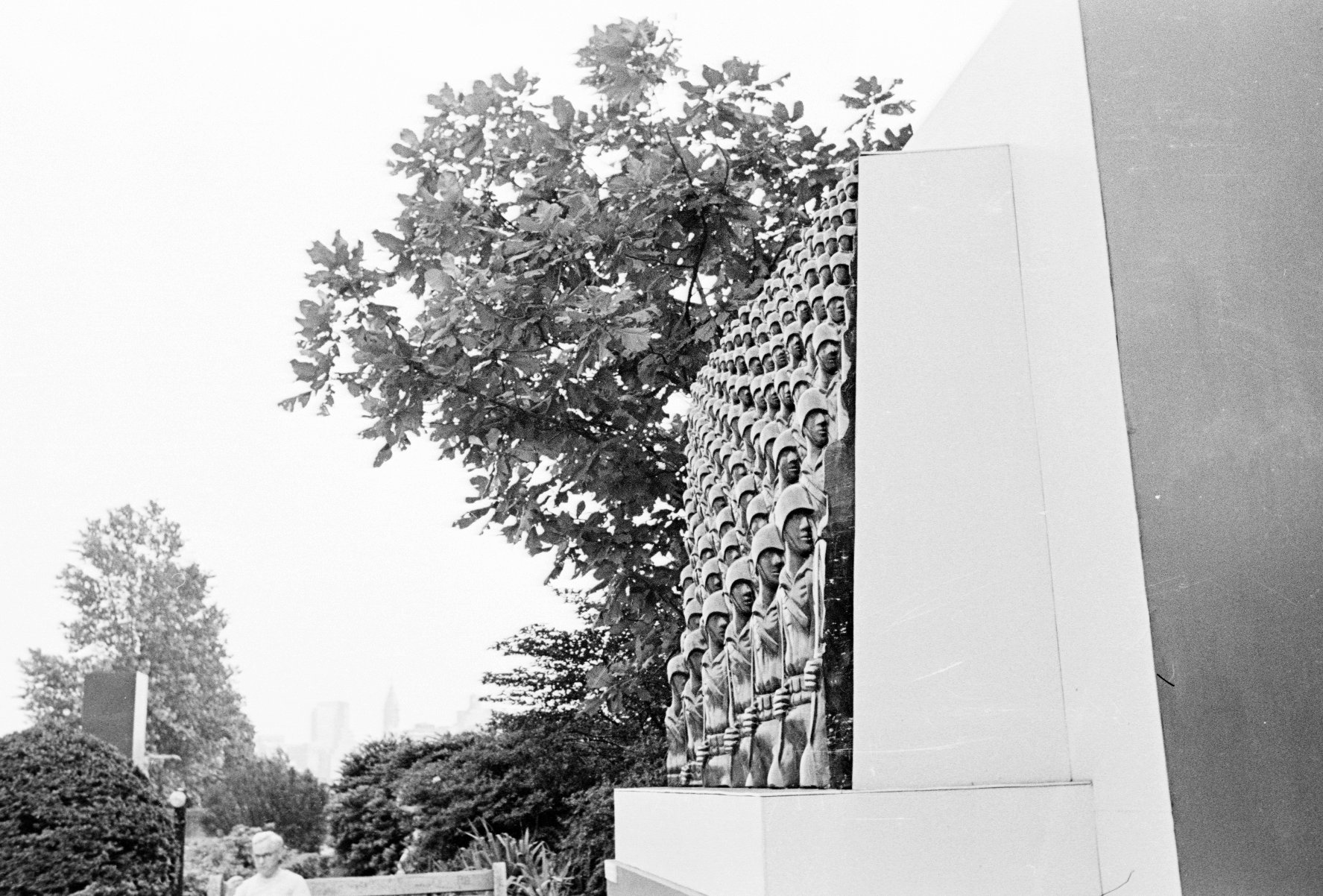
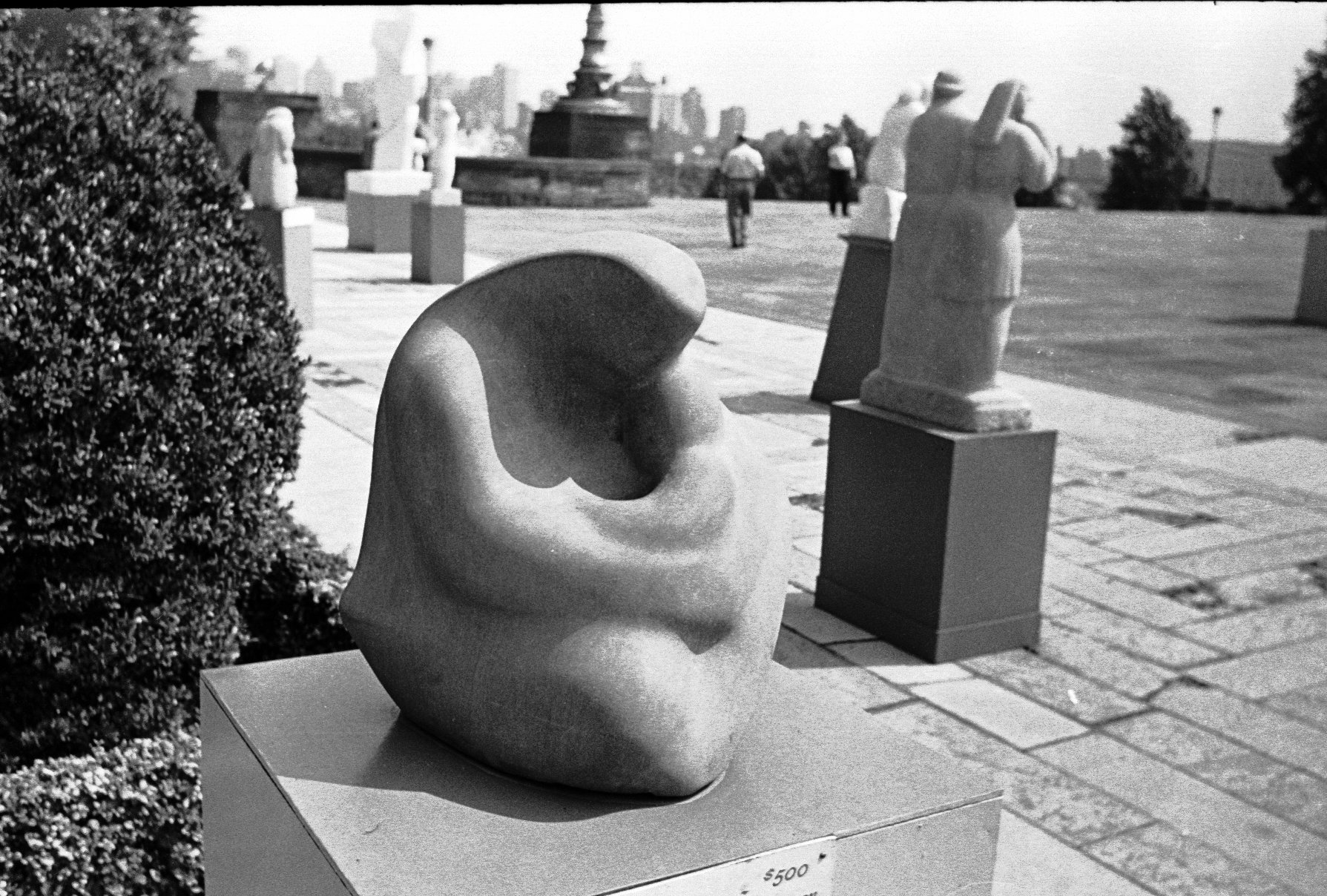
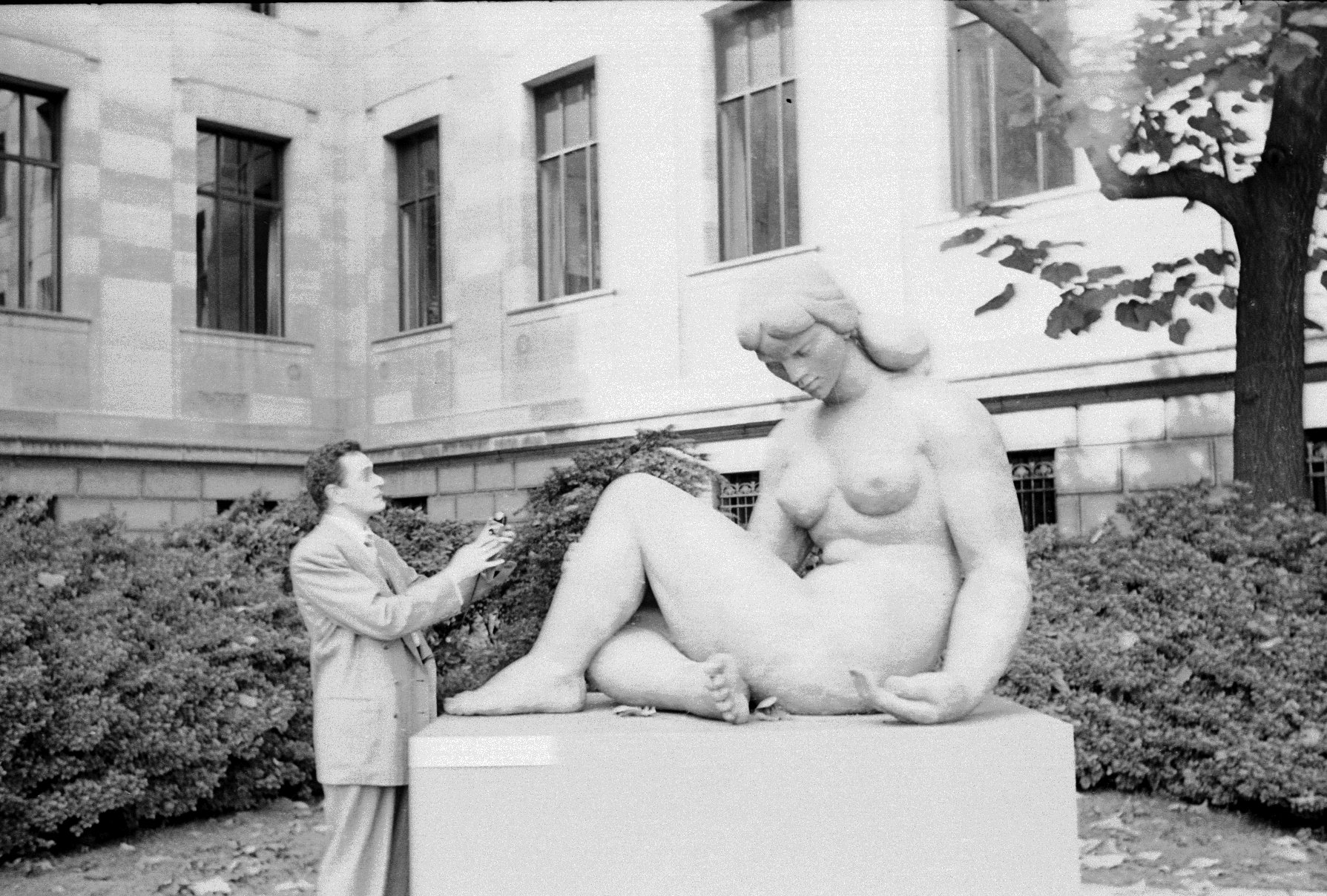
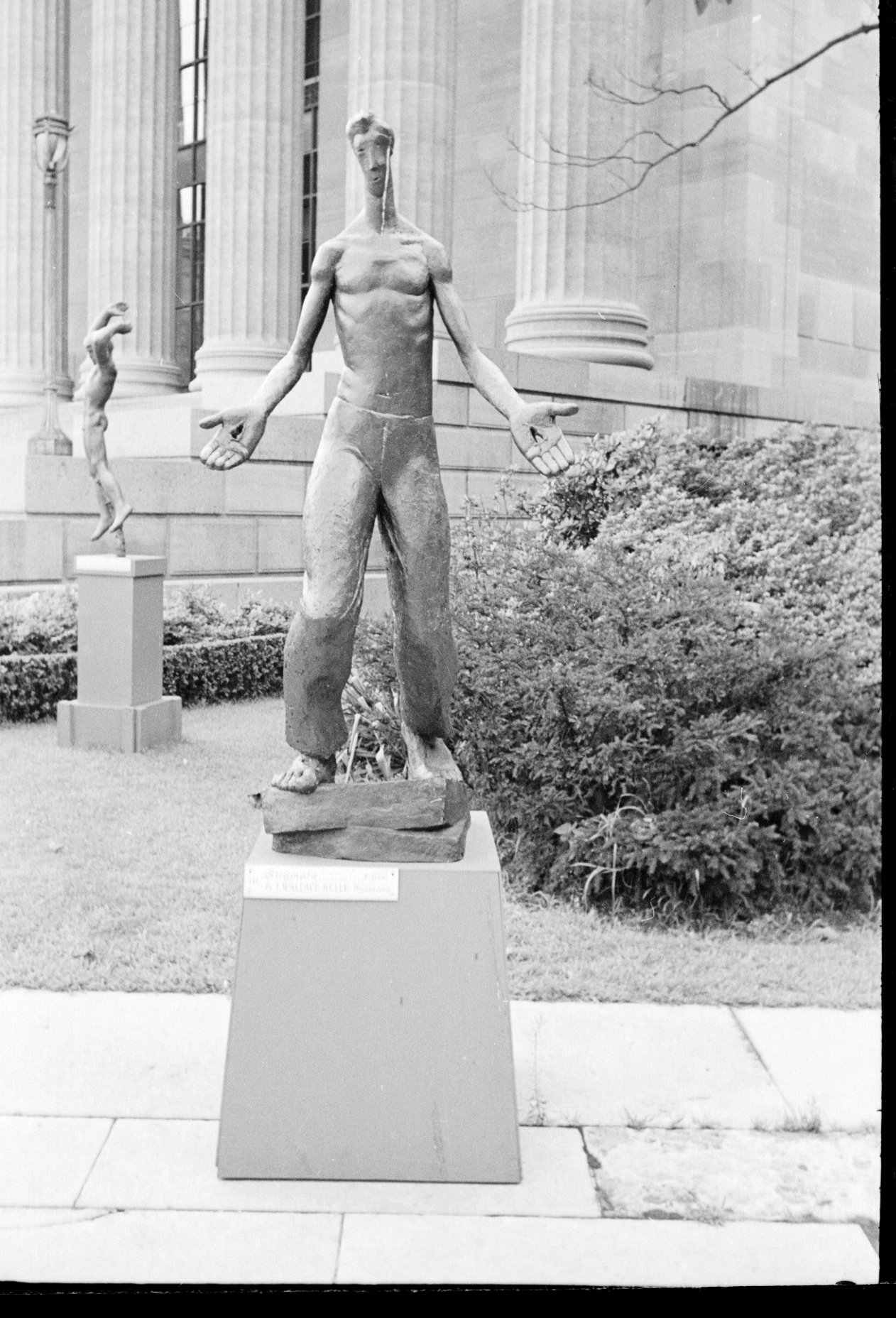
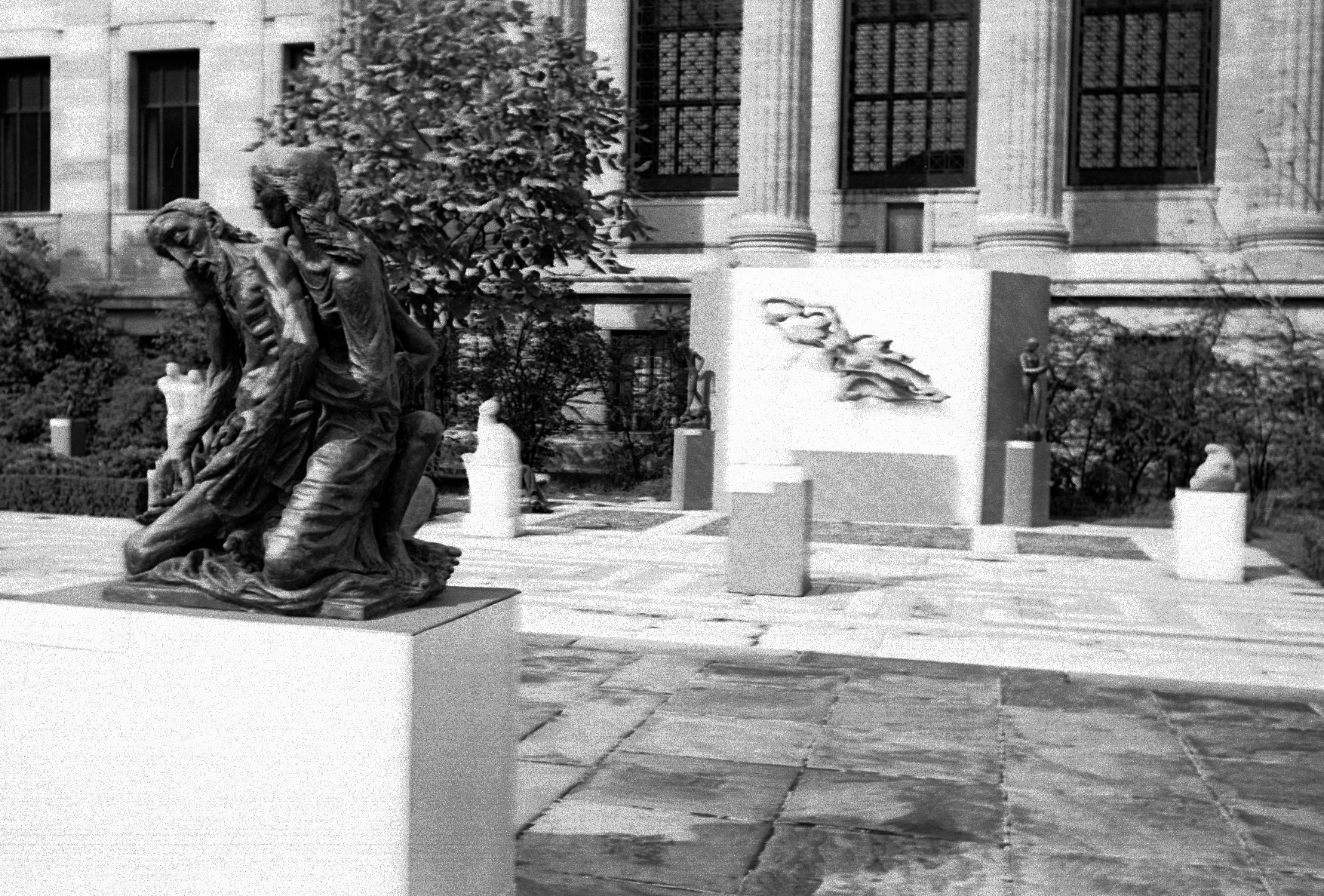
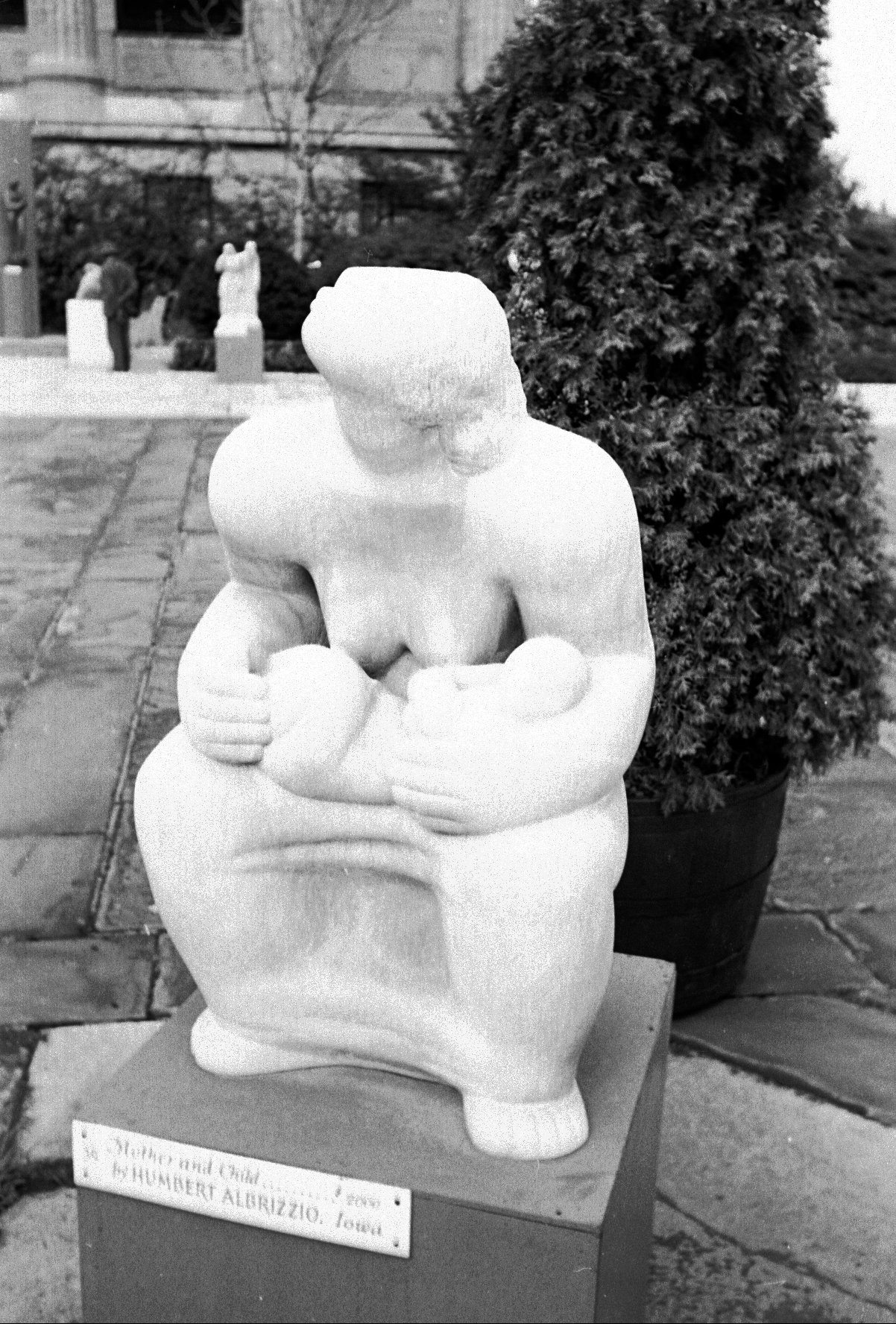
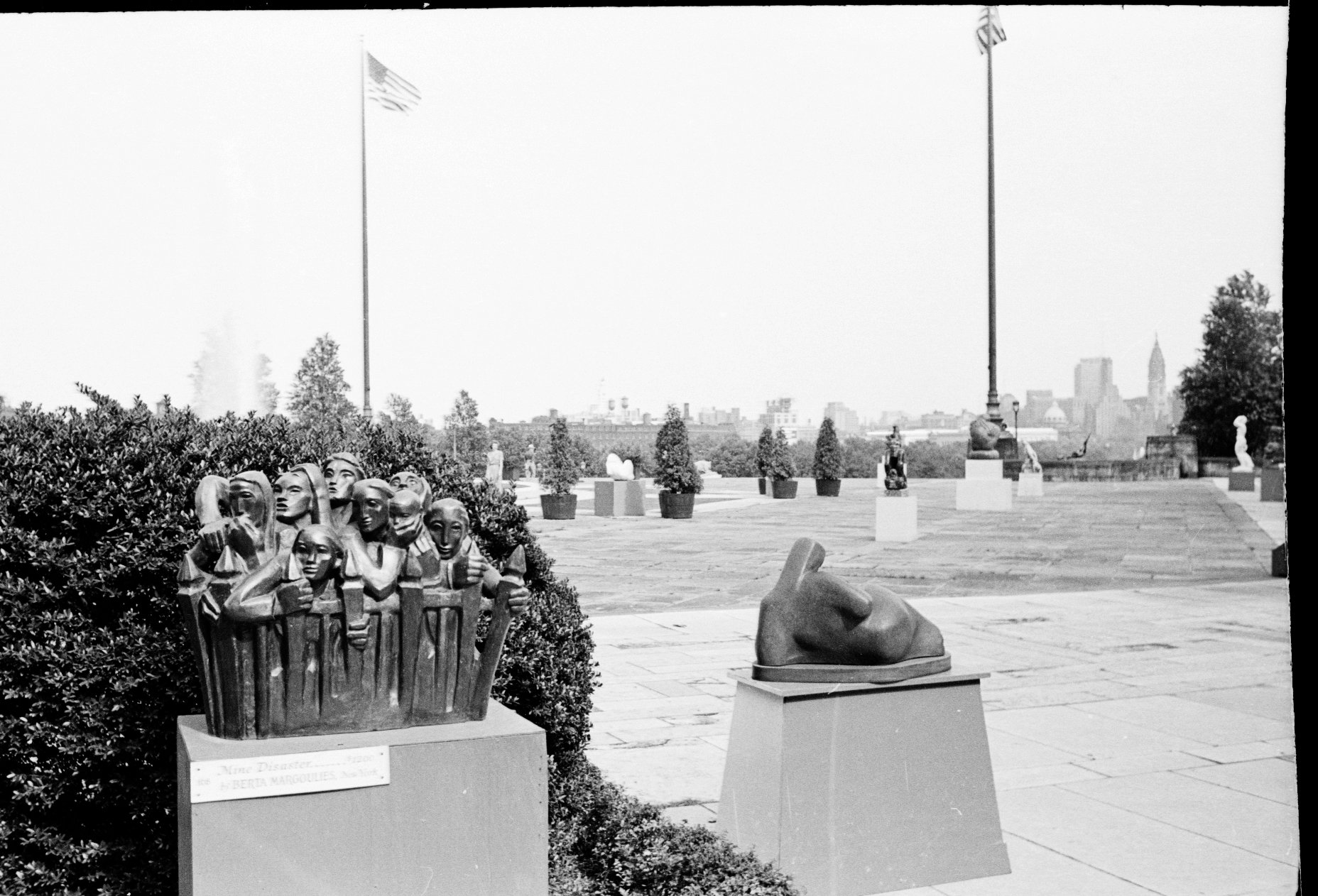
In 1949, he and my mother visited the 3rd International Sculpture exhibition in at the Philadelphia Museum of Art. He was also an avid amateur photographer, and captured some images of the day’s visit. The quality is not spectacular, but there are some interesting pieces to be seen.

Philly - Sculpture 1

Philly - Sculpture 4 Philly - Sculpture 5  Philly - Sculpture Garden  Philly - Mother and Child Philly - Woman with Rose  Philly - Front of Museum Philly - Museum Lion Philly - Museum Fountain Philly - Museum Wall 2 Philly - Sculpture 6 Philly Sculpture 7  Philly Sculpture 9 Philly Sculpture with Joe Philly Sculpture with Marg Philly Sculpture 10  Philly Sculpture 12 Philly Scupture 13 Philly Sculpture 14 Philly Sculpture 15 Philly Sculpture 16 Philly Sculpture Garden 2 Philly Sculpture 17   Philly Sculpture Garden 3 Philly Sculpture with Joe 2 Philly Sculpture with Marg 2   Philly Sculpture 18 Philly Sculpture Garden 4

Clearly my father’s work was influenced by some of the styles that seemed popular in the day:

Opus 45 - Shrouds of Illusion

Opus 49 – “Shrouds of Illusion” – Kasota Stone

Opus 56

Opus 56 – Mother and Child

Opus 49

Opus 49 – Limestone

The Old Wolf has spoken.