The Hillside Letters

If you have never been in the great West, a local phenomenon may raise your eyebrows as well as a few questions. You’ll see huge letters all over the mountains and hills – some large, elaborate, and concrete, others not much more than the impression of thousands of feet wearing them into the soil. But they’re hard to miss once you get west of Denver.

From Wikipedia: Hillside letters or mountain monograms are a form of geoglyph (more specifically hill figures) common in the American West, consisting of large single letters, abbreviations, or messages emblazoned on hillsides, typically created and maintained by schools or towns. There are approximately 500 of these geoglyphs, ranging in size from a few feet to hundreds of feet tall. They form an important part of the western cultural landscape, where they function as symbols of school pride and civic identity, similar to water towers and town slogans on highway “welcome to” signs in other regions.

Block U 1971

University of Utah – Block “U” in 1971

Block U Illuminated

Illuminated for Homecoming. As with BYU (mentioned below), the Intercollegiate Knights had the privilege of whitening and lighting the Block U. The U was reconstructed a number of times, and the latest incarnation included plug boxes that allowed lightbulbs to be plugged in during homecoming. In this manner, the bulbs could be easily removed after an event and not left to the depredations of weather or vandals.

U

Block “U” as seen from Google Earth, the light plug boxes visible.

Block U Article

By 1974, the IK’s were an endangered species, but they did their best to keep the tradition going as long as possible. It was traditional during the famous rivalry games between the U of Utah and BYU for students to try to paint the opposing team’s letter the wrong color, which necessitated the whitewashing if efforts were successful – as well as repairing the effects of weather.

May 1973 - Block U 4

Here are six of the intrepid 9 who soldiered on. Below are three shots from an earlier event in October of 1967, showing the previous Block “U” before it’s refurbishing.

Oct 1967 - Block U 2

Oct 1967 - Block U 3

Oct 1967 - Block U

On to Provo…

BYU_East

The Block “Y” on the mountain above Brigham Young University

BlockYGoop

The “Block Y” illuminated at night with electric lamps. Originally the “Y” was lit with “goop,” balls of mattress stuffing mixed with oil; the Intercollegiate Knights service fraternity was responsible for this activity. Later students lit the “Y” with torches, and in the 70’s, for safety reasons, strings of lights were devised that allowed the letter to be lit up (usually at homecoming or during important athletic events) without the risk of fire on the hillside.

A lovely video which explains not only the history of the “Y” but also gives a feeling of why these letters are important to those who place them.

PaysonP

Payson High School – Payson, Utah

Battle Mountain

Sometimes you wonder if they were thinking. Battle Mountain, Nevada.

tumblr_mvkzx4bg9K1rasnq9o1_1280

Map of the block letters in the West. Click through for a list of where these letters can be found.

I grew up in New York City, but I’ve been in the West since 1969, and these ubiquitous letters have become part of my world. I wouldn’t recommend the expansion of the tradition eastward, as they do cause some damage to the areas where they are installed, but the ones that exist continue to be an expression of local pride and have a decidedly western flavor.

The Old Wolf has spoken.

The Ultimate Swiss Army Knife: 1880 version

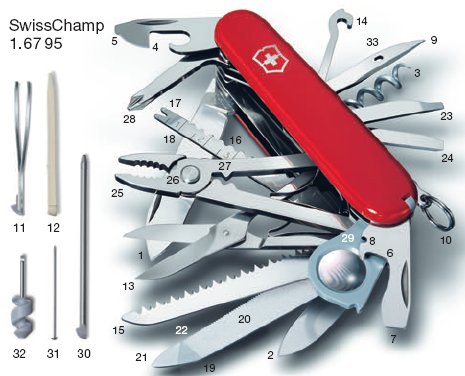
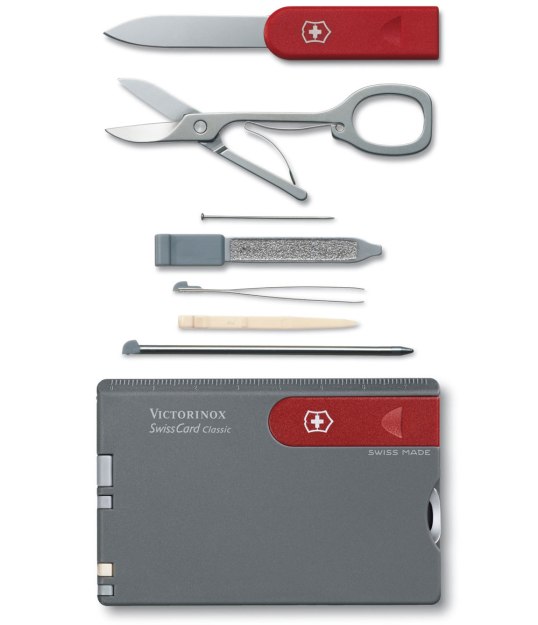
I’ve always loved Swiss Army knives. I inherited two small ones from my father, and for the longest time carried a SwissCard in my wallet which contained a number of useful tools for a traveler, as well as a Swiss Champ on my belt (at least until 2001, when carrying anything of this nature became more of a hassle than anything else.)
PAAAAAJLLMOMPMGD_j

Swiss Card

SwissChamp-Tools

Swiss Champ

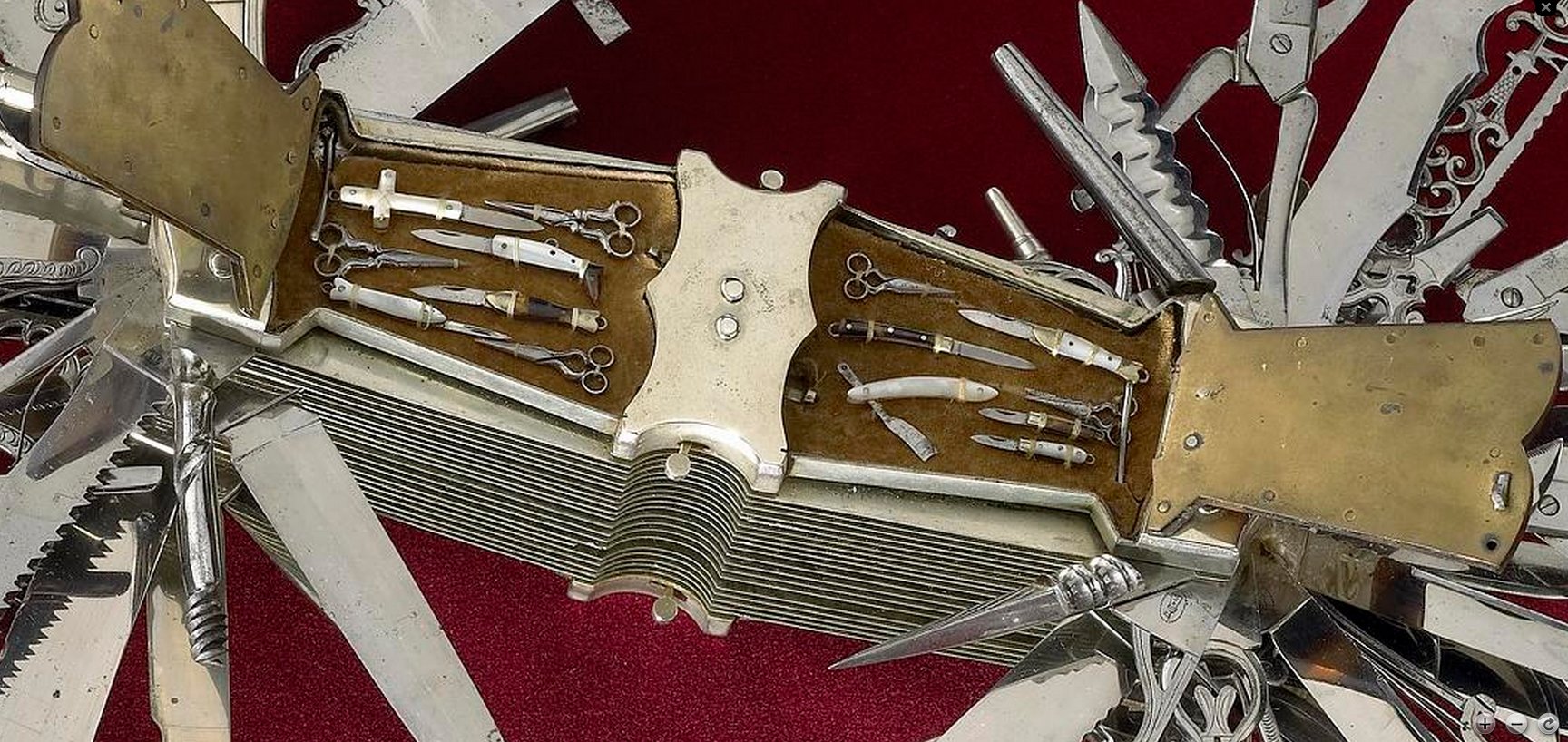
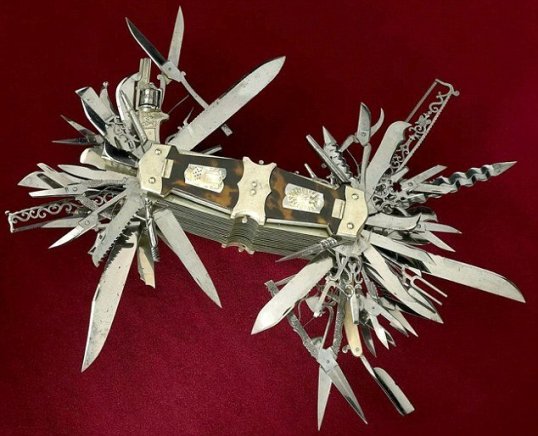
But 12 years before the official Swiss Army Knife was born, a cutler named J.S. Holler from Solingen, Germany, produced a monstrous 100-function knife as an advertisement for their services.
Knife1

In ancient and medieval times, shop signs were developed when tradesmen devised recognizable icons to represent their trades when dealing with a largely illiterate public. This massive knife hung in the window of Holler’s store to advertise their craft in a powerfully visual way.
article-2442634-187E825700000578-589_634x583

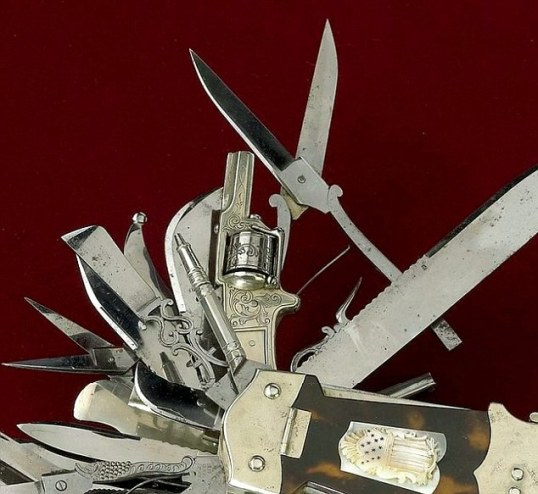
Closeup of one end, showing the .22 caliber five-shot pinfire revolver. This is a knife you could bring to a gunfight.

The knife is currently owned by the Smithsonian Institution – from their website,

This knife wasn’t really meant to be carried. Knives like this were made exclusively for exhibition to highlight the cutlers’ art. They were so difficult to make they were only attempted by the most notable firms with the most talented artisans. They could be seen at various fairs and industrial expositions during the nineteenth century. This particular knife was made in Solingen, Germany about 1880 for J. S. Holler & Co.’s cutlery store in New York City. It was used it to display the fine craftsmanship available to their customers. At the time, German cutlery firms were attempting to establish themselves in the American market, which was dominated by the firms of Sheffield, England. The workmanship and complexity of this knife make it one of the finest examples of the cutlers’ art in America.
closeup

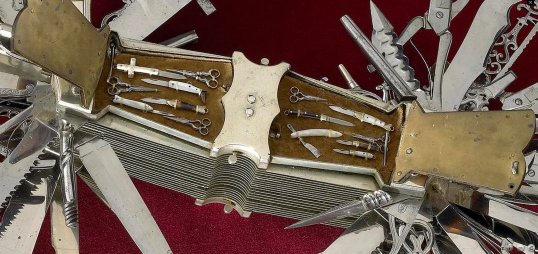
Closeup of the center, showing the panels of one side open – each of four panels contained an assortment of mini-tools, including scissors and a straightedge razor. The knife itself was about 10″ long, the straightedge just over 1 inch when closed.

With over 100 functions, this knife includes (not counting the mini-tools) a serrated blade, dagger blades, shears, scissors, an auger, a corkscrew, saws, a lancet, button hook, cigar cutter, pens and pencils, mirror, a straight razor. a tuning fork, and a butter knife, among many others.

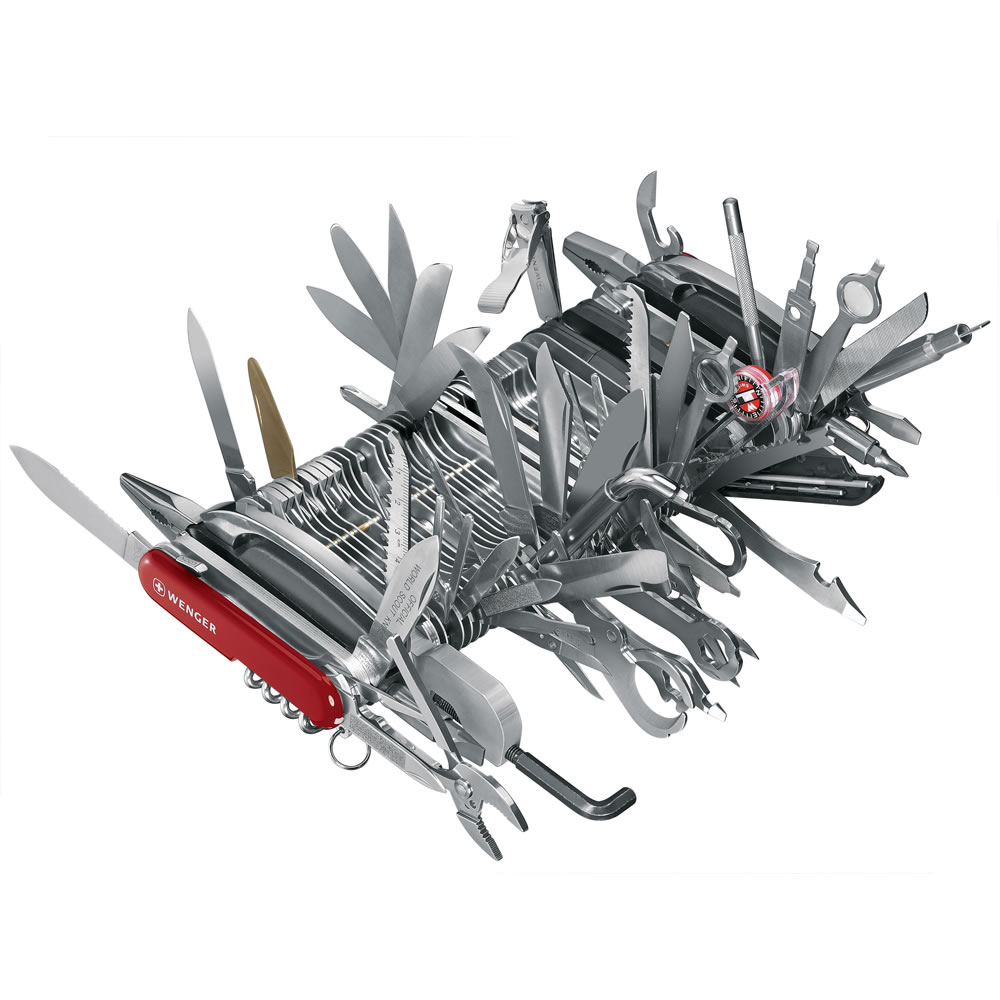
Not to be outdone, Wenger produced what is now called:

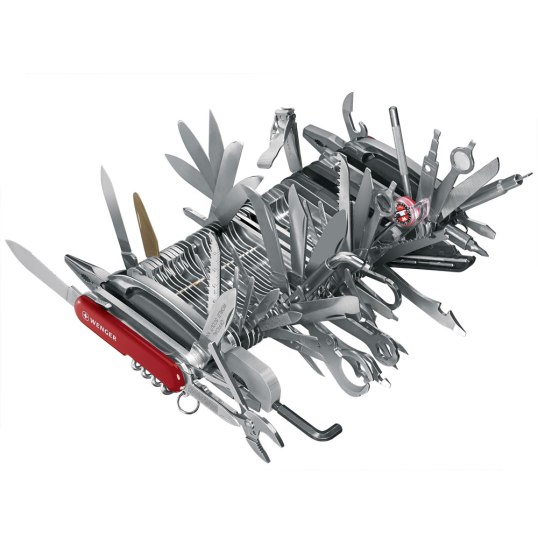
The Only Complete Swiss Army Knife.
74670_1000x1000

As advertised by Hammacher Schlemmer, their price was $799.00 but is no longer available through their website. However, it is available through Amazon for a mere $1305.00

This is the largest Swiss Army knife in the world, holder of the Guinness World Record for “The Most Multifunctional Penknife,” with 87 precision-engineered tools (for the complete list of tools please see below) spanning 112 functions. Made by Wenger, crafters of genuine Swiss Army knives since 1893, it uses stainless steel for all parts and is hand-assembled by just two cutlery specialists in Delmont, Switzerland, ensuring that every knife meets exacting standards. It has seven blades, three types of pliers, three golf tools (club face cleaner, shoe spike wrench, and divot repair tool), 25 flat- and Phillips-head screwdrivers and bits, saws, wrenches, and more. It also has a bicycle chain rivet setter, signal whistle, 12/20-gauge shotgun choke tube tool, combination fish scaler, hook disgorger, and line guide tool, cigar-cutting scissors, laser pointer, tire-tread gauge, toothpick, tweezers, and key ring. 3 1/4″ L x 8 3/4″ W. (2 3/4 lbs.)

The knife contains:

  • 2.5-inch 60% serrated locking blade
  • Nail file
  • Nail cleaner
  • Corkscrew
  • Adjustable pliers with wire crimper and cutter
  • Removable screwdriver bit adapter
  • 2.5-inch blade for Official World Scout Knife
  • Spring-loaded, locking needle-nose pliers with wire cutter
  • Removable screwdiver bit holder
  • Phillips head screwdriver bit 0 Phillips head screwdriver bit 1
  • Phillips head screwdriver bit 2
  • Flat head screwdriver bit 0.5mm x 3.5mm
  • Flat head screwdriver bit 0.6mm x 4.0mm
  • Flat head screwdriver bit 1.0mm x 6.5mm
  • Magnetized recessed bit holder
  • Double-cut wood saw with ruler
  • Chain rivet setter
  • Removable 5mm
  • Allen wrench
  • Screwdriver for slotted and Phillips head screws
  • Removable tool for adjusting spokes
  • 10mm Hexagonal key for nuts
  • Removable 4mm curved allen wrench with Phillips head screwdriver
  • Patented locking screwdriver
  • Universal wrench
  • 2.4-inch springless scissors with serrated self-sharpening design
  • 1.65-inch clip point utility blade
  • Phillips head screwdriver
  • 2.5-inch clip-point blade
  • Club face cleaner
  • 2.4-inch round tip blade
  • Patented locking screwdriver
  • Cap lifter
  • Can opener
  • Shoe spike wrench
  • Divot repair tool
  • 4mm Allen wrench
  • 2.5-inch blade
  • Fine metal file with precision screwdriver
  • Double-cut wood saw with ruler
  • Cupped cigar cutter with double honed edges
  • 12/20-gauge choke tube tool
  • Watch case back opening tool
  • Snap shackle
  • Mineral crystal magnifier
  • Compass
  • Straight edge, ruler (in./cm)
  • Telescopic pointer
  • Fish scaler
  • Hook dis-gorger
  • Line guide
  • Shortix laboratory key
  • Micro tool holder
  • Micro tool adapter
  • Micro scraper, straight
  • Micro scraper,curved
  • Laser pointer with 300-foot range
  • Metal file
  • Metal saw
  • Flashlight
  • Micro tool holder
  • Phillips head screwdriver 1.5mm
  • Screwdriver 1.2mm
  • Screwdriver .8mm
  • Fine fork for watch spring bars
  • Reamer
  • Pin punch 1.2mm
  • Pin pinch .8mm
  • Round needle file
  • Removable tool holder with expandable receptacle
  • Removable tool holder
  • Special self-centering screwdriver for gunsights
  • Flat Phillips head screwdriver
  • Chisel-point reamer
  • Mineral crystal magnifier
  • Small ruler
  • Extension tool
  • Sping-loaded, locking flat nose needle-nose pliers
  • Removable screwdriver bit holder
  • Phillips head screwdriver bit 0
  • Phillips head screwdriver bit 1
  • Phillips head screwdriver bit 2
  • Flat head screwdriver bit 0.5mm x 3.5mm
  • Flat head screwdriver bit 0.6mm x 4.0mm
  • Flat head screwdriver bit 1.0mm x 6.5mm
  • Magnetized recessed bit holder
  • Tire tread gauge
  • Fiber optic tool holder
  • Can opener
  • Patented locking screwdriver
  • Cap lifter
  • Wire stripper
  • Reamer
  • Awl
  • Toothpick
  • Tweezers
  • Key ring

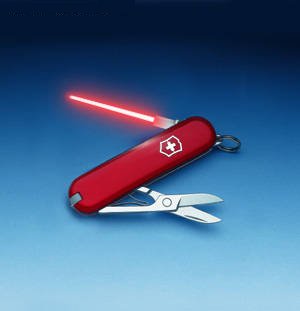
Even the above was most likely manufactured as an advertising device – I can’t imagine anyone actually trying to carry this thing around. But Victorinox and Wenger have made some very nice and useful tools over the years – before smartphones became popular with their GPS tracking devices, I used a Victorinox knife which contained an altimeter to track my hiking progress. The number of models that have been produced is beyond counting, but there are some versions that I’m still waiting for:
knife

The Jedi Special

Seuss

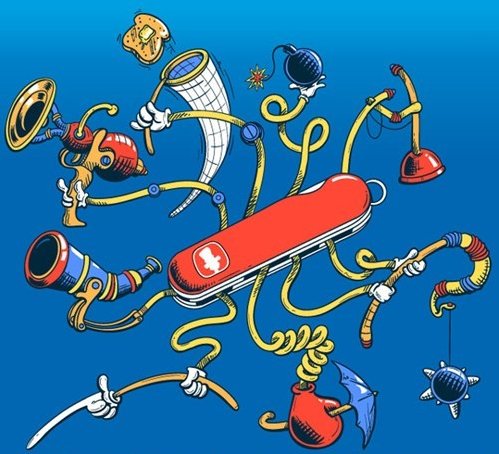
The Seuss Army Knife

first-swiss-army-knife

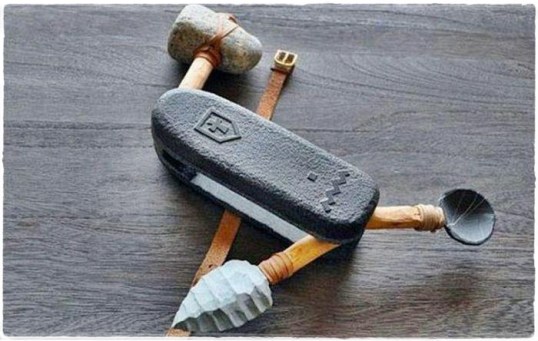
An early prototype

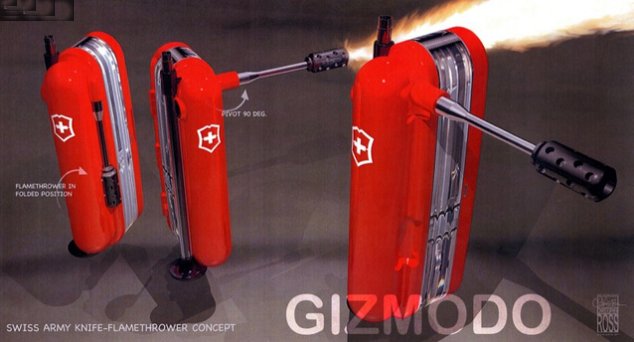
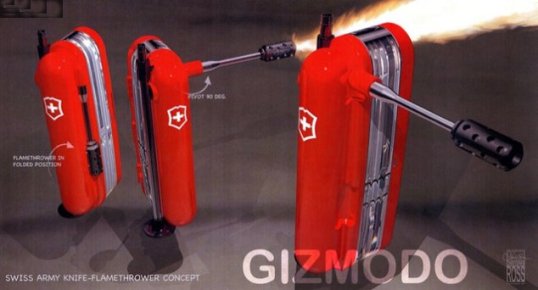
And of course, the Get Smart knife, courtesy of Gizmodo (click through for all the exciting features!)
giz

Of all the tools ever invented, the Swiss Army knife is probably one of the most-loved and most-used, but for sheer craftsmanship and ingenuity, the Holler specimen is probably the finest of its kind in the world.

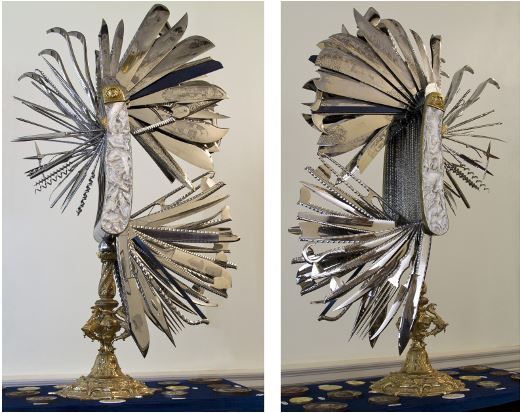
Edit: A friend pointed out to me that a similarly complex knife had been manufactured in 1851, by the John Rogers firm of Sheffield, England.
1411928592-0

It is called the Norfolk Knife, and is on display at the Cutler’s Hall in Sheffield.

The Old Wolf has spoken.
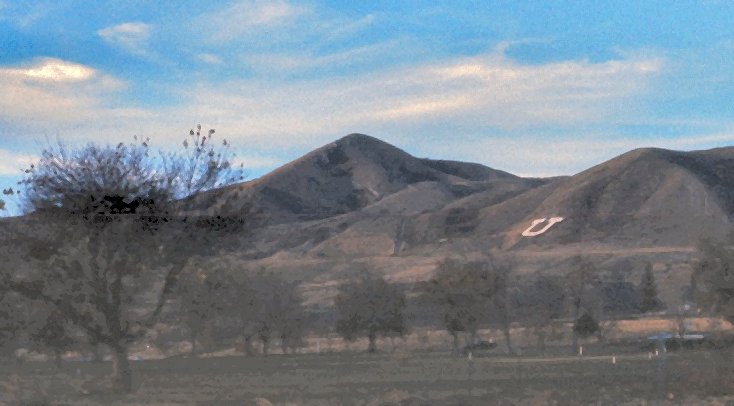
The Bunkers of Albania

I spent a good deal of time in Albania between 1993 and 2001, working on various translation projects. I posted about Albanian Currency before, but while musing on my travels there I remembered an interesting thing about that fascinating country – the bunkers.

Enver Hoxha was the iron-fisted despot of the country (official title: First Secretary of the Party of Labor), who started out allied with Russia, denounced them and allied himself with China, and then denounced them in turn to go it alone in a form of government characterized by his proclaimed firm adherence to anti-revisionist Marxism–Leninism. In addition to the suppression of all religion other than Albanian nationalism, “the 40-year period of Hoxha’s rule was politically characterized by the elimination of the opposition, prolific use of the death penalty or long prison “terms of his political opponents and evictions from homes where their families lived and their internment in remote villages that were strictly controlled by police and the secret police (Sigurimi).” (Wikipedia)

While Hoxha’s rule brought some industrialization and growth to a country that had been devastated by World War II, his own policies squandered the resources of the country, much of it in building 750,000 of these concrete abominations – the cost of which could have provided a paid-for apartment for an equal number of Albanian families.

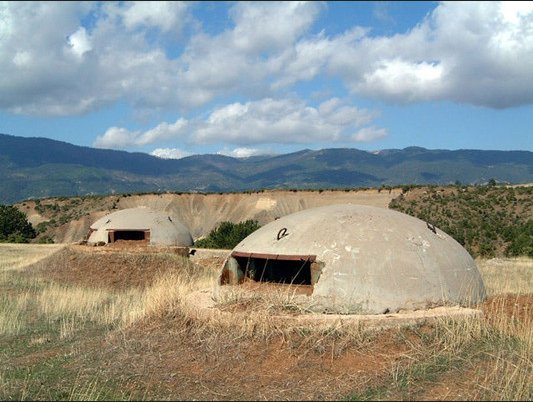
Much as North Korea today, Hoxha (pronounced HO-ja) was terrified that the decadent west and the corrupt East would come pouring in to Albania to strip the country of its glory and riches, neither one of which it possessed in the slightest degree. Nobody gave a rat’s south-40 about Albania, and there was nothing there to take. But that didn’t stop the First Secretary from outfitting every border, municipality, city, village, and community with bunkers large and small to protect against what was publicized as a constant threat of imminent invasion.

bunkers

Bunkers to protect the noble country from foreign invaders… which never came, or would have wanted to.

Now, Albania struggles still to come into the modern world. They’ve had their ups and downs – the fall of Communism opened the doors to the nation, and a people starved for contact with the outside world have had to deal with massive corruption both private and governmental, pyramid schemes that wiped out much of the nation’s savings, the rise of Islamism (the historical faith of Albania) and the echoes of decades of brutal oppression. Areas of the country remain untouchable by law and order, places where centuries of tradition and isolation have provided a more effective barrier to the encroachment of modernity far better than a concrete bunker would have done – but they are making progress, and as a nation they know the meaning of hard work. I love my Albanian friends and have hope for their country. Two outstanding articles in the National Geographic, “Albania Stands Alone” (October 1980) and “Albania Opens the Doors” (July 1992) give an intriguing historical glimpse of what the country was like during and after Hoxha’s rule. Despite setbacks, the country continues to work toward a democratic government based on the rule of law, and has become a member of NATO.

bunker2

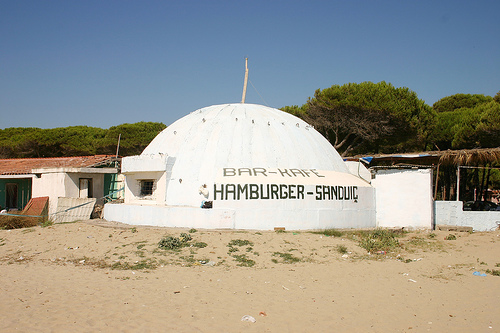
Some few bunkers have been repurposed as shops, barns, shelter for the desperate, or even hostels.

Bunker

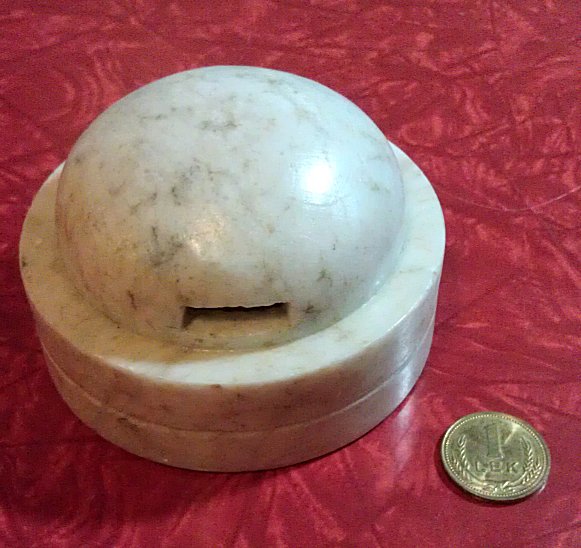
Small bunkers are still sold as souvenirs – here shown with a 1-Lek coin for scale.

As for the bunkers, destroying each one costs around €800, money that to many people would be better spent elsewhere, so the vast majority of them remain, and will probably be an ever-present reminder of the “bad old days” for generations to come.

You can read more about the bunkers at Slate and Atlas Obscura.

The Old Wolf has spoken.
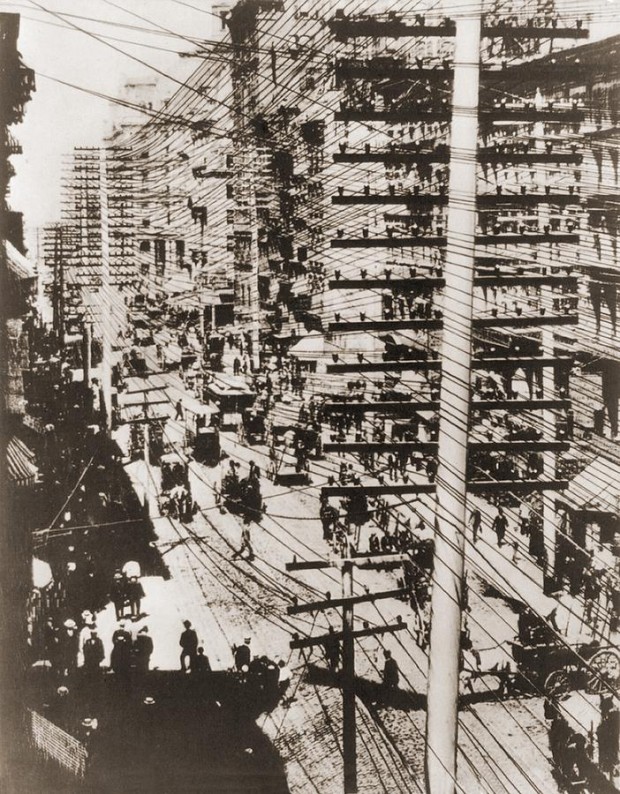
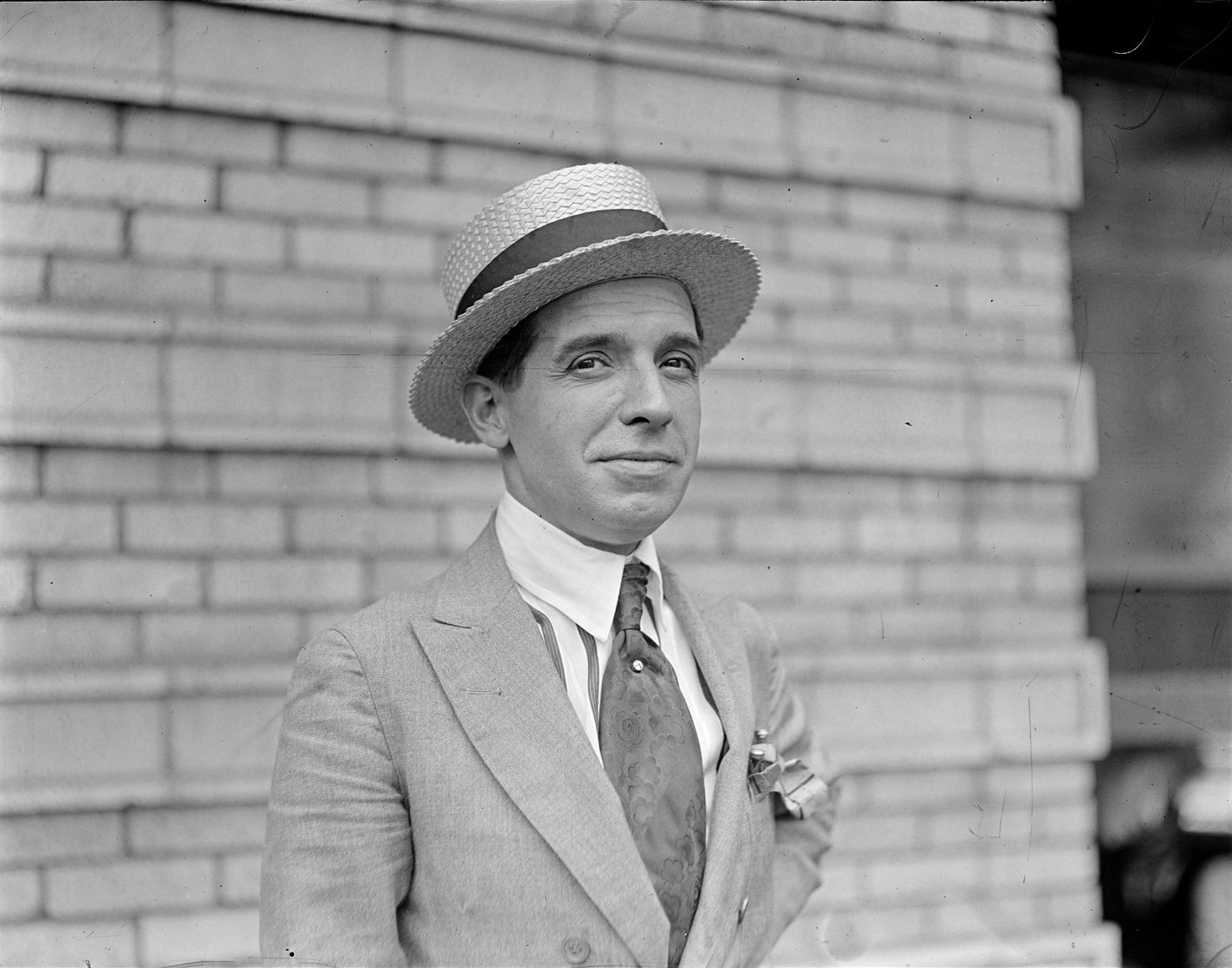
Charles Ponzi – Boston, 1920

Ponzi

Charles Ponzi, after whom the infamous “Ponzi Scheme” was named, was about as unscrupulous a con-man as ever was born. The man must have come into the world with larceny in his heart, because he never gave up his ways or showed any sort of remorse for his chosen means of livelihood.

The lesson to be learned from studying Mr. Ponzi’s sorry history is that if a deal looks too good to be true, it most certainly is. Sadly, many people have not learned this lesson, and con-men and swindlers continue to operate both locally and across international borders (especially with the advent of the internet); P.T. Barnum’s assertion that “there’s a sucker born every minute” is all too true. The authorities do what they can, but especially in the case of international swindlers, such as advance-fee scammers from Nigeria and elsewhere, there is little that can be done.

If you haven’t been to the Sweepstakes Fraud Factsheet yet, you might just want to have a look. Protect your loved ones, especially the elderly and vulnerable.

The Old Wolf has spoken.
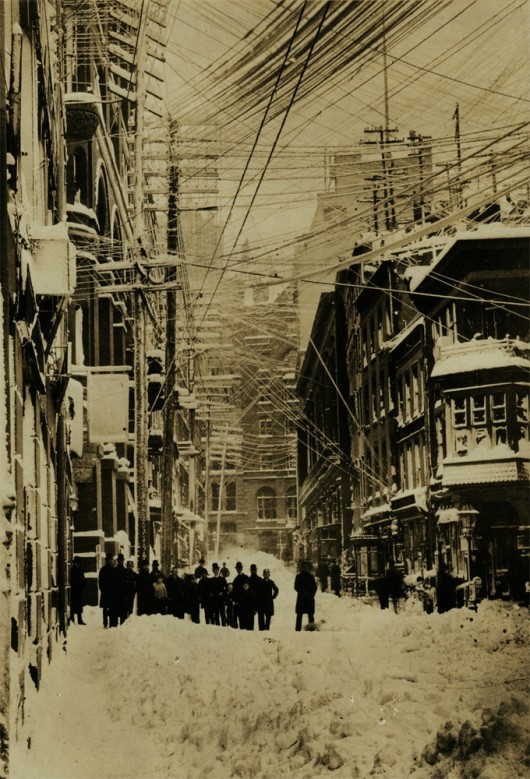
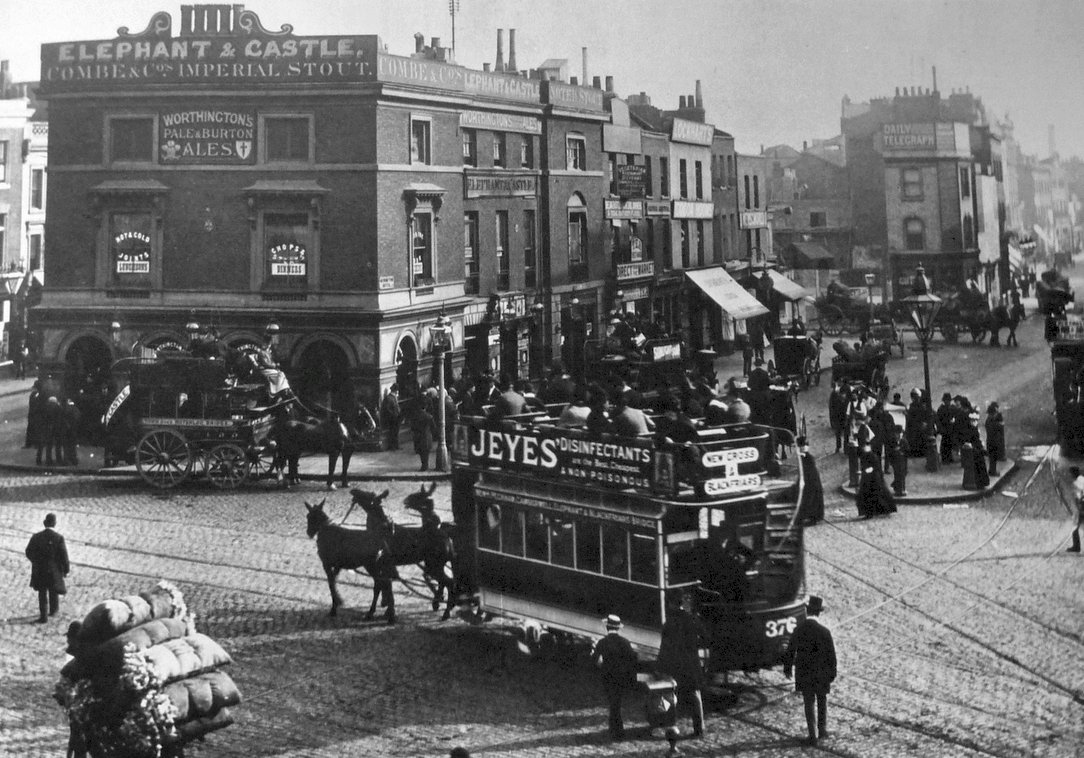
The Aleph and Tentacles, London, 1890

aleph


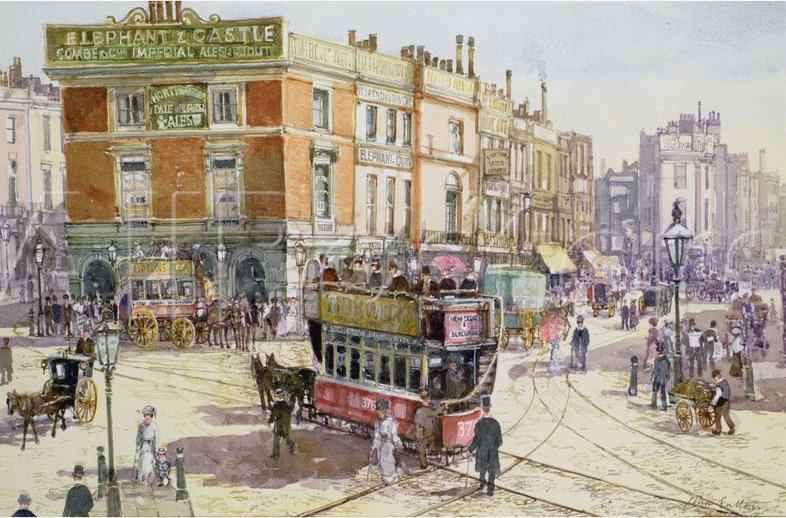
Elephant and Castle is a major road junction in Central London, England, in the London Borough of Southwark and the name of the surrounding area, largely superseding Newington. This photo of the eponymous pub was taken in 1890. The photo was used by artist John Sutton to produce a watercolor:

Elephant Sutton


The area has had a rather checkered history in terms of prosperity, and is currently the subject of a master-planned redevelopment budgeted at £1.5 billion.

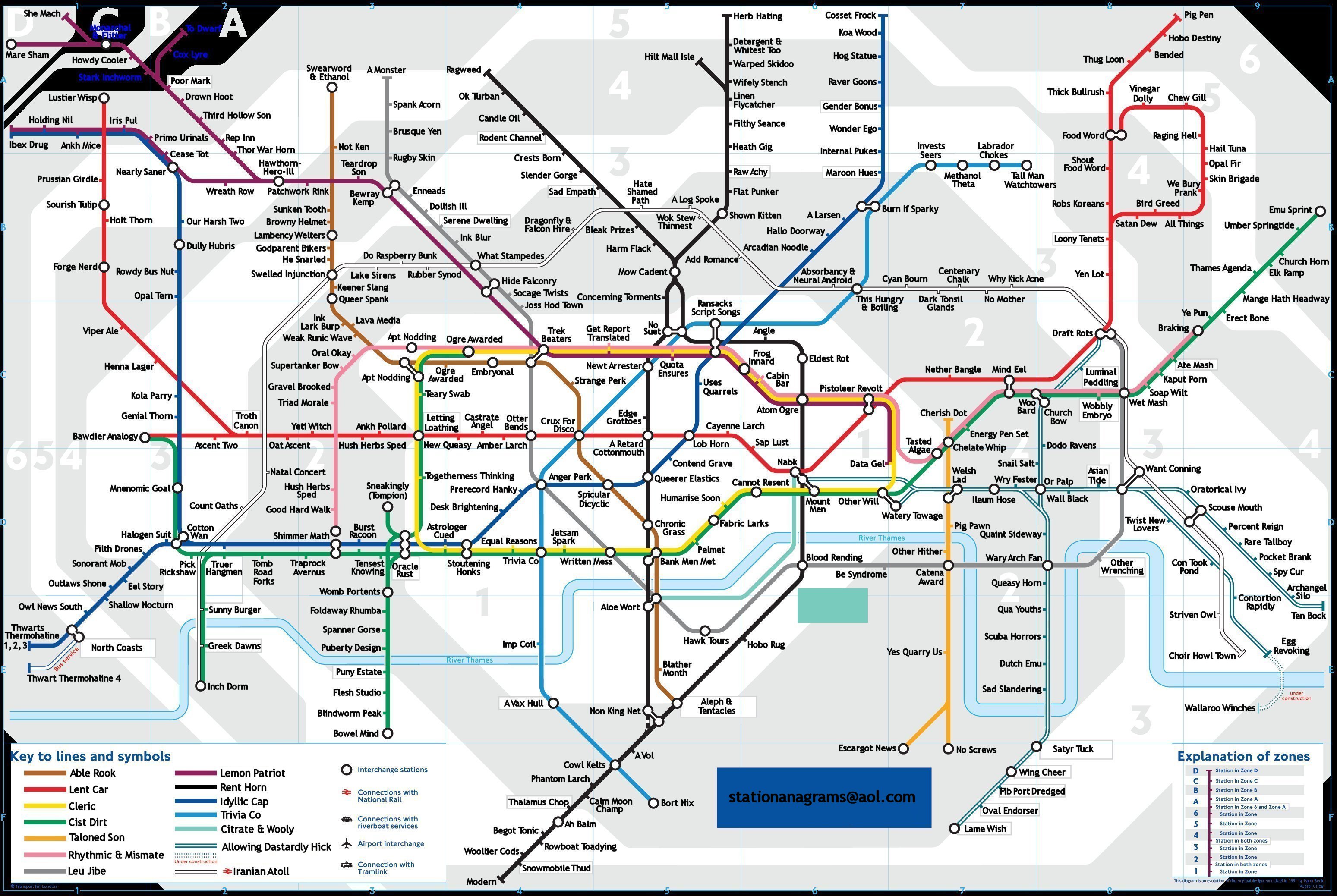
As for the strange title of this post, feast your eyes on this brilliant map of the London underground, with every station turned into an anagram. I assume no responsibility for soiled screens or ruined keyboards; put down your Guinness before you have a look.

anagrammap

The Old Wolf has spoken.

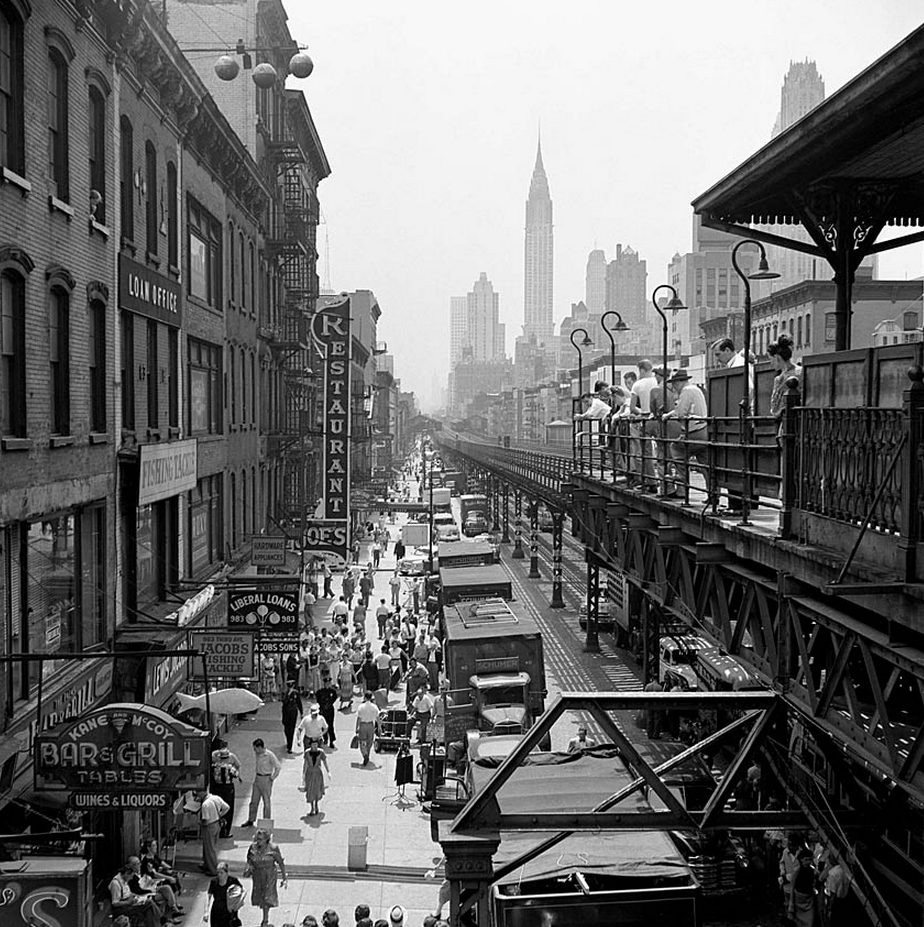
The 3rd Avenue El, New York City, 1952

I’ve mentioned this before in this post, but here is a lovely shot of the elevated train that used to run up and down Third Avenue in New York City [Photo: Vivian Maier, hat tip commenter Ron for the attribution.] Its official name was the IRT Third Avenue Line.

vHpbwk0

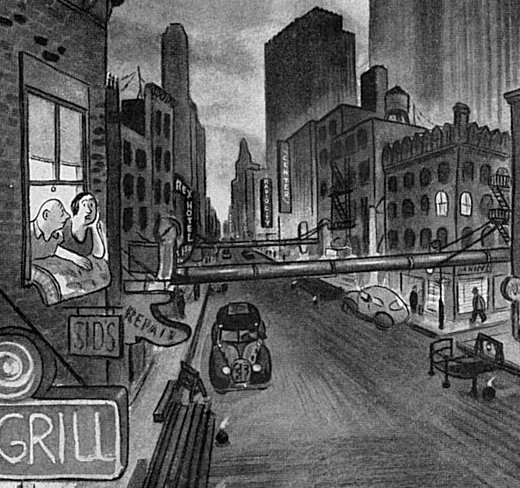
An extract of the cartoon by Charles Addams is worth reposting here:

Sometimes, on nights like this I can still hear it rumble by.
The 3rd Avenue El

The caption read, “Sometimes, on nights like this I can still hear it rumble by.”

I was only four years old when service was discontinued and the Manhattan elevated trains faded into history, but I remember the “El” well. It was the last survivor, and was supposed to remain in service until the Second Avenue Subway was built (envisioned since 1929, and only now under construction; it’s history rivals the Sagrada Familia in Barcelona for “fits-and-starts” construction), but pressure from real estate investors caused its ultimate demise.

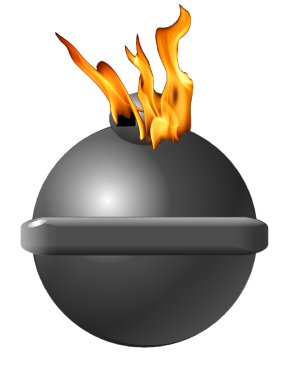
As a historical curiosity, notice those little fire pots on the road. Those were ubiquitous warnings found everywhere in the East where construction was going on – they were in use as late as 1965, if I recall correctly. They were the earlier version of these, which are now everywhere:

5451

And the curious thing is that I can’t find a decent photo of one anywhere. But up close,they looked like this:

firepot

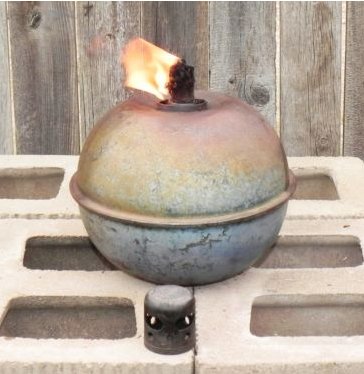
Just a smoky little black fire pot that burned kerosene.

Edit: Ha! Thanks to my friend John Lavezzi who reminded me that these things are called smudge pots.

Smudge Pot

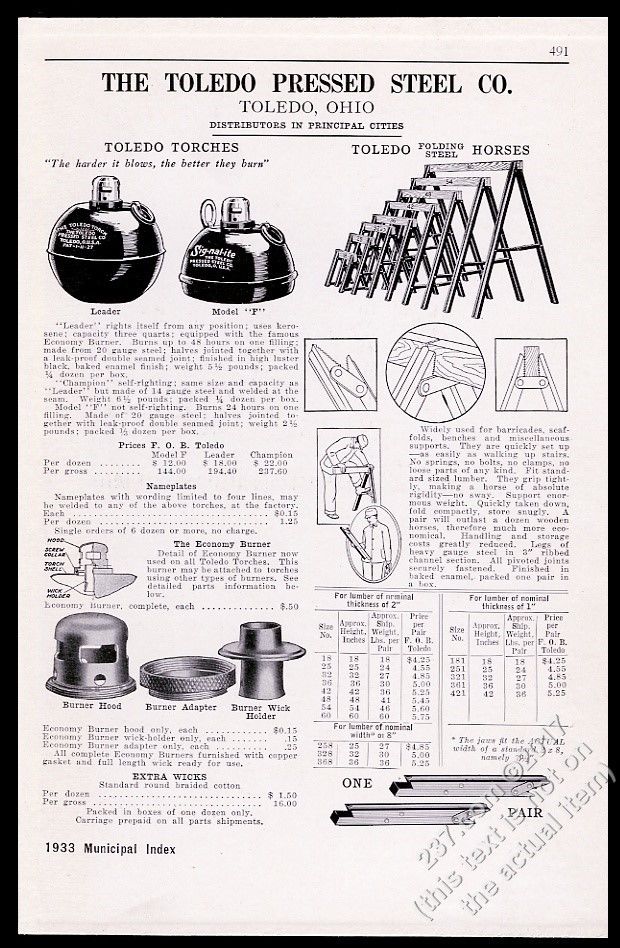
Edit 2 (8-2-2021): Thanks to an interaction on Facebook, I learned today that these were actually called Toledo Torches:

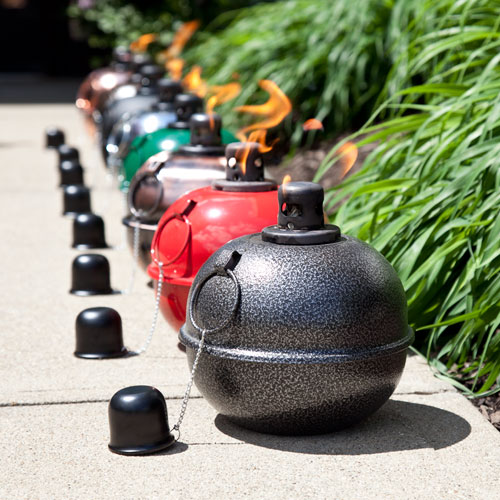
And now you can buy them in modern form for your patio:

17423_l

A random New York City memory, one among thousands.

The Old Wolf has spoken.

Rome, 1860

Intriguing shot of the Coliseum, Meta Sudans and the Arch of Constantine. Tourism was quite different back then.
EvUdf2Lh

Another image from 1858:

Tommaso_Cuccioni_Colosseo_1858

The conical monument in front is the Meta Sudans, or the “sweating cone,” a large conical fountain in ancient Rome built some time between 89 and 96 A.D. It marked the spot where a Roman triumphal procession would turn left from the via Triumphalis along the east side of the Palatine onto the via Sacra and into the Forum Romanum itself. The ruins of Meta Sudans survived until the 20th century. In 1936 Benito Mussolini, il stronzo, had its remains demolished and paved over to make room for the new traffic circle around the Colosseum. A commemorative plaque was set in the road. Although the above-ground structure is gone, its foundations were later re-excavated, revealing the extensive substructure. After another excavation in 1997-98 the traffic circle was closed and the area became a pedestrian district.
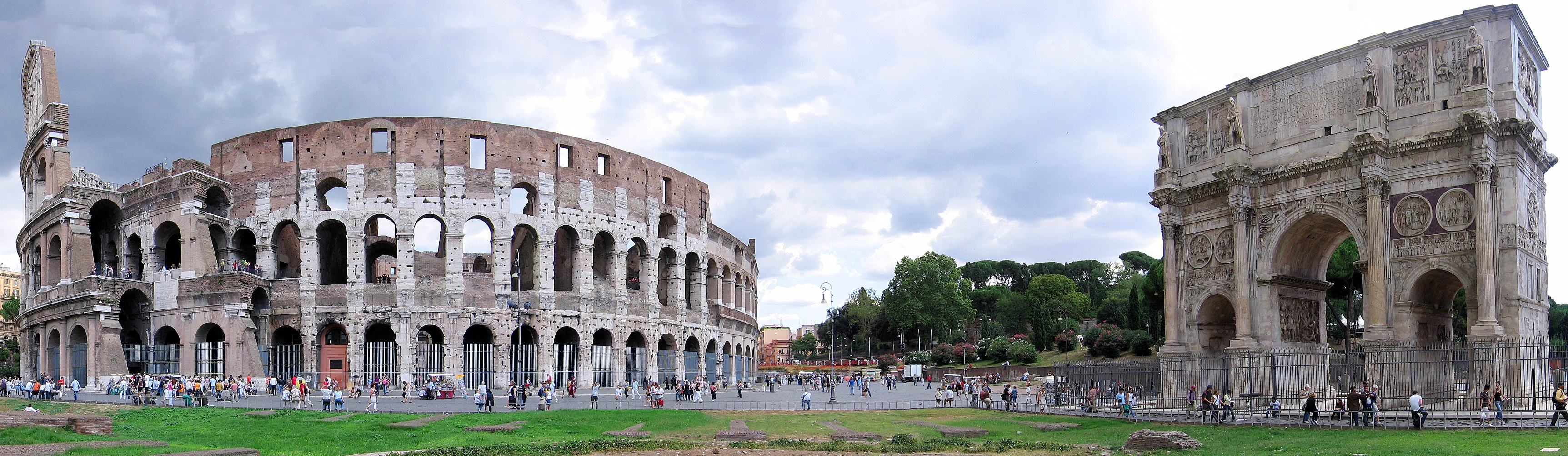
The same view today:

Colosseum-Arch-of-Constantine-Rome-italy-panorama-photo-by-Konrad-Zielinski-son-of-Julo

Photo by Konrad Zielinski, found at AntonK.com

Il vecchio lupo ha parlato.