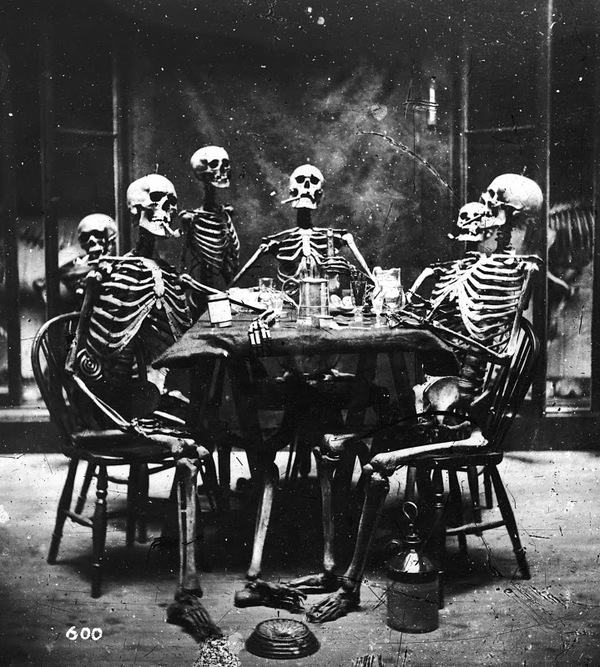
The London Stereoscopic Company produced a comic series of photographs as a form of entertainment in the Victorian era. In this image from 1864, six skeletons smoke around the dinner table. You can see the entire collection at CNN.
The London Stereoscopic Company produced a comic series of photographs as a form of entertainment in the Victorian era. In this image from 1864, six skeletons smoke around the dinner table. You can see the entire collection at CNN.

Found at reddit. User /u/seabass86 serves up a side-by-side that shows things haven’t changed much in the last 47 years:

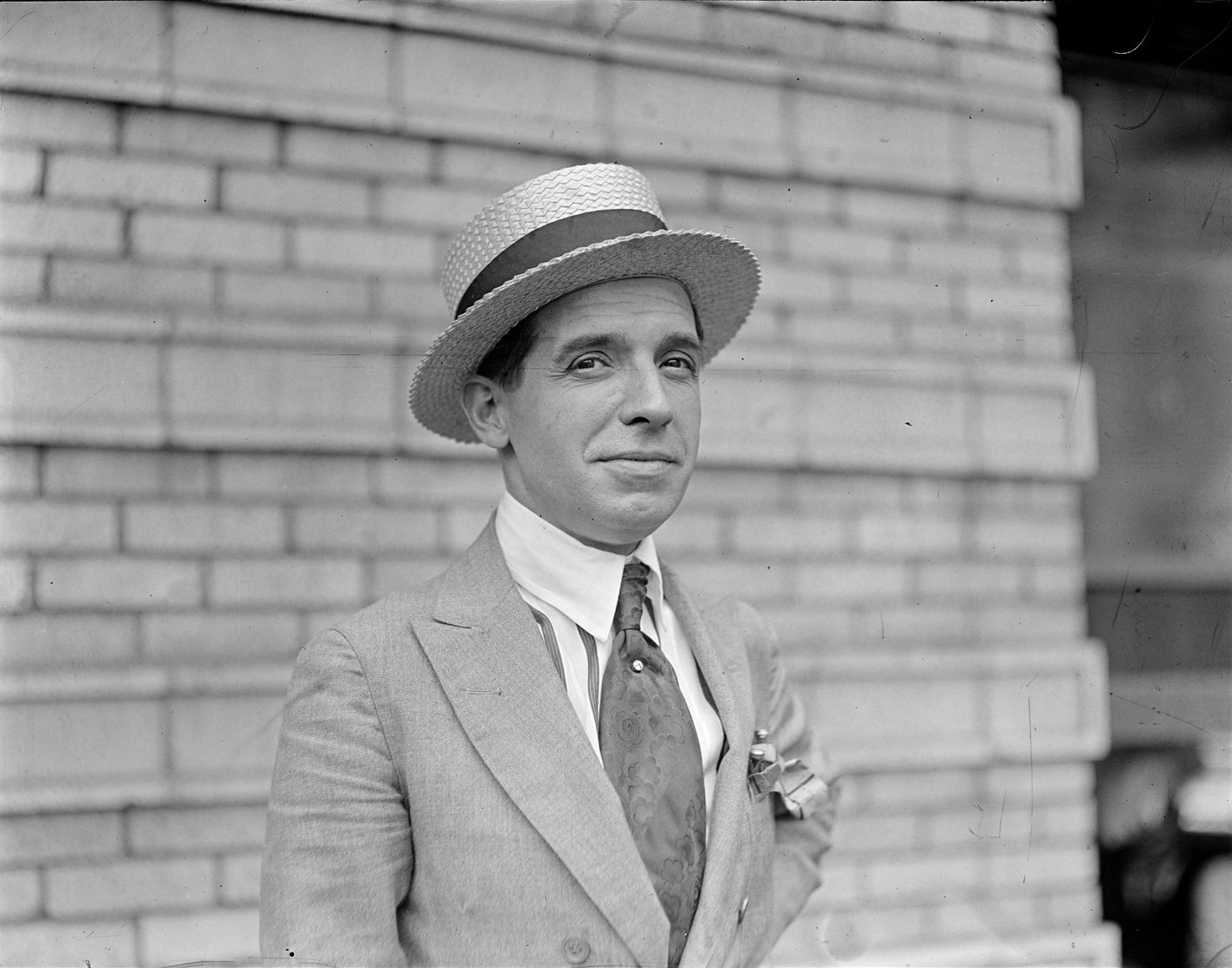
Charles Ponzi, after whom the infamous “Ponzi Scheme” was named, was about as unscrupulous a con-man as ever was born. The man must have come into the world with larceny in his heart, because he never gave up his ways or showed any sort of remorse for his chosen means of livelihood.
The lesson to be learned from studying Mr. Ponzi’s sorry history is that if a deal looks too good to be true, it most certainly is. Sadly, many people have not learned this lesson, and con-men and swindlers continue to operate both locally and across international borders (especially with the advent of the internet); P.T. Barnum’s assertion that “there’s a sucker born every minute” is all too true. The authorities do what they can, but especially in the case of international swindlers, such as advance-fee scammers from Nigeria and elsewhere, there is little that can be done.
If you haven’t been to the Sweepstakes Fraud Factsheet yet, you might just want to have a look. Protect your loved ones, especially the elderly and vulnerable.
The Old Wolf has spoken.
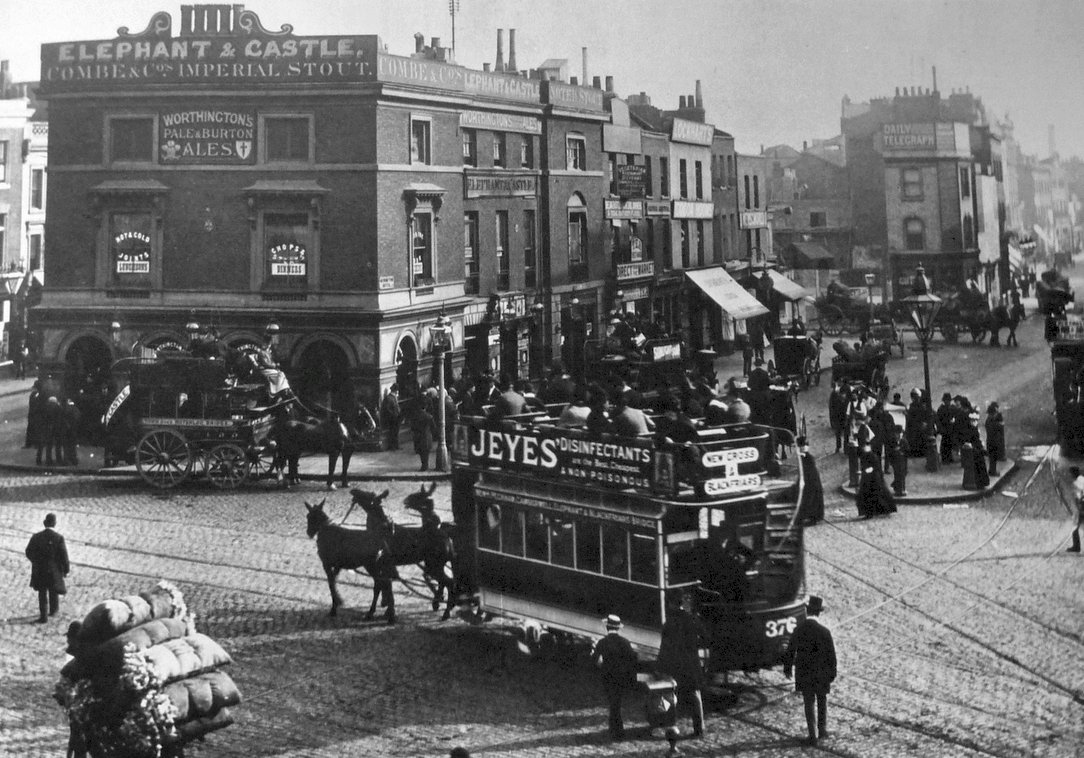
Elephant and Castle is a major road junction in Central London, England, in the London Borough of Southwark and the name of the surrounding area, largely superseding Newington. This photo of the eponymous pub was taken in 1890. The photo was used by artist John Sutton to produce a watercolor:
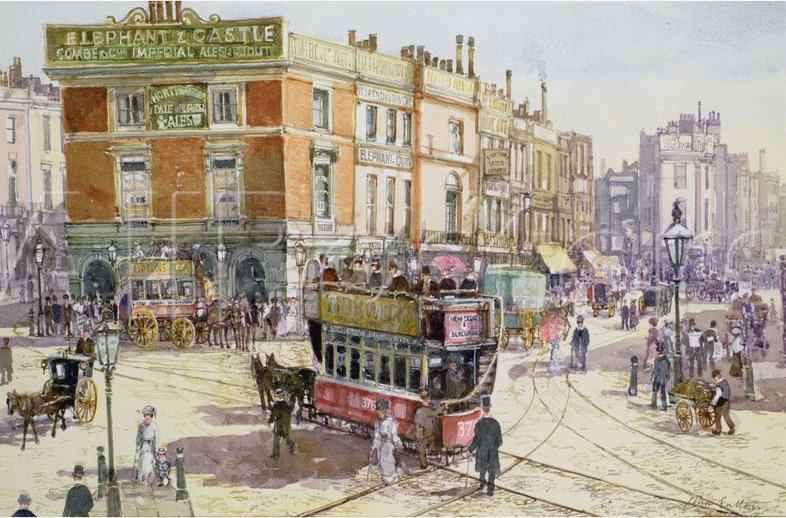
The area has had a rather checkered history in terms of prosperity, and is currently the subject of a master-planned redevelopment budgeted at £1.5 billion.
As for the strange title of this post, feast your eyes on this brilliant map of the London underground, with every station turned into an anagram. I assume no responsibility for soiled screens or ruined keyboards; put down your Guinness before you have a look.
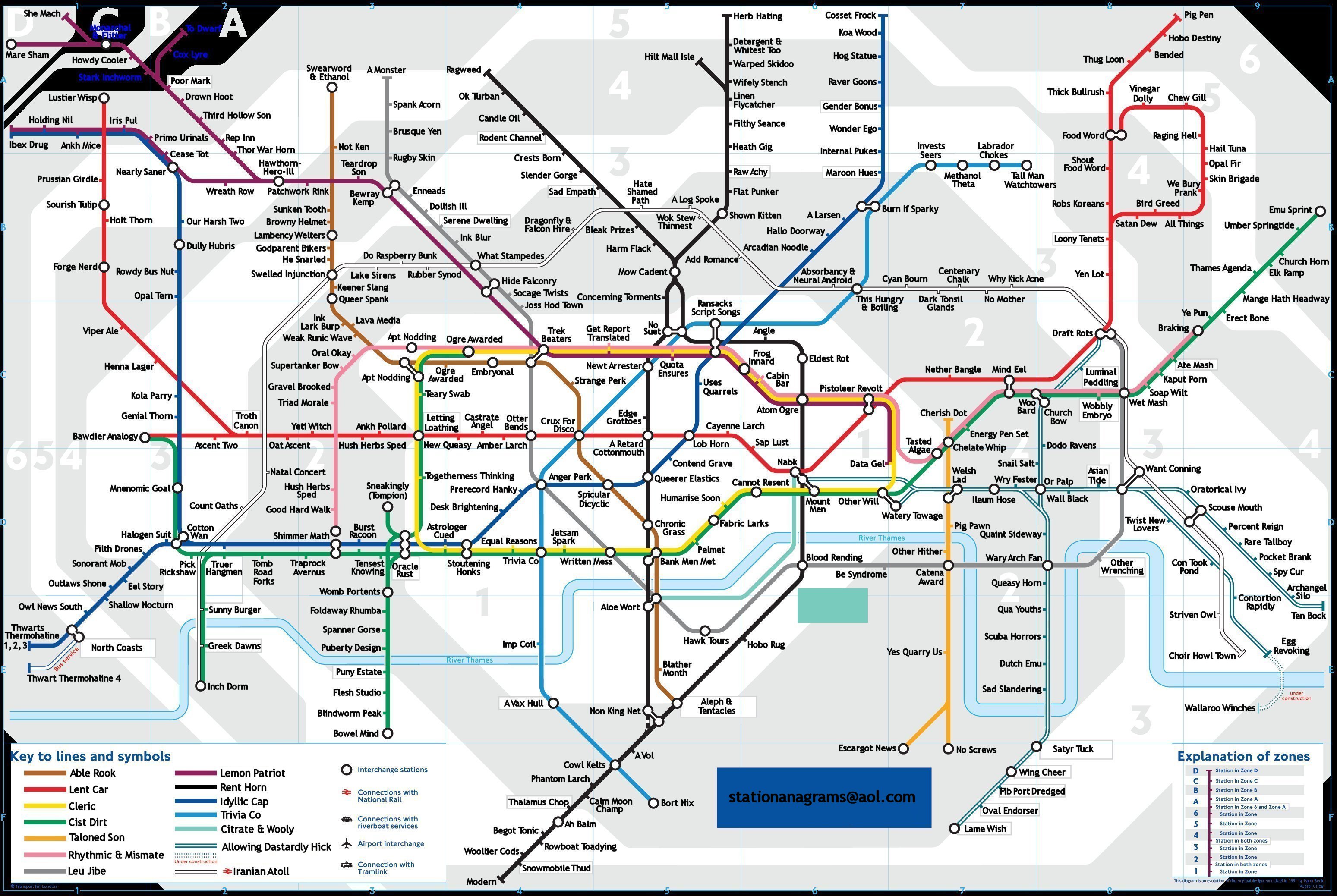
The Old Wolf has spoken.
I’ve mentioned this before in this post, but here is a lovely shot of the elevated train that used to run up and down Third Avenue in New York City [Photo: Vivian Maier, hat tip commenter Ron for the attribution.] Its official name was the IRT Third Avenue Line.
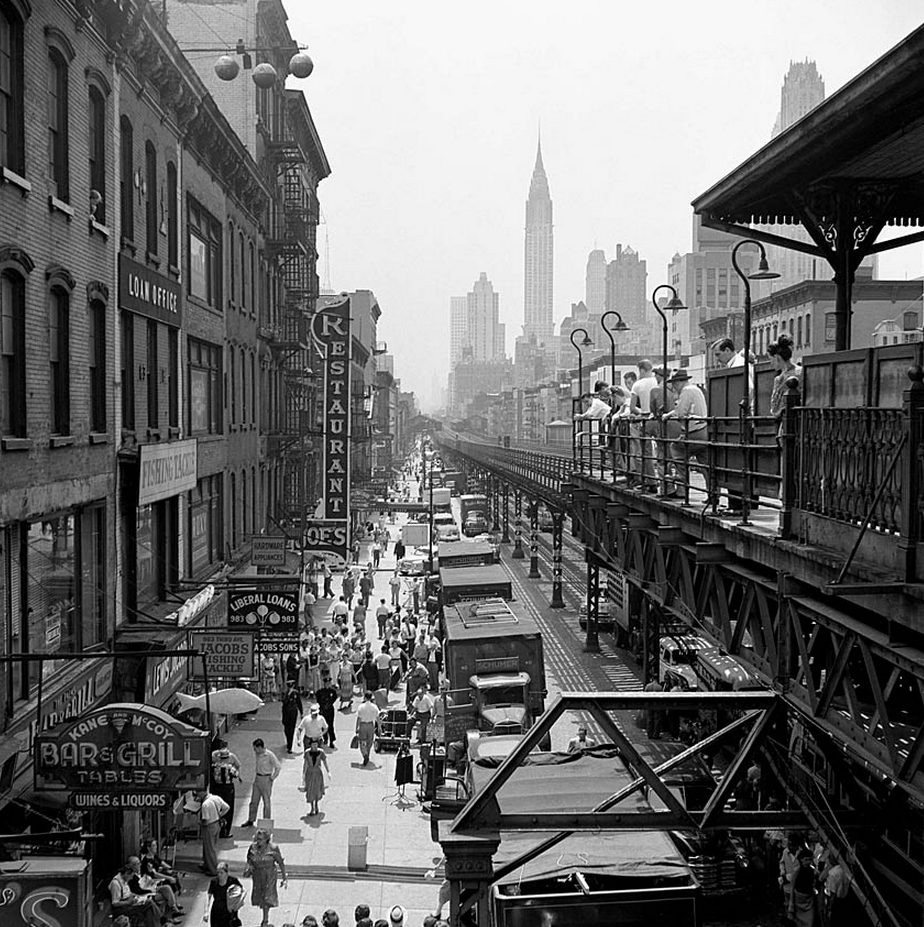
An extract of the cartoon by Charles Addams is worth reposting here:
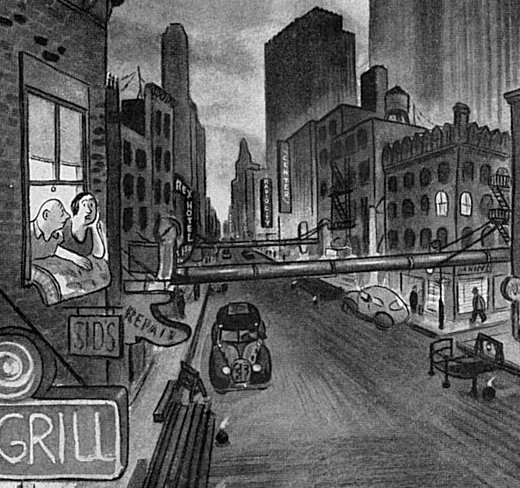
The caption read, “Sometimes, on nights like this I can still hear it rumble by.”
I was only four years old when service was discontinued and the Manhattan elevated trains faded into history, but I remember the “El” well. It was the last survivor, and was supposed to remain in service until the Second Avenue Subway was built (envisioned since 1929, and only now under construction; it’s history rivals the Sagrada Familia in Barcelona for “fits-and-starts” construction), but pressure from real estate investors caused its ultimate demise.
As a historical curiosity, notice those little fire pots on the road. Those were ubiquitous warnings found everywhere in the East where construction was going on – they were in use as late as 1965, if I recall correctly. They were the earlier version of these, which are now everywhere:
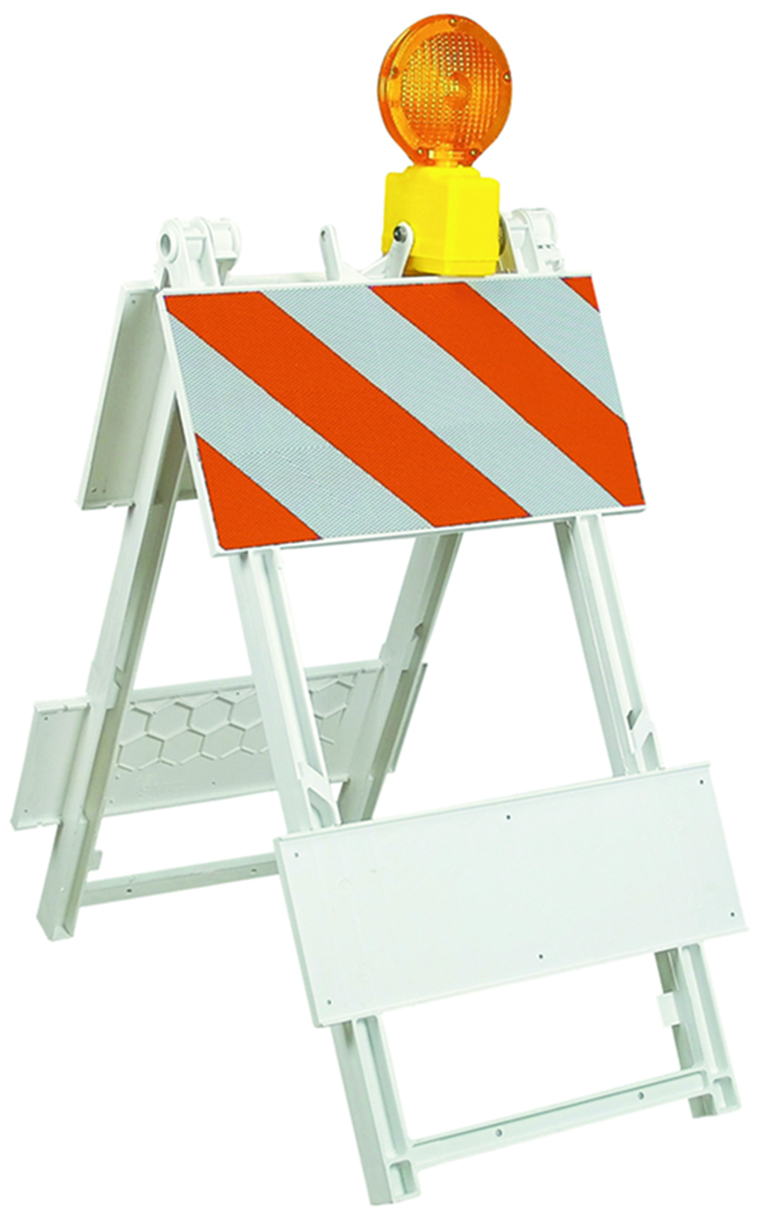
And the curious thing is that I can’t find a decent photo of one anywhere. But up close,they looked like this:
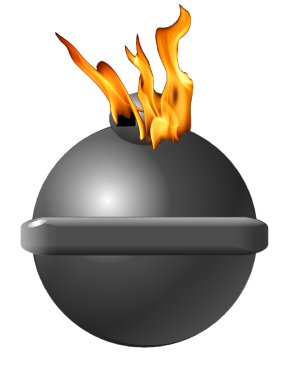
Just a smoky little black fire pot that burned kerosene.
Edit: Ha! Thanks to my friend John Lavezzi who reminded me that these things are called smudge pots.
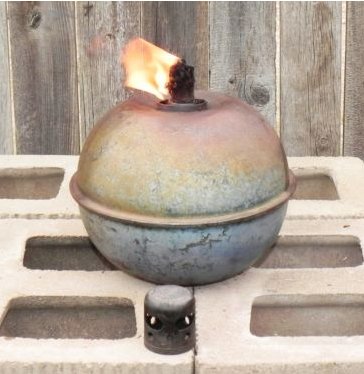
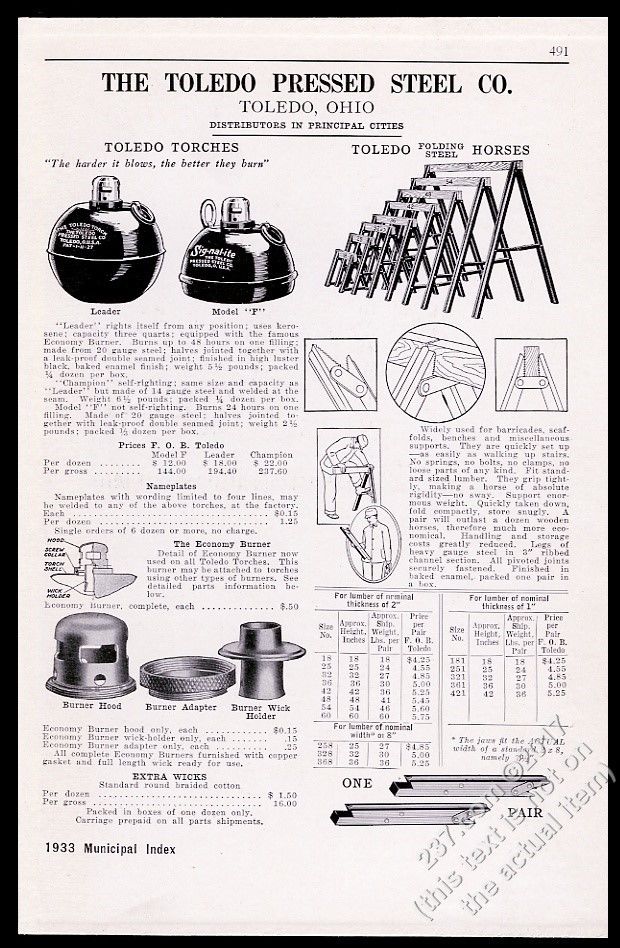
Edit 2 (8-2-2021): Thanks to an interaction on Facebook, I learned today that these were actually called Toledo Torches:
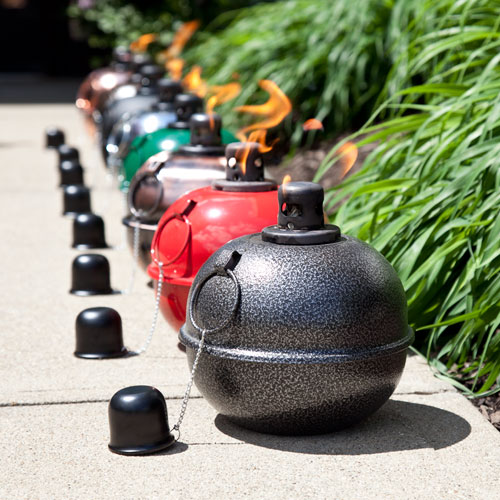
And now you can buy them in modern form for your patio:
A random New York City memory, one among thousands.
The Old Wolf has spoken.
Intriguing shot of the Coliseum, Meta Sudans and the Arch of Constantine. Tourism was quite different back then.

Another image from 1858:

The conical monument in front is the Meta Sudans, or the “sweating cone,” a large conical fountain in ancient Rome built some time between 89 and 96 A.D. It marked the spot where a Roman triumphal procession would turn left from the via Triumphalis along the east side of the Palatine onto the via Sacra and into the Forum Romanum itself. The ruins of Meta Sudans survived until the 20th century. In 1936 Benito Mussolini, il stronzo, had its remains demolished and paved over to make room for the new traffic circle around the Colosseum. A commemorative plaque was set in the road. Although the above-ground structure is gone, its foundations were later re-excavated, revealing the extensive substructure. After another excavation in 1997-98 the traffic circle was closed and the area became a pedestrian district.
The same view today:
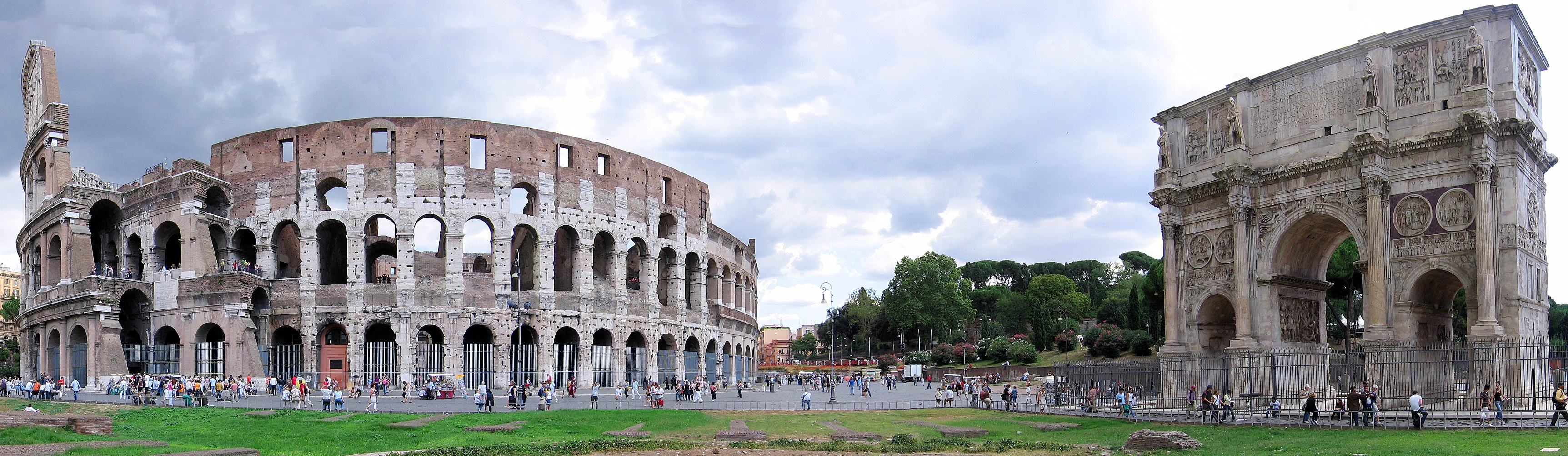
Photo by Konrad Zielinski, found at AntonK.com
Il vecchio lupo ha parlato.
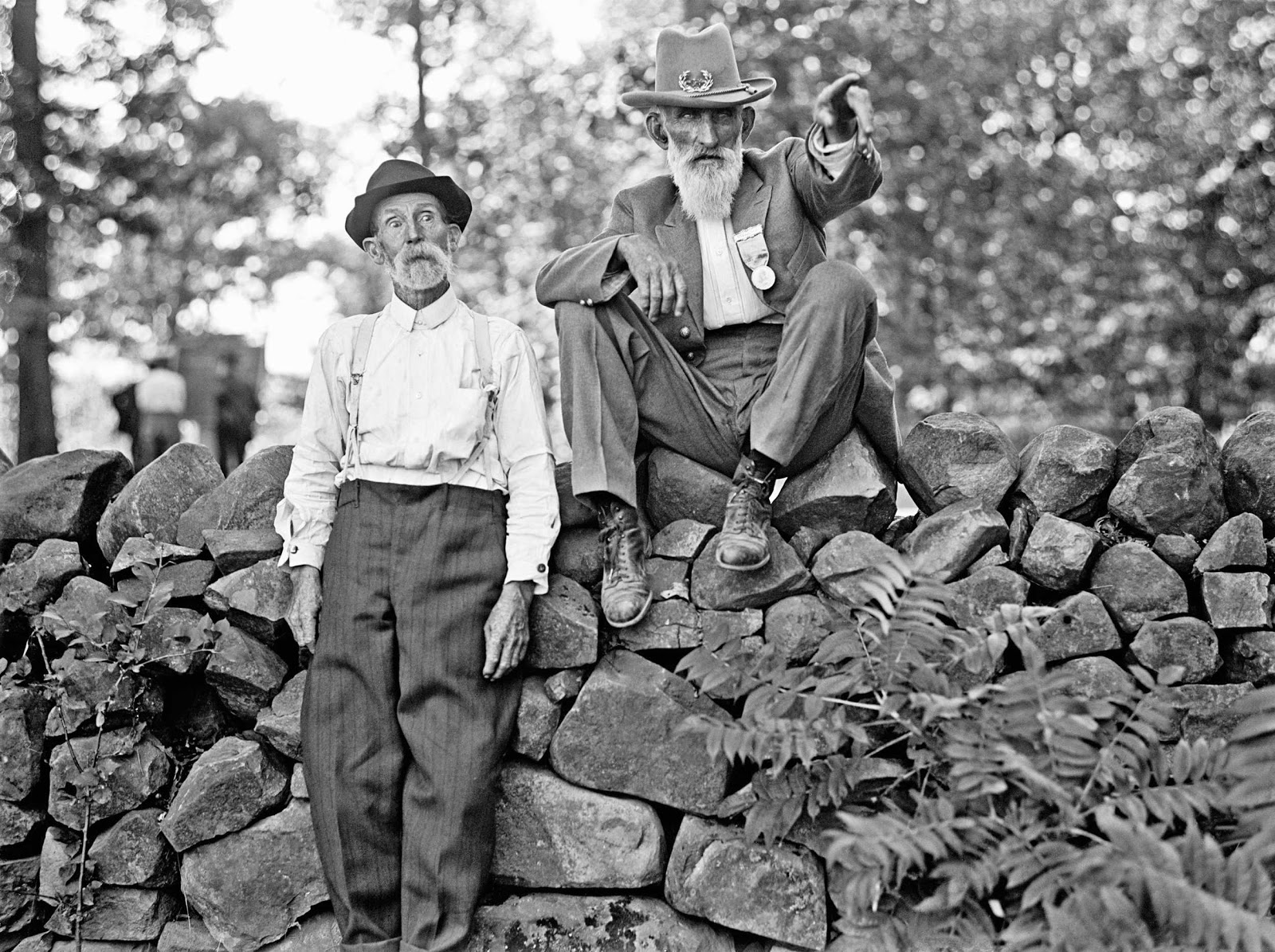
Read about the 1913 Gettysburg Reunion at Wikipedia.
More information and more photos can be found at the Guardian.
I spent a year at Gettysburg College, but given my lack of transportation, spent little time on the battlefields. Later in life, however, I came to get a sense of the power of Lincoln’s words:
But, in a larger sense, we can not dedicate — we can not consecrate — we can not hallow — this ground. The brave men, living and dead, who struggled here, have consecrated it, far above our poor power to add or detract.
Those fields are a place of deep contemplation and introspection, and I feel the presence there of those who died, North and South, defending what they believed in.

The Old Wolf has spoken.
… I don’t even exercise.

André Roussimoff (Later known as André the Giant) in Cannes, France, 1967
In the meantime, sleep well… and dream of large women.
The Old Wolf has spoken.
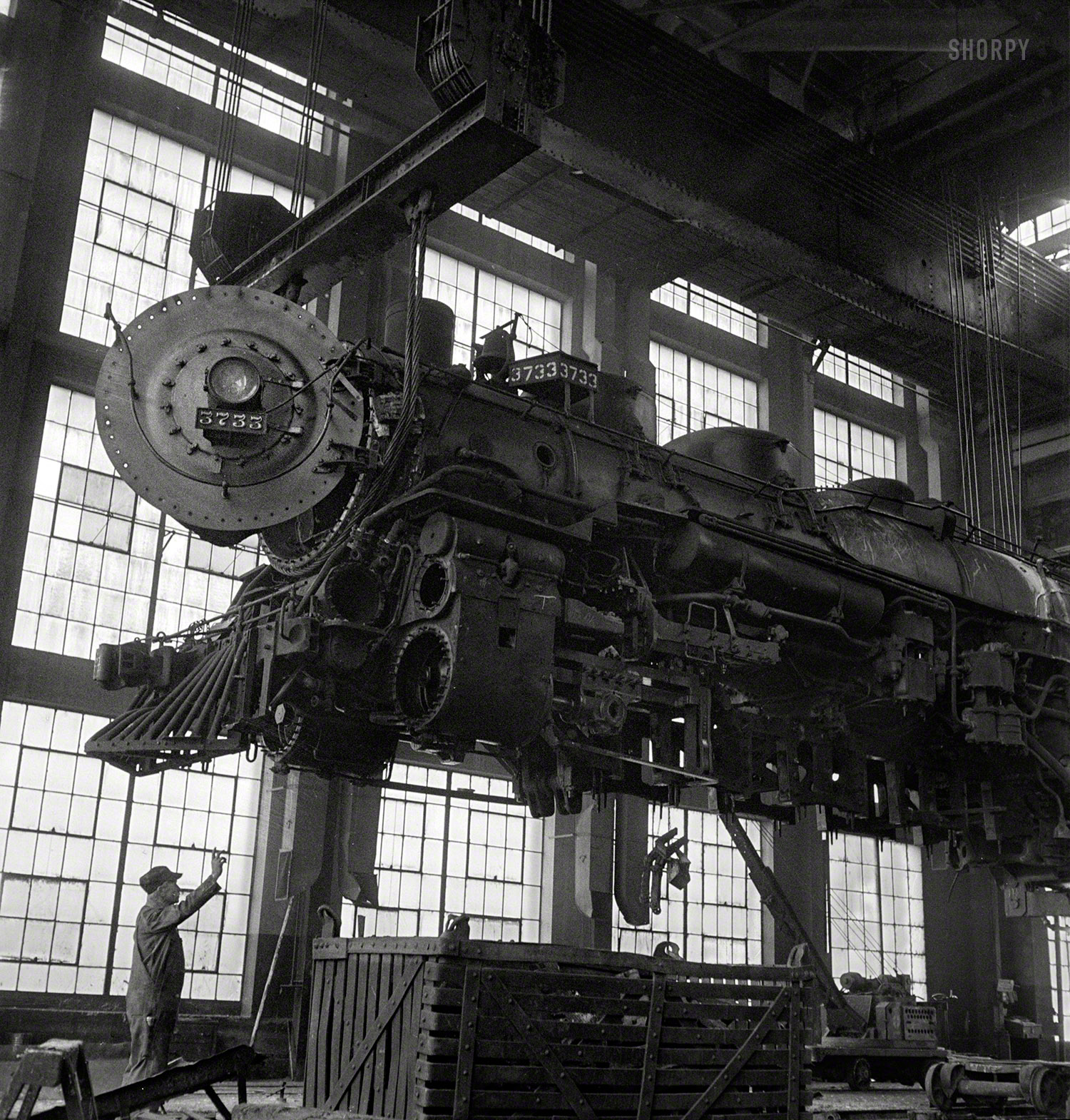
Found at Shorpy.
Albuquerque, New Mexico. “Lifting an engine to be carried to another part of the Atchison, Topeka & Santa Fe shops for wheeling.” Photo by Jack Delano for the Office of War Information.

 Playing in the World Game