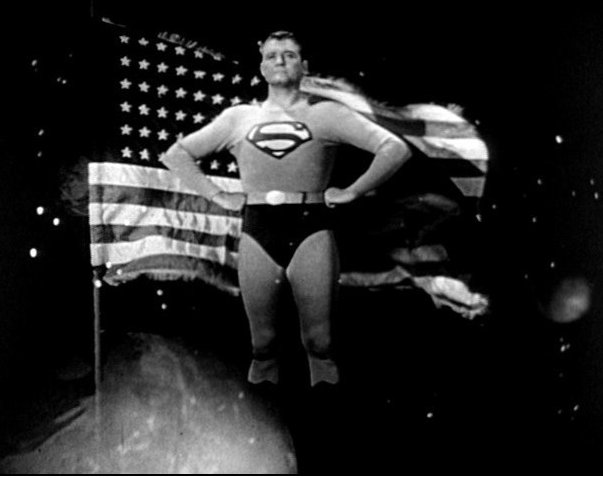
To the millennials of this election.

Reblogging this with the kind permission of the author, David Gerrold. I saw this on Facebook, and felt it was so relevant that it deserved a wider audience.

So … I think I’ll blur the details here.

There was this person who was expounding on the upcoming election and why he wasn’t going to vote for Hillary Clinton. It was his first time voting, you see, and he wanted someone who understood and represented his generation.

He said to me, “You don’t understand — ”

And that’s where I had to stop him. “Look, I do understand. Really.”

“How can you understand? You’re too old.”

“Do you think I was born old? Y’know, I have pictures. Here’s me at thirteen — ”

“But times were different then — ”

“Yes, they were. You could get polio and measles and smallpox. An appendectomy was a serious operation. People smoked everywhere, there was no getting away from the smoke. In school, they taught us to duck and cover in case of a nuclear attack. Whites and blacks still had separate restrooms and drinking fountains. Women couldn’t get a legal abortion. Gas had lead in it. Vegetables were sprayed with DDT. You could be arrested for being gay. Yes, times were different.”

“No, I meant that protesting was a fad, not serious like — ”

“Excuse me? Do you want to see the scar on my scalp where I was hit by a thrown bottle at the first gay rights march? We also had civil rights demonstrations, anti-war marches, and rallies for women’s rights as well. That was no fad. People were dying — ”

“No, look, man — it’s the establishment. That’s what’s wrong — ”

“And you want to replace the establishment with what? A different establishment? Listen — when I was your age, when my generation was your age, we were just as frustrated and just as impatient as you are now. Honest. Am I saying we were wrong? Hell, no. We were right. Better than that, we were so right, we were self-righteous. We went around saying, ‘Don’t trust anyone over 30,’ as if somehow when you turned 30, you became one of them. Y’know?

“You know what we missed? We missed the obvious — that there were a lot of good men and women over 30 who understood the issues, and the complexities of the situation better than we did — because they’d been fighting that fight for a lot longer. We had emotion, we had energy, we had spirit — but we didn’t have enough experience, enough history, enough of everything we needed to effect real change.

“So we didn’t turn out for Hubert Humphrey and we handed the country to Richard Nixon. And a generation later, other people didn’t turn out for Al Gore and handed the country to George W. Bush. And what was missed — both times — was the fact our impatience was the single biggest mistake we could make.

“Hubert Humphrey had experience, he had wisdom, and he shared our goals. Al Gore had experience, he had wisdom, and he shared our goals. But somewhere, enough of us decided that he was too old or too much of the establishment or didn’t really represent us enough, or would just give us more of the same when what we really wanted was more, better, and different, even if we couldn’t define it — enough of us felt that way to hand the presidency to a much worse administration.

“So, no — it isn’t that you’re wrong. It’s that there are people who’ve been down this path before. We know where it leads. And it’s not a good place. We know what this mistake looks like. Because we’ve made it ourselves — and we’re asking you not to make the same mistakes we did, because each time we make this mistake, everyone gets hurt.”

And he said, “So that’s a fancy way of saying ‘suck it up, buttercup, you can’t have what you want.”

And I said, “No, but if that’s the way you want to hear it, then that’s the way you’re going to hear it. The way government works, nobody gets everything they want. The way government is supposed to work, everybody negotiates — and eventually everybody gets a piece of what they need to keep going. Nobody likes that, but consider what the alternative is — if some people get everything they want, that means a lot of people are going to get nothing at all. We keep trying that, it doesn’t work. Let’s go back to the stuff that does work.”

“But I don’t like her — ”

“I’m not asking you to like her. I’m asking you to respect that she knows how to do the job. He doesn’t. You can have your protest vote, that’s your right, but that’s letting everybody else decide who gets the oval office. And you might want to think long and hard about which of the two will build on what President Obama has accomplished and which of the two will tear it all down with no idea of why it worked in the first place. Your choice.”

And he said, “That’s not much of a choice.”

And I said, “The hell it isn’t. It’s a choice between experience and ignorance. That’s the clearest choice I’ve ever seen in an election.”

He didn’t have an answer for that.

And that’s the point —

‘I might be old, but I’m not stupid. And I suspect that a lot of other members of my generation feel the same way. We remember when we were impatient. And we remember the mistakes that our impatience created.

“Old people don’t tell young people what to do and what not to do because we want to control your lives — we just want to warn you not to make the same mistakes we did.

“But you will. Or you won’t. Because it’s your choice. Always.”

As a coda, another comment from a good friend of mine, Jeremy Grimshaw, also quoted with permission:

I’ve got an anxiety in my gut that makes it impossible for me to watch the presidential debate in real time tonight–not because I worry Hillary will do poorly or that Trump will do well, but because I fear that it doesn’t matter how well she does or how poorly he does. The fact that nearly half of all Americans take a person as cruel, crass, immoral, fraudulent, oblivious, and arrogant as Trump seriously as a potential national leader, that they have dimmed and warped their epistemic lenses so terribly that they aren’t appalled by the mere fact of his sharing a stage with her, fills me with despair. What could he say that is worse than he has already said? What depth of depravity remains for him to sink to? It’s not a matter of cringing at the content or tone of the trash he flings or wringing my hands about her responses being forceful enough. I just can’t bear to watch people watching him as if he were a valid option, as if he even belonged in the same arena as her. Remember, when she was in the war room helping call the shots that killed Bin Laden, he was touching up his spray-tan for the reality-TV cameras. We are about to offer the decorum of potential presidentiality to a man who raided the coffers of his charity to commission a gigantic painting of himself in a suit of armor to hang on the wall of a golf resort bar. The most absurdist comedy writers in the country could not conjure a more outlandish parody of the Presidency than the one the Republican Party has nominated to the office.

I can’t watch the debate because I can’t bear to watch America being so incredibly stupid. At a certain point, ignorance, made willful by moral and mental neglect and partisan indolence, crosses the threshold into blasphemy.

Two candidates. Neither perfect. One with decades of experience in governance, the other with nothing but bluster and xenophobia.

Please, please… consider so carefully what kind of a world you want to build, and vote for the candidate who most closely mirrors your values, even if it’s not a perfect match.

The Old Wolf has reposted.
Maine’s Ballot Initiatives

The following six questions will appear on Maine’s ballots this fall:

Question 1 Marijuana Legalizes, regulates, and taxes marijuana as an agricultural product
Question 2 Education Establishes a 3 percent tax on household income over $200,000
Question 3 Firearms Requires specific background checks for gun sales and transfers
Question 4 Minimum Wage Increases minimum wage to $12 per hour by 2020
Question 5 Elections Establishes statewide ranked-choice voting
Question 6 Bonds Issues $100 million in bonds for transportation projects

Here’s how I stand at the moment, and why. Opinion subject to change based on additional data.

Question 1: Marijuana: Legalizes, regulates, and taxes marijuana as an agricultural product
Prospective vote: Yes
Reasoning: The war on drugs has clearly failed. While I believe that human beings would be generally better off if they used no mood-altering substances, the social costs of legalization vs. prohibition and enforcement of marijuana specifically must be weighed. FBI data shows that of the roughly 700,000 arrests for marijuana-related charges in 2014, about 90 percent were for possession only, and while an arrest does not always lead to jail time, these arrests can have radiating consequences. Alcohol leads to far more societal costs in terms of violence, abuse, and other anti-social behaviors, and we saw how well the Eighteenth Amendment worked. What is needed is legalization and control in the same way alcohol is legal and controlled, taking revenue out of the hands of the cartels and crime syndicates. This would also clear the way for the legalization of industrial hemp, an astonishingly useful product which has vanishingly small quantities of THC (less than the amount of alcohol in NA beers, for example) but which has been lumped together with cannabis by government regulators out of fear and/or ignorance.

Question 2: Education: Establishes a 3 percent tax on household income over $200,000
Prospective vote: Yes
Reasoning: 1) Funding education is good. Schools are generally underfunded and teachers generally underpaid. This initiative would require a 3% surcharge on portions of income over $200,000, meaning if you earned $280,000 in a given year, you’d see your taxes go up by $2,400. If I had an income like that, I’d gladly pay double that as a surcharge and think I was getting off easy. 2) Anything Paul LePage opposes is most likely a good idea.

Question 3: Firearms: Requires specific background checks for gun sales and transfers
Prospective vote: Yes
Reasoning: This is a hot-button issue in Maine, where concealed carry doesn’t even require a permit. Lots of “yee-haw ‘Murica” sentiment up here. Don’t get me wrong, I’m a fervent 2nd Amendment supporter, and I won’t support any effort by any candidate to “come get your guns.” But I’m also a fervent supporter of common sense. The right to drive a car isn’t enshrined in the Constitution, but in order to drive a car, the following things have to happen:

  1. Driver must be of age, have operator training and be licensed
  2. Vehicle needs to be registered, inspected, taxed, and insured. Every vehicle, every year.

Once these requirements are met, you can own as many vehicles as you want. Why firearms should be exempt from the same type of safety-oriented requirements simply makes no sense.

Question 4: Minimum Wage: Increases minimum wage to $12 per hour by 2020
Prospective vote: Yes
Reasoning: I support this because we probably won’t get anything better through legislation in the near future, but I feel that it doesn’t go far enough. $15.00 would be better. And it’s being phased in too slowly. To have a minimum wage that people can’t live on is unconscionable, particularly when so many families are trying to get by on two wage-earners at this level.

Question 5: Elections: Establishes statewide ranked-choice voting
Prospective vote: Yes
Reasoning: From the League of Women Voters:

  • RCV allows voters to vote for their favorite candidate without fear of helping elect their least favorite candidate. It minimizes strategic voting and eliminates the spoiler effect.
  • RCV is most likely to elect a candidate with broad appeal. It ensures that winners enjoy majority support when matched against their top opponents.
  • RCV encourages candidates to run with new ideas and dissenting opinions.
  • It promotes civility in campaigns and encourages winning candidates to reach out to more people, reducing negative attacks.
  • Unlike traditional runoff elections, it accomplishes these goals in a single election. Traditional run-offs require candidates to raise much more money and are much prone to negative attacks ads.

Question 6: Bonds: Issues $100 million in bonds for transportation projects
Prospective vote: Undecided
Reasoning: Economic issues are complex. Clearly America’s transportation infrastructure is crumbling, and woefully underfunded. Maine’s roads are in poor shape, in part because of harsh winter weather. The bond has a lot of support; Mark W. Anderson, an economist and a writer for the Bangor Daily News, calls for an increase in fuel tax to more fairly distribute cost to heavy users of roads. I need to think about this one some more, and it’s not easy for a Wolf of Very Little Brain to get his head around things like this.

The Old Wolf has spoken.

A visit to a dark corner of my soul

One of my Facebook friends just posted the following question:

“Just a thought….who does the Muslim world and ISIS support for president?”

The obvious answer is “Clinton” – the implication being that Trump would unleash Hell on Islamic terrorists and nuke them back to the stone age, or something similar.

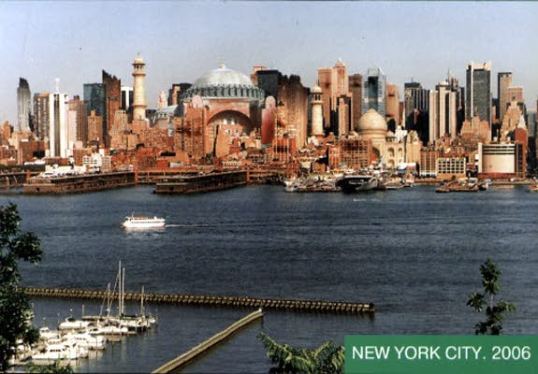
In reality, Daesh does not support anyone for president, because Daesh does not believe in Democracy – but rather in Shari’a law under theocratic rule. If the extremists had their way, New York City might look like the image below, which appeared shortly after 9/11:

musnys

The problem with jingoism and xenophobia is that they know no bounds and do not require facts… just a gut-level fear of the unknown, of the different. Hence Donald Trump’s calls for the exclusion of all Muslim immigrants to the US, deportation of Muslims, issuance of identity cards to Muslims – all these have resonated with a segment of American society who have been terrorized by the terrorists.

A digression:

douwd

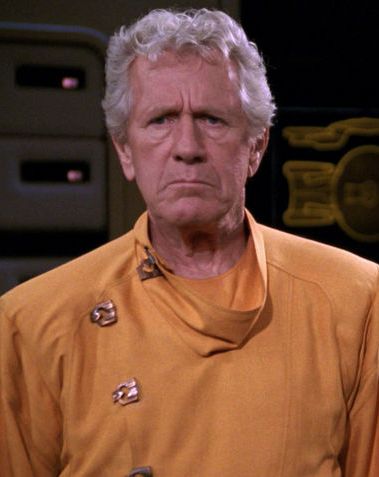
In the episode of Star Trek, the Next Generation entitled “The Survivors,” Kevin Uxbridge (brilliantly played by John Anderson) portrays a Douwd, an immortal being with godlike powers who fell in love with a human woman. When his wife was killed by a consummately evil race of beings known as the Husnock, Uxbridge explained:

I saw her broken body. I went insane. My hatred exploded. And in an instant of grief… I destroyed the Husnock… You don’t understand the scope of my crime. I didn’t kill just one Husnock, or a hundred, or a thousand. I killed them all. All Husnock, everywhere. – Are 11,000 people worth… 50 billion? Is the love of a woman worth the destruction of an entire species?

This theme was echoed in Attack of the Clones, in which Anakin Skywalker tells Padmé Amidala about the Tuskens who kidnapped and killed his mother, “I killed them. I killed them all. They’re dead, every single one of them. And not just the men, but the women and the children too.”

The desire for ultimate vengeance upon those who have harmed us or our loved ones seems to run deep in the human heart, witness the Hatfields and the McCoys, the internecine conflicts of the Balkans, the Middle East conflicts, the Tutsis and the Hutus, and so many others.

And as I experienced that day of infamy in 2001 when our nation was stabbed to the heart by unspeakably evil men, my soul went to that darkest of places. On that day, had you offered me the Elder Wand and told me that by simply waving it, all Muslims everywhere would simply cease to exist, and every one of their holy sites would be reduced to a glowing lake of slag, I probably would have waved it without a second’s hesitation. Such was the depth of my anguish at the emotional insult of that day.

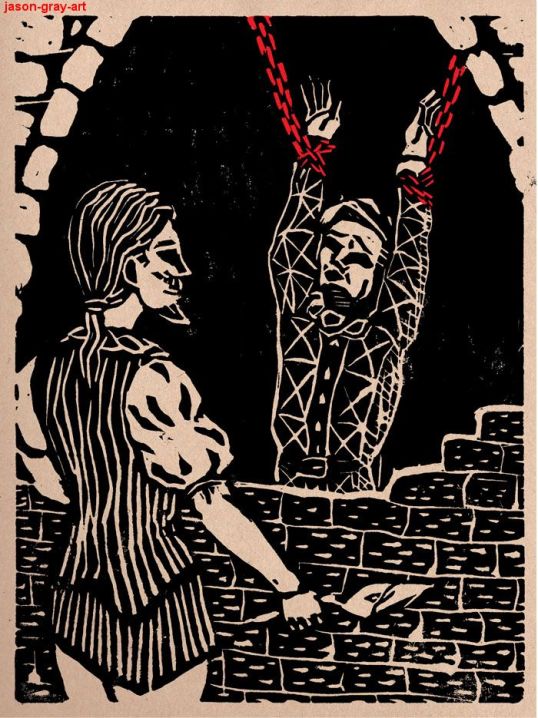
It has taken a long time, but I was obliged to take those sentiments and wall them up behind the barricade of reason.

cask_by_jason_gray_art-d5u2ra2

I admit that every time I see images of 9/11, or hear of a new atrocity committed in the name of Islam, I can still hear Fortunato’s bells jingling behind that wall. That day scarred my psyche for all time. I doubt I will ever fully heal, but I refuse to give in to the bestial urges.

With all of that in mind, I cannot support as president of this nation a man who would demonize fully one fourth of this world’s population for the actions of a few deranged and deluded madmen. Yes, those few are dangerous, and a threat to global security. But this is not Riyadh, or Tehran, or Darfur – this is America, and Muslims are as much a part of our country as the Catholic immigrants from Italy and Ireland, or the Jewish immigrants from the global diaspora. The enemy is ignorance, the enemy is extremism. We must be vigilant, but we must also be human.

The Old Wolf has spoken.

It’s not the lesser evil, it’s the greater good.

For a long time I’ve been complaining to myself, about every four years or so, of having to choose between the evil of two lessers. Over the course of my life, my politics have been all over the spectrum, from Democrat in my youth (think McCarthy and McGovern), to a 40-year stint of drinking the GOP Kool-Aid (I still think Reagan had the best interests of the nation at heart, but Cheney & Co. put an end to my straight-party history), to Libertarianism (too close to Anarchynarchy for comfort), and back to the Dems since 2008, because like many Americans, I really was hopeful for some change, particularly in the economic arena.
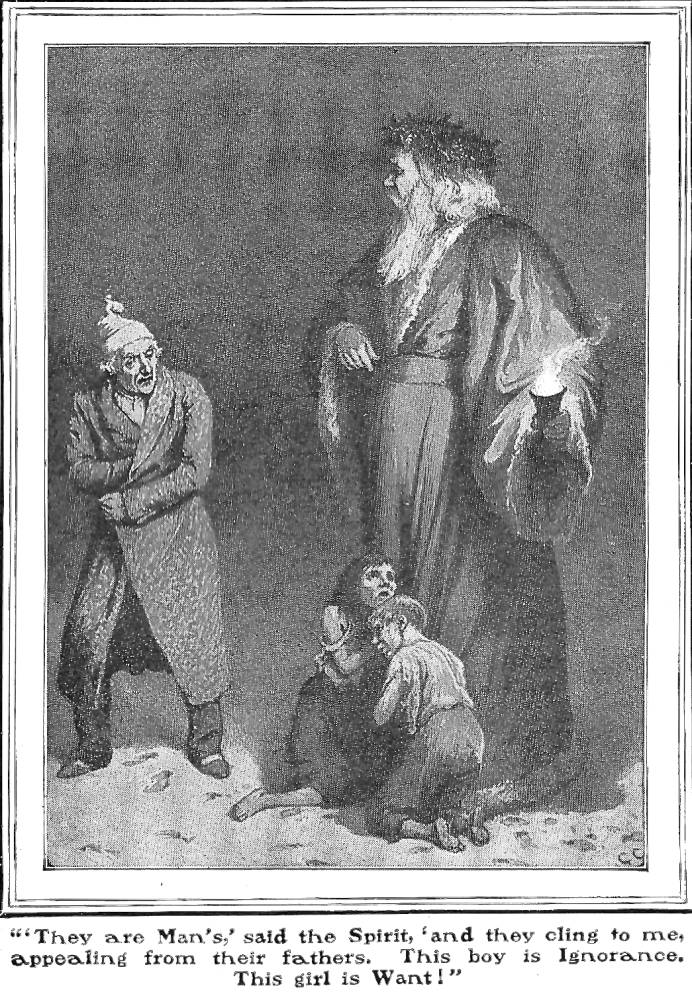
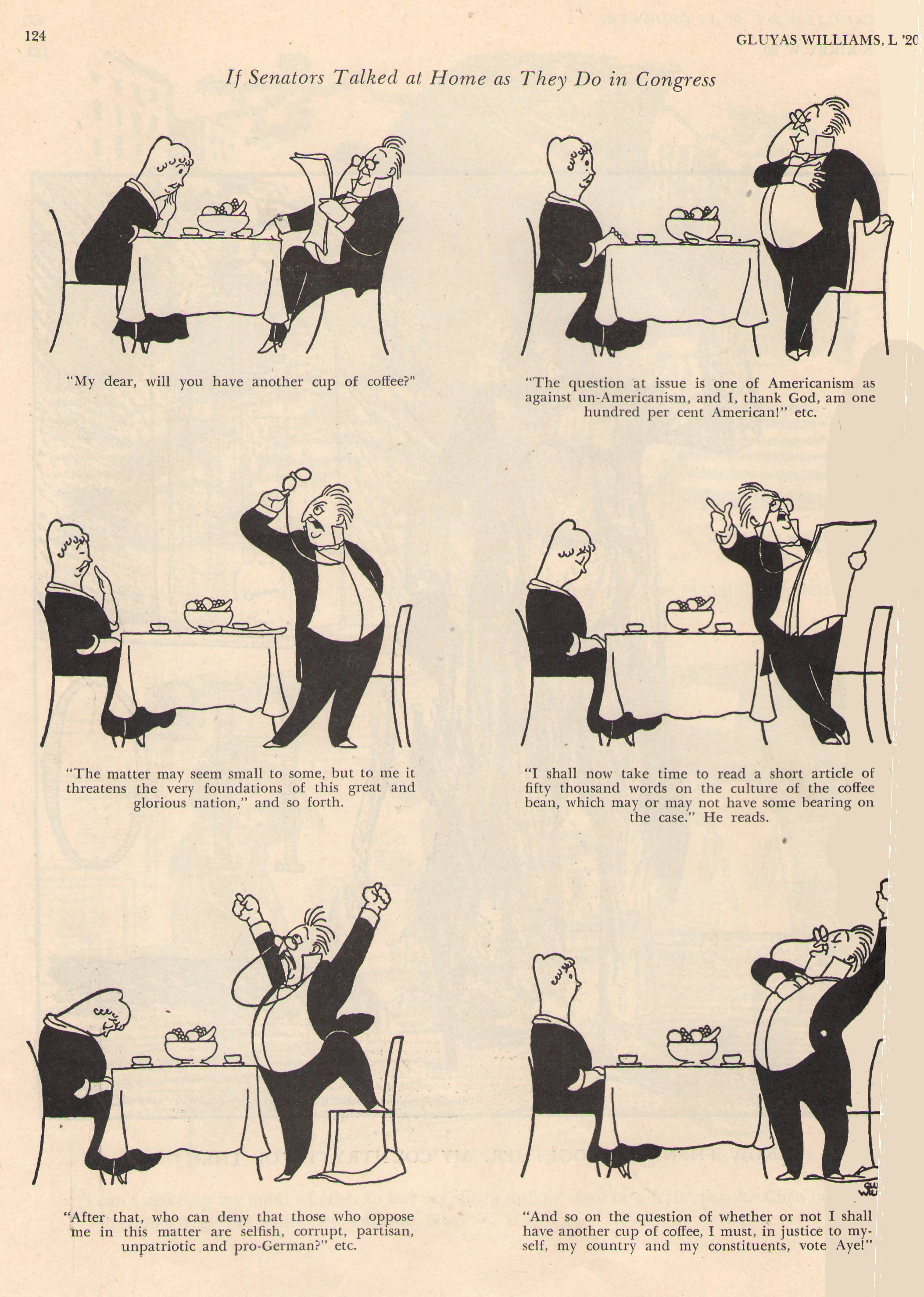
While I don’t agree with all his politics or agenda, our current President has had a pretty good run if you look at the numbers. Those on the evangelical right tend to see him as Satan incarnate, the enemy of all righteousness, attacking foundations of “moral America” with jackhammers and wrecking balls, but despite what the John Birch Society would have you think, no religious code is enshrined in the Constitution; morals remain, thanks to the First Amendment, a matter of personal choice and personal accountability.

Bernie Sanders was the first real breath of political fresh air I have experienced on the national stage in my entire life. I worked for him, I stumped for him, I contributed my $3.00 (several times over, if the truth be known), I was a caucus captain for him in Maine, and I was really hoping for someone in the White House who would pay less attention to politics or private interests than those who have occupied that seat of power during my sojourn on earth.

Now those hopes have been extinguished, and once again I am left to choose between two people whose politics I do not endorse, and must choose the lesser evil. Or perhaps not.

Donald Trump is a caricature of all that is wrong with politics, a real-live Oliphant cartoon (I deeply regret this great commentator’s gentle slide into retirement, especially during this circus of an election season), Tammany Tiger in the flesh, the ghosts of Leona Helmsley, Imelda Marcos, and Joseph McCarthy brought back to life in one horrible package of xenophobic one-percentism. The prospect of a Trump presidency terrifies me, and the thought that a fraction of this country approaching 50% thinks he would be good for this country leaves me with cold sweats.

Despite my own feelings, I have a huge circle of friends who support both Trump and the GOP, and there are parts of their fears and frustrations that resonate with me. The “giant sucking sound” Ross Perot referred to with regards to American jobs – not to Mexico, as it turned out, but rather to Asia – is of deep concern. The rotting factories of America, the economic terror that is snapping at the heels of a far-too-great segment of our nation’s families, the social unrest, and a general trend in our country toward an “anything goes” outlook are valid concerns in the minds of many people. The growing fear of Islamic extremism is a real phenomenon; remembering that the enemy of freedom is not Islam but rather extremism of all stripes and ignorance has become ever more difficult since 9/11, an event that scarred my soul and twisted my Weltanschauung despite my being aware that it did so. But championing trickle-down economics and outright jingoism and fear-mongering are not the answers to these pressing problems, and these are precisely the principles upon which Donald Trump has built his campaign.

62

On the other side of the aisle we have Hillary Rodham Clinton, part of the “Buy one, get one free” package that we inherited under the presidency of her husband. During the Billary days, there was a joke circulating that was so cruel and petty that I can’t repeat it here, but it underscored the notion that both Bill and Hillary were crooked and dishonest. It’s worth considering that much of the “crooked Hillary” rhetoric that seems to have become part of the American psyche could be the result of a decades-long smear campaign by her opponents on the right, but for good or ill it has affected me. I don’t know if I trust her to act ethically and honestly for the good of America’s citizenry, and that’s admitting freely that as a person, I don’t know her from Adam’s off ox. The Clinton presidency appears to be settling on the positive side of the historical ledger, but the moral lapses of our 42nd president, followed by the web of deceit and duplicity that followed, add to the general feeling that having this team back in the White House will do more good for them than for us.

Coming back to Bernie Sanders, there is a segment of his constituency who have adopted the “Bernie or Bust” philosophy… and I understand that as well. My franchise under the Constitution is precious, and casting a ballot for someone I don’t support seems like squandering that franchise. I supported Bernie so fervently that it seems folly not to ignore the dominant candidates and cast my ballot for him as a write-in, or vote for Gary Johnson or Jill Stein to bolster third-party strength. But that’s not the attitude that Bernie himself has adopted; he’s a career politician, has stayed on message for over 3 decades, and he understands clearly that politics makes strange bedfellows.

From where I stand, Senator Sanders’ support for Hillary at this time is an effort to make the best of a less-than-optimal situation. Even his decision to run as a democrat was a calculated political move, and one that paid greater dividends in the long run than having run as an independent might have done. I like what he stands for. He has a lifetime in the political trenches. I trust him. And if he’s asking his supporters to support the Democratic candidate at this point in time, it makes sense that I do so now.

From a faith-based standpoint, I should be on the far right. I believe that there are certain standards of conduct that, if followed, will bring greater overall happiness to mankind than the alternatives. But I am also a fervent supporter of free agency which I see as the core principle of our earthly probation; the whole concept of “I don’t believe in eating cake, so you may not have any either” just doesn’t fly with me. As a result, the efforts of the Christian right to impose morality on the nation by political activism is just as worrisome as the jihadis who would impose Islam on the world by the sword.

So there’s the dilemma. I can’t just stay home and not vote, because that would be an insult to those who dedicated their lives to creating a republic where my franchise is guaranteed. I can’t really justify voting Libertarian or Green, because neither party has a hope of winning in the general election, and I can’t write Bernie in for the same reason, as much as I would love to see him at the helm of state. I can’t vote GOP, because the Republican Zeitgeist at this moment in time seems to revolve around a world that works for the rich, the few, and the holy.

Yes, I think there has been a lot of jiggery-pokery in the political process this year, perhaps more than in the past. I think the DNC basically shafted Bernie and his supporters with a cactus, and that the game was essentially rigged from the start. But in the end analysis, I have to ask myself “Which party’s ideals intersect most strongly with my own?”

The answer, for myself, is clear. I will vote for Hillary in November, not because she is the lesser evil but because I believe she will accomplish the greater good. But in the meantime, I will continue to work for and support candidates at the local and congressional level who support the ideals that Bernie Sanders offered the nation: equal opportunities for all, a political process free of corporate money and influence, universal healthcare, universal human dignity, and – in the words of R. Buckminster Fuller – “making the world work, for 100% of humanity, in the shortest possible time, through spontaneous cooperation, without ecological offense or the disadvantage of anyone.”

The Old Wolf has spoken.

Refugees and the bar fight: a brilliant analysis

Shamefully purloining this essay from Emlyn Pearce, because it deserves to be more widely understood.


So a lot of British people seem to be wondering why refugees don’t stay in their own countries and take up arms to defend themselves (“…like the British did during the Second World War!”). Don’t get me wrong, I find it quite endearing that your Average Joe thinks he and his mates from Tuesday night five-a-side could put together a viable army, but maybe joining a thirteen-year-old civil war is a bit more complicated than an Inbetweeners movie. Let me explain.

Have you ever been in a pub when a group of drunk guys starts going berserk, drinking everyone’s drinks and punching people in the face? The rest of the patrons come together, over-power and restrain the troublemakers; the police are called and they are taken away to face the music. That’s World War II: everyone in the pub is on the same side and there is a clear set of bad guys ruining the 1940s for everyone else (incidentally, there’s also a guy who offers to hold everyone’s coats and money when the fight breaks out, and when it stops he won’t give them back – that guy is Switzerland’s banks).

Now, consider Syria. You’re sitting in the pub with your family having Sunday lunch when suddenly you hear someone at the bar say they’ve been short changed. In response, the bar staff open fire with automatic weapons and kill sixteen people. You’re horrified – in all the years you’ve been coming to this pub, knowing they’ve been short changing people, you never imagined they’d do something like this. You manage to barricade yourself behind an upturned table in the corner, and just when you think things can’t get any worse, a bunch of thugs from the rough pub next door hear there’s some trouble and decide to use the opportunity to take over the pub and make it as lawless as the one they’ve come from (where people have been brawling non-stop for the best part of a decade). There are bullets flying past your little shelter and blood and bodies litter the floor.

Whose side do you join? The bar staff who started the whole thing by killing the people they were supposed to serve, or the thugs from next door who want to hold you all hostage and make you join a death cult? LESSON NUMBER ONE: NOT EVERY WAR HAS A SIDE WORTH JOINING.

So you start your own army, right? This is an excellent idea – well done for taking the initiative! But exactly how do you start an army anyway? First, you find some like-minded people. So you turn to the guy next to you who’s barricaded himself and his family under a table and ask if he has any weapons.
“I’ve got my car keys and a bottle opener from a Christmas cracker,” he says. “The thing is, I was only planning a pub lunch with my family, I didn’t realise we’d get caught up in a gun fight, otherwise I suppose I would have been training and stockpiling guns for years.”
LESSON NUMBER TWO: STARTING AN ARMY IS REALLY, REALLY HARD.

This is tricky. Very tricky. You decide to try and phone the other pubs in the area to ask for help, but they don’t know who you are, and ever since they helped a bunch of patrons in the 80s who ended up flying planes into pubs, they’re pretty reluctant to help random groups they’ve never heard of.

So you just sit it out and wait for everything to blow over, right? After all, you’ve heard of other pub fights where the bar staff were beaten in minutes (The Sphinx & Pharaoh, the Crazy Colonel), but it gradually becomes clear that this one won’t burn out so quickly. You could crawl out and grab a gun, but that leaves your family completely exposed with nobody to defend them. With every minute that passes, the situation gets more terrifying. Maybe you could chisel a pretty cool spear out of a table leg if you had a few weeks, but right now your children are screaming with terror, begging you to stop the banging and the sounds of people screaming, but you can’t. There’s nothing you can do.

Suddenly, across a sea of broken glass and empty shell cases, you see the door to the street swing open. There isn’t even time to think: you grab your children, the most precious things you have in the world, and you run for the exit.

You stumble into the street, where a crowd has gathered to gawp at the carnage through the windows. As you get to the exit they try to push you and your children back into the pub.
“Go back where you came from!” they say. “You’re one of those thugs from the rough pub and you want to bring your violence out here into the street! Shame on you for dragging your children through all that broken glass!”

You manage to get through the crowd to the Queen Elizabeth pub down the road, which you’ve heard is a really safe, family-friendly pub where the staff treat their patrons with respect. But when you get to the Queen Elizabeth, you’re told by a security guard that there’s nowhere to sit because there are too many people already, even though it’s clear that the only reason there’s nowhere to sit is that the people who own the pub haven’t provided enough chairs. There are also loads of coats that have been put on chairs by older people who want to supplement their wine consumption by making youngsters buy them a drink in exchange for somewhere to sit.
Finally, with the help of some sympathetic staff, you find a chair in the corner by the toilets, and you put the kids on the chair while you lean against the wall, exhausted. People start accusing you of ruining the pub for everyone else, even though they were short of chairs long before you arrived. That’s when some guy with a big sweaty face who’s never been in a pub shooting, never feared for his children’s lives, never even seen a gun or a hand grenade, comes up to you and asks why you’re not in the other pub sorting out the massacre you’ve just fled from.
And that’s when you finally break down and cry.

IN TODAY’S EPISODE WE LEARNT…
In Britain, we tend to think of every war as a two-sided battle between good and evil, with an established system on the side of good which is able to organise and direct an army. As a nation, we have no easy frame of reference for wars with many factions, or wars where the government is fighting the people, or civil wars where the enemy is present not just in the air, but on the ground too. Contrary to popular belief, Britain DID produce a flood of refugees during World War II: 3.5 million British refugees fled their homes, but because the war was an international war, with no successful invasion, no enemy boots on the ground and aerial bombardment focused on cities, the vast majority of those refugees went to the British countryside. Had the Germans invaded and started killing Britons on the ground, it’s likely we would have seen an even greater exodus to countries like Australia and Canada than the one we did see: not because fleeing from genocide is cowardly, but because self preservation is deeply ingrained in human nature. Risking your life by crossing a treacherous sea to escape a war that is not of your doing is infinitely more heroic than selling out your principles to fight for a mad dictator or a death cult; and unless you’ve ever fled a tangled civil war yourself, it might be wise to put a little less effort into judgement and a little more into understanding.


Here in the United States, we’re not facing the flood of refugees that Europe seeing, but the understanding is important anyway.

The Old Wolf has shared.

Which America Do You Want?

America 3

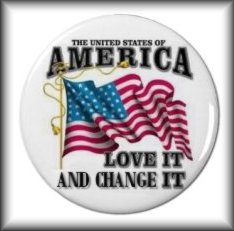
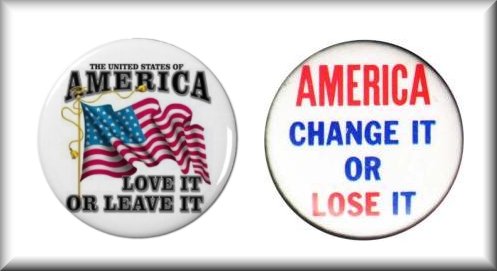
The above buttons represent sentiments that were commonly seen as bumper stickers during the Vietnam War era. The former was by far the most prevalent, but the latter could be seen on the vehicles of anti-war activists. Then, as now, political polarization was the rule rather than the exception.

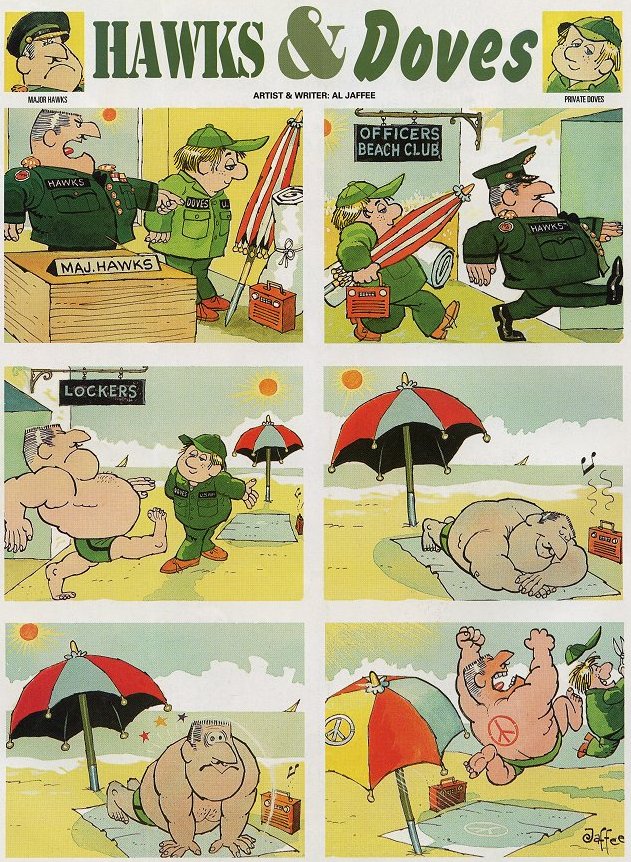
Ever the bellwether of social trends (if only to make fun of them,) Mad magazine featured a recurring segment by Al Jaffee entitled “Hawks and Doves:”

madss118backprintid

Tragically, the politics of the America that I have known (from Kennedy, who was the earliest president about whom I was old enough to care, to the present day) has been defined by the black-and-white fallacy. I recall my mother having said, “If Goldwater wins, we’re moving to Switzerland.”

The typical “love-it-or-leave-it” stance is epitomized in this song by Joyce Shaffer:

Now that’s a really catchy song, and she makes some good points about government transparency, money and special interests taking precedence over the voice of the people, and similar things – but it still sends a strong message: If you don’t agree with our philosophy, you are less-than and not welcome in this country, and you had best get out.
Pasquale and Maria 150
These are my grandparents. They immigrated to this country in around 1900, came through Ellis Island, settled in the great metropolis of New York, and raised a family. They worked their butts off, and although they never were terribly successful at learning English, their kids went to school and did, and became honorable and productive members of this society, all the while injecting some wonderful Italian flavor into the world around them.
Wanderbuch Cover Page
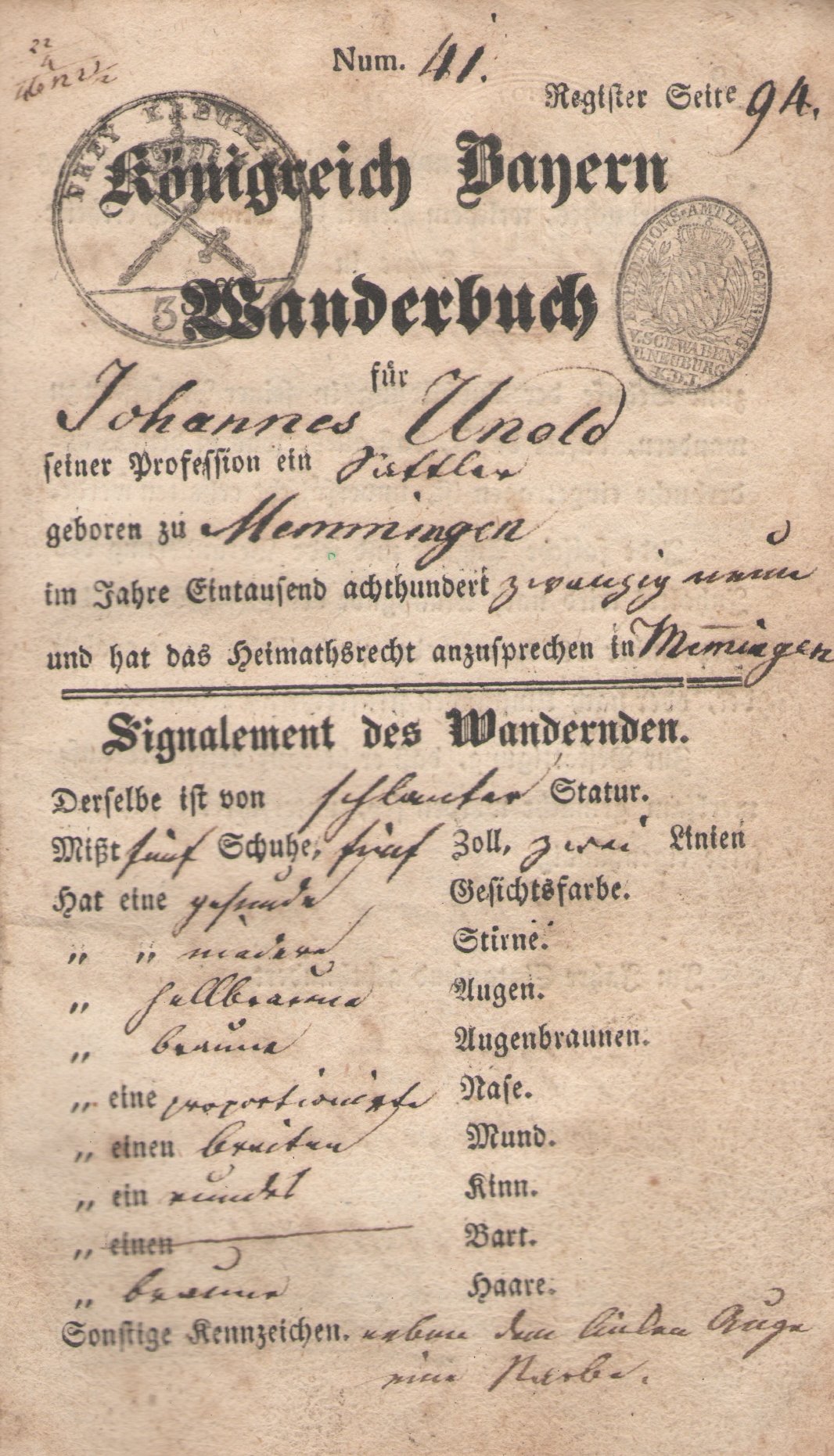
This is the cover page from the Wanderbuch (sort of a hiking journal) of my wife’s great-grandfather, who was born in Bavaria and who came to this country in around 1850. My wife’s father spoke no German, so it’s a good bet that the descendants assimilated well, all the while bringing some German feelings, attitudes and philosophies to the general mix.
The thing about the many waves of immigrants that washed upon our shores is that they came to enjoy and appreciate the freedoms and opportunities that our land has to offer, and were not intent on re-making this nation in the image of the lands of their birth.
Immigration has not been without challenges, and I’ve written about some of the specifics before. Strict interpretation of the “love it or leave it” philosophy can lead to such atrocities as Japanese internment camps, which must never again be allowed to happen.

“Many who say “Love it or leave it,” are sincere. But their tersely stated ultimatum smacks of death not life. For if all who love America uncritically were to stay, and all who criticize America were to leave this nation, described by one of its founding fathers as “the world’s best hope,” would fast disappear.” – Dr. Ernest T.C. Campbell

That said, no group who has come to our country must ever be allowed to re-cast our basic laws and/or constitution to suit their particular ideology – any such attempt must be doomed to failure.

On the other side of the coin, America has changed since its inception. The founders had enough foresight to place into the Constitution a way of changing it, but it had to be a difficult way that made sure any changes reflected the will of the people. It’s not easy to get an amendment passed, but it has happened – and mostly for the good.

The Bill of Rights. Emancipation. Voting rights. And 24 others. Over time, change must happen or a nation stagnates.

reeves

I firmly believe it’s time for our nation to move forward into the 21st century in spirit and not just in calendar date. There are far too many things still wrong in our country; unequal opportunity, the persistence of racism, over-militarization of police departments, a deeply entrenched culture of misogyny, and a continuing belief by those in power over our lives that fighting for “truth, justice, and the American Way” involves running roughshod over other nations to plunder their resources and subvert their cultures to our benefit.

The above clip is part of a show… how I wish it had been a real speech. And it’s not perfect, because it ignores the economic terrorism that was going on under our noses during the great period of history that was being referred to. But it brings up some critical points, and casts the harsh light of reason on areas where our country needs improvement.

Unadulterated “Love it or Leave It” implies a nation that works for only a very restricted subset of our population, and not for everyone. Rigorous “Change it or Lose It” fails to focus on the things that have made and continue to make our nation a desirable destination for many of the world’s citizens.

As with anything, we need to strike a balance:

America 4

Those of us who have been blessed with American citizenship by birth, and those who seek to become members under that head, need to have a deep and abiding love for the Constitution of our land and the principles upon which it was founded. But we also need to take a hard look at our country and make a concerted effort to change the things that only work for a few and exert downward pressure on the many, all the while maintaining and defending those parts of our heritage that (in a positve way) set us apart for so long from the rest of the nations of the world.

Education is key. We need to raise new generations of people who are wanter/needer/finders, people who can look around at problems and say, “I can do something about that” and who truly have the skills to do it. In the meantime, I’m doing what I can.

The Old Wolf has spoken.

Am I Charlie? Or am I just paying lip service?

ch1057

“The Untouchables 2” – You mustn’t mock us!

In light of the recent tragedy in Paris at the offices of Charlie Hebdo, a discussion sprung up on Facebook when a friend of mine, in reference to this article at the Daily Beast, asked the question, “where does humour cross the line into something rather ugly, threatening and repellent?”

I commented as below:

In some ways, Charlie Hebdo is the Westboro Baptist Church of the literary world. It’s a partially flawed analogy because WBC produces nothing positive whatsoever except hatred and misery, while Charlie Hebdo satirizes many things that deserve satire. Are they offensive? Absolutely… but then so is South Park, which show is afraid to pillory nothing. Mad and Cracked back in the 60s and 70s were very similar [1]; the French outfit simply doesn’t have the same restraints on them as American television or magazines, so they’re free to add all the crude sexual [and religious and political and social] humor they want. It may be this “crossing of the line” that some people find so offensive rather than the actual satire itself.

Nonetheless, the same principles of free speech apply here:

1) You’re free to say and publish what you want, and the government can’t come after you for it.
2) You are *not* free from the consequences of your speech.

In this sense, I agree with the thesis of the article. Charlie can be pretty nasty; just look at the comments of Dutch cartoonist Bernard Holtrop (Willem):

“We have a lot of new friends, like the pope, Queen Elizabeth and (Russian President Vladimir) Putin. It really makes me laugh,” Bernard Holtrop, whose pen name is Willem, told the Dutch centre-left daily Volkskrant.

“Marine Le Pen is delighted when the Islamists start shooting all over the place,” said Willem, 73, a longtime Paris resident who also draws for the French leftist daily Liberation.

He added: “We vomit on all these people who suddenly say they are our friends.”

The authors and cartoonists who work at Charlie Hebdo are not necessarily nice people, but they know who they are and they know the risks they are taking by being deliberately offensive. Unfortunately, this week some of them paid the price for taking those risks. This is sad, and unconscionable, and they didn’t deserve to die… but in the grand scheme of things this was not totally surprising.

I remember buying some of the first editions of Charlie when I was living in Italy in 1970. There was a parallel publication in Italian called, interestingly, “Linus.” I now wish I still had them – they’d be worth quite a bit.

As part of the discussion, another member of our community indicated she could identify with Willem’s disgust, citing the world leaders who are marching in Paris while pursuing national policies of destruction and/or oppression. And that’s a valid debate. I replied,

It is another debate entirely, and one that needs to continue. There are many who see the outpouring of support for Charlie as a good thing, others see it as superficial lip-service. And certainly, In that crowd of thousands marching in Paris, you would find thousands of reasons for being there.

In this particular case, I see Willem’s reaction (and those of many, many others in the blogosphere) as a confirmation of the axiom that reality is perception. We see things not as they are, but as we are.

Charlie Hebdo in many ways crosses the boundaries of responsible journalism into the realm of “we’re going to be assholes  just because we can.” And while that aspect of satirical organs is repugnant to many, even those not the targets of their caustic commentary, it is and must remain protected – because if you shut them down, where does the censorship stop?

What happened in Paris is a tragedy of immense significance, and it has ignited a vigorous debate on the nature and aims of the Islamic extremist movement. In these attacks some have seen more than just revenge for offensive cartoons; journalists and analysts all over the world have chimed in suggesting that the true motive was to actually inflame hatred for Islam, making it easier for the terrorist groups to recruit the uneducated and the ideologically susceptible.

In the end, Charlie Hebdo is a pretty lowbrow publication, but I will defend to the death their right to be that way (as Voltaire’s biographer stated, although not Voltaire himself) – because if I don’t, it clears the pathway to the censorship of all writing, including my own, just because it happens to offend somebody, somewhere. And by the same token, I’m free to read it or not read it, and free to choose whether or not I will be offended.

So, yes. As Albert Uderzo so elegantly said by coming out of retirement:

asterix-jesuischarlie

“I’m Charlie too.”

The Old Wolf has spoken.


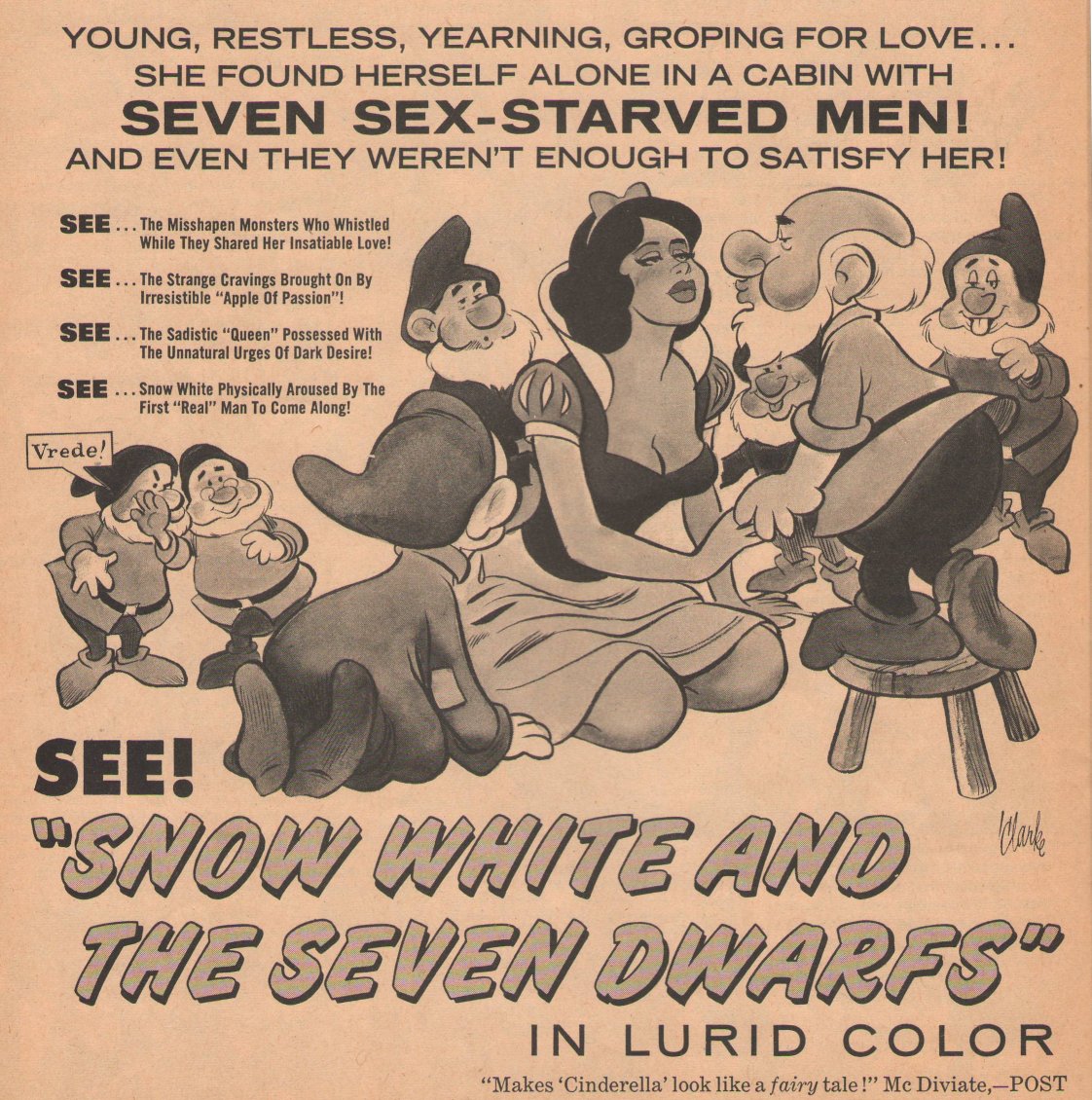
[1] Check out this tasteful ad for a revival of Disney’s Snow White from Mad’s December, 1970 issue:

snow

How to get your senators’ and representatives’ attention on any issue without being a wealthy donor

Seen at reddit: Protip from a former Senate intern, with thanks to /u/SomeKindOfMutant.

This is worth sharing, since most of us are not among the 1% who have access to government:

An email to your senator or representative may result in a form letter response and a phone call to the office may amount to a tally mark on an administrative assistant’s notepad. But, for any given policy concern, if you want to get their attention a letter to the editor in one of your state’s 5-10 biggest newspapers that mentions them specifically BY NAME is the way to go. If your message is directed to your representative, pick a newspaper that is popular in your district.

That is the crucial thing to know–the rest of this post is an explanation of why I know this is true.

I know this because, when I interned in the D.C. office of a senator one summer, one of the duties I shared was preparing a document that was distributed internally both online and in paper format. This document was made every day and comprised world news articles, national news, state news, and any letters to the editor in the 5-10 largest newspapers within the state that mentioned the senator by name. I was often the person who put that document on his desk, and it was the first thing he read every morning after arriving to the office.

I began to suspect that this was standard operating procedure because several other senators’ offices share the same printer in the basement of the Russell Senate Office building, and I saw other interns doing the exact same procedures that I was involved in.

Since the internship, I’ve conferred with other Senate and House employees past and present and determined that most–if not all–offices use essentially the same procedure.

Usually when I write or call or email a senator or representative, I get the expected form letter in return. Recently I was actually contacted by a staffer at Orrin Hatch’s office who had some more questions about a letter I wrote regarding the regulation of money-transfer services like Western Union who are participating in so many Nigerian scams. It was gratifying.

That said, this is an excellent tip.

The Old Wolf has spoken.

Political Speechmaking Done Right

… and wrong.

If you’re running for President, don’t plagiarize Wikipedia.

From Newser:

(NEWSER) – If you already thought it was weird that Rand Paul went on a rant about eugenics during a speech in Virginia yesterday, well, the story just got even weirder. Rachel Maddow pointed out last night that parts of the speech were lifted from Wikipedia, Mediaite reports. Specifically, the Wikipedia entry about 1997 sci-fi movieGattaca. Go ahead and compare:

  • Paul: “In the movie Gattaca, in the not-too-distant future, eugenics is common. And DNA plays the primary role in determining your social class. … Due to frequent screenings, Vincent faces genetic discrimination and prejudice. The only way to achieve his dream of being an astronaut is he has to become what’s called a ‘borrowed ladder.’ … He assumes the identity of a Jerome Morrow, a world-class swimming star with a genetic profile said to be secondary to none, but he’s been paralyzed in a car accident. … Jerome buys his identity, uses his DNA—his blood, his hair, his tissue, his urine—to pass the screenings.”
  • Wikipedia: “In the not-too-distant future, liberal eugenics is common and DNA plays the primary role in determining social class. … Due to frequent screening, Vincent faces genetic discrimination and prejudice. The only way he can achieve his dream of becoming an astronaut is to become a ‘borrowed ladder.’ … [Vincent] assumes the identity of Jerome Eugene Morrow, a former swimming star with a genetic profile ‘second to none,’ who had been injured in a car accident, leaving him paralyzed. … Vincent ‘buys’ Jerome’s identity and uses his ‘valid’ DNA in blood, hair, tissue, and urine samples to pass screening.”

“Gattaca was a weird topic for a speech in a governor’s race to begin with,” Maddow said, “but what’s weirder is trying to be a candidate for president, which Rand Paul is trying to do, and thinking that you’re going to get away with lifting your speeches from Wikipedia while you’re doing that.”

For Mr. Paul and all other future presidential candidates, I recommend the following speech, written by  Norton Mockridge, entitled “What’d He Say? What’d He Say?” It’s guaranteed to generate interminable applause, and send your listeners home wiping away tears of gratitude. They may even go out and buy a kitten.

Distinguished guests, ladies and gentlemen, my colleagues and comrades. It is indeed an honor and a rare privilege to address you on this memorable occasion. First, I would like to congratulate heartily each one of your assembled here on the attainment of the objectives for which you have worked so hard.

In this connection, I might add that a very strange thing happened to me on the way to this function, which reminds me at this point of a story. The disturbing feature of all this is, despite all the bitter lessons, we know better.

As that great statesman once said, I need hardly remind this audience without fear of successful contradiction that we hand down to posterity as a matter of policy a few words about your splendid hospitality and this great nation of ours. We view with alarm but under our present wise leadership, and, some may be surprised, for above and beyond we begin to see the sun breaking through. We are counting on your continued support because, as you so well know, money must be forthcoming to our way of life.

As we travel the long road ahead down to the grass roots of America, there are those extremists whose voices cry out in the night. In this worthy cause we must not forsake by rather, with wisdom, recall that there are those who say that tomorrow may be too late. Make no mistake—-in our overall approach no one will dispute this fact—-it is a sobering thought. It is perhaps more than coincidence, and honest demands, whether we desire it or not. that we face up to the issues.

This observation has led me to one conclusion. We demand adequate funds. The world looks to us for leadership and we point with pride in considering the credit side of the ledger.

Keeping always abreast of the times , the record shows that we are a young nation. It is gratifying to hear, like all good Americans and these are simple, hard facts. We have no illusions. This is no dream, but a challenge. History teaches us that the period of greatest crises lies before us, and especially disillusioning has been our experience in this worthy cause. Yet, we must not falter. Where then shall we turn? In our judgement we do not wish to confuse the issue. The primary ain has always been to understand the problems better. I do not pretend to know the answers There are unmistakable sign, I submit to you, and in such view we areperhaps more to be applauded than condemned, as the world may one day see.

Another and wiser man has said it far better, for therein lies the common denominator of a people who will never give up. We should then, pause and reflect. It was gratifying to hear in our over-all approach , and as a matter of fact it is this very spirit of unselshishness which is beyond peradventure of a doubt. Whoever would challenge this words of our founding fathers? I say to you, let’s look at th e record as set forth by them.


Of this we can be assured—as those who have gone before us—-and these splendid men and women in this room whose very presence tonight testifies. With heartfelt thanks, and with undying determination as in the immortal words first uttered by my illustrious colleagues, we hear the hallowed voices—–Blue and Grey—-who made it the great common hertigage of the melting pot, sealed with blood in the spirit of those dauntless pioneers, and in this tradition we must and we will —under God. It has been a distinct honor and privilege, and in conclusion let me reiterate once again what words cannot express.

On that note may I leave you with this parting thought which I know will be taken in the spirit in which it is offered for the die is cast before the bar of justice and world opinion.

The Old Wolf has spoken (but not as well as Norton Mockridge.)