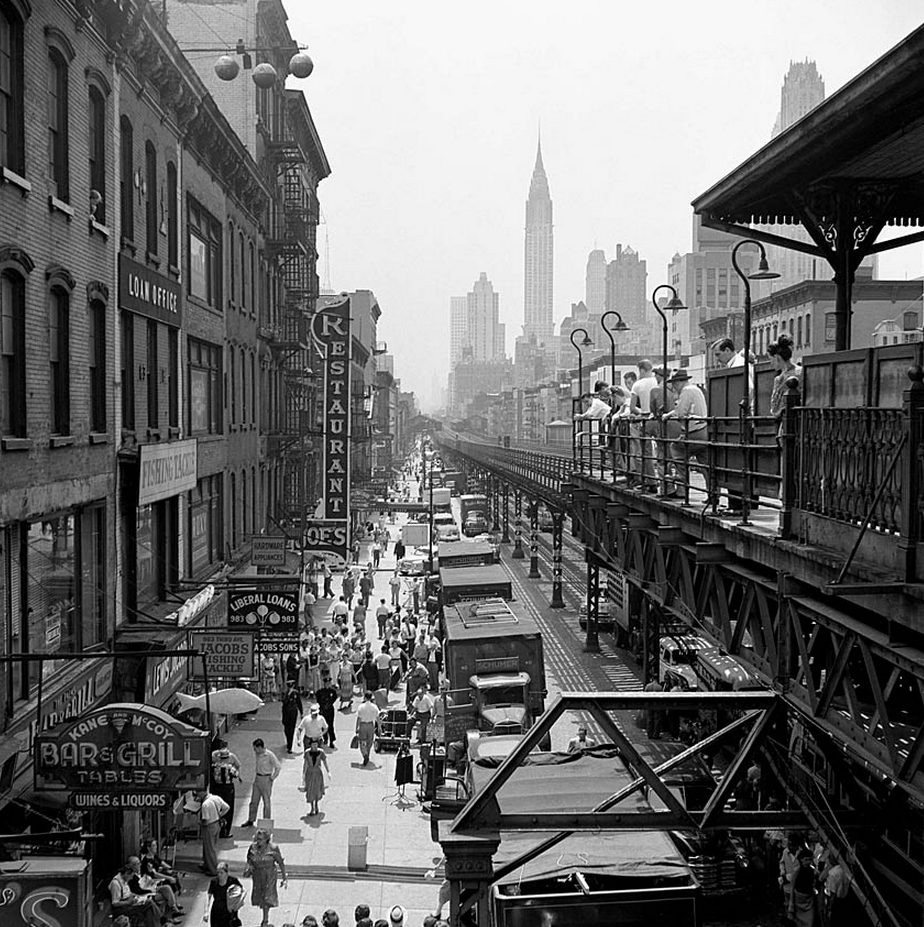
The 3rd Avenue El, New York City, 1952

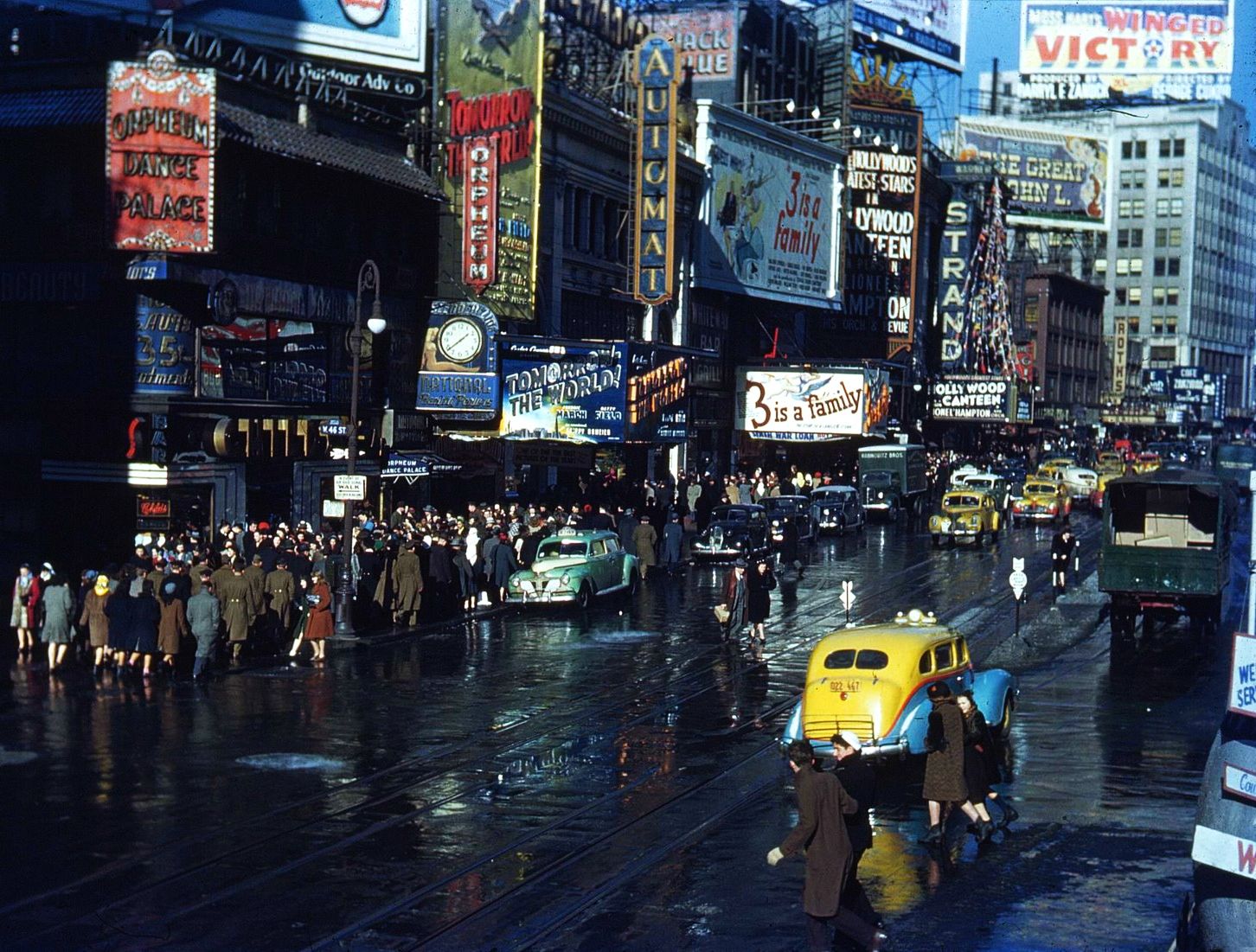
I’ve mentioned this before in this post, but here is a lovely shot of the elevated train that used to run up and down Third Avenue in New York City [Photo: Vivian Maier, hat tip commenter Ron for the attribution.] Its official name was the IRT Third Avenue Line.

vHpbwk0

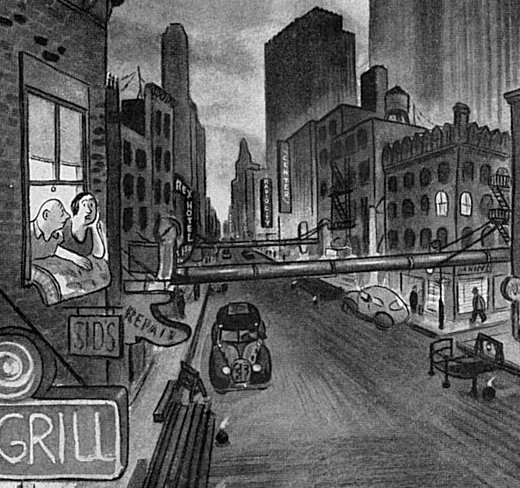
An extract of the cartoon by Charles Addams is worth reposting here:

Sometimes, on nights like this I can still hear it rumble by.
The 3rd Avenue El

The caption read, “Sometimes, on nights like this I can still hear it rumble by.”

I was only four years old when service was discontinued and the Manhattan elevated trains faded into history, but I remember the “El” well. It was the last survivor, and was supposed to remain in service until the Second Avenue Subway was built (envisioned since 1929, and only now under construction; it’s history rivals the Sagrada Familia in Barcelona for “fits-and-starts” construction), but pressure from real estate investors caused its ultimate demise.

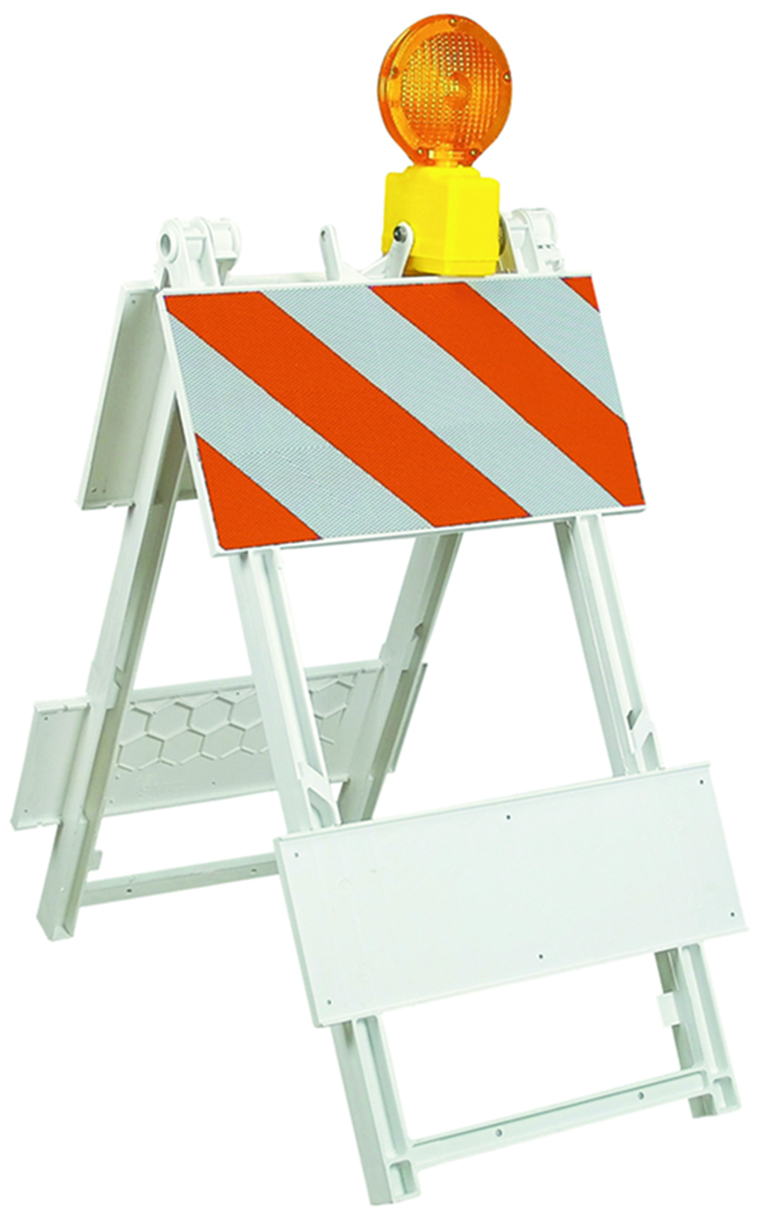
As a historical curiosity, notice those little fire pots on the road. Those were ubiquitous warnings found everywhere in the East where construction was going on – they were in use as late as 1965, if I recall correctly. They were the earlier version of these, which are now everywhere:

5451

And the curious thing is that I can’t find a decent photo of one anywhere. But up close,they looked like this:

firepot

Just a smoky little black fire pot that burned kerosene.

Edit: Ha! Thanks to my friend John Lavezzi who reminded me that these things are called smudge pots.

Smudge Pot

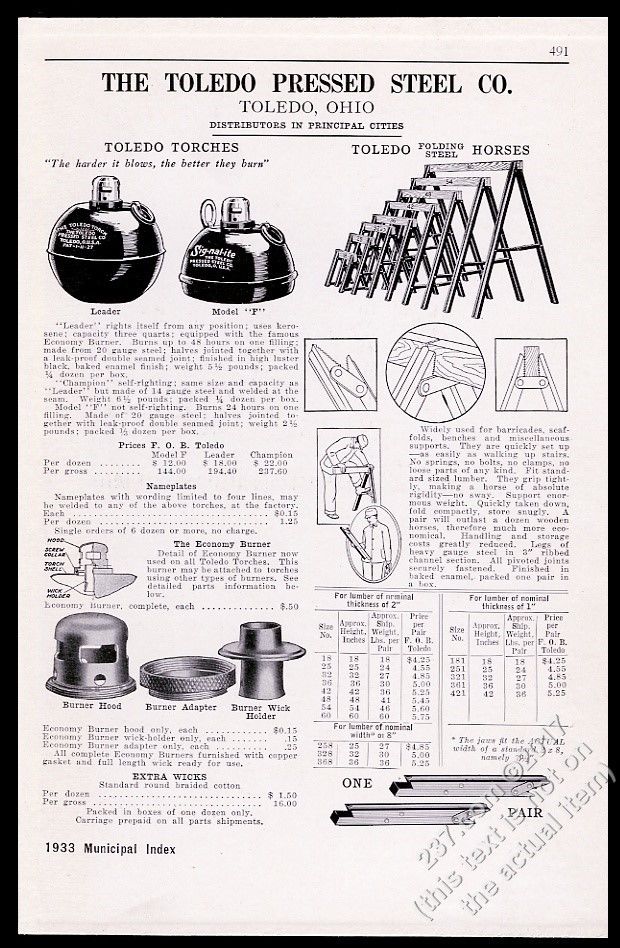
Edit 2 (8-2-2021): Thanks to an interaction on Facebook, I learned today that these were actually called Toledo Torches:

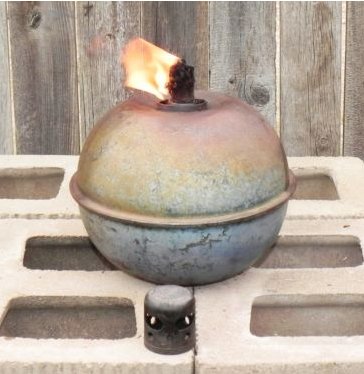
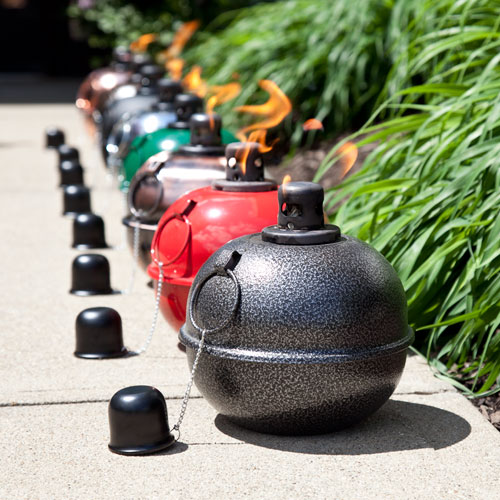
And now you can buy them in modern form for your patio:

17423_l

A random New York City memory, one among thousands.

The Old Wolf has spoken.

New York Public Market, 1948

5a14821u_0

Found via /r/historyporn, original found at Shorpy.

March 22, 1948. The New York City Public Market at First Avenue and East 73rd Street (?), an example of the food market in transition. A typical 19th-century market would have many separate vendors in an open-air space like a town square. By the early 1900s the open-air space had given way to separate vendors under a large shed roof with no walls, often near the train station. Here in 1948 the space is enclosed, but still with separate vendors (greengrocer, butcher, dry goods, fishmonger etc.). After the introduction of centralized distribution and self-service for the various product categories, the individual vendors fade from the scene and the market has a new name: “super-market,” now spelled without the hyphen. 5×7 safety negative by Gottscho-Schleisner. 

My mom and dad might have shopped here right before they were married.

The Old Wolf has spoken.

And to think that it happened on Mulberry Street

(With apologies to Theodore Geisel.)

3g04637u_unprocessed

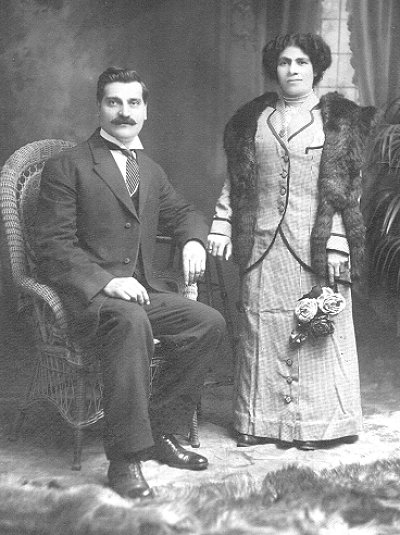
This 1900 Photocrom was taken on Mulberry Street in New York City. My grandparents immigrated to New York from Italy separately and met here; they arrived in around 1900. (Click the photo for a full-size version).

Pasquale & Maria

This is the kind of scene that would have greeted them; the detail is incredible. Notice the young chap in the foreground enjoying a beer.

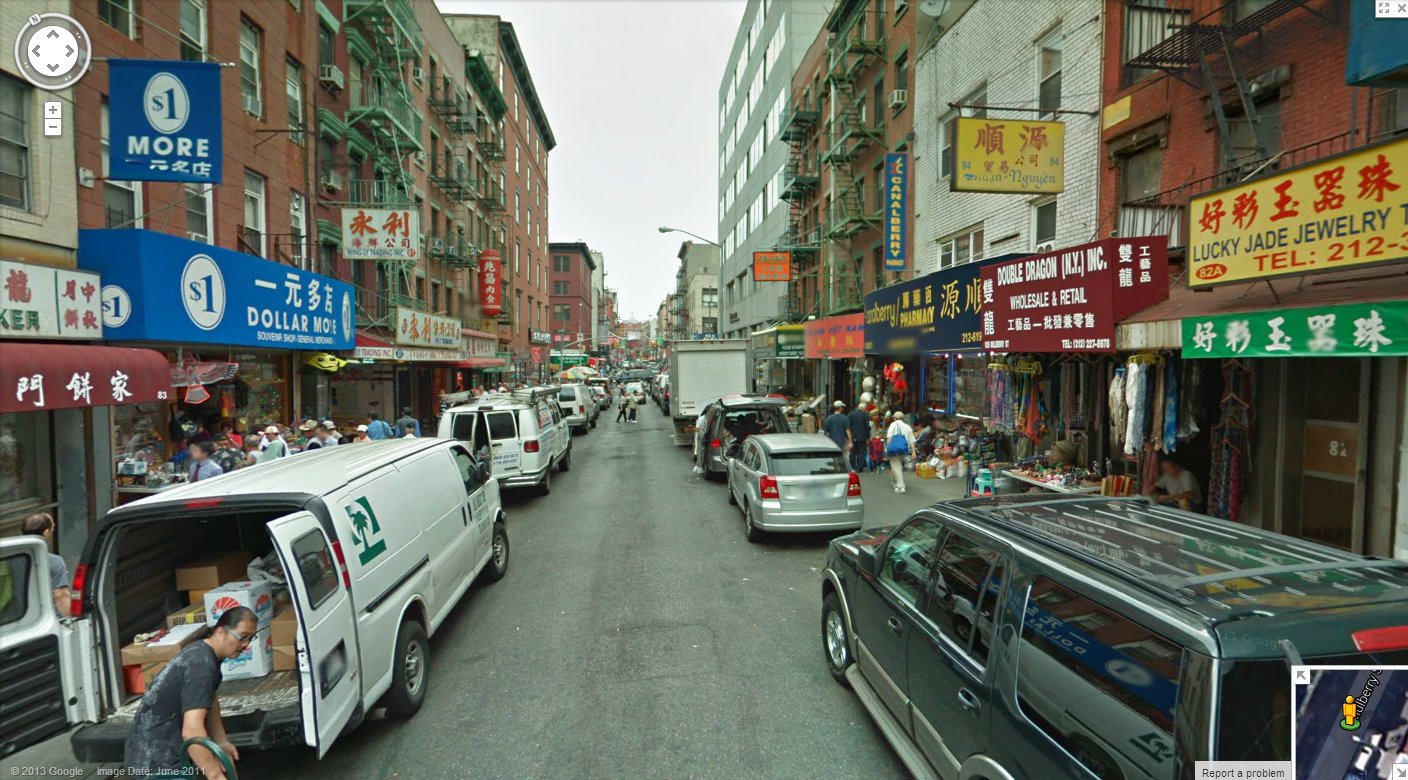
Posted at /r/HistoryPorn by user The OneInThe Hat. Based on the addresses visible in the photos, he or she was also able to get a street view of the same perspective:

Mulberry

What a change in 113 years. I wonder what the area will look like in 2126?

The Old Wolf has spoken.

New York, New York! Historic Photos From the NYC Municipal Archives

The New York City Municipal Archives just released a database of over 870,000 photos from its collection of more than 2.2 million images of New York throughout the 20th century. Their subjects include daily life, construction, crime, city business, aerial photographs, and more. Visit the selection below, or see 53 photos. Found at The Atlantic.

s_n01_wpa00834

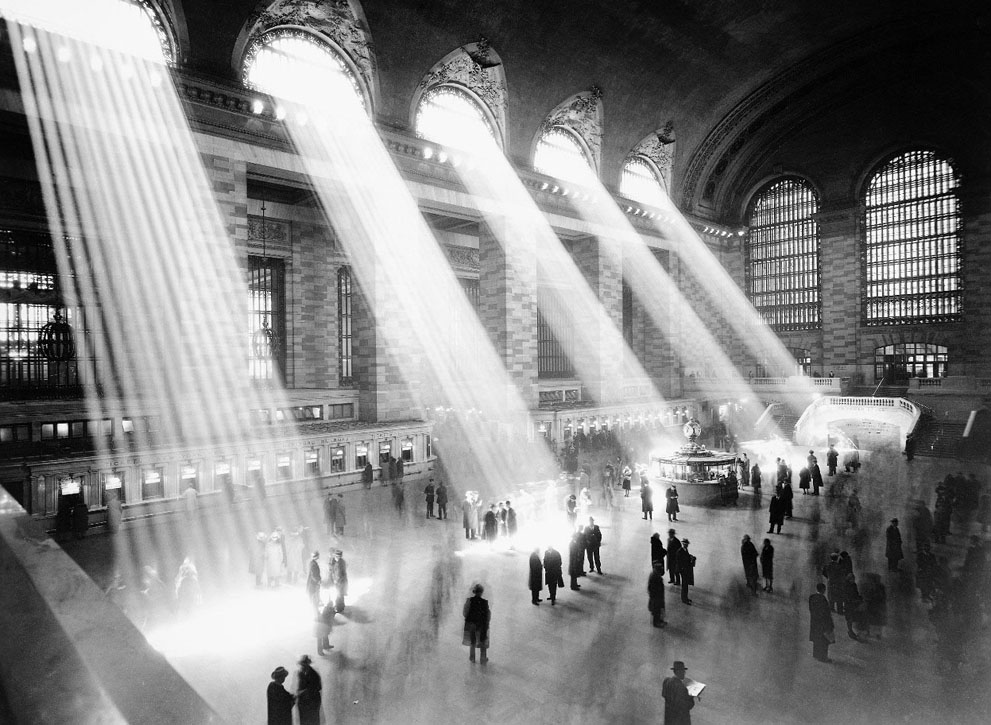
Sunlight floods in through windows in the vaulted main room of New York City’s Grand Central Terminal, illuminating the main concourse, ticket windows and information kiosk. Photo taken ca. 1935-1941. (Courtesy NYC Municipal Archives)
s_n02_dma01739
Aerial view of New York City, looking north, on December 16, 1951. (Courtesy NYC Municipal Archives)
s_n03_bpm05546
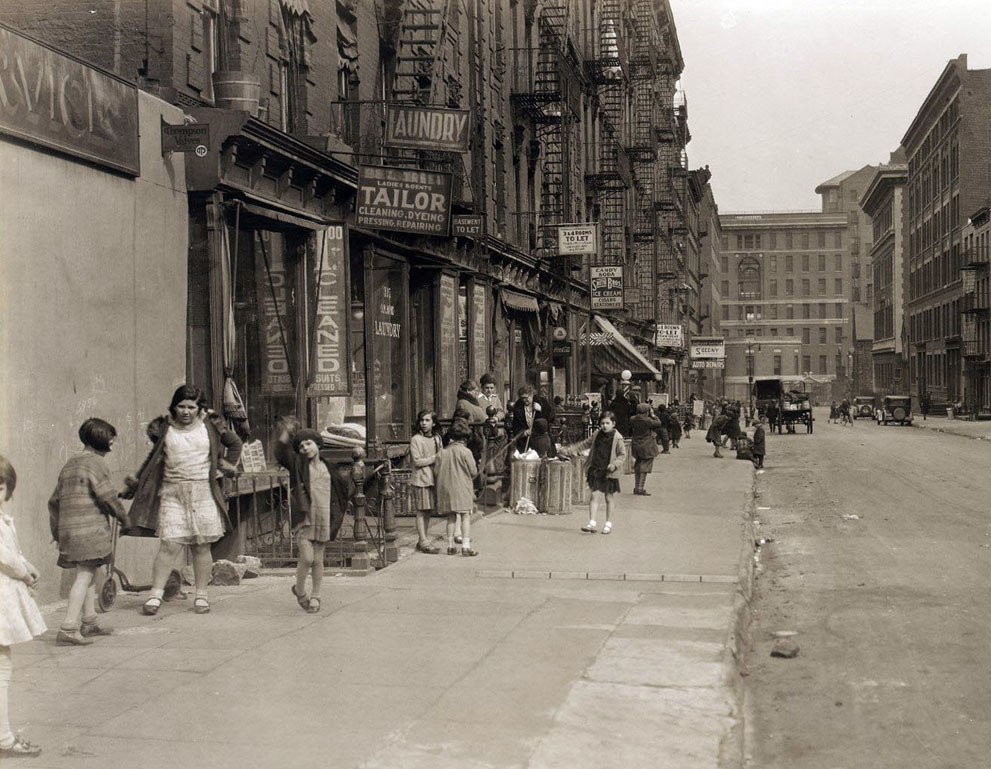
28th Street Looking east from Second Avenue, on April 4, 1931. Google map streetview today here. (Courtesy NYC Municipal Archives)
s_n04_dpw00709
Meeker Avenue Bridge under construction, looking south, showing Brooklyn approach, on June 29, 1939(Joseph Shelderfer/Courtesy NYC Municipal Archives)
s_n05_bps05149
Shadows are cast beneath the Brooklyn Bridge, seen from a stable roof, on May 6, 1918.(Eugene de Salignac/Courtesy NYC Municipal Archives)
s_n06_bps12071
A worker on the Brooklyn Bridge, on November 19, 1928. (Eugene de Salignac/Courtesy NYC Municipal Archives)
s_n07_bpq03110
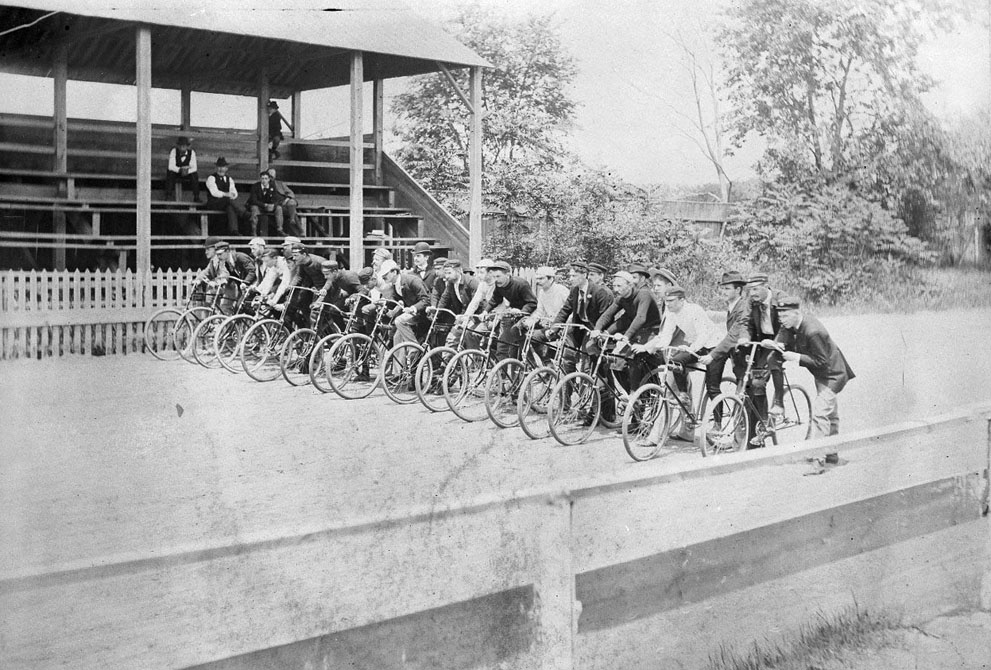
Markus Mercury Wheel Club, Flushing Race Track, bicyclists ready to race in June of 1894. (Courtesy NYC Municipal Archives)
s_n08_ac02526b
Original City Hall subway station, IRT Lexington Avenue Line, in 1904. (Courtesy NYC Municipal Archives)
s_n09_bpb02297
Coney Island looking east from Steeplechase Pier showing Sunday bathers, crowd on beach, on July 30, 1922.(Rutter, Edward E./Courtesy NYC Municipal Archives)
s_n10_dscls019
A two-horse team street cleaner, with sprayer, squeegee, and roller at rear. (Courtesy NYC Municipal Archives)
s_n11_bpsi1002
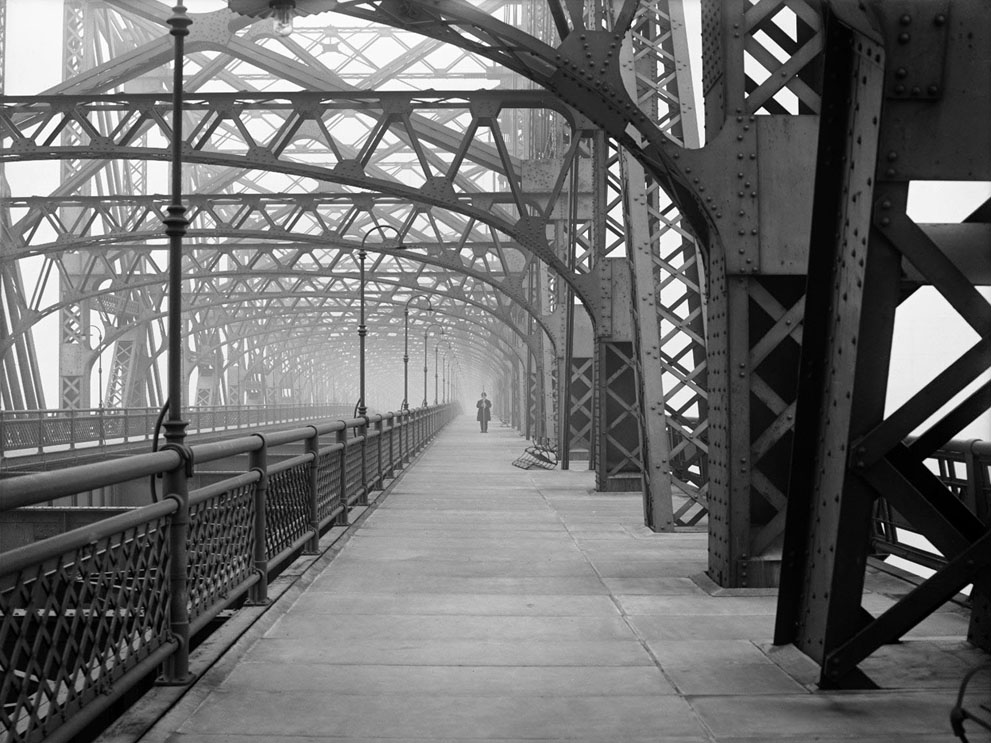
An experimental exposure made on the Queensboro Bridge, on February 9, 1910.(Eugene de Salignac/Courtesy NYC Municipal Archives)
s_n12_wpa00501
Italian vegetable sidewalk stand, on Bleeker Street, near Church of Our Lady of Pompeii, in August of 1937.(Bofinger, E.M./Courtesy NYC Municipal Archives)
s_n13_wpa00647
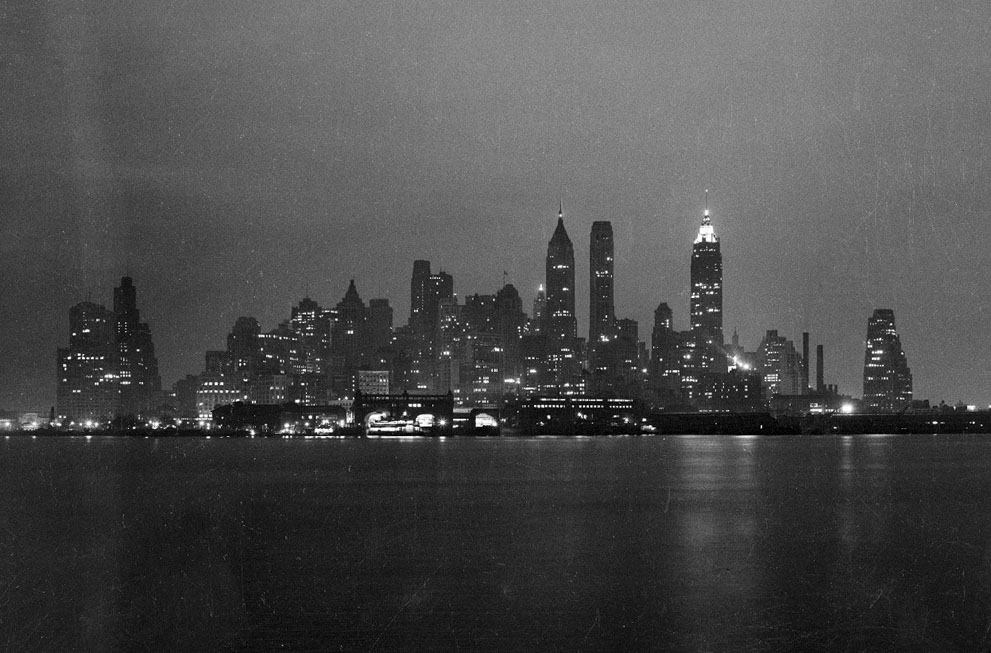
Lower Manhattan skyline at night, seen from either the Staten Island Ferry or Governor’s Island, in February of 1938.(Bofinger, E. M./Courtesy NYC Municipal Archives)
s_n14_mac00269
Hayden Planetarium, American Museum of Natural History, West 81st St, between Columbus Avenue and Central Park West.(Courtesy NYC Municipal Archives)
s_n15_mac01538
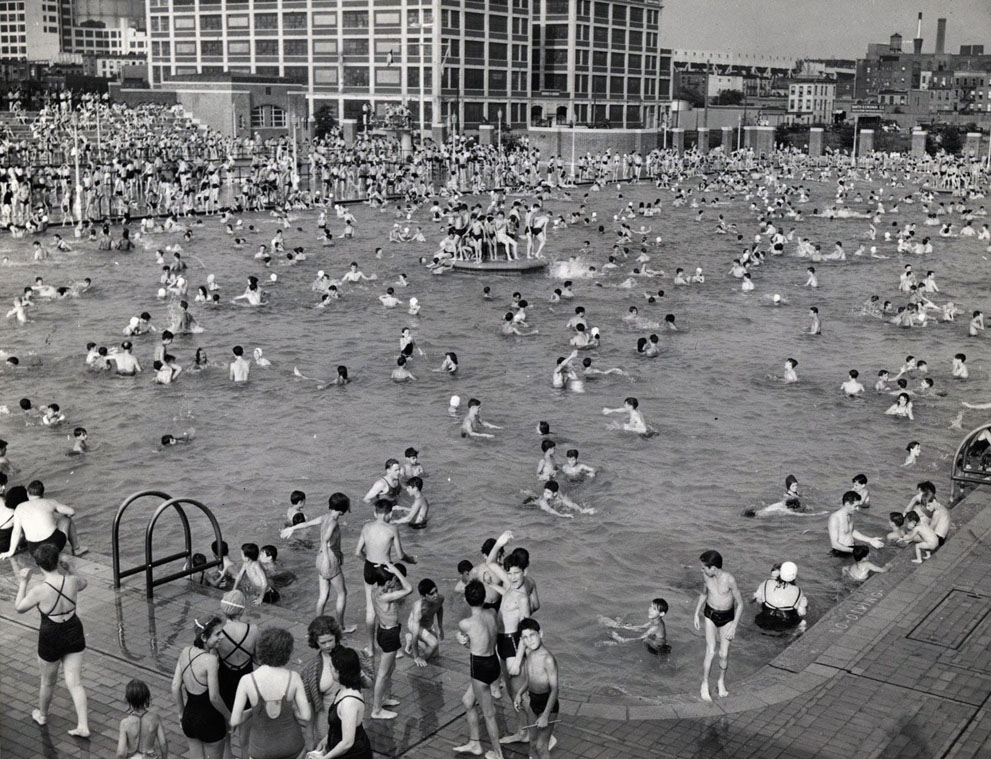
Red Hook Swimming Pool, Clinton, Bay & Henry Streets, Brooklyn. Bathers as far as the eye can see.(Courtesy NYC Municipal Archives)
s_n16_bpsi0444
Queensboro Bridge under construction, on August 8, 1907. (Eugene de Salignac/Courtesy NYC Municipal Archives)
s_n17_bpsi2117
The Queensboro Bridge, showing reconstruction of tracks looking east, on November 22, 1929.(Eugene de Salignac/Courtesy NYC Municipal Archives)
s_n18_bps00997
A one-legged newspaper boy and other “newsies”, on Delancey Street, on December 26, 1906.(Eugene de Salignac/Courtesy NYC Municipal Archives)
s_n19_pde00887
New York Police Department evidence photo, homicide scene. Jos Kellner, 404 East 54th Street, murdered in hallway, on January 7, 1916. (Courtesy NYC Municipal Archives)
s_n20_bpq07376
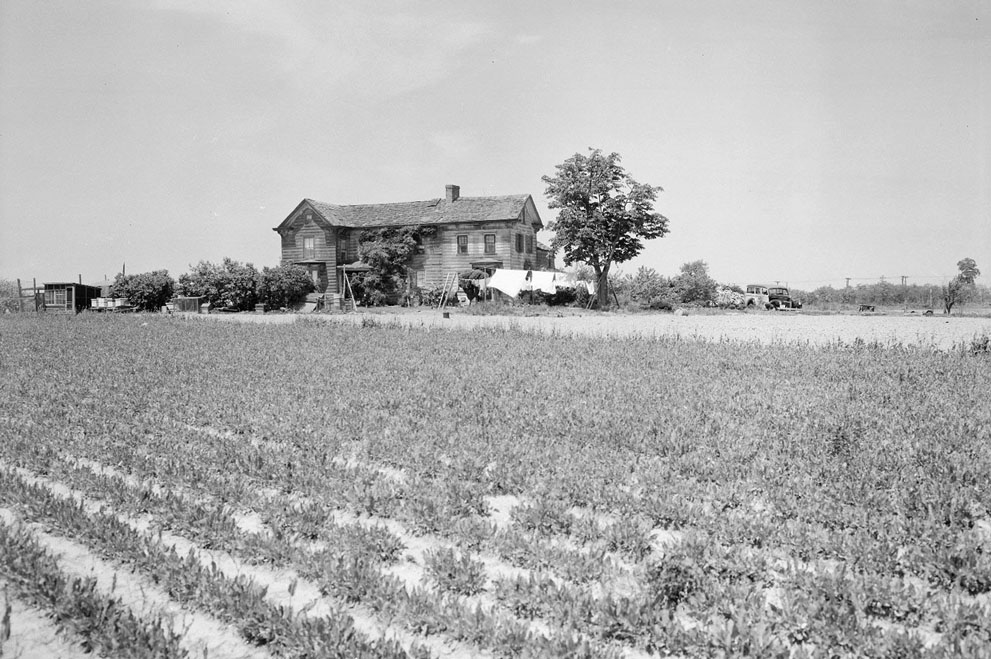
Powell House at 195th Street and 58th Avenue North, Queens, on May 20, 1941 (Courtesy NYC Municipal Archives)
s_n21_wpa00552
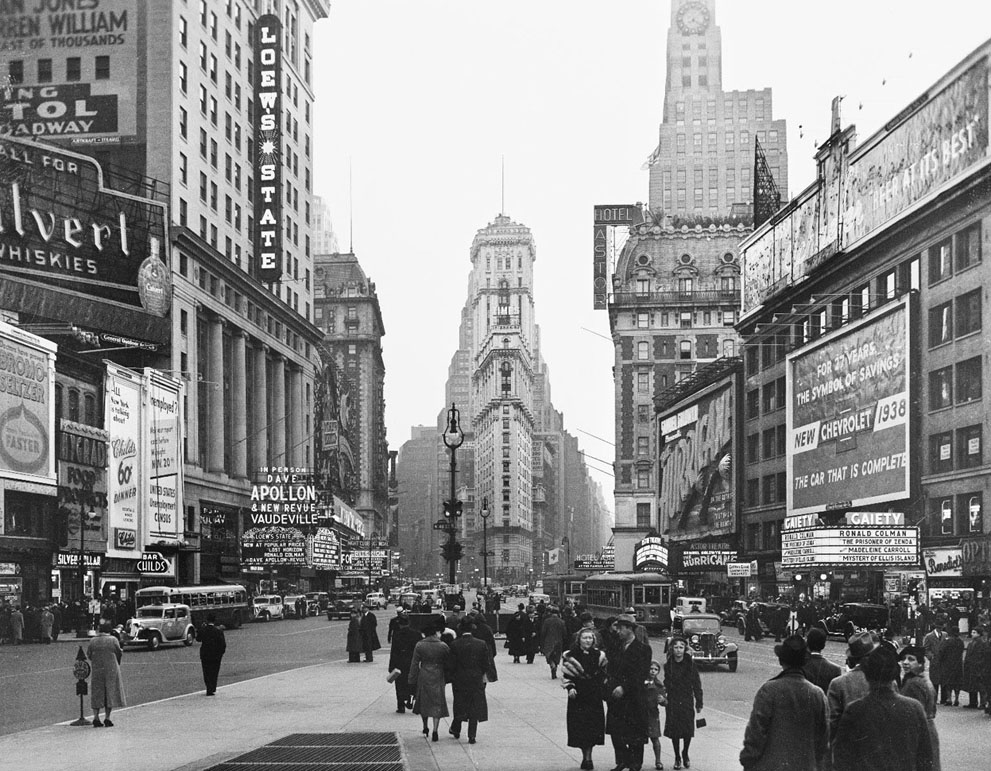
Times Square theaters by day, in New York City. The Times Building, Loew’s Theatre, Hotel Astor, Gaiety Theatre and other landmarks are featured in this January, 1938 photo. (Bofinger, E.M./Courtesy NYC Municipal Archives
The Old Wolf has spoken

Bonwit Teller: New York, ca. 1905

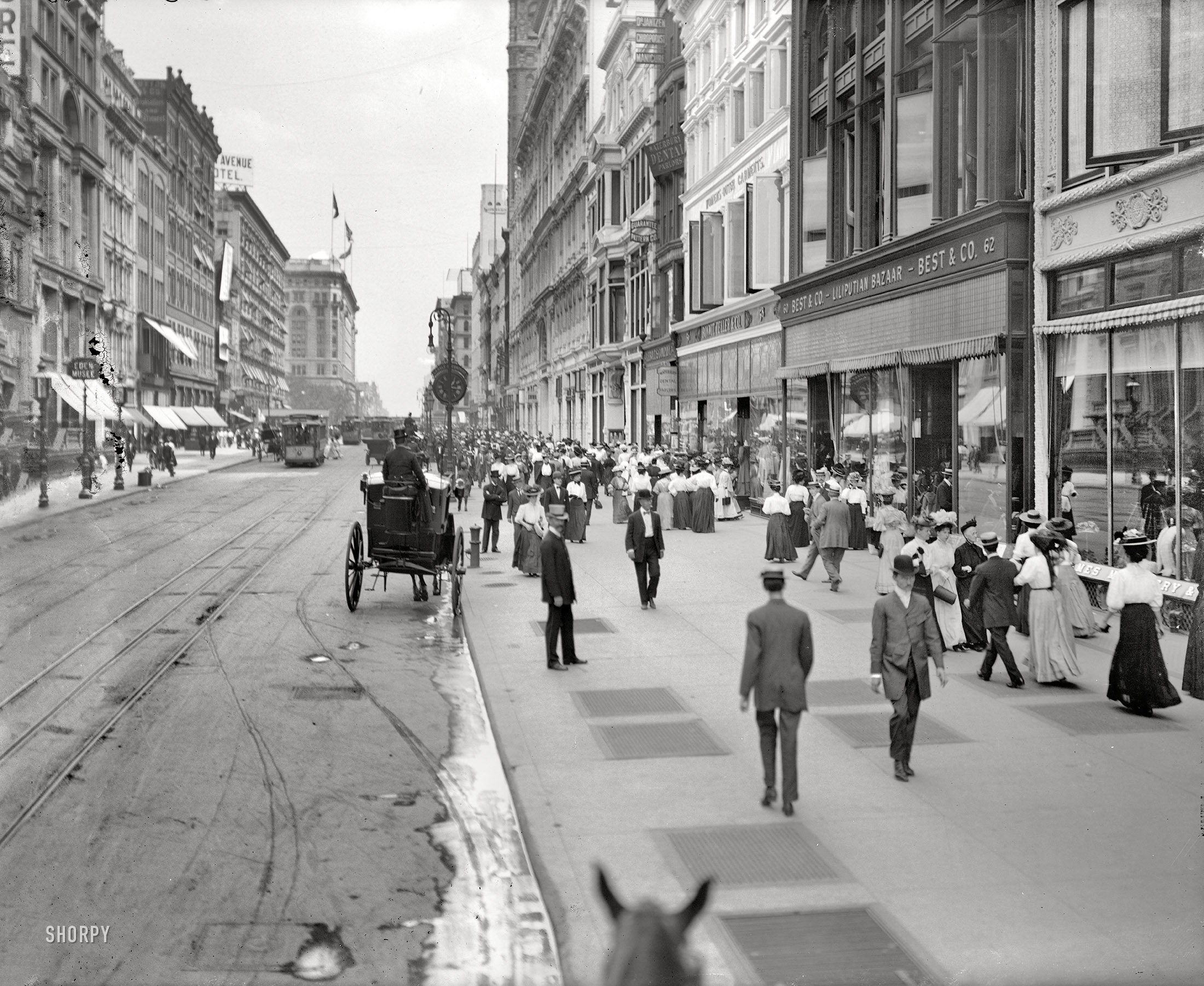
“West 23rd Street.” Home to Best & Co’s “Lilliputian Bazaar,” Bonwit Teller (“Women’s Outer Garments”), Waterbury Dental Parlors and Eden Musee. 8×10 glass negative, Detroit Publishing Co.

Found at Shorpy.

While walking in the streets of New York, something I did daily for years while growing up there, I passed a brass placard on the right side of a doorway that said “Bonwit Teller.”

That’s a name I was familiar with, and gave it no thought. On the left side of the door, however, in the same very distinctive font, was another brass plaque that said “Gunther-Jaeckel.”

What was that all about, I wondered. Were they seldom used first names? I had never heard them before in conjunction with Bonwit. Long before the days of digital photography and smartphones, and without my trusty Brownie in my hand, I was unable to capture an image, but it remains seared in my memory because it was peculiar. I never passed that particular spot again, at least not knowingly. And, given the absence of the internet, there was no way of ferreting out the story; as time went on, I began to wonder if I had imagined it. Had I been wealthy enough to be purchasing furs, I might have found out – but thanks to the infinite capacity of the intertubez, I at last have my answer.
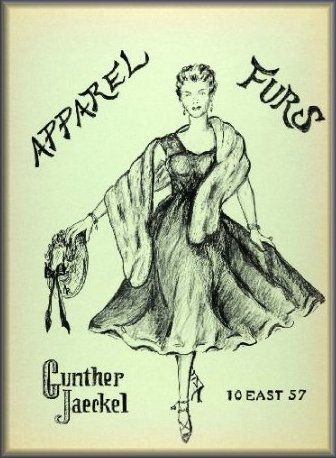
1954 ad for Gunther-Jaeckel furs, 5 years before its acquisition by Bonwit Teller.

“In a gilded age when sables were a princess’ best friend, the nation’s best place to buy sables was Manhattan’s C. G. Gunther’s Sons. Founded in 1820 by a German immigrant associated with Fur Trader John Jacob Astor, Gunther’s not only combed Siberia for the finest sables, but bid in the London market for the finest ermine, sent its agents across Canada on the lookout for mink. Even men coveted the Gunther’s label. Gunther’s long operated the only men’s fur department in Manhattan, offering coats made of every kind of fur, from buffalo, favored by post-Civil War tycoons, to collegiate raccoon. But sables for the ladies inspired the legends. On Black Friday of the 1929 crash, Gunther’s delivered a $70,000 sable coat to a customer, needlessly worried about payment (the customer settled in 60 days). Later it sold a shopper two sable coats, one for herself and one for her sister. As a token of esteem, the shopper bought her maid a mink. The bill: $107,000. In 1949 Gunther’s merged with an other old-line furrier, Jaeckel, Inc., founded in 1863.
Last week Manhattan’s oldest fur store had a new owner. Walter Hoving’s Hoving Corp., which already operates 60-year-old Bonwit Teller next door and nearby 121-year-old Tiffany & Co., added Gunther-Jaeckel, Inc. to its string. In taking control of Gunther-Jaeckel, Hoving got more of the kind of elegant tradition he likes, also a challenge to his merchandising skill (Gunther-Jaeckel last paid a dividend in 1945). But fellow merchants figured he would soon figure out a way to fit Gunther-Jaeckel into his spreading operation. Pursuing a policy of aggressive expansion, his Bonwit Teller already has two suburban branches operating in Manhasset, L.I. and White Plains, N.Y., a third projected (in Millburn, N.J.), plus stores in Chicago, Cleveland and Boston. For the present, Hoving will double up on some advertising and promotional costs, knock out a wall or two to throw the main Bonwit store and Gunther-Jaeckel together.” (Description found at Bis Repetita Placet.)

Interestingly enough, Gunther-Jaeckel still shows up in random Yellow Pages business searches with an address of 10 East 57th Street, as listed on the advert above. That matches precisely with my memory – the fact that it’s right next to Tiffany’s, another Hoving Corp. property cements the image in my head. Sadly, the building where the plaques appeared is now gone, replaced by another new skyscraper.
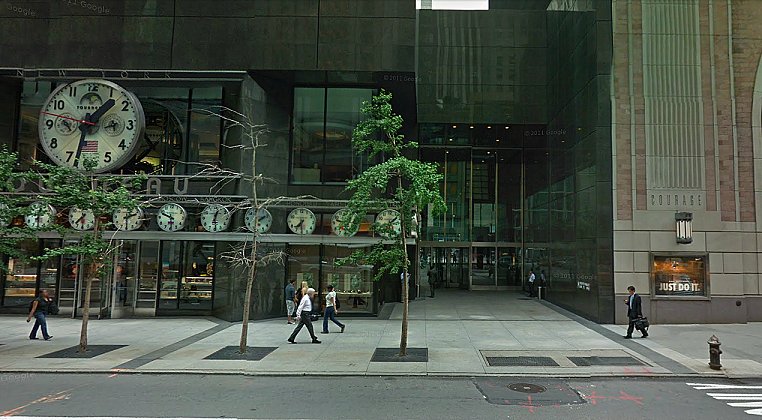
This is where 10 East would have sat.

But in retrospect, it’s nice to know I wasn’t crazy, all those years when I wondered if I had just seen something that wasn’t there.

The Old Wolf has spoken.

New York Subway, 1950’s

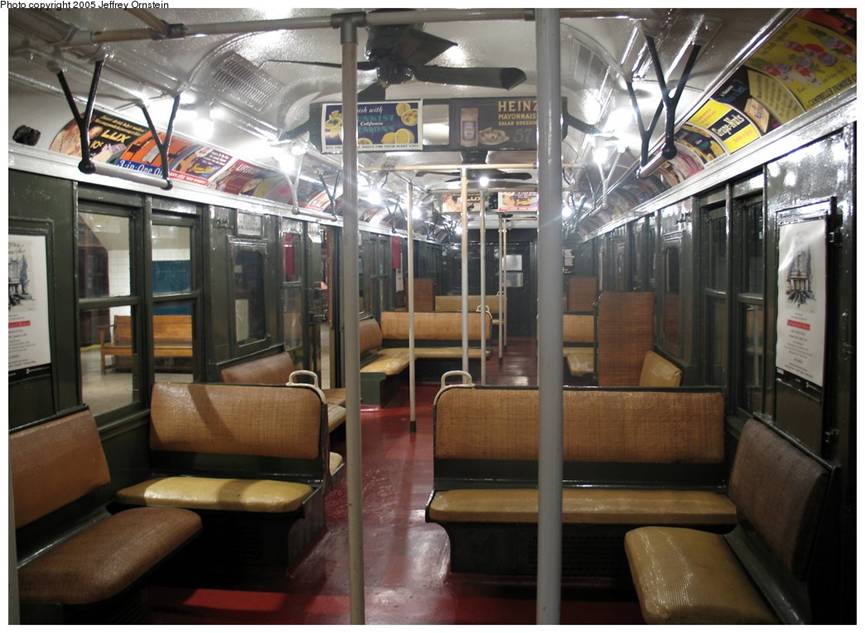
Those rattan-woven seats… I saw a picture of this subway car and had a flashback – as a child, I always thought they looked like corn on the cob. The fans on the ceiling… in the days before air conditioning, those subways could be stifling. And when the trains went over a dead spot in the 3rd rail and the lights went out, the little emergency lights in the ceiling would come on.

These were everywhere – Chiclets and Dentyne and gum, oh my – a piece for a penny. You’d put in your coin, slide the lever, and press it down to vend your prize, or just put your penny in the appropriate slot and turn the dial.

Two lines only: BMT and IRT. IND came later. When you’d get to 42nd Street, red and green light bulbs in the ceiling of the stations would guide you to the correct line, with blue ones for the cross town shuttle. Hole-in-the wall vendors: The Wizard’s Shop that sold magic; fresh-squeezed orange or papaya juice, all sorts of wonderful things.

Such elegant mosaic work in so many of the stations.

The Old Wolf has spoken.