The defense and the illustration of the English Language.

Not 1549, but 2014.

I previously wrote two articles, here and here, about the efforts of France (and Québec, since we’re on the subject) to keep their language unspotted. Many Gallic purists will point at the magna carta of La Pléiade, “Défense et illustration de la langue française,” as reason enough to fight against the encroachment of other, less worthy tongues into the only true language; in view of the recent flap over English as the language of America the Beautiful, really nothing more than a tempest in a teapot promulgated by the intellectually challenged and those devoid of any sense of humanism, I present here a dictionary of terms which must be avoided and their acceptable English alternatives.

The Xenophobe’s Dictionary List of Words for Folks who Don’t Like Outlanders.

Ketchup (from k’ē chap, Chinese for “tomato sauce”): Tomato paste with vinegar and onions and other stuff what makes it a vegetable for school lunches.

Kangaroo (from Australian aboriginal): Big Jumping Rat that makes fine eating.

Cola (from West African languages (Temne kola, Mandinka kolo): That brown drink what goes good with rum.

Coca-Cola (From from Quechua cuca and “cola” above): Something from that liberal-ass un-American company what right-thinking ‘Murcans won’t touch with a 10-foot pole. Even “Big K” has better stuff.

Jukebox (possibly from Wolof and Bambara dzug through Gullah + box): Record-player thingy what you put quarters in.

Candy (from Arabic قندي qandī, sugared): Dayum, you mean mah lemon-heads wuz invented by the A-rabs? Sumbitch, I’ll just have to switch to chawin’ terbacky. Say, Clem, gimme a chaw.

Tobacco (From Taino, a Caribbean language. Said to refer either to a roll of tobacco leaves or to the tabago, a kind of Y-shaped pipe for sniffing tobacco smoke also known as snuff, with the leaves themselves being referred to as cohiba): Stuff you roll up and stick in your mouth and then set on fire. [1]

…..

Well, you get the idea. In fact, purging our English language of all foreign influence would be an exercise in futility, for even Old English was liberally infused with Latin as the result of a 400-year Roman occupation, as well as being a combination of dialects prevalent in the area, including the languages of the Celts, the Angles, the Saxons, and the Jutes. There is no “pure English,” and if you tried to take away all the foreign influences our language has not only survived but reveled in over two thousand years, we’d be reduced to speaking in grunts and belches. Oh wait, a lot of people haven’t got much farther than that anyway.

The Old Wolf has spoken.


[1] Thanx and a tip of the hat [2] to Bob Newhart
[2] Thanx and a tip of the hat to Bill Holman

New Year’s Traditions Around The World

a98818_breaking-plates-glasses\

Apparently in Denmark people throw dishes at one another’s doors for New Years. The more your doorstep is littered with worthless shards of pottery, the luckier you will be. Supposedly because you have more friends willing to huck priceless Ming vases at your residence.

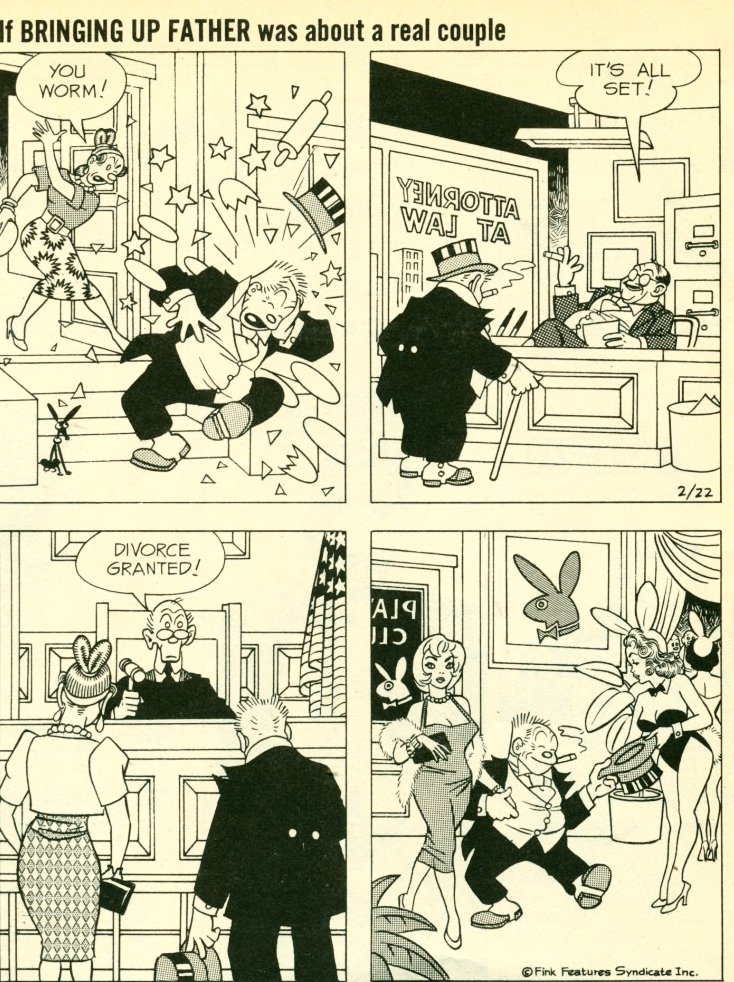
I always thought Jiggs and Maggie were Irish, but it appears that they may have been Danes.

Jiggs1


This comic strip always puzzled me; despite the constant abuse which Jiggs endured at the hands of his tyrannical wife, it enjoyed immense popularity during its day. Of course, if it were a real drama, things would have turned out somewhat differently:

Jiggs2

(I think this is from Mad, but I’m not certain.)

Well, enough of that.  In Germany, it’s considered traditional to enjoy a viewing of Dinner for One. 90-year-old Miss Sophie throws a birthday party for herself, setting the table for long dead friends. Her butler, James, play acts all of them, getting more and more drunk as the night rolls on.

 “The same procedure as last year, madam?”

Oddee lists 10 Weird New Year’s Eve Traditions from Around the World, some of which are garnered from another list at NewYear.com. Enjoy.

The Old Wolf has Spoken.

Old_Wolf_Party


Sharing a wonderful blog: Bad Postcards

tumblr_mxq6rvREmE1qbyf2jo1_1280

EXTRATERRESTRIAL SPACESHIP

Actual photograph of a Flying Saucer taken June 16, 1963 near Albuquerque, New Mexico. Learn about people from other planets! Subscribe to: UFO INTERNATIONAL. Six issues $3.00. Single copy—50 cents. Published by: AMALGAMATED FLYING SAUCER CLUBS OF AMERICA, INC. (AFSCA)…Los Angeles, California.


Discovered this lovely website through Glaserei and had to share it. So many wonderful, awful postcards… a glimpse into America’s cultural past.

Click through for hundreds more bad postcards.

The Old Wolf has spoken.

Dreiländereck, Austria

Dreilaendereck Marker


A Tripoint is a geographical location where three countries come together. There are 176 international tripoints, but over half of these are in water. Of the remaining ones, Austria has nine, which makes it the country with the most tripoints in Europe.

Most tripoints have a marker of some sort erected at the point of intersection. The one above, found in the south of Carinthia, brings together Austria, Italy, and Slovenia (in 1975, when this photo was taken, it was still part of Yugoslavia).

Border


The sign reads “Attention! National border!”

Usually a tripoint is accessible, and though the “official” country border comes up to the monument, there is often a more ominous border set back from the attraction itself. Back in those days, Yugoslavia was still a communist country and you didn’t want to get caught on the other side.

The Old Wolf has spoken.

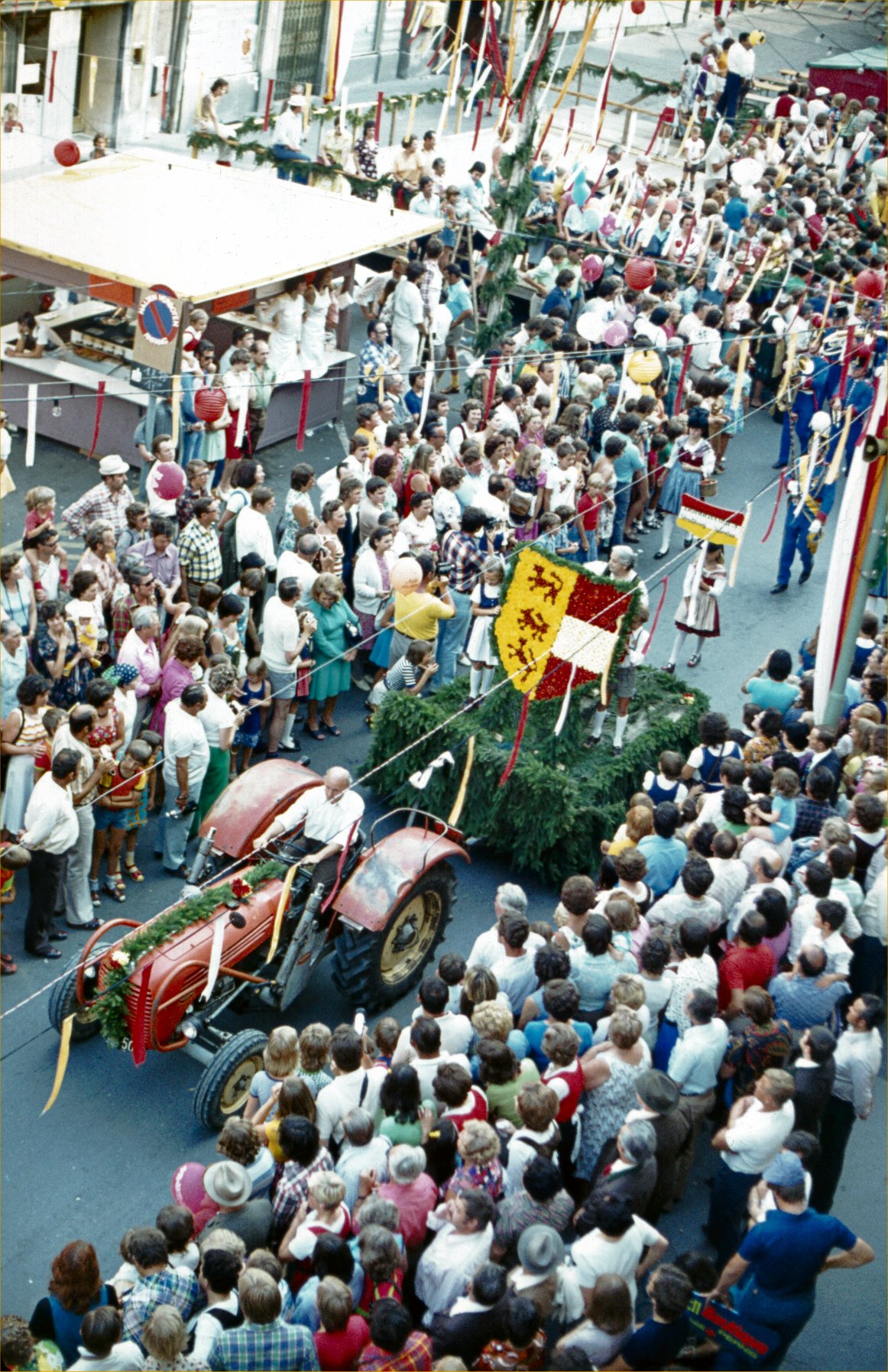
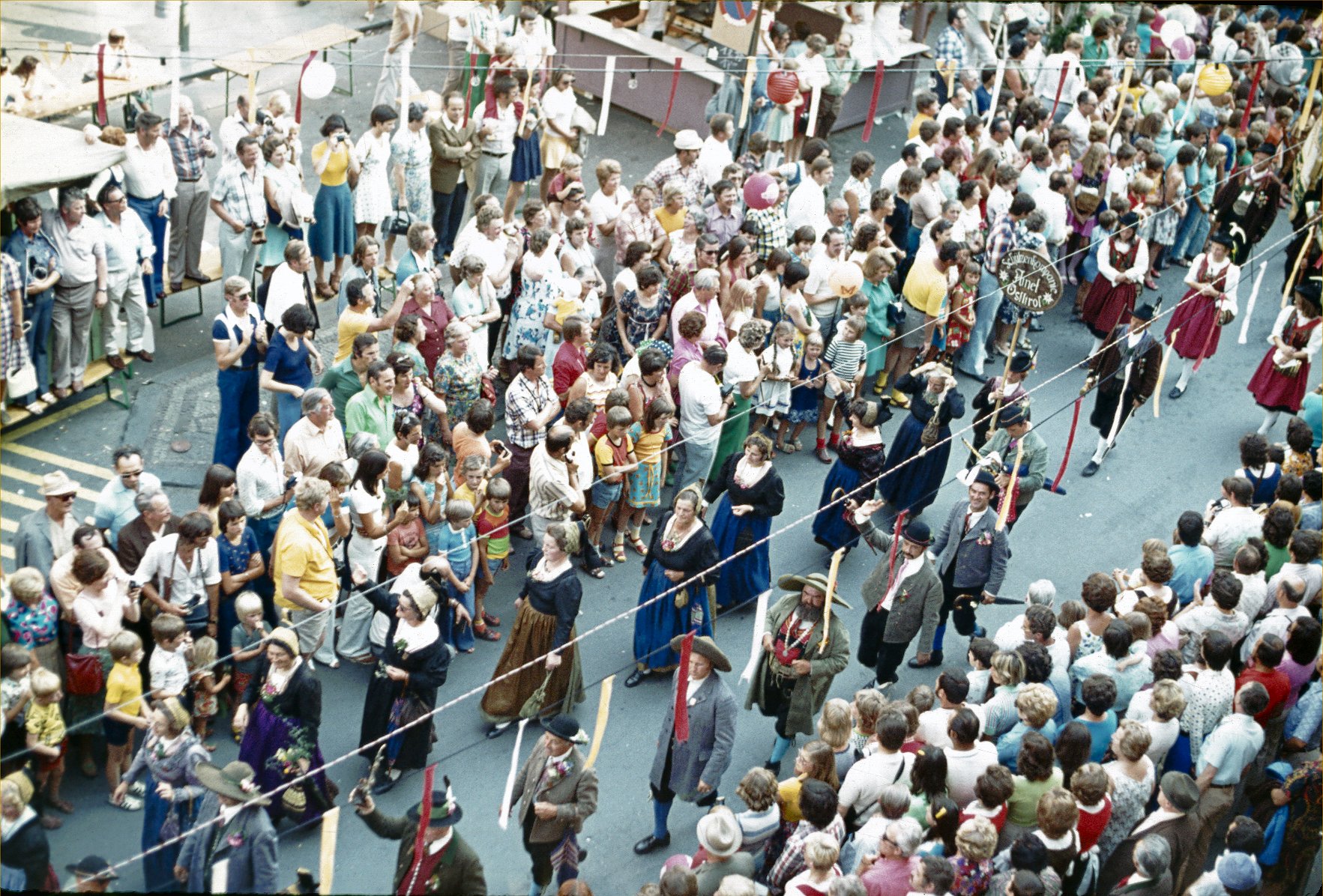
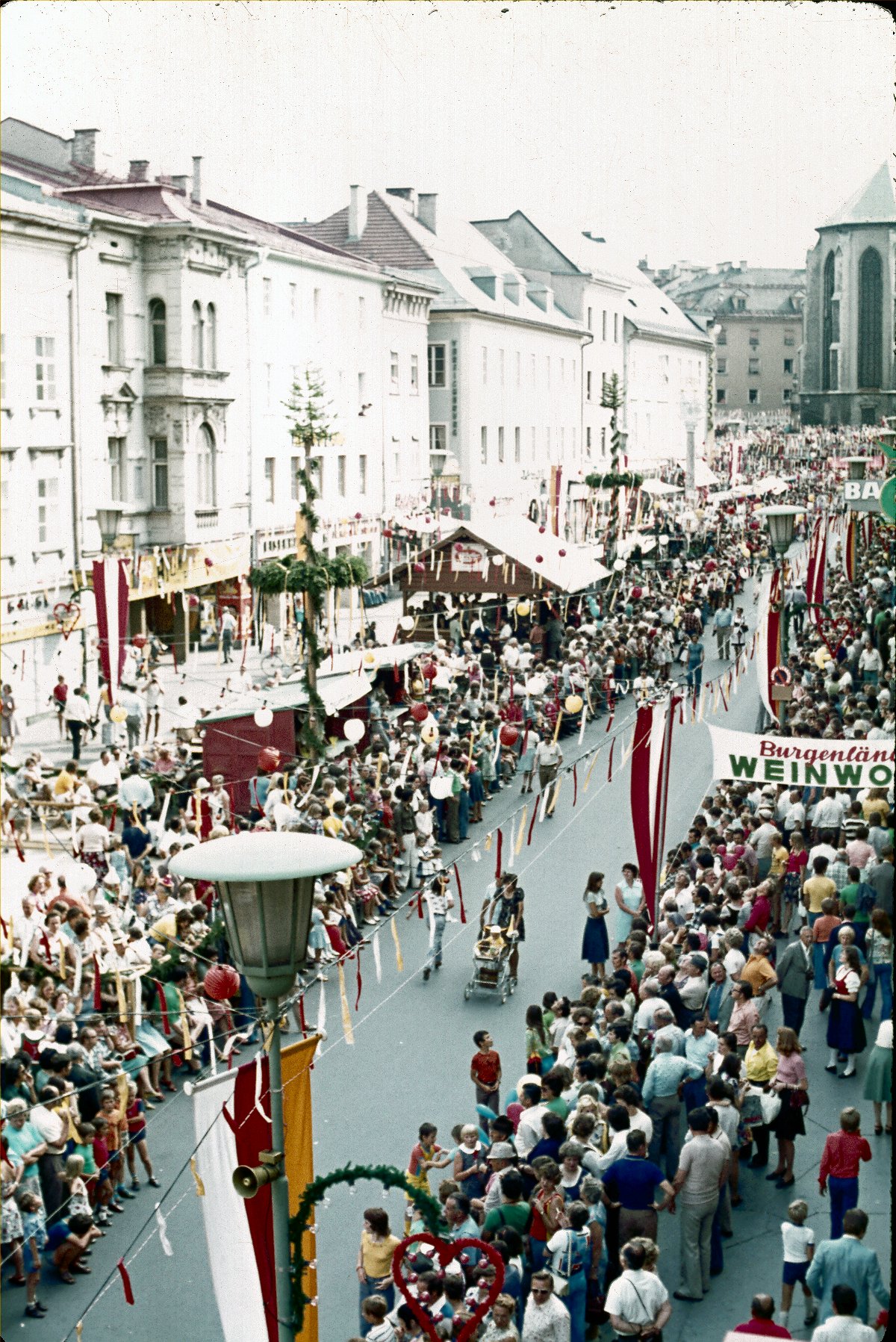
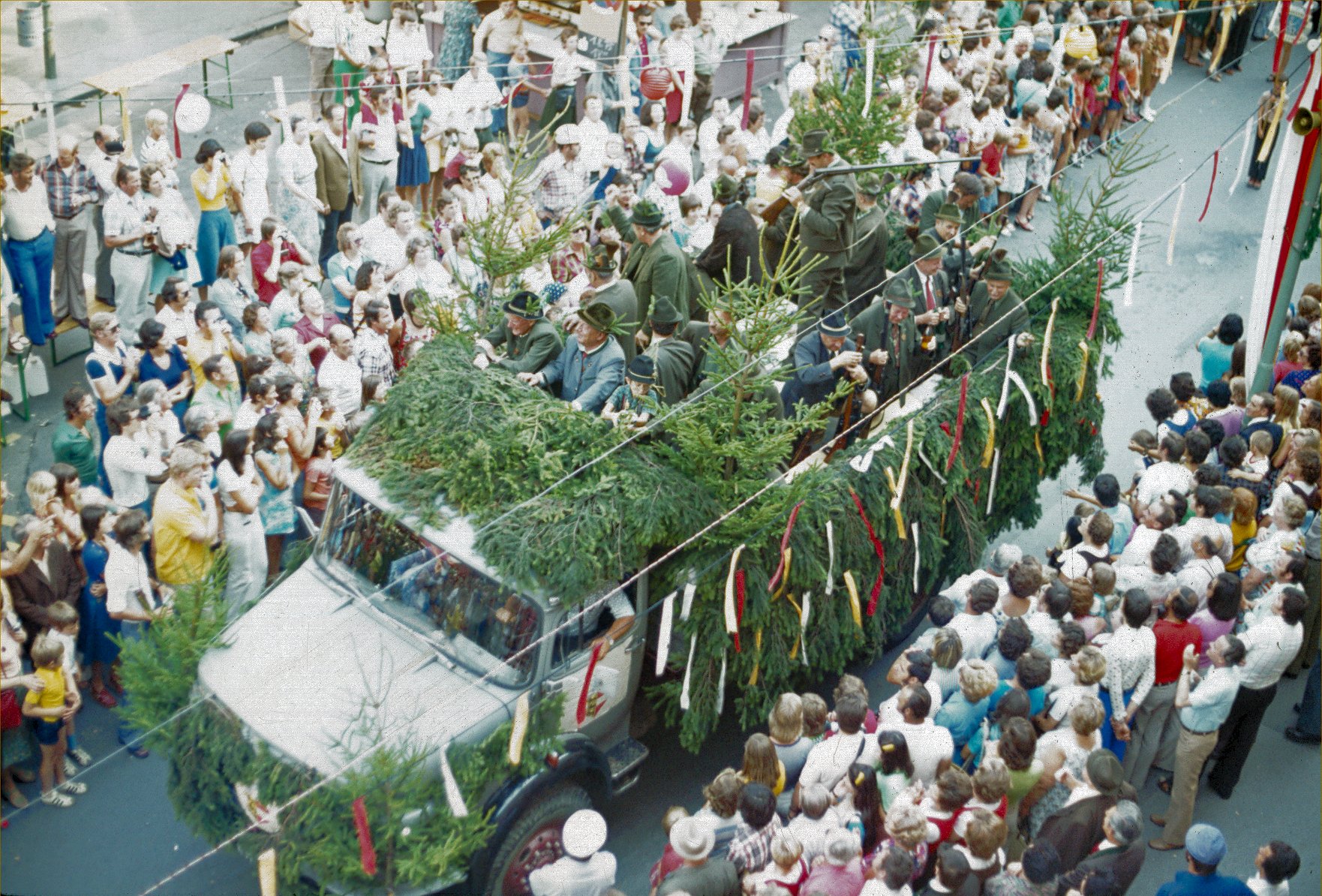
Villach, Austria – Kirchtag, 1975

Villach, Austria is located in the state of Kärnten (Carinthia) in the South, and is situated on the Drau river. It is an important traffic hub for the entire region of southern Austria and the Alpe-Adria area. It is also beautiful – I lived there from February to August of 1975, and while I was there I was privileged to experience Villacher Kirchtag, one of Austria’s largest cultural festivals.

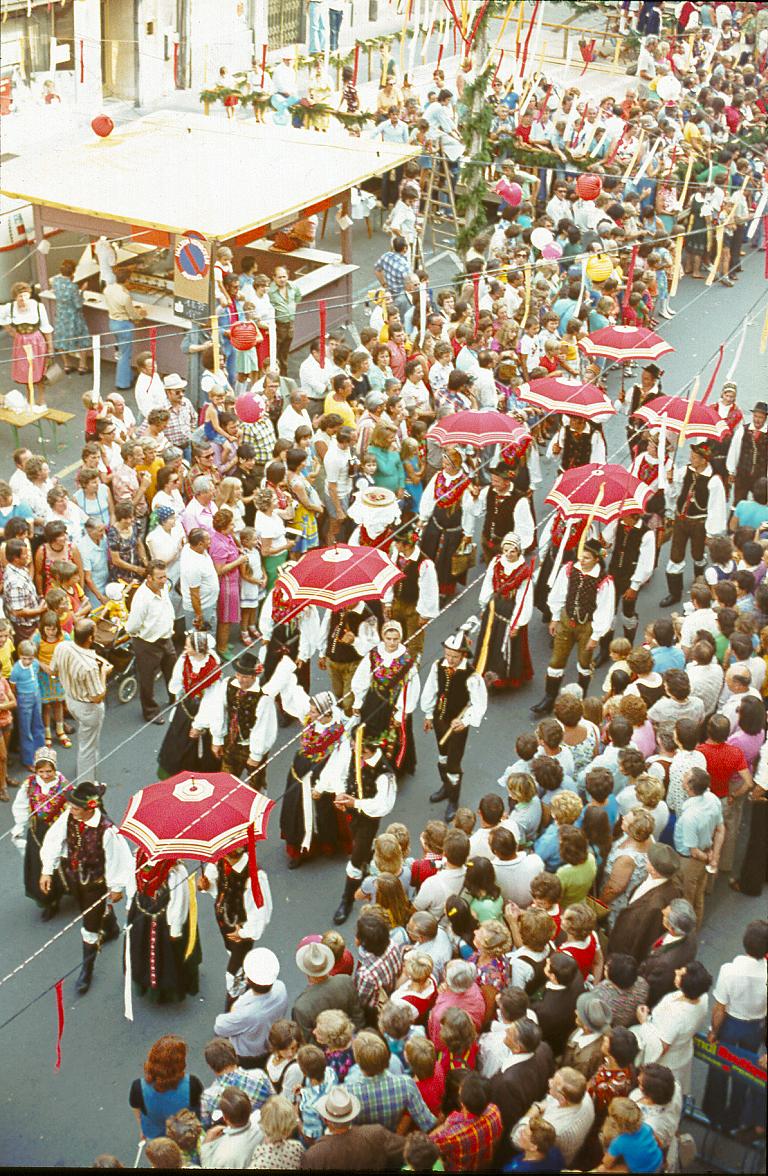
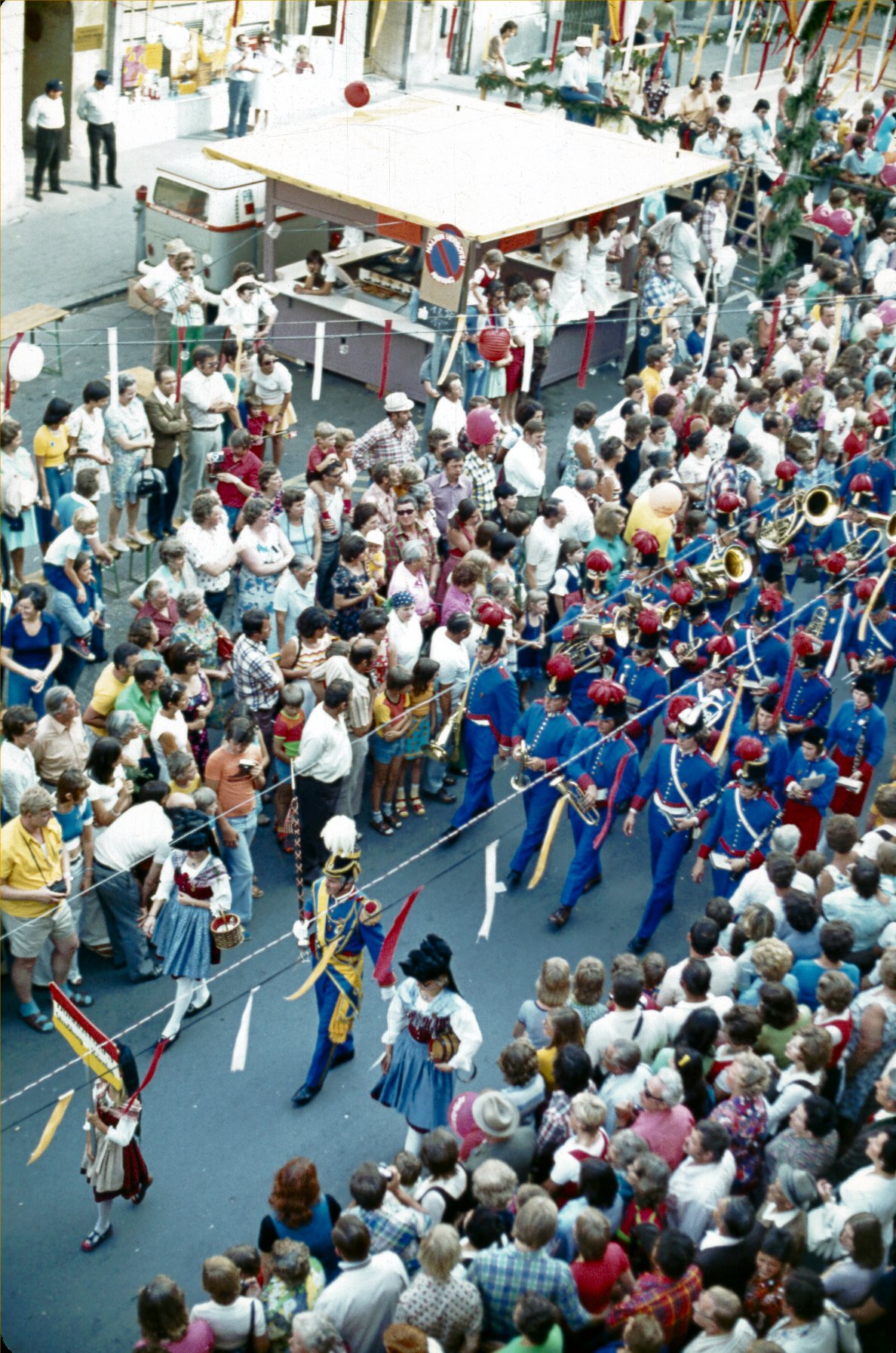
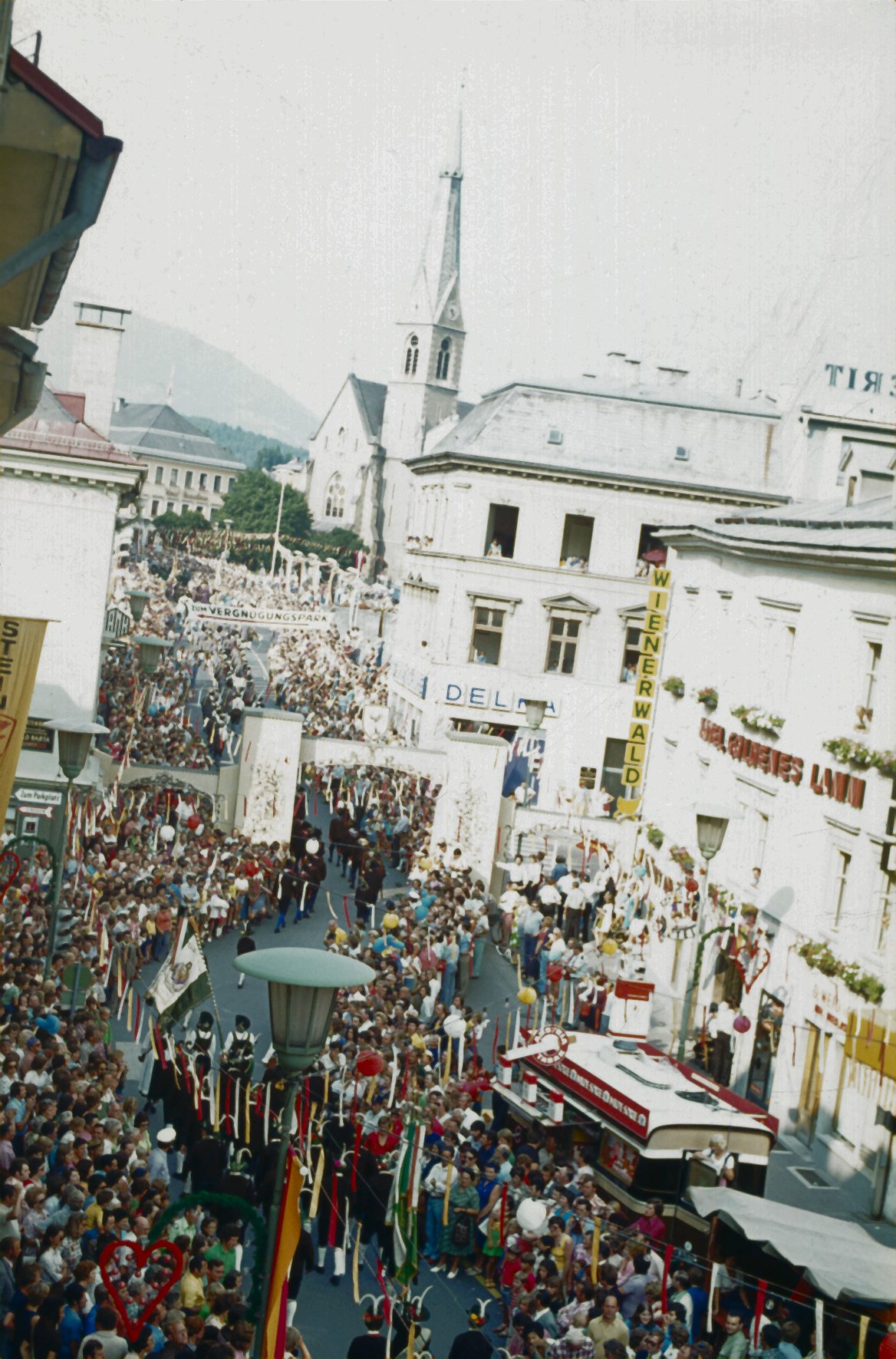
Kirchtag (literally “church day,” but encompassing more of a summer harvest festival than anything else) was begun on 1 August, 1936. It begins on the first Saturday in August and runs for a week. The annual Trachtenfestzug (regional costume parade) that takes place on the first day can attract 40,000 to 50,000 spectators.

Below, for your viewing pleasure, the photos I took of the event in 1975.

Austria - Villacher Kirchtag

To the Amusement Park

 Villach - Kirchtag - Amusement area

Rides

Villach - Kirchtag - Fireworks

Fireworks

Villach - Kirchtag - Parade

Parade

Villach - Kirchtag - Priest

Local clergy

Villach - Kirchtag - Trachten parade

Parade

Villach - Kirchtag 1

Hauptplatz festivities

Villacher Kirchtag - Fireworks.jpg

More Fireworks

Villacher Kirchtag 1

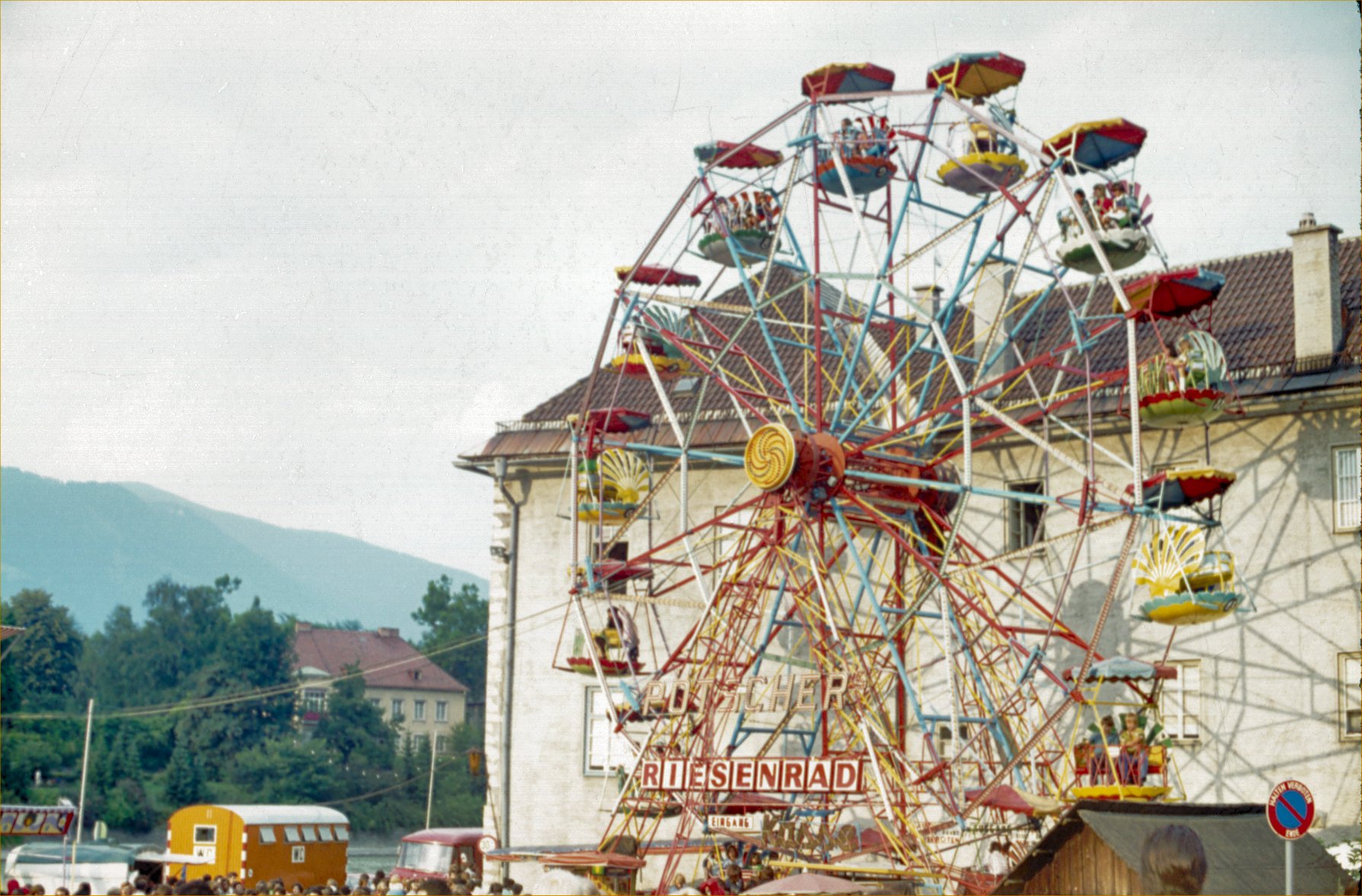
Ferris Wheel

Villacher Kirchtag 2

Amusement park

Villacher Kirchtag 3

Parade

Villacher Kirchtag 4

Parade

Villacher Kirchtag 5

Making a point

Villacher Kirchtag 6

Parade

Villacher Kirchtag 7

Dancing girls

Villacher Kirchtag 8

Spook Alley

Villacher Kirchtag 9

Parade

Villacher Kirchtag 10

Parade

Villacher Kirchtag 11

Parade

Villacher Kirchtag 12

Parade

Villacher Kirchtag 13

Parade

Villacher Kirchtag 14

Crowds gather to watch the parade

Villacher Kirchtag 15

Hauptplatz

Villacher Kirchtag 16

Parade

Villacher Kirchtag 17

Looking towards the train station

Villacher Kirchtag 18

Folk Dancing

Villacher Kirchtag 19

Parade

Villacher Kirchtag 20

Parade

Villacher Kirchtag 21

Parade

Villacher Kirchtag 22

Parade

Villacher Kirchtag 23

Hauptplatz again

Villacher Kirchtag 24

Looking the other way

Villacher Kirchtag 25

Parade

Villacher Kirchtag 26

Parade

Villacher Kirchtag 27

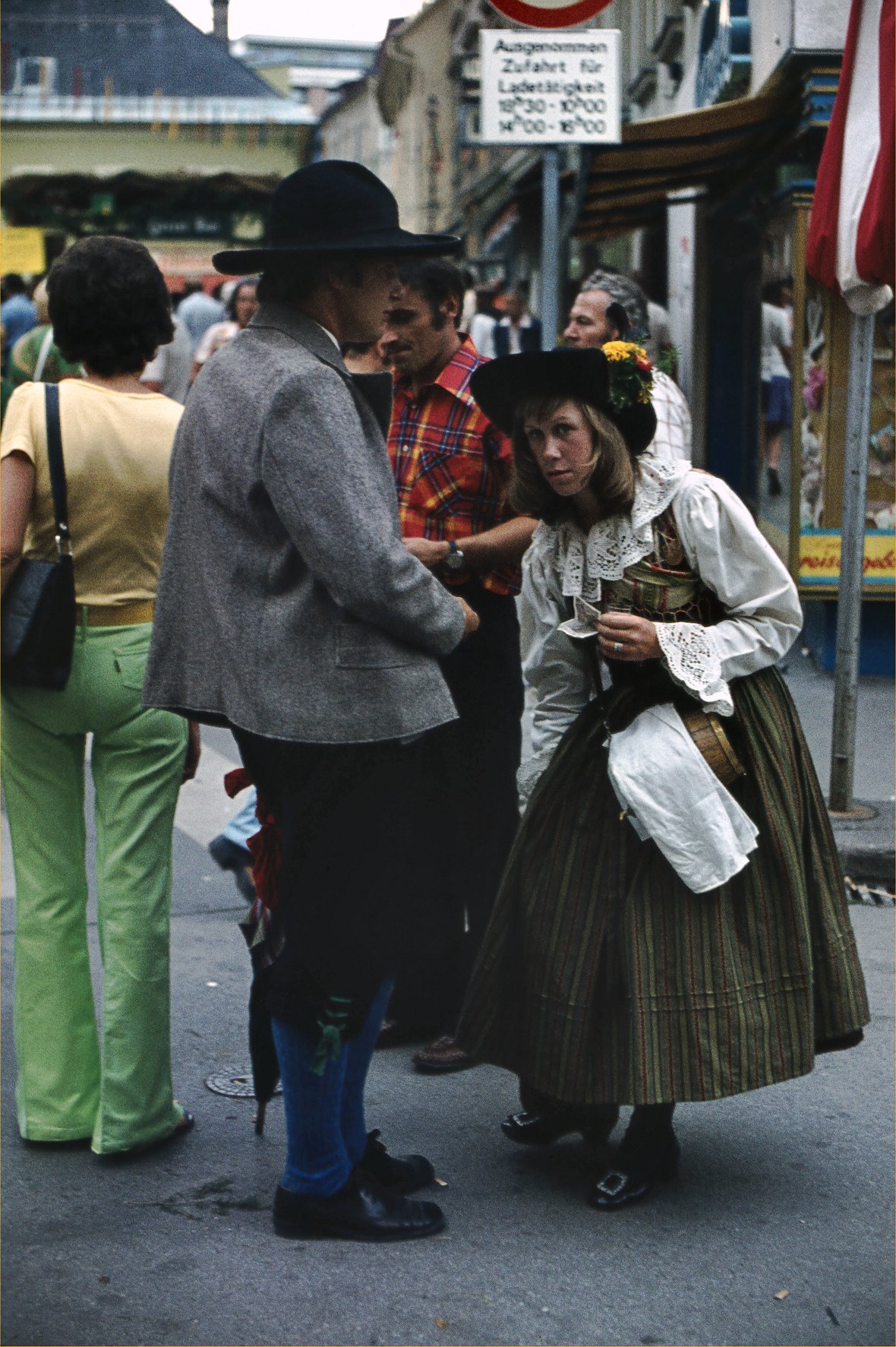
Local costume

Villacher Kirchtag 28

Oh my God it’s a bear get in the car!

Villacher Kirchtag 29

Parade

Villacher Kirchtag 30

Local color of a different kind.

Villacher Kirchtag 31

Music everywhere

Kirchtag


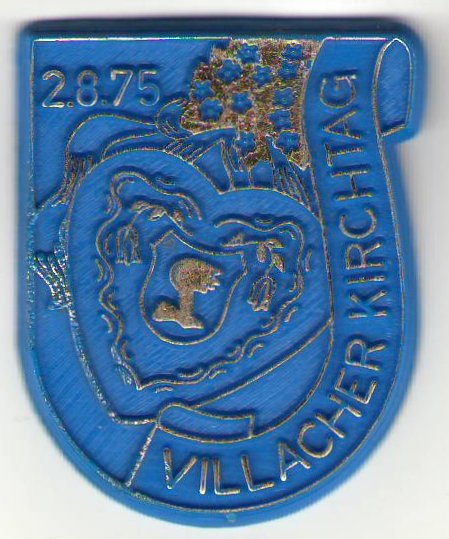
My Kirchtag-ID, similar to today’s concert or event wristbands.

Our little meeting house was on the  second floor of one of the buildings along Hauptplatz, giving us a front-row seat for all the festivities. I love Villach, and I have enjoyed every chance to get back.

The Old Wolf has spoken.

Commerce on the streets of Naples

“The alleys are a self-sufficient microcosm.”

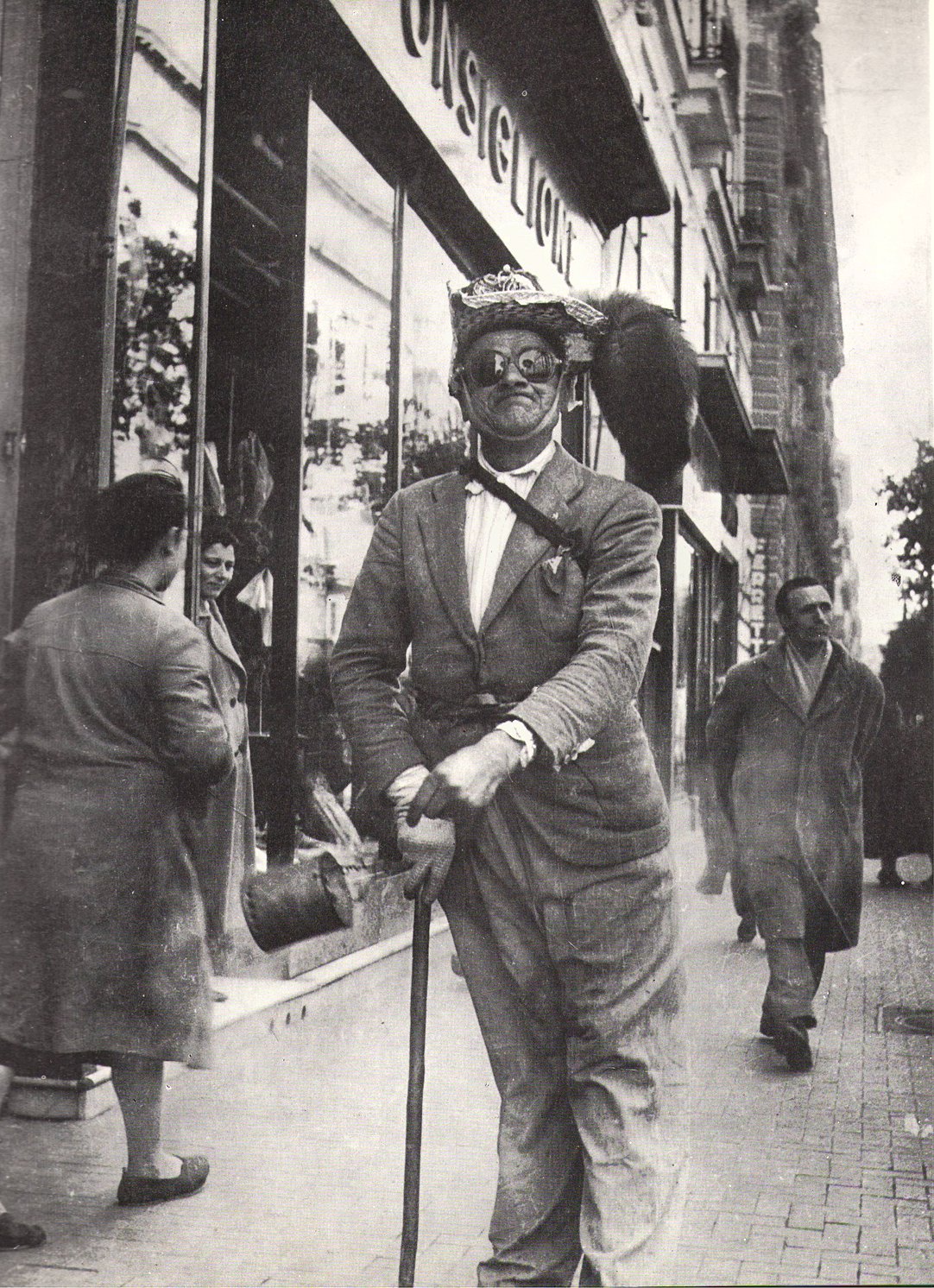
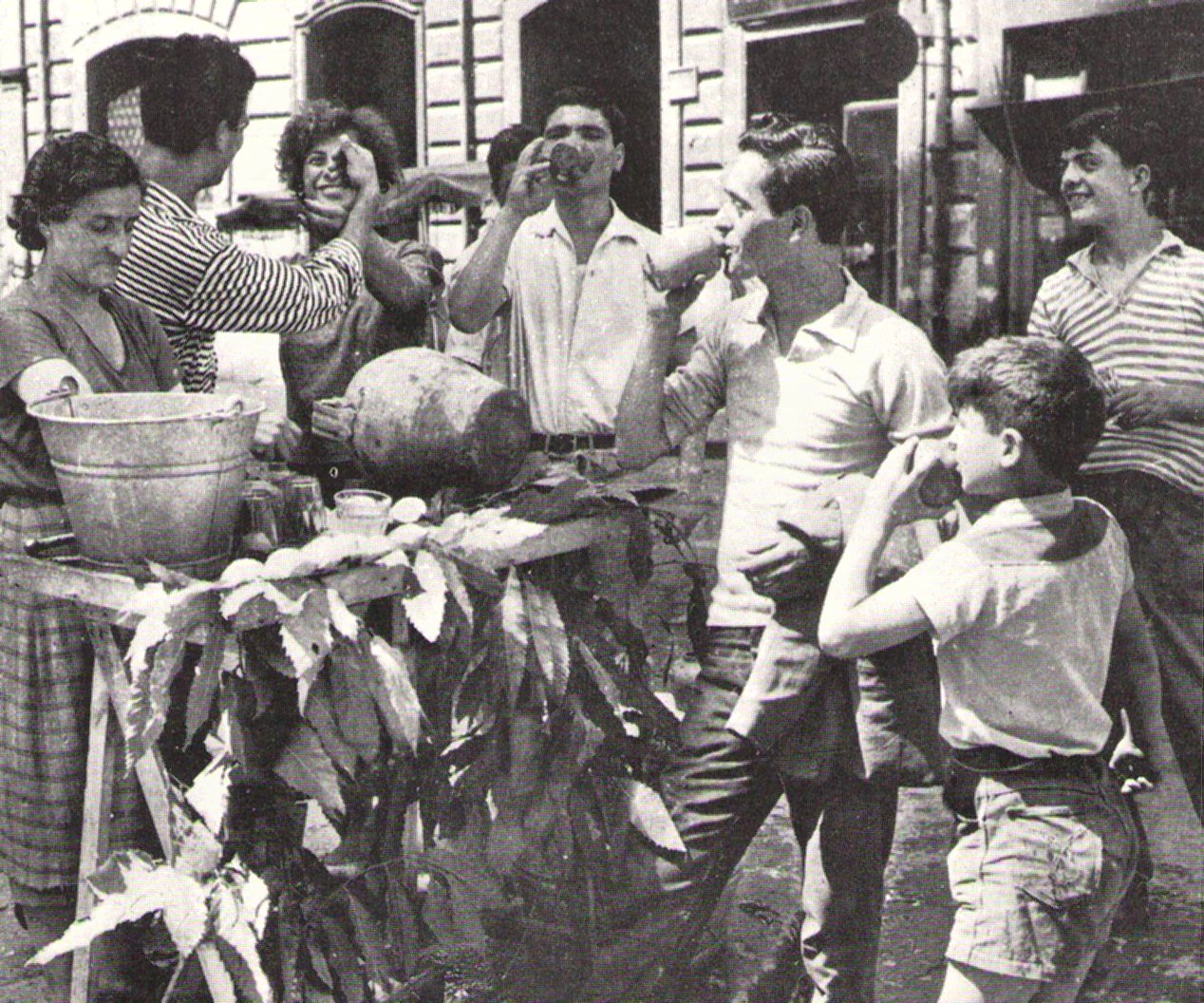
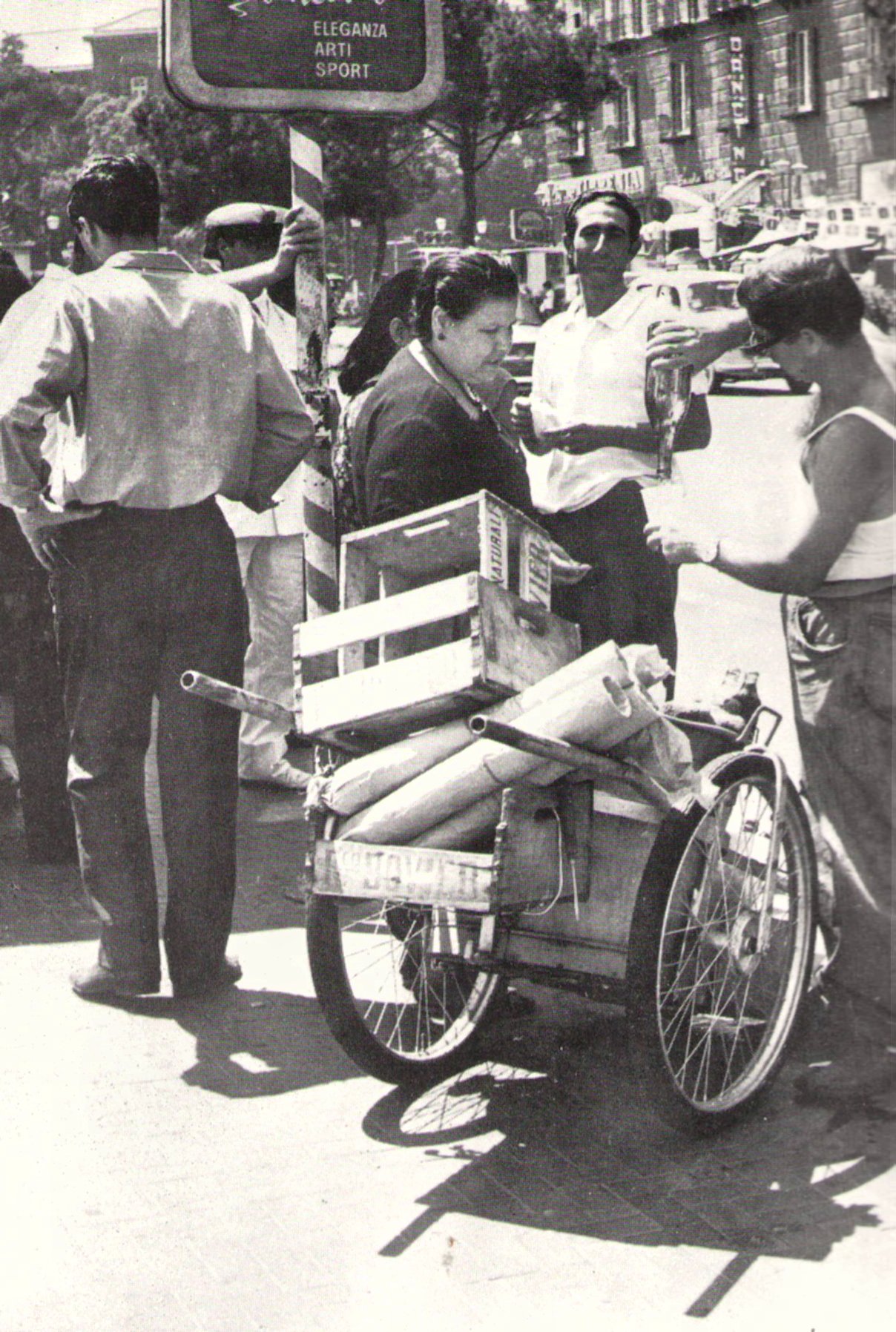
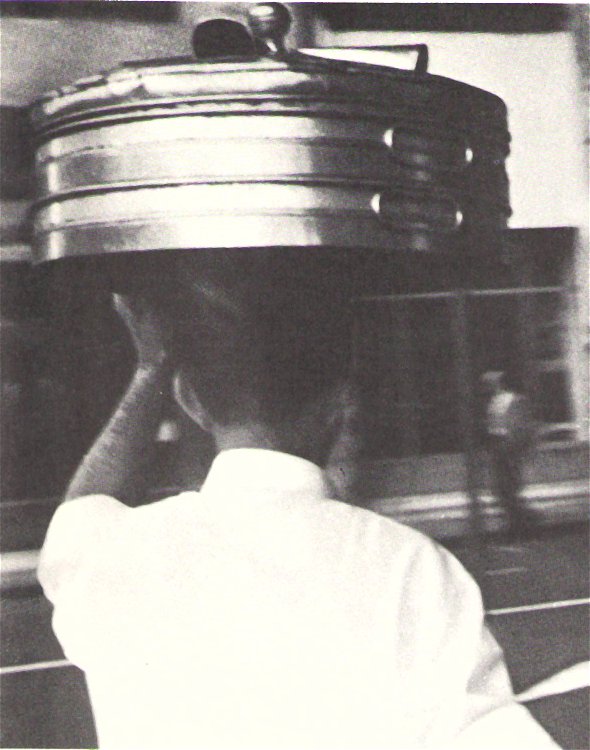
My previous posting of the umbrella repairman reminded me that there are countless other ways that people made a living in Naples, many of them without license or government sanction. Whatever you could do, you could probably find a market for your services.

These photos depict Naples in the 60s. Unless otherwise noted, quoted text and images are from “La Città Parla – Napoli” (1969, Casa Editrice A. Morano di Napoli)

Mattress Maker

Mattress-maker

Knife Grinder.jpgj

Knife Grinder

Bra Seller

Bra vendor

Scaccia-malocchio

“Scaccia-malocchio”

The “scaccia-malocchio'” (or “guastafatture”) drops by various retailers to practice a ritual with his censer in order to ward off the evil eye. He is sometimes paid for his interventions.

Lighter Repair

Repairing cigarette lighters

Scrivano pubblico

Scrivano pubblico – the public scribe. Many Neapolitans remain functionally illiterate, and these people serve a valuable function.

Kazoo

Selling home-made kazoos.

Water Seller 2

Water-Seller

Water Seller

Water-seller

Pizza1

“The ‘pizza oggi ad otto’ (pizza today to eight) is eaten today and paid for in eight days. The wandering pizza vendor is also the bill collector. In eight days you can eat another pizza, which you will pay for sixteen days later. The vendor requires no written invoices – he trusts you… or rather, he trusts that you will be hungry again in eight days.”

Cigarettes

Cigarette black market in the alleys – all tobacco and salt trade is regulated by the government. “American Cigarettes” are manufactured from recycled cigarette butts.

Cantastorie

Wandering paladins singing historical ballads.

Candy Seller

Candy Vendor

Impaglia-seggie

“Impaglia-seggie” – re-caning chairs

Shoe market

Used Shoe Market

“For those who know that elegance begins (not ends) with shoes, buying used shoes for an entire lifetime can be an all-consuming frustration. This is why the sun of the wildest ambition is sometimes seen reflecting brightly from the shiny toes of a pair of patent-leather shoes… brand new ones.”

Graziella


Graziella was born in 1864. She is seen here 100 years later, selling taralli in Santa Lucia.
Image from The Italians, Face of a Nation by John Phillips.

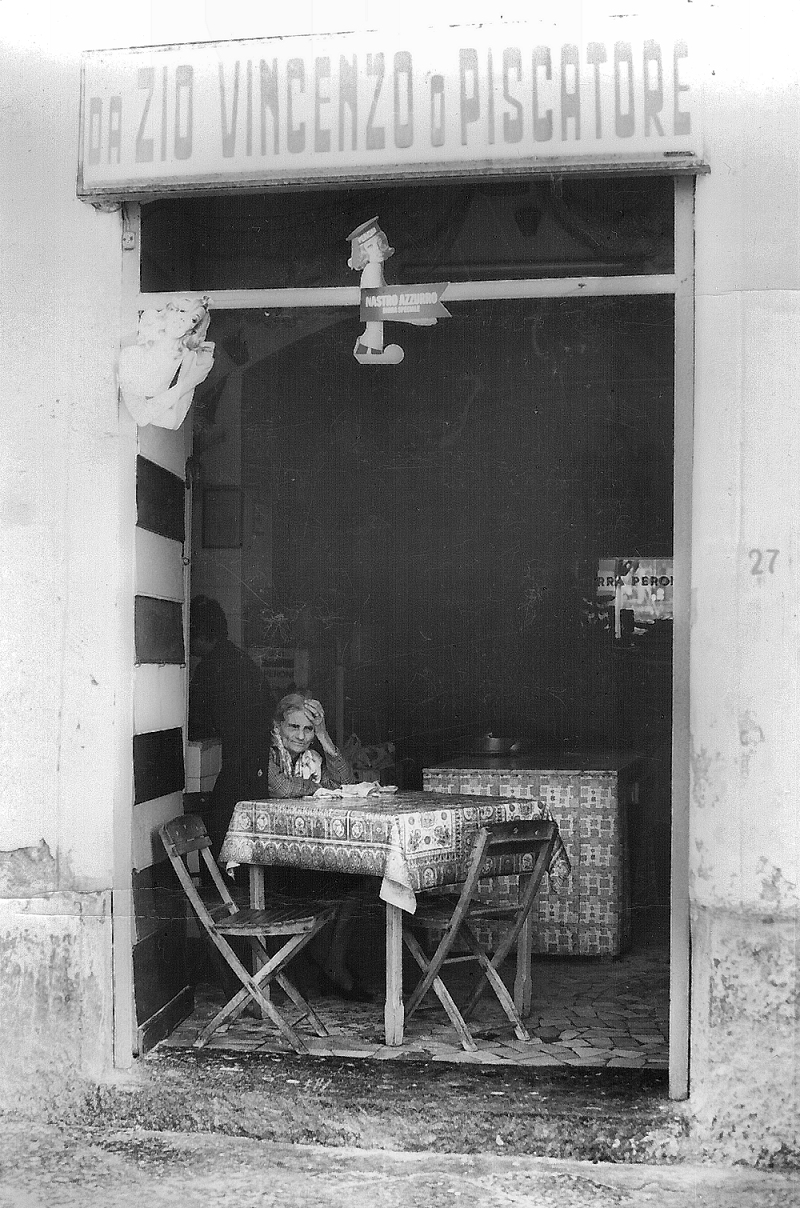
Naples - da Zio Vincenzo o Piscatore


Back-alley trattoria – “Uncle Vincent the Fisherman.” Photo ©1970 by Old Wolf Enterprises

The Old Wolf has spoken.

Geography: The revenge of Europe

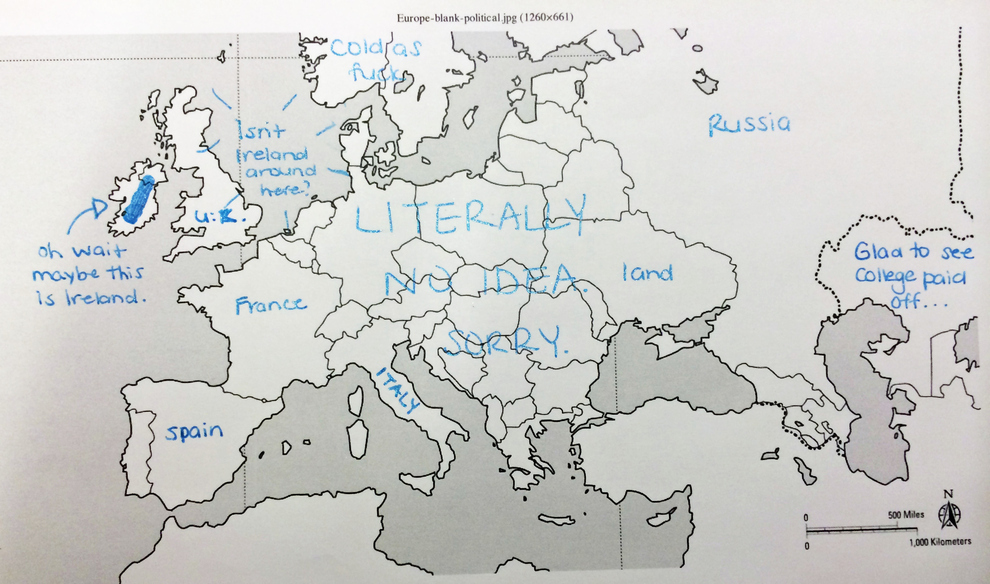
Over at BuzzFeed, they asked Brits to label a map of the USA. Most of them didn’t do very well.
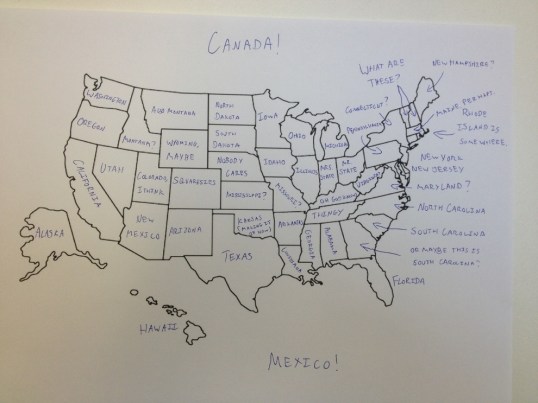
enhanced-buzz-wide-2961-1385467199-9

This one is funny – others were abominable. Squaresies?

Turnabout is fair play, so they also asked Americans to label a map of Europe:
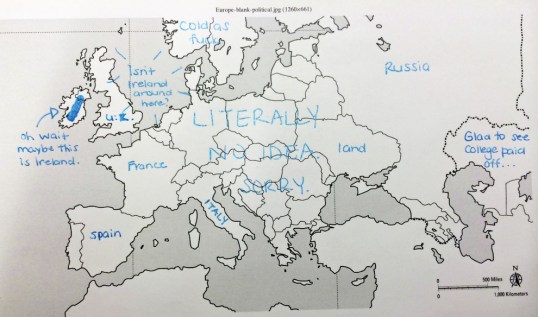
enhanced-buzz-wide-19891-1385507475-56

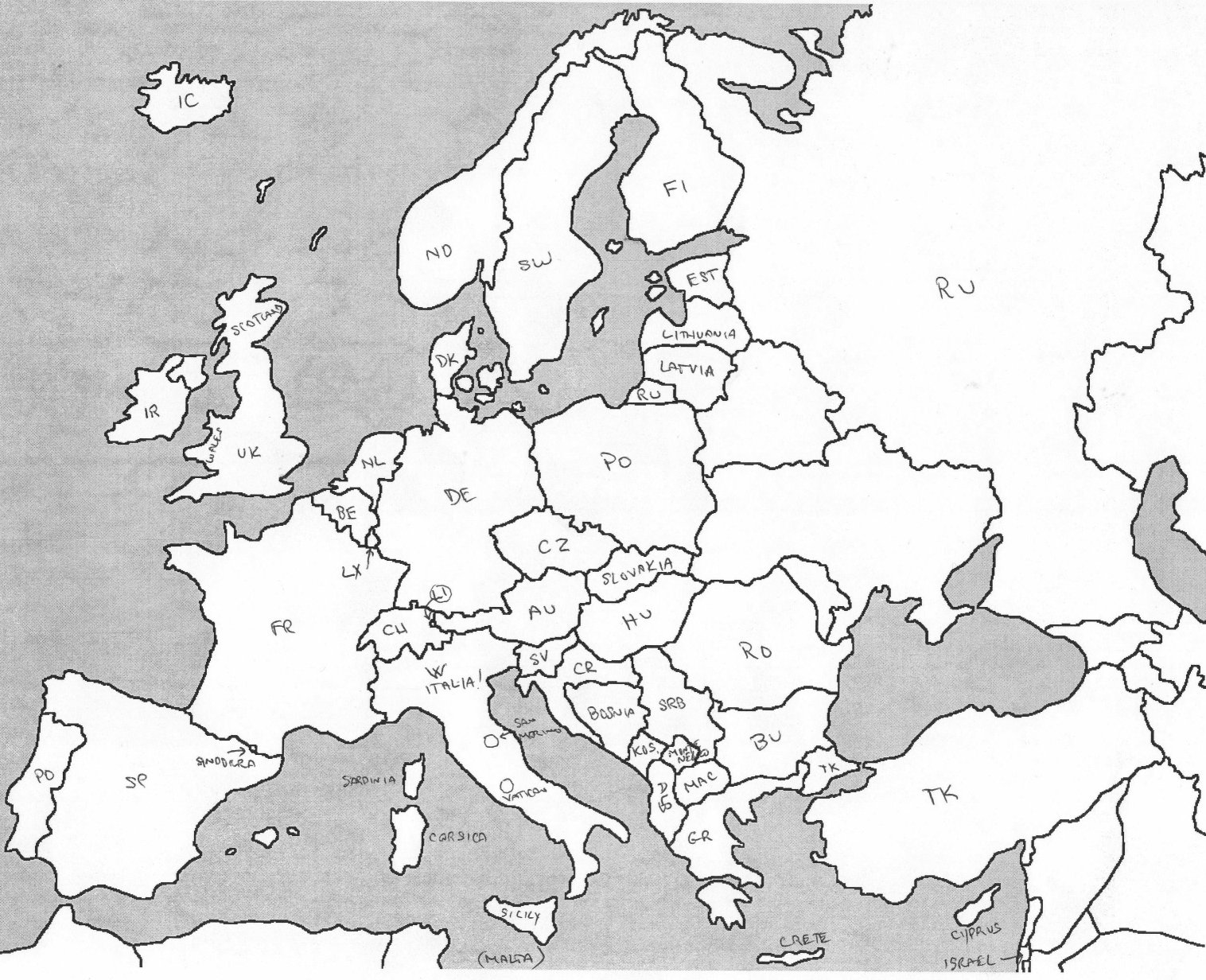
But the question got more personal when I decided to see how well I would fare instead of pointing the finger of scorn at the poor showing of others. So I did the following maps with no prompting or cheating, and here is the brutal result:
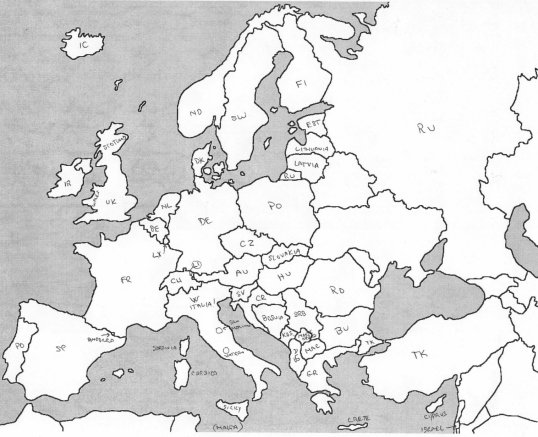
Europe

I started with Europe, which I have spent a good part of my life crisscrossing for work, study and pleasure. I swapped Kosovo and Montenegro, reversed Sardinia and Corsica – Ocatarinetabellatchitchix would never forgive me, I’m off to hide in the maquis – and got Lithuania and Latvia backwards. I did remember to put Malta and San Marino in, but forgot Monaco and Gibraltar, although I know they’re there. Totally zoned out on Belarus, Ukraine, and Moldova, and anything eastwards there be dragons. I give myself a B+, but I should have done better.

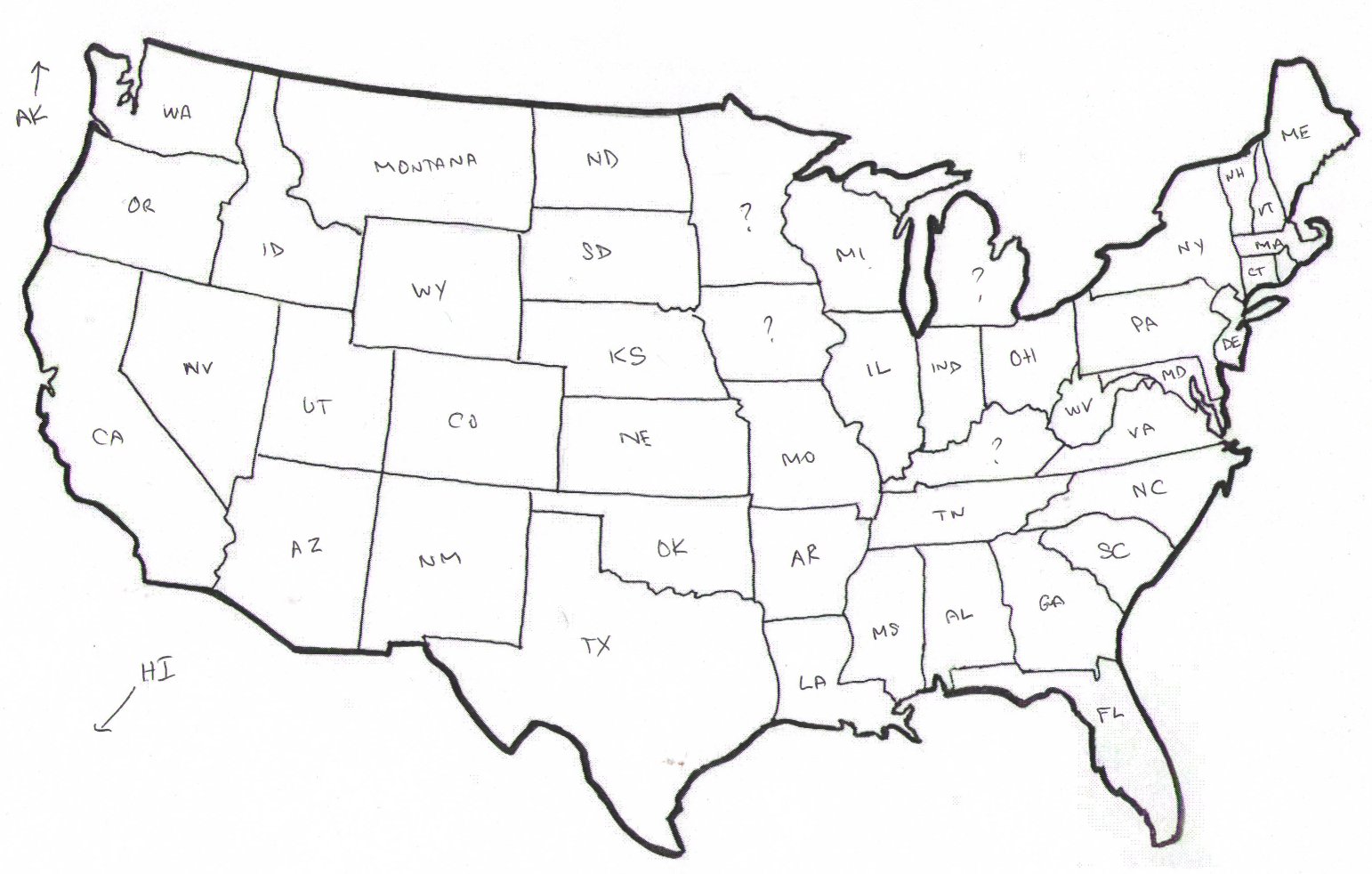
Then I came back home to see how well I would do with my own country.
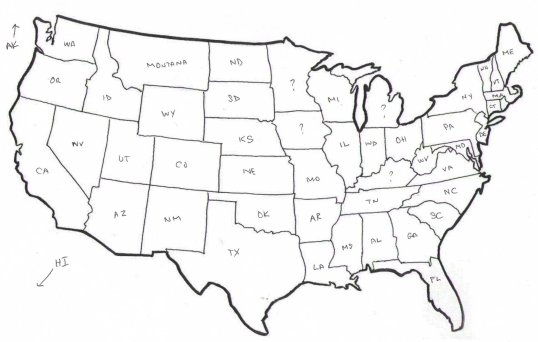
USA,jpg

For as many times as I’ve driven across this nation I should have these down cold. Kansas and Nebraska got reversed; I’m sure I’m no longer welcome at my cousin Laura’s place in Olathe. I have been in Kentucky but only a few times passing through, and I couldn’t dredge up its name to save my soul. Minnesota, Wisconsin and Iowa simply vanished from my memory; even trying to recite Wakko’s song about the capitals didn’t help, i could only get halfway through. I put Michigan on the wrong side of the lake, and reversed Vermont and New Hampshire. Thank Mogg I know where Maine is or I’d be sleeping in the gutter tonight. I do know where Rhode Island is, but I just forgot to write it in.

Again, probably about a B+. Shameful.

I thought about trying Africa, but looked at an outline map and promptly threw up. I could place Somalia, Ethiopia, Sudan, Chad, Niger, Mali, and Mauritania. I could do Egypt, Libya, South Africa, Zimbabwe, the DRC, and Madagascar. Given all the princes and government officials who have contacted me, I should know exactly where Nigeria is, but frankly, Scarlet, I don’t give a damn. [1] Beyond a couple of random others, it would be just like that “Sorry, No Idea” above. I know there are lions and tigers, but only in Kenya. [2]

How about trying to identify the provinces of Canada? Well, BC’s out west, then moving east I know there’s Alberta and Manitoba, Ontario, and Quebec, and Newfoundland; Nunavut’s up in the frozen north, and I know I’ve missed a few, but I haven’t spent a lot of time up there. Australia? Geez. I could probably place Queensland, NSW and Canberra, because I’ve been there, and I know where Tasmania is – the rest of the country is Kangarooland for all I know. 

Asia? Too many “-stans” that I couldn’t even begin to identify; China, Mongolia, India, Tibet, Pakistan, and Bangladesh I know; I could place Japan, Korea, Taiwan, and Viet Nam, but would probably mix up Laos, Burma, Cambodia, and any others that happen to be out there. And as for the islands of the sea, I can name a lot of Pacific and Caribbean countries, but would get an “F” if I tried to place them on a map.

This all popped up over at Facebook, and a comment my son left is germane: “What’s the point?”

Well, there are a few good reasons for knowing this kind of thing. First and foremost is winning bar bets and getting karma on reddit. Specialized knowledge would be useful for specific careers – say, if you work for the Census Bureau, or FEMA, or certain other government agencies, or the UN High Commision for Refugees, or the merchant marine, or things like that. Or if you’re a Geography teacher.

But more importantly, broad knowledge is a symptom rather than an end in itself.

In Synergetics, Buckminster Fuller said,

“We are in an age that assumes the narrowing trends of specialization to be logical, natural, and desirable. Consequently, society expects all earnestly responsible communication to be crisply brief. . . . In the meantime, humanity has been deprived of comprehensive understanding. Specialization has bred feelings of isolation, futility, and confusion in individuals. It has also resulted in the individual’s leaving responsibility for thinking and social action to others.” 

And in The Roving Mind, Isaac Asimov said that

“Knowledge is indivisible. When people grow wise in one direction, they are sure to make it easier for themselves to grow wise in other directions as well. On the other hand, when they split up knowledge, concentrate on their own field, and scorn and ignore other fields, they grow less wise — even in their own field.”

But by far my favorite quote about specialization and the expansion of knowledge comes from Robert Heinlein, in Time Enough for Love:

“A human being should be able to change a diaper, plan an invasion, butcher a hog, conn a ship, design a building, write a sonnet, balance accounts, build a wall, set a bone, comfort the dying, take orders, give orders, cooperate, act alone, solve equations, analyze a new problem, pitch manure, program a computer, cook a tasty meal, fight efficiently, die gallantly. Specialization is for insects.”

 At the age of 14, I was described by my camp counselors in the following words:
“However unorganized his body of knowledge may be, he is still a source of many bits of information, and despite his mere 85-lb. bulk was one of our most determined and energetic trippers.”

The older I’ve gotten, the worse it gets. The more I learn, the more I realize I don’t know – and I want to know more. I want to know and understand it all. And having a mind that has remained as scattered and disorganized as it always has been, one which can remember some of the most arcane and useless facts imaginable and still forget where the hqiz I put my keys 10 minutes ago, doesn’t help one bit.

Focus is definitely a challenge, because we only have a limited time on this green earth, and there are things that need to be done. As a youth I was admonished to concentrate my efforts into sufficiently few lines of endeavor that I might become proficient, giving me strength in my position in life. In some ways, I have done that. In others it’s been really …

bigpreview_Red Squirrel

Squirrel!

The Old Wolf has spoken.


[1] He said “my dear.”
[2] That’s a joke.

Rice Bubbles and Weeties

SHORPY_FL17015612

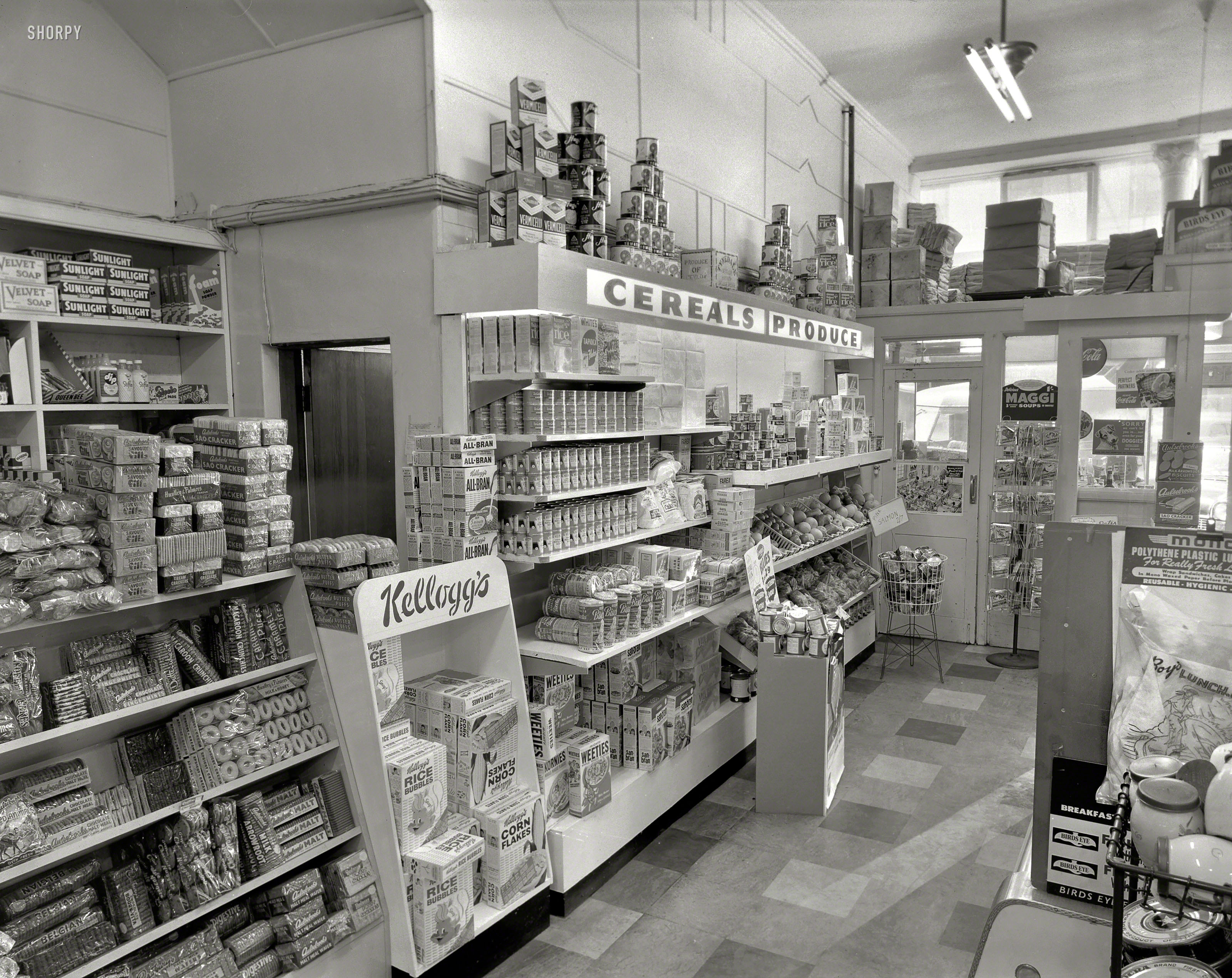
If you were a Kiwi in 1958, you didn’t know about Rice Krispies unless you were familiar with American produce. You got Rice Bubbles. And Breakfast of Champions? Well, that was Weeties.

One of my favorite parts of traveling to a different country – especially one where they speak English, and things are not muddled by a language barrier – is shopping, and seeing the differences in products offered. It’s like being in Europe without having to carry your phrasebook. I remember being in Ireland with the family and staying for a week at Abbeyville Cottage in Cill Mocheallog, Co Ciarraí [1] – we went shopping for provender and brought home all sorts of wonderful new products that we had never tried, such as Weetabix™, for which I developed an undying love, or Aero™ bars, which despite being heavy on air and light on chocolate were a delight… just because they’re so different. Same thing with TimTams™ from Australia, or Scott’s Porage Oats from the UK or… well, the list goes on forever. Everything you’re familiar with at home has a different name, a slightly different flavor, and it’s wonderful.

If I were Wowbagger the Infinitely Prolonged, I’d take a few lifetimes off from insulting people to spend a few decades in every country and culture of the world (a few centuries for Japan, just because.) There’s nothing I enjoy more than getting to know another people, getting inside their heads and learning about their languages, foods, ways, and customs; there’s just not the time to do that as a tourist, and just not the experience to do it as a student.

Being a citizen of the world at heart is tough, especially when resources are tight – but I do all I can from my armchair; let me tell you about Azalea Adair.

She was a product of the old South, gently nurtured in the sheltered life. Her learning was not broad, but was deep and of splendid originality in its somewhat narrow scope. She had been educated at home, and her knowledge of the world was derived from inference and by inspiration. Of such is the precious, small group of essayists made. Whle she talked to me I kept brushing my fingers, trying, unconsciously, to rid them guiltily of the absent dust from the half-calf backs of Lamb, Chaucer, Hazlitt, Marcus Aurelius, Montaigne and Hood. She was exquisite, she was a valuable discovery. Nearly everybody nowadays knows too much–oh, so much too much–of real life…

  “On the surface,” said Azalea Adair. “I have traveled many times around the world in a golden airship wafted on two wings – print and dreams. I have seen (on one of my imaginary tours) the Sultan of Turkey bowstring with his own hands one of his wives who had uncovered her face in public. I have seen a man in Nashville tear up his theatre tickets because his wife was going out with her face covered – with rice powder. In San Francisco’s Chinatown I saw the slave girl Sing Yee dipped slowly, inch by inch, in boiling almond oil to make her swear she would never see her American lover again. She gave in when the boiling oil had reached three inches above her knee.[2]

This is beauty; this is language to chew on; this is imagination. This is what people did when travel was prohibitively expensive and  television had not been invented and the most exciting form of entertainment was to pull out the stereopticon and marvel over the strange ways and beauties of other lands and other cultures.

Great Pyramids

Nowadays, for the most part, we lack the kind of language that was common in O. Henry’s day – but in exchange we have the Internet, and that is just about the next best thing to being there in person.

Great-wall-of-china

The Great Wall of China

The Old Wolf has spoken.


[1] With many thanks to Mary Slattery for her hospitality!
[2] From “A Municipal Report” by O. Henry.

Ka mate!

SHORPY_FL16785895

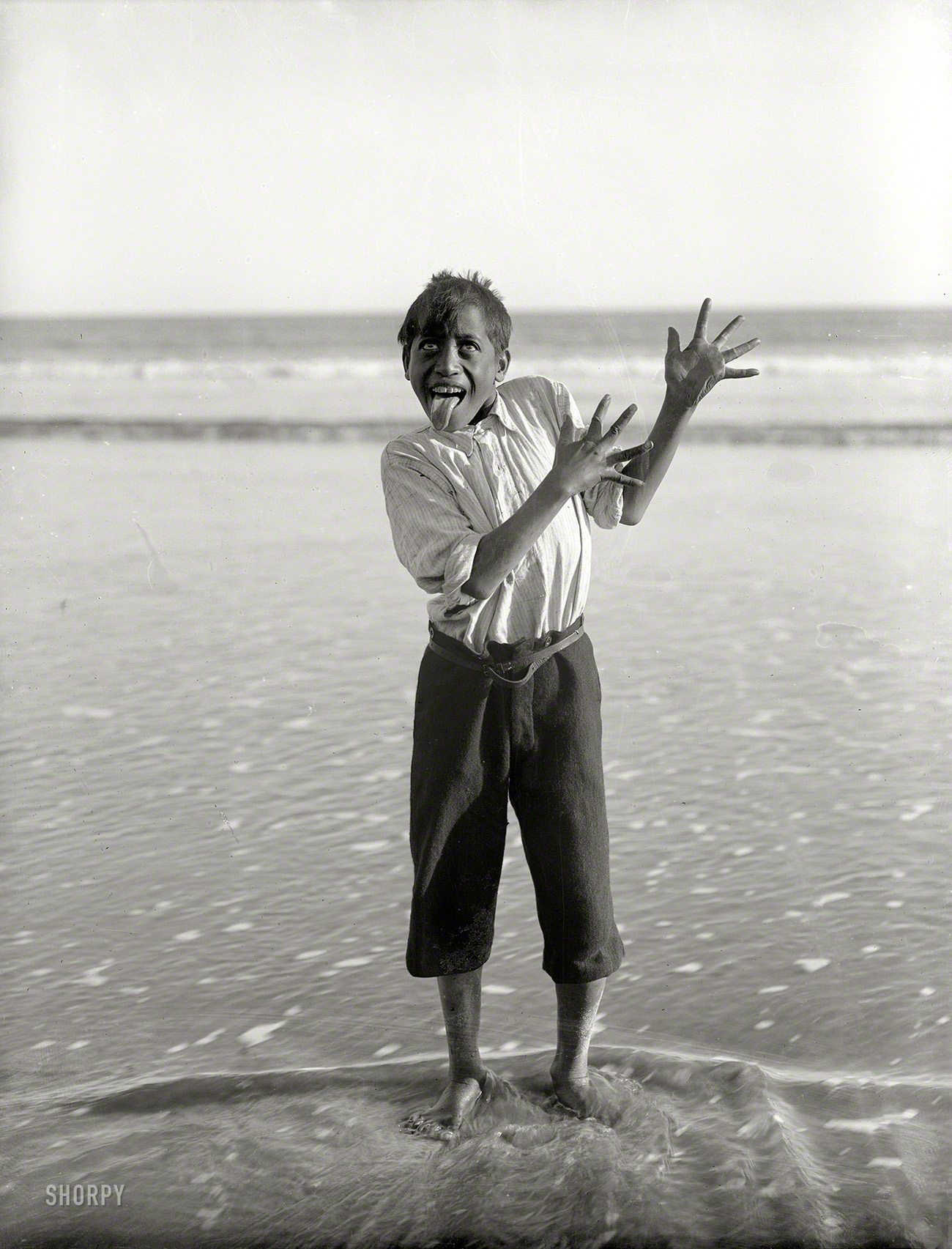
This 1913 image, found at Shorpy, shows a Māori boy performing a haka on the beach in Northland, New Zealand. The haka is a traditional ancestral war cry, dance or challenge.

Glass plate negative by Arthur Northwood.

The Ka Mate haka has been popularized by the New Zealand All Blacks, who perform it as a challenge to their opponents at the beginning of every match. It can be quite intimidating to watch, which is the whole point:

The Ka Mate was composed by Te Rauparaha, war leader of the Ngāti Toa tribe of the North Island of New Zealand. He composed Ka Mate circa 1820 as a celebration of life over death after his lucky escape from pursuing Ngāti Maniapoto and Waikato enemies. He had hidden from them in a food-storage pit, and climbed back into the light to be met by a chief friendly to him – Te Whareangi (the “hairy man”).

What follows is a video showing how Inia Maxwell taught the Blacks how to perform the haka in the proper way:

Here, from Wikipedia, is the main body of the chant accompanied by a translation:

Ka mate, ka mate!ka ora! ka ora!Ka mate! ka mate! ka ora! ka ora!

Tēnei te tangata pūhuruhuru

Nāna nei i tiki mai whakawhiti te rā

Ā, upane! ka upane!

Ā, upane, ka upane, whiti te ra!

’Tis death! ‘tis death! (or: I may die)’Tis life! ‘tis life! (or: I may live)’Tis death! ‘tis death! ’Tis life! ‘tis life!

This is the hairy man

Who brought the sun and caused it to shine

A step upward, another step upward!

A step upward, another… the Sun shines!

The Ka Mate has been popularized sufficiently that it appears in other places as well:

Bucky - Ka Mate

“Get Fuzzy” by Darby Conley

On Viggo Mortensen’s last day on the set filming Lord of the Rings, the New Zealand cast and crew offered him the haka as a signal honor for his contribution; you can see how moved he was by this recognition. The salient point begins at 1:44, but the entire clip is worth watching.

Lastly, here is a powerful video showing the soldiers of 2/1 RNZIR Battalion (New Zealand Defence Force) paying tribute to their fallen comrades with a massive haka. You can almost cut the honor and respect with a knife.

Some additional background on the Ka Mate can be found at Marimari.com.

The Old Wolf has spoken.

Don’t boycott just because it’s the popular thing to do.

The below opinion was posted on Facebook by Ezra Horne. It is reposted here by permission. The point is to look carefully at the knee-jerk response, because it may just be counter-productive. Consider all the factors, and think first.


WARNING: Long unpopular rant about the remarks by CEO of Barilla Pasta:

“[Guido Barilla] added: “Everyone has the right to do what they want without disturbing those around them””

I translated this article in google, but it shows his statements in context a lot better than the media here.

http://www.radio24.ilsole24ore.com/notizie/lazanzara/2013-09-26/guido-barilla-spot-famiglia-122352.php

“”Okay, if they like our pasta and our communication, then eat, or eat another pasta. One can not always please everyone. ” “I respect everyone” – adds Barilla – “do what they want without disturbing others. I am also in favor of gay marriage, but no gay adoption for a family. From the father of several children I think it is very complex to raise up the children in a same-sex couple. “”

I think the LGBT community loses credibility with these fights. We can express our disapproval and even boycott, but constantly calling for boycotts on everything is ridiculous. You could boycott Barilla, but how do you know that some other CEO for some other pasta brand doesn’t have the same opinion but is smart enough to lie when asked? Or that the checkout girl or the manager of the super market doesn’t approve of gay marriage personally, but isn’t actively fighting it. By encouraging this “groupthink” we are basically sending the message that it’s not even okay to intellectually disagree with us. It’s pretty 1984 if you ask me. When you punish honesty, however hard to hear, you encourage people to lie, and lying will make the progress we’re trying to make a lot harder, as we will think we have more support than we really do.

Maybe the guy IS actively fighting gay rights, but during another part of the interview, he says that is okay with gay marriage, just not gay adoption. So I predict this guy’s opinion of gays is going to actually get WORSE.

Why not get Dan Savage to invite him for a Pasta Dinner to show him gay families are healthy, normal and stable? Help him see why he should be more supportive, not lash out at a guy who is not really “antigay” but has a perception that women are central to the family, (as MANY people do) and needs help seeing how it can be done.

I am not boycotting this brand. I understand if you do, but it’s a good product at a price point I can afford, and the man doesn’t hate gay people, he just has an opinion which needs to be changed.

A boycott is just going to make him lie, say he’s changed his mind to save sales, and then teach his children about how the gays BULLIED him with hate speech even though he just shared an unpopular opinion. So you pick the outcome you’d prefer.