Hell in a Jar

I love spicy food. I guess I developed a taste for it when my mother took me to this little hole in the wall restaurant in New York named Xochitl which I have mentioned elsewhere. Their hot sauce was served in little ceramic pots, and one learned to use it most sparingly. But like certain other things in life, once the barn door has been opened and the horses are out, there’s no going back.

My cabinet is full of various types of hot sauces; a dear friend presented me with 6 different flavors last Christmas, and along with the ever-present Tabasco™ and Tapatio™ and Frank’s Original™, there are around a dozen other varieties either above the stove or in storage.

Yes, I like hot things.

But there’s a difference between pleasing heat and liquid pain, as I discovered in a few instances – in my experience, Blair’s After Death™ sauce has very little flavor, and mostly heat, even though it comes in at a paltry 50,000 Scoville units. I say paltry, because there are sauces out there that rate much, much higher – but I only used it in a couple of preparations, and in very small doses, and things still came out hotter than I care for. I cannot imagine the effect of adding even one crystal of pure Capsaicin (rated 16 million Scovilles) to any food.

blair

“The strength of Blair’s hottest product, “Blair’s 16 Million Reserve”, is 16 million Scoville units (Tabasco™, in comparison, is 2,500 to 5,000 Scoville units). It contains only capsaicin crystals, and is the hottest possible capsaicin-based sauce. Only 999 bottles of “Blair’s 16 Million Reserve” were produced, each one signed and numbered by the firm’s founder, and have all been sold. This reserve was certified by the Guinness book of World Records as the hottest product available.” (Wikipedia)

You can find bottles for sale around the net for around $400.00 if you’re insane enough to want some, or as a collector’s item.

Another time my family took my oldest son out for his birthday, and for an appetizer we ordered something called the “On Death Roll,” which came with a warning on the menu that you had to sign a waiver before ordering it. No waiver was forthcoming, but holy flapping scrith! My younger son and my daughter and I all tried it, and the birthday boy, smarter than we, sat and watched the festivities as we all thought we were going to die. “I didn’t know I was going to get dinner and a show,” said he, roguishly. I have no idea what they added to that tuna roll, but it was accurately advertised. Hqiz!

Old_Wolf_Peppers

So the other day when the Goodwoman of the House was frying up some squash and onions, she was rummaging around in the spice cabinet and found this:

Hell in a Jar

“Well,” she thought, “this will add a pleasant bit of spice to the preparation,” thinking it was perhaps akin to Cayenne pepper (30,000 – 50,000 Scovilles). No, dear, it’s pure ground Habanero (100,000 – 350,000 Scovilles). She likes hot stuff too, but the resulting preparation brought tears to both of us. We did eat, and were filled, and the remainder got mixed in to some chili that was waiting to be eaten, which livened it up considerable.

Thai Food

Yup. Goes for other things too. Which reminds me of this story which has been around for a while, but which is too good not to include here:

The Chili Contest

Notes From An Inexperienced Chili Taster Named FRANK, who was visiting Texas: “Recently I was honored to be selected as an outstanding Famous celebrity in Texas, to be a judge at a chili cook off, because no one else wanted to do it. Also the original person called in sick at the last moment, and I happened to be standing there at the judge’s table asking directions to the beer wagon when the call came. I was assured by the other two judges (Native Texans) that the chili wouldn’t be all that spicy, and besides they told me I could have free beer during the tasting, so I accepted. Here are the scorecards from the event:”

Chili # 1: Mike’s Maniac Mobster Monster Chili

JUDGE ONE: A little too heavy on tomato. Amusing kick.
JUDGE TWO: Nice, smooth tomato flavor. Very mild.
FRANK: Holy smokes, what the HELL is this stuff? You could remove dried paint from your driveway with it. Took two beers to put the flames out. Hope that’s the worst one. These hicks are crazy.

Chili # 2: Arthur’s Afterburner Chili

JUDGE ONE: Smoky (barbecue?) with a hint of pork. Slight Jalapeno tang.
JUDGE TWO: Exciting BBQ flavor, needs more peppers to be taken seriously.
FRANK: Shit! Keep this away from the children! I’m not sure what I’m supposed to taste besides pain. I had to wave off two people who wanted to give me the Heimlich maneuver. Shoved my way to the front of the beer line.

Chili # 3: Fred’s Famous Burn Down the Barn Chili

JUDGE ONE: Excellent firehouse chili! Great kick. Needs more beans.
JUDGE TWO: A beanless chili, a bit salty, good use of red peppers.
FRANK: This has got to be a joke. Call the EPA, I’ve located a uranium spill. My nose feels like I have been snorting Drano. Everyone knows the routine by now and got out of my way so I could make it to the beer wagon. Barmaid pounded me on the back; now my backbone is in the front part of my chest.

Chili # 4: Bubba’s Black Magic

JUDGE ONE: Black bean chili with almost no spice. Disappointing.
JUDGE TWO: Hint of lime in the black beans. Good side dish for fish or other mild foods, not much of a chili.
FRANK: I felt something scraping across my tongue, but was unable to taste it. Sally, the barmaid, was standing behind me with fresh refills to save me the run.

Chili # 5: Linda’s Legal Lip Remover

JUDGE ONE: Meaty, strong chili. Cayenne peppers freshly ground, adding considerable kick. Very impressive.
JUDGE TWO: Chili using shredded beef; could use more tomato. Must admit the cayenne peppers make a strong statement.
FRANK: My ears are ringing, and I can’t focus my eyes. I farted and four people behind me needed paramedics. The contestant seemed hurt when I told her that her chili had given me brain damage. Sally saved my tongue by pouring beer directly on it. Sort of irritates me that one of the other judges asked me to stop screaming.

Chili # 6: Vera’s Very Vegetarian Variety 

JUDGE ONE: Thin yet bold vegetarian variety chili. Good balance of spice and peppers.
JUDGE TWO: The best yet. Aggressive use of peppers, onions, and garlic. Superb.
FRANK: My intestines are now a straight pipe filled with gaseous flames. Noone seems inclined to stand behind me except Sally.

Chili # 7: Susan’s Screaming Sensation Chili 

JUDGE ONE: A mediocre chili with too much reliance on canned peppers.
JUDGE TWO: Very Ho Hum, tastes as if the chef threw in canned chili peppers at the last moment. I should note that I am worried about Judge Number 3. He appears to be in a bit of distress.
FRANK: You could put a grenade in my mouth and pull the pin, and I wouldn’t feel it. I’ve lost the sight in one eye, and the world sounds like it is made of rushing water. My clothes are covered with chili which slid unnoticed out of my mouth at some point. Thank God! At autopsy they’ll know what killed me. Have decided to stop breathing, too painful, not getting any oxygen anyway.

Chili # 8: Helen’s Mount Saint Chili

JUDGE ONE: A perfect ending, this is a nice blend chili, safe for all, not too bold but spicy enough to declare its existence.
JUDGE TWO: This final entry is a good, balanced chili, neither mild nor hot. Sorry to see that most of it was lost when Judge Number 3 fell and pulled the chili pot on top of himself.
FRANK: ——- (Editor’s note: Judge #3 was unable to report)

All this talk about hot sauce is having an interesting effect, that I’ve never been able to explain – I recorded it back in 2009 over at my Livejournal:

The last two times I’ve prepared spicy foods, though, I’ve had a very unusual experience – the flush to the face begins as soon as I’ve opened the bottle of hot sauce – and haven’t even eaten it yet. The first time it happened, I thought “imagining things.” But it happened again today… as I was liberally lacing my burritos with Tabasco, I started getting the burning and vascular dilation that I always experience with certain peppers – very much like a Niacin flush, if you’ve ever experienced that. And, what’s even stranger, I’m experiencing a repeat as I type this, half an hour after lunch. Just thinking about it was sufficient to recall the phyiological response.

Now tha’s just weird. Maybe if I salivate enough, I can get my doorbell to ring. 

And it’s happening right now. Stranger than fiction.

The Old Wolf has spoken.
A few definitions for your Jewish culinary art knowledge

Shared with me by my colleague Miguel Ring around 15 years ago. Time to let it re-surface.

Latkes: A pancake‑like structure not to be confused with anything the House of Pancakes would put out. In a latka, the oil is in the pancake.  It is made with potatoes, onions, eggs and matzo meal. Latkas can be eaten with apple sauce but NEVER with maple syrup. There is a rumor that in the time of the Maccabees they lit a latka by mistake and it burned for eight days. What is certain is you will have heartburn for the same amount of time.

Matzoh: The Egyptians’ revenge for leaving slavery. It consists of a simple mix of flour and water ‑ no eggs or flavor at all. When made well, it could actually taste like cardboard. Its redeeming value is that it does fill you up and stays with you for a long time. However, it is recommended that  you eat a few prunes soon after.

Kasha Varnishkes: One of the little‑known delicacies which is even more difficult to pronounce than to cook. It has nothing to do with Varnish, but is basically a mixture of buckwheat and bow‑tie macaroni (noodles). Why a bow‑tie? Many sages discussed this and agreed that some Jewish mother decided that “You can’t come to the table without a tie” or, God forbid “An elbow on my table?”

Blintzes: Not to be confused with the German war machine. Can you imagine the N.J. Post 1939 headlines: “Germans drop tons of cheese and blueberry blintzes over Poland ‑ shortage of sour cream expected.”

Kishka: You know from Haggis? Well, this ain’t it . In the old days they would take an intestine and stuff it. Today we use parchment paper or plastic. And what do you stuff it with? Carrots, celery, onions, flour, and spices. But the trick is not to cook it alone but to add it to the cholent (see below) and let it cook for 24 hours until there is no chance whatsoever that there is any nutritional value left.

Kreplach: It sounds worse than it tastes. There is a rabbinical debate on its origins: One Rabbi claims it began when a fortune cookie fell into his chicken soup. The other claims it started in an Italian restaurant.  Either way it can be soft, hard, or soggy and the amount of meat inside depends on whether it is your mother or your mother‑in‑law who cooked it.

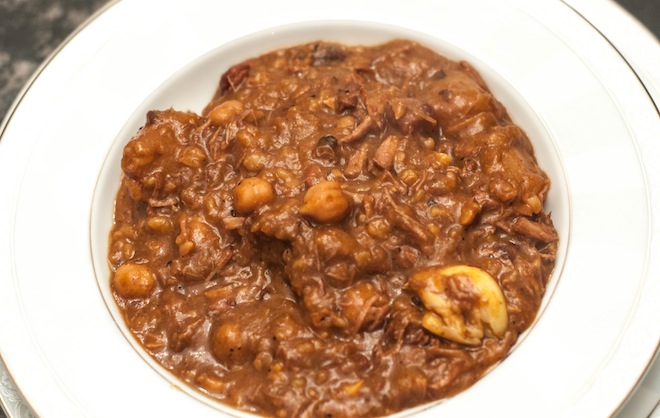
Cholent: This combination of noxious gases had been the secret weapon of Jews for centuries. The unique combination of beans, barley, potatoes, and bones or meat is meant to stick to your ribs and anything else it comes into contact with. At a fancy Mexican restaurant (kosher of course) I once heard this comment from a youngster who had just had his first  taste of Mexican fried beans: “What! Do they serve leftover cholent here too?!” My wife once tried something unusual for guests: She made cholent burgers for Sunday night supper. The guests never came back.

Cholent-1

Cholent

Gefilte Fish: A few years ago, I had problems with my filter in my fish pond and a few of them got rather stuck and mangled. My son (5  years old) looked at them and commented “Is that why we call it ‘GeFiltered Fish’?”  Originally, it was a carp stuffed with a minced fish and vegetable mixture. Today it usually comprises of small fish balls eaten with horse radish (“chrain”) [1] which is judged on its relative strength in bringing tears to your eyes at 100 paces.

Bagels: How can we finish without the quintessential Jewish Food, the  bagel? Like most foods, there are legends surrounding the bagel although I don’t know any. There have been persistent rumors that the inventors of the bagel were the Norwegians who couldn’t get anyone to buy smoked lox.  Think about it:  Can you picture yourself eating lox on white bread?  Rye?  A cracker?? Naaa.  They looked for something hard and almost indigestible which could take the spread of cream cheese and which doesn’t take up too much room on the plate. And why the hole? The truth is that many philosophers believe the hole is the essence and the dough is only there for emphasis.

The Old Wolf has spoken, but do you ever write me? No, that’s fine, I’ll just sit here in the kitchen slaving, if you come and find me dead someday it will only be what you deserve…


[1] Linguistic note: the German word for horseradish is “Meerrettich” but in Austria it’s known as “Kren”.

Because Pizza – the Ratskeller

Edit: I found dër Ratskeller mentioned on another blog post about defunct Salt Lake City pizzerias here:

I’ve touched on the subject of pizza several times before, but today a map I found over at Maps on the Web inspired me to follow through on an earlier promise.

Having lived in Italy from 1970 to 1971, I mentioned Neapolitan pizza, which is the grandfather of the art form, and followed up with a much longer ramble about it in the next post.

When I came back from Italy, my first real job off-campus was at Dër Ratskeller Pizza Shoppe, at 250 South 300 East[1], which I mentioned here. Unfortunately that chain is now defunct, and it’s a real pity; there are some good pizzerias in this country, but the Ratskeller was a cut above.

I began working at their first location in 1972, after my return from overseas. The chain was owned by a car dealer and restaurant entrepreneur named Roy Moore, and he had several pizza joints in Idaho including the Rathaus Pizza Shoppes in Boise and Moscow, the Gay Ninties in Idaho Falls, and the Red Baron in Lewiston; this was his first venture in Utah.

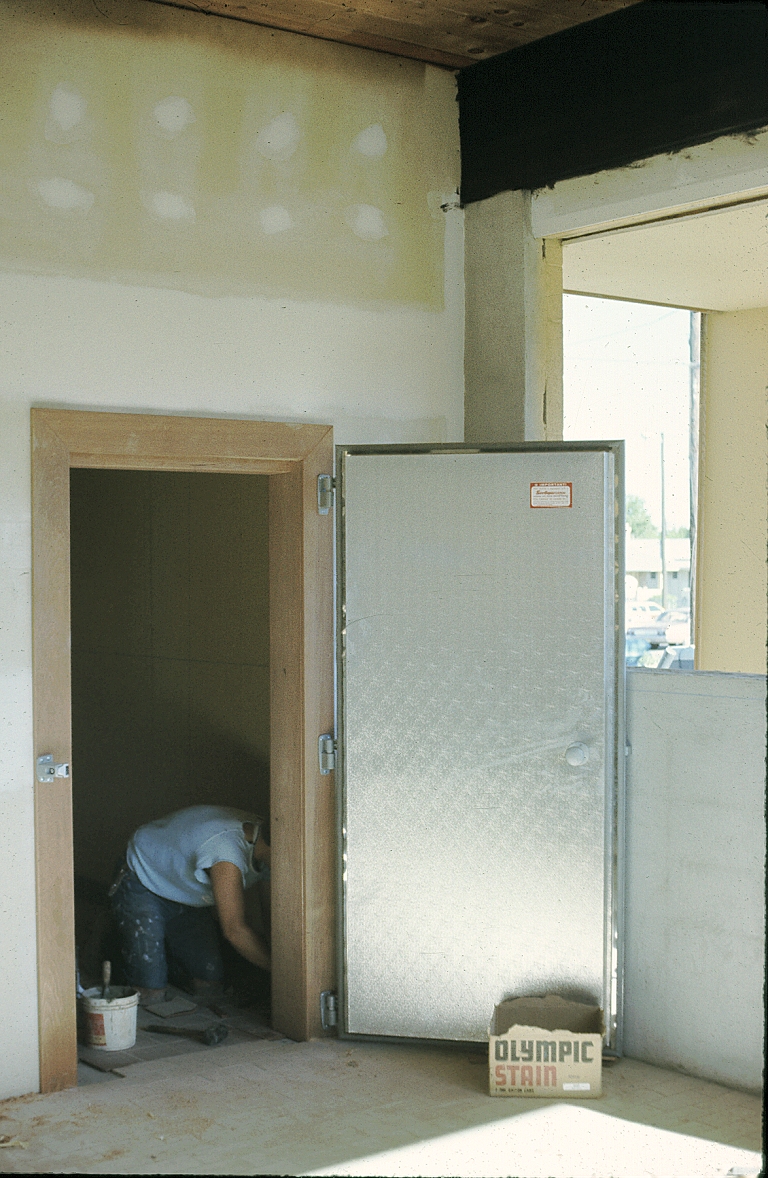
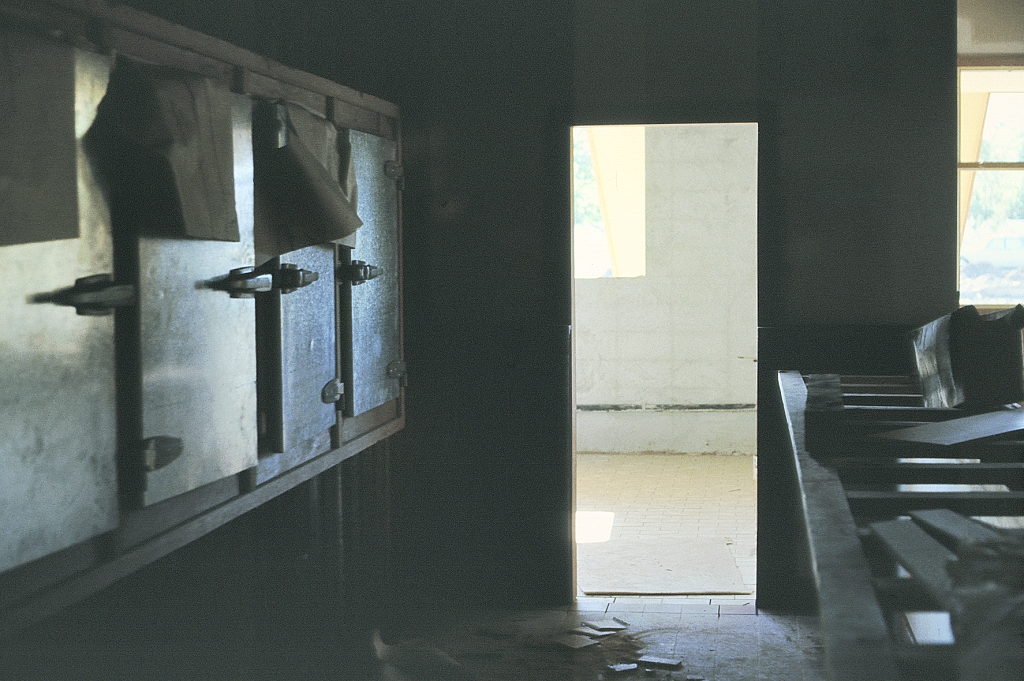
The following year, the company opened a second location in Sugarhouse, Utah, at 827 East 2100 South – I was tapped to become the assistant manager of that location and actually helped with finishing the construction. In the process, I learned a lot about making pizza.

Building the Ratskeller Sugarhouse (2)

The sugarhouse store looked very much like the downtown location.

Ratskeller - Walk-in Fridge

Finishing the walk-in refrigerator

Ratskeller Bar & Kitchen

Behind the bar and looking into the kitchen. From those doors were dispensed bottles of Budweiser, Heineken, and Beck’s beer.

Ratskeller Kitchen and Bar

The bar (left) and serving window (right)

Ratskeller fireplace

The fireplace being framed in.

Ratskeller Pizza Shop on 2100 South, looking South

Restaurant construction looking south – you can see the Snelgrove’s sign in the background.

Ratskeller Main Entrance

Front entrance

Ratskeller - Oven

Pizza Oven

Ratskeller Sign Large

Ratskeller Logo

The first two shops were managed by Roy’s nephews, Michael and Don Pope.

Michael E. Pope makes the first pizza - 1973

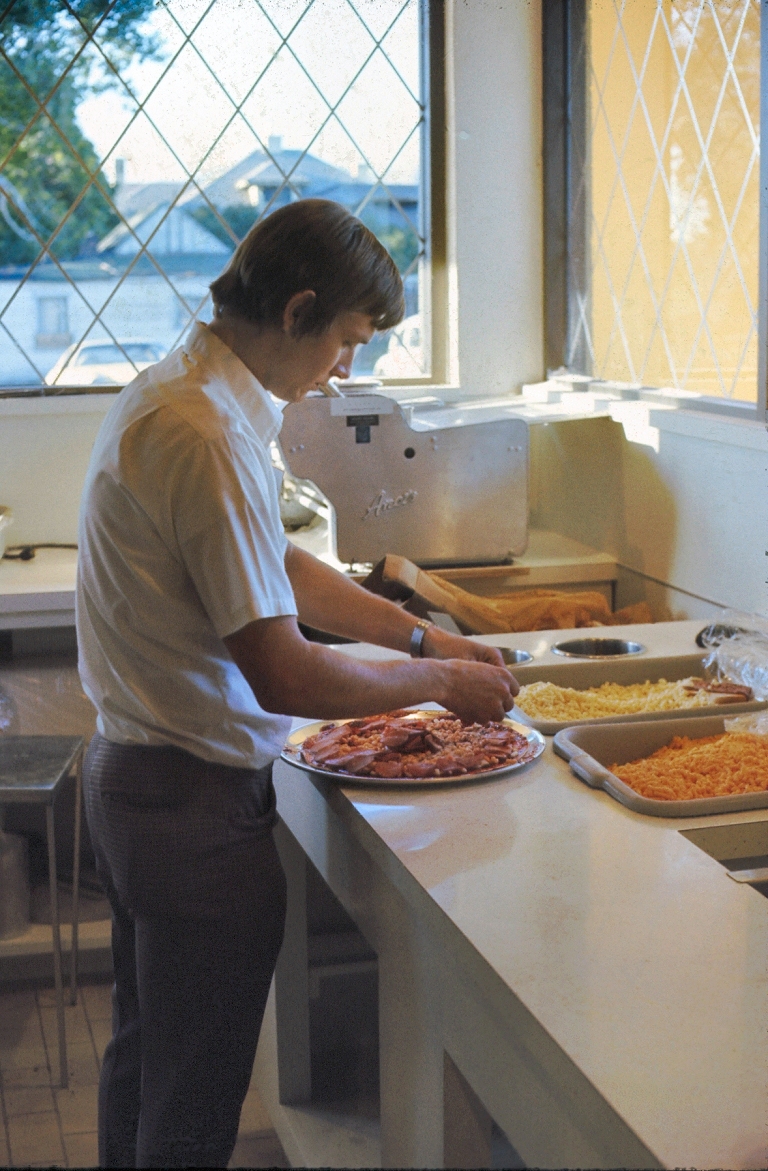
Mike creating the first pizza at the Sugarhouse location. Notice the dough-roller on the back table; windows were arranged so that customers could watch the entire pizza creation process, and rolling out the skins was always an attraction.

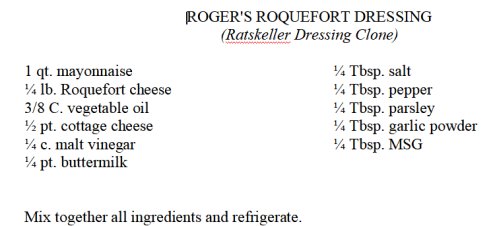
Ratskeller pizzas were made differently from any other I had experienced. The sauce was a proprietary blend of spices created by Roy and his mother, Grandma Moore, (the latter also being responsible for a kick-ass Roquefort dressing.) The spice packets were mixed up off-site, and transported to the restaurants where they were combined with brown sugar, red dye, and tomato sauce in large plastic barrels. The sauce was thick, and applied to the pizza skins with a large basting brush.

The cheese used was nothing extraordinary, but a mixture of about 75% mozzarella and 25% cheddar was used, each being crumbled through a grinder (you can see the two cheeses in the bins above.)

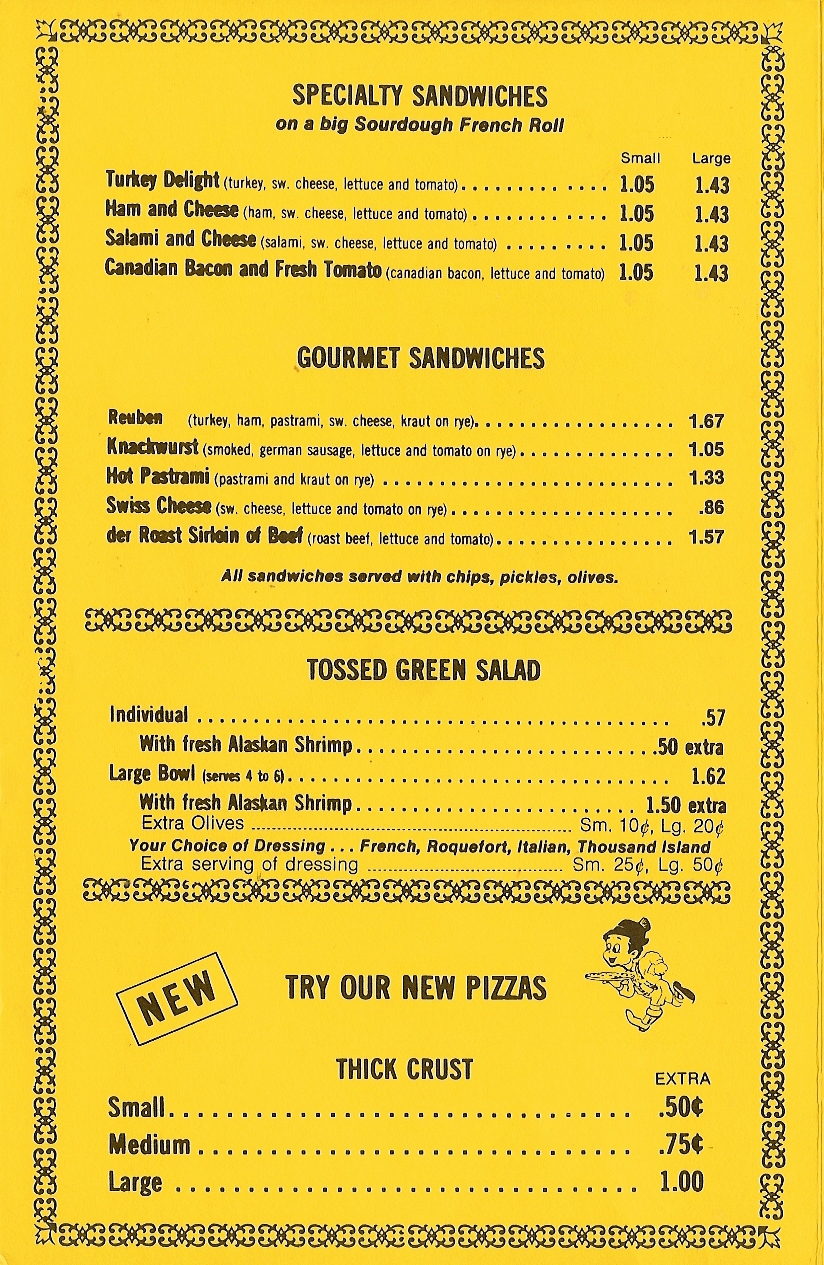
Ratskeller Menu Inside Right

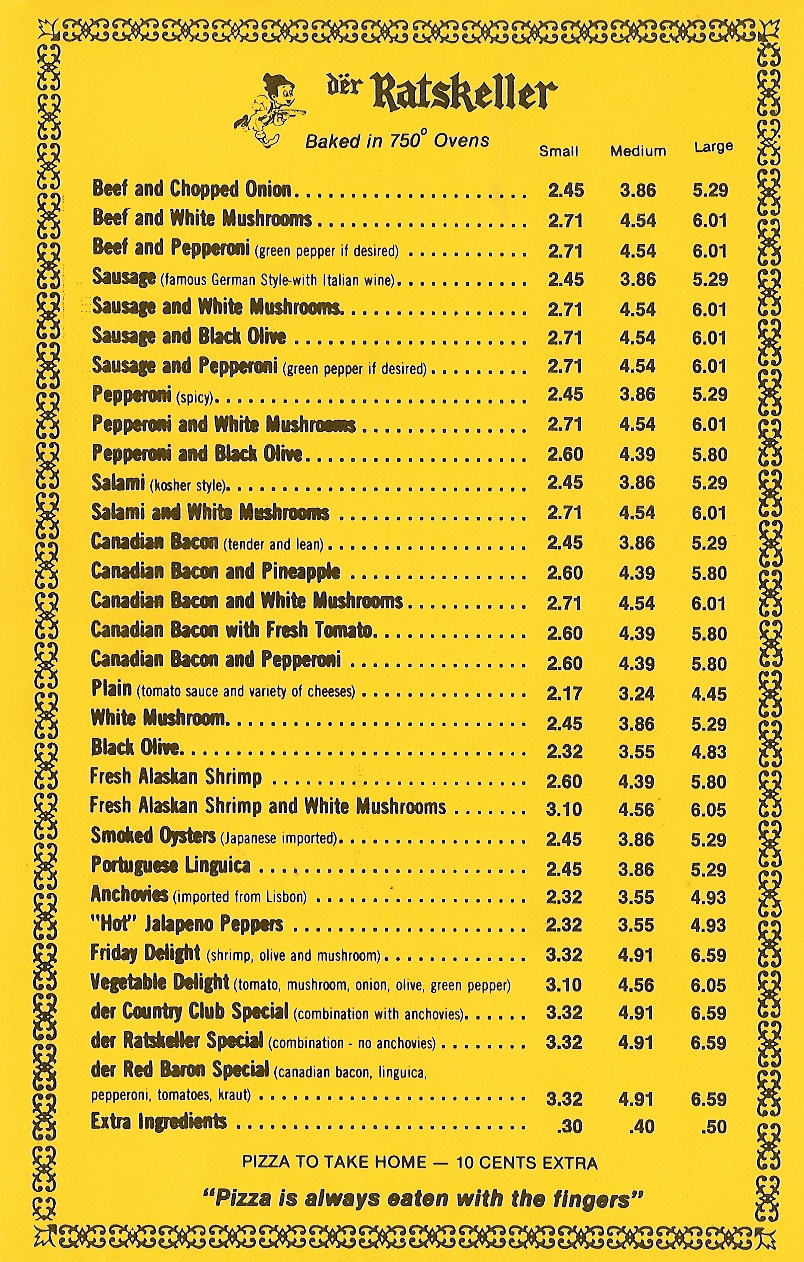
The menu above shows a later iteration of the restaurant’s offerings than they served in the first two stores, but most of the old standbys were there.

The Ratskeller made an effort to use only the best ingredients. They used Hormel dry Italian salami and pepperoni, which was sliced at the restaurant for freshness. The ground beef was mixed with red Burgundy wine, onions, salt and pepper; and the sausage was mixed with Sauterne, salt, pepper and caraway seeds. Abundance was the watchword. A “Rat” was made by loading a crust with sauce, cheddar and mozzarella; placing salami on the pizza as closely as possible without overlapping the slices; and then filling in all the gaps with pepperoni so that no cheese was visible. Heavy amounts of beef and sausage were added, followed by mushrooms, split black olives (placed by hand, face down!) and if desired, onions and green peppers. A pepperoni pizza was made such that the entire surface of the pizza was covered with meat – no cheese visible. The Country Club was a Ratskeller combination with anchovies. Portuguese linguiça was a specialty sausage that was not available at other pizza restaurants.

The pizza crust was also unique, and that I can tell you how to make – at least, in 50-pound batches.

42.5 lbs flour
1 C Powdered Milk
1 C Salt
1 C Sugar
1 C Diastatic Diamalt
6 oz. active dry yeast
2 lb. lard
3 gal. hot water
2 T. baking soda

The lard was melted in the hot water in a large commercial mixer, and the other dry ingredients (except the flour) were added. When everything was mixed, the flour was put in – we never weighed it, but you got a feel for where to pinch the 50-lb bag off to get just the right amount. Mixing dough was more of an art than a science – you mixed it until it looked like it was still too dry, and then dumped it out into a large plastic bucket lined with a plastic bag, and left it to rise overnight. In the morning it was perfect – and when it was punched down, it would exhale enough carbon dioxide to asphyxiate the entire Chinese army, or give a kitchen worker a real buzz (but you never heard that from me).

The dough was then rolled out with an industrial roller into a ribbon about 17” wide, and the skins were cut out with huge cookie-cutters, well-floured, pierced, stacked on pizza tins in groups of a dozen, and refrigerated. These could then be peeled off and loaded as needed. Rolling skins was also an artistic venture, and I learned from the fastest roller in the company, Bill Medlin.

For your gratuitous pleasure, here’s the same recipe cut down to family size:

Proportional Recipe (Makes 2 crusts)

3 C flour (1 lb.)
1 ¼ tsp. Powdered Milk
1 ¼ tsp Salt
1 ¼ tsp Sugar
1 ¼ tsp Diastatic Diamalt
¾ tsp active dry yeast
4 Tbsp. lard
1 1/8 C water
1/8 tsp. baking soda

Into hot water, mix lard until dissolved. Add all dry ingredients except flour and mix until dissolved. Add flour. Mix until dough begins to form together – it may look too dry, but you don’t want to mix the dough until it’s soft and elastic like you would for bread dough.

Turn out into a greased bowl, cover, and let rise overnight.

Punch down, turn out, and cut into two pieces.

Roll out the crust with a rolling pin to 1/8” thick. You may want to fold the dough in half twice and roll it out a couple of more times. Pierce with a fork in numerous places to avoid bubbles. Load up and bake on a pre-heated pizza stone on the hottest setting your oven can manage.

Ratskeller Menu Inside Left

Ratskeller also made some really nice sandwiches, on French sourdough or nice rye rolls brought in from local bakeries. Working there for a full shift, you always got a meal – either a sandwich or a personal-sized pizza which you could make yourself, and I always experimented with numerous odd combinations. My favorite was Canadian Bacon with mushrooms, fresh tomatoes, and smoked oysters.

I lived on pizza for about three years. Mistakes were not common, because the staff was well-trained, but when one was made – either a wrong order or an overdone pizza – it was usually placed on top of the oven where it evaporated quickly. As I mentioned in another post, sometimes (not often), the guys in the kitchen would get tired of pizza, and we’d trade a bunch of food with the guys across the street at Piccadilly Fish and Chips.

As time went on, the restaurant opened branches across from the Salt Palace, in Millcreek, and in Cottonwood Heights. Working double shifts with no overtime got to be more than I could handle, and I left the Ratskeller in January of 1974 and moved to Pipes and Pizza. As a result, I’m not privy to the remaining story of expansion and decline, but I know the quality of the food was not an issue – they made the best American pizza I have ever had. My suspicion is that they expanded too far and too fast, had management problems in their additional locations, and that their generous formulas became economically unviable. Whatever the case, I remember their food with great fondness; as the company has not existed for decades, I wish dearly that I could get my hands on their sauce recipe for my own use at home. And I wouldn’t say no to that roquefort formula, either.

Oh, and that map I mentioned at the beginning? Here it is, showing the nearest pizza chain of the most popular national brands:

tumblr_mvxouxvAMK1rasnq9o1_1280

An old forum acquaintance of mine, who went by the handle “Grassy Noel,” came up with the best pizza-related slogan I have ever heard:

“Pizza will get you through times of no answers better than answers will get you through times of no pizza.”

So If you’re distraught, this map will give you an idea of places you don’t want to be.

The Old Wolf has spoken.

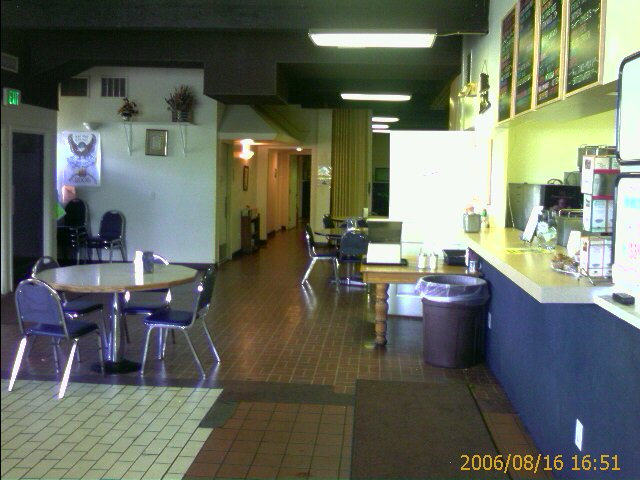
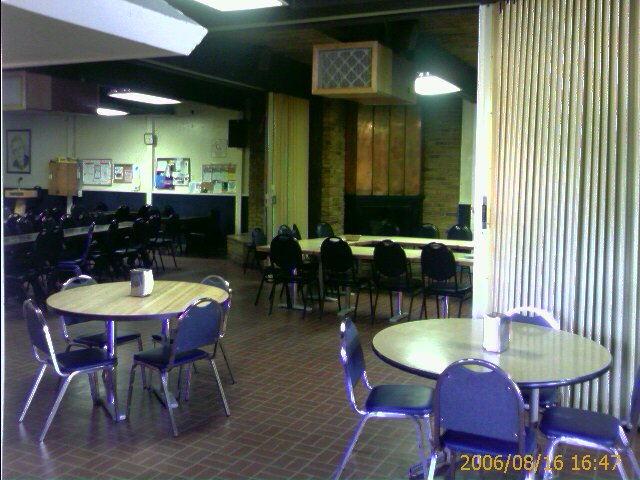
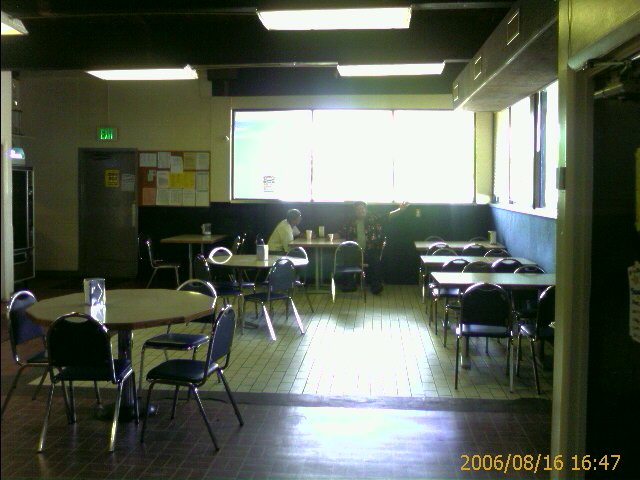
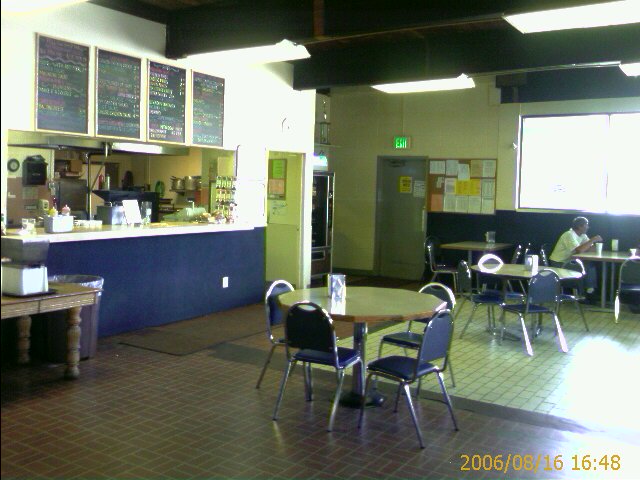
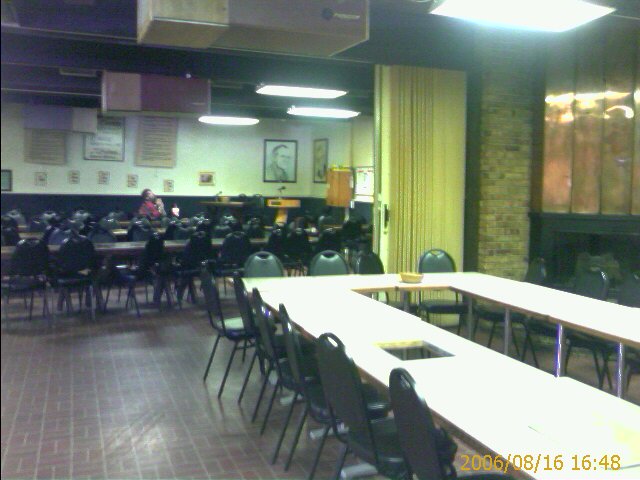
[1] Now a French patisserie, the Gourmandise. The Sugarhouse location became “Fellowship Hall,” a drop-in center for veterans where 12-step meetings were also held. The pictures below show the interior, and some features are still recognizable.

IMAGE_00002

The kitchen area converted into dining tables.

IMAGE_00003

IMAGE_00004

The fireplace and dining areas are still largely the same.

IMAGE_00005

Showing the rear office areas

Ratskeller Remodeled 2008

Dining areas

Kiwis know BBQ.

If you’re not up on the slang, a Kiwi is someone from New Zealand. Over at reddit, user /u/whetu lays down some sincere guidelines for how to host the perfect one. The comments have been only slightly bowdlerized for my audience.

4485072679_76f32e7191_z


Sometimes a circle of friends has that friend who rises above the rest and gets decreed the master of the grill. Unfortunately for me, in my circle of friends, I am that guy. I’m not that hard core about BBQ’s either, but I’ll offer the following:

  • Start by getting your act together. Make sure you have cooking oil/spray, any herbs/spices/sauces, tools, FOIL, enough of whichever flammable you’re using, rubbish bins, ice buckets etc
  • Ambiance. Line up some tunes that set the mood. Last BBQ I ran, I queued up all sorts of summery music: Black Seeds, Breaks Co-Op, UB40, Katchafire, Herbs, right on down to Groove Armada… You also need to be selective about the mix. You can’t just chuck together albums from a few select artists and hope for the best. You don’t have to like it either. It’s background music for a BBQ, not a rave.
  • If you know in advance that the BBQ’s going to happen, marinade something. Ribs? Oh yes. Does it matter how? Not really. Find a recipe online that has decent feedback and try it. If the BBQ’s at your place, take it up a notch and slow-cook those bad boys.
  • If you’re going to a BBQ on short notice, NEVER get sausages. EVERYBODY gets sausages. Get fresh mussels and a bottle of white wine instead. Mussels are cheap and stupidly easy to do on the BBQ.
  • If you do buy sausages, get decent ones from a proper butcher. Not the bag of “contains 30% meat” sausages. I worked in a butcher shop for a decade, don’t get me started.
  • On that note: If you’re going to a BBQ, don’t arrive with sausages and eat all the steak. That’s ignorant behaviour deserving of an uppercut. Likewise, don’t bring a box of Tui and then help yourself to the range of microbrewed/craft/imported beer that others have brought along. Don’t be a jerkwad.
  • Start with a clean BBQ. If it’s messy, run it for 20-30 minutes, then clean it, oil it, let it come back up to temperature and then start using it. Chastise the moron who left it in a mess.
  • Learn/know your grill. They almost all have hot spots. Learn to use the hot spots for cooking and the colder spots for keeping cooked food warm. If it has a warming rack, use that to your advantage.
  • If you’re the master of the grill, make sure you’ve got a deputy. Someone to hang around, talk to, hand you beers and to take over as needed. You’ve gotta leave the grill at some point to visit the facilities or something. Don’t let the responsibility of your tongs fall to your mate Johnny “It’s not burnt: it’s Cajun Style” McDoughhead.
  • It’s not all about you. Rotate with your deputy. When you come back, hand them the beers, let them run the grill until they need to go themselves. Cheekily blame them for anything that’s overcooked.
  • Hygiene, dipweed! Did you just use the bathroom and not wash your hands? Or cross-contaminate from raw to cooked food? That’s twenty vigorous whacks with the tongs.
  • I like to have a special needs corner of the BBQ for the pain in the butt participants: the friend who likes his lamb chops cooked to ash, the mum whose kid apparently gets hyper unless their sausages are preservative free, the born-again whatever whose halal sherka derka goat chops need to be cooked with blessed oils, the friend’s preachy level-8 vegan girlfriend and her soysages… that kind of thing. Yes, I have experienced all of those things.
  • Cheap meat, grazing foods (e.g. mussels) and pain the butt participants are dealt to first.
  • Experiment with the cheap meat to see what flavour combinations work. I have a lemon tree right next to my BBQ so I’m always chucking lemon juice or lemon zest onto things. Lemon and cayenne pepper steaks is a favourite combo of mine. I also wipe the grills with a sliced lemon as part of cleaning.
  • Don’t cook all of the sausages. You’ve been to BBQ’s before: you know they’re not all going to be eaten. Last BBQ I ran (40 odd people), 6kg’s of sausages arrived. I cooked maybe half a kilo. It wasn’t all eaten. The rest went into the freezer.
  • Don’t prick or pierce the sausages. Fat is not evil. Leave it in the casing to help cook whatever meat is in there.
  • Patience is a virtue. One friend in our circle is banned from grilling because he thinks there has to be a theatre about it; throwing good booze on there to get flames spewing forth and constantly messing with meat. That’s not how you get your steaks perfectly cross-hatched. That’s how you overcook things. Put the meat on and leave it the hqiz alone until it needs to be touched again.
  • Seriously. One of the most important things you can do to improve all aspects of your cooking is to learn patience.
  • The exception is if you need to constantly flip your meat, say you’re doing a steak Heston Blumenthal style. If that’s the case, you likely know what’s up and don’t need this stupid list.
  • Further to that, put your meat in a roasting dish, loosely cover with foil and let it rest. This is doubly important with steak. It’s the difference between dry, chewy steak, and perfect juicy goodness. Any hands attempting to get at those steaks before, say, five minutes of resting? Whack them with your tongs. This, more than anything else, is the reason I was promoted to master of the grill. There’s something to be said about a steak that bites clean and juicy.
  • Yes. Even a cheap-ish cut of steak like rump can yield amazing results if you handle it properly. It’s also a great cut for practising with.
  • You’ve got foil. Use it wisely. You can use it to protect wood skewers.
  • One of the boys shows up with some fish he caught that morning? Poisson en papillote au barbecue, baby! Gut and scale, stuff with whatever herbs are handy, salt and pepper, squeeze out half a lemon’s worth of juice all over, the other half cut into slices or halved again and packed in there. A decent knob of unsalted butter. Wrap it in parchment paper, then a newspaper and tie it up with butcher’s twine. Soak the paper briefly in water and biff it on the warming rack of the BBQ (failing that, turn the BBQ down and try the plate rather than the grill). Look around for recipes for this great cooking method.
  • Veggies. This might make it easier on the people entrusted to that task: Get them to boil the potatoes until they just start to soften, then transfer to squares of foil. Throw in whatever else: sliced carrot, asparagus, capsicums, mushrooms, baby onions… season to taste (e.g. lemon and cayenne pepper again) and add a knob of unsalted butter. Fold them up nice and tight into parcels. They take 10-15 minutes on the BBQ, if that. This tends to be better suited to a BBQ with lower attendance, say, some friends come over for dinner kind of thing.
  • You can do courgettes in a veggie parcel, but I prefer to do them straight on the grill. Cut in half, season, cook cut-side down on an angle for a few minutes. Flip once. Few more minutes.
  • Have some respect: Thank whoever sorted out the rabbit food salads.
  • Have some respect: It’s not all about the grill. You should help with setup and cleanup, and if you’re any good, you’ll be cleaning as you cook.
  • Importantly: Have some respect: So you’ve been invited to a BBQ and the grill isn’t your preferred type? You prefer a Weber charcoal BBQ manned by scantily-clad Swedish models. How dare these people who invited you here use a gas BBQ?! Why, you should just give them a piece of your mind! On the other hand, you know where your house is.
  • The master of the grill generally gets kudos but misses out on the good stuff. If you want awesome steak, you need to set aside a stash for yourself (e.g. warming rack), or eat as you go.
  • When it’s all done, let the BBQ just cook off for 10 minutes, then give it a clean by whichever way you find appropriate. Then switch it off, and lightly oil the grill and plate to protect them, leaving it good and clean for next time. Find the moron who left it messy last time and chastise them again.

I thought I’d just reinforce a point. I touched on it earlier. In a word: experiment! The absolute best BBQ’s I’ve been to have had people arriving with foods with all sorts of marinades, spices etc. I had a Greek boss once and he’d host staff xmas parties at his place. The coal cooked kebabs were to die for. I had a friend bring a South African mate from his rugby team around to one of my BBQ’s, and he brought some kickass spicy Boerewors and some Braai skills. It goes on…

So experiment with marinades, herbs, spices, flavours. You will fail sometimes, there will be recipes online that have great feedback but just aren’t to your taste, but the times where a combination works are the times that you really remember.

/u/That_One_Australian has pointed out that I didn’t go into detail about correct steak procedure. This was intentional because I didn’t want to go on forever about aging, temperature, correct seasoning etc. Perfect steak method videos are frontpage news all the time. Educate yourself, integrate tips from all of the below into a method that you like (experiment!), they apply to BBQing:

Note: American friends please note: Kiwis use the term BBQ to describe the event (you may call it a cook/grill out), and the grill – both charcoal and gas. Keep in mind: You’re not the target audience. Accept the cultural/regional difference.


I’m by no means a champion grillmaster, but I’m learning – and this was an amazing tutorial. I’ll definitely be taking pages from this individual’s book.

The Old Wolf has spoken.

Drool

Drool

All the beer; all the coffee

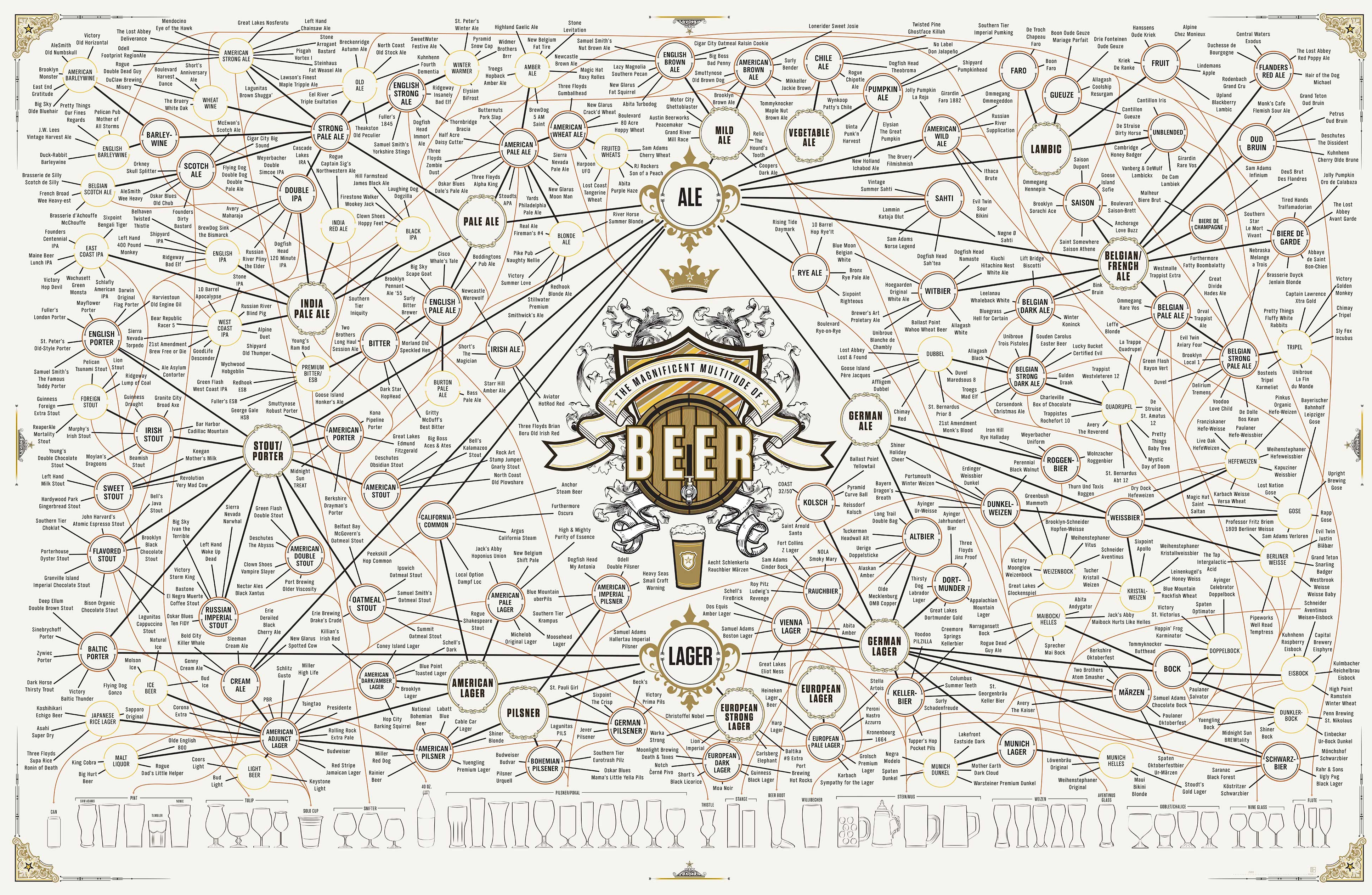
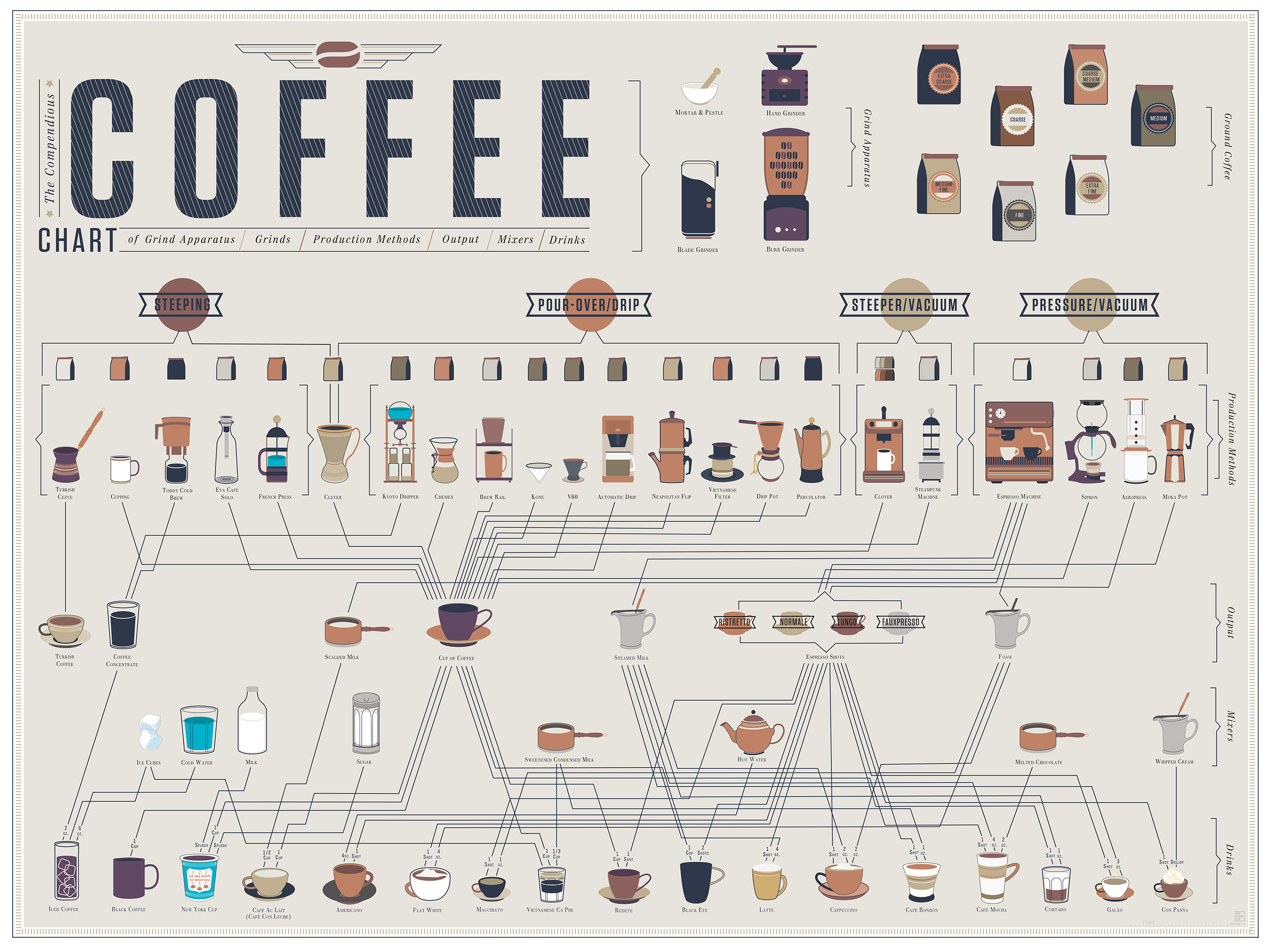
The folks over at Pop Chart Lab have been busy. They do impressive work; here are two of their infographics which delineate just about everything you would need to know in order to become an impressive beer snob or a really skilled barista. These infographics are large – click for a full-size version.

Beer


All the beers, and the kinds of glasses they are served in.

Coffee


Master this, and Starbucks is your oyster.

A blogger over at Fast Company related,

[The] coffee Chart lays out the entire coffee ecosystem, outlining how various methods of production, including the French press, Kyoto dripper, and Neapolitan flip, among others, are used to create coffees, cortados, cappuccinos, and more. Coffee devotees can use the graphic as a way to announce their allegiance to the coffee bean in all its manifestations. For newcomers, it’s a chance to discover that it’s not actually called a “cafe olé.”

Creating the taxonomy was not without its difficulties. “We had to make a judgment call on how to classify the output of the Moka Pot and the Aeropress,” a PopChartLab team member told me. “It’s not quite standard brewed coffee, but we wouldn’t dare call it espresso, so we coined a term for it: fauxpresso.” And while it is, indeed, compendious, there is one notable omission. “I think we got just about every major coffee brewer in here except for K-cups,” he says, “because screw K-cups.”

One of my Aussie mates has been busy with a virtual beer tour around the world (originally in 80 beers, but as of this writing up to 129); I’d love to take that tour with him, as well as sample every possible type of coffee concoction, if it weren’t for the fact that I drink neither beer nor coffee.

But all this is ruddy interesting.

The Old Wolf has spoken.
Iconic Brands by State

We’ve seen basketball and we’ve seen football… now a map showing each state’s most iconic brand. (Click for a full-size version)

Brands

I certainly agree with the choice for Utah; Arctic Circle is known for being one of the first (if not the first) mass distributor of Fry Sauce. One of our 2002 Olympic Pins (several, actually) paid homage to this delicacy:

Fry  Fry2

And as a local alternative to the large national chains, I’ve always enjoyed their fare.

I found the list over at Thrillist; click through for some information behind the choices for each state.

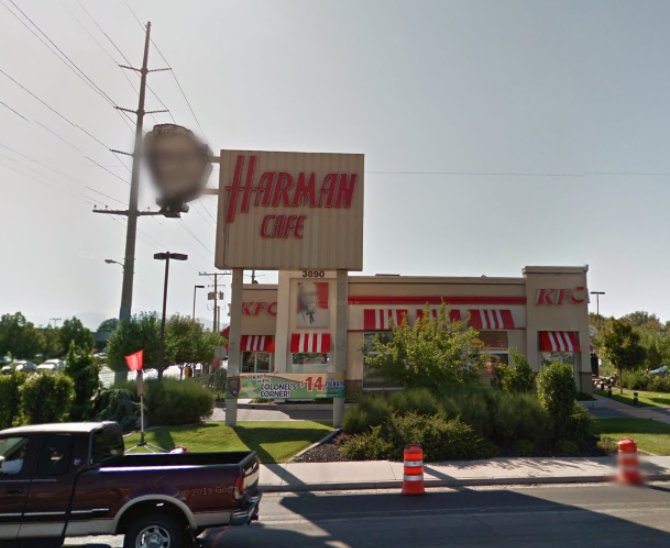
As a gratuitous piece of extra information, most folks don’t know that although Harlan Sanders began his business in Kentucky, the world’s first KFC franchise was opened by restaurateur Pete Harman in Salt Lake City – the first KFC franchise was opened at 3900 South State Street and remains there to this day:

Harman


As an item of curiosity, it appears that Google uses a certain amount of automated facial recognition on their street view images to protect privacy, which sometimes yields amusing results:

Blur

The Old Wolf has spoken.
The Salt of the Earth

If you ever wondered where your salary comes from… Well, at least the Romans did; the Latin word salarium, whence we get our word “salary,” shows that there was a solid link in place between employment, salt, and soldiers, although the link is no longer as clear as it seemed earlier.

Be that as it may, salt has been a critical commodity since the beginning of human history, whenever that was. Æons ago, I read a lovely story to my children, which was since republished by Nina Jaffe and Louise August as “The Way Meat Loves Salt: A Cinderella Tale from the Jewish Tradition“.

rabbi

Many years ago in Poland, there lived a rabbi who had a wife and three daughters. One day, the rabbi asks his children a powerful question: “How much do you love me?” His older daughters profess their love in gold and diamonds, but his youngest daughter, Mireleh, declares she loves her father the way meat loves salt. For this remark, she is banished from her father’s home. 

As the Rabbi comes to learn, Mireleh’s declaration was the most powerful of all.

Salt is essential for life. We can’t live without it; salt is composed of sodium and chlorine, and absent sodium in the diet, hyponatremia can cause coma or even death. Notice that doctors put blood pressure patients on low sodium diets, but not no sodium diets; some is always required to keep the body’s functions balanced. Add to that the valuable nature of salt as a preservative, and you can see why it’s been sought after since the dawn of time. In fact, if you want to read a charming science fiction short story about the discovery of salt as a cooking spice, read “First” by Anthony Boucher.

Have you ever wondered where our nation’s salt supplies come from?  Thanks to the Salt Institute, here a map of North America’s major salt deposits and production facilities (click for expanded view):

salt

Salt production has been central to the area around the Great Salt Lake since the arrival of Mormon pioneers in 1847, and continues today, although Morton now has a near monopoly on salt production in the area.

Salt was so essential to human life that many proverbs sprang up around its use; the following list was located at Seventh Wave:

  • “Give neither counsel nor salt till you are asked for it” English Proverb
  • “A kiss without a beard is like an egg without salt” Dutch Proverb
  • “The fish requires salt” Latin Proverb
  • “Without salt the feast is spoiled” Polish Proverb
  • Bread and salt never quarrel” Russian Proverb
  • “Don’t buy the salt if you haven’t licked it yet” Congolese Proverb
  • “Don’t slaughter more pigs than you can salt French Proverb
  • “If I peddle salt, it rains; if I peddle flour, the wind blows” Japanese Proverb
  • “What is salt to tasteless food what is a word to a foolish head” Turkish proverb
  • “Manage with bread and salted butter until God brings something to eat with it” Moroccan Proverb
  • “As a daughter grows up she is like smuggled salt” Chinese Proverb
  • “The cure for anything is salt water – sweat, tears, or the sea” Swedish Proverb
  • “Better a salt herring on your own table, than a fresh pike on another man’s” Danish Proverb
  • “With fortune on your side you can sow salt and harvest grass” Kurdish Proverb
  • “Eternity makes room for a salty cucumber” Russian proverb
  • “The lucky eagle kills a mouse that has eaten salt” Ugandan Proverb
  • “By bread and salt we are united” Moroccan Proverb

The Salty Old Wolf has spoken.

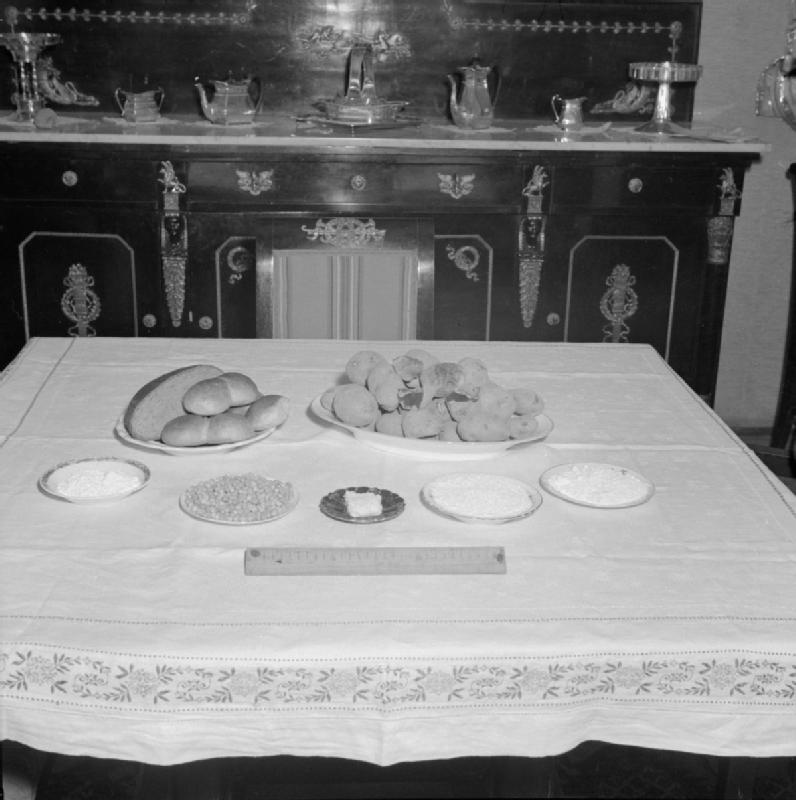
Postwar rations

A typical week’s food ration for a postwar Austrian housewife c. 1945-47

Nr1rCpY

Nit allzuviel. No wonder that Austrian cooking went heavy on the oil later, when it became available again; there’s nothing quite like a Wiener Schnitzel fried in lard.

The Old Wolf has spoken.
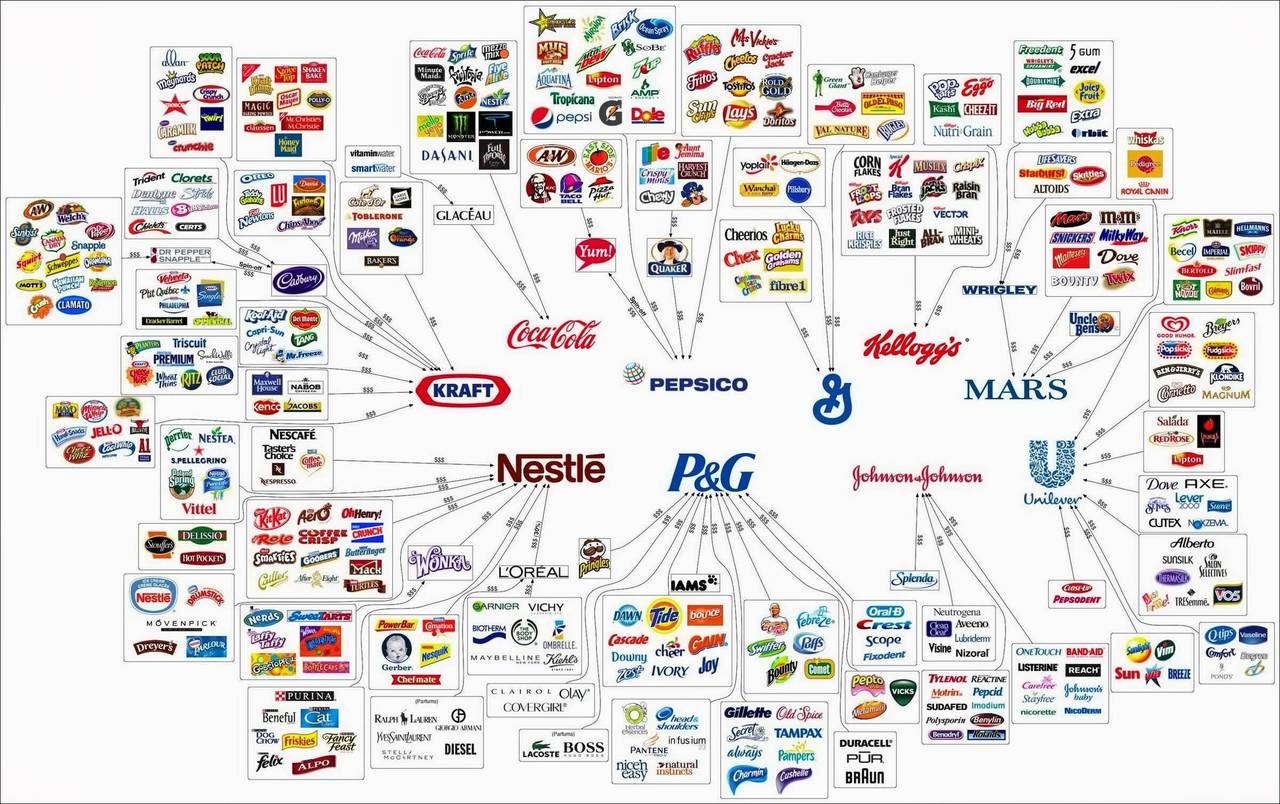
The Illusion of Choice

tumblr_mpfs0vHzhg1sq2igro1_1280


The above graphic (click on it for a larger version) shows how many brands and products are controlled by just nine food conglomerates. The chains go so deep that unless you have a roadmap, it’s almost impossible to know if a product you’re buying comes from an independent producer or one of the giants. Moreover, a number of these large entities have been in trouble with environmentalists and regulators for various advertising violations, health issues, or environmentally-unfriendly practices. If you’re trying to be a responsible consumer, it becomes a lot harder when there’s so much misdirection.

The good news is, the Internet has so much information available that with patience and diligence, almost any question can be answered. Just don’t trust sources like Ask.com or Yahoo! Answers, which are tantamount to the stupid leading the blind.

The Old Wolf has spoken.