Found this video the other day, and it made me smile.
Back in the day, the stores only had VHS tapes (and a precious few, like Video Vern’s in West Valley, had a Betamax section),
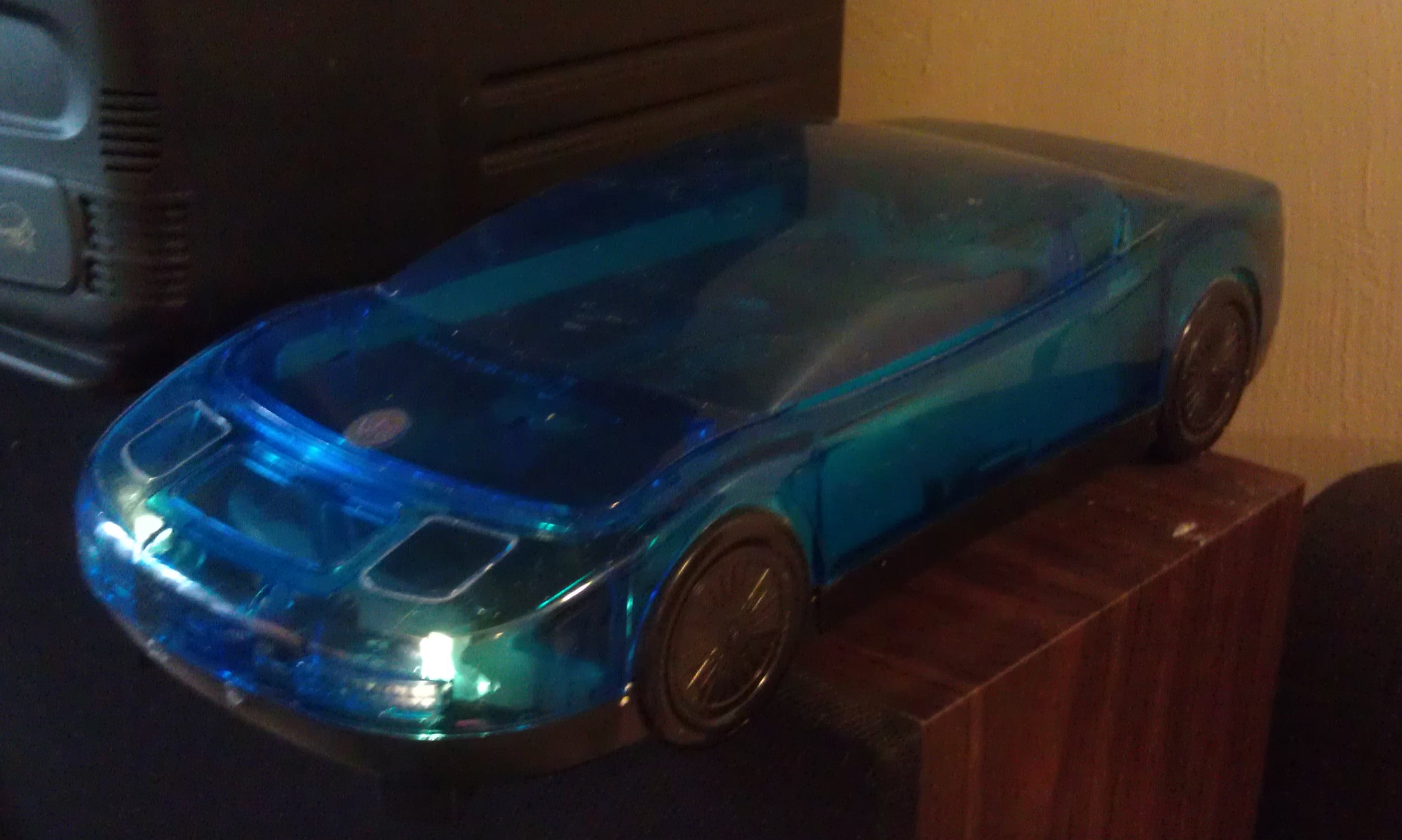
Devices like this were common:
It’s a tape rewinder – ours looks like a car, and the headlights come on while it’s rewinding. That way you could watch another movie while you were rewinding the first one.
Fortunately, with DVD and Blu-Ray formats, such things are no longer essential – but you can still buy one.
Things are so much easier now…
Then again, before the days of home video, going to the movies was a different experience.
When I was a kid, in NYC, you’d pay 50¢ for a matinee ticket. You’d go in and sit down in this massive theatre with one screen, and a big red velvet curtain hanging in front of the stage.
That’s the Byrd Theatre in Richmond, VA – lovingly restored, but that’s what a lot of them looked like.
An usher with a flashlight would help you find a seat if you needed help. The lights would go down, the curtain would go up, and the show would begin.
First, a newsreel. Then, usually, a cartoon. Then another short subject. Maybe some previews. And finally the main attraction, often with an intermission. And when it was all over, you could sit there and do it all again. And again. And again, if you wanted. If you came in late, you could just wait until the beginning came around again. Nobody chased you out. And all for four bits… a great way to escape the summer heat.
Robert Kennedy stops for lunch while on the campaign trail for his brother, John F. Kennedy. Bluefield, West Virginia, 1960. A different world, different times.
Caption from Shorpy: “Spring 1960. “Efforts of John F. Kennedy’s campaign team, including members of his family, in West Virginia during Kennedy’s quest for the 1960 Democratic presidential nomination. Includes brother Bob at a drive-in in Bluefield.” From photos by Bob Lerner for the Look magazine article “The Kennedys: A Family Political Machine.” 35mm negative.”
I have always loved Robert Ripley. As time has gone on, the stories he has reported have been expanded upon and documented; some have proven to be misunderstandings, but very rarely if ever was anything shown to be an outright fraud. The case of Phineas Gage is well-documented; here a comparison of what Ripley reported and information available on the Internet today.
From Ripley’s Believe It or Not, Two Volumes in One, Simon and Schuster, 1934
The American Crow-Bar Case
Phineas P. Gage, aged twenty-five, a foreman on the Rutland and Burlington Railroad, was employed September 13, 1847, in charging a hole with powder preparatory to blasting. A premature explosion drove a tamping-iron, three feet seven inches long, 1 1/4 inches in diameter, weighing 13 1/4 pounds, completely through the man’s head.
Despite this terrible injury young Gage did not even lose consciousness. he made a complete recovery and lived many years afterward.
The crow-bar entered the left side of the face, immediately anterior to the inferior maxillary and passed under the zygomatic arch, fracturing portions of the sphenoid bone and the floor of the left orbit. It then passed through the the left anterior lobe of the cerebrum, and in the median line, made its exit at the junction of the coronal and saggital structures, lacerating the longitudinal sinus, fracturing the parietal and frontal bones and breaking up considerable of the brain. The patient was thrown backward and gave a few convulsive movements of the extremities. He was taken to a hotel almost a mile distant. During the transportation he seemed slightly dazed, but not at all unconscious. Upon arriving at the hotel he dismounted from the conveyance, and without assistance walked up a long flight of stairs to the hall where his wound was to be dressed.
Dr. Harlow saw him at about six o’clock in the evening, and from his condition could hardly credit the story of his injury, although his person and his bed were drenched with blood. His scalp was shaved and coagula and debris removed. Among other portions of bone was a piece of the anterior superior angle of each parietal bone and a semicircular piece of the frontal bone, leaving an opening 3 1/2 inches in diameter. At 10 P.M. on the day of the injury Gage was perfectly rational and asked about his work and after his friends. His convalescence was rapid and uneventful.
Professor Bigelow examined the patient three years later, and made a most exceelent report of the case, which had attained world-wide notoriety. Bigelow found the patient quite recovered in his faculties of body and mind, except that he had lost the sight of the injured eye.
The original crow-bar, together with a cast of the patient’s head, was placed in the Museum of the Harvard Medical School, Brookline, Mass., where it is still on exhibition. Ref.:Boston Medical and Surgical Record (1848).
This particular entry fascinated me as a child. Now, of course, we know more: instead of making a complete recovery, Gage’s personality changed; he became “erratic, irritable, and profane,” his friends called him “no longer Gage,” and he died of seizures around 12 years after the accident. Two very interesting and in-depth accounts of Gage and his injury can be read at Slate.com and Interiorpassage.com, and the Wikipedia article is detailed and impartial. While some of the reported facts about Gage and his injury have been distorted over time, the fact remains that he survived an astonishingly devastating brain injury by 12 years and his accident provided medical science with an opportunity to study the relationship between brain trauma and personality change.
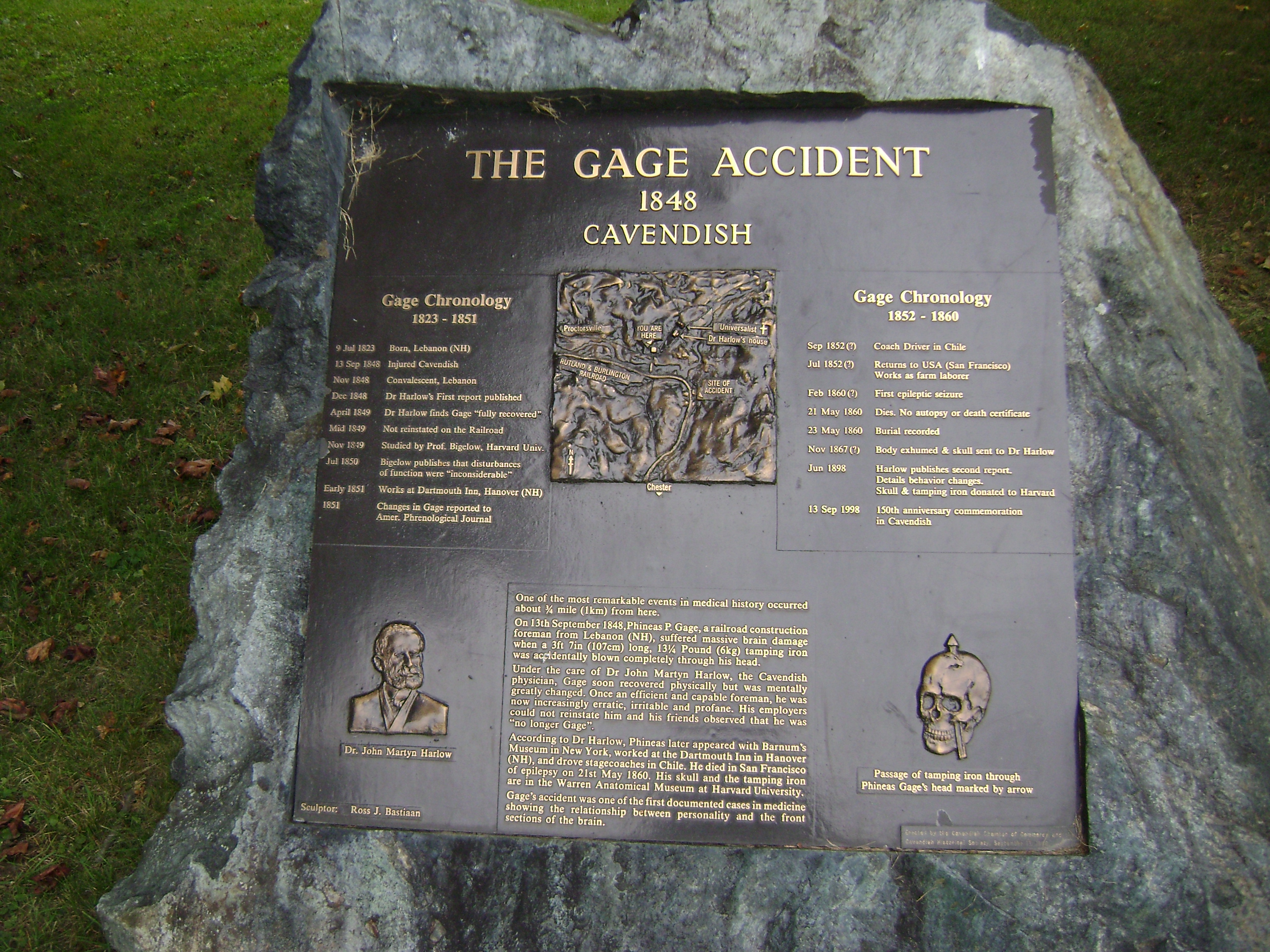
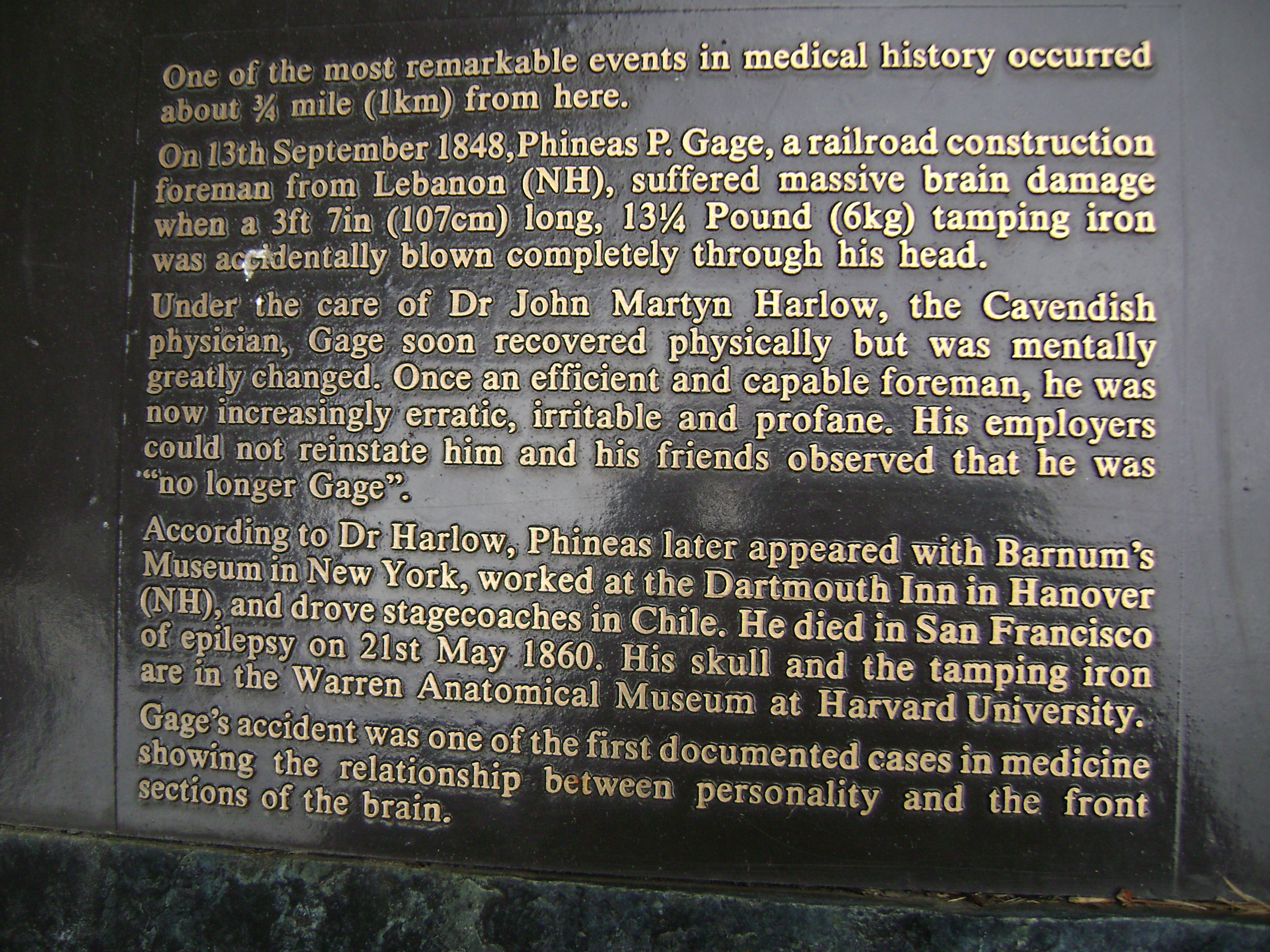
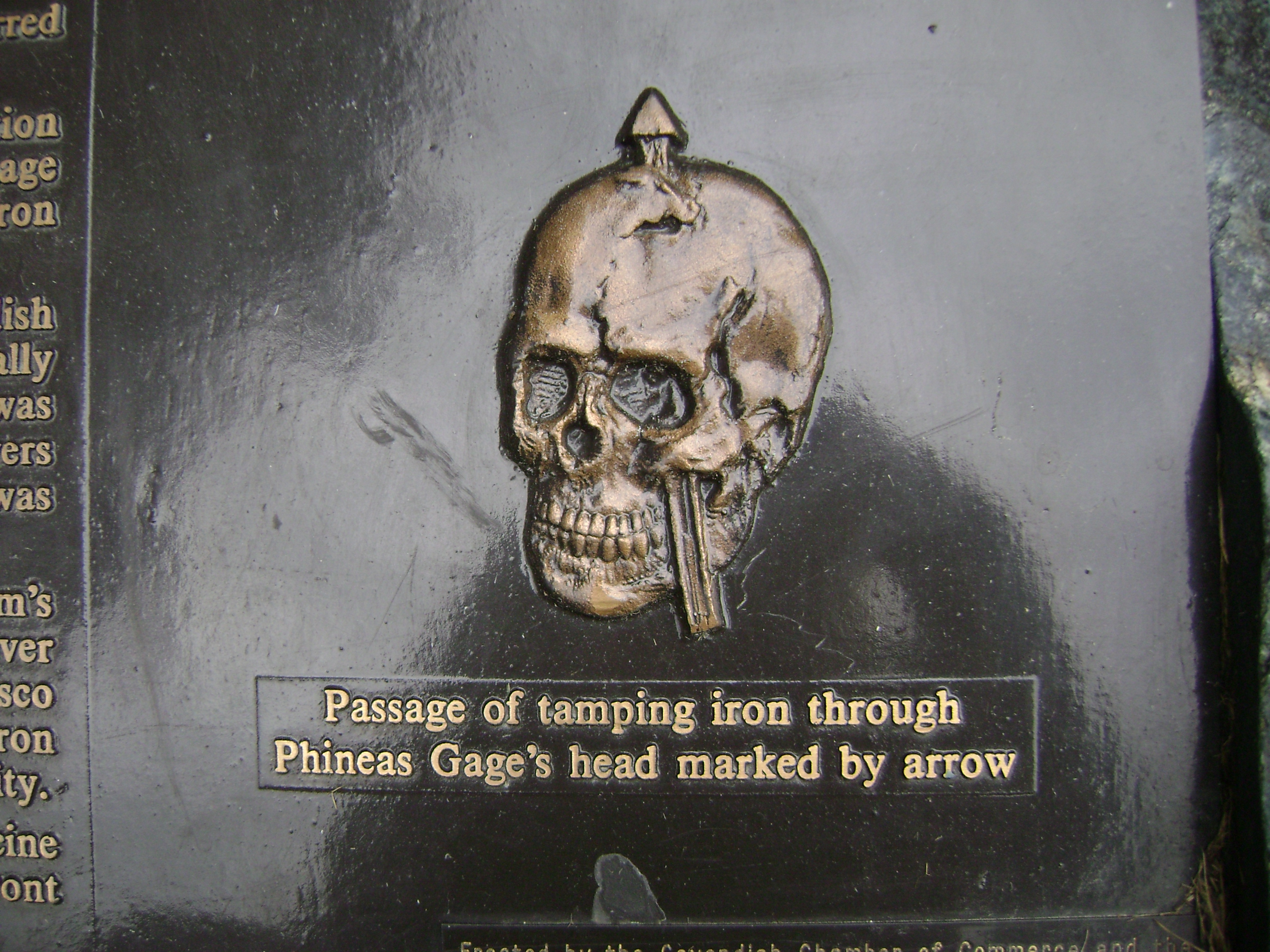
As related in the article at interiorpassage, there is a monument to Gage’s accident at Cavendish, Vermont – the following images (mercilessly ripped from the original article) are revelatory:
Here is an intriguing video about Gage’s experience:
Once again, the Internet provides more information than was available almost 100 years ago; the more time passes, the more accurate such historical accounts become. Ripley did his best, but was limited by what was available in his time. There are still some amazing wonders and curiosities to be found in his books and musea around the country.
“Children of Japan, Germany, and Italy meet in Tokyo to celebrate the signing of the Tripartite Alliance between the three nations, on December 17, 1940. Japanese education minister Kunihiko Hashida, center, holding crossed flags, and Mayor Tomejiro Okubo of Tokyo were among the sponsors.”
A relevant story from my own family history: My father was, in his day, a well-known character actor who began his career in radio. Italian was his first language, and his theatrical gift made him a superb dialectician. One day he was on a sound stage playing Mussolini in a radio play, when the actor playing Hitler became ill; Dad jumped in and assumed the rôle. By some odd quirk of fortune, the actor playing Hirohito also became unable to continue, and so my father ended up voicing all three parts. The director looked at him and exclaimed, “My God, you’re playing the whole Axis!”
There’s something about old photography. It connects me with the past, makes it real, brings it to life. I love scrounging around places like Shorpy and /r/historyporn; I find the most fascinating things there.
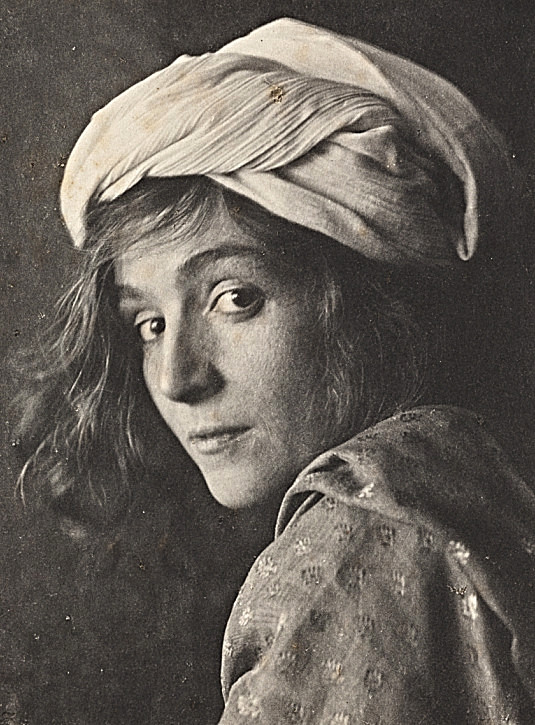
F. Holland Day was one of the first photographers, and the first in the USA, to advocate that photography should be considered a fine art. The photo above was taken in 1907.
F. Holland Day. “An Ethiopian Chief.” Negative 1897; print about 1905
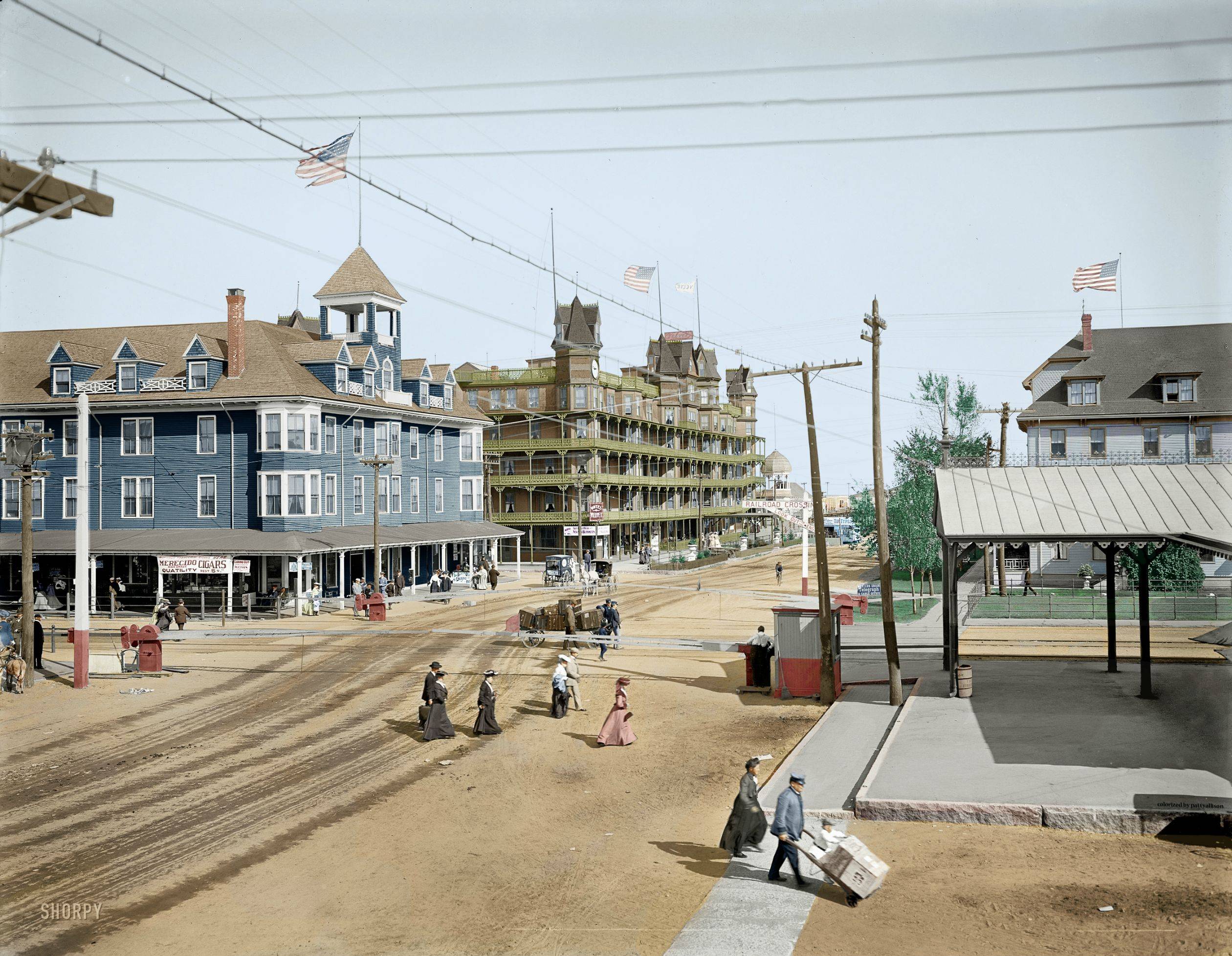
Old Orchard, Maine, circa 1904. “Alberta and Velvet hotels.” 8×10 inch dry plate glass negative, Detroit Publishing Company. Black and White original found at Shorpy, wonderful colorization done by /u/kibblenbits
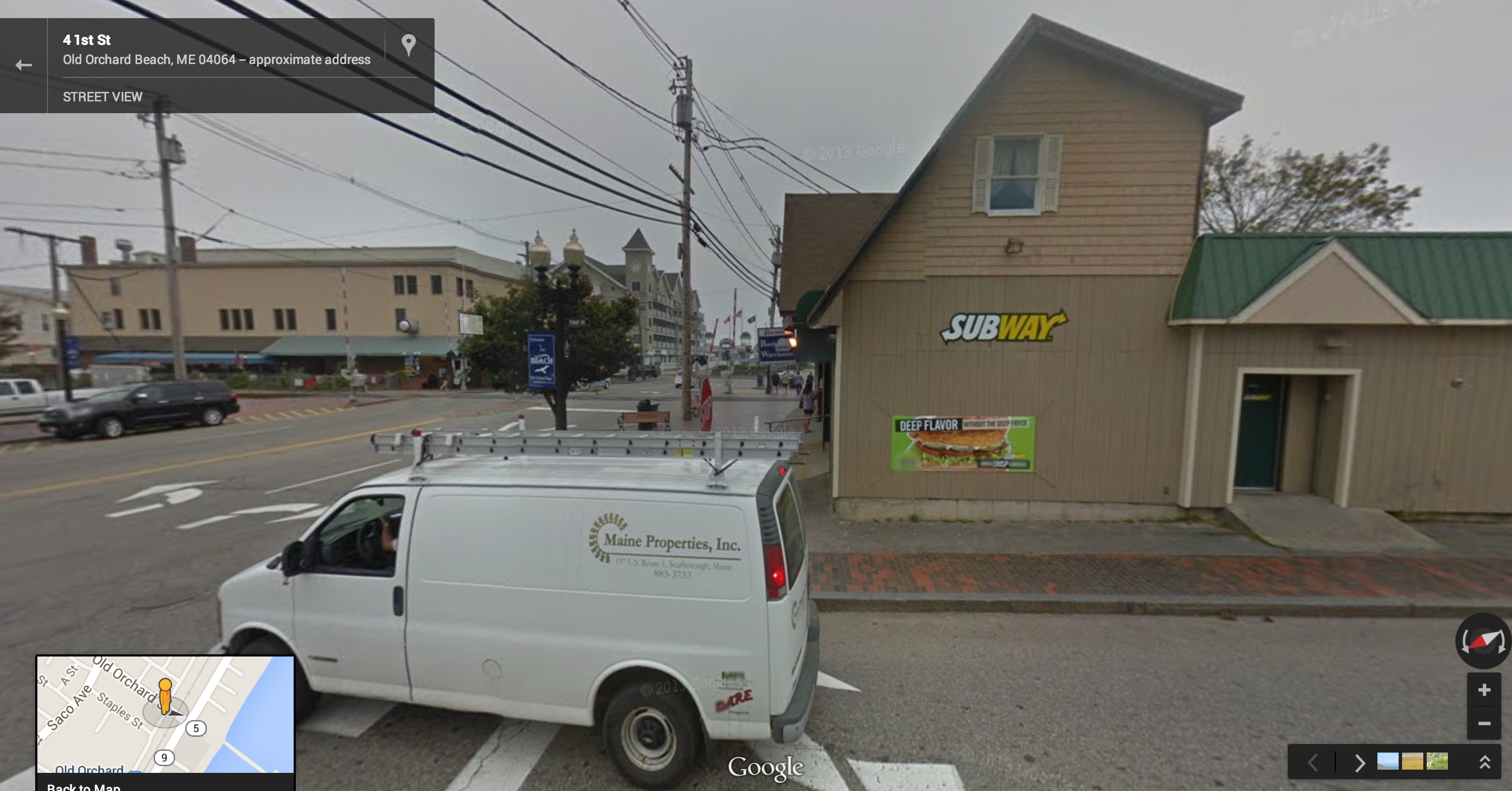
Modern shot from approximately the same angle, dug up by /u/HarvieBirdman.
My wife grew up in Maine, and I’ve spent several summers there. It’s a beautiful place.
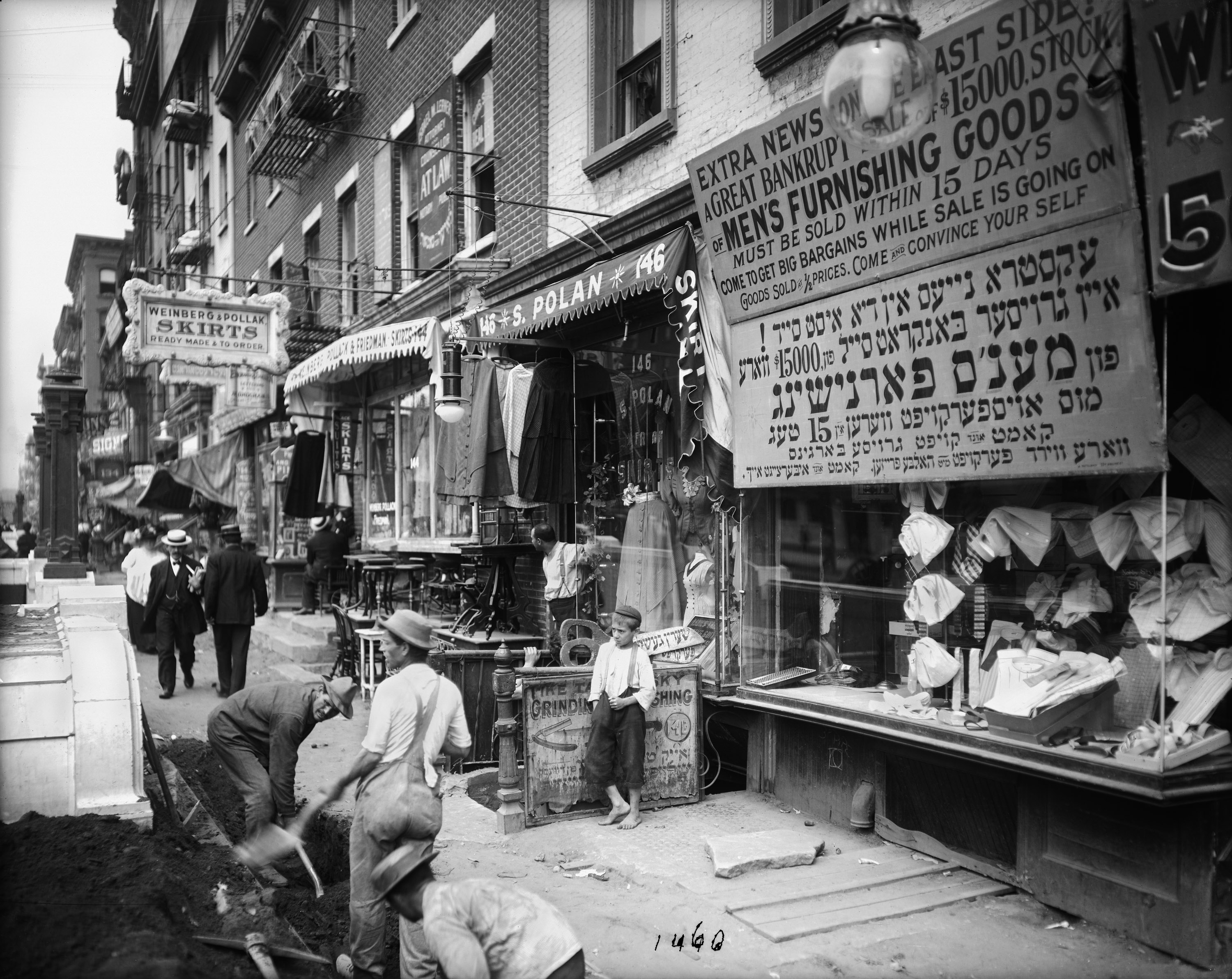
I love this photo, titled “Workers dig along Delancey Street, 1908.” It was taken a year before my father was born, and reflects a New York of which I only experienced whispers as I was growing up there in the 50s and 60s. But there were still hints and shadows, so the picture calls to me.
I love the fact that the Yiddish of New York was so heavily influenced by English that the sign is almost a direct transliteration of the English text, with little bits of German/Hebrew thrown in.
With all its incredible history, warts and all, I ❤ NY. I wish only that I could afford to live there in the style to which I have become accustomed (meaning, comfortable and safe.)








 Playing in the World Game