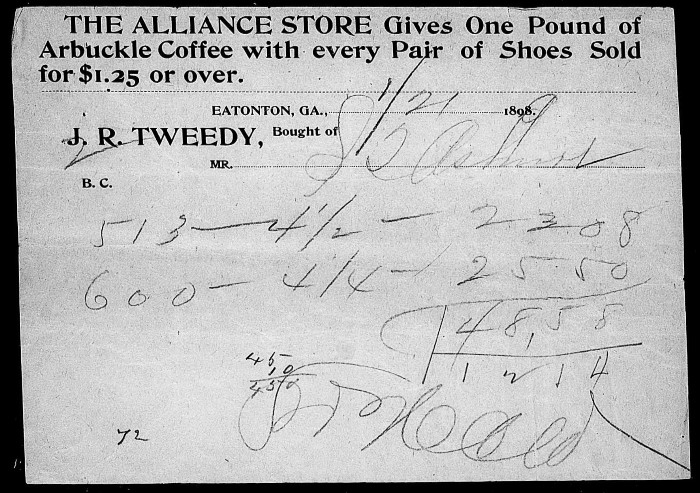
This interesting receipt showed up in some Georgia probate files. Prices back then were insane, compared to today’s – but one must also factor in wages and overall cost of living.
According to various inflation calculators, a dollar in 1898 was worth $27.08 in 2013, making a pair of shoes for ten bits the equivalent of $33.85. And that pound of coffee? 18¢, or about $4.87 in 2013 dollars.
Not a bad Dreingabe¹; today’s coffee runs about $12 to $15 per pound, unless you want kopi luwak, which you can score for $350.00 online if you happen to like coffee beans that have been shat out by a civet.
Saw this image float by in a collection of so-called “rare photographs,” and wondered about the back story.
The Internet, of course, has its own answer for everything:
But that’s not the real story.
The photo is from the back of Johnny’s album, “Strawberry Cake,” accompanied by this text:
“On a hot summer afternoon in New York City, June and I walked through the zoo in Central Park. It was a hot dog and ice cream day. The place was crowed and giving up on the Hassle of working our way through the crowd, we headed back to the hotel to get ready for the concert that night at the Garden State Art Center. As we approached the hotel, I saw a bum lying on the sidewalk in front of the hotel. He never even opened his eyes when I stood over him, June said, “Come On Honey” But I said “just a minute” I walked around him, hoping he wasn’t dead. My shadow fell across him and when I moved on, I saw his eyes flutter as the bright sunlight hit his face. He didn’t open his eyes, but I knew he wasn’t dead. “What are you doing?” June asked “I’m thinking about my friend here, “I said” “that could be me, you know” June came over closer and smiled at me. “That was you a couple of times.” Then she said again, “Come on lets go” The rest of the story is in the song. I became that man. I put myself in his place and my mind, he finally won. I wish I knew who he is, and where he is. I’d send him a piece of Strawberry Cake.”
Below you can watch a Dinah Shore episode from 1975 where Johnny describes the origins of the song and sings it for your listening pleasure:
Lyrics:
In New York city just walking the street
Ran out of money had nothing to eat
I stopped at the Plaza, that fancy hotel
Where you can check in if you’re well to do well…
The first of July and a hundred and four
I stopped at the Plaza’s front revolving door
I stepped in the door and went around for a ride
Treatin’ myself to the cool air inside
Then I found myself in a chandeliered room
Where people were dining and I hid in the gloom
My hunger pains hurt ’til I thought I would break
When a waiter brought out a big strawberry cake
Oh that strawberry cake
Oh that strawberry cake
Out in California them berries were grown
And into this city them berries were flown
For making that strawberry cake
Then I thought of Oxnard, just north of LA
Where I picked strawberries for many a day
Hard work with no future for the harvest was done
And I headed eastward a-travelin’ by thumb
And nobody wanted me here in this town
I felt like a stray dog they all kick around
Them berries reminded me of my bad breaks
I’m hungry and I want that strawberry cake
I deserve that strawberry cake
Deserve that strawberry cake
I ran and I grabbed it then out the side door
Into Central Park through the bushes I tore
Holdin’ my strawberry cake
I look back behind me and what do I see
The chef and headwaiter and the maître d
I had a nice helpin’ of cake as I ran
I gobble them berries as fast as I can
They’re closin’ the gap as I slowed down to eat
But the cake brought a new surge of power to my feet
I hid in the bush when the lead I did take
And I quietly finished my strawberry cake
I ate all that strawberry cake
That fine fancy strawberry cake
Someone at the plaza is without dessert
But for the first time in days now my belly don’t hurt
I’m full of strawberry cake
The rest of the text on the album reads as follows:
“By your possession of this album, you can consider yourself having been present twenty years ago in 1955. At the start of a career and it sound at Sun Records Studio in Memphis Tennessee, as Johnny Cash and the Tennessee Two cut their first record to a recently as September 1975. When Johnny Cash presented at London England’s Palladium his Johnny Cash Concert. From the standpoint of “Sound” to have been present at one would be the same as having attended the other. Times change, tastes change, and in order to conform some artists must change. Johnny Cash changed in keeping with the times; but as it turned out, not keeping with tastes. Many opinions were expressed to John and me, as to what should be done for the sake of conformity. Innovations were tried new arrangements, different material, engineering “gimmicks” but fortunately one item defied change. Through it all the voice and style remained constant and identifiable in some cases, nevertheless still there. If any change is perceptible in today’s recordings, as compared to those of twenty years ago, that change is of time as related to maturity of voice. This album, then, brings us around full circle. Back to the start of a career and sound. To point from which a digression was never needed. Here is what you have demanded. The basic honest, up-front Johnny Cash …. Better than ever.”
While I’ve never been the most devoted country fan – I’ve always preferred bluegrass – Johnny Cash stands out as a notable exception in my own playlists. He was a complex individual, one who was described as a “lens through which to view American contradictions and challenges.” (Miller, Stephen, Johnny Cash: The Life of an American Icon).
Johnny’s music and his life and his relationship with his beloved wife June were sufficient to make him a larger-than-life figure who earned an indelible place in musical history. I’m glad I got to live in his era, and regret only that I never got to see him perform live in concert. His likes will not be there again.
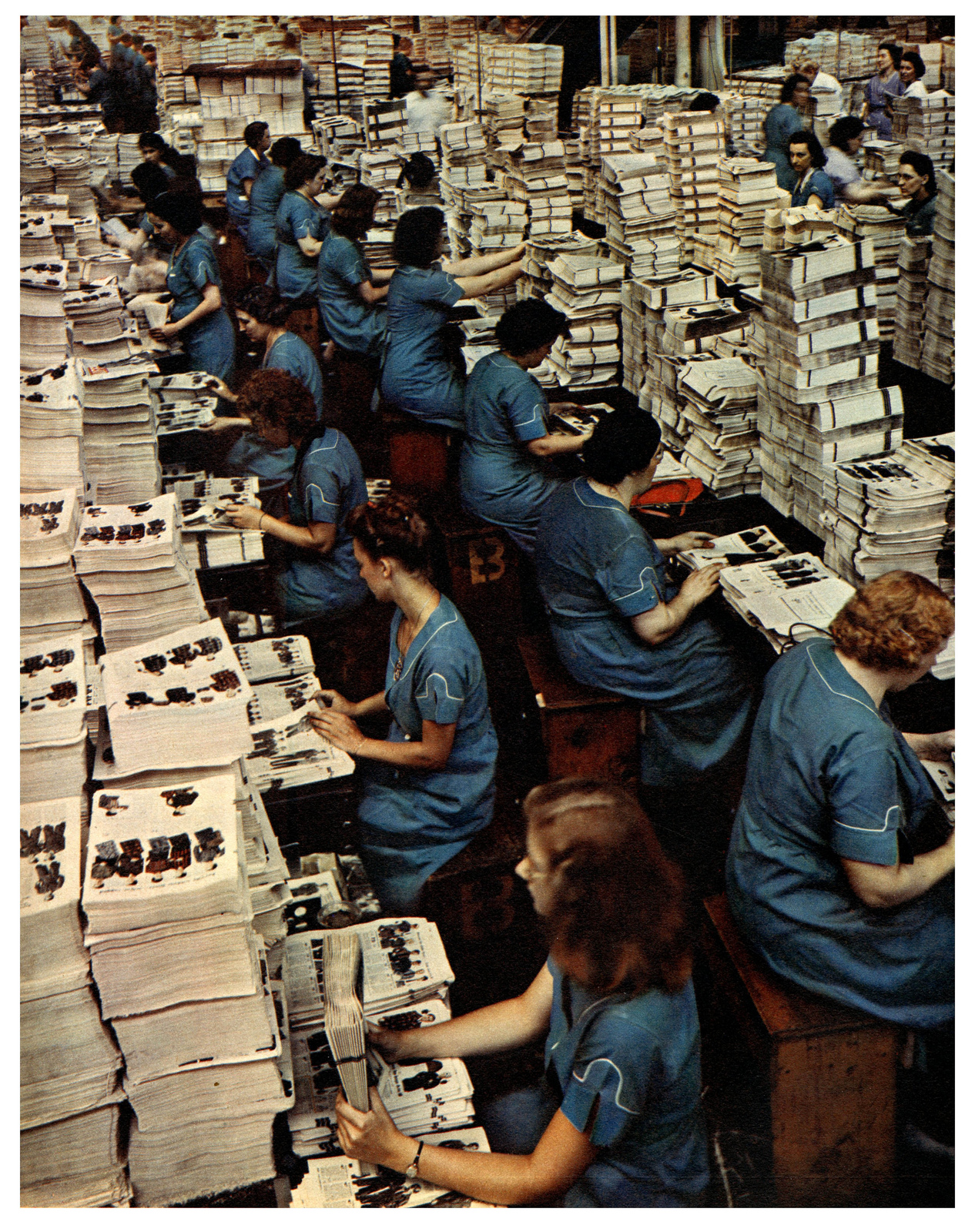
Those catalogs offered just about anything under the sun. They were, in effect, the Amazon.com of the early days.
And those prices. Of course, the average annual salary in 1942 was $2,400, but still.
Not only were the catalogs useful, but they were entertaining as well. And they had the added advantage of being sent to the outhouse as reading material and… uh… other things.
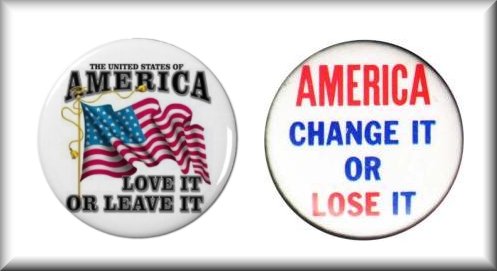
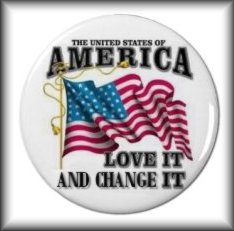
The above buttons represent sentiments that were commonly seen as bumper stickers during the Vietnam War era. The former was by far the most prevalent, but the latter could be seen on the vehicles of anti-war activists. Then, as now, political polarization was the rule rather than the exception.
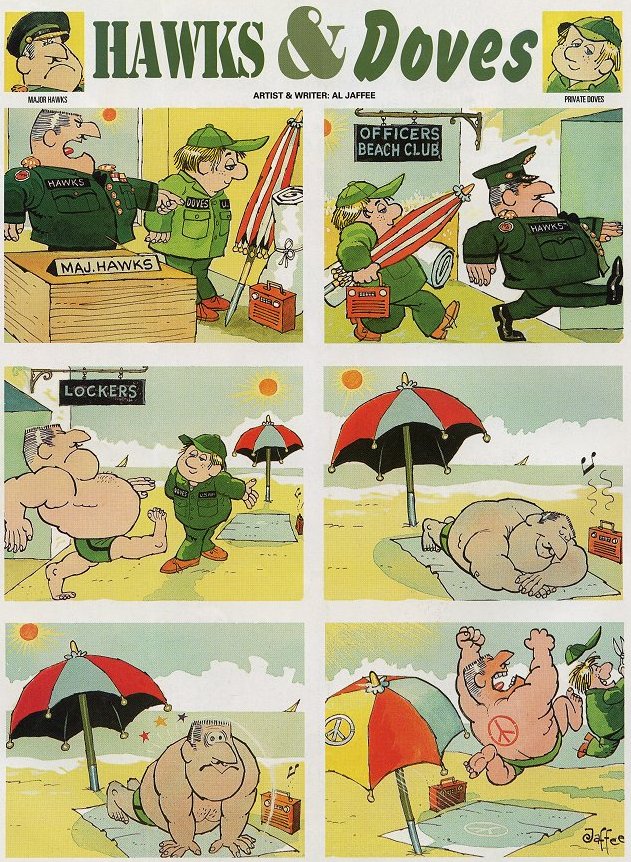
Ever the bellwether of social trends (if only to make fun of them,) Mad magazine featured a recurring segment by Al Jaffee entitled “Hawks and Doves:”
Tragically, the politics of the America that I have known (from Kennedy, who was the earliest president about whom I was old enough to care, to the present day) has been defined by the black-and-white fallacy. I recall my mother having said, “If Goldwater wins, we’re moving to Switzerland.”
The typical “love-it-or-leave-it” stance is epitomized in this song by Joyce Shaffer:
Now that’s a really catchy song, and she makes some good points about government transparency, money and special interests taking precedence over the voice of the people, and similar things – but it still sends a strong message: If you don’t agree with our philosophy, you are less-than and not welcome in this country, and you had best get out.
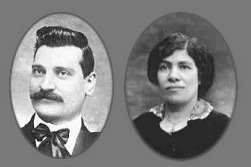
These are my grandparents. They immigrated to this country in around 1900, came through Ellis Island, settled in the great metropolis of New York, and raised a family. They worked their butts off, and although they never were terribly successful at learning English, their kids went to school and did, and became honorable and productive members of this society, all the while injecting some wonderful Italian flavor into the world around them.
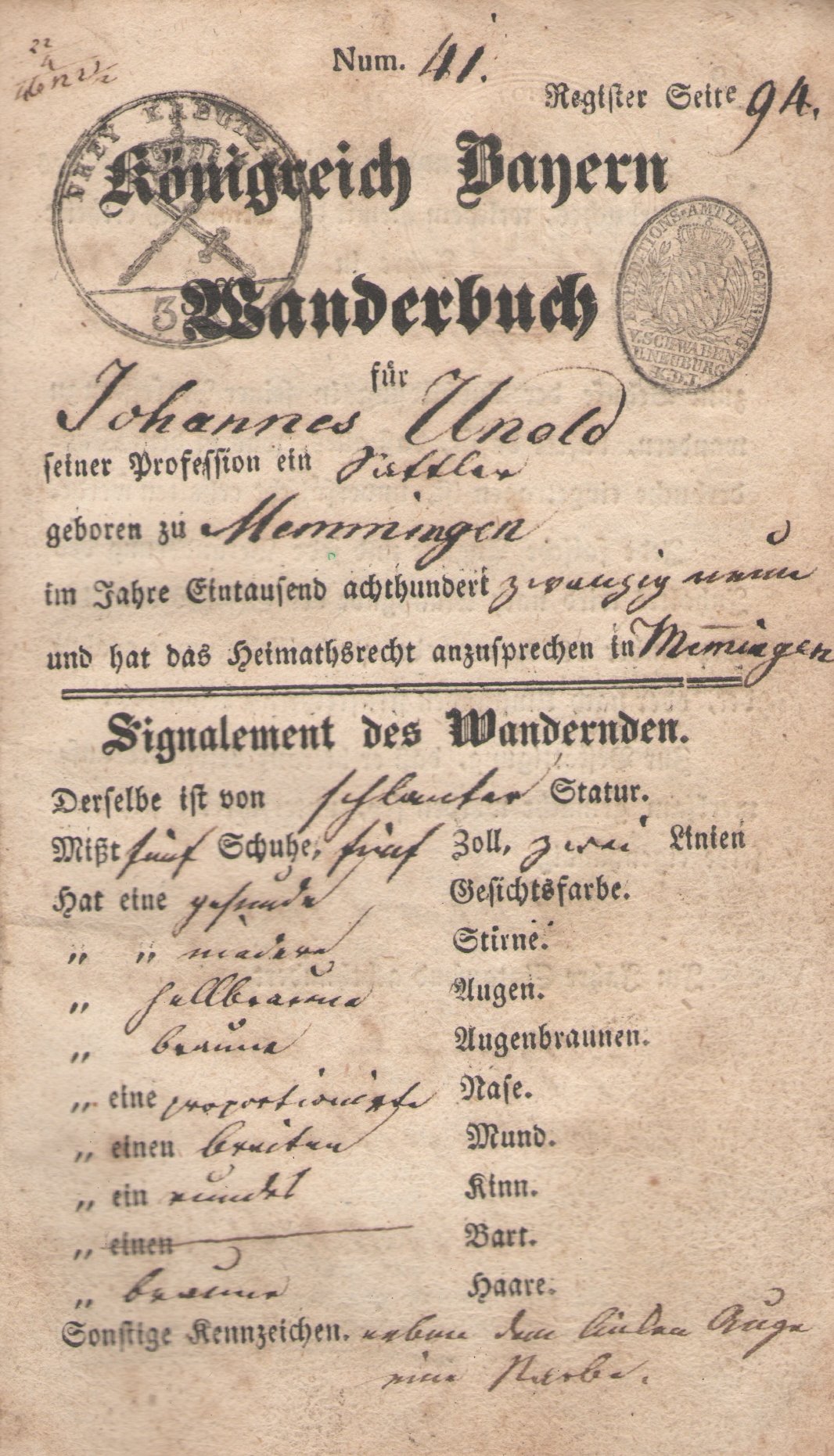
This is the cover page from the Wanderbuch (sort of a hiking journal) of my wife’s great-grandfather, who was born in Bavaria and who came to this country in around 1850. My wife’s father spoke no German, so it’s a good bet that the descendants assimilated well, all the while bringing some German feelings, attitudes and philosophies to the general mix.
The thing about the many waves of immigrants that washed upon our shores is that they came to enjoy and appreciate the freedoms and opportunities that our land has to offer, and were not intent on re-making this nation in the image of the lands of their birth.
Immigration has not been without challenges, and I’ve written about some of the specifics before. Strict interpretation of the “love it or leave it” philosophy can lead to such atrocities as Japanese internment camps, which must never again be allowed to happen.
“Many who say “Love it or leave it,” are sincere. But their tersely stated ultimatum smacks of death not life. For if all who love America uncritically were to stay, and all who criticize America were to leave this nation, described by one of its founding fathers as “the world’s best hope,” would fast disappear.” – Dr. Ernest T.C. Campbell
That said, no group who has come to our country must ever be allowed to re-cast our basic laws and/or constitution to suit their particular ideology – any such attempt must be doomed to failure.
On the other side of the coin, America has changed since its inception. The founders had enough foresight to place into the Constitution a way of changing it, but it had to be a difficult way that made sure any changes reflected the will of the people. It’s not easy to get an amendment passed, but it has happened – and mostly for the good.
The Bill of Rights. Emancipation. Voting rights. And 24 others. Over time, change must happen or a nation stagnates.
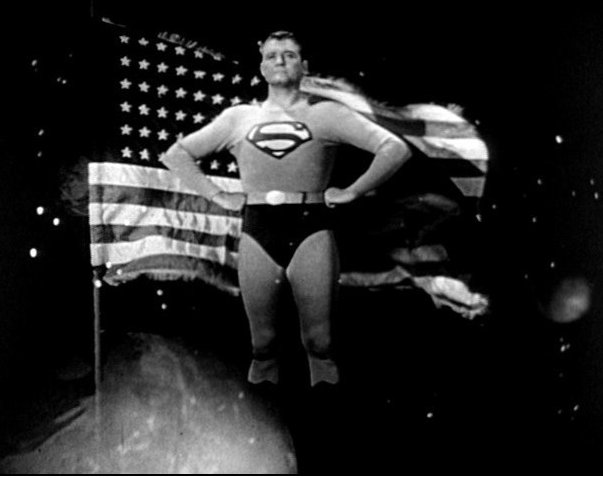
I firmly believe it’s time for our nation to move forward into the 21st century in spirit and not just in calendar date. There are far too many things still wrong in our country; unequal opportunity, the persistence of racism, over-militarization of police departments, a deeply entrenched culture of misogyny, and a continuing belief by those in power over our lives that fighting for “truth, justice, and the American Way” involves running roughshod over other nations to plunder their resources and subvert their cultures to our benefit.
The above clip is part of a show… how I wish it had been a real speech. And it’s not perfect, because it ignores the economic terrorism that was going on under our noses during the great period of history that was being referred to. But it brings up some critical points, and casts the harsh light of reason on areas where our country needs improvement.
Unadulterated “Love it or Leave It” implies a nation that works for only a very restricted subset of our population, and not for everyone. Rigorous “Change it or Lose It” fails to focus on the things that have made and continue to make our nation a desirable destination for many of the world’s citizens.
As with anything, we need to strike a balance:
Those of us who have been blessed with American citizenship by birth, and those who seek to become members under that head, need to have a deep and abiding love for the Constitution of our land and the principles upon which it was founded. But we also need to take a hard look at our country and make a concerted effort to change the things that only work for a few and exert downward pressure on the many, all the while maintaining and defending those parts of our heritage that (in a positve way) set us apart for so long from the rest of the nations of the world.
Education is key. We need to raise new generations of people who are wanter/needer/finders, people who can look around at problems and say, “I can do something about that” and who truly have the skills to do it. In the meantime, I’m doing what I can.
Pictured above is the hilt of Joyeuse (Joyous), reputedly the sword of Charlemagne. Whether or not this is true remains a subject of debate for historians, but there is no question this artifact which resides at the Louvre, is very old. Visit the Wikipedia article linked above for more provenance information.
The sword is mentioned in the Song of Roland (le Chanson de Roland), France’s epic 11th-century poem based on the based on the Battle of Roncevaux in 778:
In the mead the Emperor made his bed,
With his mighty spear beside his head,
Nor will he doff his arms to – night,
But lies in his broidered hauberk white.
Laced is his helm, with gold inlaid, Girt on Joyeuse, the peerless blade, Which changes thirty times a day The brightness of its varying ray.
Nor may the lance unspoken be
Which pierced our Saviour on the tree;
Karl hath its point – so God him graced
Within his golden hilt enchased.
And for this honor and boon of heaven,
The name Joyeuse to the sword was given;
The Franks may hold it in memory.
Thence came “Montjoie,” their battle – cry,
And thence no race with them may vie.
(Translation by John O’Hagan)
Li emperere s’est culcet en un pret.
Sun grant espiet met a sun chef li ber.
Icele noit ne se volt il desarmer,
Si ad vestut sun blanc osberc sasfret,
Laciet sun elme, ki est a or gemmet, Ceinte Joiuse, unches ne fut sa per, Ki cascun jur muet .XXX. clartez.
Asez savum de la lance parler,
Dunt Nostre Sire fut en la cruiz nasfret :
Carles en ad la mure, mercit Deu ;
En l’oret punt l’ad faite manuvrer.
Pur ceste honur e pur ceste bontet,
Li nums Joiuse l’espee fut dunet.
Baruns franceis nel deivent ublier :
Enseigne en unt de Munjoie crier ;
Pur ço nes poet nule gent cuntrester.
I wrote earlier about my encounter with the Rosetta Stone; artifacts of this nature have a curious way of drawing one into their time period, even if only in imagination. I’ve been to the Louvre countless times, but never encountered Joyeuse there; it goes without saying that seeing everything in the Louvre is not an affair for even several visits.
But it’s nice to know that such things are lovingly preserved.
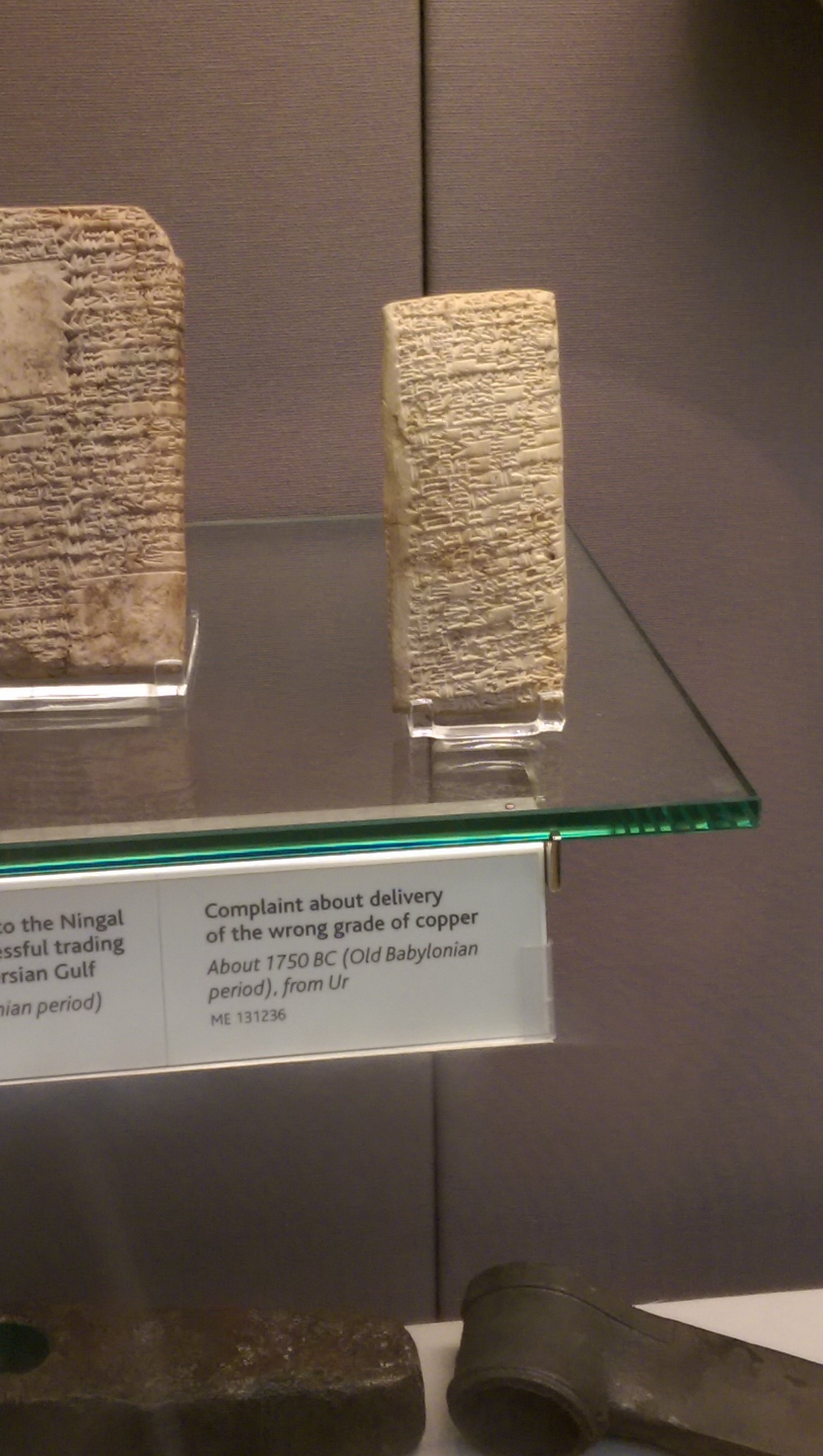
I saw this image pop up on reddit somewhere, and thought it was amusing in light of today’s challenges with companies like Comcast:
Well, of course I shared it round, and then people started asking me about the provenance. Stuff like this tends to go wild on places like Pinterest and Flickr, generally without attribution, so it took me a while to track down some relevant information about the piece.
According to the British Museum, this tablet is currently part of their collection; the description reads:
Clay tablet; letter from Nanni to Ea-nasir complaining that the wrong grade of copper ore has been delivered after a gulf voyage and about misdirection and delay of a further delivery; slightly damaged; 23 + 25 + 3 + 2 ll. Dated 1750 BC, Excavated/Findspot: Ur (Asia,Iraq,South Iraq,Ur (city – archaic))
A little more digging provided me with some intriguing information about the tablet itself, provided by redditor /u/labarna, who claims a PhD in Babylonian astronomy:
If you’re curious here’s the translation of the letter (emphasis mine). This is taken from Leo Oppenheim’s book “Letters from Mesopotamia“:
Tell Ea-nasir: Nanni sends the following message:
When you came, you said to me as follows : “I will give Gimil-Sin (when he comes) fine quality copper ingots.” You left then but you did not do what you promised me. You put ingots which were not good before my messenger (Sit-Sin) and said: “If you want to take them, take them; if you do not want to take them, go away!”
What do you take me for, that you treat somebody like me with such contempt? I have sent as messengers gentlemen like ourselves to collect the bag with my money (deposited with you) but you have treated me with contempt by sending them back to me empty-handed several times, and that through enemy territory. Is there anyone among the merchants who trade with Telmun who has treated me in this way? You alone treat my messenger with contempt! On account of that one (trifling) mina of silver which I owe(?) you, you feel free to speak in such a way, while I have given to the palace on your behalf 1,080 pounds of copper, and umi-abum has likewise given 1,080 pounds of copper, apart from what we both have had written on a sealed tablet to be kept in the temple of Samas.
How have you treated me for that copper? You have withheld my money bag from me in enemy territory; it is now up to you to restore (my money) to me in full.
Take cognizance that (from now on) I will not accept here any copper from you that is not of fine quality. I shall (from now on) select and take the ingots individually in my own yard, and I shall exercise against you my right of rejection because you have treated me with contempt.
This letter is quite interesting because it was actually excavated from Ur, so we have an approximate find spot, which is unfortunately somewhat rare for most cuneiform tablets.
It’s also interesting because of the mention of merchants who trade with Telmun. As far as we know Telmun (or Dilmun) was a polity in the Persian Gulf, probably near to if not located on the island of Bahrain. There was a certain type of merchant alik Tilmun (literally “one who goes to Dilmun”) who was associated with trade in the Persian Gulf. And not surprisingly (if you read the letter) copper was a major part of this trade network. Now it should also be said that there were many trade networks flowing into and out of Mesopotamia at this point and the trade through the Persian Gulf was just one facet of a larger network.
/u/labarna then also links to a pencil sketch of the tablet in question:
We are challenged to compare said sketch to the image of the tablet, and told that this passes for fun among those who study cuneiform. Intriguing indeed, doing such a comparison would give me a headache, and I have nothing but huge respect for those who can decipher such things.
It would be interesting to know the outcome of this particular trade dispute. if Ea-nasir was anything like Comcast, he would have sent back a clay tablet with the Bablylonian equivalent of “It sucks to be you.”
In the early 1970s I spent a year or so in Naples, Italy. While there I acquired a lot of lovely Italian LPs, but I had also brought some music with me from home to play on my portable cassette player. I would listen to these albums endlessly, and they became inextricably associated with my time there.
But time moved on, I moved back to the states, and over the years the two cassettes either wore out or were lost, and ultimately they faded from memory, leaving only an echo. Every now and then I would hear one of the pieces on the radio, but never had enough musical skill to identify them; it took me decades to locate all the pieces I had become so fond of, but finally the list came together and I could find the old track listings and identify the albums, with the additional bit of help that I recalled the albums were released by RCA.
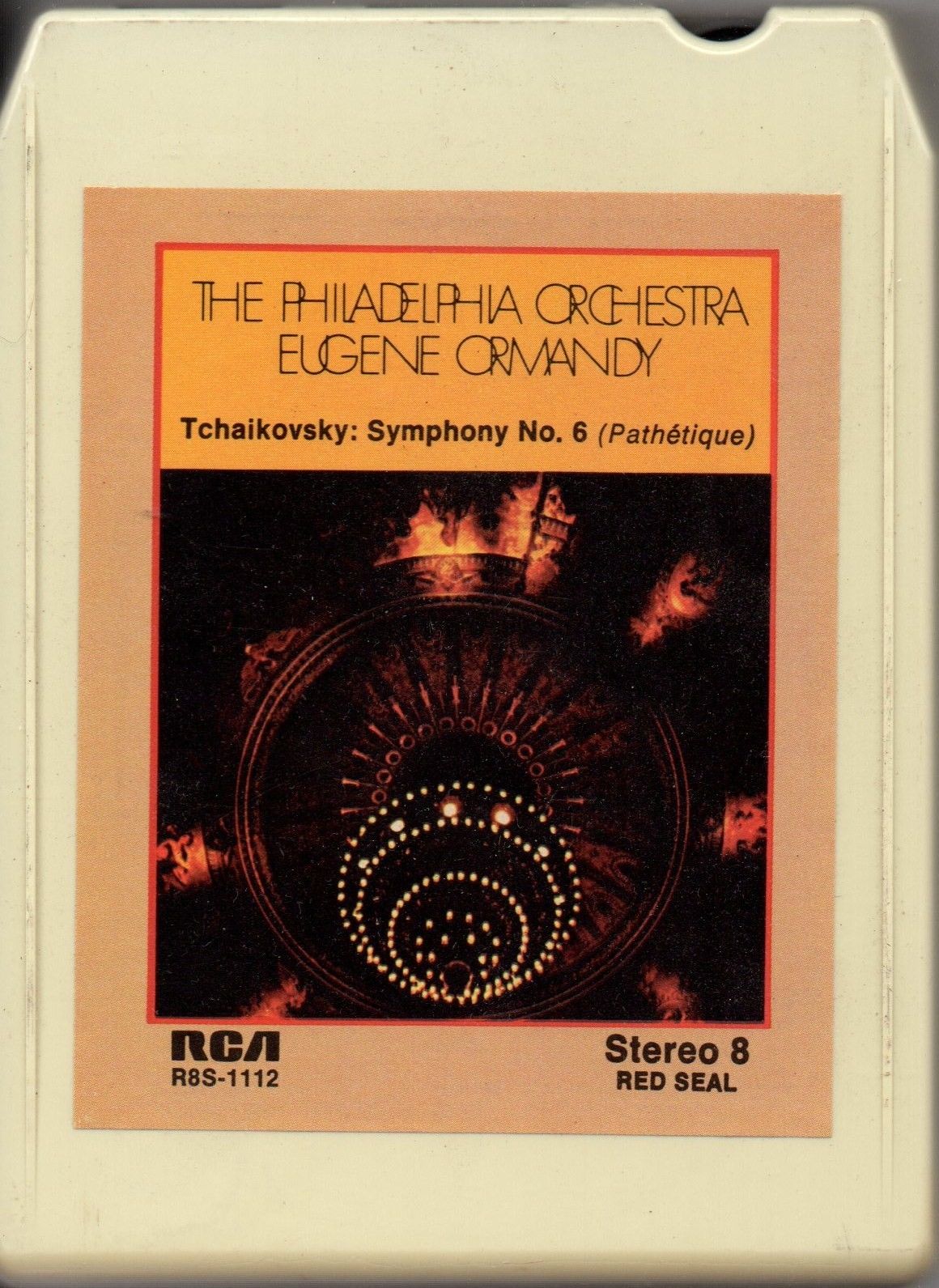
I can no longer find images of the cassettes themselves, but the same albums were released either on LP or 8-track:
Thanks to the miracle of music streaming websites like Pandora and Grooveshark, I was finally able to re-assemble the albums in virtual format, and once again listen to these compilations; music being a powerful memory elicitor, these glorious pieces transport me back to the Naples of the early 70s.
The playlist:
Smetana – The Bartered Bride
Overture
Polka
Furiant
Liszt – Hungarian Rhapsody No. 1
Liszt – Hungarian Rhapsody No. 2
Dvorak – Scherzo Capriccioso, Op. 66
Tchaikovsky: Symphony No. 6, “Pathétique”
The more time goes on, the more the Internet manages to capture and archive. While Google Books and Newspapers have been more or less given up on as projects, private enterprises are stepping in to pick up the slack; it is to be hoped that a compromise can be worked out between the exigencies of copyright and the importance of digital archival.
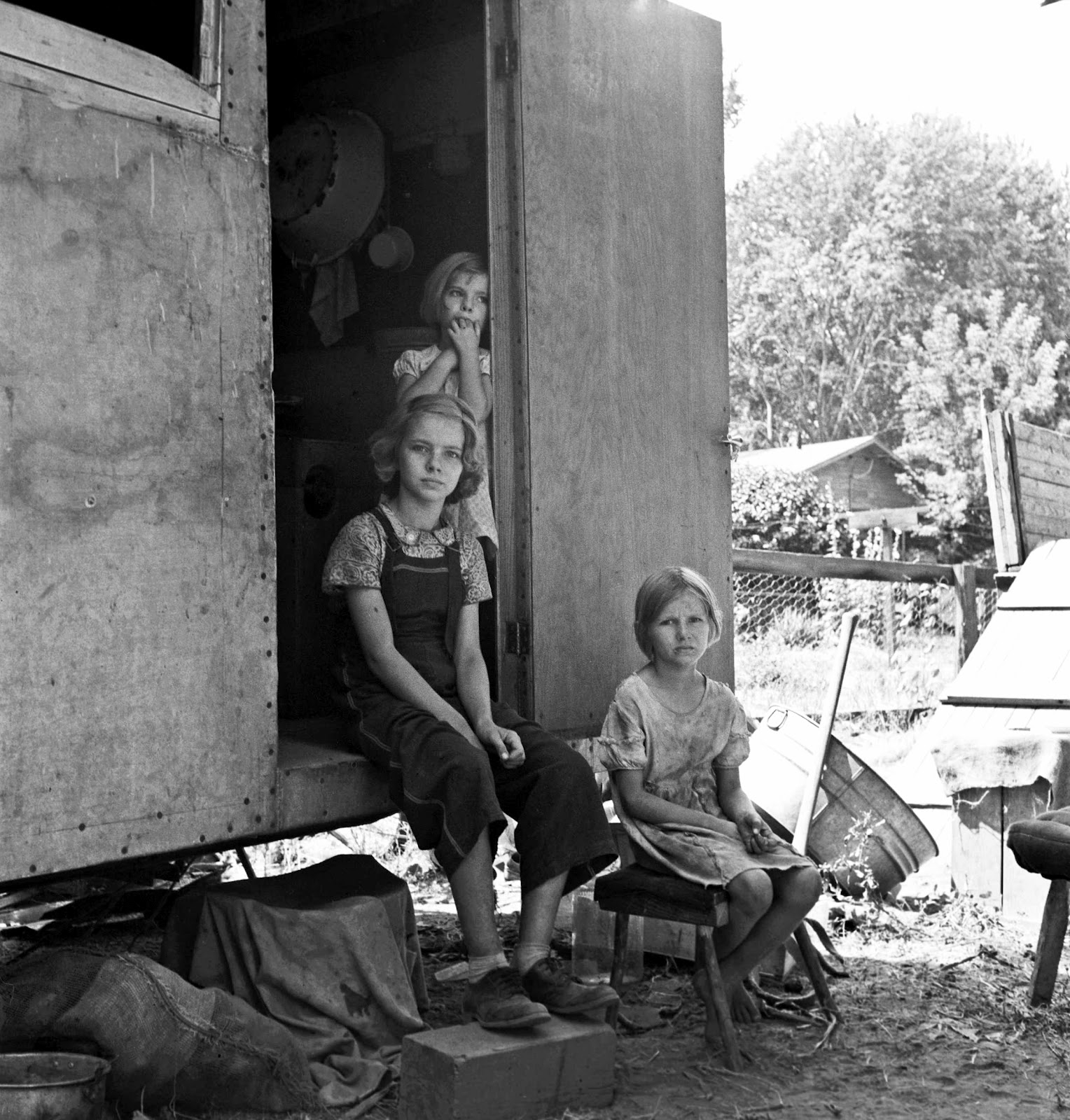
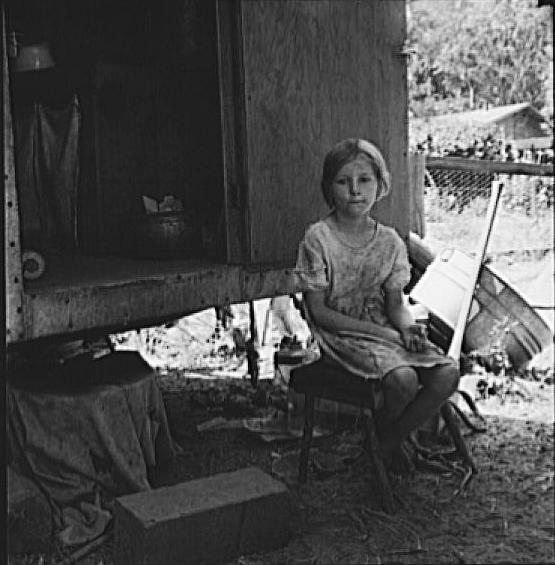
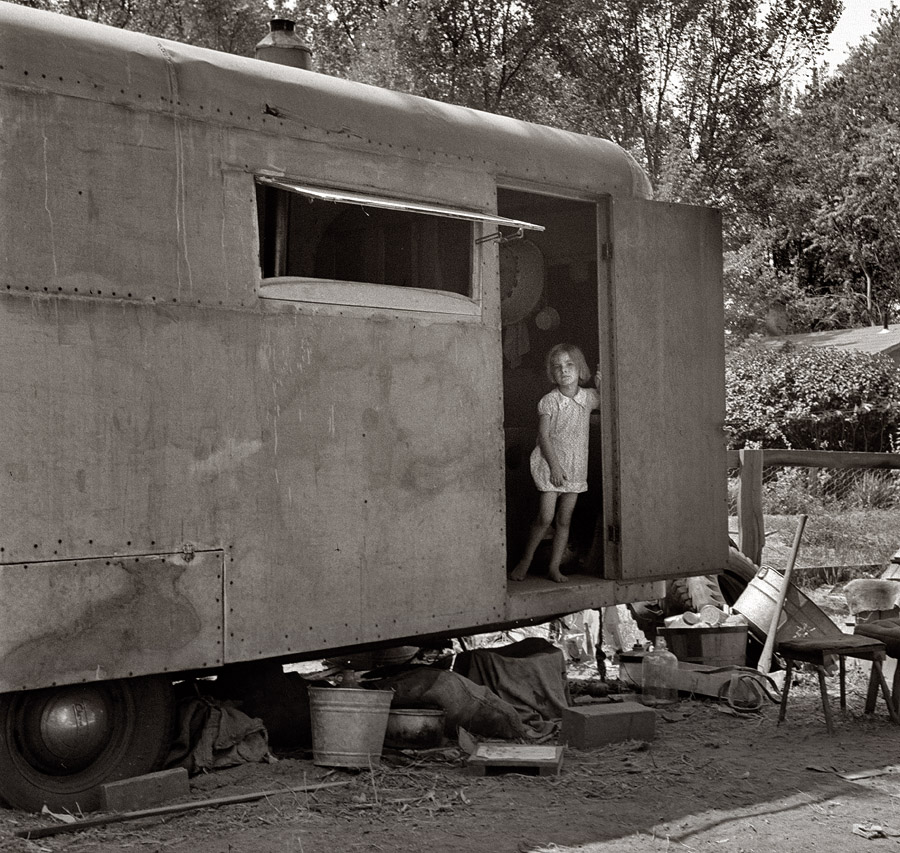
Saw this photo over at reddit and it really pulled at my heartstrings.
The oldest of the children in this photo by Dorothea Lange takes care of the others in her migrant family, most likely while the father is working in the fields. She is stunningly beautiful, but carries a heavy and unwanted load on her young shoulders.
Another image of the middle child, wearing a sack dress.
“Youngest little girl of motherless family.” Toppenish in the Yakima Valley of Washington State. August 1939. Photograph by Dorothea Lange. Seen at Shorpy.
Poverty of this nature still exists in our country, let alone the rest of the world, but these images are a stark reminder of a very difficult time for our nation.
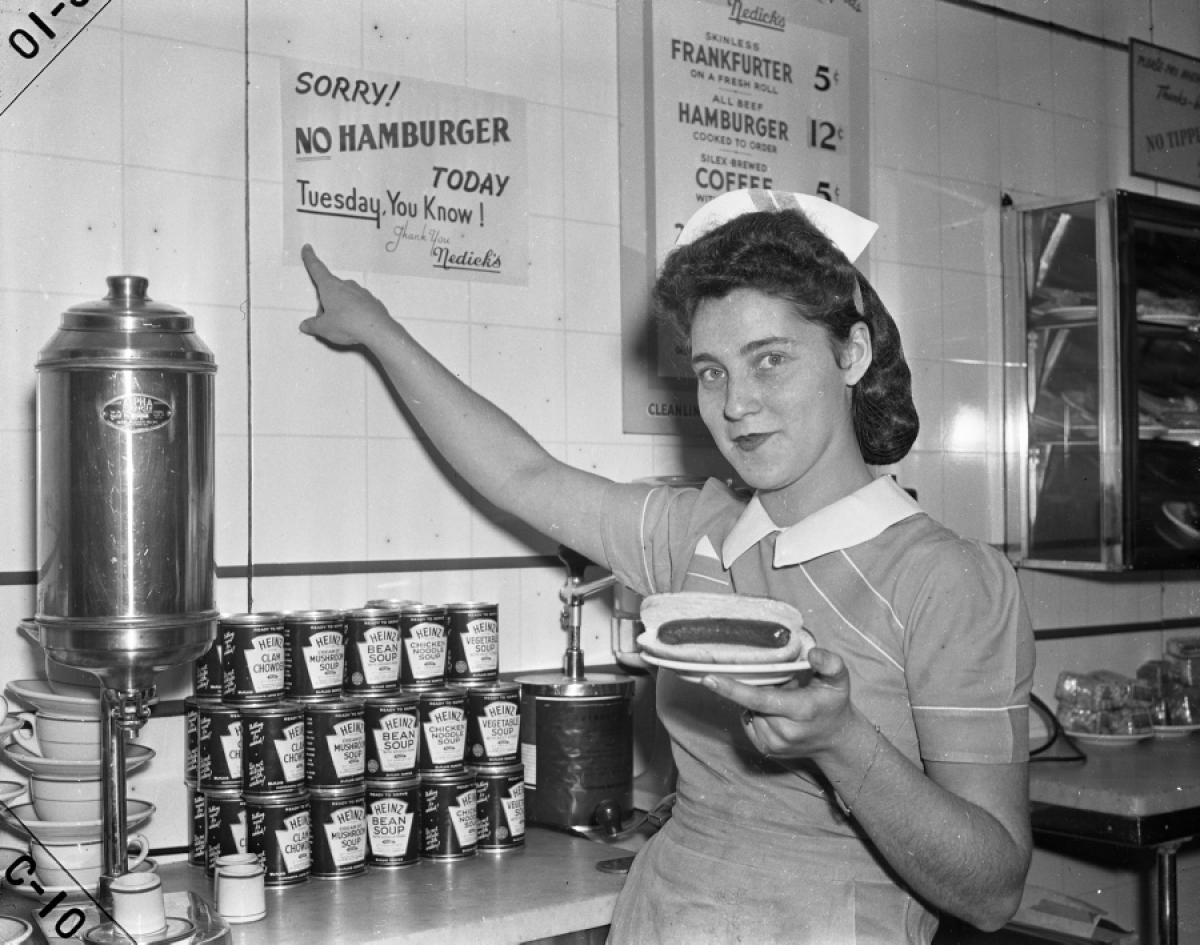
I would gladly pay you Tuesday for a hamburger today. But during WW 1 and WW 2, Tuesday was a day of rationing. I originally thought this sign had something to do with Thimble Theatre, but it turns out it has more to do with the European and Pacific theaters.
During World War I, President Woodrow Wilson issued a proclamation calling for every Tuesday to be meatless and for one meatless meal to be observed every day, for a total of nine meatless meals each week. The United States Food Administration (USFA) urged families to reduce consumption of key staples to help the war effort. Conserving food would support U.S. troops as well as feed populations in Europe where food production and distribution had been disrupted by war. To encourage voluntary rationing, the USFA created the slogan “Food Will Win the War” and coined the terms “Meatless Tuesday” and “Wheatless Wednesday” to remind Americans to reduce intake of those products.
Herbert Hoover was the head of the Food Administration as well as the American Relief Association during Woodrow Wilson’s presidency, and played a key role implementing the campaign, which was one of Hoover’s many attempts to encourage volunteerism and sacrifice among Americans during the war. The USFA provided a wide variety of materials in addition to advertising, including recipe books and menus found in magazines, newspapers and government-sponsored pamphlets.
The campaign returned with the onset of World War II, calling upon women on the home front to play a role in supporting the war effort. During this time, meat was being rationed, along with other commodities like sugar and gasoline.
This particular photo seems to have been taken in New York, where Nedicks was a big chain.
It does not escape me that the waitress is offering you a hot dog on meatless Tuesday. John Godfrey Saxe once said, “Laws, like sausages, cease to inspire respect in proportion as we know how they are made.” Which reminds me of the old joke about a customer who returned some hot dogs to his butcher, complaining that the middle section was filled with sawdust. The butcher replied, “Times are tough. It’s hard enough making both ends meat…”










 Playing in the World Game