The Ultimate Swiss Army Knife: 1880 version

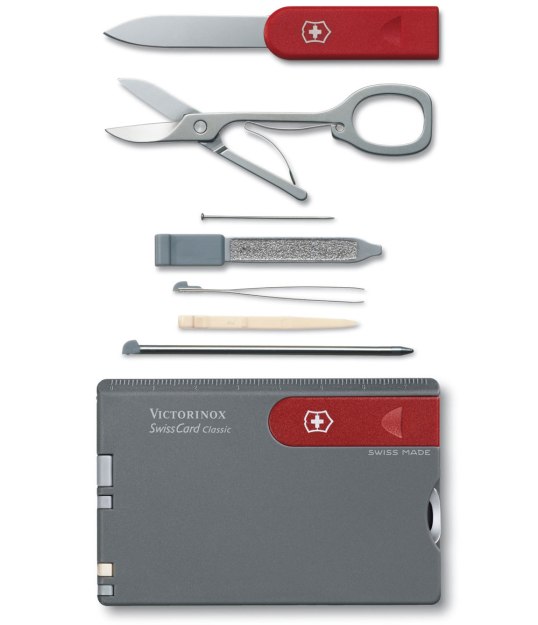
I’ve always loved Swiss Army knives. I inherited two small ones from my father, and for the longest time carried a SwissCard in my wallet which contained a number of useful tools for a traveler, as well as a Swiss Champ on my belt (at least until 2001, when carrying anything of this nature became more of a hassle than anything else.)
PAAAAAJLLMOMPMGD_j

Swiss Card

SwissChamp-Tools

Swiss Champ

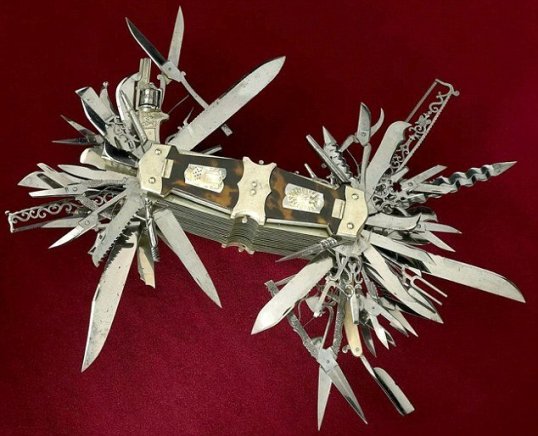
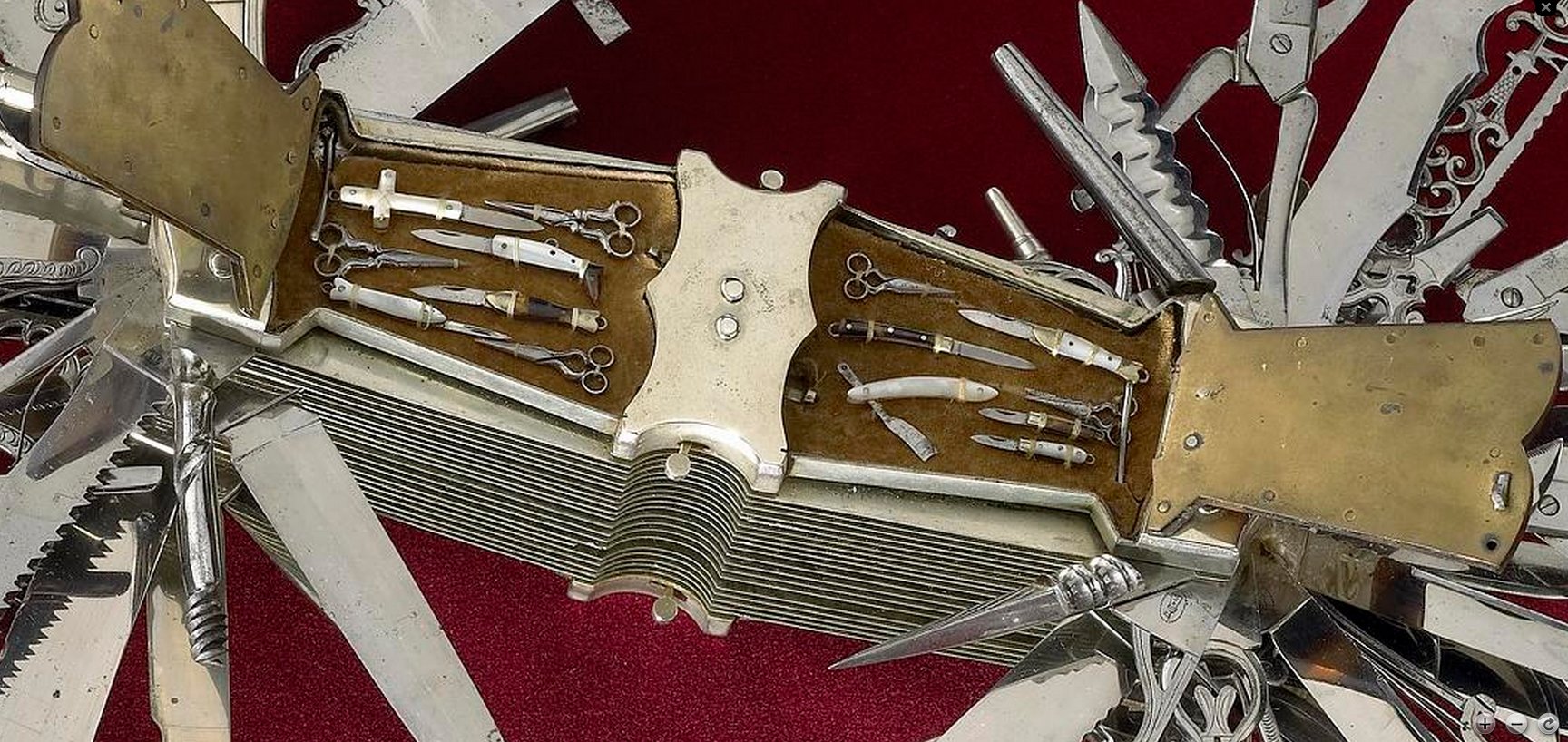
But 12 years before the official Swiss Army Knife was born, a cutler named J.S. Holler from Solingen, Germany, produced a monstrous 100-function knife as an advertisement for their services.
Knife1

In ancient and medieval times, shop signs were developed when tradesmen devised recognizable icons to represent their trades when dealing with a largely illiterate public. This massive knife hung in the window of Holler’s store to advertise their craft in a powerfully visual way.
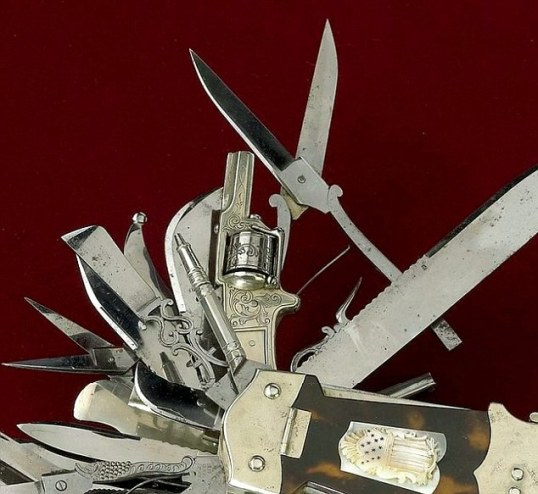
article-2442634-187E825700000578-589_634x583

Closeup of one end, showing the .22 caliber five-shot pinfire revolver. This is a knife you could bring to a gunfight.

The knife is currently owned by the Smithsonian Institution – from their website,

This knife wasn’t really meant to be carried. Knives like this were made exclusively for exhibition to highlight the cutlers’ art. They were so difficult to make they were only attempted by the most notable firms with the most talented artisans. They could be seen at various fairs and industrial expositions during the nineteenth century. This particular knife was made in Solingen, Germany about 1880 for J. S. Holler & Co.’s cutlery store in New York City. It was used it to display the fine craftsmanship available to their customers. At the time, German cutlery firms were attempting to establish themselves in the American market, which was dominated by the firms of Sheffield, England. The workmanship and complexity of this knife make it one of the finest examples of the cutlers’ art in America.
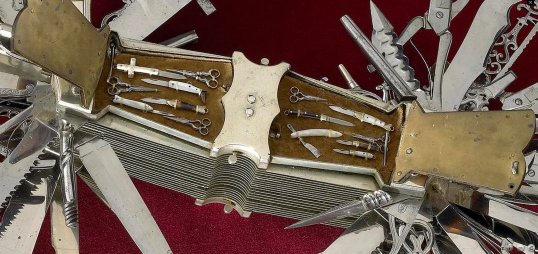
closeup

Closeup of the center, showing the panels of one side open – each of four panels contained an assortment of mini-tools, including scissors and a straightedge razor. The knife itself was about 10″ long, the straightedge just over 1 inch when closed.

With over 100 functions, this knife includes (not counting the mini-tools) a serrated blade, dagger blades, shears, scissors, an auger, a corkscrew, saws, a lancet, button hook, cigar cutter, pens and pencils, mirror, a straight razor. a tuning fork, and a butter knife, among many others.

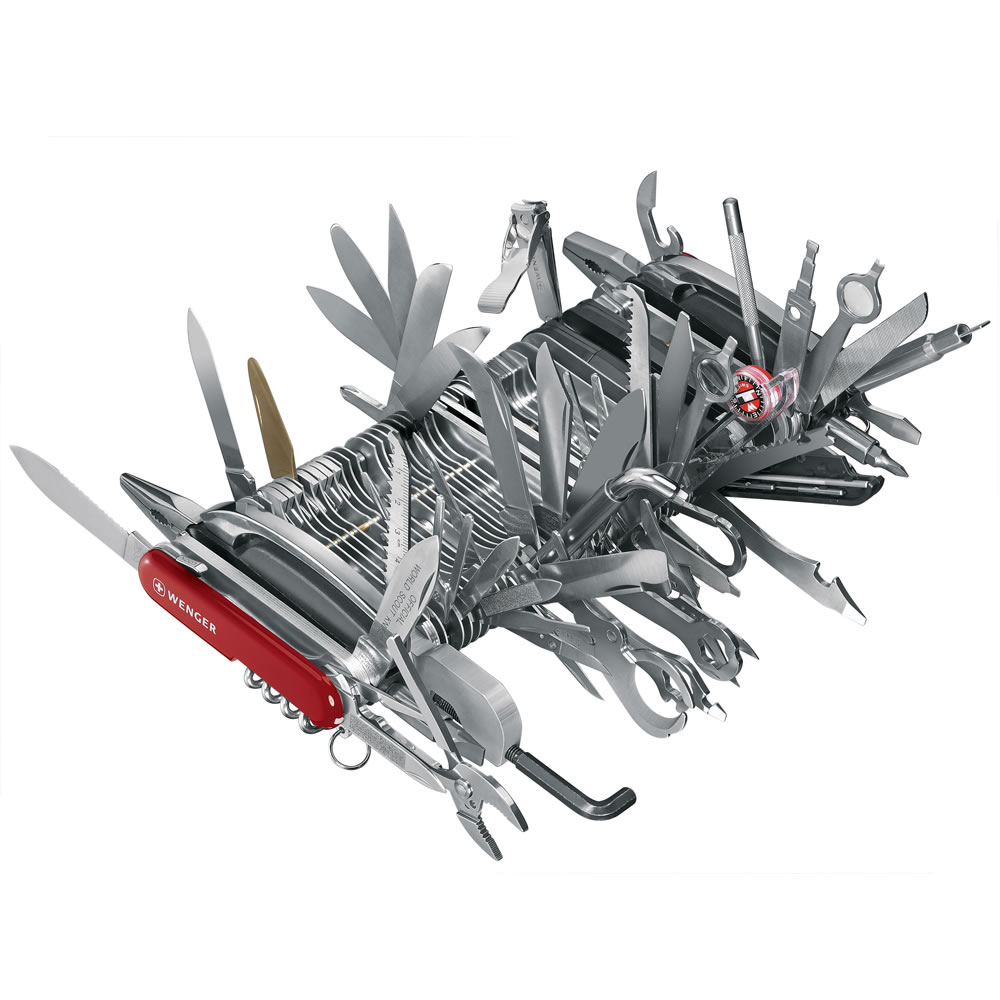
Not to be outdone, Wenger produced what is now called:

The Only Complete Swiss Army Knife.
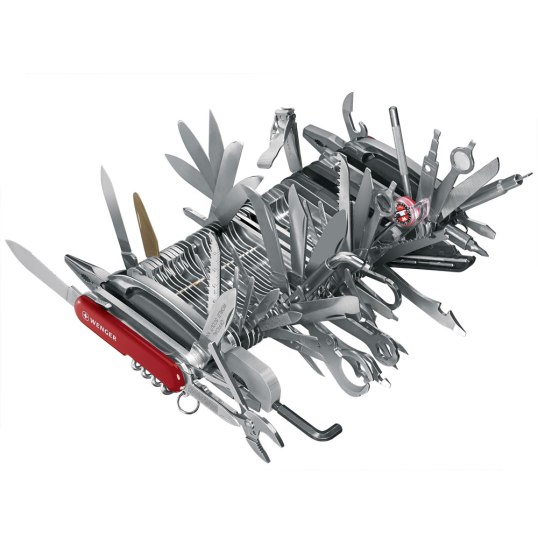
74670_1000x1000

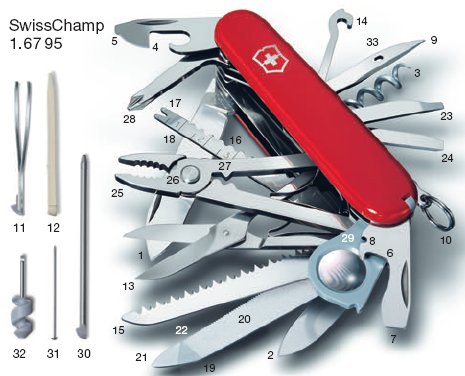
As advertised by Hammacher Schlemmer, their price was $799.00 but is no longer available through their website. However, it is available through Amazon for a mere $1305.00

This is the largest Swiss Army knife in the world, holder of the Guinness World Record for “The Most Multifunctional Penknife,” with 87 precision-engineered tools (for the complete list of tools please see below) spanning 112 functions. Made by Wenger, crafters of genuine Swiss Army knives since 1893, it uses stainless steel for all parts and is hand-assembled by just two cutlery specialists in Delmont, Switzerland, ensuring that every knife meets exacting standards. It has seven blades, three types of pliers, three golf tools (club face cleaner, shoe spike wrench, and divot repair tool), 25 flat- and Phillips-head screwdrivers and bits, saws, wrenches, and more. It also has a bicycle chain rivet setter, signal whistle, 12/20-gauge shotgun choke tube tool, combination fish scaler, hook disgorger, and line guide tool, cigar-cutting scissors, laser pointer, tire-tread gauge, toothpick, tweezers, and key ring. 3 1/4″ L x 8 3/4″ W. (2 3/4 lbs.)

The knife contains:

  • 2.5-inch 60% serrated locking blade
  • Nail file
  • Nail cleaner
  • Corkscrew
  • Adjustable pliers with wire crimper and cutter
  • Removable screwdriver bit adapter
  • 2.5-inch blade for Official World Scout Knife
  • Spring-loaded, locking needle-nose pliers with wire cutter
  • Removable screwdiver bit holder
  • Phillips head screwdriver bit 0 Phillips head screwdriver bit 1
  • Phillips head screwdriver bit 2
  • Flat head screwdriver bit 0.5mm x 3.5mm
  • Flat head screwdriver bit 0.6mm x 4.0mm
  • Flat head screwdriver bit 1.0mm x 6.5mm
  • Magnetized recessed bit holder
  • Double-cut wood saw with ruler
  • Chain rivet setter
  • Removable 5mm
  • Allen wrench
  • Screwdriver for slotted and Phillips head screws
  • Removable tool for adjusting spokes
  • 10mm Hexagonal key for nuts
  • Removable 4mm curved allen wrench with Phillips head screwdriver
  • Patented locking screwdriver
  • Universal wrench
  • 2.4-inch springless scissors with serrated self-sharpening design
  • 1.65-inch clip point utility blade
  • Phillips head screwdriver
  • 2.5-inch clip-point blade
  • Club face cleaner
  • 2.4-inch round tip blade
  • Patented locking screwdriver
  • Cap lifter
  • Can opener
  • Shoe spike wrench
  • Divot repair tool
  • 4mm Allen wrench
  • 2.5-inch blade
  • Fine metal file with precision screwdriver
  • Double-cut wood saw with ruler
  • Cupped cigar cutter with double honed edges
  • 12/20-gauge choke tube tool
  • Watch case back opening tool
  • Snap shackle
  • Mineral crystal magnifier
  • Compass
  • Straight edge, ruler (in./cm)
  • Telescopic pointer
  • Fish scaler
  • Hook dis-gorger
  • Line guide
  • Shortix laboratory key
  • Micro tool holder
  • Micro tool adapter
  • Micro scraper, straight
  • Micro scraper,curved
  • Laser pointer with 300-foot range
  • Metal file
  • Metal saw
  • Flashlight
  • Micro tool holder
  • Phillips head screwdriver 1.5mm
  • Screwdriver 1.2mm
  • Screwdriver .8mm
  • Fine fork for watch spring bars
  • Reamer
  • Pin punch 1.2mm
  • Pin pinch .8mm
  • Round needle file
  • Removable tool holder with expandable receptacle
  • Removable tool holder
  • Special self-centering screwdriver for gunsights
  • Flat Phillips head screwdriver
  • Chisel-point reamer
  • Mineral crystal magnifier
  • Small ruler
  • Extension tool
  • Sping-loaded, locking flat nose needle-nose pliers
  • Removable screwdriver bit holder
  • Phillips head screwdriver bit 0
  • Phillips head screwdriver bit 1
  • Phillips head screwdriver bit 2
  • Flat head screwdriver bit 0.5mm x 3.5mm
  • Flat head screwdriver bit 0.6mm x 4.0mm
  • Flat head screwdriver bit 1.0mm x 6.5mm
  • Magnetized recessed bit holder
  • Tire tread gauge
  • Fiber optic tool holder
  • Can opener
  • Patented locking screwdriver
  • Cap lifter
  • Wire stripper
  • Reamer
  • Awl
  • Toothpick
  • Tweezers
  • Key ring

Even the above was most likely manufactured as an advertising device – I can’t imagine anyone actually trying to carry this thing around. But Victorinox and Wenger have made some very nice and useful tools over the years – before smartphones became popular with their GPS tracking devices, I used a Victorinox knife which contained an altimeter to track my hiking progress. The number of models that have been produced is beyond counting, but there are some versions that I’m still waiting for:
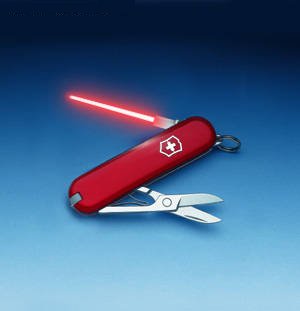
knife

The Jedi Special

Seuss

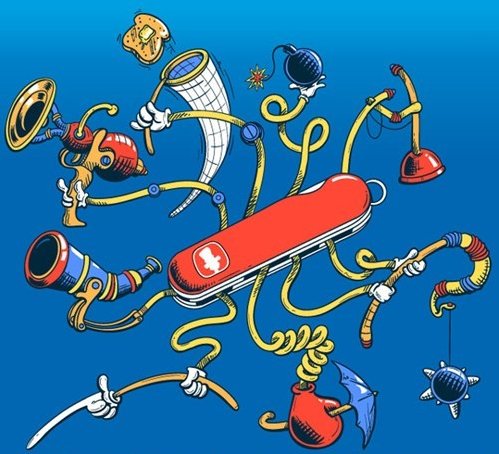
The Seuss Army Knife

first-swiss-army-knife

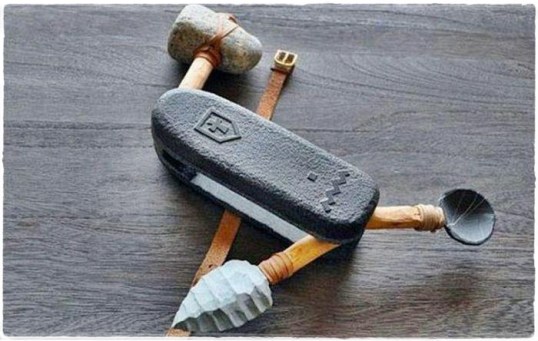
An early prototype

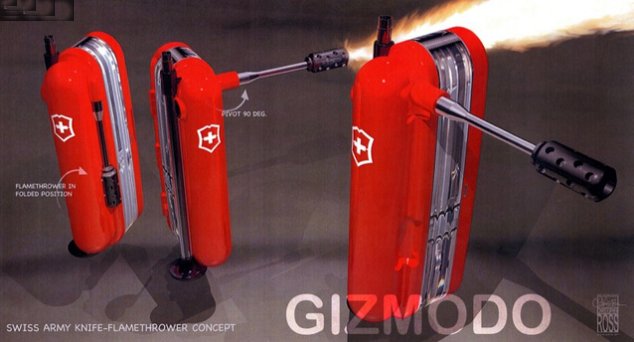
And of course, the Get Smart knife, courtesy of Gizmodo (click through for all the exciting features!)
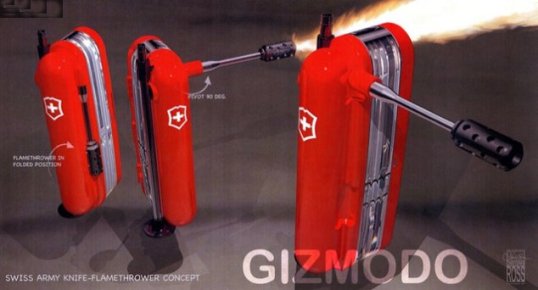
giz

Of all the tools ever invented, the Swiss Army knife is probably one of the most-loved and most-used, but for sheer craftsmanship and ingenuity, the Holler specimen is probably the finest of its kind in the world.

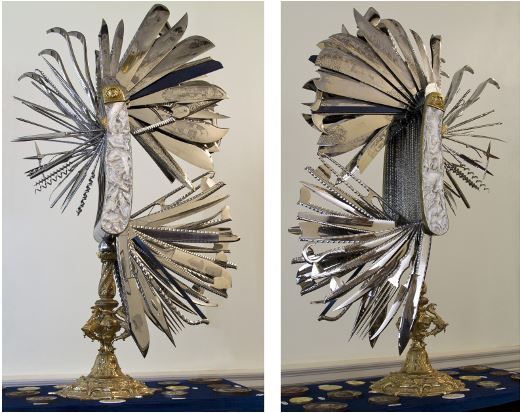
Edit: A friend pointed out to me that a similarly complex knife had been manufactured in 1851, by the John Rogers firm of Sheffield, England.
1411928592-0

It is called the Norfolk Knife, and is on display at the Cutler’s Hall in Sheffield.

The Old Wolf has spoken.
The Bunkers of Albania

I spent a good deal of time in Albania between 1993 and 2001, working on various translation projects. I posted about Albanian Currency before, but while musing on my travels there I remembered an interesting thing about that fascinating country – the bunkers.

Enver Hoxha was the iron-fisted despot of the country (official title: First Secretary of the Party of Labor), who started out allied with Russia, denounced them and allied himself with China, and then denounced them in turn to go it alone in a form of government characterized by his proclaimed firm adherence to anti-revisionist Marxism–Leninism. In addition to the suppression of all religion other than Albanian nationalism, “the 40-year period of Hoxha’s rule was politically characterized by the elimination of the opposition, prolific use of the death penalty or long prison “terms of his political opponents and evictions from homes where their families lived and their internment in remote villages that were strictly controlled by police and the secret police (Sigurimi).” (Wikipedia)

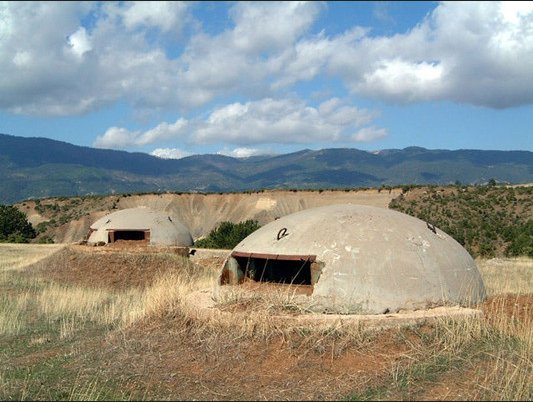
While Hoxha’s rule brought some industrialization and growth to a country that had been devastated by World War II, his own policies squandered the resources of the country, much of it in building 750,000 of these concrete abominations – the cost of which could have provided a paid-for apartment for an equal number of Albanian families.

Much as North Korea today, Hoxha (pronounced HO-ja) was terrified that the decadent west and the corrupt East would come pouring in to Albania to strip the country of its glory and riches, neither one of which it possessed in the slightest degree. Nobody gave a rat’s south-40 about Albania, and there was nothing there to take. But that didn’t stop the First Secretary from outfitting every border, municipality, city, village, and community with bunkers large and small to protect against what was publicized as a constant threat of imminent invasion.

bunkers

Bunkers to protect the noble country from foreign invaders… which never came, or would have wanted to.

Now, Albania struggles still to come into the modern world. They’ve had their ups and downs – the fall of Communism opened the doors to the nation, and a people starved for contact with the outside world have had to deal with massive corruption both private and governmental, pyramid schemes that wiped out much of the nation’s savings, the rise of Islamism (the historical faith of Albania) and the echoes of decades of brutal oppression. Areas of the country remain untouchable by law and order, places where centuries of tradition and isolation have provided a more effective barrier to the encroachment of modernity far better than a concrete bunker would have done – but they are making progress, and as a nation they know the meaning of hard work. I love my Albanian friends and have hope for their country. Two outstanding articles in the National Geographic, “Albania Stands Alone” (October 1980) and “Albania Opens the Doors” (July 1992) give an intriguing historical glimpse of what the country was like during and after Hoxha’s rule. Despite setbacks, the country continues to work toward a democratic government based on the rule of law, and has become a member of NATO.

bunker2

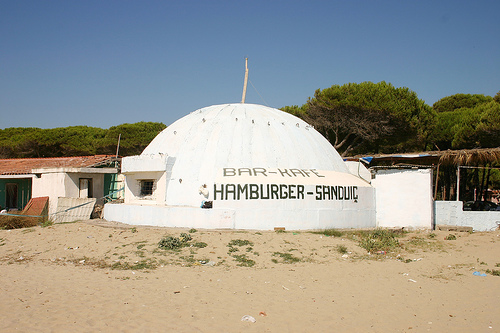
Some few bunkers have been repurposed as shops, barns, shelter for the desperate, or even hostels.

Bunker

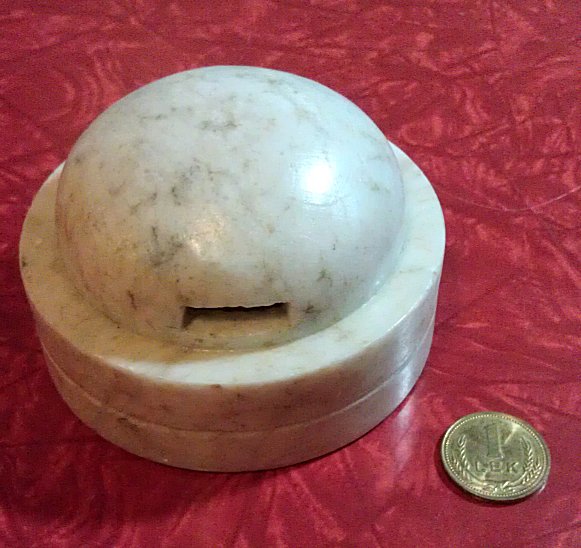
Small bunkers are still sold as souvenirs – here shown with a 1-Lek coin for scale.

As for the bunkers, destroying each one costs around €800, money that to many people would be better spent elsewhere, so the vast majority of them remain, and will probably be an ever-present reminder of the “bad old days” for generations to come.

You can read more about the bunkers at Slate and Atlas Obscura.

The Old Wolf has spoken.
50 Years Later

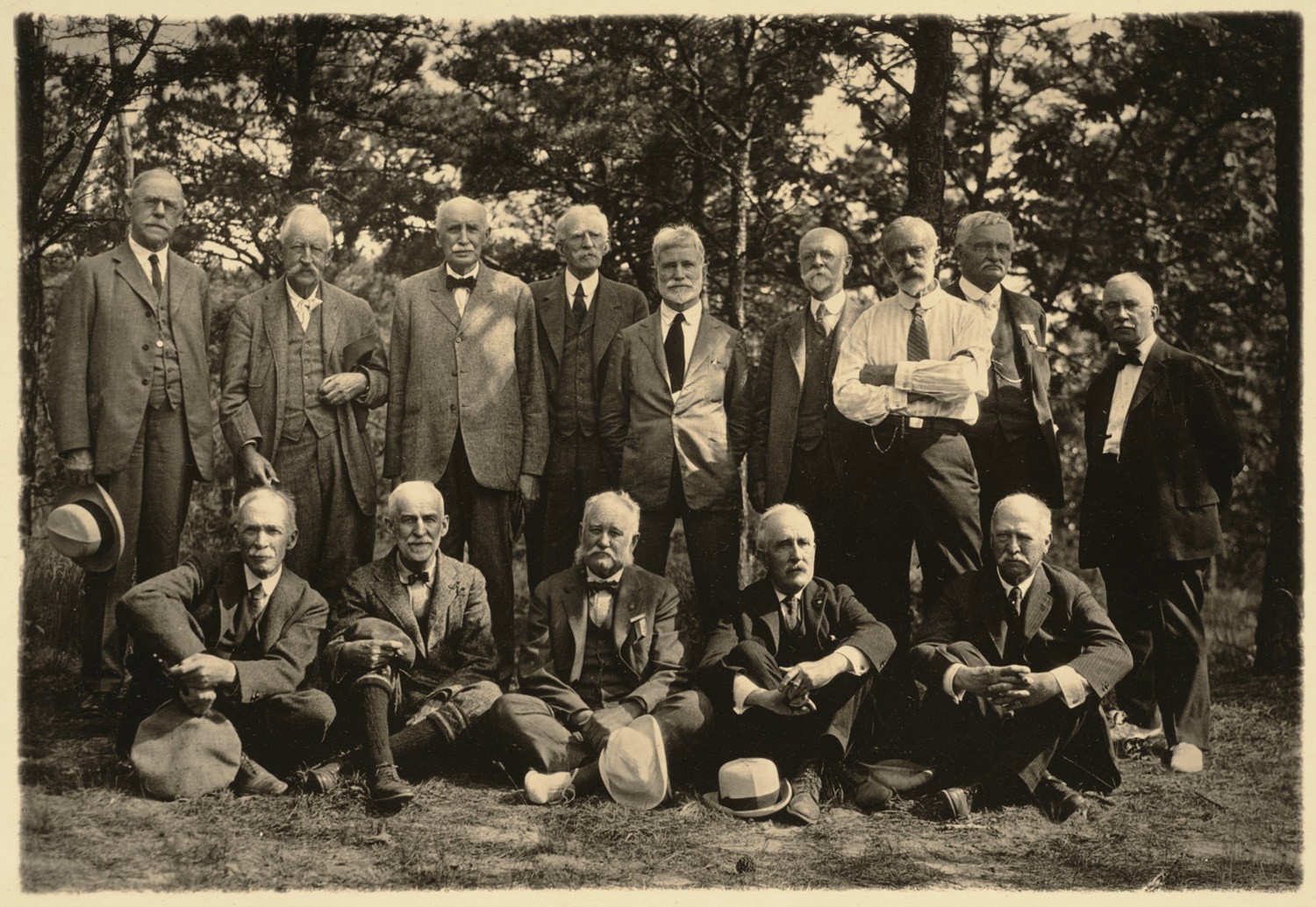
MIT graduating class of 1875, shown 50 years later in 1925

NHq46zd


This is an awesome photo. It’s beautiful because they were able to get so many of the class members together 50 years later, given that life expectancies were so much shorter back then.

But such things still happen:

Hunter 3


This is the nursery school class at Hunter College Elementary School, taken at the end of the year when most of us had just turned 4 years old. I’m not going to tell you which one I am, but if you have spent any time at all reading this blog, it’s pretty obvious. Among this group are prominent urologists, television producers, attorneys, psychologists, and a whole host of others. Most of them, by nature of the New York demographic that this experimental school drew from, were Jewish;  the old joke about the mother who points to her three year old and her five year old, “This is the doctor and this is the lawyer” is probably more true than any of us would like to admit. When I say “us,” I mean the class in general – among the boys, I think I was one of two or three goyim in my entire class.

57 years later, the graduating class of 1962 got together again. The quality of this picture is hqiz, but trying to get a bunch of people of this caliber to hold still for a photo is like herding cats.

Best Group Shot (Hal)


What astonished us is that even after so long, so many relationships endured the test of time, and conversations were resumed as though graduation had been yesterday. It was an amazing experience.

The Old Wolf has spoken.

The haunted island

Island\

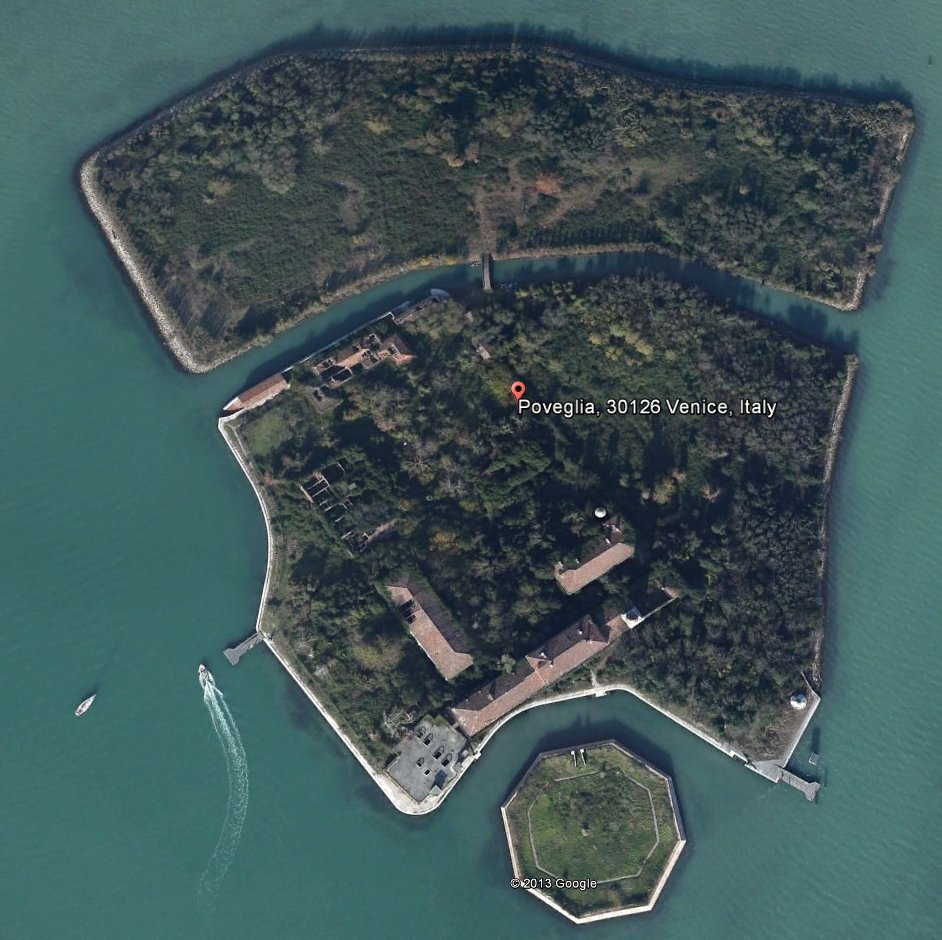
Four miles south and slightly east of the Venice train station sits the small island of Poveglia. It is uninhabited,  and police boats patrol the area to keep tourists away. The locals want nothing to do with it.

From Wikipedia:

The island first came to be referenced in chronicles in 421 AD, when people from Padua and Este fled there to escape the barbaric invasions. In the 9th century the island started to be intensely populated, and in the following centuries its importance grew steadily, until it was governed by a dedicated Podestà. There were many wars on Poveglia, as many barbarians still wanted the people who fled there. In many cases the Poveglians won these wars, but in 1379 Venice came under attack from the Genoan fleet; the people of Poveglia were moved to the Giudecca, and the Venetian government built on the island a permanent fortification, called “the Octagon,” still visible today. The island remained uninhabited in the following centuries; in 1527 the doge offered the island to the Camaldolese monks, but they refused the offer. In 1661 the descendants of the original inhabitants were offered to reconstruct their village on the island, but they refused to do so.

In 1777 the island came under the jurisdiction of the Magistrato alla Sanità (Public Health Office), and became a check point for all goods and people coming to and going from Venice by ship. In 1793, there were several cases of the plague on two ships, and consequently the island was transformed into a temporary confinement station for the ill (Lazzaretto); this role became permanent in 1805, under the rule of Napoleon Bonaparte, who also had the old church of San Vitale destroyed; the old bell tower was converted into a lighthouse. The lazzaretto was closed in 1814.

In the 20th century the island was again used as a quarantine station, but in 1922, the existing buildings were converted into an hospital for mentally ill and long-term care. This went on until 1968, when the hospital was closed, and the island, after being shortly used for agriculture, was completely abandoned. Presently, the island is closed to locals and tourists and remains under control of the Italian government

In recent times, some legends have arisen about the island. According to legend, during Roman times it was used to isolate thousands of plague victims, and during the three occasions when the Black Death spread through Europe, the island was effectively used as a lazaretto and plague pit – it was considered an efficient way of keeping the infected people separated from the healthy. According to this version, over 160,000 people died on the island throughout its history.[3] The island used in 1576 to accommodate those hit by the plague was not Poveglia, but Lazzaretto Nuovo.

Another legend surrounds a building erected in 1922 on the island, which was used for various purposes, including usage as a mental hospital.[4] The legend states that a particular mental health doctor tortured and butchered many of the patients, before going “mad” and jumping to his death from the bell tower. According to that same legend, he survived the fall, but was ‘strangled by a mist that came up from the ground’. Its ruins remain to this day.[3] The institution in question has been described as a retirement home, but evidence on the island shows that despite the controversy, at least part of the building housed mental patients.

From the web page “Island of Madness“:

Today Poveglia is uninhabited and tourism to island is strictly forbidden. Every now and then the lapping waves on the shore uncover charred human bones.

Several psychics have visited the island the abandoned hospital, but all of them left scared to death of what they had sensed there. Every now and then daredevils dodge the police patrols to explore the island, but everyone who has made it there have refused to return saying that there is a heavy atmosphere of evil and they the screams and tortured moans that permeate the island make staying there unbearable.

One report from a misguided thrill seeker who fled the island says that after entering the abandoned hospital, a disembodied voice ordered them, “Leave immediately and do not return.”

Italians are naturally a superstitious lot.[1] Fortune tellers and other psychic types make a pretty good living there, so ghost stories of this nature would tend to grow in the telling, and mass hysteria about a place with a sordid history is not unexpected. Regardless of the stories that surround Poveglia, it certainly had a colorful past.

DSC00677

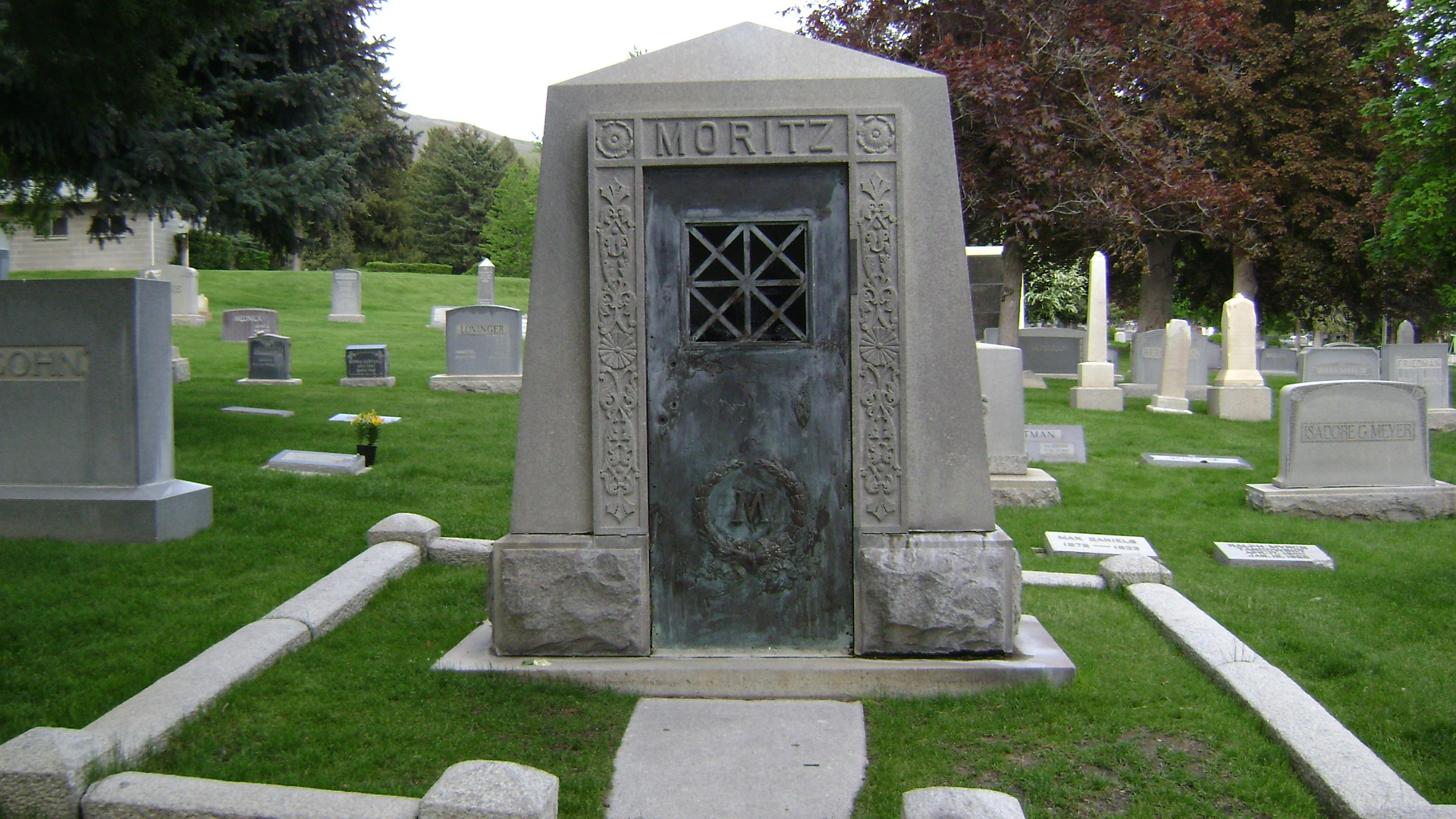
Salt Lake City has its very own haunting legend, the story of Emo’s Grave; I have spent a lot of time in the cemetery documenting graves and I’ve been there. It’s creepy enough even in the daytime. As for Poveglia, the Google Earth image above looks very forbidding indeed, with wild vegetation, tumbledown buildings and interiors exposed to the open sky. Even if visits were allowed, this is not a place I would want to go exploring.

Fortunately, there are some who have braved the perils, and posted an interesting report and some on-the-ground pictures of the area – these do nothing to dispel the aura of decay and strangeness that surrounds the island. Click through for more.

The Old Wolf has spoken.


[1] We’re Calabresi. I know.

The cat the rat the dog the cow… wait, what?

Over at Mental Floss, I found some of the oddest sentences that are perfectly grammatical and yet which don’t compile [1] properly.

One of the most famous is,

“Buffalo buffalo Buffalo buffalo buffalo buffalo Buffalo buffalo.”

A visual explanation of this monstrosity is the most effective:

Buffalo_buffalo_WikiWorld

You can also visit Wikipedia for a detailed linguistic deconstruction; like Columbus’ egg (an appropriate simile for today) [2], it’s easy when you see what they’re doing.

However, only slightly less well known is this one: Never go in against a Sicilian sorry, I meant

“The rat the cat the dog worried killed ate the malt.”

This is an example of nested relative clauses. The structure is easy to follow when only few are used:

The rat ate the malt. The cat killed the rat. These become, “The rat (that) the cat killed ate the malt.”

Add in “The dog worried the cat” and you get “The rat (that) the cat (that) the dog worried killed ate the malt.” Since the subordinating conjunction “that” is optional in such clauses, the resulting sentence begins to become incomprehensible as the nestings are more and more difficult to follow.

The human mind is a wondrous machine, capable of prodigious feats of memory, calculation, and creativity, but it can only perceive so much at a single glance. In the case of determining how many items are within a field of vision, this skill is called subitizing, and the current human limit seems to be between five and seven.

Quick, how many dots?

Three

Three. No challenge, right?  Now try this one. Quick, no counting!

scatter

The answer is “24,” but you didn’t know that without counting, unless you happen to be one of those few people, either autistic or supergenius, who has somehow bypassed the normal human ability.

But let me show you the same number like this:

24

And while you can’t subitize the dots, you can immediately calculate how many there are based on your encyclopedic knowledge of the universe and a bit of simple math.

In the same way, the human mind is able to understand and generate language, but there are limits to how much complexity can be comprehended, even if all grammatical rules are followed. Thus taking our example to its logical conclusion, “The House that Jack Built” becomes:

This is the malt the rat the cat the dog the cow3 the maiden4 the manthe priest6 the cock7 the farmer8 kept waked married kissed milked tossed worried killed ate, that lay in the house that Jack built.

It’s interesting from a scholarly standpoint, but nowhere near as fun to recite while bouncing your grandchild on your knee.

Remember, time flies like an arrow, and fruit flies like a banana.

The Old Wolf has spoken.


[1] This is computational linguist slang for “I don’t get it.”

[2] I am 1/2 Italian by descent. As such, Columbus Day has long been a great celebration, especially in New York where I grew up. Sadly, in much the same way as we now know that brontosaurus is now an apatosaur, and that Pluto is no longer a planet but a Trans-Neptunian Object, we now know that Columbus is not the national hero he has been made out to be; October 14th would better be renamed “Genocide Day.” Yes, he played a significant rôle in the development of this nation, but the human toll that was left behind in his wake is staggering. A couple of things you might be interested in reading are at The Thunder Mountain MonumentThe Oatmeal, and Lies My Teacher Told Me.

[3] with the crumpled horn
[4] all forlorn
[5] all tattered and torn
[6] all shaven and shorn
[7] that crowed in the morn
[8] sowing his corn

Giant concrete arrows: Prehistoric VOR

Or, “The beacons are lit! Gondor calls for aid!”

airmail-beacons02

Recently the Internet has become aware of a string of giant concrete arrows dotting the landscape across the country. Rumors abounded, with the Von Daniken crowd hauling out their tinfoil hats and other, more pragmatic folks doing more scholarly research. It turns out they were guideposts for our earliest courageous airmail couriers, who often flew in abominable weather, at night, in the dark, wet, lonely, and miserable. (How’s that for evocative prose. Thank you! Thank you!)

You can read a comprehensive writeup at Core77, and see some local Utah interest at KSL. I’ll have to get a picture of my own one of these days.

Arrow Tower

Early photo of an arrow with marker shack and lighting tower

The Old Wolf has spoken.

All the beer; all the coffee

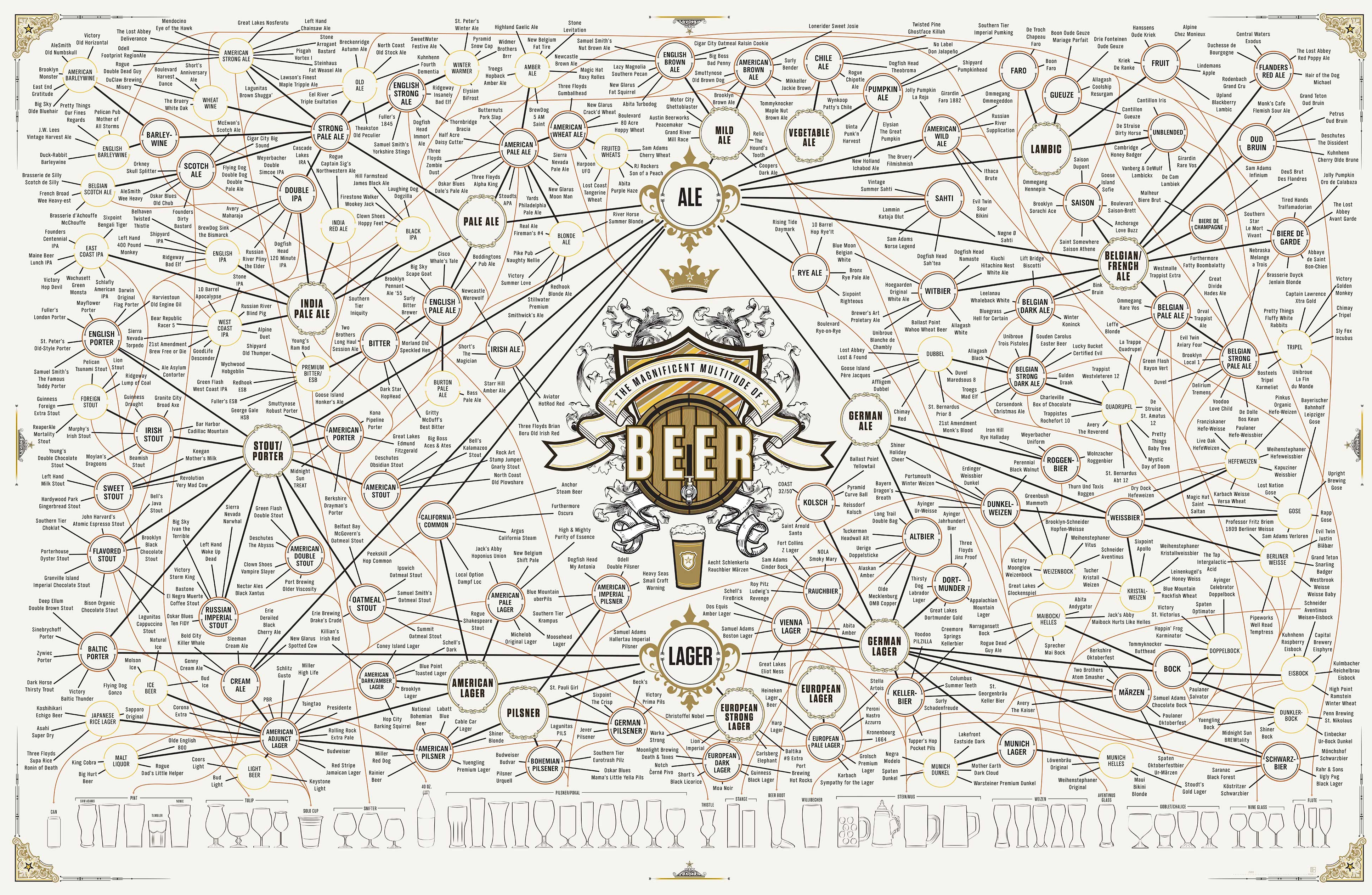
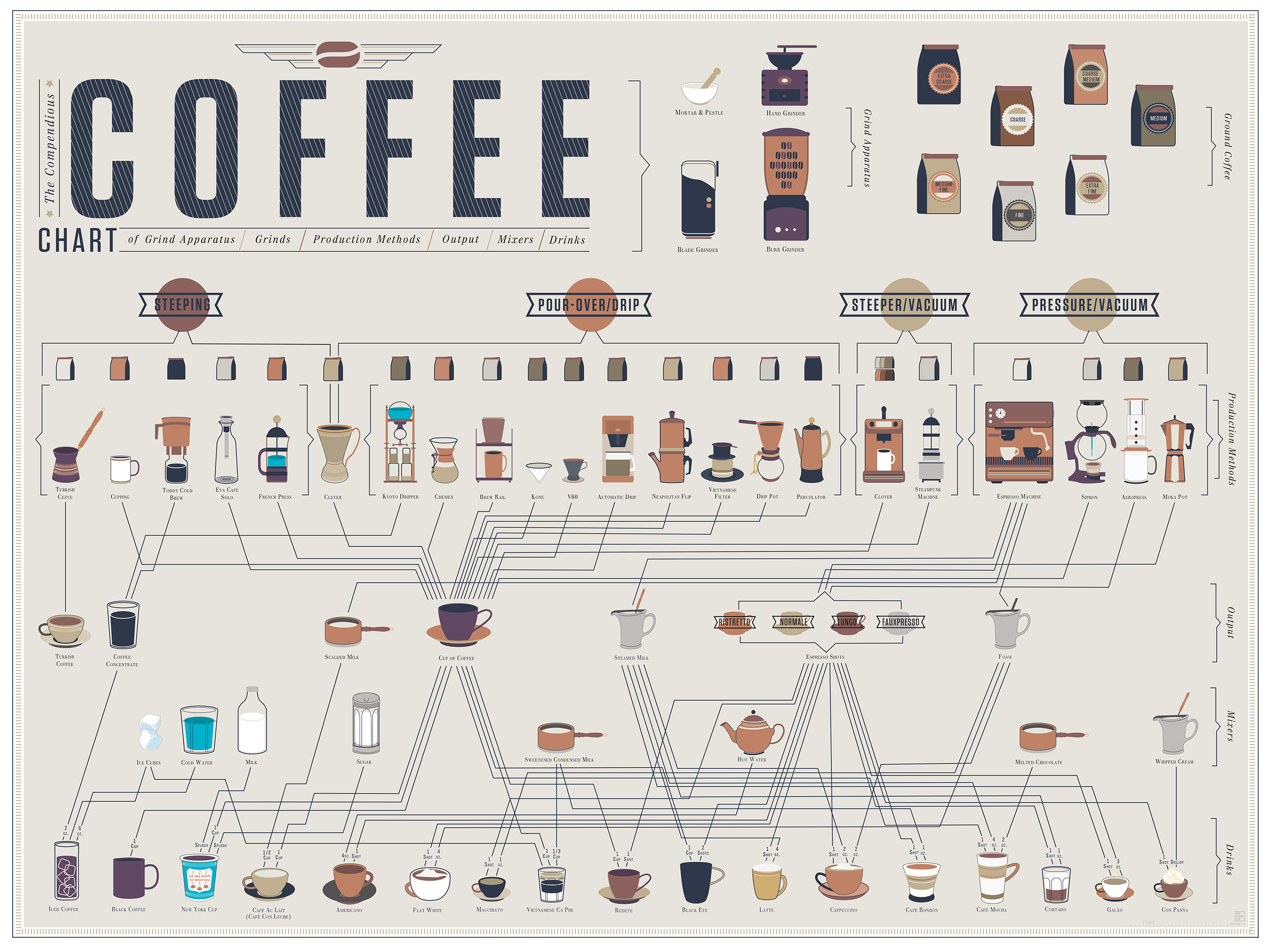
The folks over at Pop Chart Lab have been busy. They do impressive work; here are two of their infographics which delineate just about everything you would need to know in order to become an impressive beer snob or a really skilled barista. These infographics are large – click for a full-size version.

Beer


All the beers, and the kinds of glasses they are served in.

Coffee


Master this, and Starbucks is your oyster.

A blogger over at Fast Company related,

[The] coffee Chart lays out the entire coffee ecosystem, outlining how various methods of production, including the French press, Kyoto dripper, and Neapolitan flip, among others, are used to create coffees, cortados, cappuccinos, and more. Coffee devotees can use the graphic as a way to announce their allegiance to the coffee bean in all its manifestations. For newcomers, it’s a chance to discover that it’s not actually called a “cafe olé.”

Creating the taxonomy was not without its difficulties. “We had to make a judgment call on how to classify the output of the Moka Pot and the Aeropress,” a PopChartLab team member told me. “It’s not quite standard brewed coffee, but we wouldn’t dare call it espresso, so we coined a term for it: fauxpresso.” And while it is, indeed, compendious, there is one notable omission. “I think we got just about every major coffee brewer in here except for K-cups,” he says, “because screw K-cups.”

One of my Aussie mates has been busy with a virtual beer tour around the world (originally in 80 beers, but as of this writing up to 129); I’d love to take that tour with him, as well as sample every possible type of coffee concoction, if it weren’t for the fact that I drink neither beer nor coffee.

But all this is ruddy interesting.

The Old Wolf has spoken.
Salt Lake ComicCon 2013

I’ve been to two other conventions, San Diego and NYC. This was Salt Lake’s first, and from my own experience and the general reception, I’d say it was a smashing success.

The con planned to be held at the South Towne Expo Center, but the response necessitated a move to the Salt Palace, and by Saturday afternoon, the place was packed to the doors – the fire marshals declared the event “Sold Out” at 3:00 PM, and we almost didn’t get back in after lunch.

There were some great costumes and great displays to be seen, and some high-level celebrities available to meet and greet – saying hello cost nothing ,but photo ops and autographs were available (for a fee). I plunked down for an autograph from William Shatner; steep, but it was worth it.

Chris & Bill Shatner

The first image was taken in 1974 at a meeting of the Pacific Pioneer Broadcasters, shortly before I left on my two-year mission to Austria. The second at the Con, and it was a miracle that I was able to snap it. I had hoped that I could duplicate the pose, but Mr. Shatner was signing autographs faster than a Subway sandwich assembly line, and he graciously allowed me to take the selfie. So, almost 40 years apart… and we still look good.

Cosplay

Fear Factory 2

Fear Factory (A large Salt Lake spook alley)

Fear Factory

Fear Factory – these guys are sparing no expense

Freddy

Freddy Kruger

Kira

Major Kira Nerys from DS9

Wookie

Steampunk Wookie and Captain America Stormtrooper

Pirates


These guys, Jessica and Robert Burbidge, were on site but I wasn’t able to spot them. Photo from KSL.com.

Displays

Azog

Azog the Defiler – Manu Bennett was on site, but I didn’t make it over to see him. “Balin” (Ken Stott) was signing autographs over at the Weta display (see Gollum, below) but I couldn’t get through the press of fans.)

Gollum

Nerds, nerds, nerds… they scares us, Precious!

R2D2

Amazing Remote Control R2D2, one of the most accurate I’ve ever seen (and heard). Leia looked great as well.

IMAG2544

Air Force exhibit – auto upgraded with fighter plane tech

IMAG2545

Engine

IMAG2546

“Cockpit”

Other Celebrity Guests

DeLancie

John DeLancie, AKA “Q” from Star Trek

Prowse

David Prowse is Darth Vader

Also said hello to Peter Mayhew (Chewebacca) and Henry Winkler, who was very gracious to mingle with his fans (he got a hug from my wife, but no photos were permitted.)

IMAG2554

Puppetry was not forgotten

Legos

A huge display from the Salt Lake Lego Club

IMAG2557

French TGV

‘ IMAG2558

Train Yard

IMAG2559

Aircraft Carrier

IMAG2560

Random Constructions

IMAG2561

Mechas

IMAG2562

The Munchkin Village from the latest Oz film

IMAG2563

Emerald city with castle

IMAG2564

Medieval castle

We only spent about 6 hours there, but it was awesome enough that I’d love to attend next year if it’s feasible. I was exhausted (didn’t sleep much the previous night because I’m still on a graveyard shift schedule) but came home thoroughly happy.

The Old Wolf has spoken.