Having recently re-watched the first Holmes movie with Robert Downey, Jr. and having devoured “Sherlock” with Benedict Cumberbatch some time before, I put out a poll to my Facebook circle of friends: Which Holmes did you like best?
Despite being only 4 days in, Mr. Cumberbatch leads by an overwhelming margin of 24 to 4… but the comments at the poll indicated that there were others who might have fared even better. So I went digging and found as many Sherlocks as I could see (and I may have missed a few in spite of it all, although I suspect these are perhaps the best known); I was astonished to see how many superb actors undertook the iconic rôle, but given the excellence of their craft it was understandable.
I present them here for your gratuitous viewing pleasure.
Who do you think did the best Holmes? Do your homework. There will be a quiz (actually, it’s the poll at the end.)
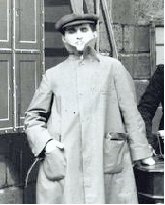
Viggo Larsen Sherlock Holmes i Livsfare
1908
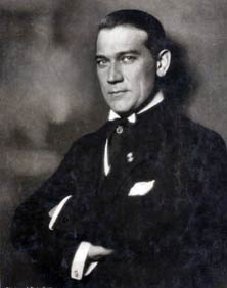
Alwin Neuß Sherlock Holmes
1908
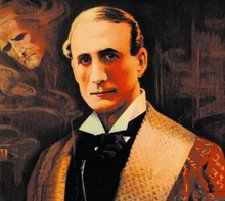
Henry Arthur Saintsbury The Valley of Fear
1916
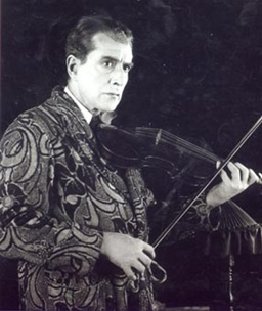
Eille Norwood The Yellow Face
1921
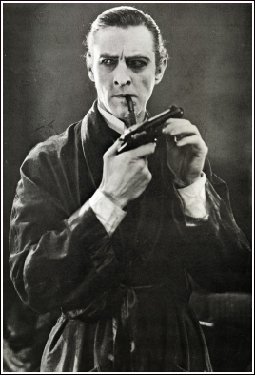
John Barrymore Sherlock Holmes
1922
Clive Brook The Return of Sherlock Holmes
1929
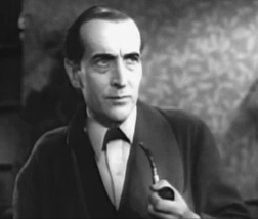
Arthur Wontner Sherlock Holmes Fatal Hour
1931
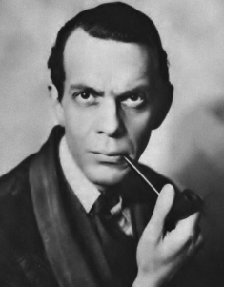
Raymond Massey The Speckled Band
1931
Reginald Owen A Study in Scarlet
1933
Bruno Güttner The Hound of the Baskervilles
1937
Louis Hector The Three Garridebs
1937
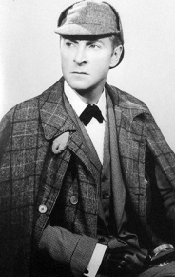
Basil Rathbone The Hound of the Baskervilles 1939 Probably the most definitive Holmes of my parents’ generation
Alan Napier The Speckled Band
1949
Alan Wheatley Sherlock Holmes
1951
Ronald Howard Sherlock Holmes
1954
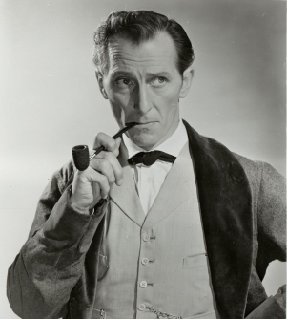
Peter Cushing The Hound of the Baskervilles
1959
Christopher Lee Sherlock Holmes and the Deadly Necklace
1962
Douglas Wilmer Detective
1964
John Neville A Study in Terror
1965
Robert Stephens The Private Life of Sherlock Holmes
1970
Radovan Lukavský Touha Sherlocka Holmese
1971
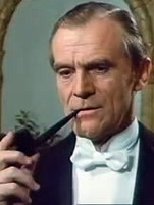
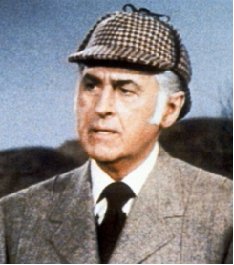
Stewart Granger The Hound of the Baskervilles
1972
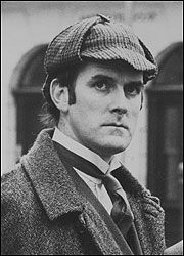
John Cleese Comedy Playhouse; Elementary, My Dear Watson:
The Strange Case of the Dead Solicitors
1973
Leonard Nimoy The Interior Motive – Stage Play 1975
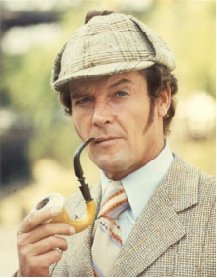
Roger Moore Sherlock Holmes in New York
1976
Nicol Williamson The Seven Percent Solution
1976
Christopher Plummer The Sunday Drama
1977
Vasiliy Livanov Sherlock Holmes and Doctor Watson: The Acquaintance
1980
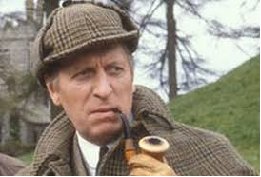
Tom Baker The Hound of the Baskervilles Series
1982
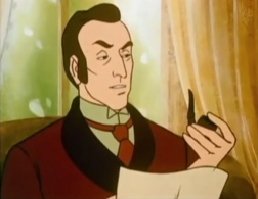
Guy Henry Young Sherlock: The Mystery of the Manor
House
1982
Peter O’Toole Burbank films, Animated
1983
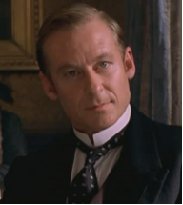
Ian Richardson The Hound of the Baskervilles
1983
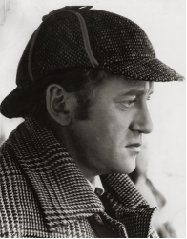
Jeremy Brett The Adventures of Sherlock Holmes 1984 By far the most popular suggestion from my poll-takers.
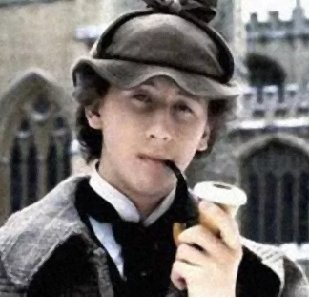
Nicholas Rowe Young Sherlock Holmes
1985
Brent Spiner TNG “Elementary, Dear Data”
1988
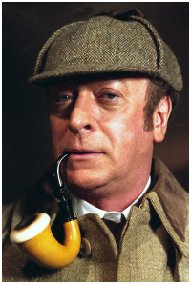
Michael Caine Without a Clue
1988
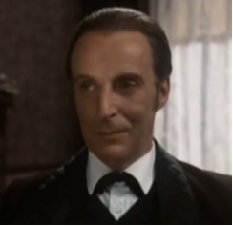
Michael Pennington The Return of Sherlock Holmes
1989
Anthony Higgins Sherlock Holmes Returns
1993
Matt Frewer The Hound of the Baskervilles 2000 A good fit for Berlinghoff Rasmussen, a time-traveling con-man in Star Trek. As Holmes? Not so much.
Joaquim de Almeida The Xango from Baker Street
2001
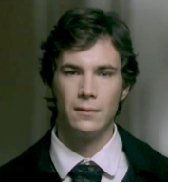
James D’Arcy Sherlock
2002
Richard Roxburgh The Hound of the Baskervilles
2002
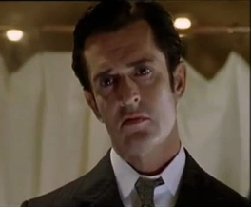
Rupert Everett Sherlock Holmes and the Case of the Silk
Stocking
2004
Jonathan Pryce Sherlock Holmes and the Baker Street
Irregulars
2007
Robert Downey, Jr. Sherlock Holmes 2009 Perfect Holmes for the Guy Richie vehicle; Jude Law was a great Watson as well.
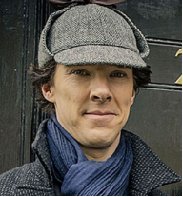
Benedict Cumberbatch Sherlock 2010 You could not ask for a more exquisite “high-functioning sociopath.”
Ben Syder Sherlock Holmes
2010
Jonny Lee Miller Elementary
2012
Gary Piquer Holmes & Watson. Madrid Days
2012
Igor Petrenko Sherlock Holmes; Russian series
2013
Kōichi Yamadera Sherlock Holmes
2014
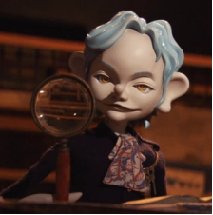
Ian McKellen Mr. Holmes
2015
Yoshimitsu Tagasuki Shisha no teikoku 2015
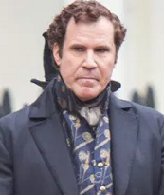
Will Ferrell Holmes and Watson 2018 Perhaps the most maligned Holmes outside of Matt Frewer, but this film was not intended to be taken seriously.
So now, you must choose. But choose… wisely.
The Old Wolf has spoken, and will be interested to see the results.
This started out as a Facebook thing; I participated, and – having a lot of erudite and eclectic friends – I got a lot of commentary.
Don’t take too long to think about it. Fifteen books you’ve read that will always stick with you, for whatever reasons. This isn’t your top 15 canon or even books you’d necessarily recommend, just books that have made their mark on you. First fifteen you can recall in no more than 15 minutes.
I gathered all the responses, edited out the duplicates, and came up with this list – which would keep me busy for quite a while if I ever found myself locked in a bookstore after the zombie apocalypse…
Or even wander into one on a normal day…
I have chosen to share the list for your gratuitous pleasure. Enjoy.
Edit: two years later, I published A Reading List of Great Books, itself compiled from a couple of different lists I came across on the Internet. There are many duplicates here, but because this was not a list of necessarily great books but rather of tomes that friends of mine found impactful, I will let this one stand on its own.
1984 – George Orwell A Canticle for Leibowitz – Walter M. Miller, Jr. A Clockwork Orange – Anthony Burgess A Confederacy of Dunces – John Kennedy Toole A Fine Balance – Rohinton Mistry A is for Alibi – Sue Grafton A Mote in God’s Eye – Larry Niven and Jerry Pournelle A Separate Peace – John Knowles A Town Like Alice – Nevil Shute A Tree Grows in Brooklyn, Betty Smith. A Wizard of Earthsea – Ursula LeGuin A Wrinkle in Time – Madeleine L’Engle Alice Munro (anything) All The Light We Cannot See – Anthony Doerr An American Bible – Elbert Hubbard Angela’s Ashes – Frank McCourt Animal Dreams – Barbara Kingsolver Animorphs series – Katherine Applegate Anna Karenina – Leo Tolstoy Anne Of Green Gables – L. M. Montgomery Babel Tower – A. S. Byatt Babel-17 – Samuel R. Delaney Baby Island – Carol Ryrie Brink Barbara Pym (anything) Becoming – Michelle Obama Been Down So Long It Looks Like Up to Me – by Richard Fariña Beloved – Toni Morrison Beyond the Beautiful Forevers – Katherine Boo Black Beauty – Anna Sewell Black Boy – Richard Wright Black Like Me – John Howard Griffin Bonds that make us Free – C. Terry Warner Born A Crime – Trevor Noah Brave New World – Aldous Huxley Catcher in the Rye – J. D. Salinger Childhood’s End – Arthur C. Clarke Come to Grief – Dick Francis Crime and Punishment – Fyodor Dostoevsky Cry the Beloved County – Alan Paton Dans l’or du temps – Claudie Gallay Death at an Early Age – Jonathan Kozol Dinner At The Homesick Restaurant – Anne Tyler Double Negative – David Carkeet Down all the Days – Christy Brown Dreamsnake – Vonda N. McIntyre Dune – Frank Herbert Educated – Tara Westover Ender series – Orson Scott Card Enemy Mine – Barry B. Longyear Everything Is Illuminated – Jonathan Safran Foer Expecting Adam – Martha Beck Flowers for Algernon – Daniel Keyes Finnegan’s Wake – James Joyce Foundation Trilog – Isaac Asimov Gaudy Night – Dorothy L. Sayers Girl in Translation – Jean Kwok Godel, Escher, Bach: An Eternal Golden Braid – Douglas Hofstadter Grant – Ron Chernow Grapes of Wrath – John Steinbeck Green Eggs And Ham – Dr. Seuss Guns, Germs and Steel – Jared Diamond Hamilton – Ron Chernow Handbook of Designs and Devices – the Dover Pictorial Archive Harry Potter Saga – J.K. Rowling Have Space Suit, Will Travel – Robert A. Heinlein Heart of Darkness – Joseph Conrad Horton Hatches the Egg – Dr Seuss How I Live Now – Meg Rosoff Huckleberry Finn – Mark Twain Hunger Games – Suzanne Collins I Am A Strange Loop – Douglas Hofstadter I Know Why the Caged Bird Sings – Maya Angelou In Calabria – Peter Beagle I Will Always Love You – Cecily von Ziegesar If You Meet the Buddha on the Road, Kill Him! – Sheldon Kopp In the Garden of Beasts – Eric Larson Into Thin Air – Jon Krakauer It’s the Heart That Goes Last – Margaret Atwood Jane Eyre – Charlotte Brontë Joan Aiken (anything) John le Carré (anything) John Scalzi (anything) Kate Atkinson (anything) Kon Tiki – Thor Heyerdahl Leaders eat Last – Simon Sinek L’écume des jours – Boris Vian Left Hand of Darkness – Ursula K. Le Guin Les gens de Mogador – Élisabeth Barbier Les Miserables – Victor Hugo Life As We Knew It and The Dead and the Gone – Susan Beth Pfeffer Light in August – William Faulker Little Men – Louisa May Alcott Little Women – Louisa May Alcott Lord of the Flies – William Golding Love, Again – Doris Lessing Lucky Jim – Kingsley Amis Man’s Search for Meaning – Viktor Frankl Me & Emma – Elizabeth Flock Michel Folco – Everything Middlemarch – George Eliot Mistress Masham’s Repose – T. H. White Moby Dick – Herman Melville My Antonia – Willa Cather My Brilliant Friend – Elena Ferrante My Name is Asher Lev – Chaim Potok No Country for Old Men – Cormac McCarthy O, Pioneer – Willa Cather Of Human Bondage – W. Somerset Maugham Oliver Twist – Charles Dickens On Becoming a Person – Carl Rogers On Writing – Stephen King Oranges Are Not The Only Fruit – Jeanette Winterson Pappan och havet – Tove Jansson Past Sins – Pen Stroke Peeps – Scott Westerfeld People of the Book – Gwendolyn Brooks PG Wodehouse (anything) Philip K. Dick (anything) Pillars of the Earth – Ken Follett Possession – A.S. Byatt Pride and Prejudice – Jane Austen Puckoon – Spike Milligan Reading in the Dark – Seamus Deane Resurrection – Leo Tolstoy Screwtape Letters – C.S. Lewis Seven Days In May – Fletcher Knebel and Charles W. Bailey II Sherlock Holmes – Arthur Conan Doyle Silent Spring – Rachel Carson Spiritual Roots of Human Relations – Stephen R. Covey Stranger in a Strange Land – Robert A. Heinlein Strumpet City – Joseph Plunkett Sum: Forty Tales from the Afterlives – David Eagleman Tess of the d’Urbervilles – Thomas Hardy The “Tomorrow” series – John Marsden The Alexandria Quartet – Lawrence Durrell The Anatomy of Peace – The Arbinger Institute The Art of Racing in the Rain – Garth Stein The Audacity of Hope – Barack Obama The Black Stallion – Walter Farley The Book of Mormon The Brothers Karamazov – Fyodor Dostoevsky The Call Of The Wild – Jack London The Canopy of Time – Brian Aldiss The Canterbury Tales – Geoffrey Chaucer The Carpet Makers – Andreas Eschbach The Chosen – Chaim Potok The Company of Wolves – Angela Carter The Compassionate Samurai – Brian Klemmer The Crystal Cave – Mary Stewart The Dark – John McGahern The Dean’s December – Saul Bellow The Devil Tree – Jerzy Kosiński The Diary of a bookseller – Shaun Bythell The Disposessed – Ursula LeGuin The Education of Little Tree – Asa Earl Carter The Ellie Chronicles – John Marsden the Emily trilogy – L. M. Montgomery The Family of Man, Museum of Modern Art Exhibition Catalogue The Fire Next Time – James Baldwin The Fountainhead – Ayn Rand The Giver – Lois Lowry The God Delusion – Richard Dawkins The Golden Apples of the Sun – Ray Bradbury The Grand Sophy – Georgette Heyer The Grapes of Wrath – John Steinbeck The Great Divorce – C. S. Lewis The Green Hills of Earth – Robert A. Heinlein The Handmaid’s Tale – Margaret Atwood The Hiding Place – Cory Ten Boom The Holy Bible The Horse’s Mouth – Joyce Cary The Human Comedy – William Saroyan The Immortal Life of Henrietta Lacks – Rebecca Skloot The Jewel in the Crown Quartet and Staying On – – Paul Scott The Last Question – Isaac Asimov The Last Unicorn – Peter Beagle The Lazarus Long series – Robert Heinlein The Left Hand of Darkness – Ursula le Guin The Lovely Bones – Alice Sebold The Magus – John Fowles The Master and Margarita – Mikhail Bulgakov The Mayor of Casterbridge – Thomas Hardy The Odyssey – Homer The Rape of Nanking – Iris Chang The Red Tent – Anita Diamant The Rise and Fall of the Third Reich – William L. Shirer The Road – Cormac McCarthy The Secret Garden – Frances Hodgson Burnett The Secret History – Donna Tartt The Shining – Stephen King The Sound and the Fury – William Faulkner The Source – James A. Michener The Sparrow – Mary Doria Russell The Spinning Heart – Donal Ryan The Sword of Shannara – Terry Brooks The Thirteen Clocks – James Thurber The Thrawn Trilogy – – Timothy Zahn The Time Traveler’s Wife – Audrey Niffenegger The Turn of the Screw – – Henry James The Twilight Saga – – Stephanie Meyer The Whiteoaks of Jalna – Mazo de la Roche The World Treasury of Physics, Astronomy, and Mathematics (various) Time and Again – Jack Finney To Be a Slave – Julius Lester To Kill A Mockingbird – Harper Lee To Say Nothing of the Dog – Connie Willis Tolkien (anything) Tomorrow When the War Began – John Marsden Tortilla Flats – John Steinbeck Touching Spirit Bear – Ben Mikaelsen U.S.A. Trilogy – John Dos Passos Ulysses – James Joyce Up the Down Staircase – Bel Kaufman Ursula LeGuin – Everything Vida – Marge Piercy Waiting for the Barbarians – JM Coetzee War and Peace – Leo Tolstoy Warmth of Other Suns -Isabel Wilkerson White Fang – by Jack London Wicked – Gregory Maguire Wide Sargasso Sea – Jean Rhys Young Jedi Knights series – Kevin J. Anderson) Zookeeper’s Wife – Diane Ackerman
The Old Wolf assumes no liability for death by starvation in libraries, dens, or bookstores.
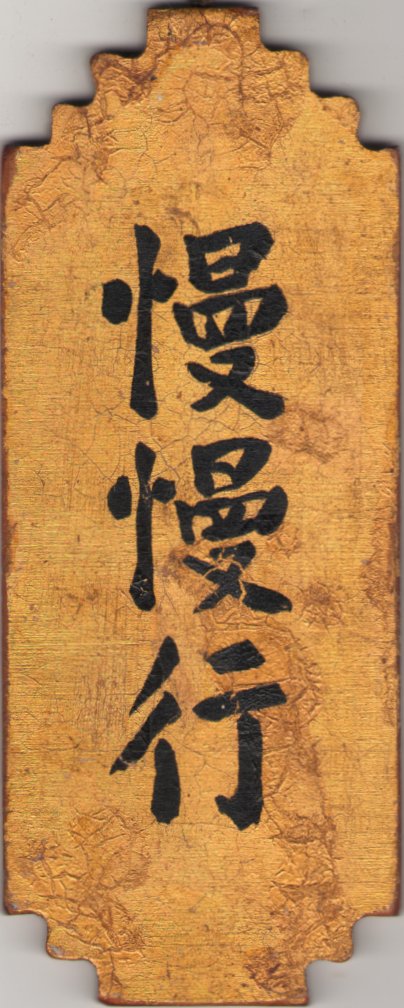
For the longest time, this little plaque has hung by my door, much in the same way as a mezuzah graces the home of the Jewish faithful.
Mahn Mahn Hong
For a number of reasons, it is among my most treasured possessions, those things that have transient value during our sojourn on this pale blue dot, and which often end up in a thrift store or the landfill when they are passed to family who have no connection to them.
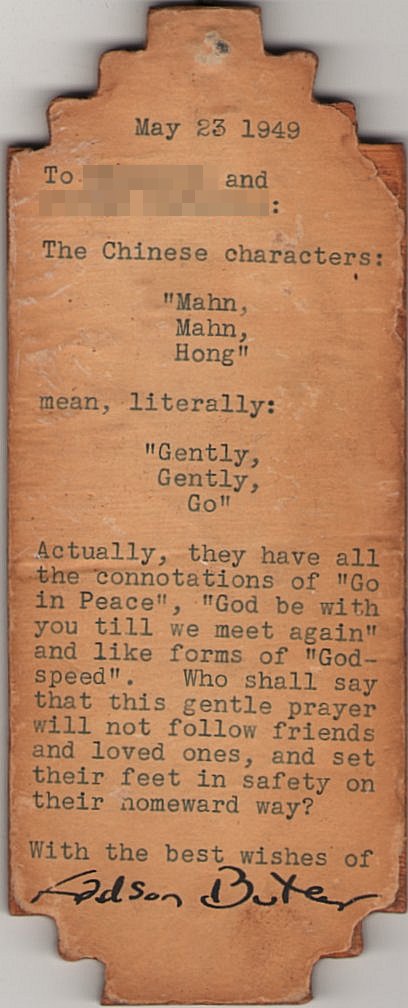
The back side looks like this:
This came to me from the effects of my father, who – despite the fact that it was a gift celebrating a marriage that would end 9 years later – obviously treasured it and the sentiment included.
I have already written of Ladson Butler, a man of keen intellect and the heart of a Compassionate Samurai, whom I regret not having known in life. This was a present from him to my parents on the occasion of their wedding.
The hanzi (慢慢行) on the front read “mahn mahn hong” in Cantonese, or “Màn man xíng” in Mandarin. Butler’s translation, “gently, gently go” is accurate – 慢 is “slowly,” and 行 means “go” or “travel.” Other translations have been rendered as “take it easy” or “take care.” The sentiment extended to a visitor who is leaving your home is the same, regardless of how you read it, and brings to mind the gentleness of the well-known “Irish blessing:”
Go n-éirí an bóthar leat Go raibh an ghaoth go brách ag do chúl Go lonraí an ghrian go te ar d’aghaidh Go dtite an bháisteach go mín ar do pháirceanna Agus go mbuailimid le chéile arís, Go gcoinní Dia i mbos A láimhe thú.
May the road rise to meet you May the wind be always at your back May the sun shine warm upon your face, The rains fall soft upon your fields And until we meet again May God hold you in the hollow of His hand.
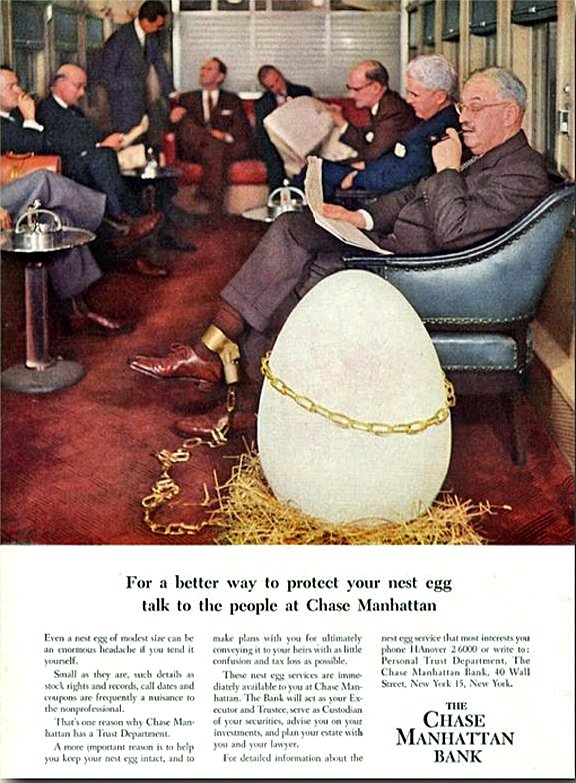
Decades ago, Chase Manhattan ran an investment campaign featuring the “nest egg” as the primary hook:
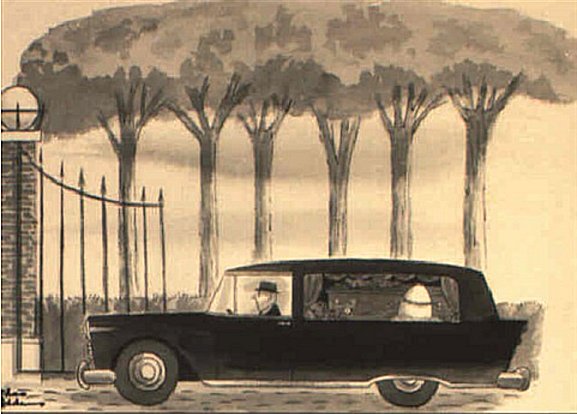
Charles Addams, the famous cartoonist whose work appeared so frequently in the New Yorker, had a different take on this:
Despite intense effort, it’s still true – you can’t take it with you. Elbert Hubbard, an author and humanist of previous generations, once expressed the same sentiment more poignantly:
“The dead carry in their clenched hands only that which they have given away.”
So this little jewel of mine will remain behind when the bus comes for me, and whether or not someone treasures it after I am gone remains to be seen – I can only hope. But for me it has had immense value.
You know, those things that everyone is doing or everyone has to have. My wife and I were talking about this the other day, and it got me thinking about those fads or trends that had touched my life since the 1950s. I can’t think of anything that I ever went crazy for in terms of “gotta catch em’ all,” but I know there were many that I crossed paths with over time. There are far more than these listed in various places, but these are some of the ones that crossed my path in some way or other.
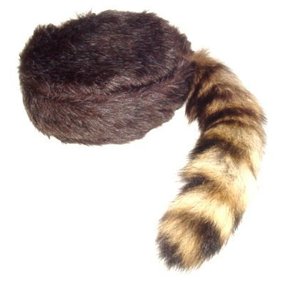
The Coonskin Cap
Had to have one of these when I was around three. Davy Crockett was my hero
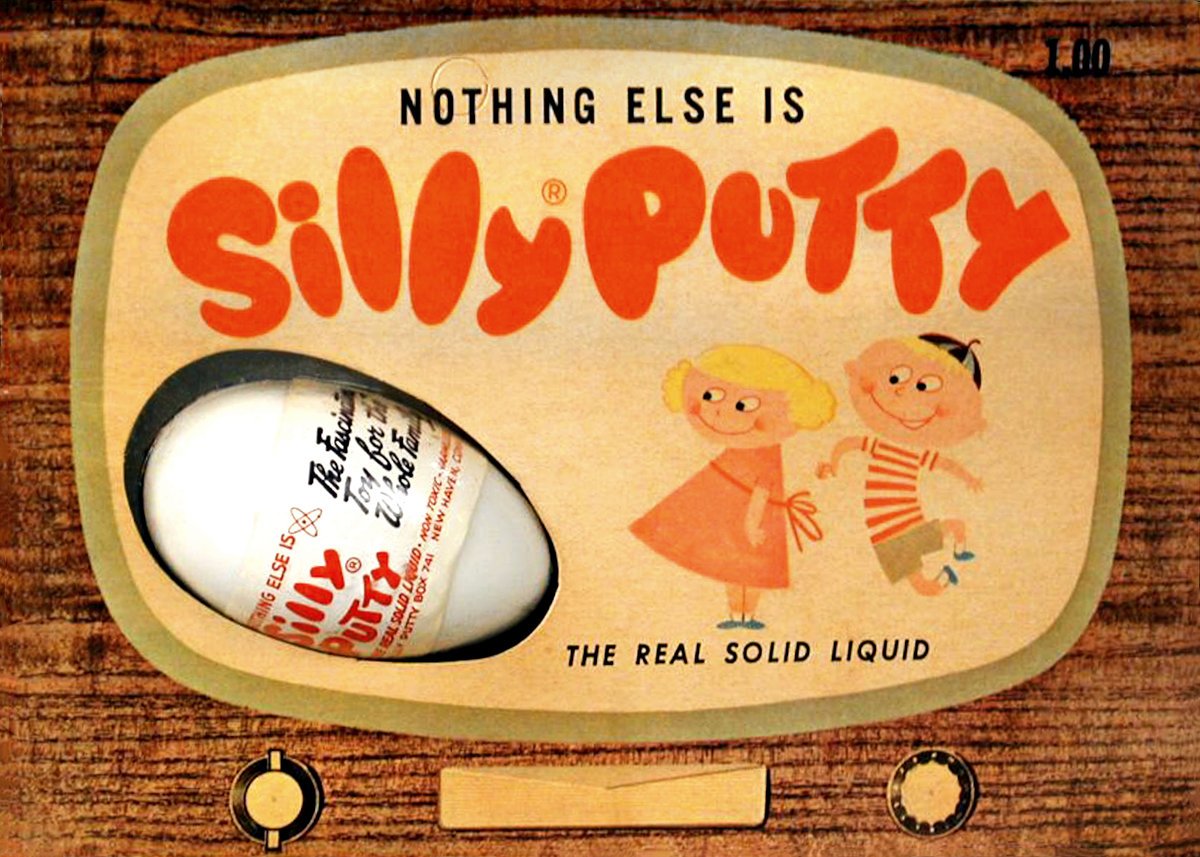
Silly Putty
Lifting the ink off comics was fun. Getting yelled at when it melted into my clothes or the carpet was not.
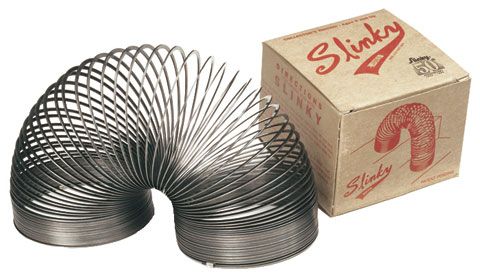
Slinky
1950’s slinky
We lived in a 5-floor walkup in New York City. I loved sending one of these down the stairs. The problem was, when I was 7, I foolishly attended a double-feature horror show with my cousins, and for longer than I’m proud to admit I was terrified that this lady lurked in the shadows under the stairwells. It sort of dampened the enthusiasm for spending more time than I had to on the stairs.
Hula Hoop
Well, he finally got one. Why does Alvin look so conflicted?
In 1959, I learned the Chipmunks’ Christmas song by heart, and of course I had to have a hula hoop. It was fun for a day or two. But they’re still a thing, apparently.
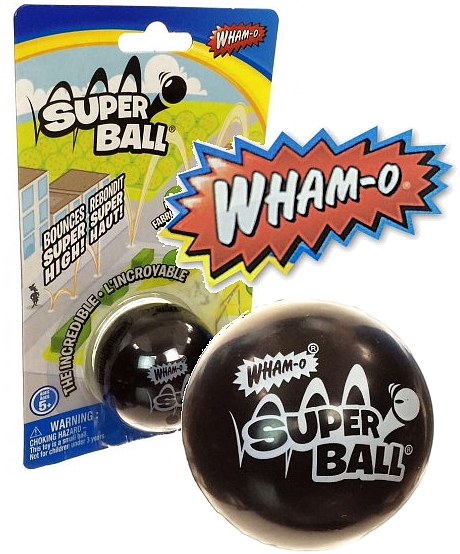
Super Ball
I got one of the early ones, and the Super Ball really did bounce, but mine started flaking apart after a while. I guess they got the kinks worked out eventually. These were very hot when they came out; peak production reached over 170,000 Super Balls per day, but the maker knew it was a passing fad. “Each Super Ball bounce is 92% as high as the last,” said Wham-O VP Richard P. Knerr. “If our sales don’t come down any faster than that, we’ve got it made.”
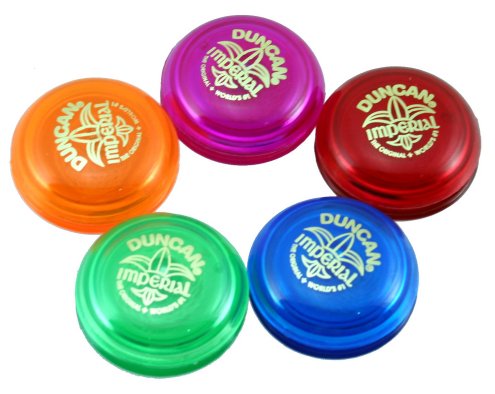
The Duncan Imperial Yo-Yo
I was mad for these in 5th grade
Yoyos are a very old toy, but Duncan really hit the nail on the head when they came up with these shiny, premium units with a metal spindle that allowed the toy to spin freely. I remember mine was red, and I had one of the butterfly versions as well. These are still pretty hot in some sectors; watch the absolute masters go at it.
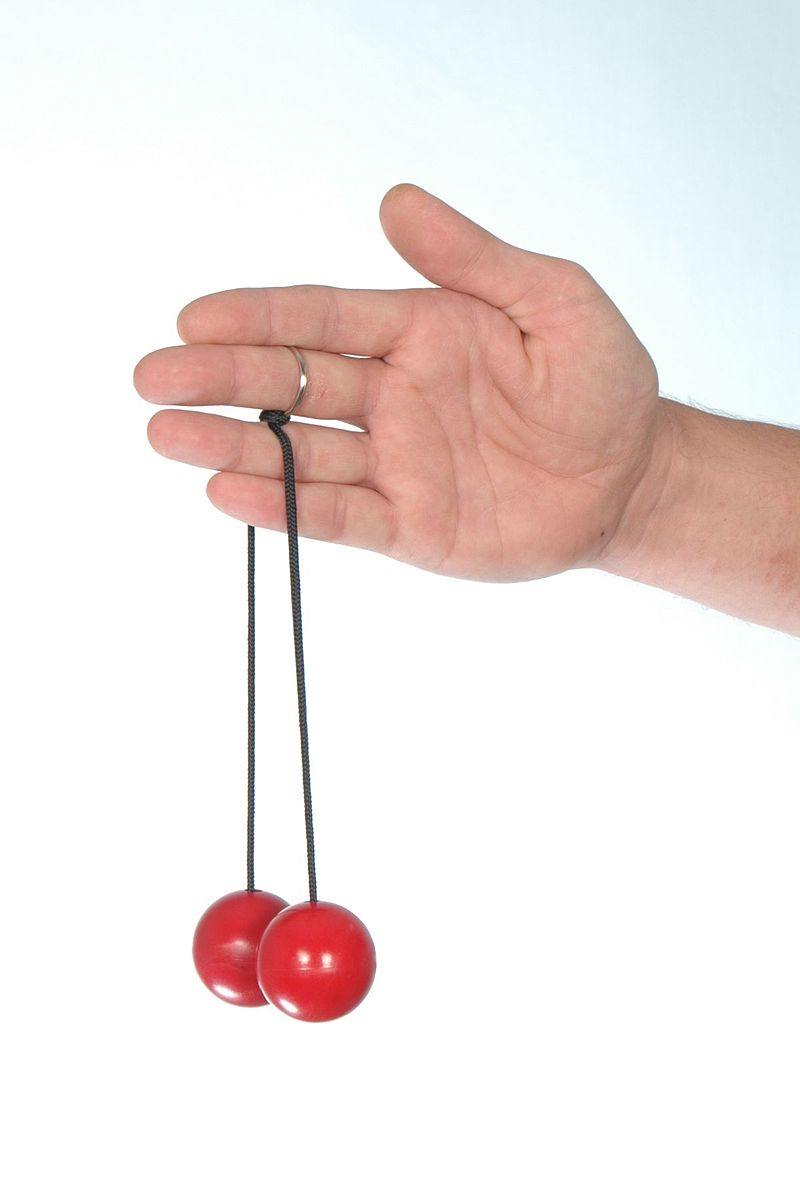
Clack Balls
Noisy and dangerous, but fun when you got the hang of it.
These were probably the bane of parents and K-12 teachers when they came out. When you really got them going, they made a racket that sounded like a machine gun. Apparently they were prone to shattering, which I never experienced, but they should have come with wrist guards because when you did it wrong, you’d get whacked and it hurt. These were taken off the market in the 1970s. Wikipedia has some interesting history behind these.
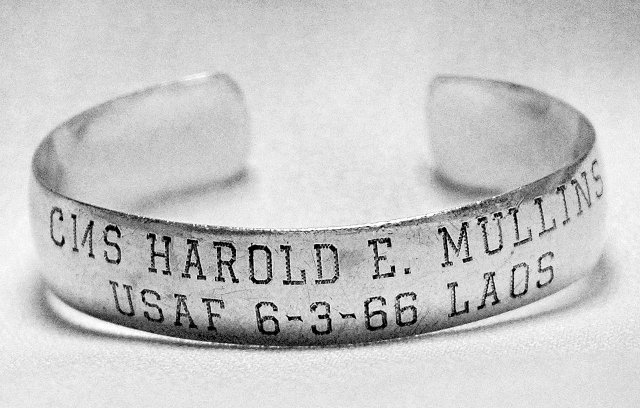
POW-MIA bracelets
Many of these are still to be found on people’s wrists
These were created in 1970, during the Vietnam War. Those who wore one pledged to continue doing so until the person they represented came home. They were very popular on the campus of the University of Utah; I wore mine for years until it was almost devoid of chrome plating, and it ultimately fell apart from metal fatigue. There are still many military personnel missing, and they deserve to be remembered.
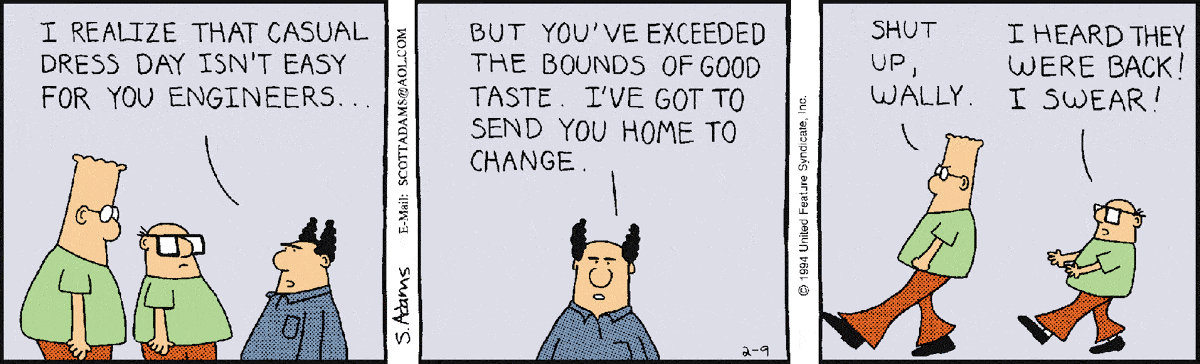
Bell-bottoms
In the 1970s I had a couple of these (in the most hideous polyester faux-tartan imaginable) just because they were cheap, if I recall correctly.
This cartoon appeared in 1994, by which time bell-bottoms had become an icon for ridiculous fashion.
Cabbage Patch Kids
These toys, still available, are the first ones that really became a nationwide madness, as far as I can recollect. They were so hot they spawned the Cabbage Patch Riots, a precursor of later Black Friday rampages. I only know of them because I had a young daughter at the time, and of course she wanted one. Fortunately, the madness had subsided (mostly) by the time she was old enough to appreciate one.
Pogs
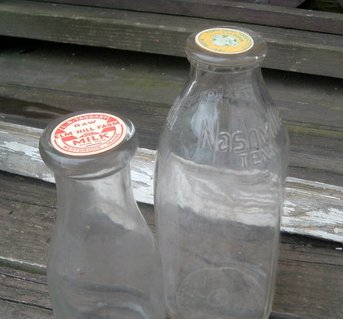
These once had a practical use
Pogs, or milk caps, used to be found sealing returnable glass bottles of milk, often delivered from the dairy. When the paper or foil cap was removed, the “pog” was taken out to unseal the bottle.
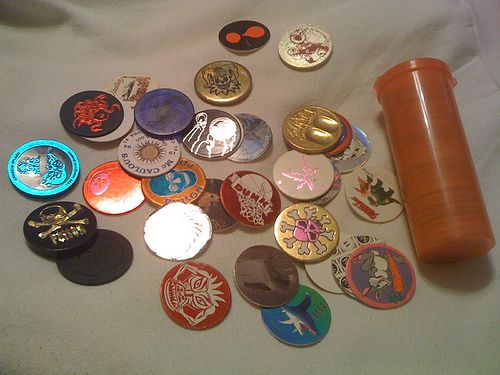
In the 1990s, the game of Pogs was commercialized, but it had become an entertainment for the young before that. Not unlike marbles, pogs were placed face down and the player would toss a heavy disk at the stack, causing them to scatter. Any pogs that landed face up belonged to the player.
My oldest son was very good at the game and had quite a collection.
There were as many designs for pogs and slammers as one could imagine.
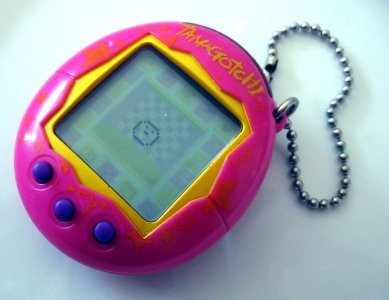
I had one. The object was to feed and care for your little blob until it grew into an adult. You’d give it food, clean up its poop, and basically take care of it with needs and attention. It would beep at you when it wanted something. Mine “died.” Enough said.
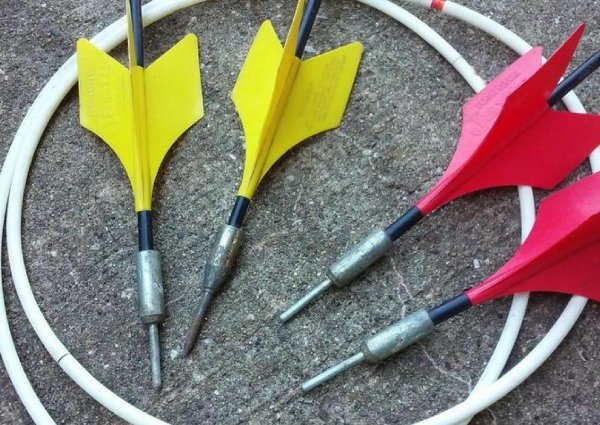
Lawn Darts
Imagine playing horseshoes with deadly weapons. That’s what lawn darts were.
“You’ll shoot your eye out!”
These things were lethal. In 1987, a young girl was killed, and between 1980 and 1988, 6,100 people had been sent to the emergency room. They were banned in 1988.
Beanie Babies
“Peace”, currently selling at around $30K
Ty made a lot of money on these little understuffed animals, but almost nobody else did. People collected them like crazy, hoping that the “discontinued” ones would increase in value and make them rich. Only a very few actually became worth anything, and only to die-hard collectors (although during the height of the craze, people were flipping Beanies for ten times their purchase price, and at one point almost 10% of sales on eBay were linked to Beanie Babies. Like anything else, an item is worth only what some s̶u̶c̶k̶e̶r̶ collector will pay for it. Like most others, the fad crashed, and today, surviving Beanie Babies are worth about 50 cents apiece. A few of these ended up in our kid’s stockings at Christmas time because they were cute.
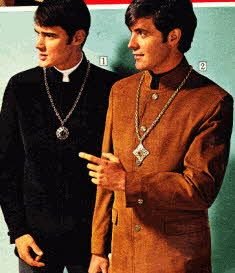
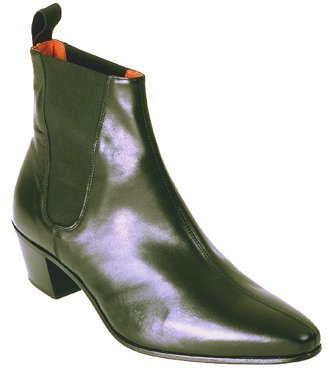
Nehru Jackets, Beatle Boots, and Madras clothing.
These were items that were popular when I was at a prep school in New England in the ’60s. A lot of kids had them.
The Nehru Jacket
The original Beatle boot. The Fab Four spawned a number of fashion fads in their day. I almost got thrown out of school because I tried to grow my hair in the “mop” style popularized by the early Beatles look.
Madras jackets are aparently still available in some places. I thought they were cool then, they look pretty garish now.
Furbies
Dah-boo!
The interactive toy that scared the pee out of the NSA. These little critters came with an infrared port that allowed them to recognize the presence of another Furby; they would, at that point, hold conversations in “Furbish,” a language of agglomerated nonsense syllables. As time went on, however, Furbies began to start speaking English, and as time went on, the amount of English increased. Authorities in certain government agencies decided that these little critters could act as spies, but Tiger Electronics, the maker, said,
Furbies didn’t have recording devices at all. Rather, the manufacturer had pre-programmed some English into the toy’s memory, and as the Furby “aged,” it began to use those words more and more — but there was no way for it to add new, “heard” words to its vocabulary. A Tiger executive told the media that “the NSA did not do their homework” and exclaimed that “Furby is not a spy!” (Now I Know)
We had a few of these scattered around the house. They could be quite startling if they began to talk without provocation.
I could go on. Invisible dogs, pet rocks, psychedelic posters, lava lamps, you name it. If you’re interested in a long walk down memory lane, here is a pretty comprehensive list of fads and trends from the 1830s to present. And it’s a given that in the very near future, there will be another “hot new thing.”
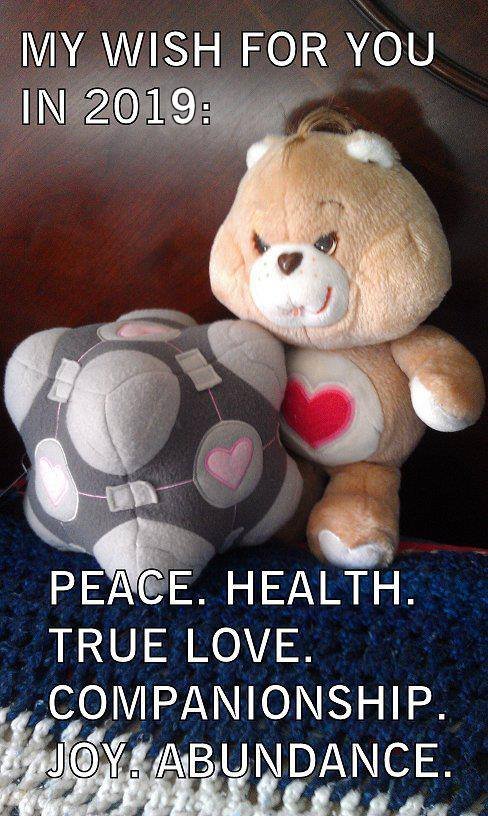
Edit: How could I have forgotten Care Bears? Here’s my little buddy with his Weighted Companion Cube (don’t talk to me about mixed metaphors), wishing all my friends and family a wonderful 2019. We had a lot of Care Bears over time, and most of them came back to me as my children grew up. (Fortunately, I never did.) The vast majority were sold to collectors on eBay, but Tenderheart, a 1986 original, is mine forever.
Postscript
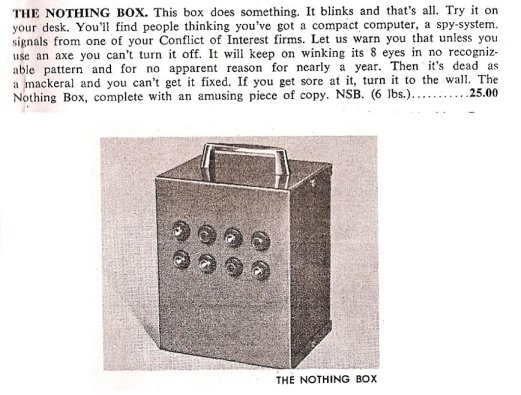
This was not a fad, really, but it was a fairly intriguing item for propellerheads in the mid ’60s. I wanted one, but at the time $25.00 seemed a bit too much for something that would die in a year.
Updates: (January 6, 2025) Time marches on, and since this post was originally written and then updated, many more clones of Dr Pepper have come and gone. The photo below is by no means comprehensive, although it does represent a good chunk of the local brands that have been seen across time.
I touched upon brand imitation in a previous post, but a recent image posted on Facebook by an acquaintance of mine made me want to revisit one such example in detail.
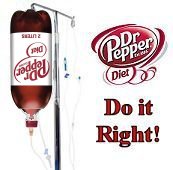
72 Dr Pepper clones
While Wikipedia relates many details about the brand and its history, apparently the original owners failed to trademark the “Dr.” part of its name, and as a result there are almost more doctors in grocery stores than you can find at an AMA convention.
Hannaford’s version of Dr Pepper. Not bad, actually, and half as expensive as the real thing. Sadly, the diet version has recently disappeared from shelves in the 12-pack form, and can only be found in 2-liter bottles. Hannaford was both obscure and uninformative when I pressed local management and national customer service as to reasons why.
Update: As a result of this jiggery-pokery, this Sam’s Club brand has become our household go-to, less than half the price of the real thing at our local WalMart. Ironically, Sam’s Club doesn’t carry this in bulk.
When we had a home in Florida for two years in 2023 and 2024, the Publix across the street jacked prices up during that time to the point where a 12-pack was within pennies of $10.00.
If WalMart ever decides to discontinue their brand, I shall sit in the middle of the floor and cry.
I have found two fairly complete lists of Dr Pepper clones out there.
List Two (more comprehensive, but now only on the Wayback Machine)
I never dreamed that there could be so many.
The origins of Dr Pepper are fraught with rumors; what is known is that the formula was originated by pharmacist Charles Alderton of Brooklyn, NY in Morrison’s Old Corner Drug Store in Waco, Texas. The Dr Pepper FAQ reports that “Dr Pepper is a unique blend of 23 flavors.” Prune juice, despite popular opinion, is not one of them. There is a suggestion that Alderton wanted to come up with a soda that had the smell of walking into an old soda shop. Its formula is as closely guarded as that of CocaCola™.
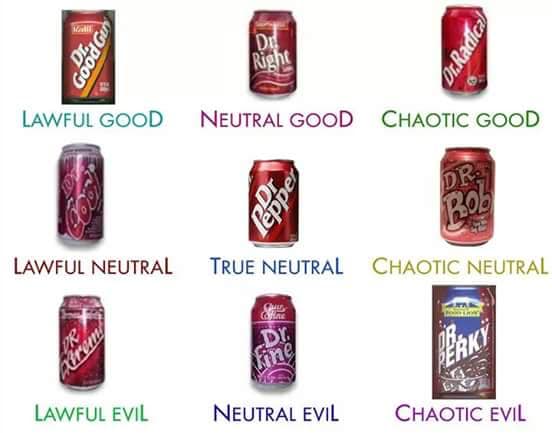
Whether these alignments are based on the names or on one person’s assessment of the relative accuracy of the flavor, I have not been able to determine, but I thought it was funny at any rate.
As for who owns Dr Pepper, that is also a tale of the ages. It’s now marketed by the Dr Pepper Snapple Group, a business unit of the conglomerate Keurig Dr Pepper. (You can see Dr Pepper on the far left in the image at this post – it was at that time still a part of Cadbury Schweppes.)
But regardless of who owns it, or who distributes it (sometimes it’s the local Coke distributor, sometimes it’s the Pepsi people), as long as it continues to be available in some form or other I’ll be happy. (And I will buy the real thing if I can find it on sale.)
This exchange was shared with me on Facebook as a screen capture. I went digging and found the original post at the Tumblr of Iowa Rambler (systlin), followed up by a repost with a couple of comments at the Tumblr of assasue.
I present it here in slightly bowdlerized form for a family-friendly audience (my apologies to the original writers); if you don’t mind language you can follow the links above for the original text. Other than one small spelling correction for clarity, nothing has been changed.
systlin
Something I find incredibly cool is that they’ve found neandertal bone tools made from polished rib bones, and they couldn’t figure out what they were for for the life of them.
“Wait you’re still using the exact same thing 50,000 years later???”
“Well, yeah. We’ve tried other things. Metal scratches up and damages the hide. Wood splinters and wears out. Bone lasts forever and gives the best polish. There are new, cheaper plastic ones, but they crack and break after a couple years. A bone polisher is nearly indestructible, and only gets better with age. The more you use a bone polisher the better it works.”
It’s just.
50,000 years. 50,000. And over that huge arc of time, we’ve been quietly using the exact same thing, unchanged, because we simply haven’t found anything better to do the job.
saxifraga-x-urbium
i also like that this is a “ask craftspeople” thing, it reminds me of when art historians were all “what?” about someone’s ear “deformity” in a portrait and couldn’t work out what the symbolism was until someone who’d also worked as a piercer was like “uhm, he’s messed up a piercing there”. interdisciplinary stuff also needs to include non-academic approaches because crafts & trades people know things ok
assasue
One of my professors often tells us about a time he, as and Egyptian Archaeologist, came down upon a ring of bricks one brick high. In the middle of a house. He and his fellow researchers could not for the life of them figure out what it could possibly have been for. Until he decided to ask a laborer, who doesnt even speak English, what it was. The guy gestures for my prof to follow him, and shows him the same ring of bricks in a nearby modern house. Said ring is filled with baby chicks, while momma hen is out in the yard having a snack. The chicks can’t get over the single brick, but mom can step right over. Over 2000 years and their still corraling chicks with brick circles. If it aint broke, dont fix it and always ask the locals.
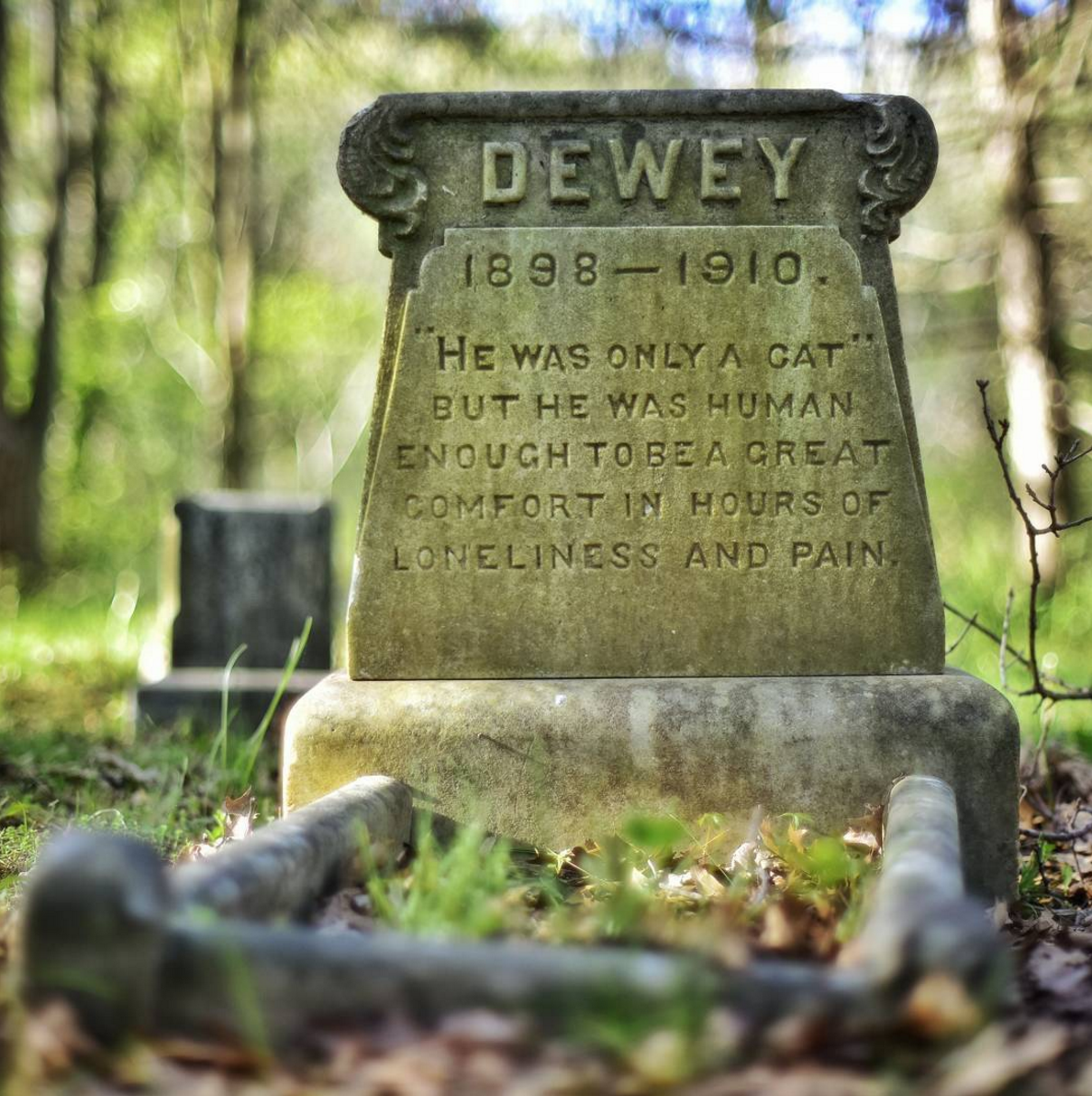
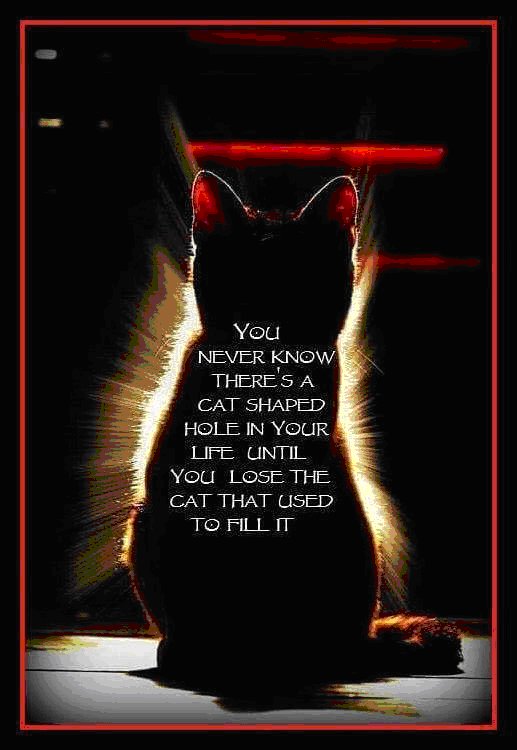
Last time it was cats. Really, though, any of these items are appropriate sentiments for the loss of a furry companion, who worm their way into our lives and our hearts with love, devotion, and affection, and who leave huge voids when they leave (always, always, far too soon.)
The House Dog’s Grave Robinson Jeffers (1887-1962)
I’ve changed my ways a little; I cannot now Run with you in the evenings along the shore, Except in a kind of dream; and you, If you dream a moment, You see me there.
So leave awhile the paw-marks on the front door Where I used to scratch to go out or in, And you’d soon open; leave on the kitchen floor The marks of my drinking-pan.
I cannot lie by your fire as I used to do On the warm stone, Nor at the foot of your bed; no, All the nights through I lie alone.
But your kind thought has laid me less than six feet Outside your window where firelight so often plays, And where you sit to read‚ And I fear often grieving for me‚ Every night your lamplight lies on my place.
You, man and woman, live so long, it is hard To think of you ever dying. A little dog would get tired, living so long. I hope that when you are lying Under the ground like me your lives will appear As good and joyful as mine.
No, dears, that’s too much hope: You are not so well cared for as I have been. And never have known the passionate undivided Fidelities that I knew. Your minds are perhaps too active, too many-sided… But to me you were true.
You were never masters, but friends. I was your friend. I loved you well, and was loved. Deep love endures To the end and far past the end. If this is my end, I am not lonely. I am not afraid. I am still yours.
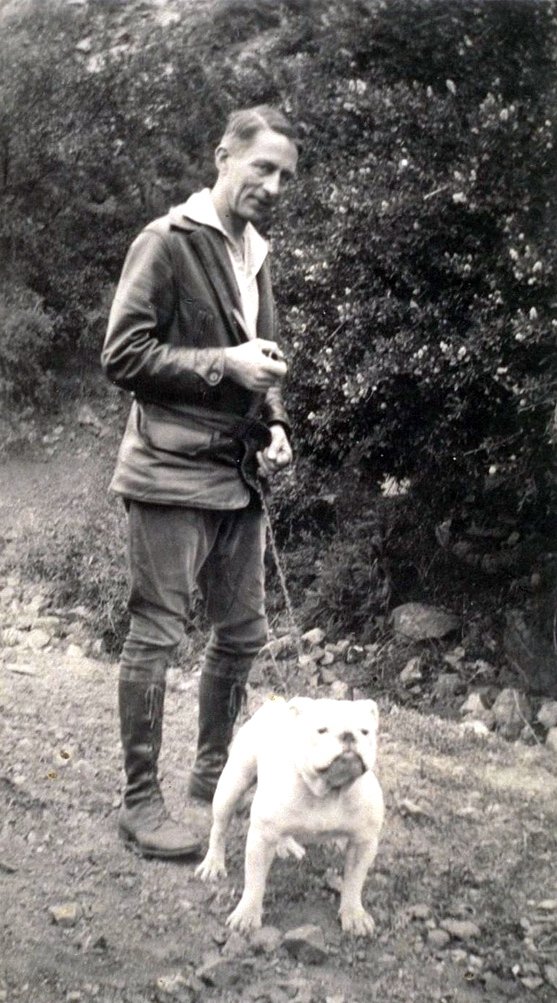
Robinson Jeffers and his English Bulldog, Haig.
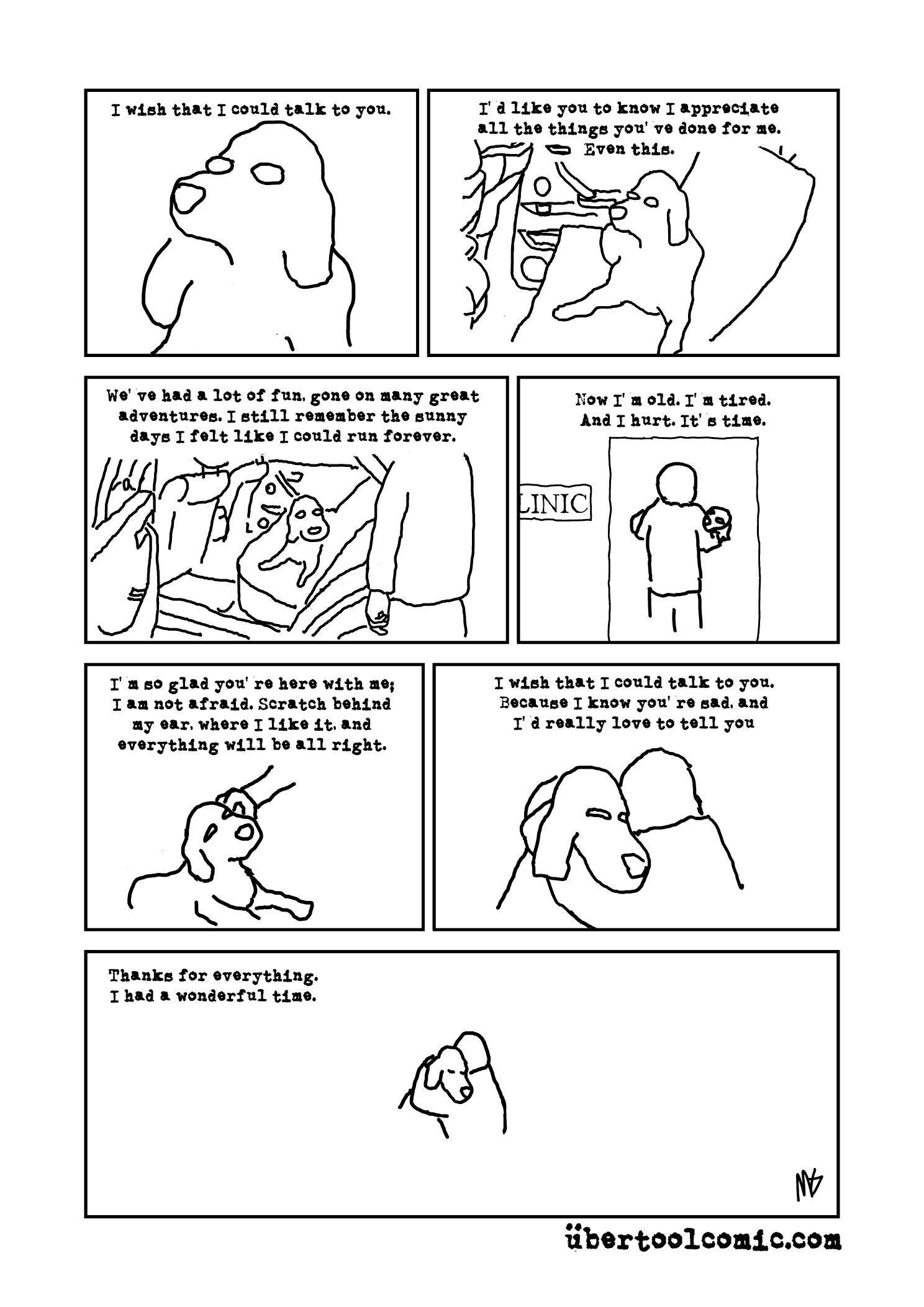
This one is especially relevant to those who have had to make the most difficult decision.
The Last Battle
If it should be that I grow frail and weak and pain should keep me from my sleep, Then you must do what must be done, For this–the last battle–can’t be won.
You will be sad I understand, Don’t let grief then stay your hand, For on this day, more than the rest, Your love and friendship must stand the test.
We have had so many happy years, What is to come can hold no fears You’d not want me to suffer, so. When the time comes, please let me go.
Take me to where to my needs they’ll tend, Only, stay with me till the end And hold me firm and speak to me Until my eyes no longer see.
I know in time you will agree it is a kindness you do to me. Although my tail its last has waved, From pain and suffering I have been saved.
Don’t grieve that it must be you Who has to decide this thing to do; We’ve been so close–we two–these years, Don’t let your heart hold any tears.
Lastly a few words about the quality of these very good bois and girls:
Quality
If you can start the day without caffeine, If you can get going without pep pills, If you can resist complaining and boring people with your troubles, If you can eat the same food every day and be grateful for it, If you can understand when your loved ones are too busy to give you any time, If you can overlook it when something goes wrong through no fault of yours and those you love take it out on you, If you can take criticism and blame without resentment, If you can ignore a friend’s limited education and never correct him, If you can resist treating a rich friend better than a poor friend, If you can face the world without lies and deceit, If you can conquer tension without medical help, If you can relax without liquor, If you can sleep without the aid of drugs, If you can say honestly that deep in your heart you have no prejudice against creed, color, religion or politics…
Then my friends, you are almost as good as your dog.
The Old Wolf cannot see or speak any more because someone is chopping lots of onions nearby.
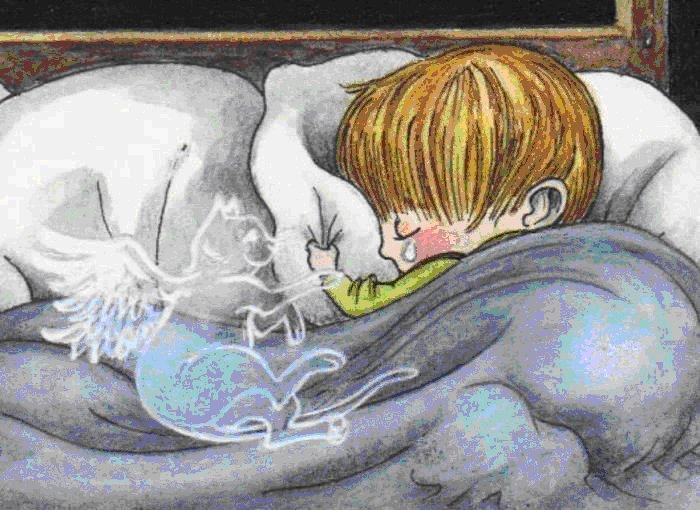
No one who has never been owned by a cat will ever truly understand.
To my dearest friend.
I stood by your bed last night; I came to have a peep. I could see that you were crying you found it hard to sleep. I spoke to you softly as you brushed away a tear, “It’s me, I haven’t left you, I’m well, I’m fine, I’m here.”
I was close to you at breakfast, I watched you pour the tea, You were thinking of the many times, your hands reached down to me. I was with you at the shops today; your arms were getting sore. I longed to take your parcels, I wish I could do more.
I was with you at my grave today; you tend it with such care. I want to re-assure you, that I’m not lying there. I walked with you towards the house, as you fumbled for your key. I gently put my paw on you; I smiled and said, “it’s me.”
You looked so very tired, and sank into a chair. I tried so hard to let you know, that I was standing there. It’s possible for me, to be so near you everyday. To say to you with certainty, “I never went away.”
You sat there very quietly, then smiled, I think you knew… in the stillness of that evening, I was very close to you. The day is over… I smile and watch you yawning and say “good-night, God bless, I’ll see you in the morning.”
And when the time is right for you to cross the brief divide, I’ll rush across to greet you and we’ll stand, side by side. I have so many things to show you, there is so much for you to see. Be patient, live your journey out…then come home to me.
Author Unknown
I learned early in life that the only solace for the loss of a cat is to get another cat. Despite the incredible hole these little furry creatures leave in our hearts when they go away, as they must invariably do, those holes can be filled by others, as has happened many times in my life. The following poem addresses that reality.
Stray Cat
Oh, what unhappy twist of fate Has brought you homeless to my gate? The gate where once another stood To beg for shelter, warmth and food.
For from that day I ceased to be The master of my destiny. While he, with purr and velvet paw Became within my house the law.
He scratched the furniture and shed And claimed the middle of my bed. He ruled in arrogance and pride And broke my heart the day he died.
So if you really think, oh Cat, I’d willingly relive all that Because you come forlorn and thin, Well….don’t just stand there… Come on in!
– Francis Witham
The Old Wolf, who has loved many small creatures, has spoken (and shed many a tear.)
Before computer games, there were pinball machines. If I had a nickel for every time I played one of those beasts in the 60s… well, I’d have all my nickels back. And it would be a significant pile.
We’re not going to talk about my addictive personality at the moment – that’s a given, something the Goodwoman of the House never tires of reminding me. But of all the pinball machines I ever played – and there was a pile of them – this one was indisputably my favorite. It showed up at the Jigger Shop (Cheshire Academy’s hole-in-the-wall luncheonette and post office) and was an instant favorite.
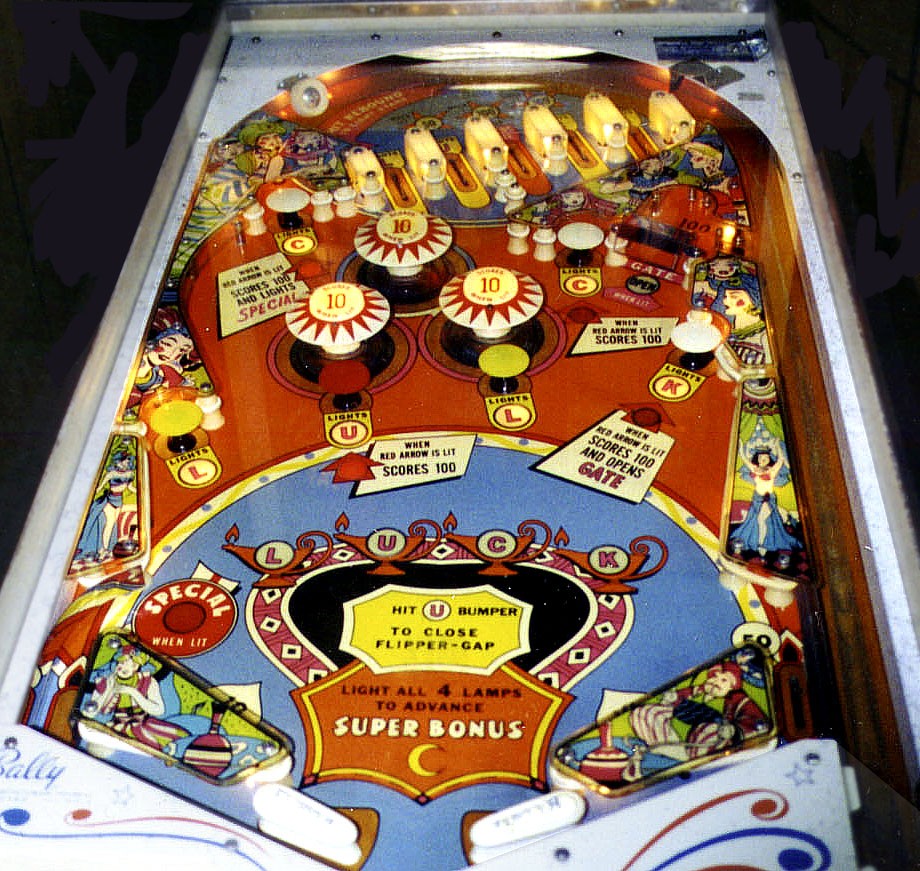
The full specs of this game are here at the The Internet Pinball Database – I’ve culled one or two photos to give you a feel for what it looked like.
Full view, photo by Tim Brady
The playing field, photo by Tim Brady
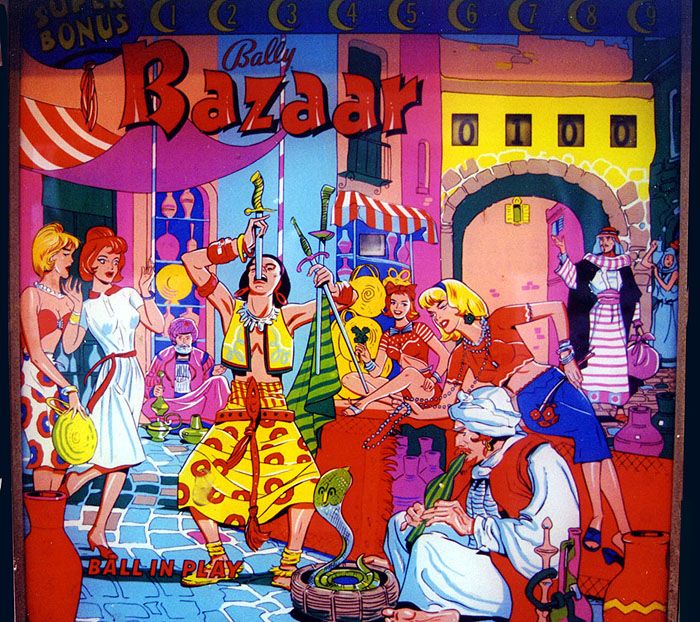
The back glass, photo by Alan Tate.
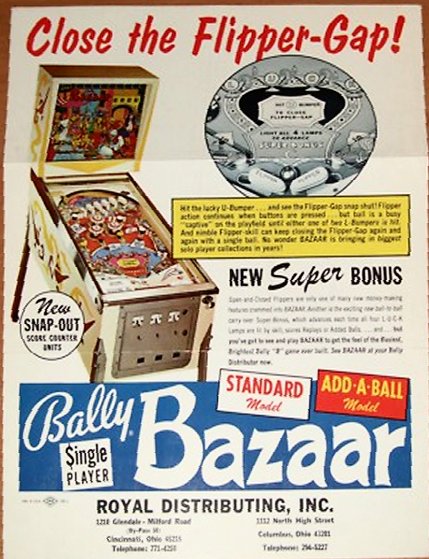
Bazaar flyer from Bally.
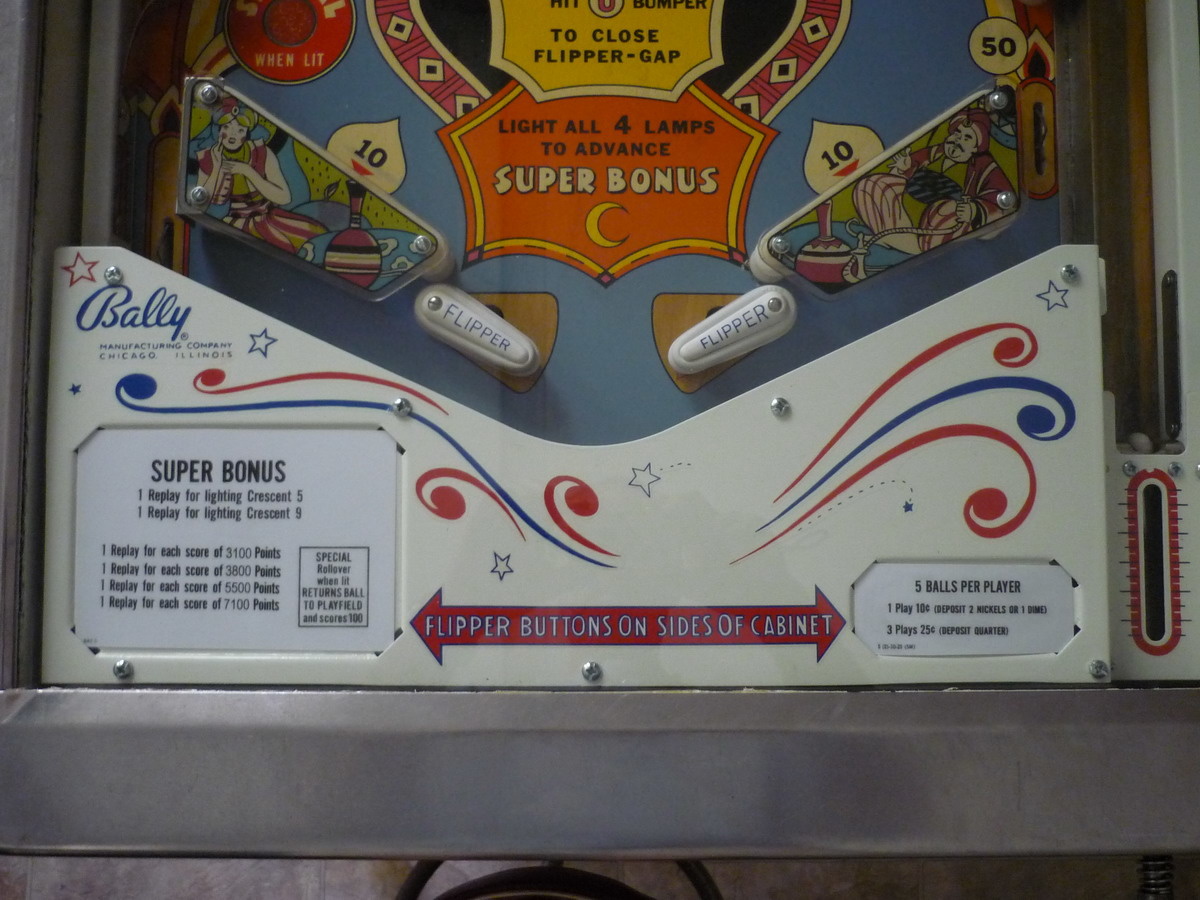
Closeup of the reward schema.
This one was the first machine to have the feature of closing the flipper gap when you hit a certain bumper (in this case, the “U”), which allowed you to keep a single ball in play much longer. If you lighted all the L-U-C-K letters, you would light up one of the crescents at the top of the back glass. In addition to replays for certain score levels, you were granted a free game for lighting crescent 5, and another for lighting crescent 9. Those replays were accompanied not by bells or whistles but by a loud mechanical “snap” which was unique to any machine I had ever played.
Nowadays, modern pinball machines are totally electronic, with amazing graphic displays and what seems like THX-quality sound, and frightfully complex playing fields. If you’re not from the generation that was addicted to these machines, the old ones operated with magnets and solenoids and mechanical relays, long before printed circuits became ubiquitous. Despite being simple by comparison to today’s machines, many of them were frightfully clever, and all of them were designed to be maddeningly captivating.
I imagine that being a pinball repairman was a full-time career back then. Lots of moving parts to break, lots of resistors to fry.
I haven’t played a pinball machine in decades, and I was no “pinball wizard,” but I keenly recall the blood-pumping hours I spent in front of these machines, and this one example in particular.
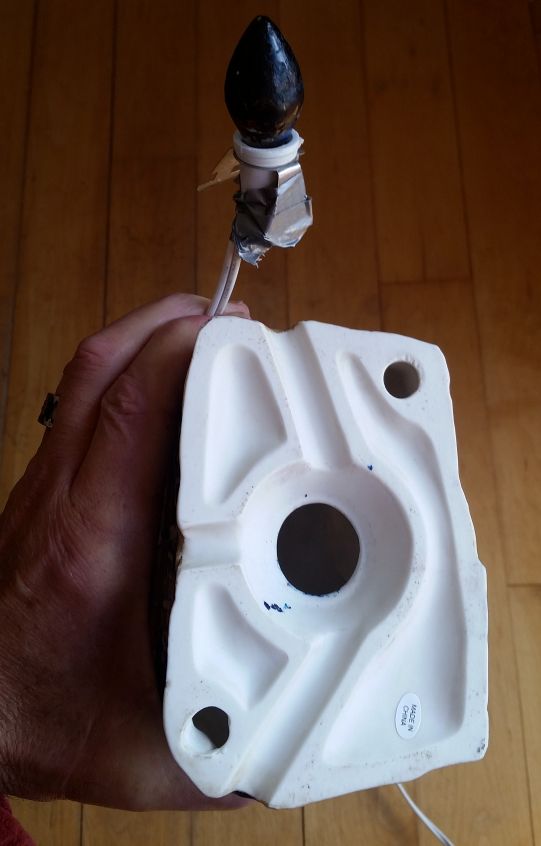
So, like my wife and me, you love Christmas (or Hallowe’en houses) and you love to set up your Christmas village, and now – it happens more often than you’d like – you’ve pushed one of those never-sufficiently-to-be-accursed clips all the way into the house and you can’t get it out.
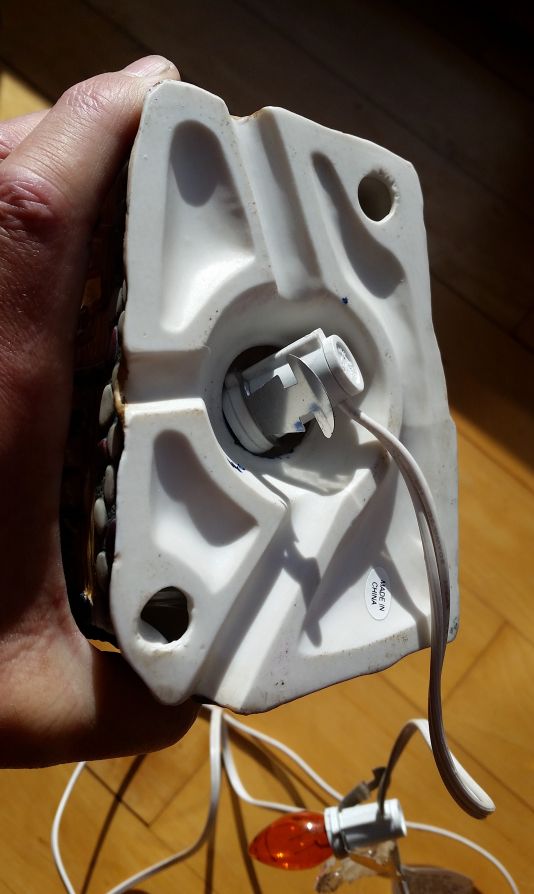
You’ve worked at it with tweezers and hemostats, and you’ve got one side out, but that other one is just unreachable. Yarg snarl yarg.
Here’s what I do, and I hope someone finds it useful.
1) The first thing to do is get one side out all the way. With a long tweezers or a hemostat, this is usually pretty easy.
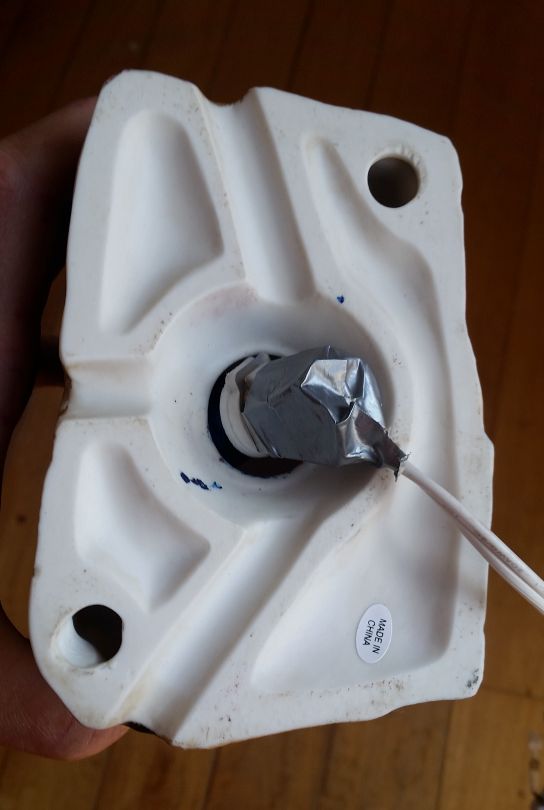
2) With a thin piece of duct tape, pinch the metal clip to the body of the lightbulb.
3) Now you can push the lightbulb all the way back into the house and have enough room to grab the second clip.
4) Out it comes. Take off the duct tape, re-seat the bulb, and you’re good to go.







































 Playing in the World Game