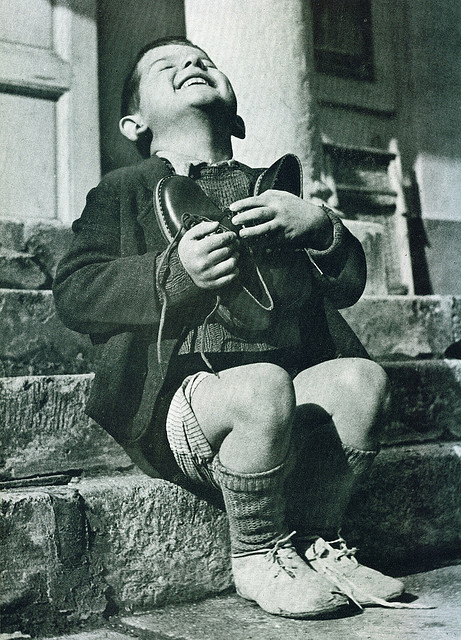
“New Shoes” by Gerald Waller, Austria 1946
Six year-old Werfel, living in an orphanage in Austria, hugs a new pair of shoes given to him by the American Red Cross. Published in “Life” magazine.
Makes you think, doesn’t it?
The Old Wolf has spoken.
“New Shoes” by Gerald Waller, Austria 1946
Six year-old Werfel, living in an orphanage in Austria, hugs a new pair of shoes given to him by the American Red Cross. Published in “Life” magazine.
Makes you think, doesn’t it?
The Old Wolf has spoken.
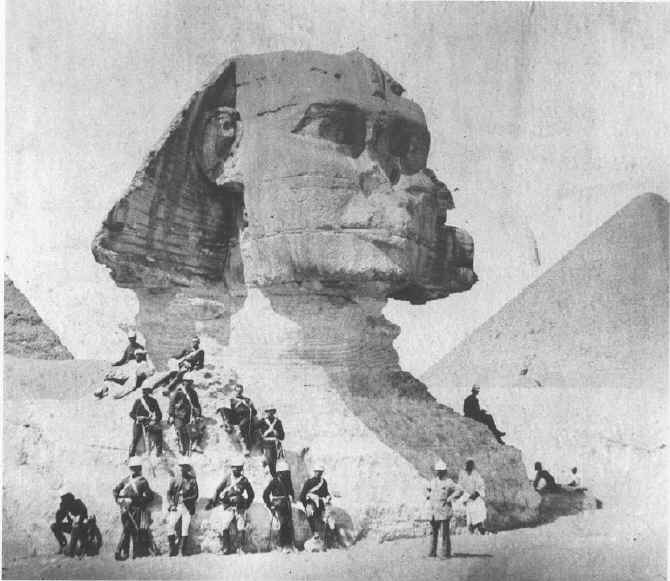
One of the oldest photos of the Great Sphinx, from 1880. Notice that much of the Sphinx is still under the sand.
Egyptians call him “أبو الهول” (abu al-hol, the father of terror or the terrifying one.)

The sphinx – profile in 1976 © Old Wolf Enterprises
Built in around 2500 BC, that makes him close to 4,500 years old – an astonishing lifespan. The loss of his nose was attributed to Muhammad Sa’im al-Dahr in 1378, when he became angered that local peasants were making sacrifices to the sphinx for favorable crops. Today, however, we know better [1]. Despite weathering over time, for something so ancient, he has survived remarkably well.
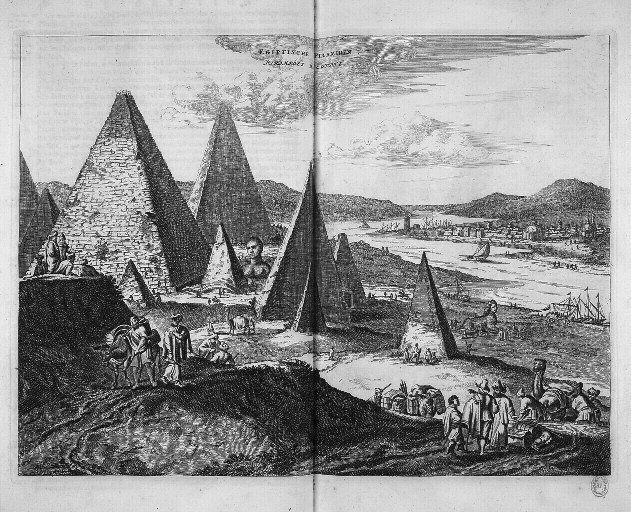
The Great Sphinx of Giza in Olfert Dapper, ”Description de l’Afrique” (1665) Notice that there are two sphinges [2]
From Wikipedia
From the Bronze Age, the Hellenes had trade and cultural contacts with Egypt. Before the time that Alexander the Great occupied Egypt, the Greek name, sphinx, was already applied to these statues. The historians and geographers of Greece wrote extensively about Egyptian culture. Heredotus called the ram-headed sphinxes criosphinges, and the hawk-headed ones hieracosphinges.
The word sphinx comes from the Greek Σφίγξ, apparently from the verb σφίγγω (sphíngō), meaning “to squeeze”, “to tighten up”. This name may be derived from the fact that the hunters for a pride of lions are the lionesses, and kill their prey by strangulation, biting the throat of prey and holding them down until they die. However, the historian Susan Wise Bauer suggests that the word “sphinx” was instead a Greek corruption of the Egyptian name “shesepankh,” which meant “living image,” and referred rather to the statue of the sphinx, which was carved out of “living rock” (rock that was present at the construction site, not harvested and brought from another location), than to the beast itself.
There was a single sphinx in Greek mythology, a unique demon of destruction and bad luck. According to Hesiod, she was a daughter of Orthus[8] and either Echidna or the Chimera, or perhaps even Ceto;[9] according to others, she was a daughter of Echidna and Typhon. All of these are chthonic figures from the earliest of Greek myths, before the Olympians ruled the Greek pantheon. The Sphinx is called Phix (Φίξ) [3] by Hesiod in line 326 of the Theogony, the proper name for the Sphinx noted by Pierre Grimal’s The Penguin Dictionary of Classical Mythology.
The Great Sphinx at Giza is not the only one around – there are countless sphinges throughout Egypt and elsewhere:

Sphinx at Memphis, Egypt
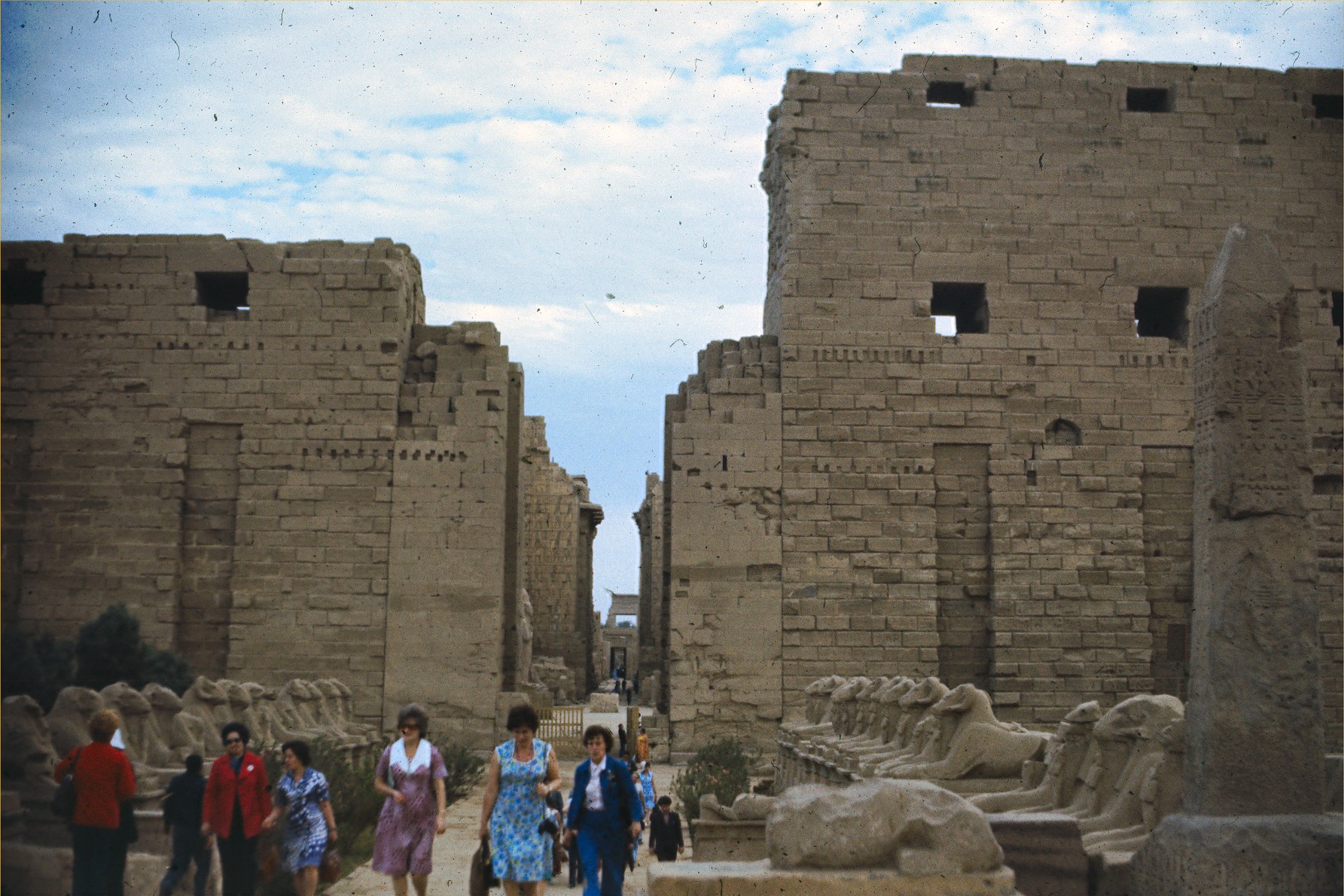
Rows of ram-headed sphinges at Luxor.
Regardless of the number, however, the Great Sphinx at Giza remains one of the wonders of the world from any century.
The Old Wolf has spoken.
[1]

From Goscinny et Uderzo, Astérix et Cléopatre, Dargaud Editeur, 1965
[2] Sphinges is the classical plural for sphinx.
[3]
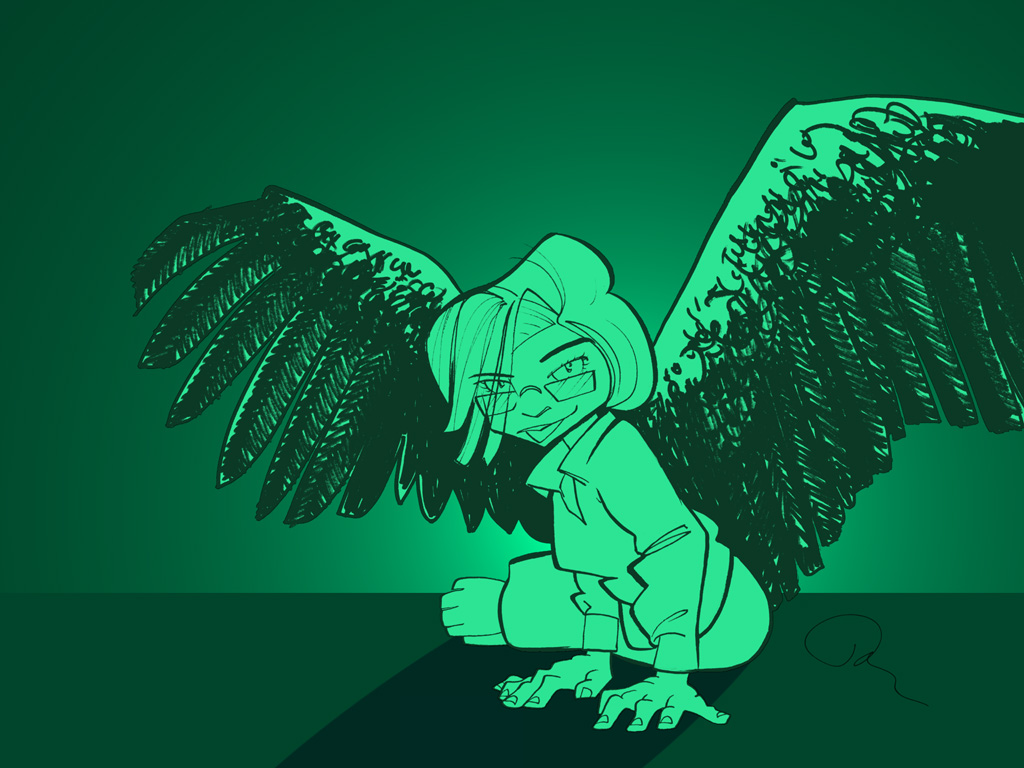
Phix, leading character in Paul Taylor’s Wapsi Square. Read it.
“Wapsi Square is named for the fictitious neighborhood in Minneapolis where the characters live. Its protagonist is Monica Villarreal, a feisty, busty, 4’10” tall latina who has recently moved from a safe world of normalcy where all she had to question was her own inner demons, to a world of supernatural lunacy, drunken college girls who have the power to obliterate the universe, an Aztec golem named Tepoz who can make the best damned martini in the world, a psychologist demon barista, and a host of other characters, some of whom may just live downstairs from you.” (Wiki)
We’ve seen it a million times from the front; here’s what an early version looked like from behind the camera.
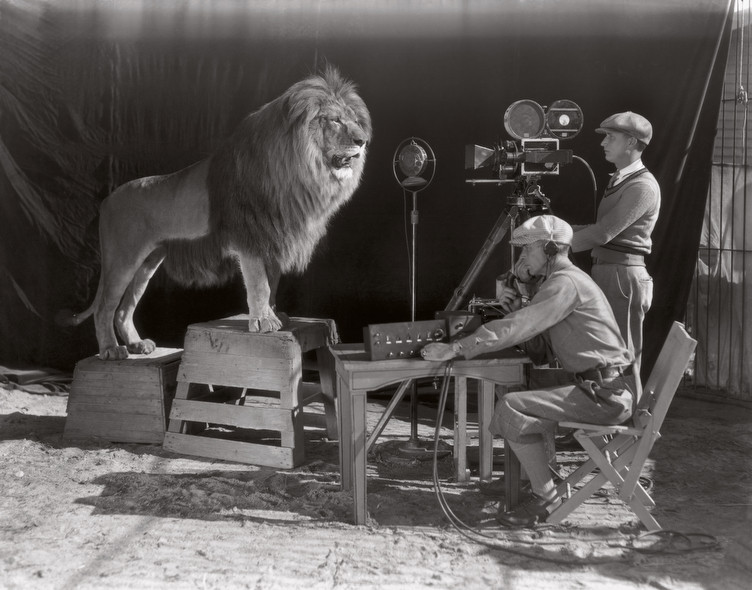
The beginning of the Hollywood era: the filming of the MGM screen credits, 1928
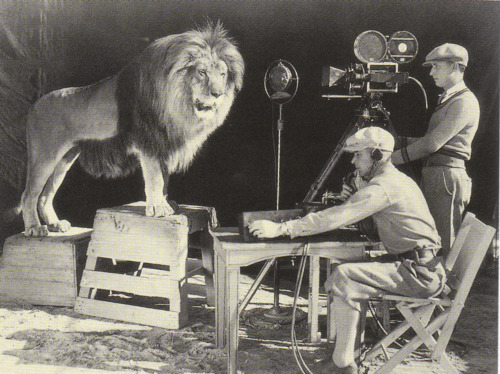
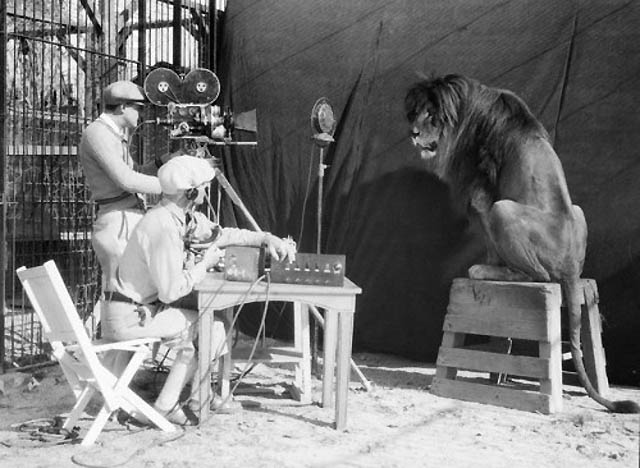
Hope there’s a trainer somewhere off camera…
The Old Wolf has spoken.
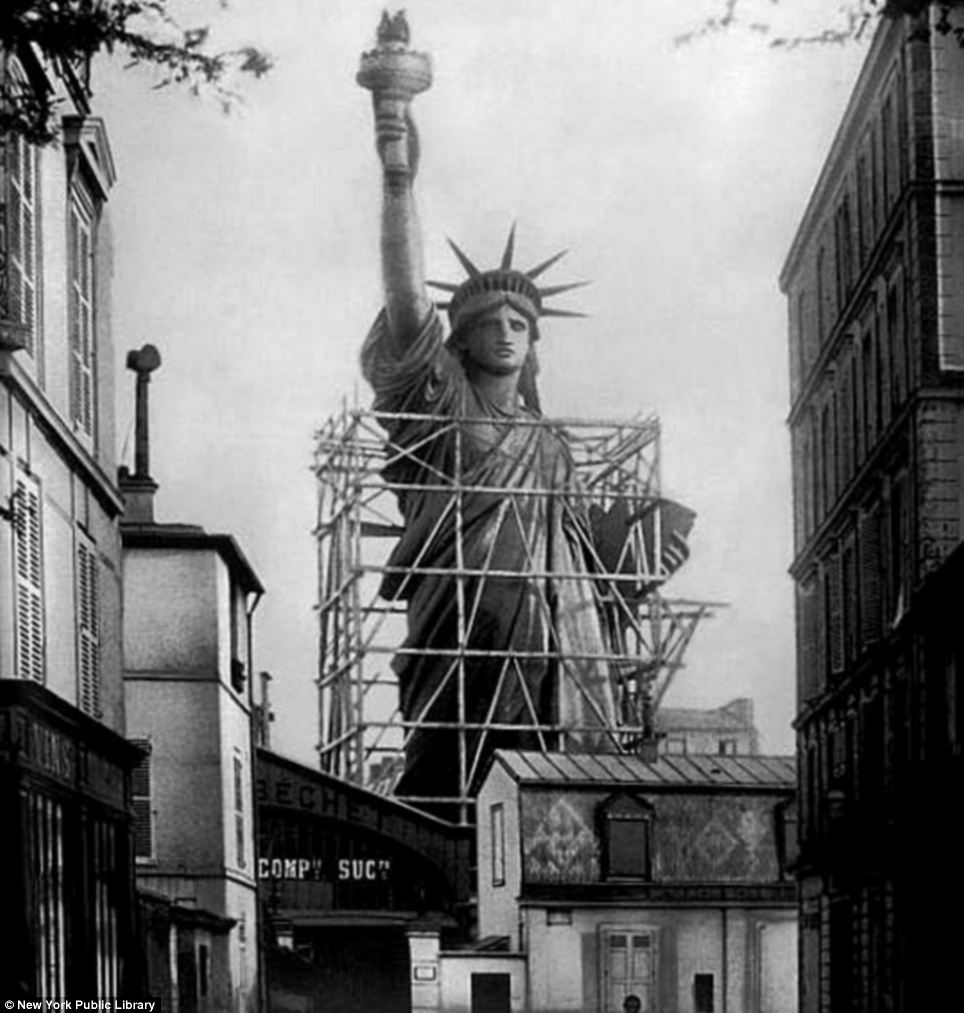
The Statue of Liberty surrounded by scaffolding as workers complete the final stages in Paris. Circa 1885
I wonder how many people really feel a sense of immense gratitude to France for this incredible gift, which became the icon of our country. I know I do – I feel it every time I see her. Both countries cherish Liberty, despite the pains we continue to suffer as we travel into a new century.
Au peuple de la France, un grand merci.
The Old Wolf has spoken.
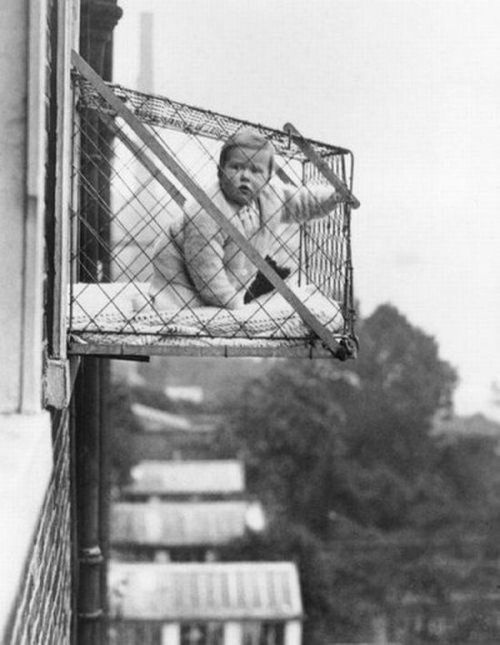
How could parents ensure that their children were getting sunlight and fresh air when living in apartment buildings? The baby cage, ca. 1937
Yikes Ô Yikes!

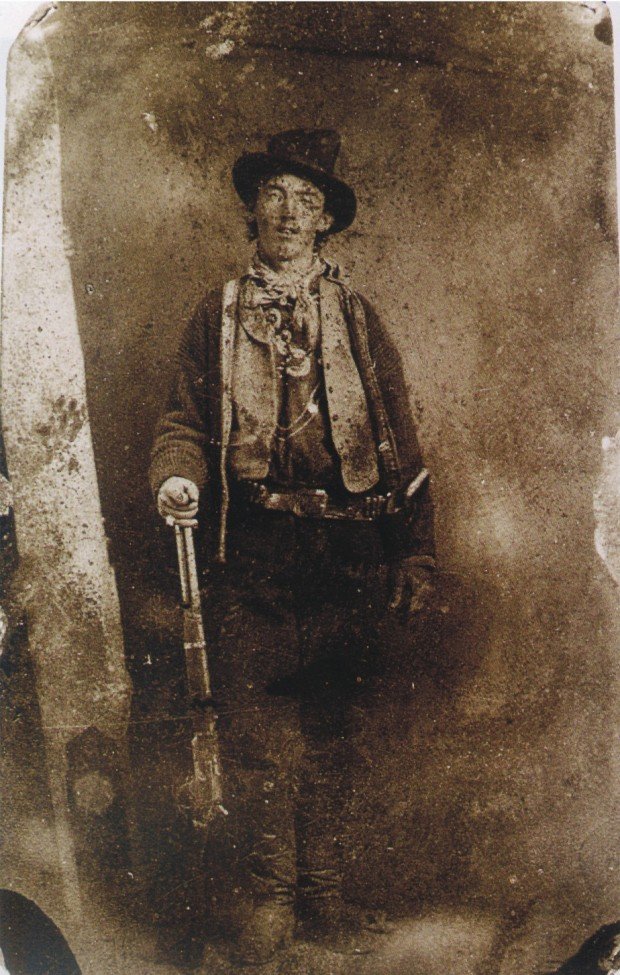
The only authenticated photo of William Bonney, taken around 1879. “He was said to be friendly and personable at times, and it’s been said that he was as lithe as a cat. Contemporaries described him as a “neat” dresser who favored an “unadorned Mexican sombrero”. (Wikipedia) Note: the Wikimedia Commons image has been enhanced and mirrored.
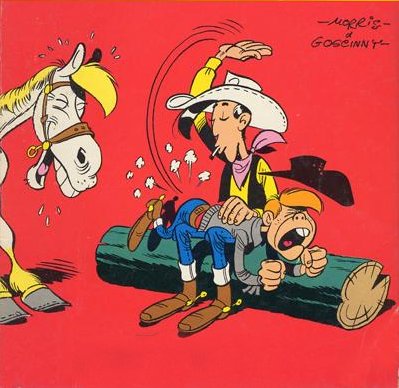
Personally, I like Morris and Goscinny’s take better: Billy ends up getting his just deserts.

The Old Wolf has spoken.
… that gets shared around and around and around with nary an attribution. I looked, and was not able to find anything credible; two friends with greater Google-fu than I were able to identify a source, and thanks to them.

Parents Selling Children
Original caption: August 4, 1948 – Chicago, Illinois: They’re on the auction block. These small children of Mr. and Mrs. Ray Chalifoux of Chicago, Illinois.
For long months 40 year old Ray and his wife, Lucille, 24, waged a desperate but losing battle to keep food in the mouth and a roof over their heads. Now jobless and facing eviction from their near barren flat, the Chalifoux have surrendered to their heart breaking decision. Photo shows mother sobbing as the children pose wonderingly on the steps. Left to right: Lana,6. Rae, 5. Milton, 4. Sue Ellen, 2 years old.
Image: © Bettmann/CORBIS
Date Photographed: August 4, 1948
Location Information: Chicago, Illinois, USA
One wonders at what happened after the photo was taken. Hard times are hard.
[Edit: Many thanks to reader Jen who found a recently-published followup:
Lana (top left) was likely adopted and died of cancer in 1998; RaeAnn (top right) was sold for $2 along with her brother Milton (bottom left) to an abusive family. Sue Ellen (bottom right) was adopted. David, inside mother Lucille Chalifoux’s womb in this picture, was adopted as well. Lucille would have four moure daughters; “She kept them; she didn’t keep us,” David says.
Bittersweet; click through for the full article.
The Old Wolf has spoken.

This haunting picture made me think of Burgess Merideth in the Twilight Zone’s “Time Enough At Last.”
The Old Wolf has spoken.

Chaplin at the age of 27, in the same year my mother was born.

That’s alright, cap’n; we always knew your cat was a whoopsie!
(Before anyone gets their nose bent out of shape, that’s my [modified] favorite line from “Stardust.”)
The Old Wolf has spoken.
 Playing in the World Game
