Commerce on the streets of Naples

“The alleys are a self-sufficient microcosm.”

My previous posting of the umbrella repairman reminded me that there are countless other ways that people made a living in Naples, many of them without license or government sanction. Whatever you could do, you could probably find a market for your services.

These photos depict Naples in the 60s. Unless otherwise noted, quoted text and images are from “La Città Parla – Napoli” (1969, Casa Editrice A. Morano di Napoli)

Mattress Maker

Mattress-maker

Knife Grinder.jpgj

Knife Grinder

Bra Seller

Bra vendor

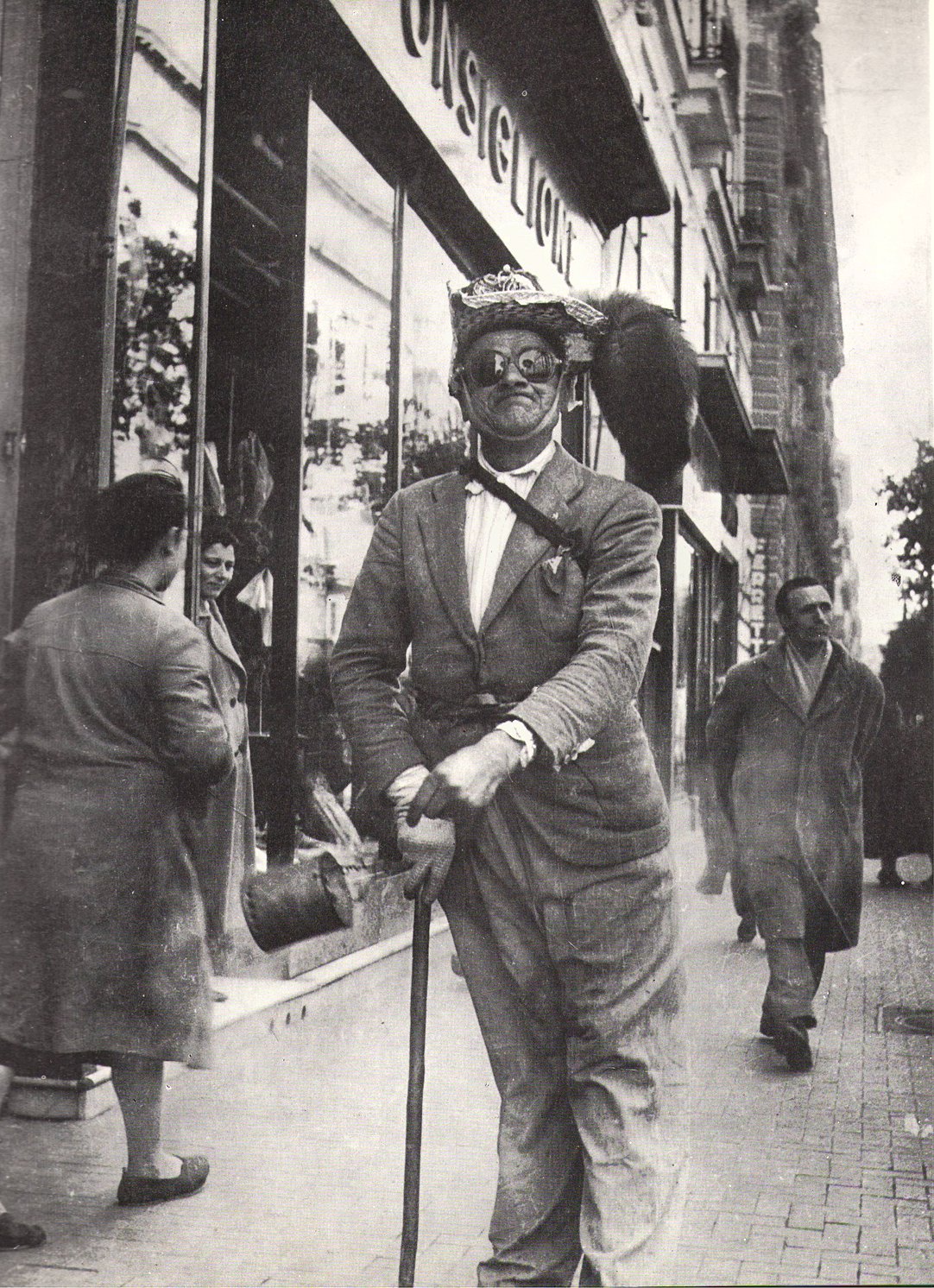
Scaccia-malocchio

“Scaccia-malocchio”

The “scaccia-malocchio'” (or “guastafatture”) drops by various retailers to practice a ritual with his censer in order to ward off the evil eye. He is sometimes paid for his interventions.

Lighter Repair

Repairing cigarette lighters

Scrivano pubblico

Scrivano pubblico – the public scribe. Many Neapolitans remain functionally illiterate, and these people serve a valuable function.

Kazoo

Selling home-made kazoos.

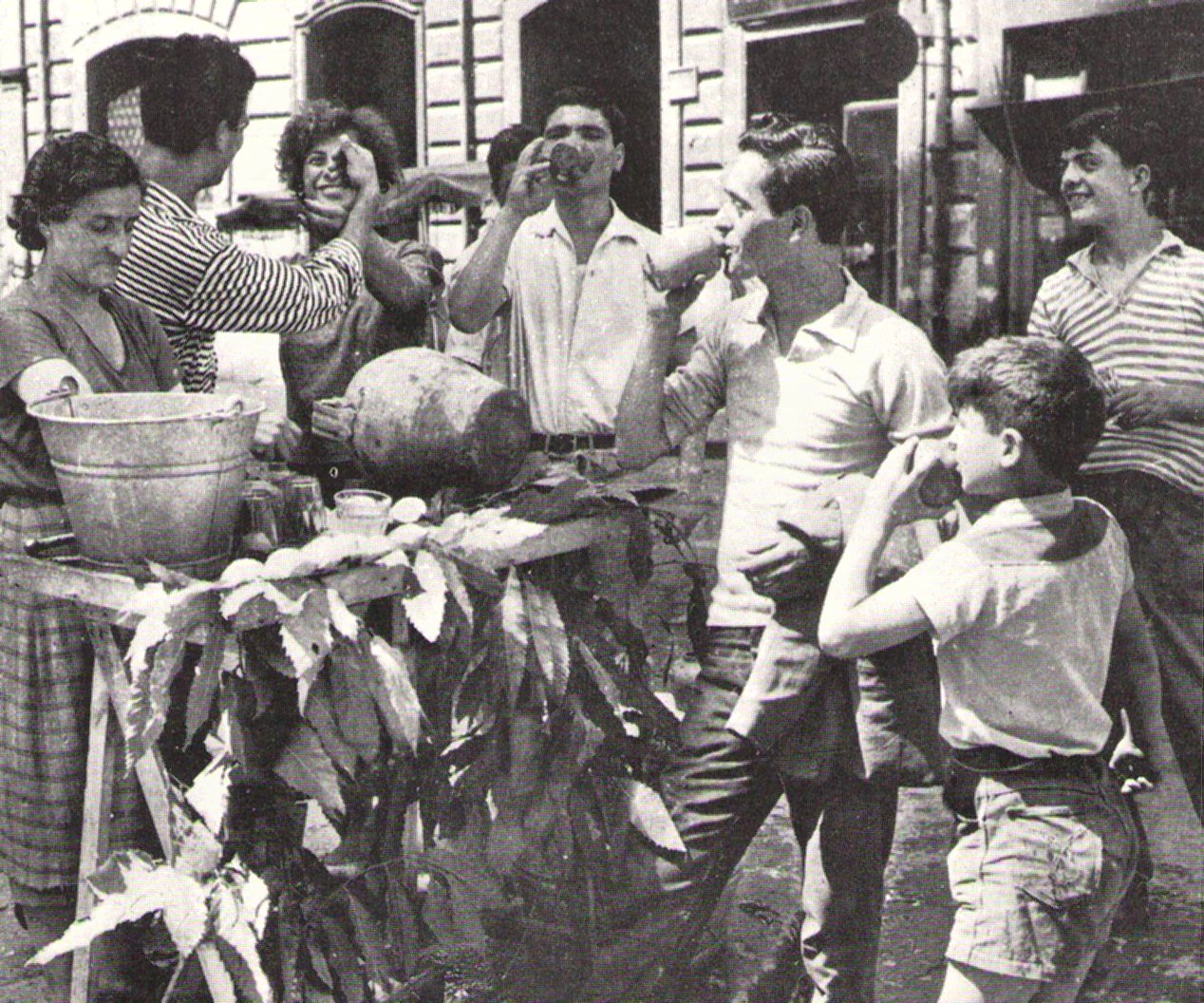
Water Seller 2

Water-Seller

Water Seller

Water-seller

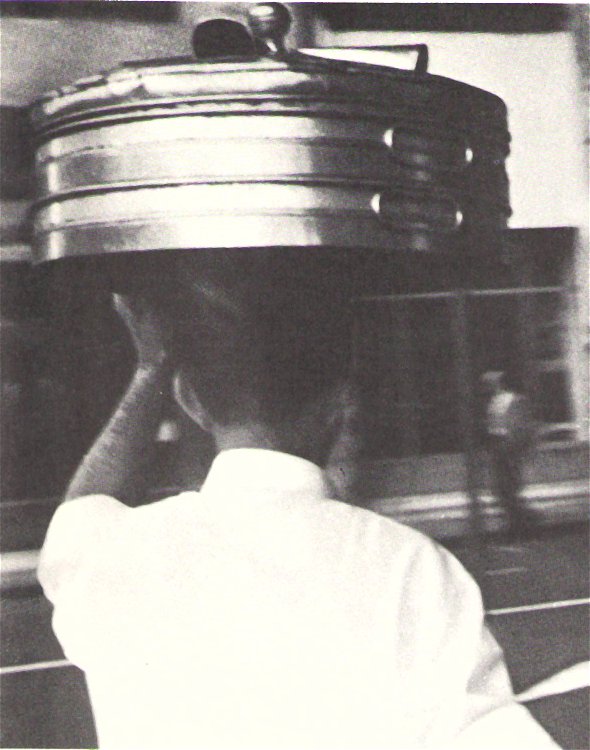
Pizza1

“The ‘pizza oggi ad otto’ (pizza today to eight) is eaten today and paid for in eight days. The wandering pizza vendor is also the bill collector. In eight days you can eat another pizza, which you will pay for sixteen days later. The vendor requires no written invoices – he trusts you… or rather, he trusts that you will be hungry again in eight days.”

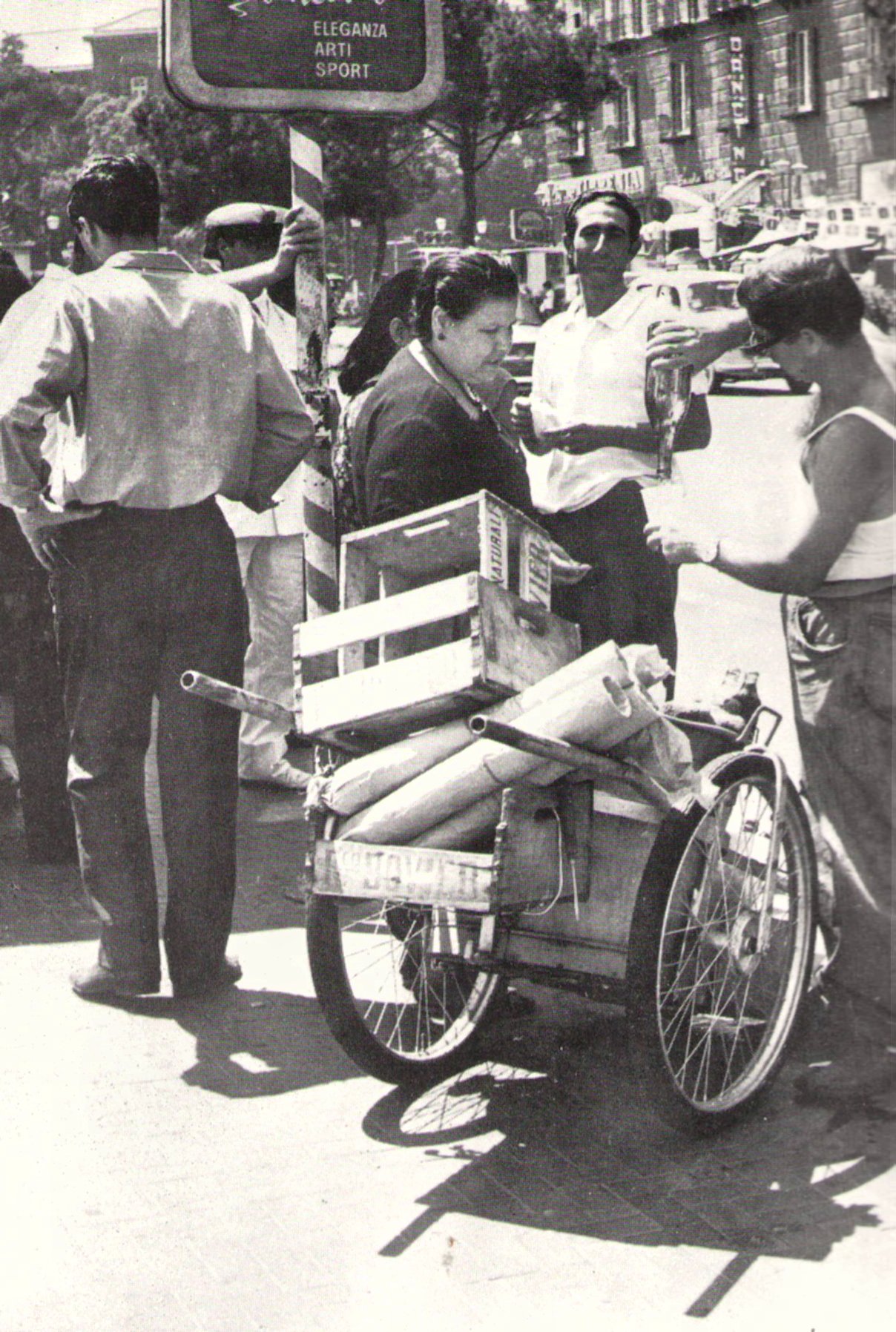
Cigarettes

Cigarette black market in the alleys – all tobacco and salt trade is regulated by the government. “American Cigarettes” are manufactured from recycled cigarette butts.

Cantastorie

Wandering paladins singing historical ballads.

Candy Seller

Candy Vendor

Impaglia-seggie

“Impaglia-seggie” – re-caning chairs

Shoe market

Used Shoe Market

“For those who know that elegance begins (not ends) with shoes, buying used shoes for an entire lifetime can be an all-consuming frustration. This is why the sun of the wildest ambition is sometimes seen reflecting brightly from the shiny toes of a pair of patent-leather shoes… brand new ones.”

Graziella


Graziella was born in 1864. She is seen here 100 years later, selling taralli in Santa Lucia.
Image from The Italians, Face of a Nation by John Phillips.
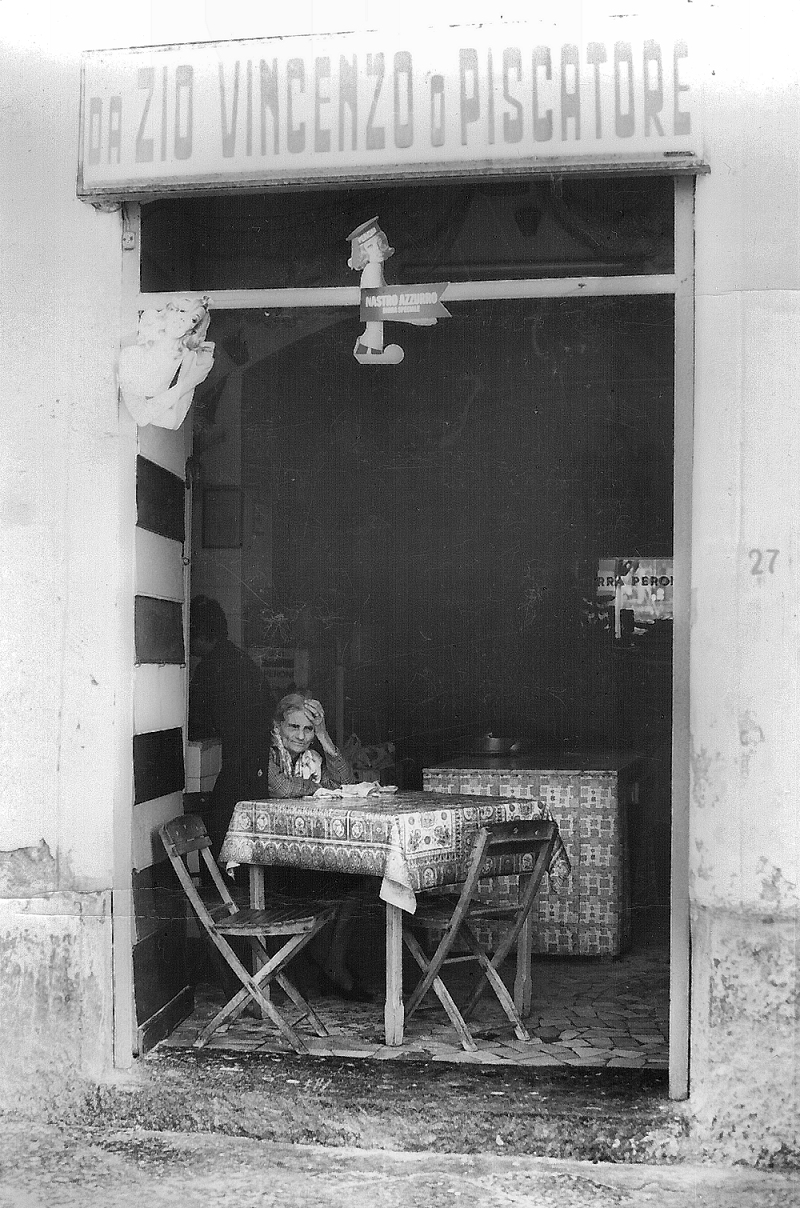
Naples - da Zio Vincenzo o Piscatore


Back-alley trattoria – “Uncle Vincent the Fisherman.” Photo ©1970 by Old Wolf Enterprises

The Old Wolf has spoken.
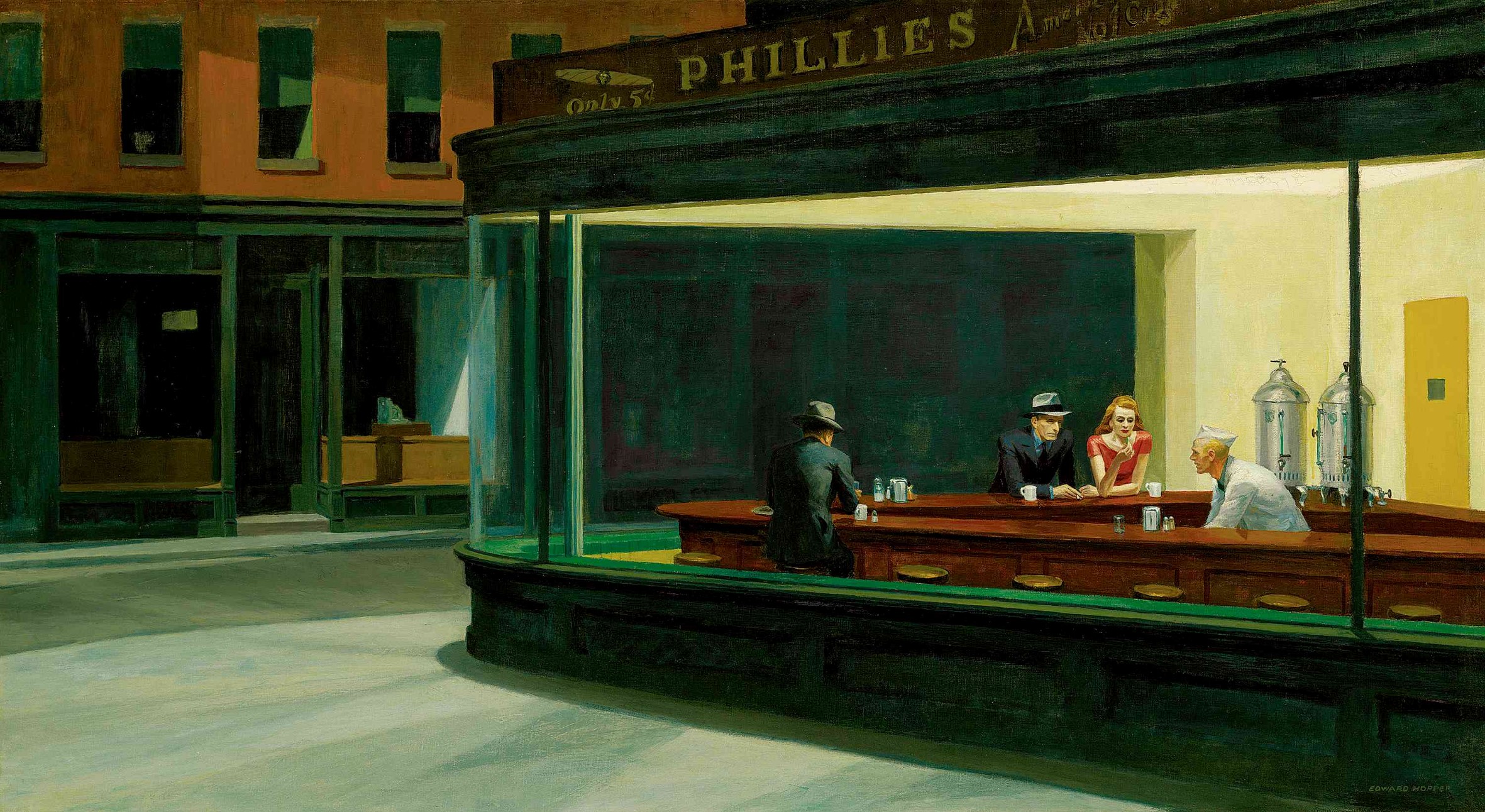
Nighthawks: Art and Life.

Edward_Hopper-Nighthawks-1942

The iconic Edward Hopper painting. Diners like this were common in New York as I was growing up. I’ve mentioned them before, but every now and then I’ll see something on the Internet that fans the fires of nostalgia once again.

FSA/8d28000/8d280008d28016a.tif

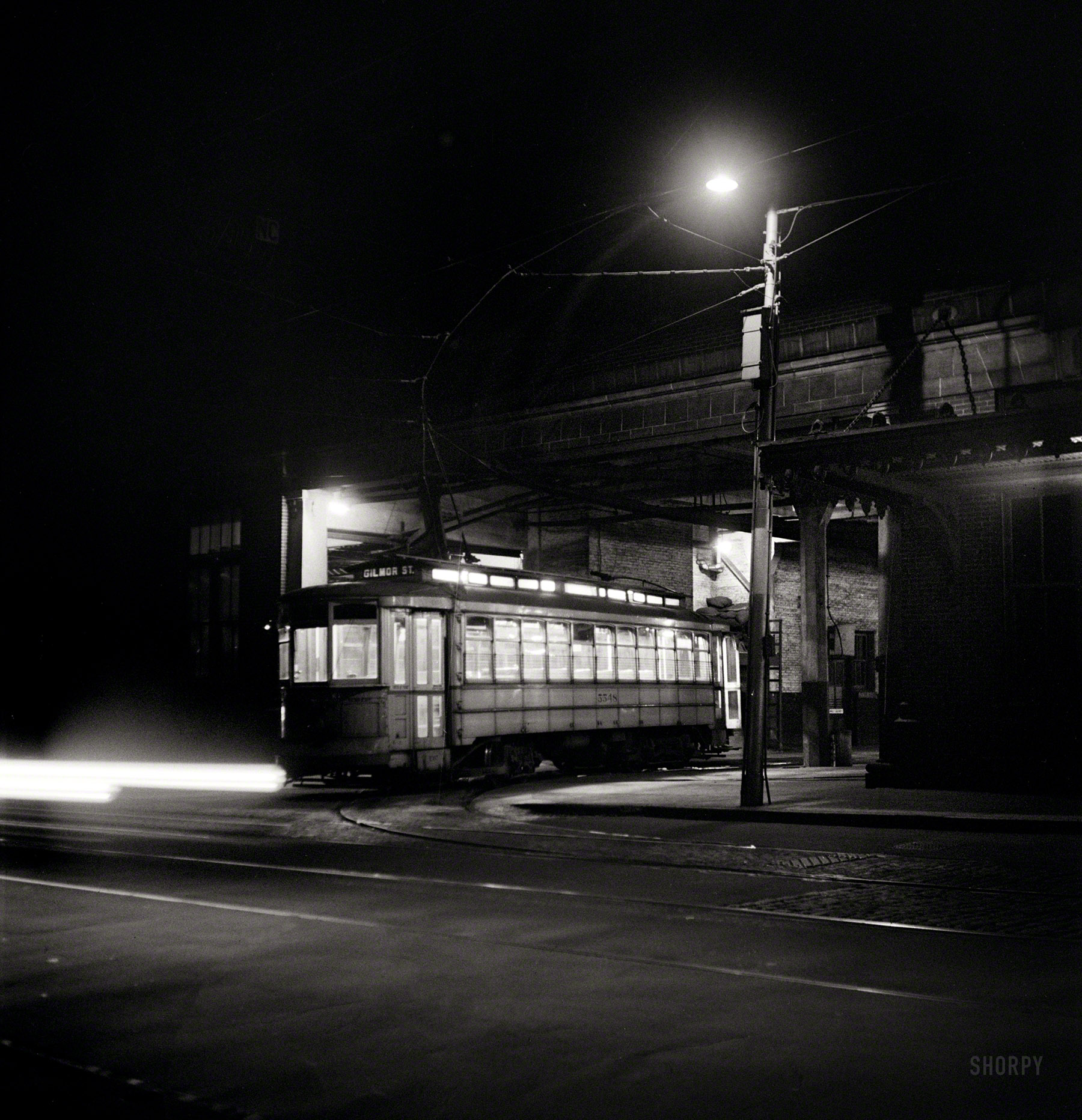
April 1943. “Baltimore, Maryland. Trolley leaving the terminal at night.” Photo by Marjory Collins for the Office of War Information. Found at Shorpy.

I love old photos like this – they help me connect to a world that was; so very close and yet otherwise untouchable.

The Old Wolf has spoken.
Night Pharmacy, 1921

28982u

Washington, D.C., circa 1921. “People’s Drug Store, Seventh & K, night.” With a lurid display of “trusses and rubber goods.” National Photo Co.

Pharma Noir, Found at Shorpy

I recall that trusses and other things were big sellers in pharmacies in the 50s and 60s when I was growing up in New York. What’s with that? Were more people suffering from herniæ back then, or was it the fad of the times, like all the weight-loss nostrums are today? Interesting at any rate. Oh, and the Dr. Scholl’s corn pads and things, too.

The Old Wolf has spoken.
Naples, 1900

sIAs78t

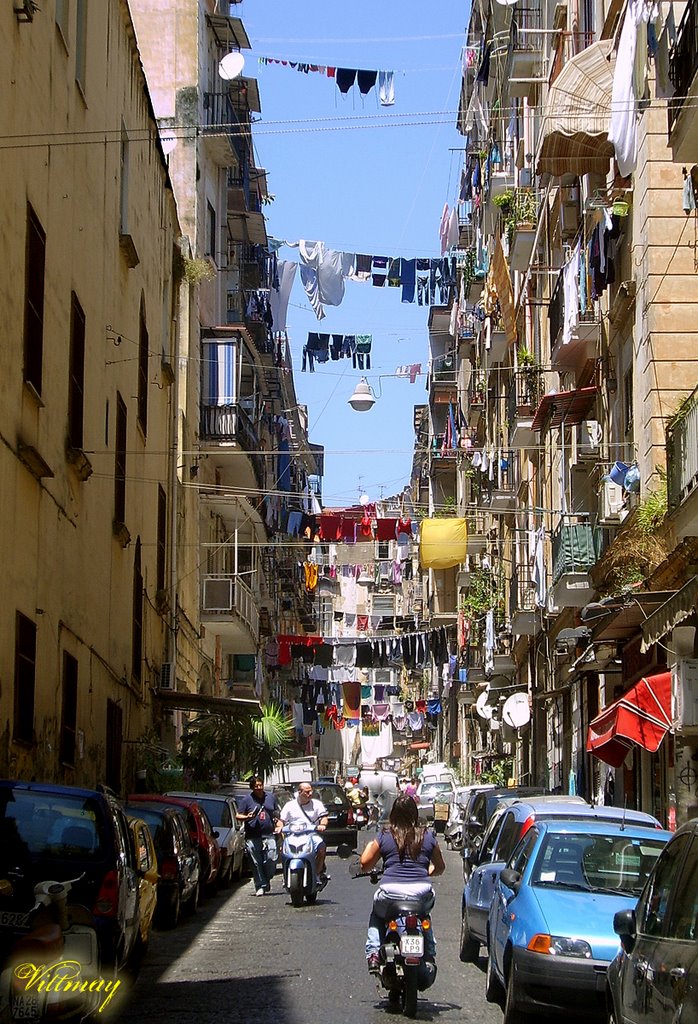
A photo of Naples in 1900, showing one of the countless “vicoli” (alleys) where hundreds of thousands of people live, work, and play.

24426518


Aside from modern cars, scooters, and mopeds, very little has changed. It is in these alleys that one finds the “bassi” or ground-floor apartments which are ubiquitous and characteristic of Naples life.

See Naples and Die. If appreciating a rich and colorful culture is of interest, you could do worse than putting Napoli on your itinerary.

The Old Wolf has spoken.
The Last Shell Station

city-landscapes


Shell built eight of these eye-catching stations; this is the only one which survived, and it has been lovingly restored in Winston-Salem, North Carolina, for the enjoyment of tourists and history buffs alike. A writeup can be found at Roadside America.

Shell


Google Street View image of the Shell Station at E. Sprague Street and Peachtree Street.

The Old Wolf has spoken.
Sausages, Laws, and Quotations

Wolfsburg, VW Autowerk, Metzgerei

Sausage Production for the VW Cafeteria, Wolfsburg, 25 January 1973. Found at /r/historyporn

Otto von Bismarck once said, “Whoever loves the law and sausages should never watch either being made.” Wait, no he didn’t. The original quote is “Laws, like sausages, cease to inspire respect in proportion as we know how they are made,” and is attributed to John Godfrey Saxe, University Chronicle. University of Michigan (27 March 1869) 
Everett Dirksen probably never said “A billion here, a billion there, and pretty soon it adds up to real money.”
Bill Cosby never wrote the “I’m 73 and I’m Tired” article. He even wrote a rebuttal on his website.
Winston Churchill is reputed to have said, “You make a living by what you get; you make a life by what you give.” According to The Churchill Centre And Museum at the War Rooms London, what Churchill actually said in Scotland, 1908, is:
“What is the use of living, if it be not to strive for noble causes and to make this muddled world a better place for those who will live in it after we are gone? How else can we put ourselves in harmonious relation with the great verities and consolations of the infinite and the eternal? And I avow my faith that we are marching towards better days. Humanity will not be cast down. We are going on swinging bravely forward along the grand high road and already behind the distant mountains is the promise of the sun.”
And that’s a much better quote, really, than the original.
“There’s no such thing as a free lunch” is often attributed to economist Milton Friedman, who used it as the title of a 1975 book. However, sci-fi buffs will recognize TANSTAAFL (“There ain’t no such thing as a free lunch”) from Heinlein’s 1966 novel, “The Moon Is a Harsh Mistress,” and a still earlier occurrence appears  in the title of a 1949 book by Pierre Dos Utt, “Tanstaafl: A Plan for a New Economic World Order.” [1]
Most of us will remember the party game called “Telephone” or “Chinese Whispers,” depending on which part of the world you live in. People sit in a circle and the first person whispers a message into the ear of the next person. Repetition is not allowed, and the second person must pass the message on. The result is usually incomprehensible or hilarious – “I love Marty Blotz” can come out the other end as “Boiled aardvark kidneys are tasty.”

It used to be that the power of the press belonged to the person that owned one. (There’s another quote for which it’s difficult to pin down the original source, or if it was even said.) With the internet being available to much of the world’s population, anyone can publish anything with or without attribution, which is why so many things get forwarded, re-forwarded, massaged, edited, re-worked, and falsely attributed these days. One of my friends is struggling with countering their 9-year-old’s assertion that “if you see it on the internet, it has to be true,” and in my experience there are reams of adults who apparently believe the same thing, based on the kinds of things I see on Facebook or my inbox.

James Sullivan wrote at Finding Dulcinea, in an article entitled “Misquotes: Searching for Authenticity Online:”

The Internet is fertile ground for the proliferation of misquotes. Pithy quotes find their way into Facebook profiles and Twitter posts, where they multiply across the Web unencumbered by citations and original context. With online sharing an elaborate, electronic game of telephone, genuine quotes get warped in the retelling, leaving end-readers with misquoted material void of context. Surprisingly, the media is often just as guilty as the average Web user.

I highly recommend this article if you care about  your sources – the end of the article gives some excellent ways of verifying whether a quote has been properly attributed or not.

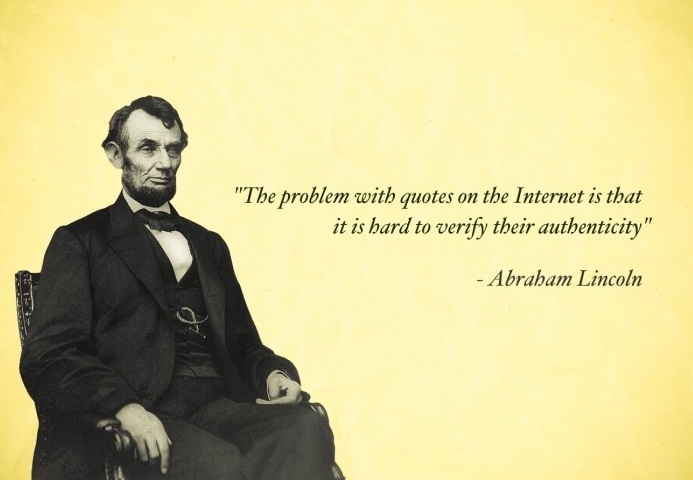
Even if you care, it’s possible to make mistakes – as a famous statesman once pointed out,

Lincoln-Internet-Quotes


The Old Wolf has spoken (and you can quote me on that.)


[1] New York Times, “Quote… Misquote

Neuschwanstein Castle, 1900

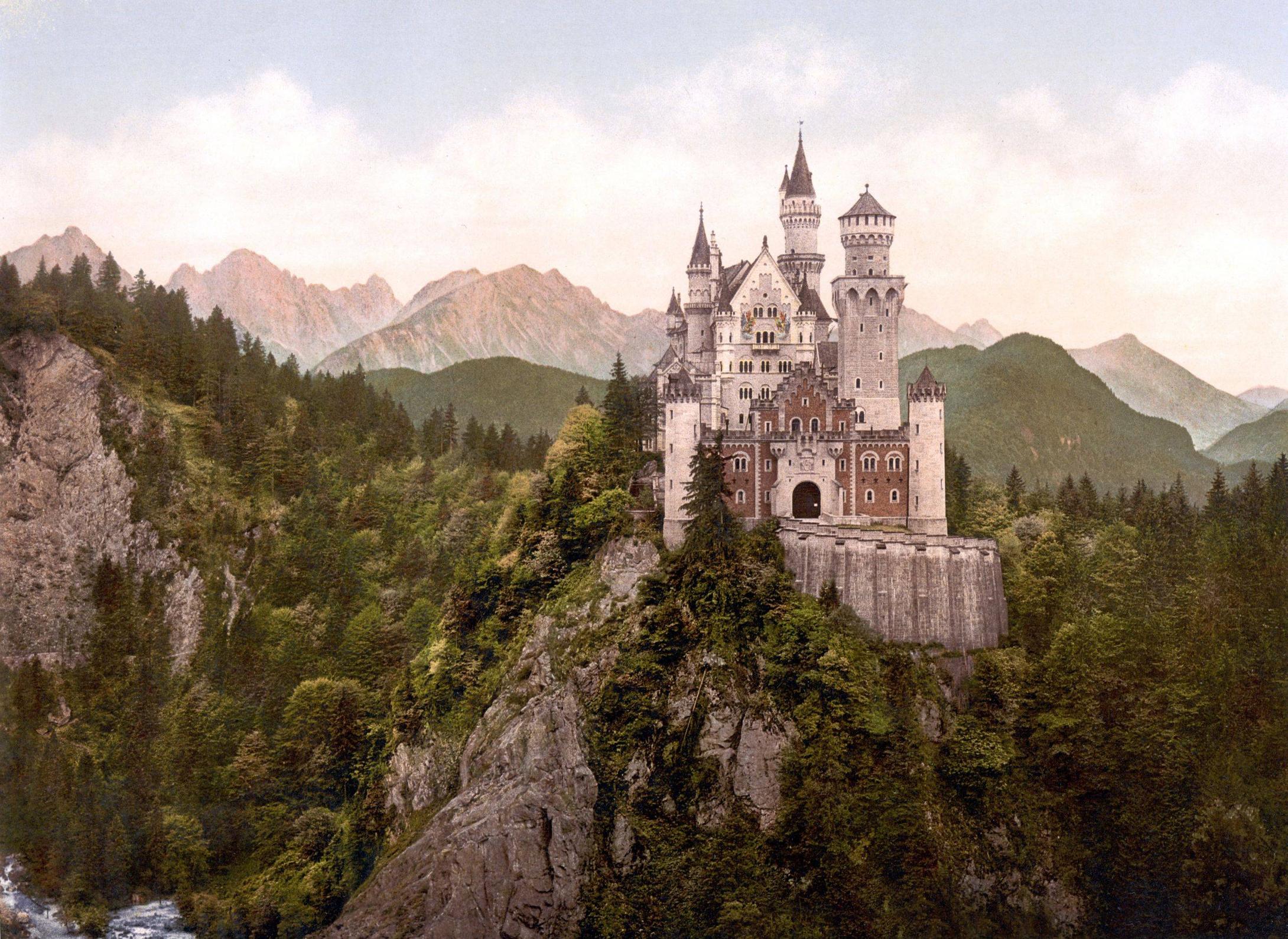
An old Photochrom of Neuschwanstein in Füssen, Germany.

iB3pikk

These were “colorized images produced from black-and-white photographic negatives via the direct photographic transfer of a negative onto lithographic printing plates. The process is a photographic variant of chromolithography, a broader term that refers to color lithography in general.” (Wikipedia)

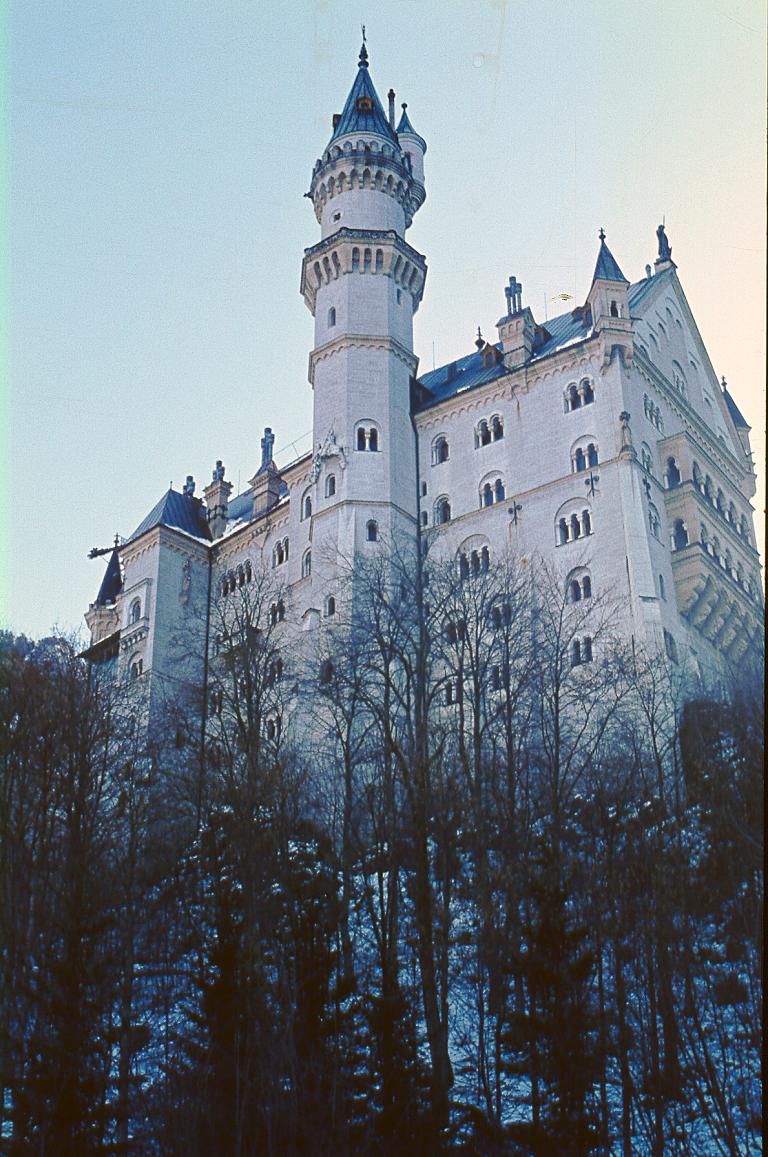
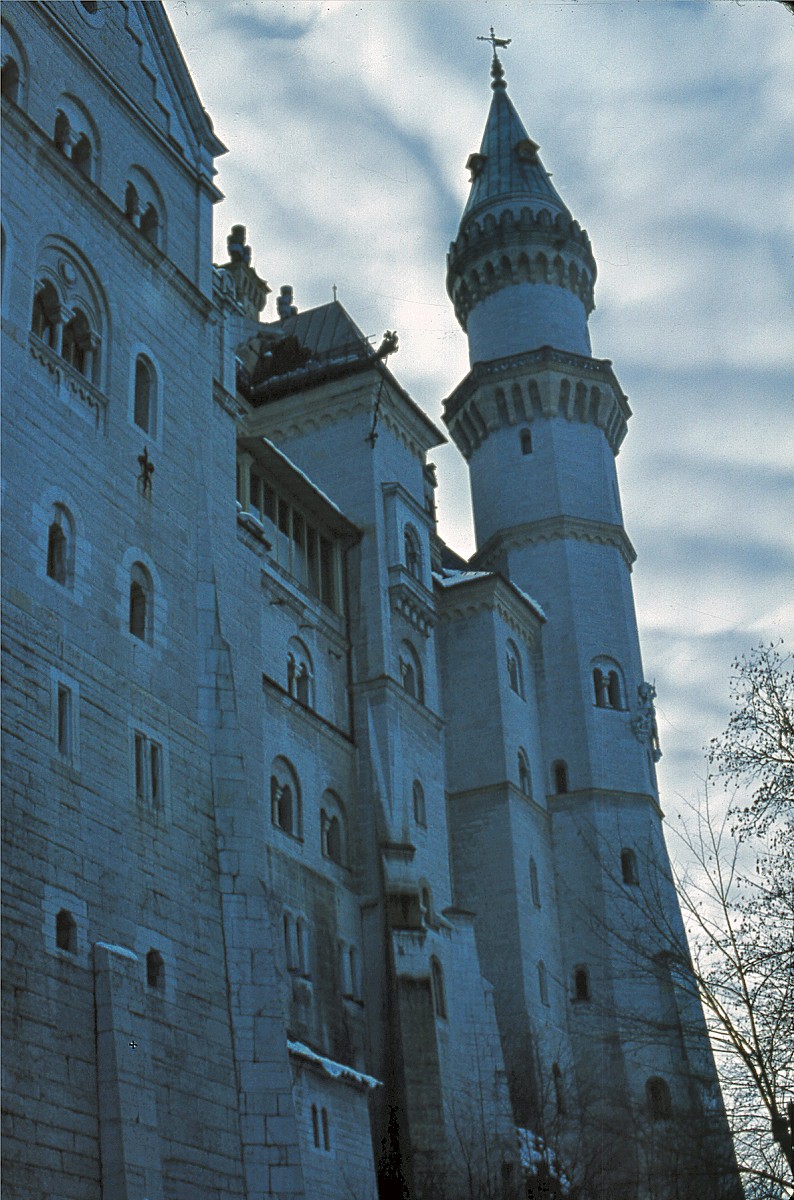
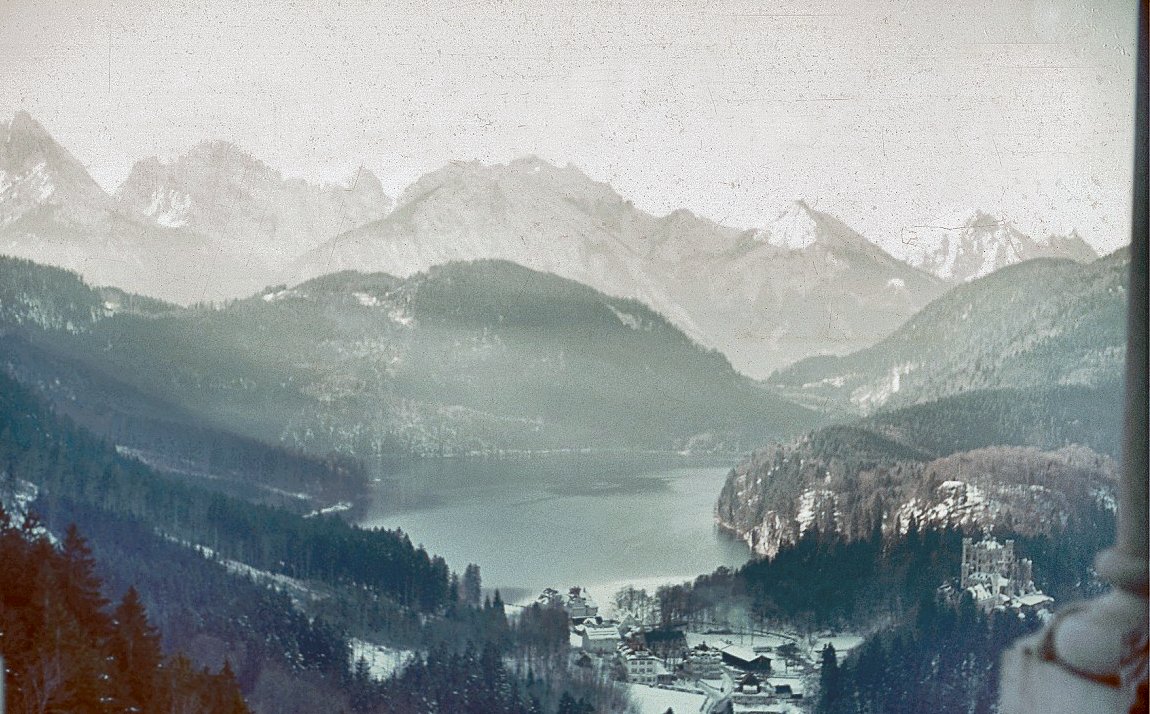
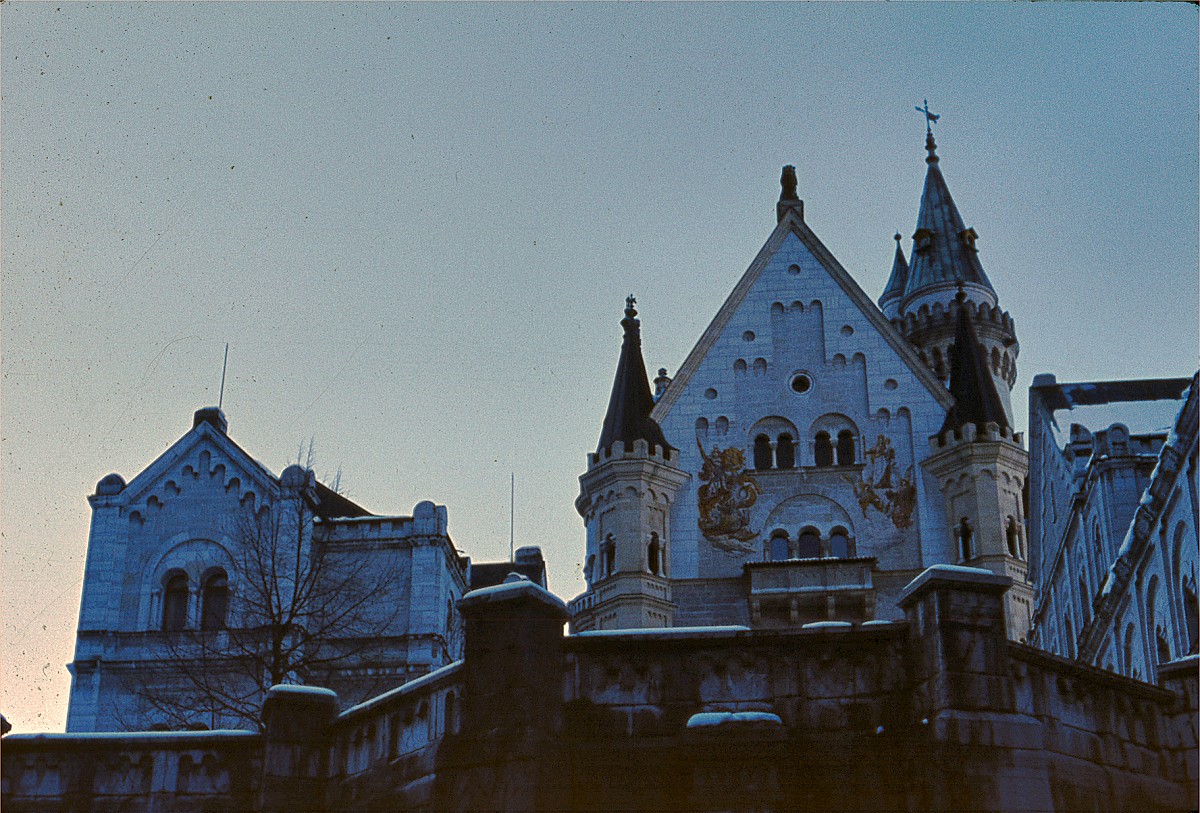
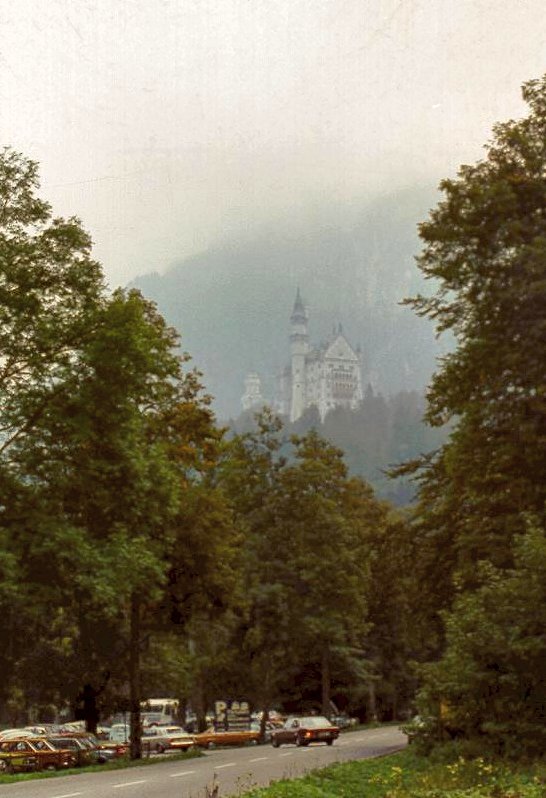
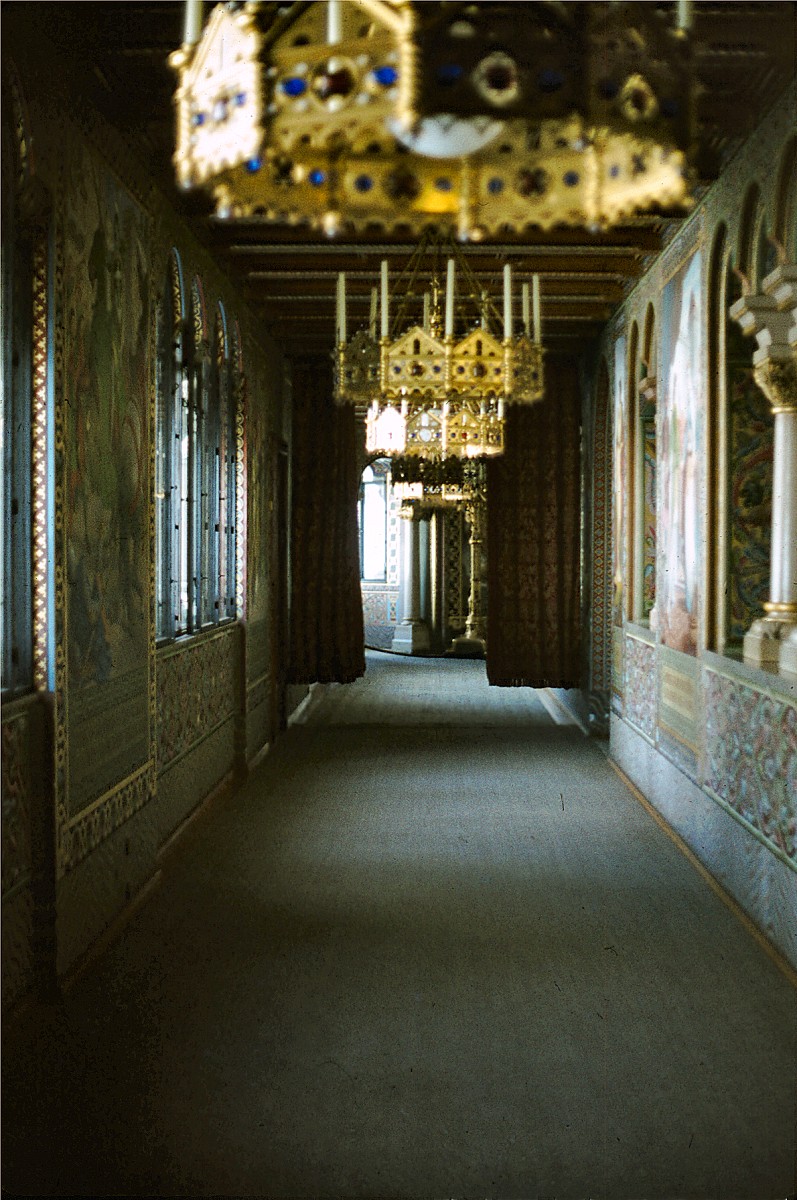
Below are a few shots I took from my visit to Neuschwanstein in 1976 – it was winter, and gray, so the colors are not spectacular, and my camera was basically hqiz, but I recall how wonderful it was to visit the “original fairy tale castle” that inspired Disney’s simulacrum.

Füssen - Schloß Neuschwanstein 2

Fussen - Neuschwanstein 2

Fussen from Neuschwanstein 2

Füssen from Neuschwanstein

Fussen - Neuschwanstein view

Füssen - Schloß Neuschwanstein in the mist - Cropped

Castle in the Mist

Fussen - Neuschwanstein interior

An interior hallway

I would pay large money to be able to explore the entire castle, turrets and all – most of those areas are off limits to tourists.

The Old Wolf has spoken.