Dublin’s Misery Hill

Misery Hill

(Photo from An t-Oileán)

The street running along the side of Dublin’s Grand Canal Square is Misery Hill, which has a rich history.

“Back in the 1700s, the place was aptly named, as it was the site of a gallows where pirates and thieves came to a gruesome end. Public executions took place here into the nineteenth century and it is reputed that, on September 17th 1803, two of Robert Emmet’s men were hanged on Misery Hill. Before that in Medieval times, people with leprosy and other skin conditions, who could not afford to stay in the hospice on Lazar’s Hill ( now known as Townsend Street), would move on to Misery Hill, as a bell tolled to warn the citizens that the ‘unclean’ were on their way out of the city.”[1]

Other sources indicate that as the leper was walking along the roads, one guardian would toll a bell, and the other would carry a 40-foot pole to warn others of a safe distance to approach, hence the origin of the phrase “I wouldn’t touch him with a 40-foot pole.” (Here in the USA, we shortened our pole to 10 feet, it would seem.)

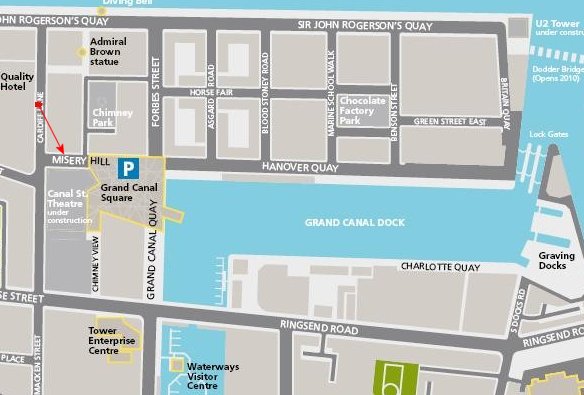
Interestingly enough, before locating Mr. Buck’s blog entry, I had a challenge finding the precise location of Misery Hill – it doesn’t show up on Google Maps or Google Earth. A map published by ESRI was the only one that actually showed Cé Hanover turning into Misery Hill:
Misery2

Location of Misery Hill in Dublin

Misery Hill

Marker of Local Interest during construction.

Aerial-rendering-of-site-c-Lafferty-Design-Studio-plusMOOD

Architect’s rendering of Grand Canal Square, showing Misery Hill incorporated into the square’s design.

Certainly a much more pleasant place now than it was then.

Edit: Although, being in Ireland, it can surely be properly wet and miserable.

The Old Wolf has spoken.

[1] An Irish Town Planner’s Blog

The “plastinated” models of the Sansevero Chapel

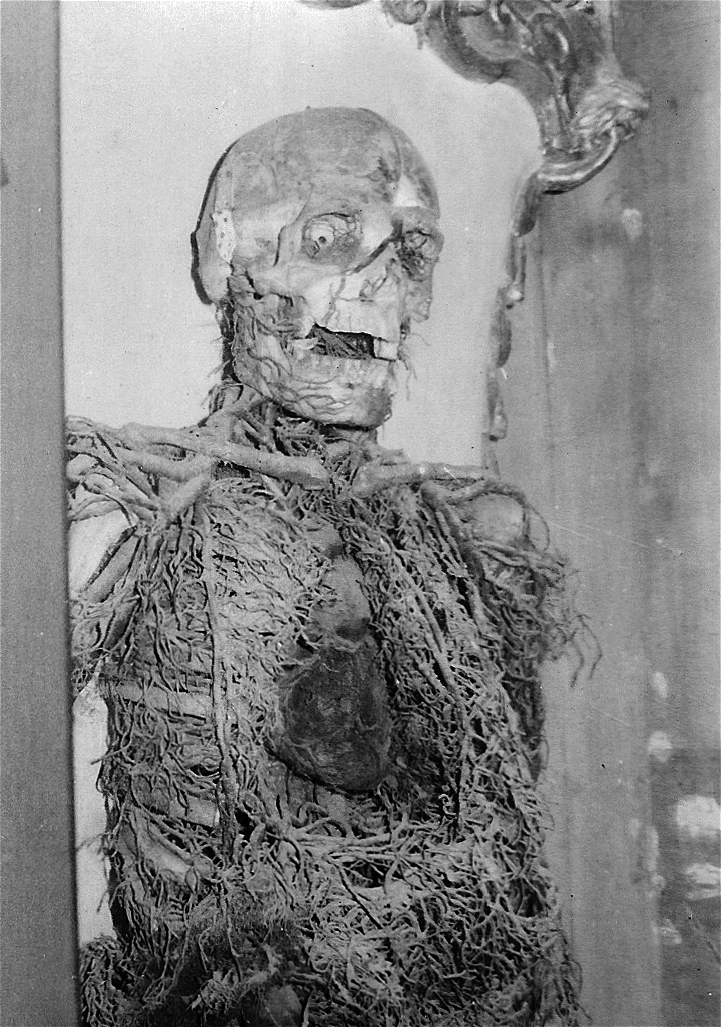
While living in Naples, Italy for 14 months or so back in 1970, I took the opportunity to visit the Sansevero chapel.  There on display are two intriguing anatomical models, which were represented at the time as being the earliest known examples of plastination, popularized by the Body Worlds exhibits.

From Wikipedia:

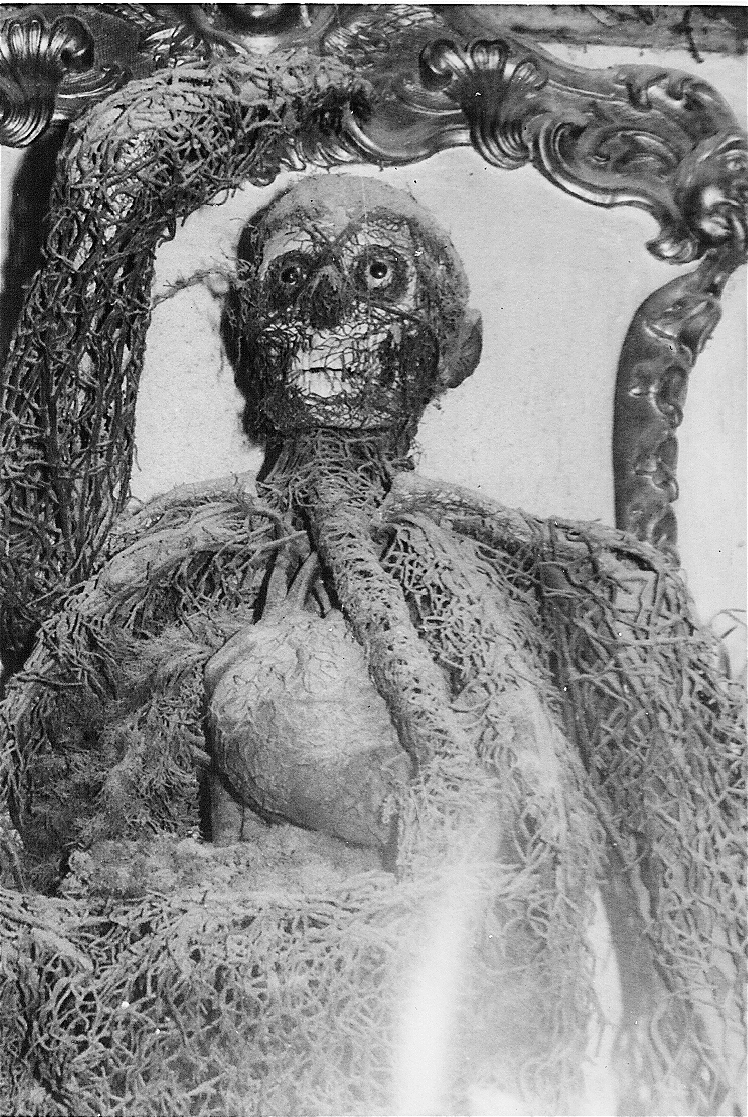
These “anatomical models” (macchine anatomiche) were thought to be examples of the process of “human metallization” (metallizzazione umana) as implemented by anatomist Giuseppe Salerno ca. 1760 from a commission by Raimondo di Sangro. The exhibit consists of a mature male and a pregnant woman. Their skeletons are encased in the hardened arteries and veins which are colored red and blue respectively. Previously, historians have surmised that the corpses could have been created by injecting the hardening substances directly into the veins of living subjects.[4] However, recent analysis shows no evidence of techniques involving injection. Analysis of the “blood vessels” indicate they are constructed of beeswax, iron wire, and silk.

Whatever the case, these models were amazingly detailed, and even the manufacture of them at the time would have been a master undertaking.

Naples - Sansevero Chapel - Raimondo de Sangro Female skeleton

The female model – Photo ©1970-2013 Old Wolf Enterprises

Naples - Sansevero Chapel - Raimondo de Sangro Male skeleton 2

The male model – Photo ©1970-2013 Old Wolf Enterprises

Naples - Sansevero Chapel - Raimondo de Sangro Male skeleton

Male model – Closeup – Photo ©1970-2013 Old Wolf Enterprises

macchina

Color photo of the female model from the official website of the Sansevero Chapel Museum.

If you’re ever in Naples, this museum is worth a visit – if only to see the Veiled Christ of Giuseppe Sanmartino, but if you do go, be sure to check out the anatomical machines – they’re brilliantly executed and would have taken forever to make.

The Old Wolf has spoken.


Bakeries

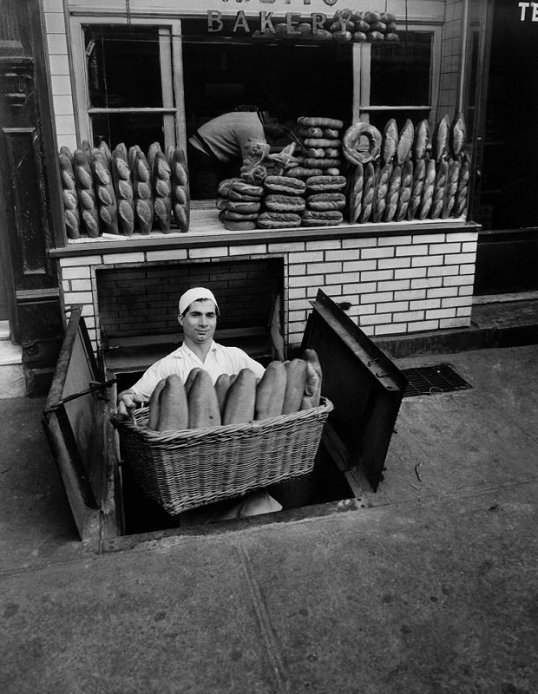
Bakery

Zito’s Bakery, Bleecker Street – Berenice Abbott (American, 1898–1991)

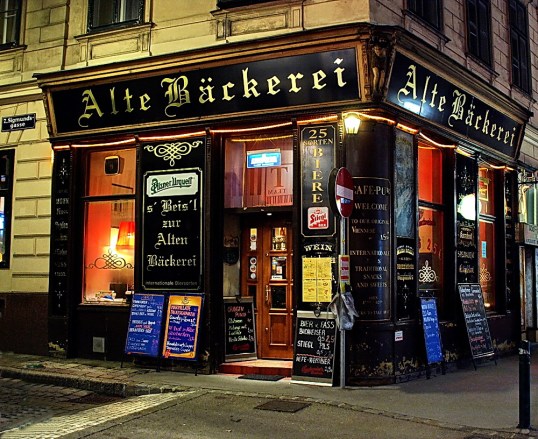
Baeckerei Wien

Old bakery, 7th District, Vienna – 2007, Friedrich Walzer

Boulangerie

Boulangerie / Patisserie, Cessenon, France

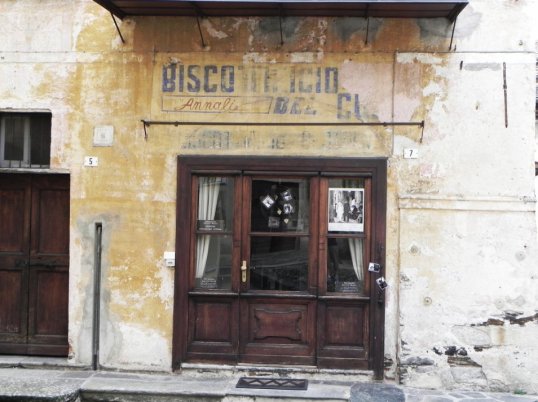
panetteria

Old bakery in Orta S.Giulio, Italy – Daniela Minardi

800px-1991_in_Albania_-_Shop_in_Saranda

Bakery in Saranda, Albania, 1991. The shelves were devoid of bread.

Buke

Modern bakery, Albania. Plenty of bread available, and many other things. Photo by Angela Gjoligu.

The Old Wolf is now hungry for bread.


In and around Athens, 1971

Some images of a trip I made to Athens in 1971, while a guest aboard the USS Cascade, AD-16 (a subject for a future post.)

Downtown Athens

The Acropolis

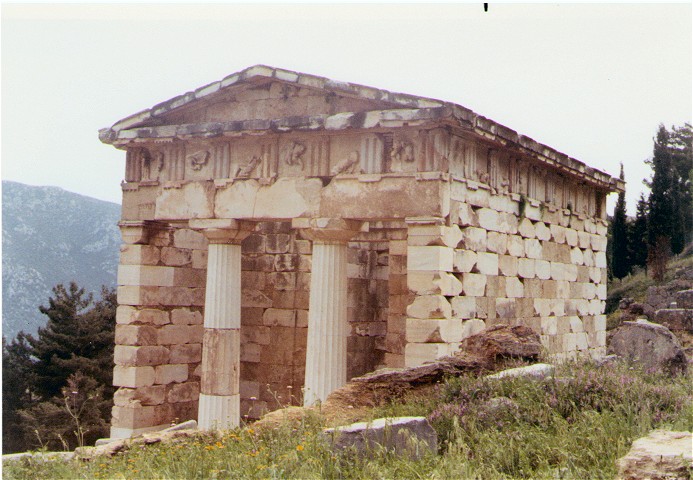
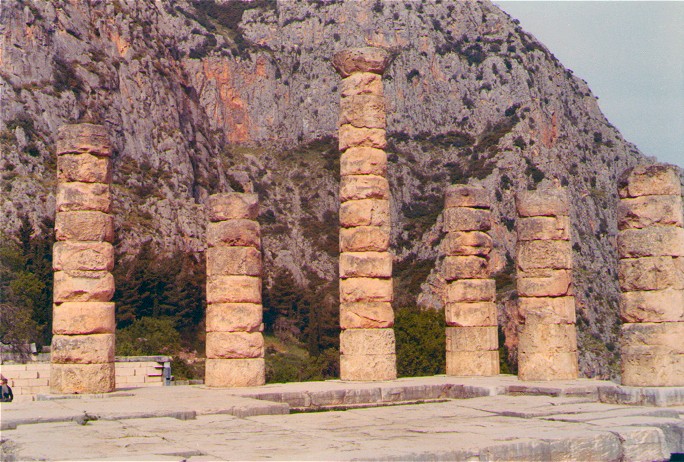
A side trip to Delphi

The oracle was out to lunch

An amazing trip. My only visit to Greece, but enough to make me want to go back – even with all the financial troubles they have been struggling with over the past few years.

The Old Wolf has spoken.

Coonabarabran: The world’s largest solar system drive

A post over on Facebook by a friend of mine in New South Wales reminded me that I wanted to spotlight this experience. I mentioned it in a Livejournal entry a few years back, but it deserves some exposure of its own. All photos are mine and ©2010-2012 Old Wolf Enterprises unless otherwise noted.

High in the Warrumbungle Mountains near Coonabarabran, NSW, sits the Siding Spring Observatory (SSO), Australia’s premier optical and infrared observatory.

Home of the Anglo-Australian Telescope, among others, this observatory is a delight to visit in and of itself.

Anglo-Australian Telescope

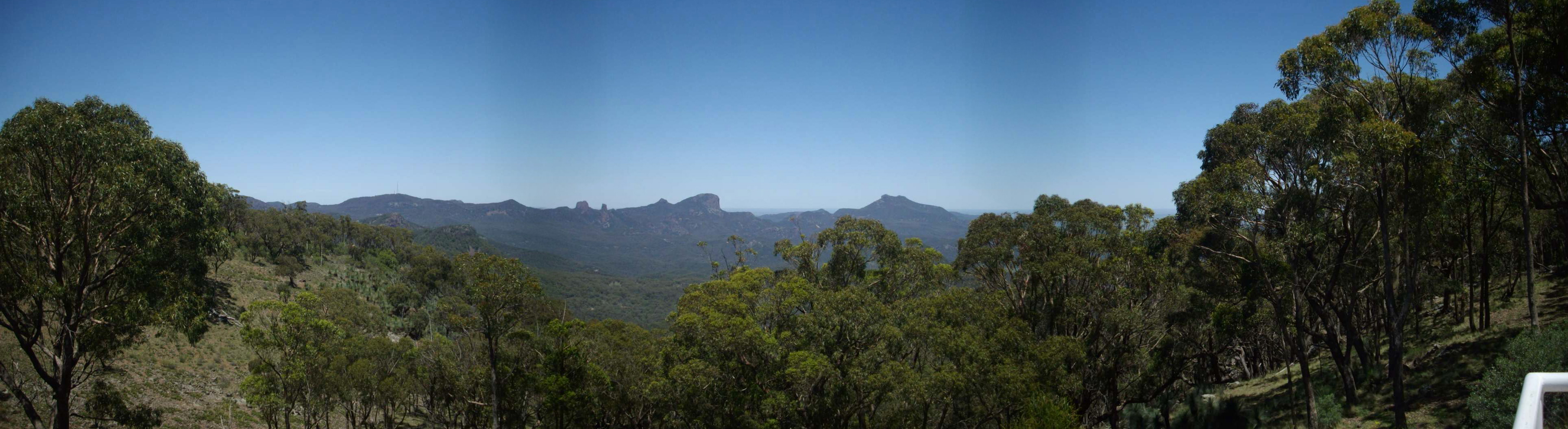
Panorama of the Warrumbungle Mountains from the Observatory

Central core cut from the telescope’s primary mirror before polishing and reflective coating was applied

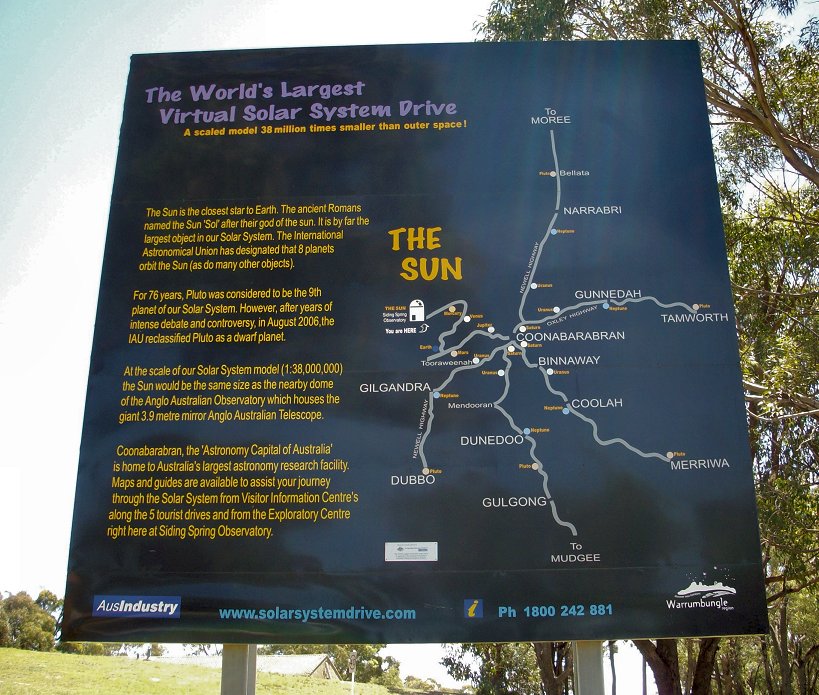
In addition, in an effort to boost tourism, the observatory created the world’s largest solar system drive. There are five beginning points,

  1. Dubbo
  2. 6km south of Birriwa (north of Gulgong)
  3. Merriwa
  4. Tamworth
  5. Bellata (south of Moree)

Route overview

All the drives end at the Siding Spring observatory; since I was at the observatory already and I have a friend in Dubbo whom I wanted to visit, I began here and did the drive backwards.

Here is the itinerary:

Object Location Distance (km) Time
The Sun Siding Spring Observatory 0 0
Mercury Observatory Road, west of Coonabarabran 1.2 1 min
Venus Observatory Road, west of Coonabarabran 1.9 2 mins
Earth Observatory Road, west of Coonabarabran 4.1 3 mins
Mars Timor Road, west of Coonabarabran 5.5 5 mins
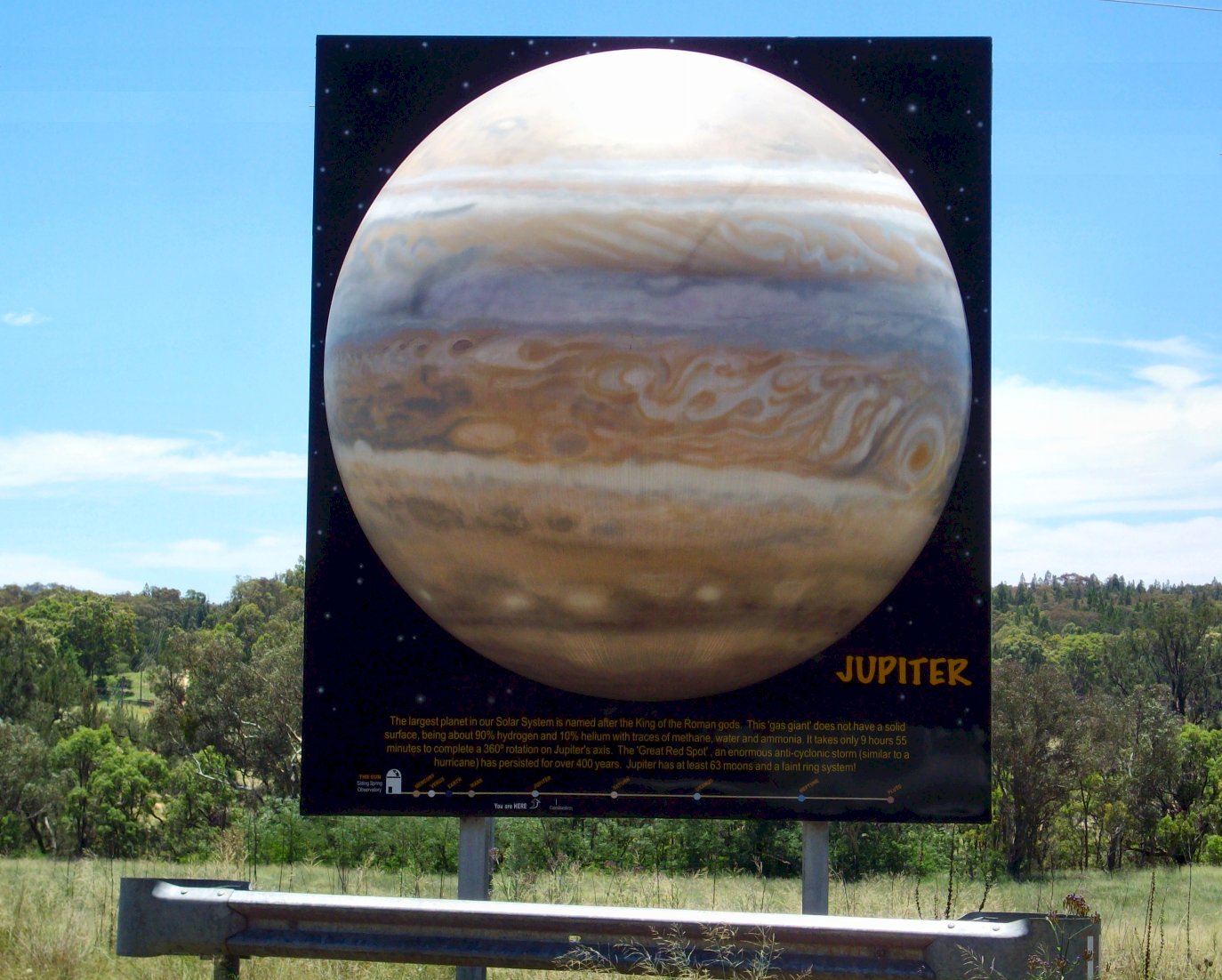
Jupiter Timor Road, west of Coonabarabran 21.5 20 mins
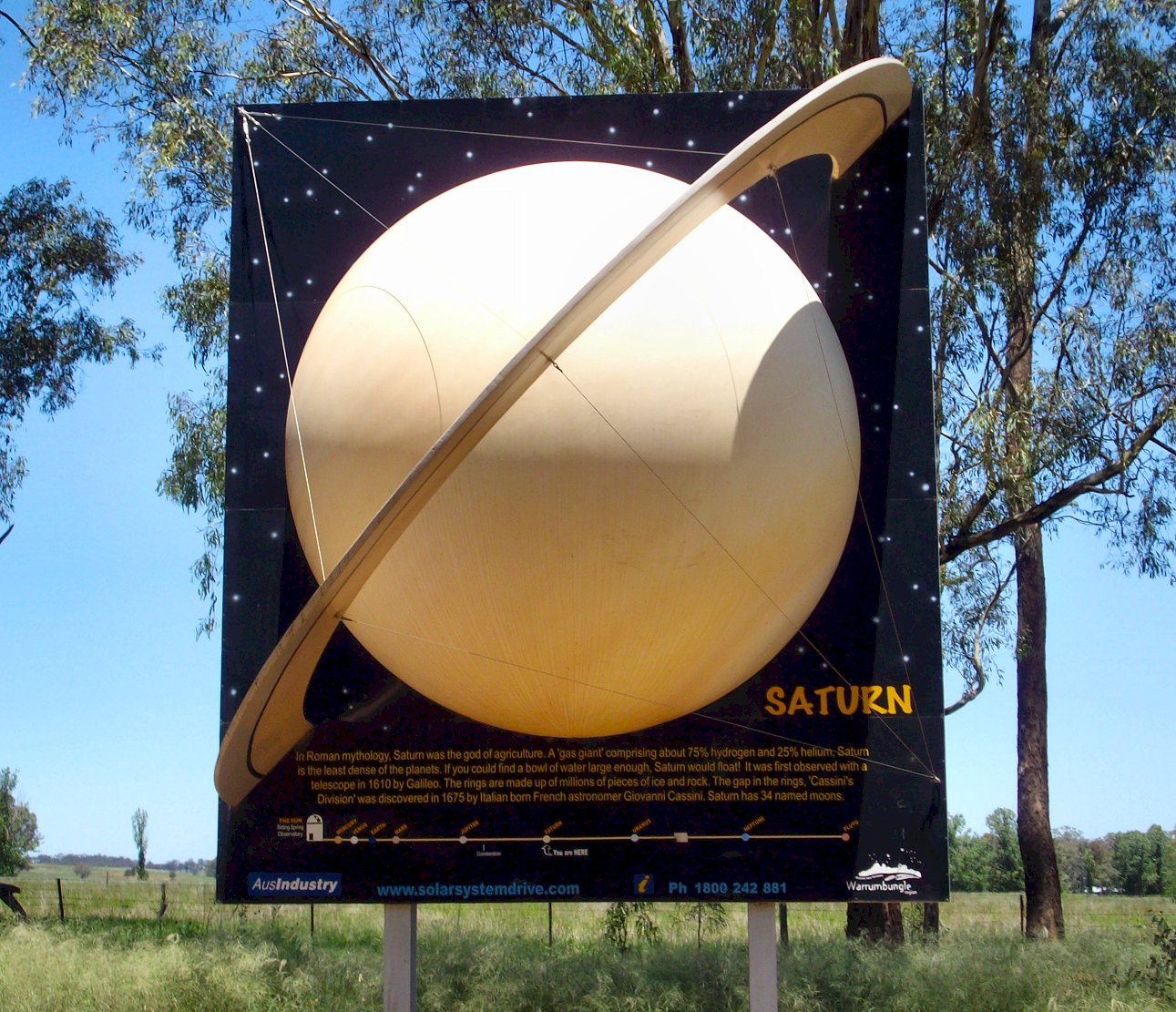
Saturn Camkeena Rest Area, Newell Hwy 40 40 mins
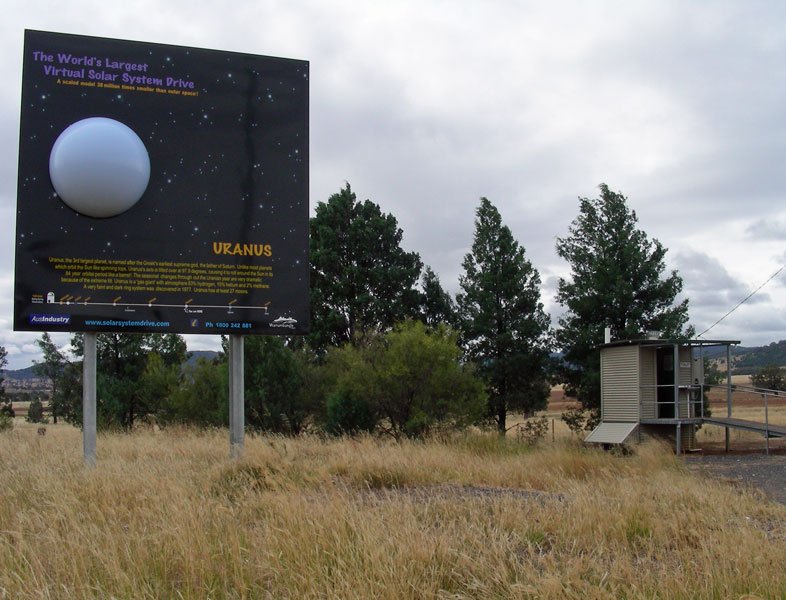
Uranus Tooraweenah Rest Area, Newell Hwy 79 70 mins
Neptune Gilgandra Cooee Heritage Centre, Newell Hwy 119 1.5 hours
Pluto Dubbo Visitor Centre, Newell Hwy 190 2.25 hours

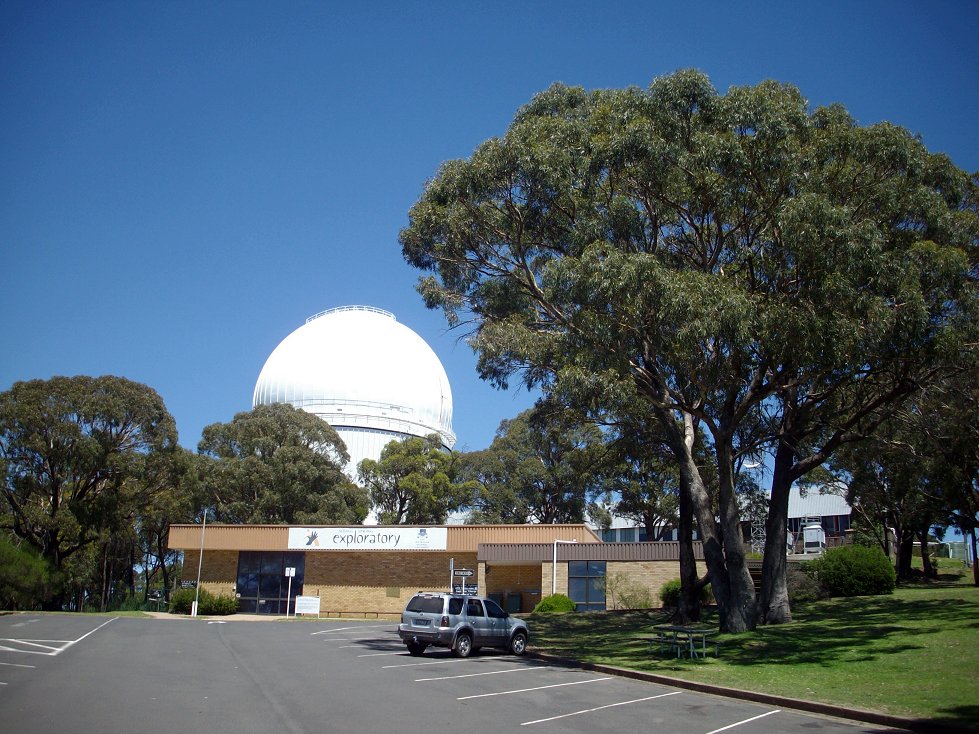
The observatory dome, representing the sun at 1:38,000,000 scale. All other placards on the drive are accurate (in relative terms) with regard to distance and size. For reference, traveling in your car at 100km/hr along the Solar System Drive, you’d be “virtually” hurtling through space at a million kilometers per second – more than three times faster than the speed of light.

I missed Mars, this was taken by another traveler.

Missed Uranus and Neptune;  this image, along with the one below, was found at A Snail’s Eye View.

The drive ended at the Dubbo Visitor’s Center, at which a representation of Pluto is located. Please notice: Pluto.

It is a scientific fact that Pluto and its moon Charon were most likely Kuiper Belt objects captured by the sun, and probably did not coalesce out of the original accretion disk. But as far as I’m concerned,

This drive was one of the most enjoyable experiences I’ve had. I’d love to go back and do the other routes, just to see the scenery.

Australia for the win!

The Old Wolf has Spoken.

The Dish

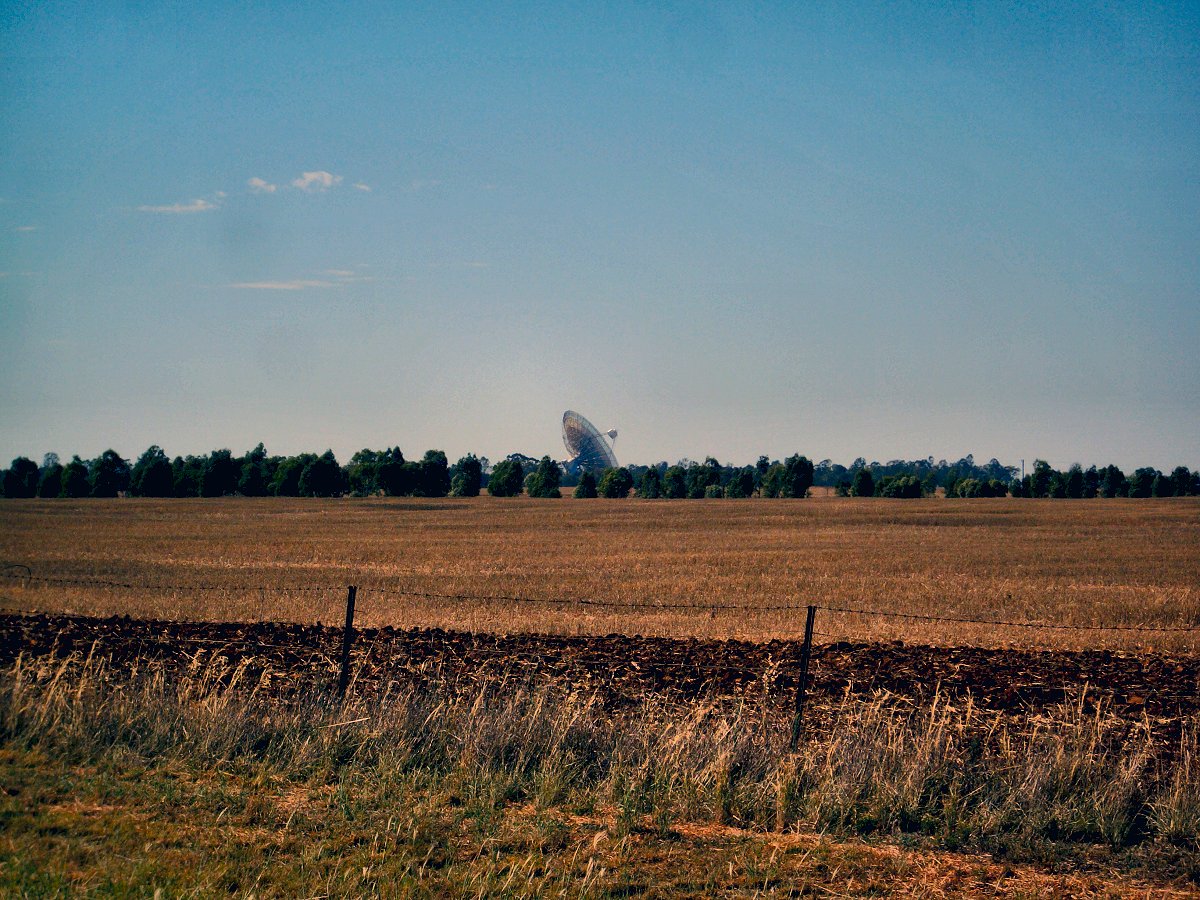
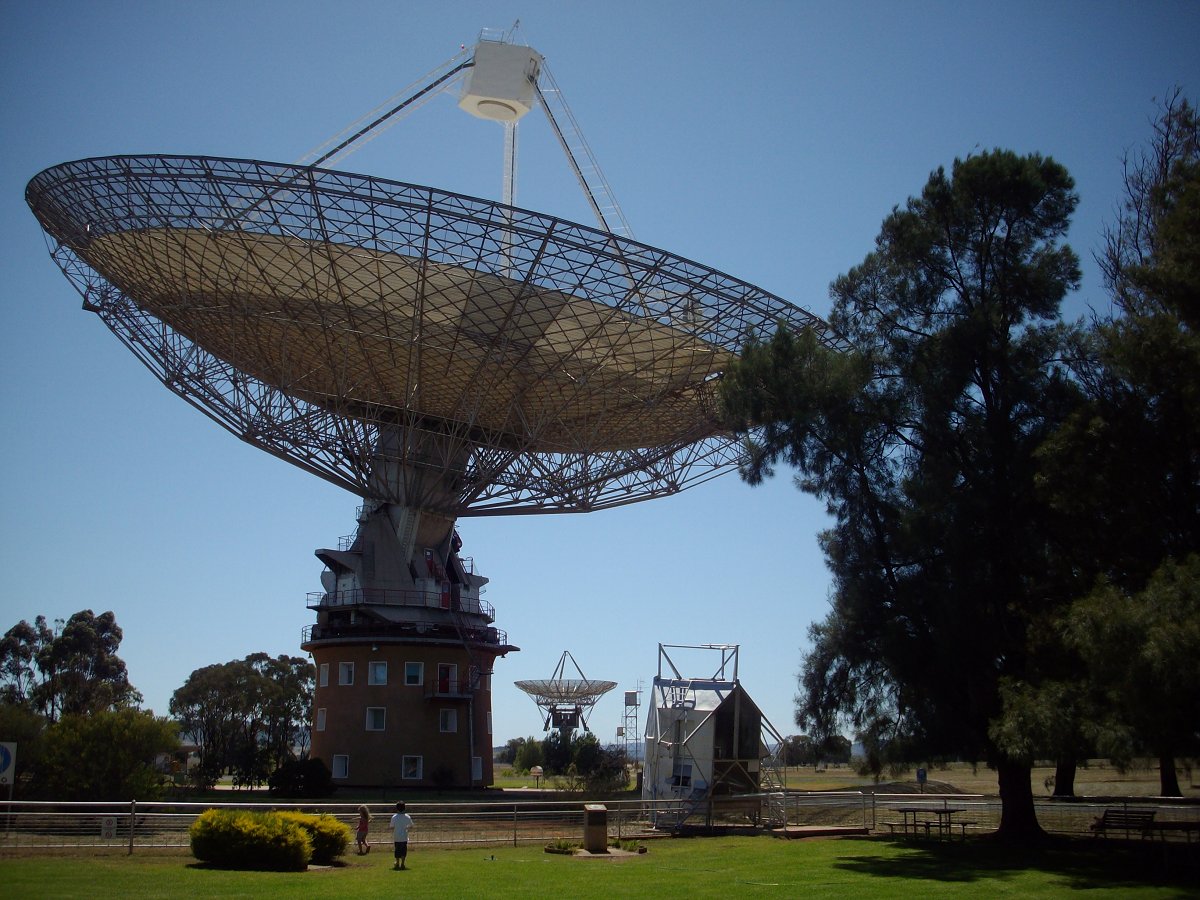
In 2009, during a 3-week sojourn to New South Wales, one of my “must-see” stops was the radio telescope in Parkes. The movie is an odd bit of cinematography which took certain liberties with its rôle in the Apollo 11 moon mission, but participate it did, and in a very significant manner. More at Wikipedia.

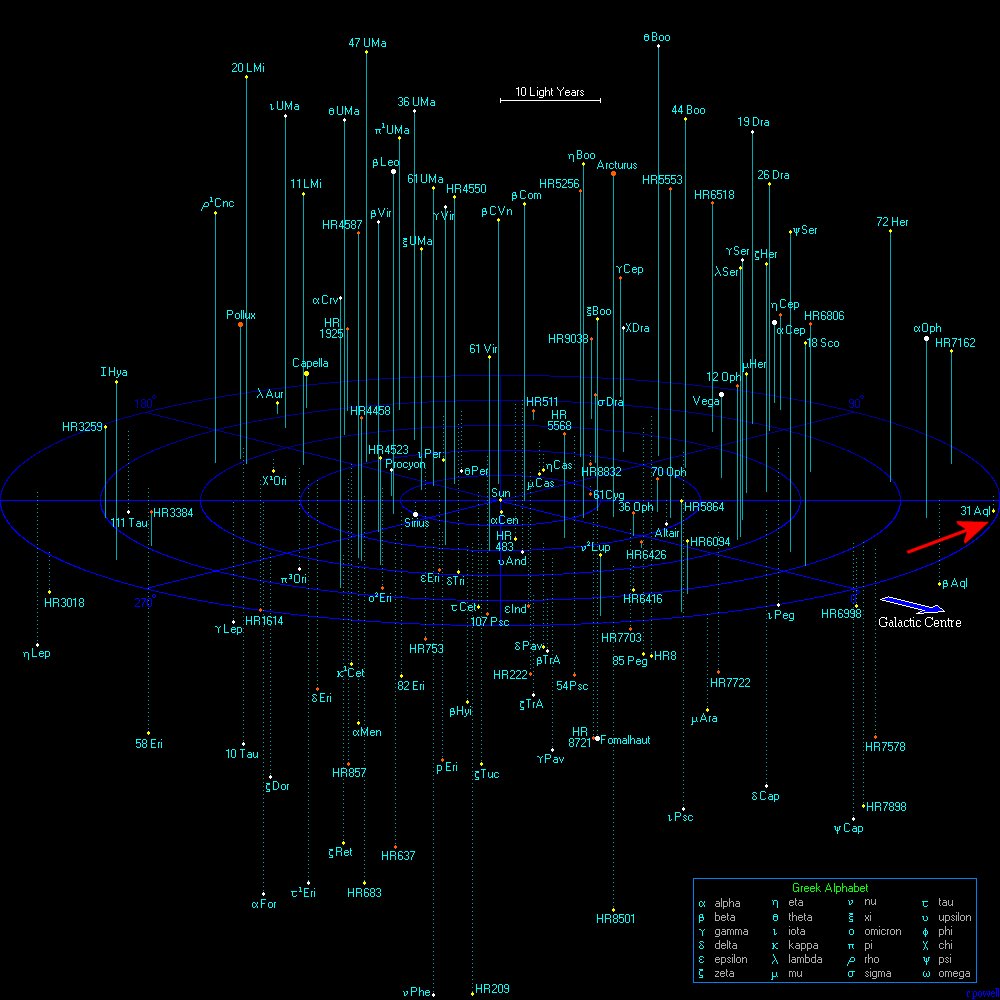
The Void has always fascinated me. I can remember being 11 or 12 years old, lying on my back with a friend on Fire Island, holding flashlights we had acquired at Ringling Brothers’ Barnum and Bailey Circus at Madison Square Garden, and shining our beams up into the sky, wondering if the light would go on forever and ever. Assuming nothing got in the way, anyone with sensors strong enough on a planet circling 31 Aquilae (49.5 light years away) might detect a few of our photons right about now.

Stars within 50 light years of Earth. Found at Atlas of the Universe.

As a result, being within driving distance of Parkes made this an absolute necessity.

The thing is big, and dominates the landscape as you approach it.

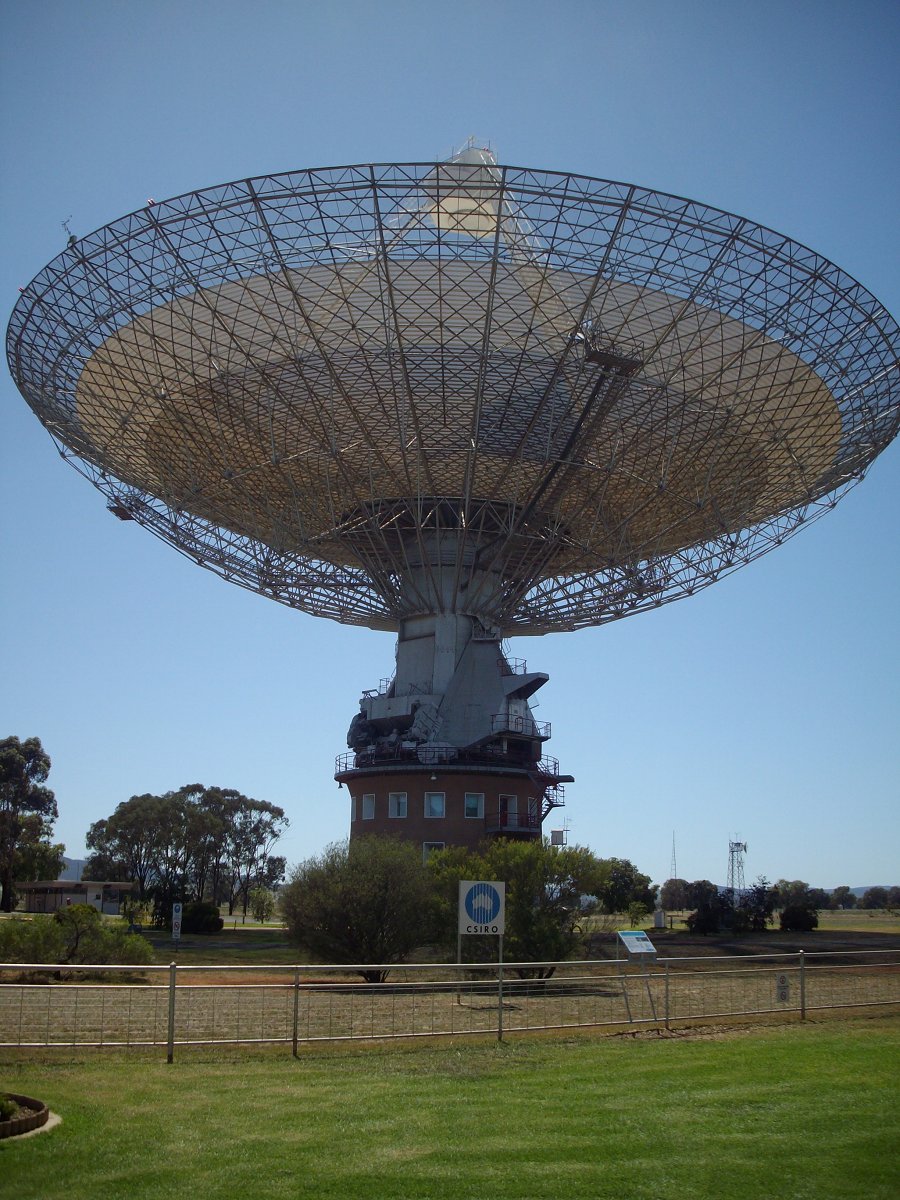
It’s even bigger up close, and in some ways more impressive than the large telescope at the NRAO in Virginia, because you can get closer to it.

Being a working telescope, it moved quite a bit during my visit.

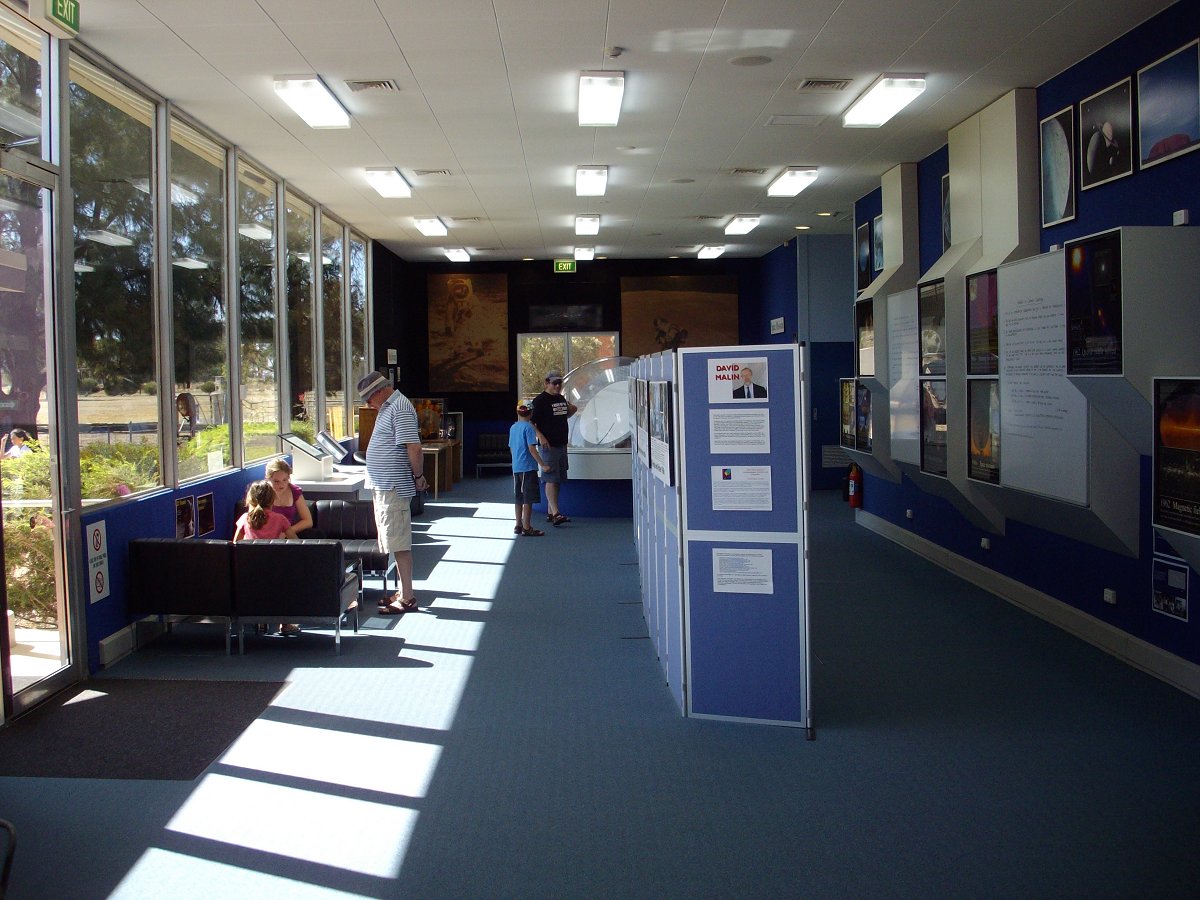
They have a very nice visitors center with lots of things to learn about, some hands-on displays, and an AV presentation.

But this was my favorite part of the visit:

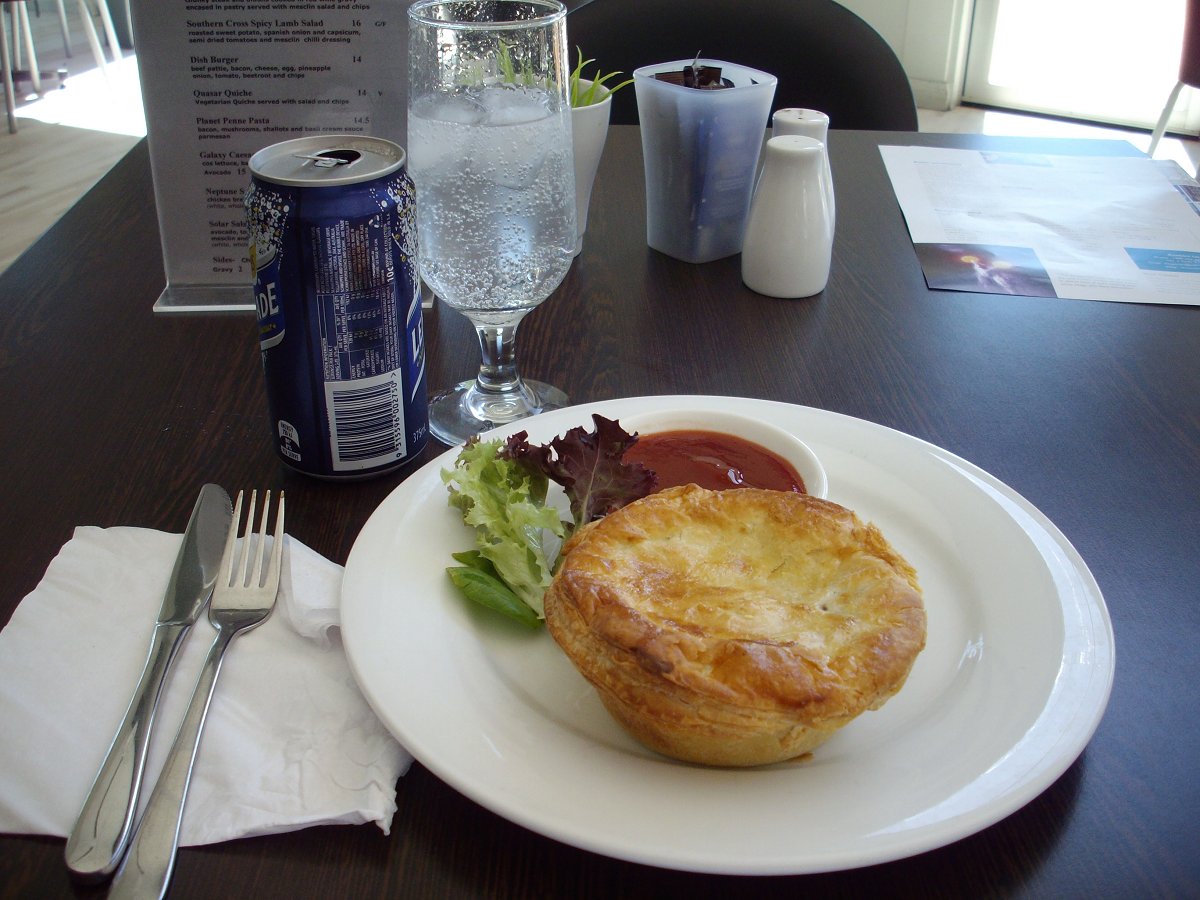
Beef and burgundy pie, at the Dish café: exquisite – I have never tasted better, although a friend of mine in Dubbo tells me there’s a pie shop I missed that does them one up. Next trip for sure.

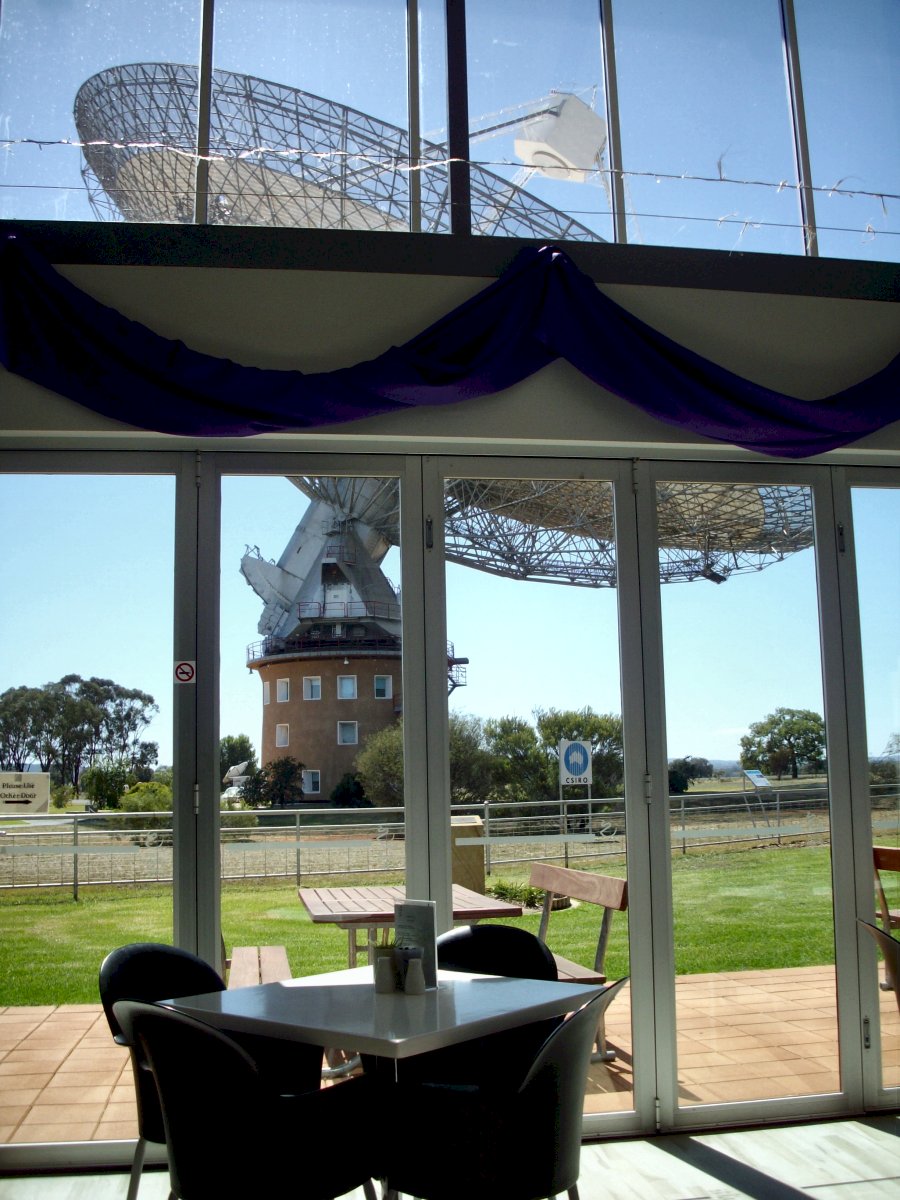
And the scenery while dining was overpowering.

Still working hard, in 2012 the Observatory received special signals from the Mars rover Opportunity, to simulate the Curiosity rover UHF radio. This helped prepare for the then upcoming Curiosity landing on August 6, 2012.

If I had another lifetime and a brain that was not math challenged, working with a device like this would be a wonderful way to spend a career.

The Old Wolf has spoken.

Warrumbungle National Park

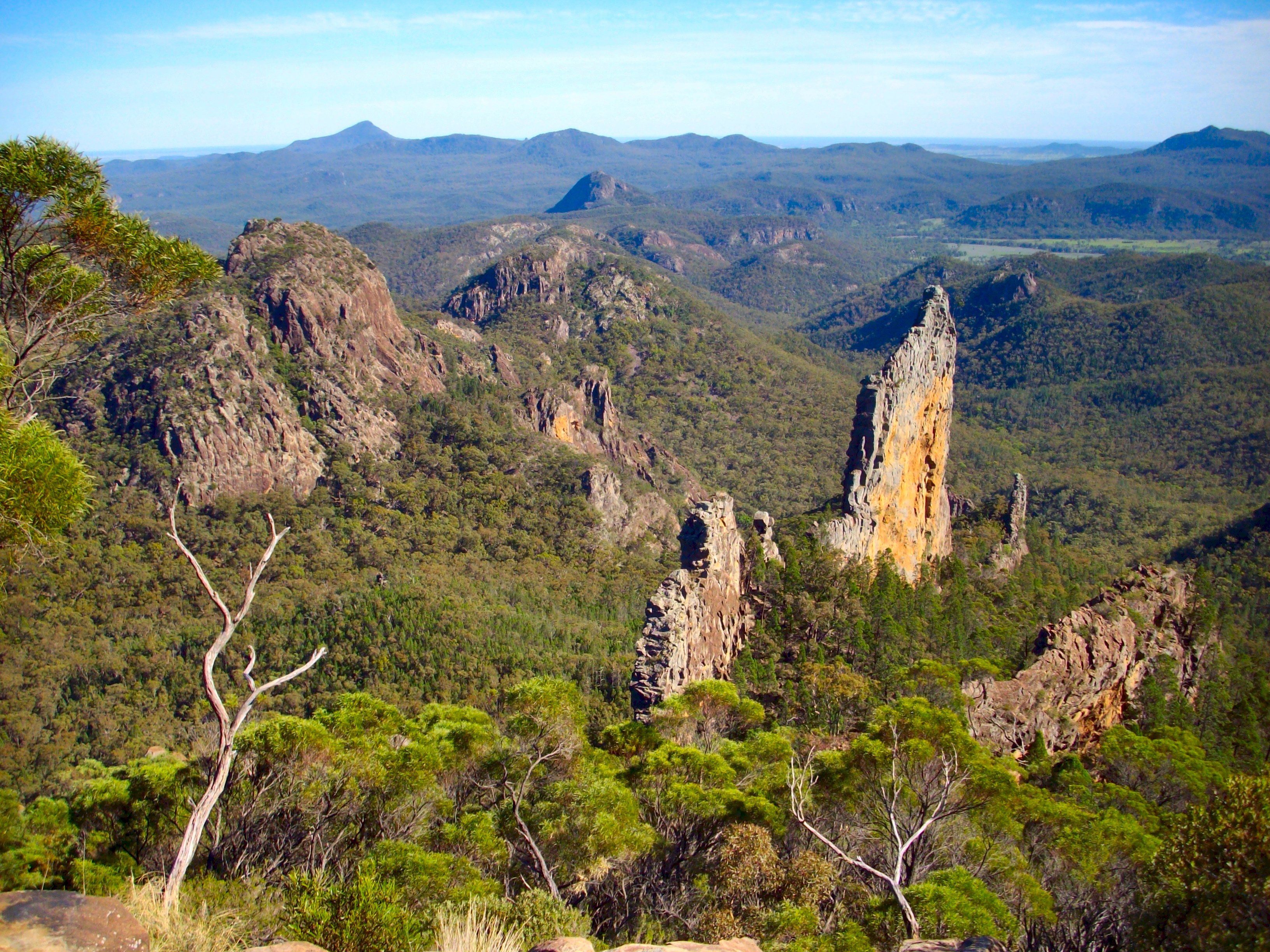
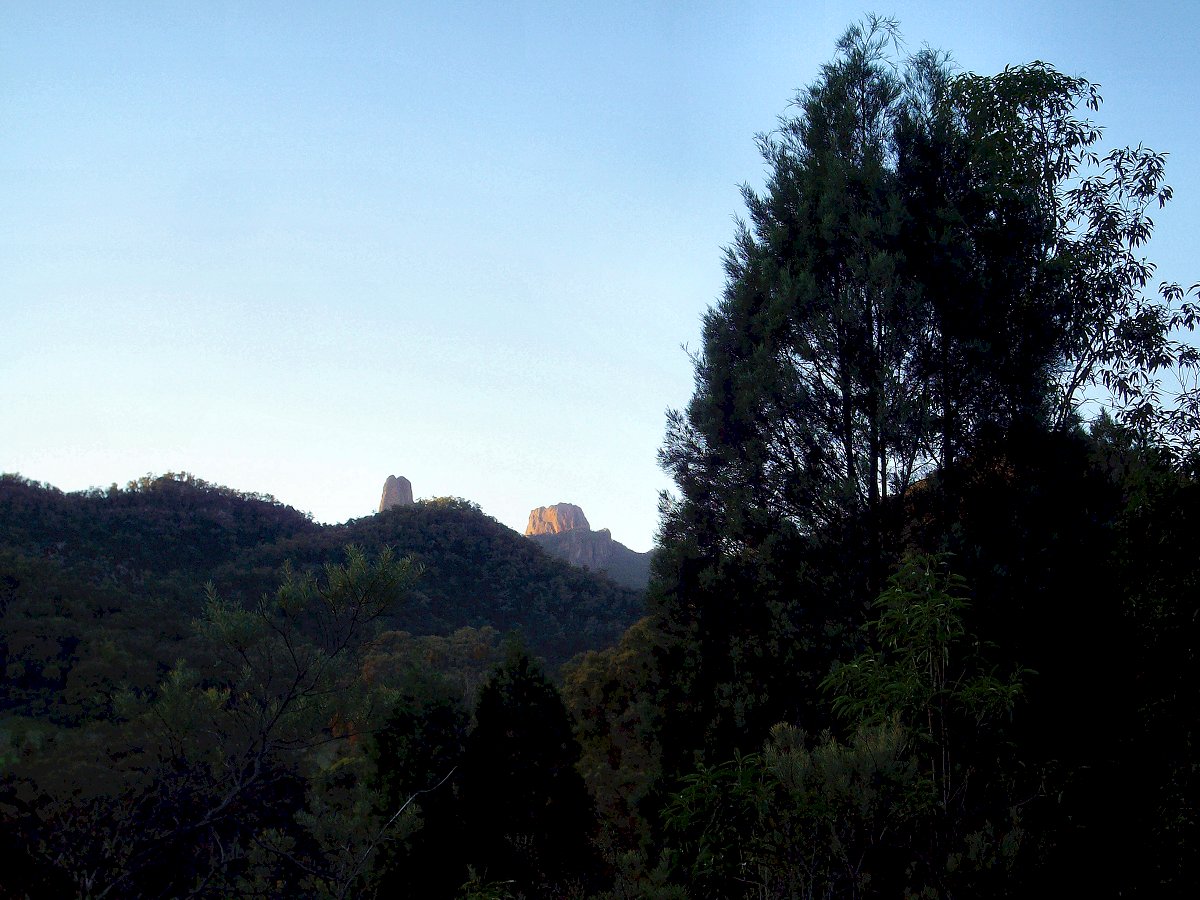
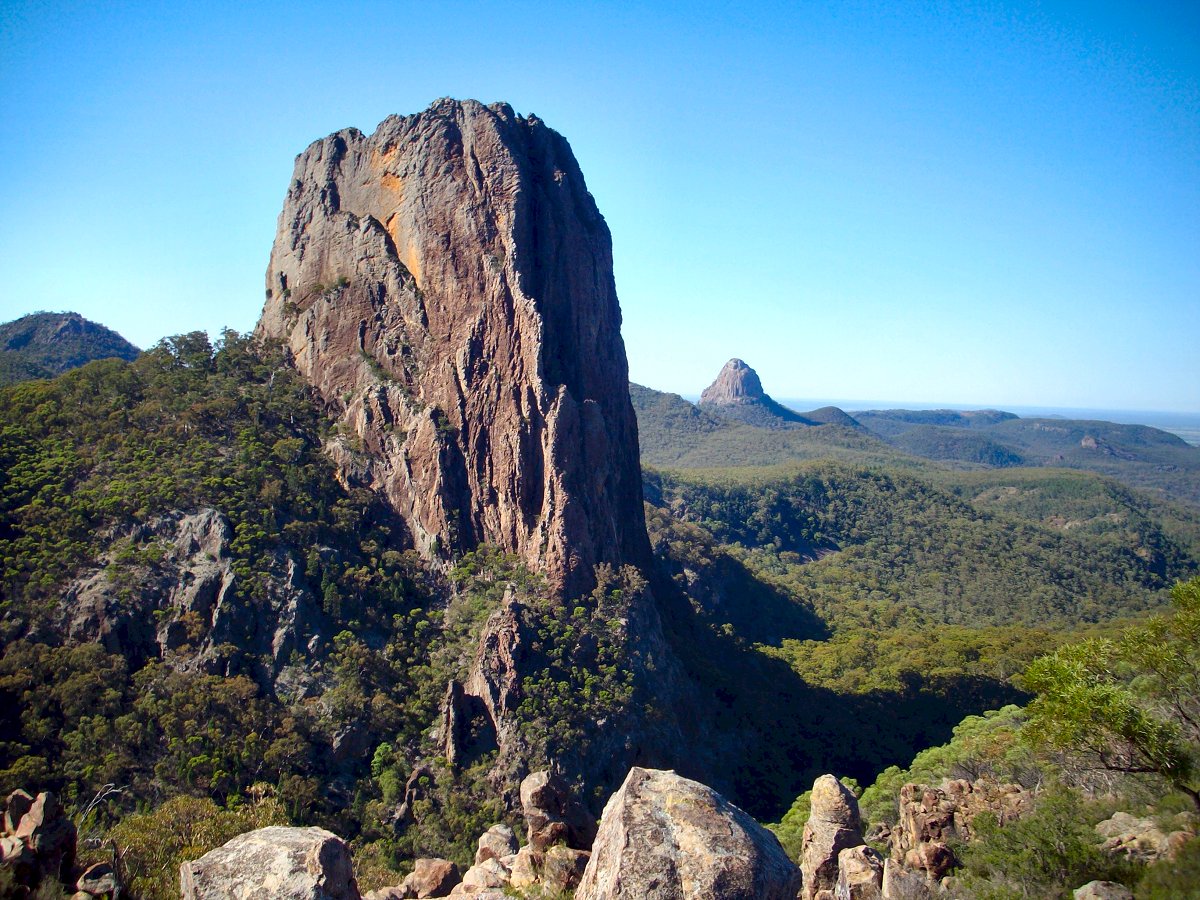
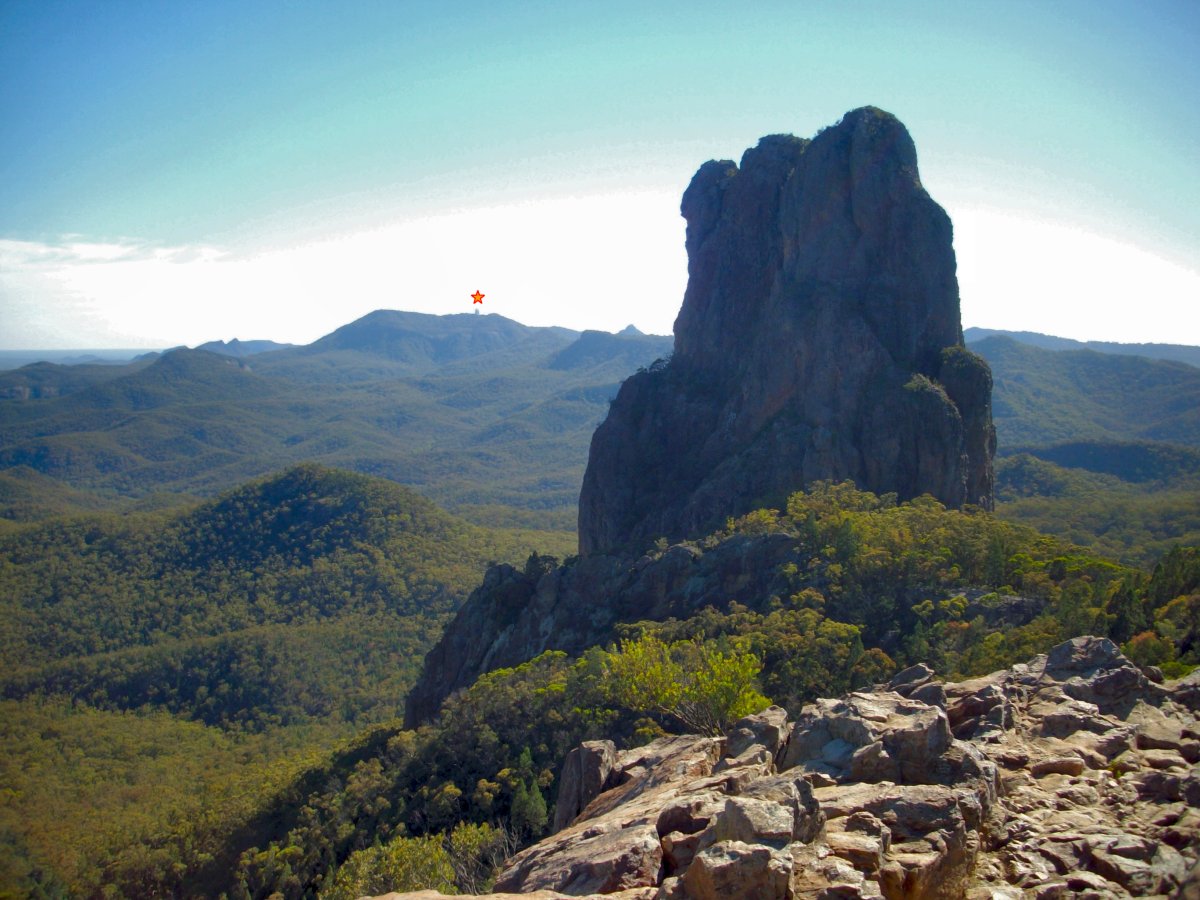
Hike to Grand High Tops in the Warrumbungle National Park (New South Wales, Australia) and you will be treated to countless breathtaking views, not the least of which is this shot of the Bread Knife, a thin slice of rock jutting out of the volcanic soil. It was a rigorous hike, but the sights were spectacular, and I started early enough in the morning that the flies were only horribly annoying instead of hellishly demonic. Now I understand what those hats are for.

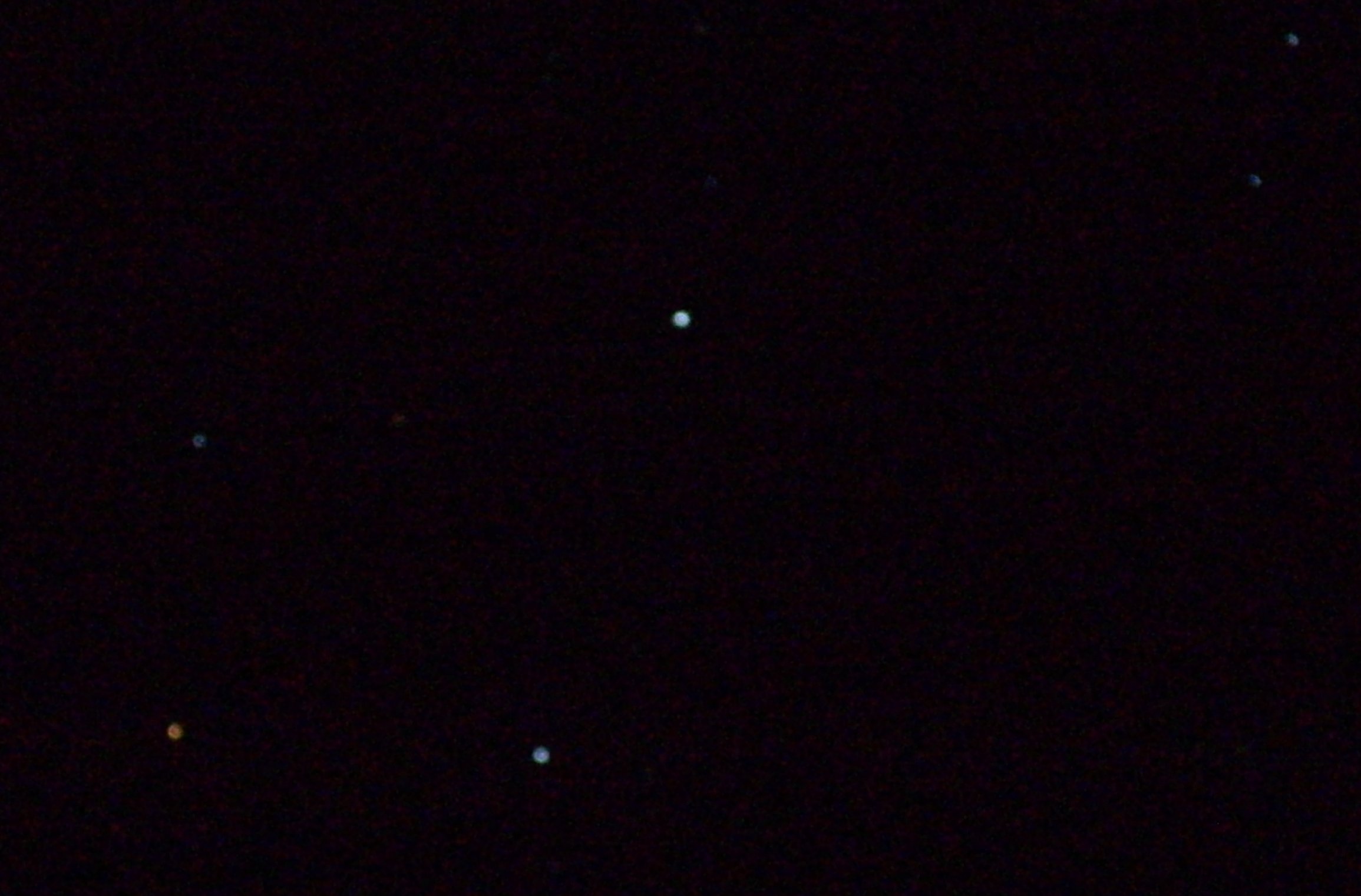
I had spent the previous night parked in the middle of the reserve, lying on my back and observing the stars overhead. The mountains around the crater are home, for good reason, home to the Siding Spring Observatory and the Anglo-Australian telescope; lack of surrounding light pollution made this one of the most stunning stargazing experiences I have ever had. Even my cheap little camera was able to detect the various colors of the stars in the Southern Cross – Gamma and Epsilon Crucis are red and orange giants, respectively, while Alpha, Beta and Delta are blue or blue-white. I also had spectacular views of the Magellanic clouds, too faint to be captured, alas, but plainly visible to the naked eye. What a rush!

Enhanced time-exposure of the Southern Cross, with Beta Crucis in the lower-left corner.

As the sky lightened, I drove down to the park entrance, and was treated to some spectacular sunrise shots along the way:

The views along the way were just as impressive as those from the top:

The Bread Knife from below

Warrumbungle – back rim from Grand High Tops

Siding Spring Observatory (star) from Grand High Tops

Would love to come back here and spend more time exploring, but I’m so grateful for the chance to have seen this wonder with my own eyes.

The Old Wolf has spoken.

Heiligenblut and Großglockner, Austria, 1975

In a previous post I put up some Austrian travel posters; one of them focused on Heiligenblut,  a town in northwest Kärnten in Austria, nestled at  the foot of Großglockner, the highest mountain in that country.

On May 29, 1975, I had a chance to visit the town, and I can say without reservation that the place is truly stunning.

St. Vincent Church, Heiligenblut. The Großglocknerspitze (the summit) was hiding behind the clouds, and as the day progressed the clouds increased, so I felt fortunate to get this shot.

This is probably one of the most picturesque (or, as I think it should be pronounced, “picture-squee” places in the world.

The Old Wolf has spoken.