Keeping Welsh (and Bees) Alive.

Note: This article was originally published at FT.com (Financial Times). It is copyright. They have indicated that these articles can be shared with their “sharing tools,” and added, “Please don’t cut articles from FT.com and redistribute by email or post to the web.”

That would be fine, if they didn’t use that accursed “complete a survey to read this full article” ploy. Or make you register (i.e. give them your information) to read “3 free articles per month.” Both of these are scummy tactics which serve no purpose other than to drive people away from a website; to Pluto with that. So, FT, get rid of the surveys and the paywall and I’ll be happy to link people directly to your site. Until then, hard lines.


Wil Griffiths set up an organisation that aims to save the bees and his native tongue

Welsh beekeeper Wil Griffith

©Gareth Phillips

Wil Griffith: ‘When we started, other beekeepers thought we were racist’

Welsh has always lent itself to prose and poetry, to music and singing. But it has never been associated with scientific matters, and beekeeping is a science. If the language is to survive, it needs to expand into all aspects of everyday life.

I run the only Welsh-language beekeeping association in Wales. I set up Cymdeithas Gwenynwyr Cymraeg Ceredigion (the Ceredigion Welsh Beekeeping Association) at the end of the 1960s with two aims: survival of the bee and survival of the language.

Our Welsh beekeeping terms are not a pure translation of English terms because word-for-word translation is meaningless. For example, in a beehive, honey is stored in the very top of the hive, in the top box. The term in English is “super” — as in “superintendent”. It means “above”. But “above” would not be used that way in Welsh. The more usual Welsh word is “lloft” — meaning “upstairs”. So, in determining new terminology, we use everyday words that make sense to a Welsh ear. I wrote a book, Dyn Y Mel (The Honeyman) in which our Welsh terms are listed. In English, the term is “beekeeper” but, again, in Welsh, “dyn y mel” is more common.

I’m well over 80 now but I started beekeeping 60 years ago. At about that time modern hives were introduced. Before then, beekeepers had used closed straw skeps — but suddenly, for the first time, they were able to see what was taking place within the hive.

Modern terms were coined to reflect these changes, which flustered the older beekeepers. Very experienced beekeepers, who were first-language Welsh, were at a loss. The terminology involved was beyond them, particularly if it was in English.

Today our association has about 30 members and we even put on an annual show in a pub for our honey and mead. Finding enough bilingual judges is always a problem. As they are tasting, the judges must comment out loud in Welsh.

Beekeeping can be hazardous. A friend went to shift a hive late one evening and didn’t bother with protective clothing; a bee crawled into his ear. We tried to get it out but couldn’t. The only way was to drown it, and the only liquid we had to hand was a bottle of brown ale. So that was poured in and the bee floated out. But there’s no special term — in Welsh or English — for these beekeeping mishaps.

Our members do not have to speak Welsh — but we are true to our founding principles. At meetings, English speakers sit next to someone bilingual — most of us are — who will quietly translate for them. After a season or so, they have a good smattering of the language.

When we started other beekeepers thought we were racist. But what is wrong with studying in our native tongue? People would not be surprised if beekeeping associations in France or Germany discussed beekeeping in French or German. Why be surprised about Welsh?

The best way to keep a language alive is to place it at the centre of everyday life. In my county, Ceredigion, Welsh is a minority language. There has been a big fall in the number of native speakers in the past 30 years, and people are realising that we are in danger of losing one of the oldest languages in Europe.

Copyright The Financial Times Limited 2015
Rebuses

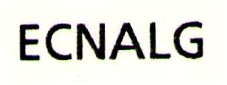
These word plays have been around for a long time, but here is a cluster I found while cleaning and digitizing the things I have collected in file cabinets over the last four decades. (Answers at the end, don’t cheat!)

1)

Backward Glance

2)

Crack of Dawn

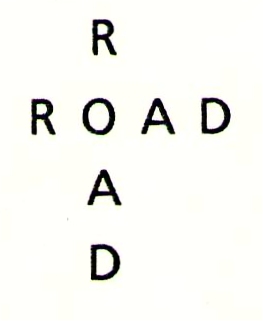
3)

Crossroads

4)

Undertaking

5)

Tricycle

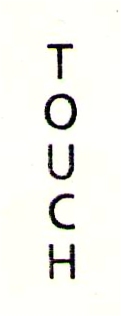
6)

Touchdown

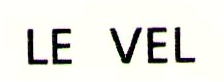
7)

Split Level

8)

Six Feet

9)

Sandbox

10)

Reading

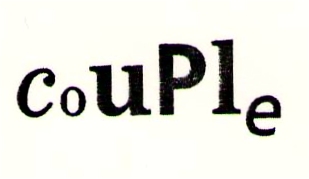
11)

Odd Couple

12)

Mind Over Matter

13)

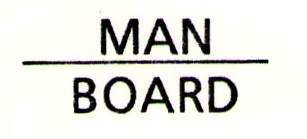
Man Overboard

14)

Lying Down

15)

Long Underwear

16)

Life After Death

17)

Hijinks

18)
Faults

19)

Eggs

20)

Degrees

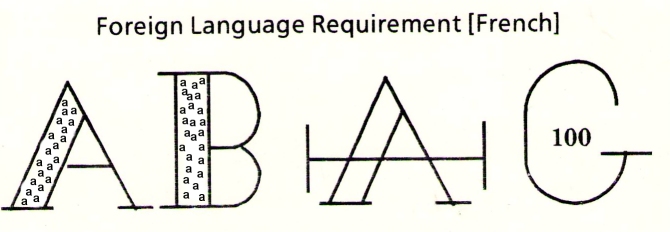
21) Bonus: French Language rebus

French

Answers:

  1. A backward glance
  2. Getting up at the crack of dawn
  3. Crossroads
  4. I understand you undertake to undermine my undertaking
  5. Tricycle
  6. Touchdown
  7. Split level
  8. Six feet underground
  9. Sandbox
  10. Reading between the lines
  11. Odd couple
  12. Mind over matter
  13. Man overboard
  14. Lying down on the job
  15. Long underwear
  16. Life after death
  17. Hijinks
  18. Be above quarrels between man and woman, there are faults on both sides
  19. Two eggs over easy
  20. Three degrees below zero
  21. Un grand abbé, plein d’appétit, à traversé Paris sans danger.

As a small item of interest, these were originally formatted on the Xerox 6085 Desktop Publishing System in around 1986.

The Old Wolf has spoken.

Utah Speak

Utah has its own language and its own dialect, especially when you get out of the cosmopolitan areas. This list of Utah words was assembled by the Radio from Hell show.

Liar
Skiddin
Sway
Mart
Al
Scout
Strew
Sarah
Zrenny
Meetin
Smelp
Bulimia
Cheatin
Skit
Sain
Skweet
Jeat
Snot
Stew
Zis
Smee
Frude
Frignernt
Melk
Mungry
Lechin
Galna
(lawyer)
(just kidding)
(this way)
(my heart)
(owl)
(lets go out)
(it’s true)
(is there a)
(is there any)
(I am eating)
(some help)
(believe me, I …)
(what are you eating)
(let’s get)
(saying)
(let’s go eat)
(did you eat)
(is not)
(is too)
(who is this)
(it’s me)
(for rude)
(for ignorant)
(milk)
(I’m hungry)
(let you in)
(gallon of)

Other phenomena have been observed, such as the tendency of vowels to go from tense to lax before /l/, resulting in things like “Bell the Hay, George, there’s a hellstorm coming.” The phenomenon is not limited to production, but also perception; my ex-wife always referred to my cousin Del as “Dale” – i.e. she couldn’t hear the difference between the two phonemes in that position.

Southern Utahns have a heavy tendency to pronounce words like “born” and “Mormon” as “barn” and “Marmon.” This has been stigmatized as “hick speech,” and some people, aware of this, can overcompensate when trying to avoid the appearance of being a jay, coming up with things like “horpsichard.”

Here in Utah, we call that little gray bug that rolls up when you touch it a “potato bug,” rather than whatever you probably call it, and the thing that goes down the middle of two freeway lanes is called a “bar pit.” “Caught” and “cot” are identical here, as are “Mary,” “merry,” and “marry.” Coming from New York, I distinguish between these words, and have never given up the distinction although I’ve lived in Utah for 46 years.

Lastly, Utah is famous for its double modals, such as “might could,” “might would,” etc, as well as the odd names with interstitial majuscules like “LaVar,” “DuWayne,” and such things. If you want some real technical stuff, a preliminary survey of Northern Utah speech can be found here.

Strew.

The Old Wolf has spoken. Er maybe spoke, dunno.

Definitions for a ‘Fictionary’

Something culled from my half-century-old file of random clippings and copies, which are now being digitized. I was amazed, in passing, at how many of these actually had found their way to the Internet over time. This one came up with no hits, and hence deserved to be scanned in and shared.

“Daffynitions” like this have been around for a long time, so it’s difficult to know if these are original creations of Mr. Brandreth, or things he remembered, or a combination of both. Whatever the case, it’s a good collection.


Alphabet Soup

Definitions for a ‘Fictionary’

By Gyles Brandreth

Who was it who first defined the word elliptical as “a kiss” (a lip tickle)? I don’t know, but he was some kind of genius. It has to be the greatest daffynition of all time.

Daffynitions are dictionary definitions run haywire and are specially designed to add hidden dimensions to the words they describe.

G. & C. Merriam Co., the nation’s Largest publisher· of dictionaries, is celebrating its 150th anniversary this year and William A. Lleywellyn, its president, says Merriam will mark its sesquicentennial by “continuing to do what we have always done: develop the most useful English-language dictionaries we know how.”

If Mr. Llewellyn wants to do something really useful to mark his company’s 150th birthday. he’ll take my advice and produce the wry first Merriam-Webster Fictionary it’s a dictionary with a difference: the words are all real. but the definitions are somewhat unex­pected.

To give you (and Mr. Llewellyn) a flavor of what I’ve got in mind here are the daffynitions that I feel definitely deserve a place in the world’s first fictionary:

acorn: an oak in a nutshell
afford: a car some people drive
announce: one-sixteenth of a pound
appear: something you fish off
area code: a sinus condition
arrest: what to take when you’re tired
ashtray: a place where people put ashes when the room doesn’t have a rug
autograph: a chart showing the sales of cars
ax: chopstick
bacteria: the rear of a cafeteria
barber shop: a clip joint
bathing beauty: a girl worth wading for
bee: a hum-bug
beet: a potato with high blood pressure
buccaneer: too much to pay for corn
Camelot: a parking lot for camels
cannibal: one who is fed up with people
chair: headquarters for hindquarters
chicken farm: a large egg plant
conceit: I-strain
crowbar: a bird’s drinking place
denial: where Cleopatra lived
dentist: someone who looks down in the mouth
egomania: a passion for omelets
eraser: what the artist’s wife said when he drew a beautiful girl
extinct: dead skunk
flood: a river that’s too big for its bridges
foul ball: a dance for chickens
gallows: where no noose is good noose
goblet: a small turkey
gossip: letting the chat out of the bag
hogwash: pig’s laundry
home run: a thing you do in a ball game when the ball goes through a window
ice: skid stuff
igloo: an icicle built for two
illegal: a sick bird
incongruous: where the laws are made
information: how air force planes fly
kidney: knee of a baby goat
kindred: a fear of relatives coming
knob: a thing to adore
leopard: a dotted lion
mummy: an Egyptian pressed for time
nail: a long, round object with a flat head which you aim at before you hit your thumb
nursery: a bawl park
operetta: a girl who works for the phone company
ottoman: a car mechanic
out of bounds: a tired kangaroo
paradox: two doctors
paratrooper: an army dropout
parole: a cell-out
pickle: a cucumber in a sour mood
pigeon-toed: half-pigeon, half toad
pink elephant: a beast of bourbon
pretzel: a double-jointed doughnut
printer: a man of letters
propaganda: a socially correct goose
quadruplets: four crying out loud
racetrack: the only place where windows dean people
raisin: a worried grape
rebate: to put another worm on the hook
ringleader: first one in the bathtub
shotgun: a worn-out gun
sleeping bag: a nap sack
snoring: sheet music
southpaw: a daddy from Dixie
tears: glum drops
unabridged: a river you have to swim to cross
undercover agent: spy in bed
vitamin: what you do when someone comes to the house
walkie-talkie: a grounded parrot
washable: to bathe a bull
water cooler: thirst-aid kit
X-ray: belly vision
yellow: what you do when you stub your toe
zoo keeper: a critter-sitter


I add a few others that I happen to remember from somewhere:

rhubarb: bloodshot celery
volcano: a mountain getting its rocks off
booze: Sounds of disapproval.
pun: A weapon of mass distraction.
crustacean: a bakery

The Old Wolf has spoken

What do languages *sound like*?

Having occupied myself with languages for most of my life, both professionally and by avocation, I’ve had the chance to learn a handful, encounter many, and speak with people about them all over the world.

Every now and then a discussion crops up about this or that language being attractive, another language being harsh and unattractive. Dutch and German particularly tend often to fall on the cacophonous side.

I think German in particular gets a bad rap for sounding rough and bellicose because of the actions and people it was associated with during the last century. I’m convinced that the relative sound of a language is entirely dependent on what we’re used to. You want harsh? Listen to a Poujadiste screaming at a tax collector. There are sounds in Arabic that make German sound positively musical. As for German, have a listen to Mozart’s “Ruhe Sanft” aria, and you’ll hear true beauty.

On the other hand, even as early as the 1500’s Emperor Charles V may have codified the sound of certain languages (I say “may have,” because the only source is secondary – Girolamo Fabrizi d’Acquapendente’s 1601 “De Locutione”):

Latin:
Unde solebat, ut audio, Carolus V Imperator dicere, Germanorum linguam esse militarem: Hispanorum amatoriam: Italorum oratoriam: Gallorum nobilem. Alius vero, qui Germanus erat, retulit, eundem Carolum Quintum dicere aliquando solitum esse; Si loqui cum Deo oporteret, se Hispanice locuturum, quod lingua Hispanorum gravitatem maiestatemque prae se ferat; si cum amicis, Italice, quod Italorum dialectus familiaris sit; si cui blandiendum esset, Gallice, quod illorum lingua nihil blandius; si cui minandum aut asperius loquendum, Germanice, quod tota eorum lingua minax, aspera sit ac vehemens.

English:
“When Emperor Charles V used to say, as I hear, that the language of the Germans was military; that of the Spaniards pertained to love; that of the Italians was oratorical; that of the French was noble. Indeed another, who was German, related that the same Charles V sometimes used to say: if it was necessary to talk with God, that he would talk in Spanish, which language suggests itself for the graveness and majesty of the Spaniards; if with friends, in Italian, for the dialect of the Italians was one of familiarity; if to caress someone, in French, for no language is tenderer than theirs; if to threaten someone or to speak harshly to them, in German, for their entire language is threatening, rough and vehement.”

These sources distilled themselves over time into the shorter, but misattributed quote, “I speak Spanish to God, Italian to Women, French to Men, and German to my Horse.”

It must be remembered that these characterizations were being supposedly made from the point of view of a native Spanish speaker.

Is it possible that some languages sound harsh because of certain intrinsic linguistic qualities? Not only possible, it’s documented. I first heard the “Bouba/Kiki” Effect in 1978 when it was presented at a linguistics conference by Adam Makkai, although he used the 1946 variants of “Maluma” and “Takete”.

250px-Booba-Kiki.svg

When shown these two figures and asked to identify which one is “maluma” and which one is “takete” – and the words are presented in such a way as to avoid immediate association of one word with one figure – 88% of normally-developing individuals will associate the jagged shape with “takete” and the softer shape as “maluma.” (people on the autistic spectrum only 56% for some reason.) From these experiments it is evident that some linguistic sounds (typically stops, gutterals, affricates, and back vowels) are considered “harder” and others (liquids, glides, and front vowels) are considered “softer.”

Have a look at Tolkien’s linguistic creations:

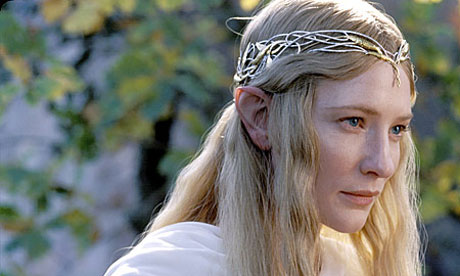
Elvish:

Ai! laurië lantar lassi súrinen,
Yéni únótimë ve rámar aldaron!

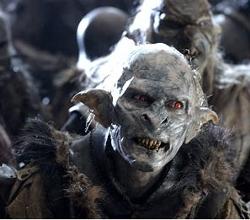
Black speech:

Ash nazg durbatulûk,
ash nazg gimbatul
ash nazg thrakatulûk
agh burzum-ishi krimpatul.

You need have no understanding of these synthetic languages whatsoever to imagine that the speakers of the first one might live in a world of softness and light.

cate-blanchett-elf-queen-006

The other? “Ashes and dust and thirst there is, and pits, pits, pits.”

250px-Gimbatulash

So there is justification for considering languages that use these kinds of sounds as being harsh and angular in feel, but when we are raised with a language, these considerations tend to become less important, or not important at all; those who do not concern themselves with literature, song, or poetry generally do not think about what their own language sounds like. And where there exist linguistic theories that the language we speak molds our world view and hence our personalities, there are no socio-linguistic absolutes: I know some really unpleasant French speakers, and some truly lovely Dutchmen.

Today I saw the question, “What does English sound like to people who don’t speak it?” The best representation I’ve seen of that is a delightful video by Adriano Celetano – “Prisencolinensinainciusol.”

The Old Wolf has spoken.

Dialect variations in nomenclature – the US vs. Germany

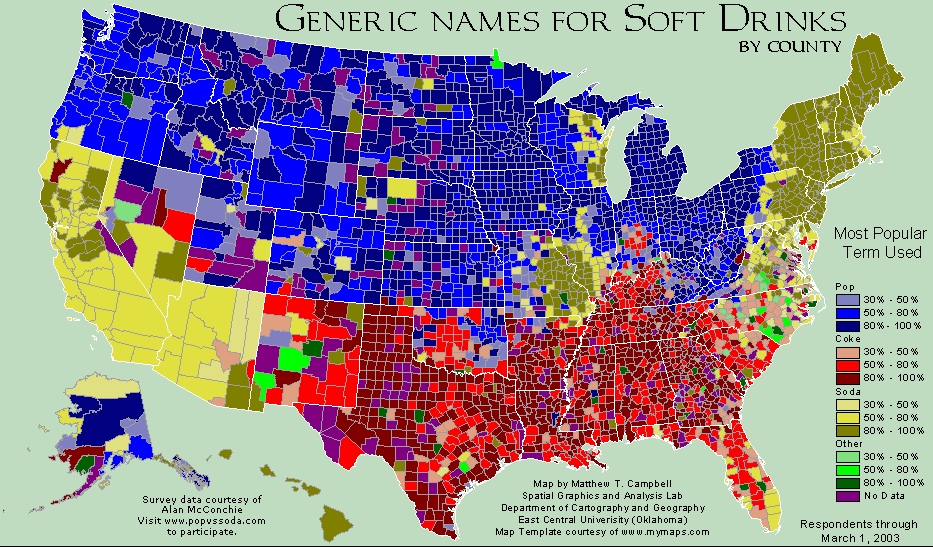
One of the more interesting terminology diversions in the US has to do with what you fill up your jug with at the convenience store. No, not that “good ol’ Mountain Dew,” although that can certainly be one of your choices, but anything sweet and fizzy. What do you call it? Soda? Pop? Coke? Fizz? Something else?

2012-11-09-Screenshot20121109at3.05.00PM

People registered their opinions over at popvssoda.com, and the results were tabulated. I knew one guy who called it “soda water,” even though to me that means just unflavored club soda.

Today as the result of a little discussion among my translation colleagues, I was presented with this website that shows the distribution of various terms for “potato” in German:

????????????????????????????????????????????????????????????????????????????

While most people would find things like this less exciting that watching paint dry (and even I myself, graduated linguist with advanced degrees absolutely detested my 7th-grade linguistics class, even though that’s a different story), I find comparative and social linguistics intriguing.

Think about what you call things; Crawdad, crayfish, crawfish; potato bug, pill bug; hoagie, sub, grinder, or po’ boy; water fountain or bubbler; so many, many others, and some of these are distinctly regional. Take the quiz and see how well it does in your case. Naturally it’s not going to be 100% perfect all the time, but I was impressed not only by the results but by the nature of the questions.

The New York Times dialect survey has shown to be amazingly accurate in my own case:

download

maps

I was born and raised in New York, but have spent the last 46 years in Utah; you couldn’t get more spot-on with my diagnosis.

The study of linguistic diversity across boundaries and how language evolves is an entire subset of the larger field, but I could think of much less interesting ways to spend a career than researching these matters.

The Old Wolf has done spoke.

Today it’s Italian’s turn: Giecche Enne Binnestocche

Cross-posted from LiveJournal

I’ve talked about Macaronics before, along with references to Mots d’Heures, Gousses, Rames and Mörder Guß Rheims, and this evening we get to poke gentle fun at Italian, the language of my ancestors.

The following dialogs must be read as though they were written in Italian, or they don’t work well. That means you need to know a bit about Italian orthography.

  • Italian vowels, like Spanish, have pretty much one value each. “ah”, “eh”, “ee,” “oh,” and “oo.” All vowels are pronounced.
  • “ci” and “ce” are pronounched “chee” and “chay”; “chi” and “che” are pronounced “kee” and “kay”.
  • “gi” and “ge” are pronounced “jee” and “jay”; “ghi” and “ghe” are pronounced “gee” and “gay”, with a hard “g”
  • “gn” is pronounced “ny”, as you hear in “lasagna.”
  • Doubled consonants are pronounced slightly longer than single ones.

GIECCHE ENNE BINNESTOCCHE

Uana apanne taim uasa boi neime Giecche. Uorche anna fam – plente, plao, milche cause, fidde cicchense–itse toff laif. Uan dei ise mamma ghiveme binne in tellime: Plente binne enne ghette binnestocche. Datsa giusta uarri didde en sanemagogna, iffe binnestocche no gro uppe uan, tu; tri—fette laiche faire aidrent en itse gadde inoffe binnese tu fidde Bostone tuenti irs. Itte gro aire den olle claudese–iu nevve sin saccie bigghe binnestocche inna u laif. Una ting ua muste no issa data pipple inne Bossatun livva onna binnes anna pipple una longa aylumda livva ona da sahound.

Giecche go picchene, picchene, picchene, aire enne aire, tille pesse di claudese en i si a chesele bilonghe tu giaiant u uonse biutiful uaite gus. Alle taim disse giaiant ise singhene: Fi, Fai, Fo, Fomme, Ai smelle blodde Inglescemen (Itse only songhe i no). Batte Giecche isa Merdicane, so i don gara uorri. Uen giaiant folle slippe, snoren laiche Vesuvio, Giecche grebbe di  uaite gus enne ranne laiche eche. I ghetto omme seif a saond enn i sei tu ise papa: lucche me, i seise, lucche uar ai gatte; Gudde, seise pappa, ui gonne ev ardboil egghese for breghefeste. Neggheste dei mamma boilse egghese, en uara iu tinche? Dei uas goldene egghese, enne pappa brecche ise folse titte.

Mannaggie l’America, i seise, demme titte coste me seveni-faive dollari. Enne i ghive Giecche di bittinghe ove ise laif – i bitte im blecche n blu.

Di morrale ove disse storri ise: Iu gara inoffe trombole in iur onne beccheiard; uara iu gara go lucchen arande for morre?

Now I am a “Merdicane” too… my papa could have done this beautifully, since he was not only a native Italian speaker, but also an accomplished character actor and dialectician. But for your gratuitous benefit, here is a 3.9MB mp3 file of my own rendition of this delightful fairy tale.

Now that you know how it’s done, here are two more that you can try all by yourself:

DI TRE BERRESE

Disse libretto ise for dose iu laiche to follo di spiccher uail ise spicche

Uans appana taim uas tre berrese. Mamma berre. Papa berre. E beibe berre. Live inne contri nire forresta. Naise ause. No mogheggia.

Uanne dei pappa, mamma e beibe go bice. Oreie. A furghette locche di door. Bai enne bai commese Goldilocchese. Sci garra nattinghe tu du batte meiche troble. Sci puschie olla fudde daon di  maute, no live cromme. Den sci gos appesterrese enne slipse inne olle beddse. Leise slobbe.

Bae enne bai commese omme di tre berrese olle sonnebrone enne send inne scius. Dei garra no fudde, de garra no beddse. En uarra dei goine du tu Goldilocchese? Tro erre aute inna strit?  Colle polissemenne? Fette cienze.

Dei uas italien berres, enne dei slippe  onna floore. Goldilocchese ste derre tre uicase. Itte aute ausenomme. En guiste bicose dei esche erre tu meiche di beddse, sci sei, “go cheise iusef,” enne ronne omme craine tu erre mama, tellenrre uat sannimagonnis di tre berrese uer. Uatiuse? Uara goine du? Go complaine sittiolle?

 DI AGGHELI DAGGHELINGHE

Uans appane taim uasa a dacche livene greite bigghe pande. Prirri sunne, sci ghettse taide suimmene olle bai erselfe, becche fort, becche fort. Sci uantse femmeli. So scise goine tu grosseri en baine effe dasene egghese. Aime goine ecci egghese, sciese spighene tu erselfe, enne reise femmeli. Sci eccie, eccie, eccie, naitendei, till di scielse breche en aute pappese sigghese ov di chiuteste dagghelinghese iu evver sin. Dirai sei sigghese? Mai mistecche. Uas onneli faive. Di siggheste uas sammetinghe aute disse uorlde. It edde tuistebicche, fleppeirs, bacchetitte, engheneilse, denderaffe, pagghenose, anciebecche, folinarciese, folingerre, crosseaise, boldelegghese, nacchenise, en piggenetose. Itte uas di agghelieste dagghelinghe inne istori ove uorlde.

Uen i traise uocche, i trippse folse. Uen i traise suim, i ollemost drannese. Lucche uara di chette dregghede inne, ise faive broddese iuste sei. enne dei leffe leffe leffe laiche bancie smarellechese. Den dei go suimmene uaile di pure aggheli dagghelinghe sitsandi eggie di pande craine is lille art aute.

Uanne dei, is pessine bai di manegiere ove di Brongghese Zoo. I sise di aggheli dagghelinghe, barri don biliv itte. Ai bin drinnghene tu maccie, i seise tu imselfe. I teichese de dagghelinghe tu di spesialistese; dei don beliv itte ider. So aut eppense? Dei bilde speciale cheigge for imme; i ghette is neime inne Deili Nuse en tausensa pippele cammene tu teiche lucche. Lestemonte, Senme Goldeuinne ghiveme Allaiuude contreggete en nao i gose naitclabbine wid Dannele Dacche en meicchese vivititausende a irre. Ise broddese stei inne pande, en uanne bai uanne dei endoppe in sambarris dinerpleite.

De morrale ove dis storri ise: ders lattse u lucche chiut inoffe tu itte; au menni arre derre so aggheli dei ghette peide for itte?

Taken from:

BIMONTE, RICHARD IRPINIO
Storris enne pommese fram Mamma Gus.
Including Pommese, Lille Redde Raiden Udde, Giecche enne binnestocche, Di tri berrese, and Di aggheli dagghelinghe.
© Richard Irpinio Bimonte; Ic 12May48

I fount this listing in “Full text of “Catalog of Copyright Entries 1948 Dramas and Works for Oral Delivery Jan-Dec 3D Ser Vol 2 Pts 3-4,” a raw scan at Archive.org; the three poems above were either typed from very old hard copy that I have had in my files for decades, or in the case of “Di Aggheli Dagghelinghe,” found on the web as an “author unknown” snippet. The subtitle makes reference to Little Red Riding Hood and some other poems, but thus far I have found no clues on the web as to where the original volume might be located. If you have a copy, or know where one lives, leave a comment here – I’d love to see the rest of it.

The Oldde Wolfe hese spochene…


Der German is Gebroken

I’ve written about making fun of the German language before, which included references to Fraulein Bo-peepen And More Tales Mein Grossfader Told, by Dave Morrah, and John Hulme’s Mörder Guss Reims – the Gustav Leberwurst Manuscript, but recently while scanning papers from my mother’s estate, and she has a lot of them, including things her own mother collected, I ran across a few previously unseen gems.

Before we go on, remember that a working knowledge of German was necessary for a serious study of organic chemistry in days gone by; Beilstein’s Handbuch der organischen Chemie was the seminal reference book, so famous that Isaac Asimov wrote a story using the book and the author’s name as its central conceit (“What’s in a Name”).

The following material was found in Newscripts, a column that ran in “Chemical and Engineering News”

Once upon a time, the requirements for a degree in chemistry included reasonable competence in a foreign language. A jocular essay in fractured German in those days could be counted on to convulse a chemical audience. Two such yarns that appeared during 1952 were” Der Franklin und sein Keit” (April 28) and “Der Volta und seine Peils” (June 2). Language skills were declining even then, however, and Newscripts noted only five years later that “To keep up with rapid advances in technology … scientists have had to develop new terms-and also ways of translating these terms into foreign languages. An up-to-date English-German glossary … includes:

Guidance system: Das Schteerenwerke.
“Preset guidance: Das senden offen mit ein pattenbacker und finger gekrossen Schteerenwerke.
“Warhead: Das Laudenboomer.
“Nuclear warhead: Das eargeschplitten Laudenboomer.
“Project engineer: Das Schwettenoudter.” (Sept. 9, 1957)

The following stories should be read aloud in a heavy Colonel Klink accent for best effect:

Der Franklin und sein Keit

(Originally printed, we are told, in the Journal of the Electrochemical Society, some 30 years ago)

Der Franklin der war ein rechter Tschinius, immer bissig mit Inwentschiuns, wie zum Beispiel sein Stohf, den wir bis heute noch bei seinen Namen kennen. “Bei Galli”-so meinte er eines Tages-“es ist doch e’ Skandel und e’ Schem, dass so viele Häuser von Leitning gestreikt werden. Wenn ich das prewenten könnte, es wäre schur eine kühle Million wert. Aber was ist denn eigentlich der Leitning? Ennihau, ich habe e’ Honntsch!”

Also baute er ein Keit, mit einer langen String mit e’ Kieh am Ende, und geht in die Beckjahrt, ihn zu fleihen. Und wenn es zu regnen anfängt, und der Leitning flescht, so steckte er e’ Knockel an den Kieh; un achherrjesses! der Spark rippt ihm zwei Fingernehls und e’ Viertelskwerrfuss Skinn von der Hand ab; und der Franklin weiss nun, von dem Schock, dass Leitning und Electrozität alleik sind.

Sodann steigt er auf die Ruf mit e’ Bumberschuht mit e’ stiehl Händel, und wartet für mehr Leitning; aber die Deborah – das war sein Frau – die hollert, das Sopper sei rettig, und er soll Hörriopp machen und aufwaschen und ins Haus kommen. Also machte er den Bumberschuht an den Daunspaut fest – und das war der erste Leitningrad.

Der Franklin war lockig und so lebte er noch vierzig Jahre, und hatte alle gestumpft-besonders die Lehdis; aber ein russicher Physiker, der den Keitexperiment repieten wollte, wure vom Leitning gekillt;-was alles pruhft, der wahre Scientist hat nicht senns genug, vom Rehn auszukiepen.

– Sol Nemen

Der Volta und seine Peils

Die Studenten in der Universitaet zu Pavia waren Holitaerrers,—die Strietlemps haben sie am Halloween gebostet und die Garbetschkenns gedommpt—und sieben Mal in einer Nacht haben sie dem Prof. Alessandro Volta den Dorrnacker geklappert. Da hat der gute Doktor doch endlich ein Fiuss gebloht. “Nun ist doch mein Limit gerietscht” fuhmt er, “elende Lohfers, euch will ich fixen!”

Und so denkt er nun, wenn andere mit blos zwei Metallstuecke Froschschenkel twitschen machen konnten, was wuerde er nicht selbst mit e’ Koppel hundert Metallpaare akkomplischen! Also nimmt er e’ silber Bock, un e’ Zinkwascher, und e’ Stueck Blattingpapier das er erst in Salzwasser gedunkt hat, un noch e’ Bock, und wieder e’ Zink, und so an, bis er ein Peil von eibettju ennihau 300 Volts hat. Dann hitscht er ein Ende des Peils mit e’ Weier an den Dorrnacker, un graundet das andere Ende, und ohboi! der naechste Bursche, der den Nacker retteln will, wird selbst fuer e’ Lup genackt.

Der Volta reported sein Socksess an dei Royal Society in London, und bald haben die Scientists in allen Laendern auch Peils, – noch viel groesser wie Voltas – und fangen an, Leute zu schocken, und zu elektroleisen, un sogar zu plehten, wie niemand sein Bissness. In Poland gab es zwei Professore, die hatten e’ Brehnsturm und haben die Weiers von der Batterie getehstet! Der erste insistet, es schmeckte sauer, der zweite meint nein, mehr wie Seife; der erste sagt, “Mein Meind is aufgemacht, es ist doch so”; der andere sagt “Balloni!”; und so kommt es, dass noch heute an jeder Batterie e’ positiver Pol und e’ negativer Pol ist.

Volta wurde fuer seine Arbeit von Napoleon geonnert, und seine Stadt hat ihn Praeseident fuer Lief von der Pavianerhalloweenneusundhellrehsungsverhinderungsgesellschafft gemacht. Zwar haben die Buben nie wieder mit seinem Dorrknacker gemonnkieht, doch schon am naechsten Halloween haben sie sien Beckhaus getippt und einen sehr toten Skonk durch sein Fenster gehieft. Und so haben ihm seine Peils am Ende doch viel Trubel gemacht.

I’ve mentioned playing around with French and Latin previously; stay tuned for a little fun with italian, soon to come.

Der Old Wolf hat gespoken.

An open letter: Dear Mr. Cumberbatch, I’m really, really sorry.

Sorry on a very personal level, because a person’s name is the icon and the symbol by which they are known all their lives, and it deserves to be respected. A certain man once had a dream that his deceased grandfather appeared to him and asked, “I would like to know what you have done with my name.” The man responded, “I have never done anything with your name of which you need be ashamed.” Our names and our family reputations are sacred things.

But I just can’t help it. Your monicker is so distinctive, and your acting prowess has garnered you such deserved fame, that your name can be mangled in an infinite number of ways – yet people still know who is being referred to.

I’ve seen myriad iterations, and every time I hear you mentioned in the media, or in conversation, my poor mind comes up with another one; it’s a curse.

Burgerking Chuckecheese
Ipecac Bandersnatch
Beanbag Cabbagepatch
Bumbershoot Cattleranch
Bensonmum Cadillac
Bentobox Charizard

are some of the more polite ones I’ve seen, or conjured up.

Of course, you’re not the first one to suffer such a societal affliction. Decades ago, when Engelbert Humperdinck was popular, people did much the same thing, but in the absence of the Internet, things just couldn’t go as viral as they do today. The best example I saw was in a “B.C.” cartoon by Johnny Hart where he was referred to obliquely as “Balthazar Bumperdingle.”

Your rôle as Khan was the first time I really became aware of you; since then, you seem to be everywhere at once. You have become the Paul Muni of the 21st century, and that’s a good thing, because your skills and versatility make you a delight to watch.

So thanks for the great entertainment, and please accept my brain’s apologies for buying into the linguistic buffoonery. You’re a classy guy, and I look forward to much more of your work.

The Old Wolf has spoken.

Grammer and the Internet

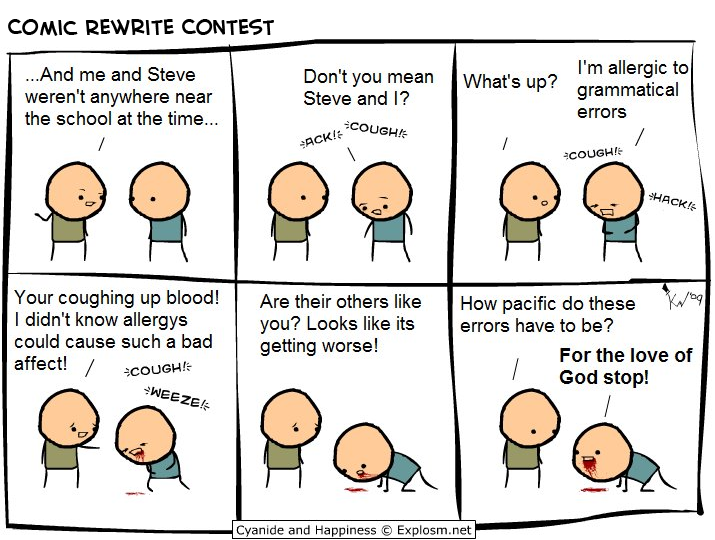
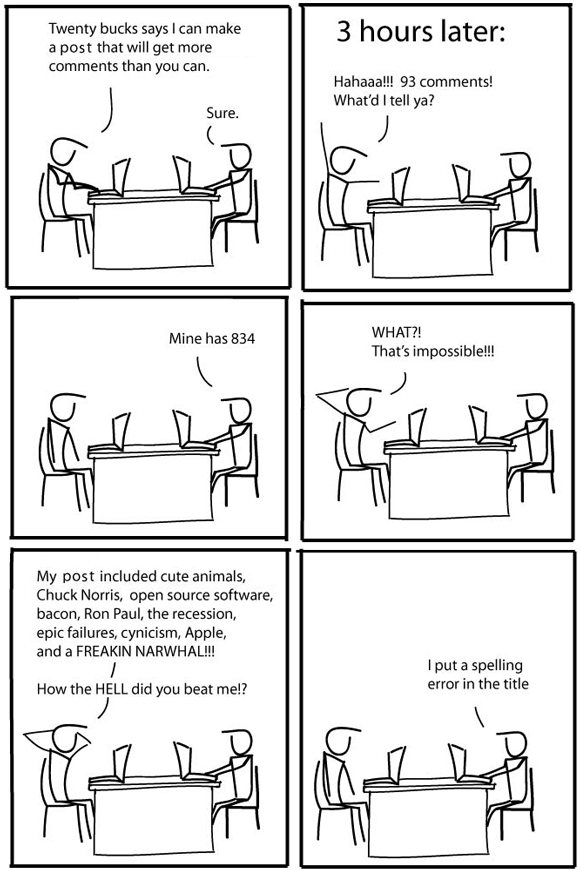
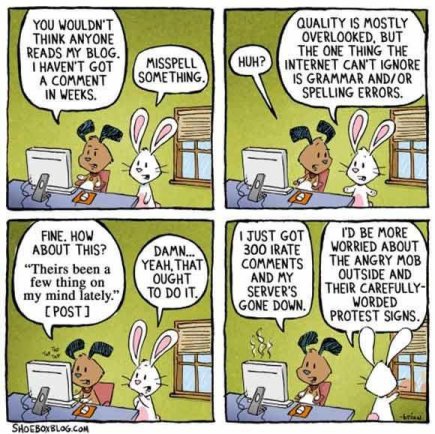
Saw this on Facebook today and it brought a collection of things to mind. In light of Weird Al’s recent “Word Crimes” video, I thought I’d share them, in no particular order.

10455964_827037680648557_6012720283440707969_n

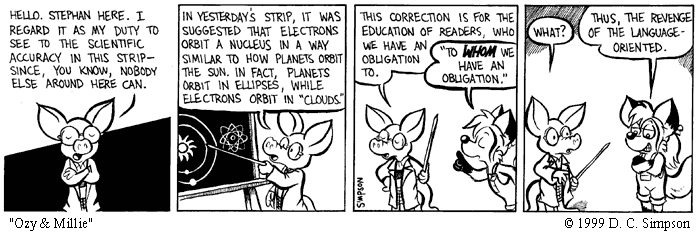
OzyMillie - Revenge of the Language Oriented

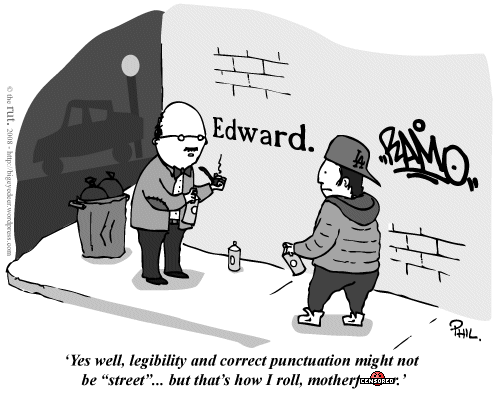
That's The Way I Roll


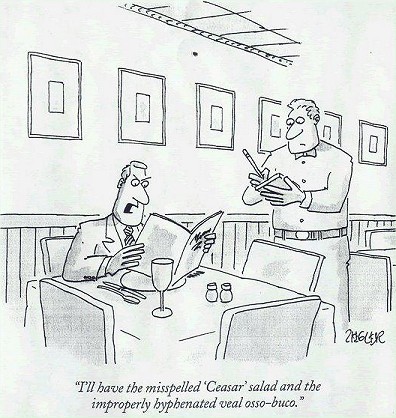
Editors

CRW_jay_a_reaction

Post Comments - spelling

Chuck-and-Beans-misspell-something-Shoebox-Blog


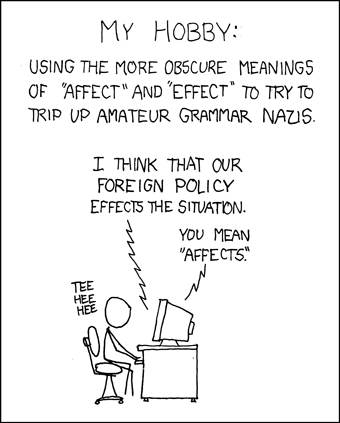
Of course, things can get complicated the deeper down the rabbit hole you go:

effect_an_effect


Remember:

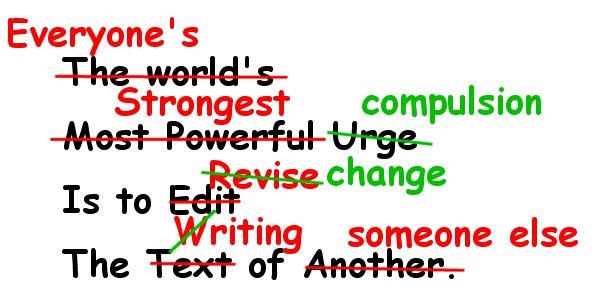
Strongest Compulsion Editing

Lastly, before you get your knickers in a twist, I know how to spell “grammar.” I’m just employing the conventional wisdom expressed above to increase my exposure for this post. I’ll be curious to see how many people don’t read this far and take me to task for misspelling it in the title.

Old_Wolf_Thpt

The Old Wolf has spoken.