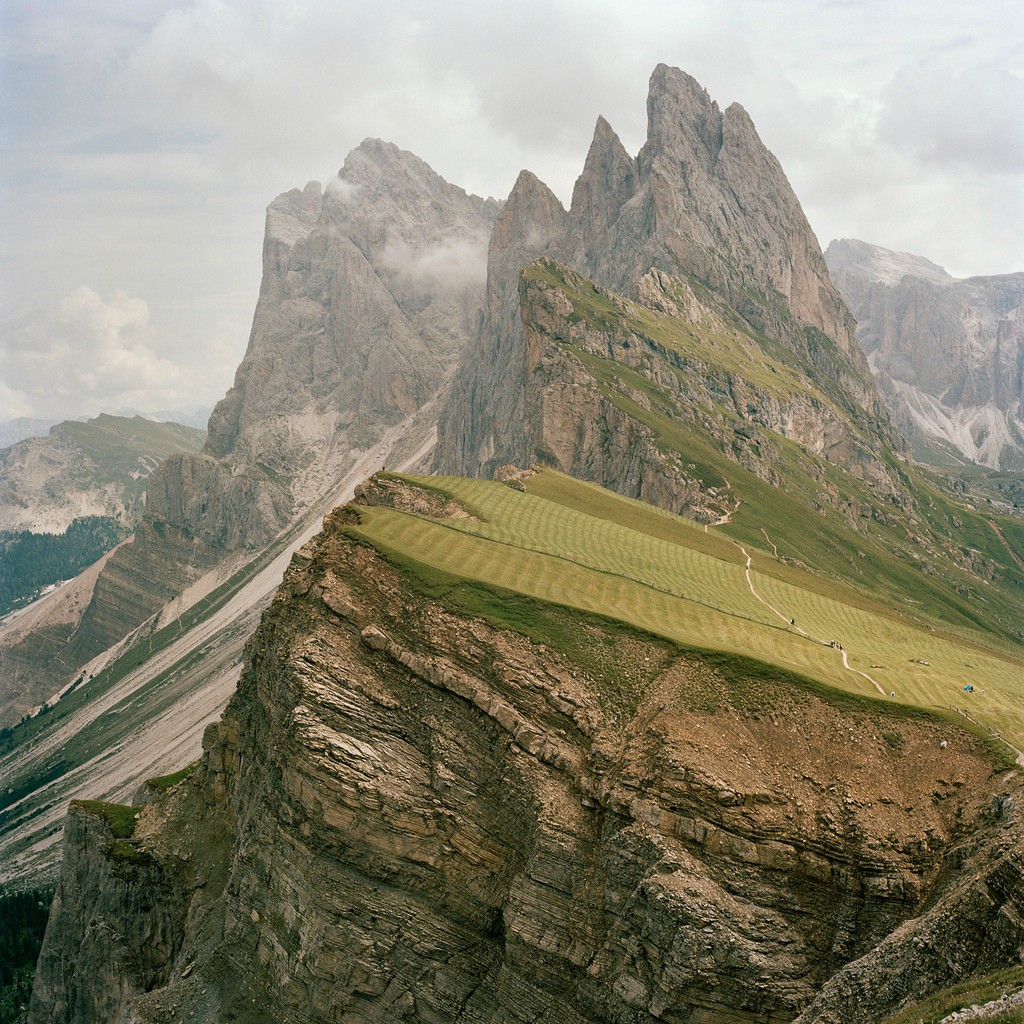
Kevin Kunstadt: The Dolomites

“I took these photographs in August 2010 in the Dolomites — a section of the Alps located in northeastern Italy. The Dolomites are named for a type of carbonate rock that has a distinct pale rosy-orange hue. I have tried to capture the specific grandeur of this range, as well as present a document of the myriad ways in which people interact with and experience it for themselves.”

Visit Kevin Kunstadt’s home page.

Warrumbungle National Park

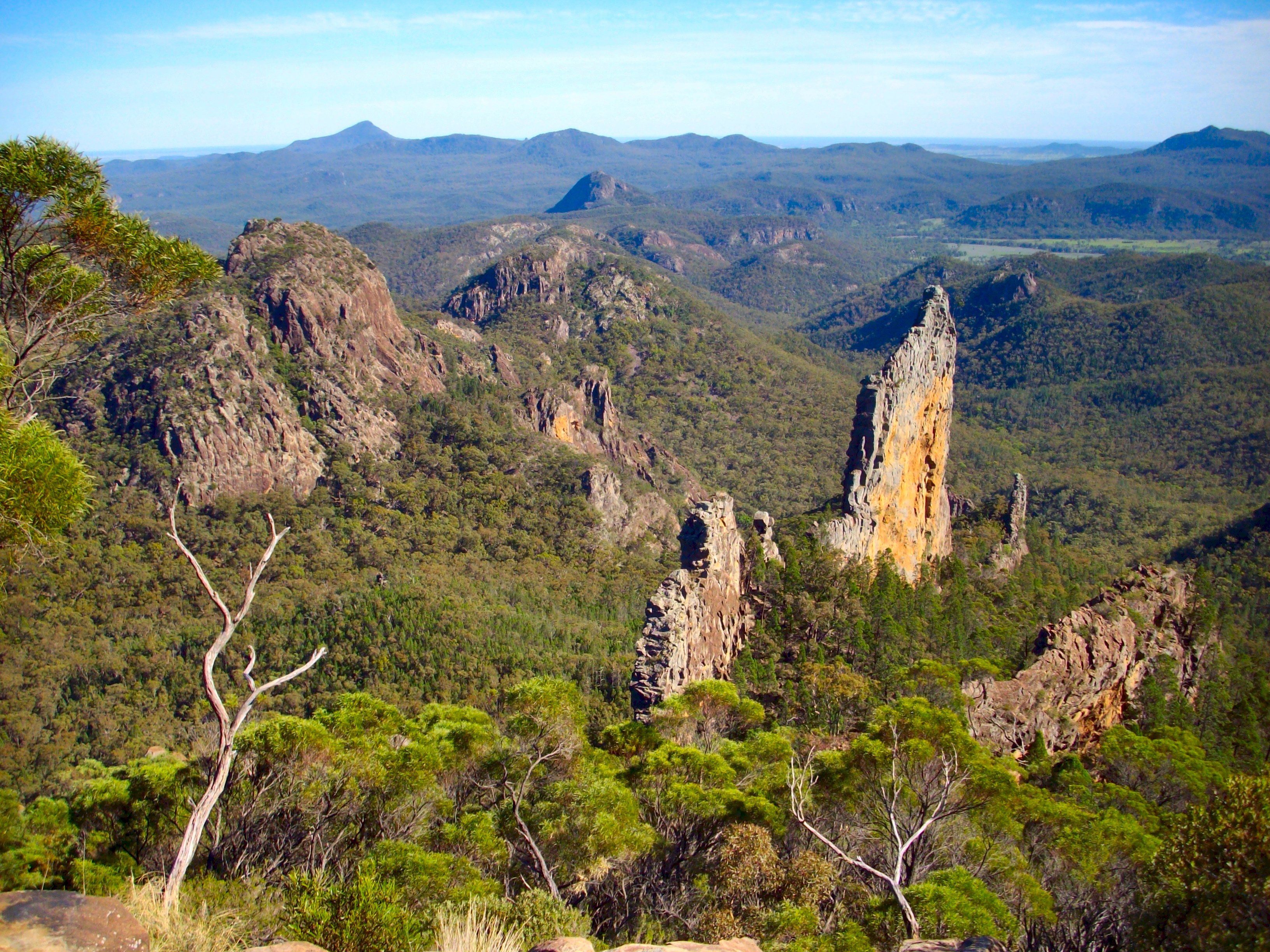
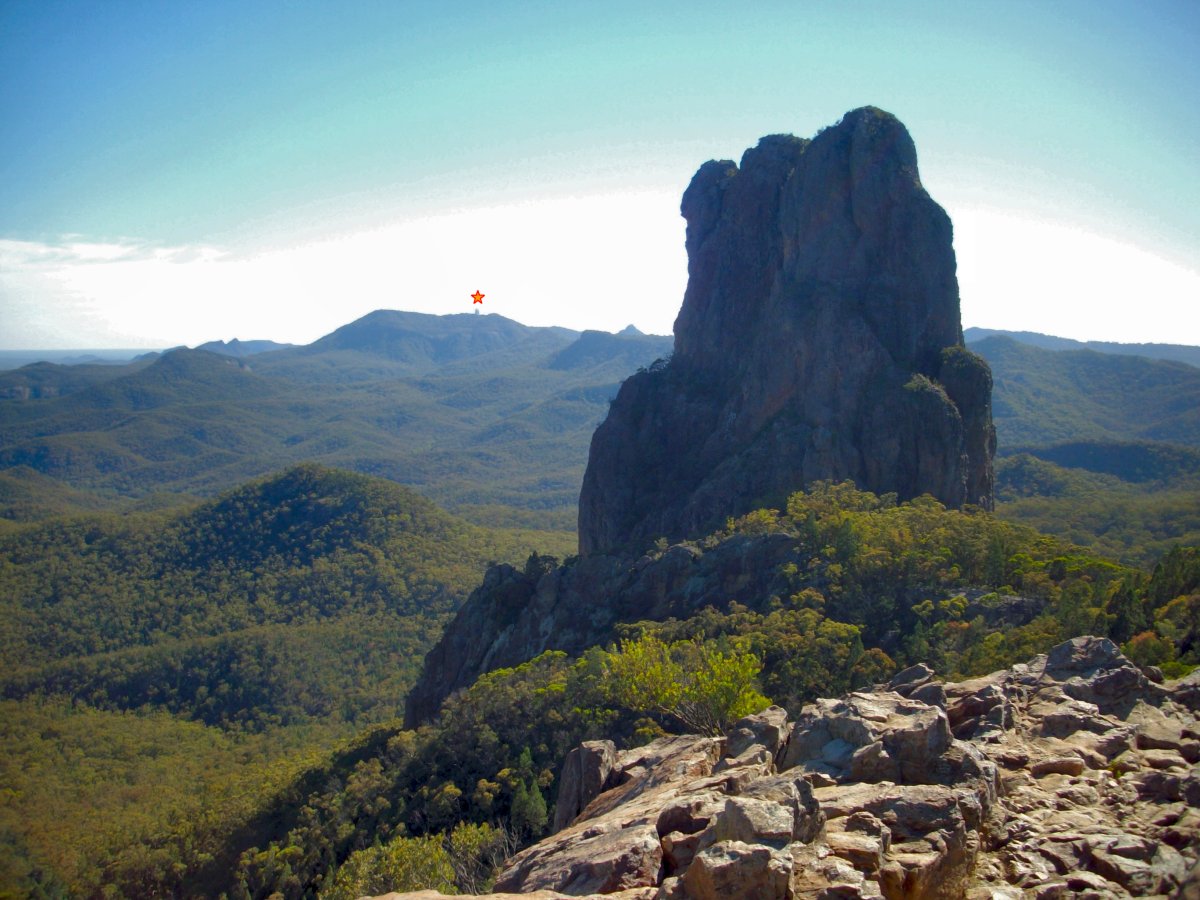
Hike to Grand High Tops in the Warrumbungle National Park (New South Wales, Australia) and you will be treated to countless breathtaking views, not the least of which is this shot of the Bread Knife, a thin slice of rock jutting out of the volcanic soil. It was a rigorous hike, but the sights were spectacular, and I started early enough in the morning that the flies were only horribly annoying instead of hellishly demonic. Now I understand what those hats are for.

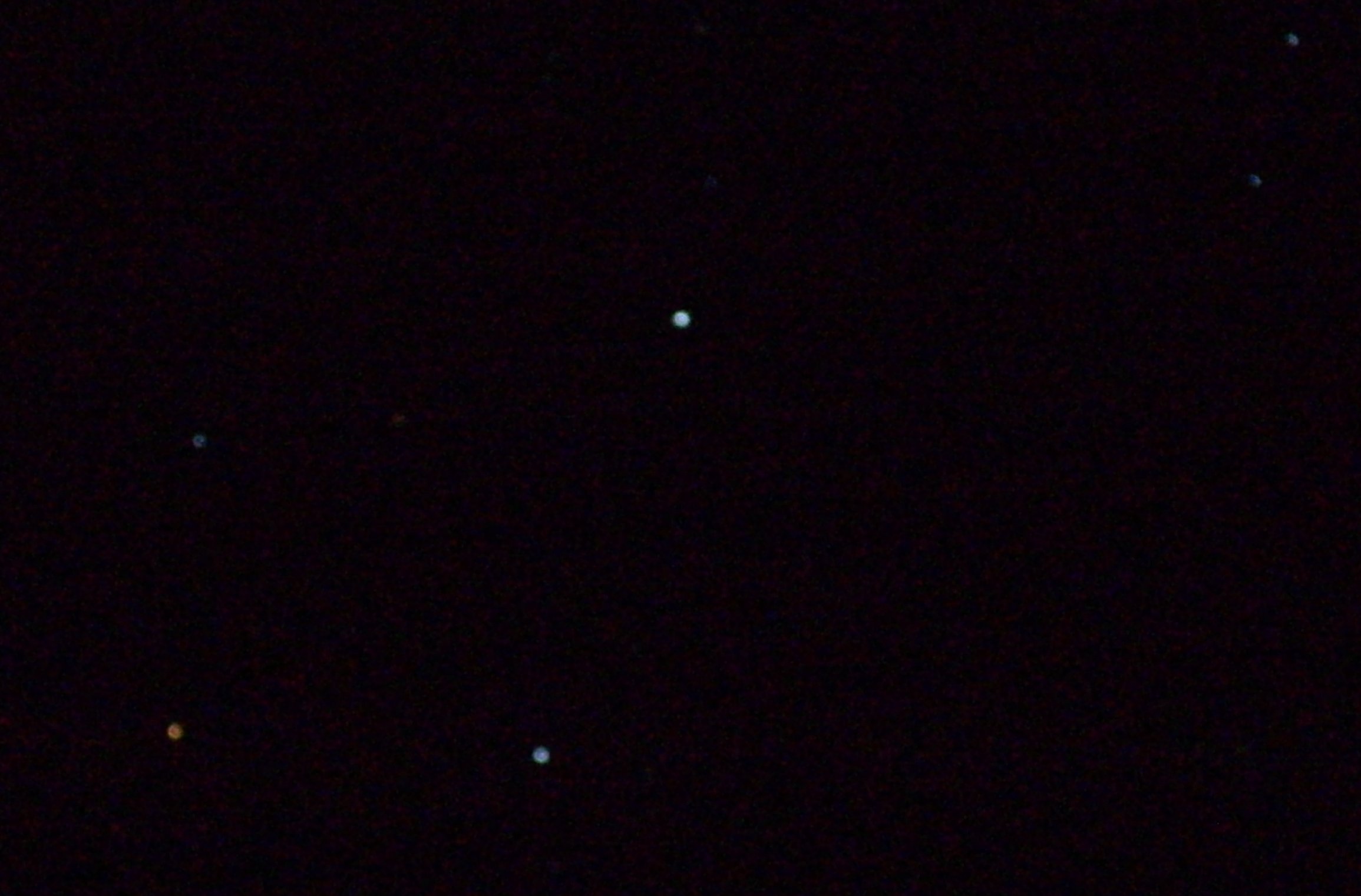
I had spent the previous night parked in the middle of the reserve, lying on my back and observing the stars overhead. The mountains around the crater are home, for good reason, home to the Siding Spring Observatory and the Anglo-Australian telescope; lack of surrounding light pollution made this one of the most stunning stargazing experiences I have ever had. Even my cheap little camera was able to detect the various colors of the stars in the Southern Cross – Gamma and Epsilon Crucis are red and orange giants, respectively, while Alpha, Beta and Delta are blue or blue-white. I also had spectacular views of the Magellanic clouds, too faint to be captured, alas, but plainly visible to the naked eye. What a rush!

Enhanced time-exposure of the Southern Cross, with Beta Crucis in the lower-left corner.

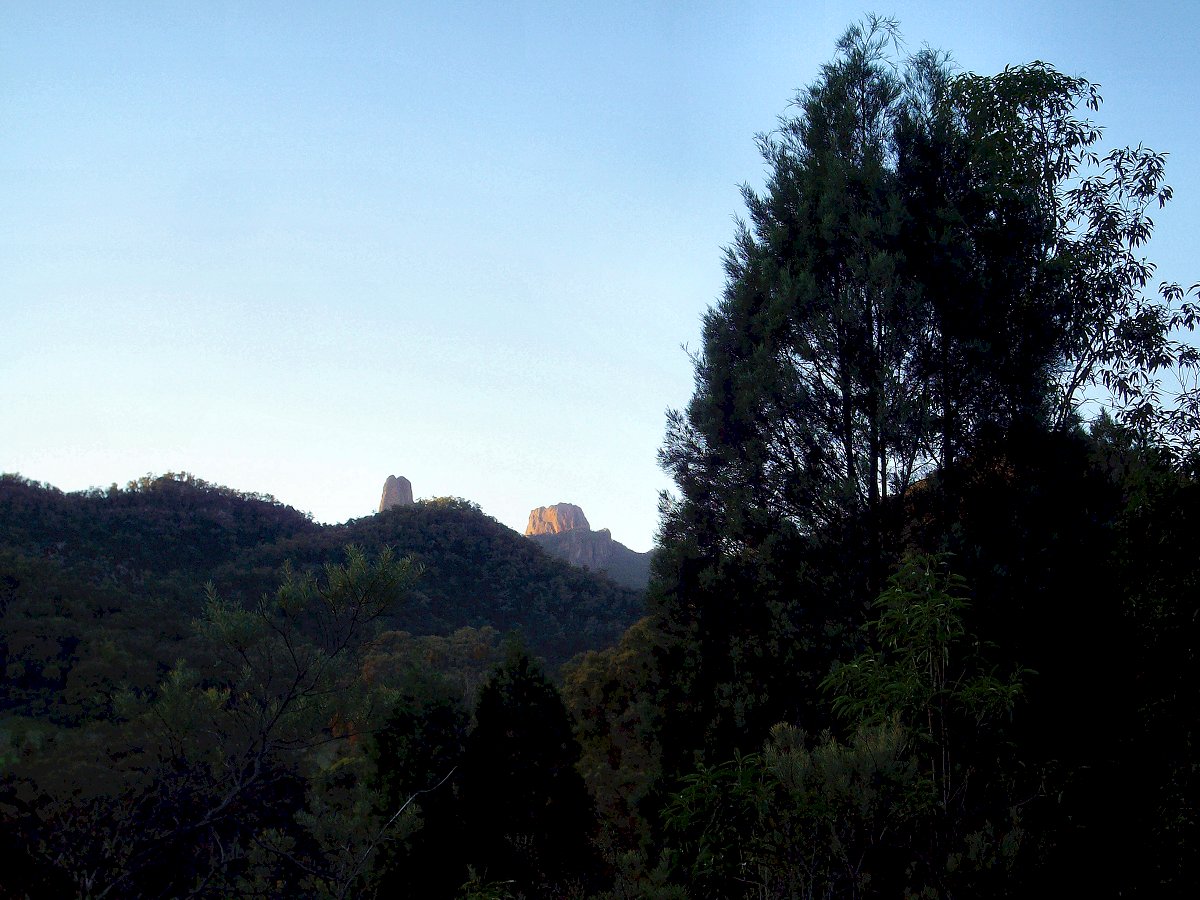
As the sky lightened, I drove down to the park entrance, and was treated to some spectacular sunrise shots along the way:

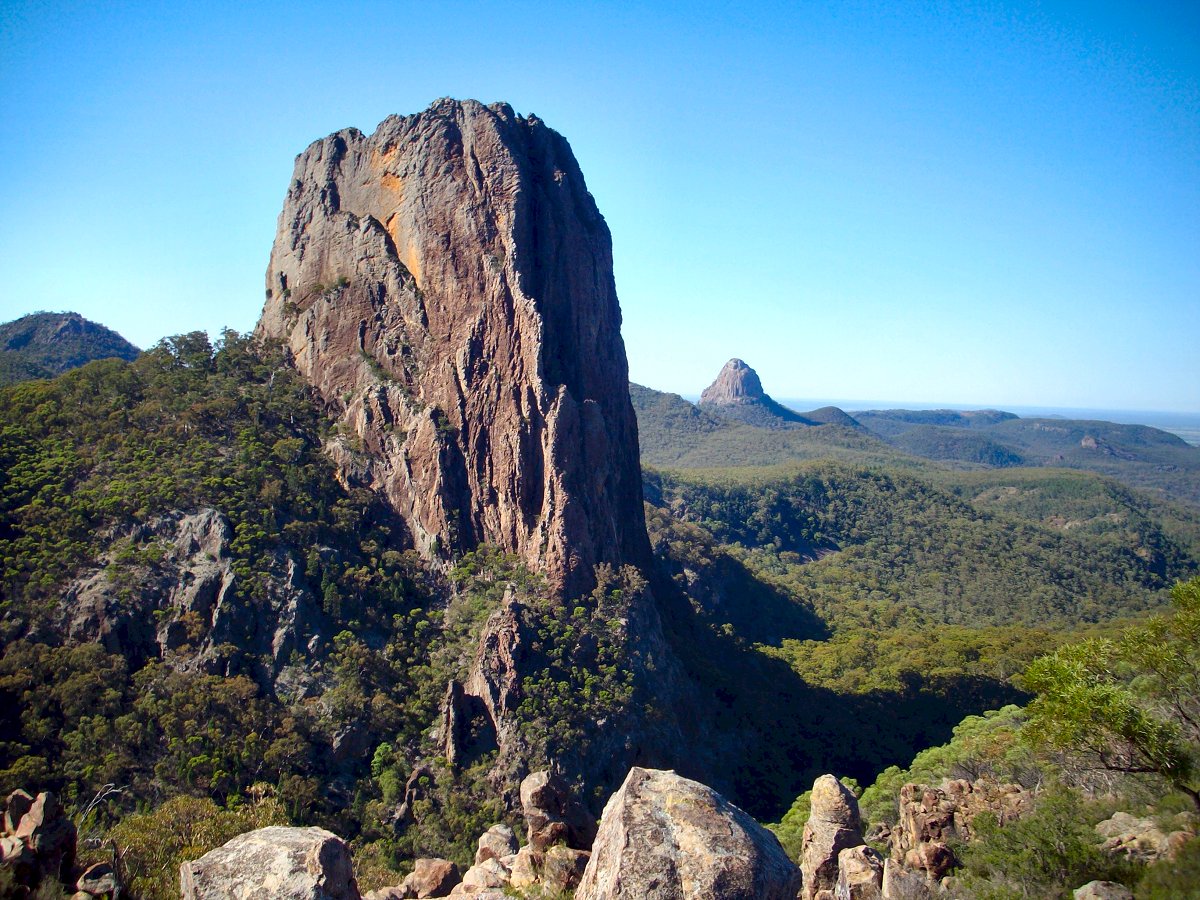
The views along the way were just as impressive as those from the top:

The Bread Knife from below

Warrumbungle – back rim from Grand High Tops

Siding Spring Observatory (star) from Grand High Tops

Would love to come back here and spend more time exploring, but I’m so grateful for the chance to have seen this wonder with my own eyes.

The Old Wolf has spoken.

First the brontosaurus, then the galaxy

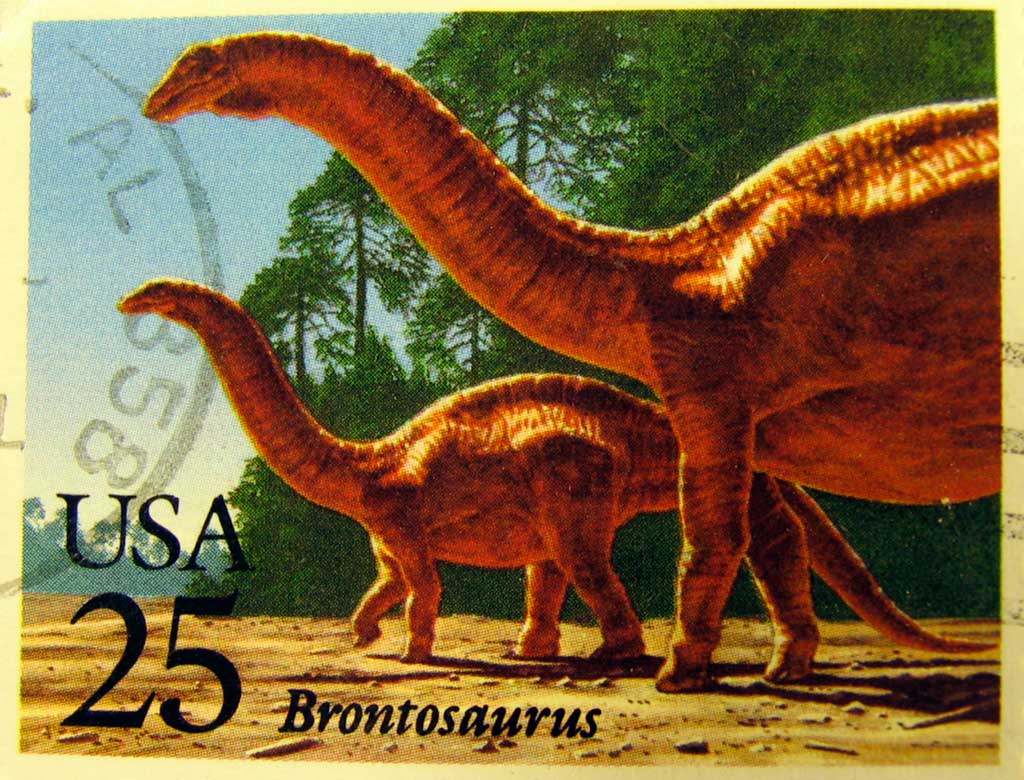
When I was a kid, the biggest dinosaur was the brontosaurus. Later scientists declared that there was no such beast, and renamed it apatosaurus, the post office notwithstanding.

Well, you can argue until the cows come home, but the bottom line is that scientific knowledge is always advancing. Except that Pluto is still a planet, dammit.

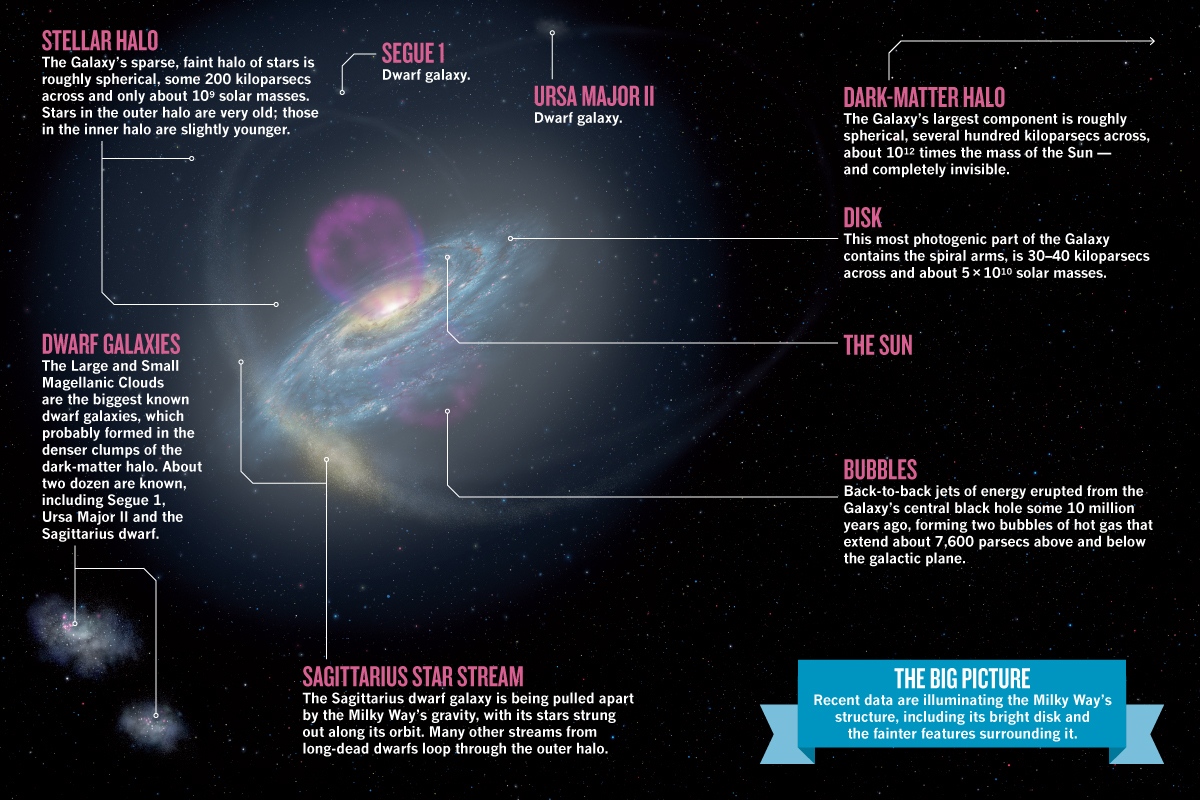
We’ve known for a long time that our galaxy was a spiral, similar to the great “nebula” in Andromeda, but over my lifetime, our knowledge of our home has increased exponentially, and it’s hard to keep abreast of all the changes.

(Image found at Nature.)

First off, we now know our galaxy is a barred spiral, with an elongated central core. Moreover, instead of being a lone unit in space as was once thought, our galaxy is only part of a large dynamic neighborhood of at least 26 dwarf galaxies (some of which are being torn apart and consumed, like the Saggitarius star stream), 157 globular clusters, a massive halo of stars with almost the mass of the main disk itself which may extend as far as the Magellanic clouds, powerful x-ray and gamma-ray bubbles issuing from a central black hole, and a dark-matter halo with a radius of 100 kiloparsecs. And that’s just today; just imagine what we’ll know tomorrow.

The Old Wolf has spoken.

Eclipse Chasing

On July 20, 1963, a total solar eclipse cast its shadow over North America, and crossed over Bridgton, Maine, where I was attending Camp Wildwood. The dangers of looking directly at the sun were well-known, so they gathered us all into the lodge and had a television set up so we could watch the broadcast. I remember how uncanny it was (I was twelve at the time) to see the sky go so dark at mid-day, and through the windows of the lodge we were treated to that strange and unnatural crepuscular light which covers the area of the eclipse’s umbra. Ever since that day, I’ve been intrigued by the phenomenon, which is rare enough, but even rarer for any given geographical area.

In 1999, I had a business trip scheduled to Eastern Europe, and by miraculous happenstance I found myself in Bucharest, Romania – the “sweet spot” of a beautiful eclipse.
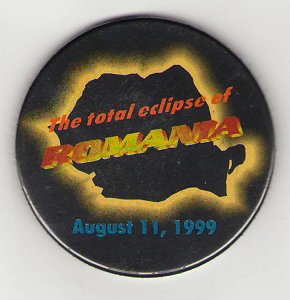
Eclipse Commemorative Button
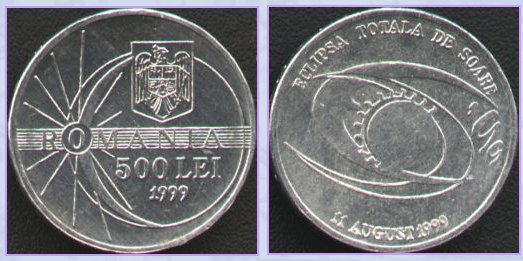
500Lei

500 Lei commemorative coin, the first such issue since 1906.
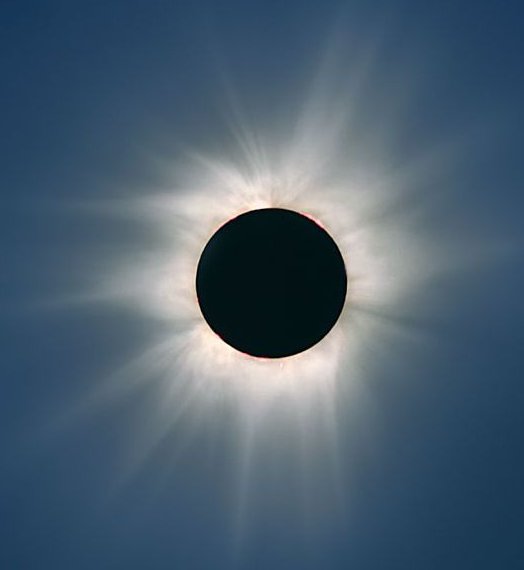
It was breathtaking. The sky around the totality was a dark purple, and while not totally cloudless was obscured only by wisps of high clouds which only added to the impressive beauty of the event. Given the upcoming schedule of total eclipses, this is probably the last one I’ll get to see – and I’m so grateful to have been on hand. But my appetite was whetted, and when an annular eclipse passed over Utah in May of 2012, I knew I had to be there.

This was what they call a “ring of fire” eclipse – the sequence below was taken in my shadow box, so the quality is not spectacular, but they give a good idea of the progression of the event. Again – truly breathtaking. We don’t see this happen all too often, and it left me with a heightened sense of awe for the size and complexity of the universe we live in.

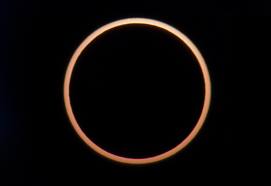
… but this is what it looked like through our eclipse glasses. Quite a sight.

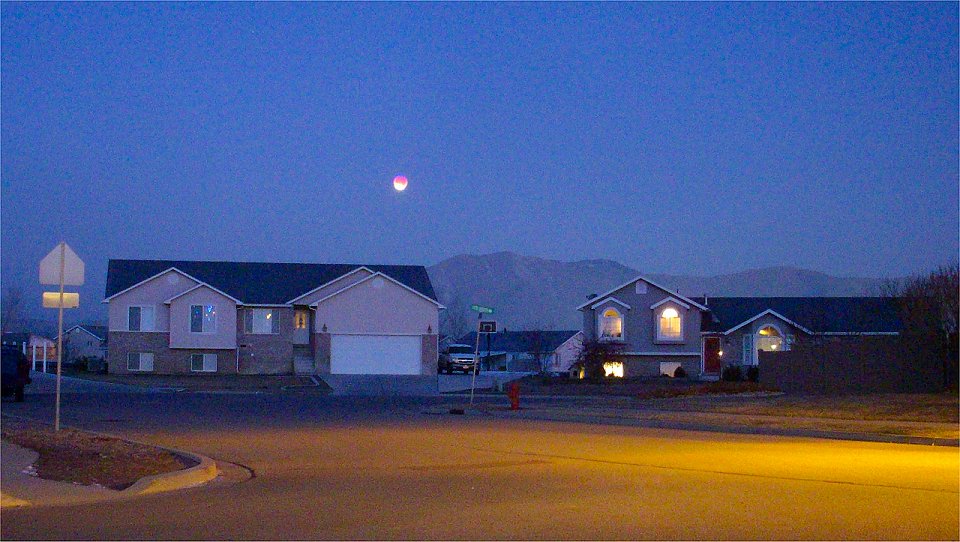
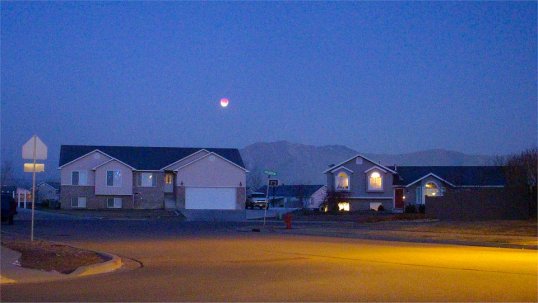
Lunar eclipses are more common, but I’ll always take the chance to watch one when it comes around. My little camera is not good at night shots, but I captured this picture of an eclipsing moon over the Oquirrh mountains on a bitter cold morning of December 10, 2011.
If I were richer than God I’d go chasing more of these celestial events, but since I’m not, the memories will have to suffice.

The Old Wolf has spoken.
Fall Color in Utah

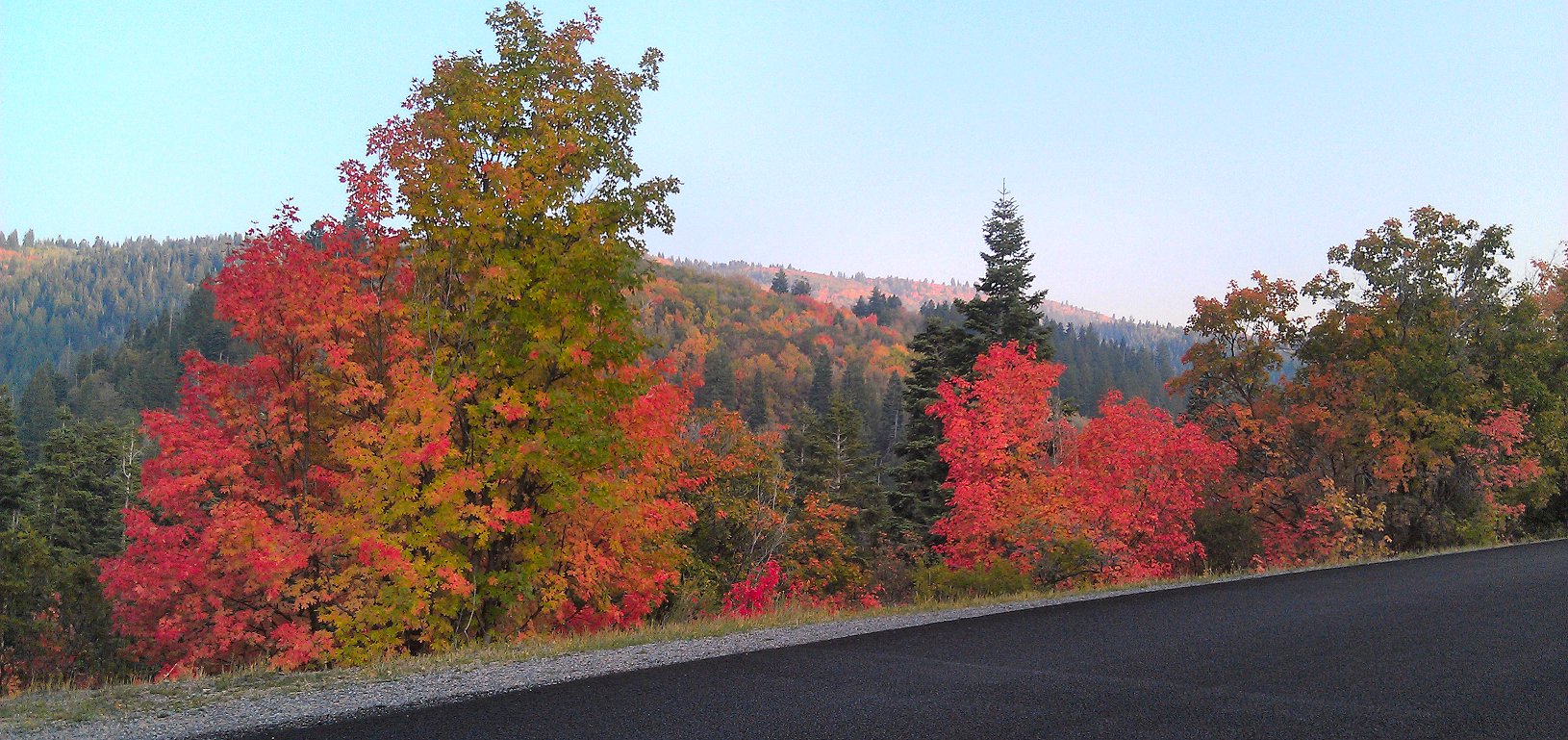
My trip up Payson Canyon caught some beautiful colors, but a fellow resident of my state did even better, as he was able to get up into the mountains before the brightest colors had begun to fade.

Copyright ©2012 Eric Erlenbusch, posted by permission

For some additional and truly stunning photos of the mountains around Park City, Utah, visit his blog at Eric E Photo.

The Old Wolf is jealous.

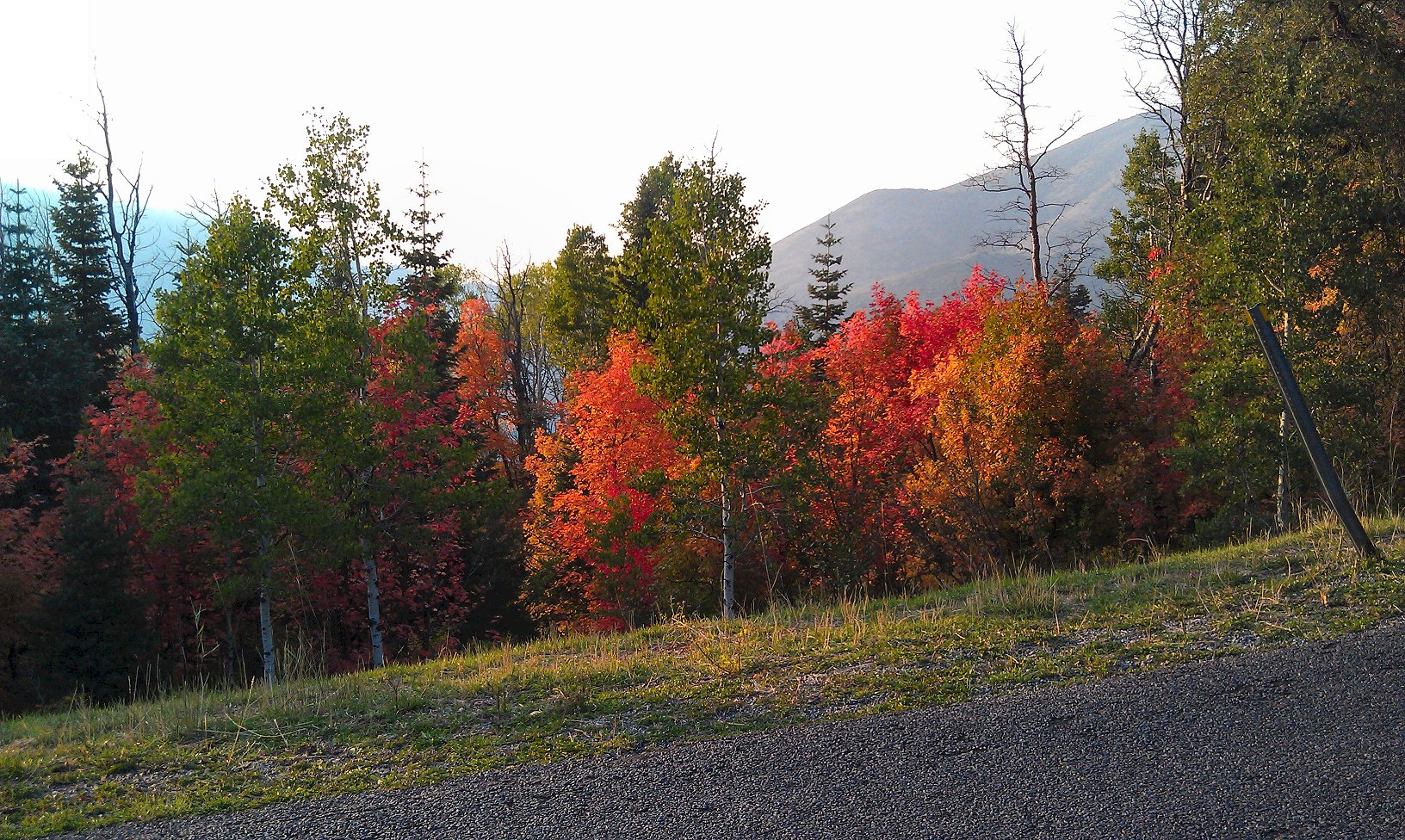
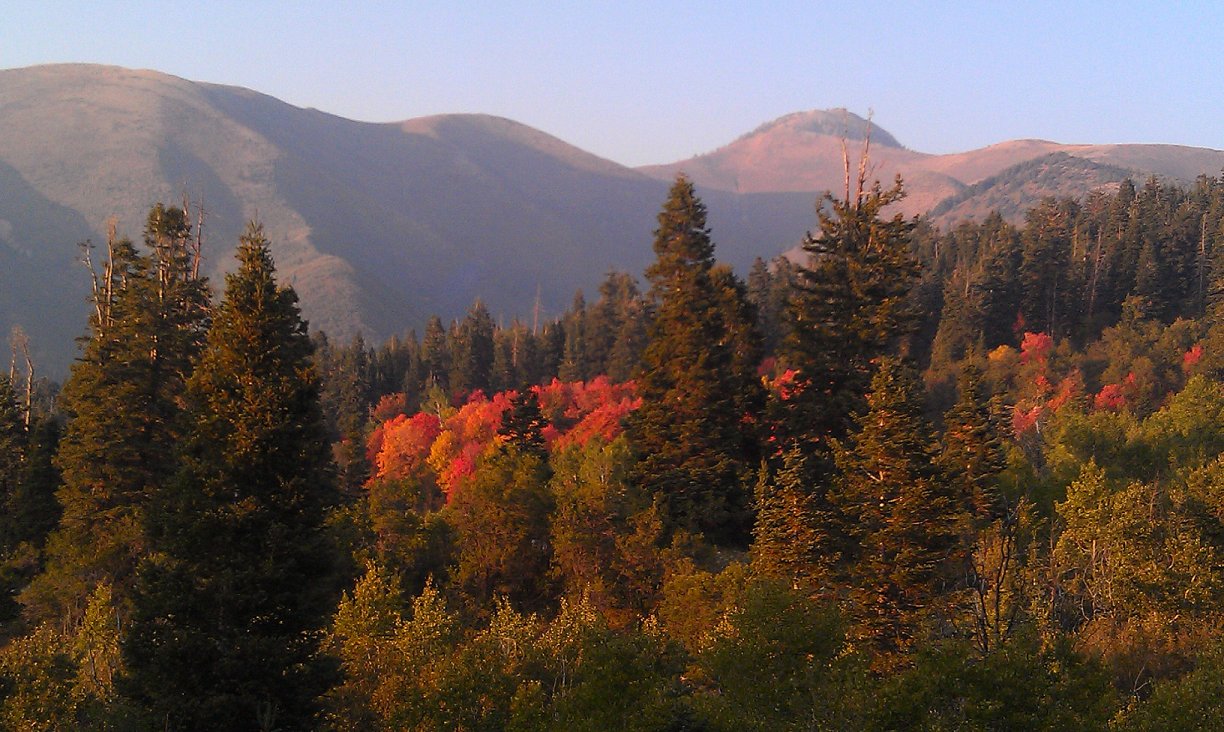
Payson Canyon in Autumn

… or almost autumn. But at 7,000 feet, leaves turn a lot faster than they do down in the lowlands.

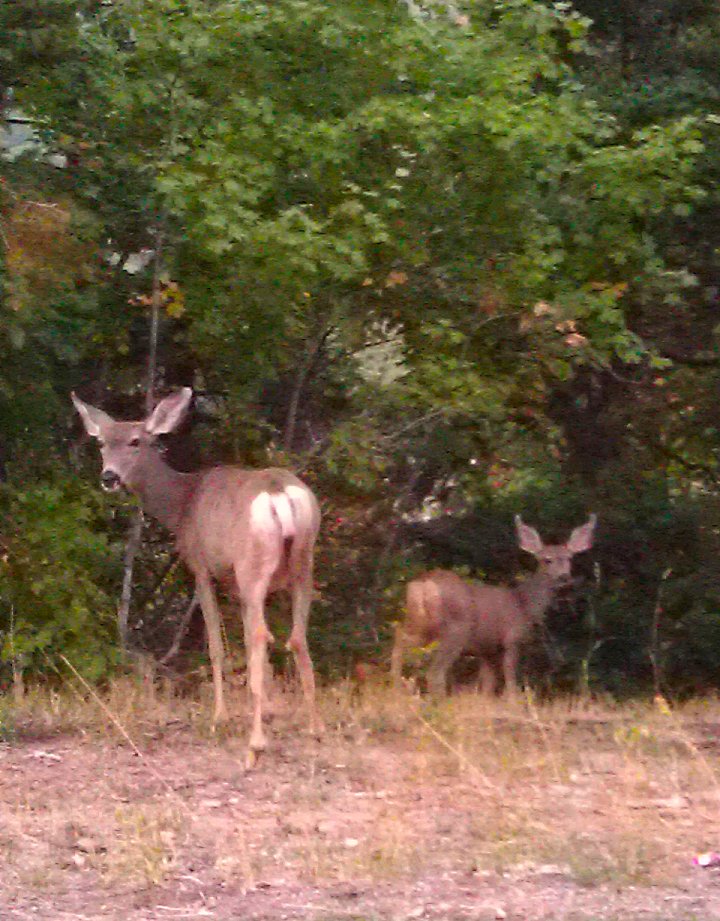
The place was absolutely crawling with deer. We lost track of how many we saw.

As pretty as these colors are, they are already fading – I should have done this three weeks ago for maximum effect.

The hazy sky behind the trees was the result of a cold front coming down from Idaho where a number of fires are still burning. It was 57 degrees up here last evening.

A patch of deciduous color amidst the scrub and pines.

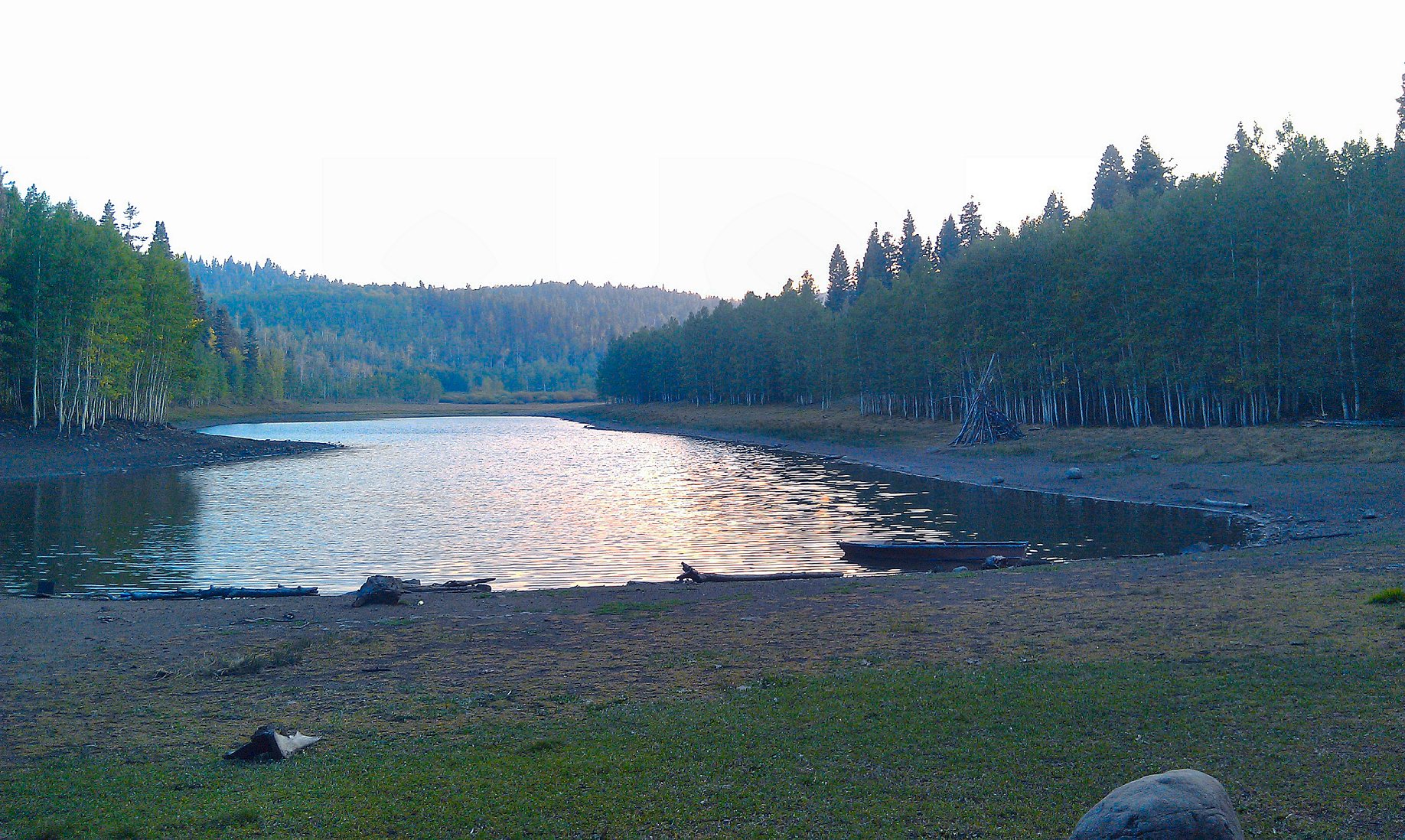
We stopped at Box Lake (more of a puddle, really – the Goodwoman of the House is from Maine, and she knows what real lakes look like). Had dinner on some rocks while enjoying the view. You can see how low the water level is, the drought is affecting all of our reservoirs.

Someone had built a home worthy of Scuppers the Sailor Dog.

(One of my favorite books as a child, I was tickled to find a copy again later.)

On the way down, a final burst of color in a parking area.

Many small groups of deer, in twos (mothers with children), threes, and fives – but no greater clusters than that. It was getting dark and we had to drive slowly because they were crossing the road frequently.

A lovely drive.

The Old Wolf has spoken.