Click through for a beautiful photo essay by Ihara Miyoko, taken over eight years, documenting the peaceful life of Ihara Misao and her cat, Fukumaru. I was touched and delighted by the beauty of the subjects, and the underlying message as well.
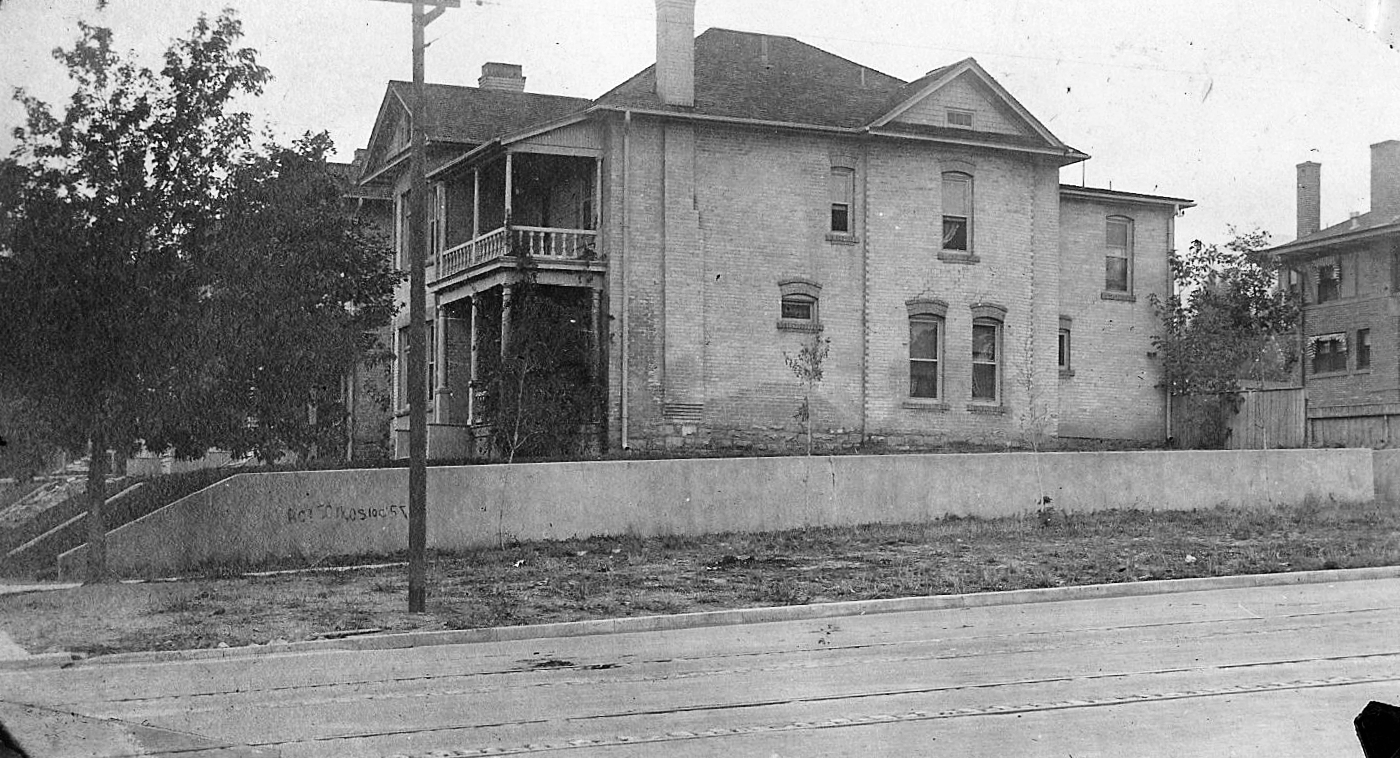
It was on this day 106 years ago, December 31, 1914, that Phi Delta Theta’s 32nd Biennial General Convention, meeting in Birmingham, Alabama from December 28, 1914 – January 1, 1915 approved, on a unanimous vote, the petition from the Amici Fidissimi Society at the University of Utah, and approved a charter for the A.F. Society creating the Utah Alpha Chapter of Phi Delta Theta. The General Convention was the only body authorized to grant charters at that time in the Fraternity’s history. The Amici Fidissimi Society was originally formed at the University of Utah in 1903 in the days when Utah had no fraternities. (Follow the above link for more history).
Amici Fidissimi is Latin for “most faithful friends.”
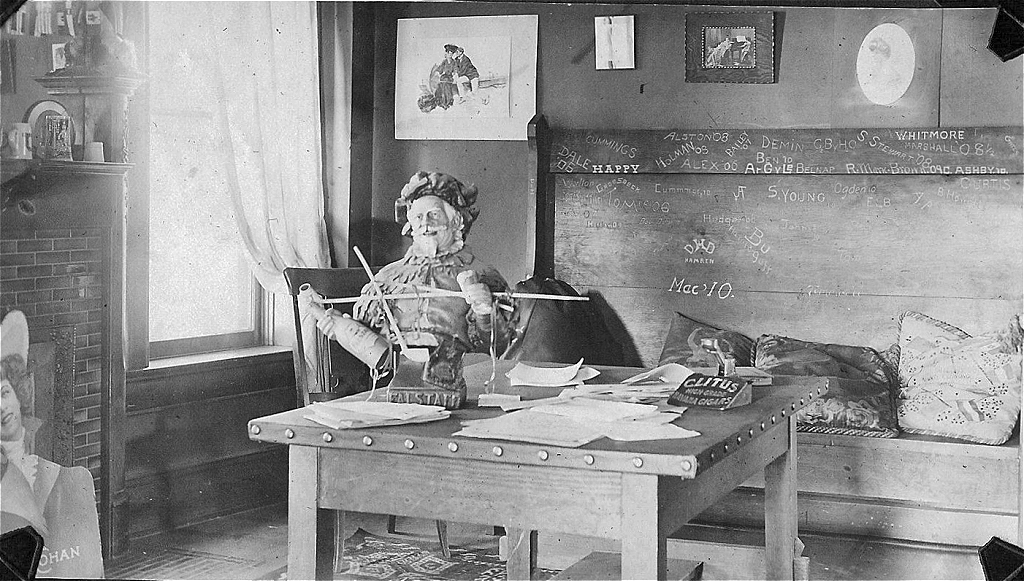
The A.F. Fraternity House
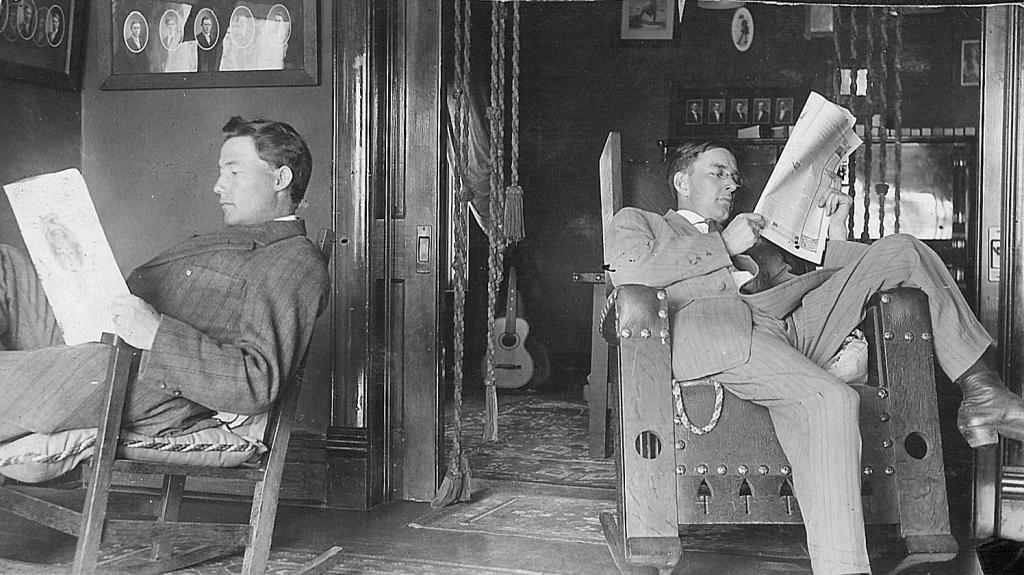
Two fraternity members take their ease. [1]
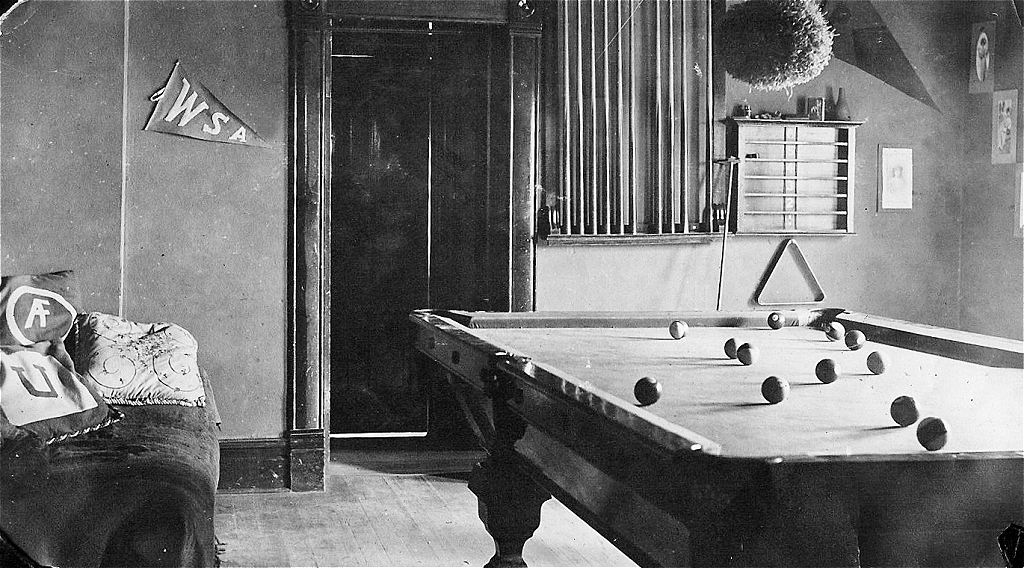
Fraternity House Billiard Table
Fraternity House Common Room
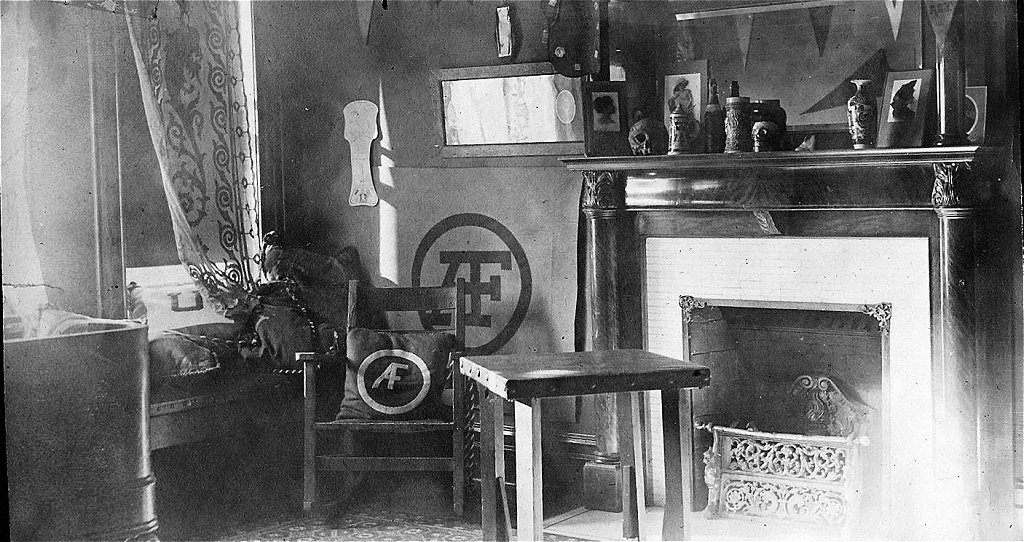
Bench and Table; notice the signatures of past members.
The Old Wolf has spoken.
[1] The gentleman on the left coincidentally happens to be my grandfather, Delbert M. Draper, Senior.
I found this image at Frog Blog, but as is my wont I will hunt around for the original source if it can be found. That led me to a couple of interesting sites – it appears this image was included in a book by Reuel Golden entitled London, Portrait of a City, which looks absolutely beautiful. I must needs find myself a copy of this volume.
Additionally, I found the same image at People and Places, which has some stunning shots of London, both early and modern. Definitely worth a look-see.
These images, which represent the first ever colour photographs taken in Ireland, were taken in 1913 by two French women, Marguerite Mespoulet and Madeleine Mignon-Alba, who used newly available autochrome colour plates.
Haunting and stark, these photos made me think of An Béal Bocht by Myles na gCopaleen (Brian Ó Nualláin). While that book poked mighty fun at the Gaelic mentality and condition, there is no hiding the fact that life for the native Irish was hard, wet, and penurious, and these photographs illustrate the reality of a “terrible beauty.”
This could well be “an Seanduine Liath” with Michelangelo and little Bonaparte O’Coonasa
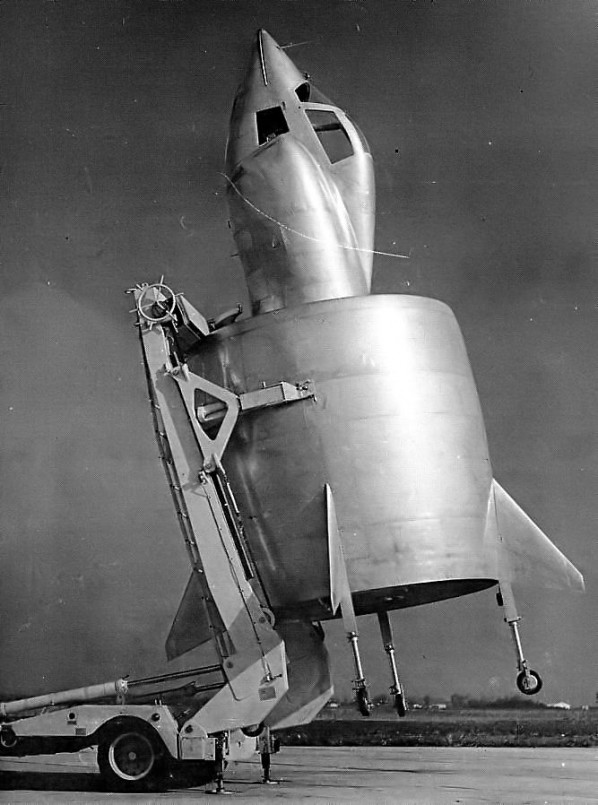
This looks like something from the set of a Buck Rogers movie, but it’s a real aircraft.
The SNECMA Coléoptère (meaning “beetle” in French, descended from Greek for “sheathed wing”) was a VTOL aircraft developed by the French company SNECMA in the 1950s. It was a single-person aircraft with an annular wing designed to land vertically, therefore requiring no runway and very little space to take-off. There were several prototypes developed and tested, however the design proved to be very unstable and flying it was dangerous. (From Wikipedia)
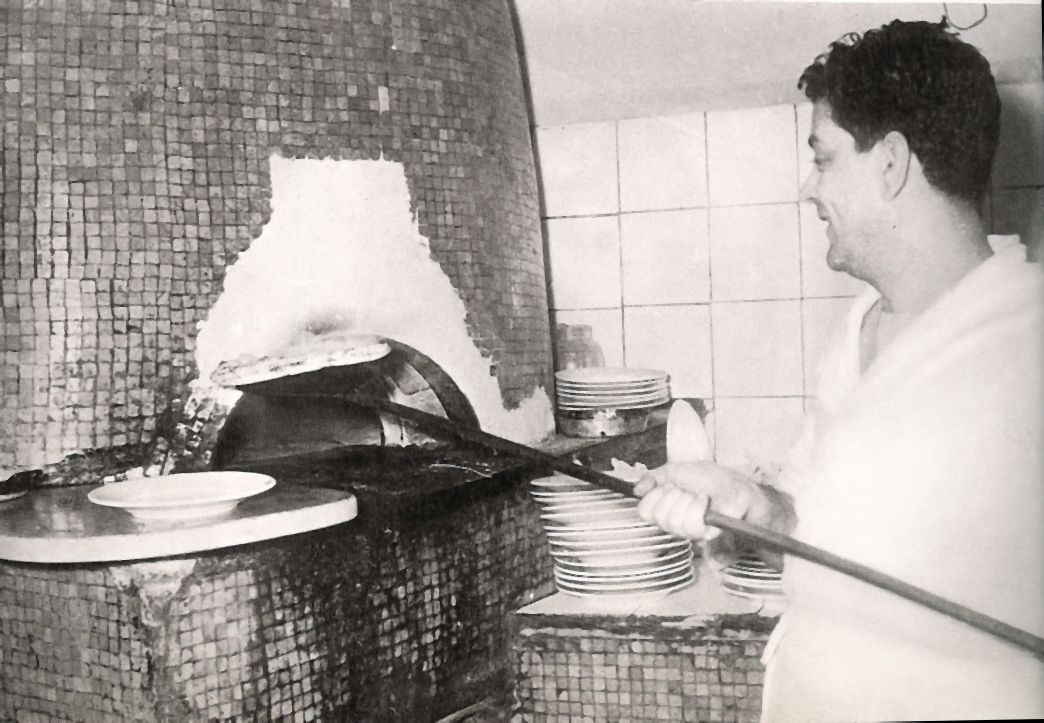
From “La Città Parla – Napoli” (1969, Casa Editrice A. Morano di Napoli)
La pizza è un pasto da poveri, una focaccia con olio e pomodoro. In tempi di benessere economico ogni trattore aggiunge il suo “segreto,” uno o più ingredienti. Ma il vero segreto sta nel modo di mangiare la pizza: ricco o povero, ogni napoletano avverte dinazi una pizza fragrante il morso della fame ancestrale, cronica della città. Il segreto e tutto lì.
Pizza is a poor man’s food, a crust with oil and tomato. When times are good, every chef adds his own “secret,” one or more ingredients. But the real secret is found in how the pizza is eaten: rich or poor, every Neapolitan with a fragrant pizza before him fends off the ancestral, chronic hunger of the city. That’s where the secret lies.
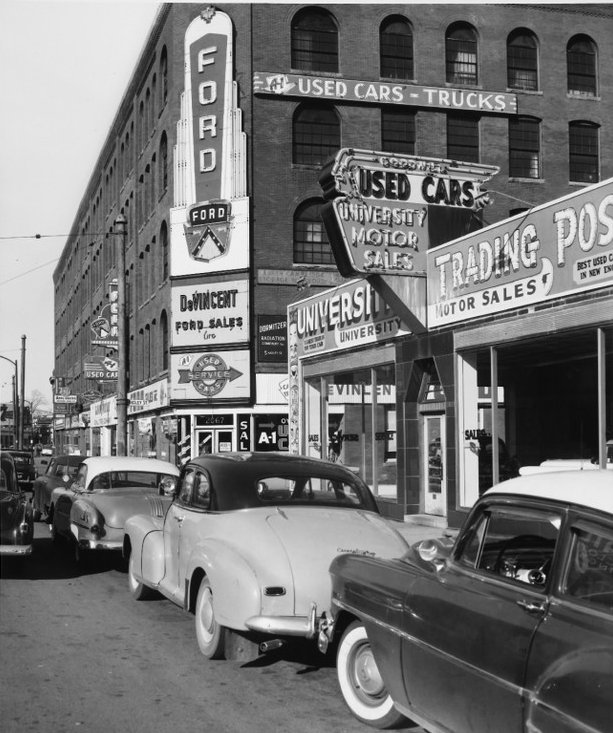
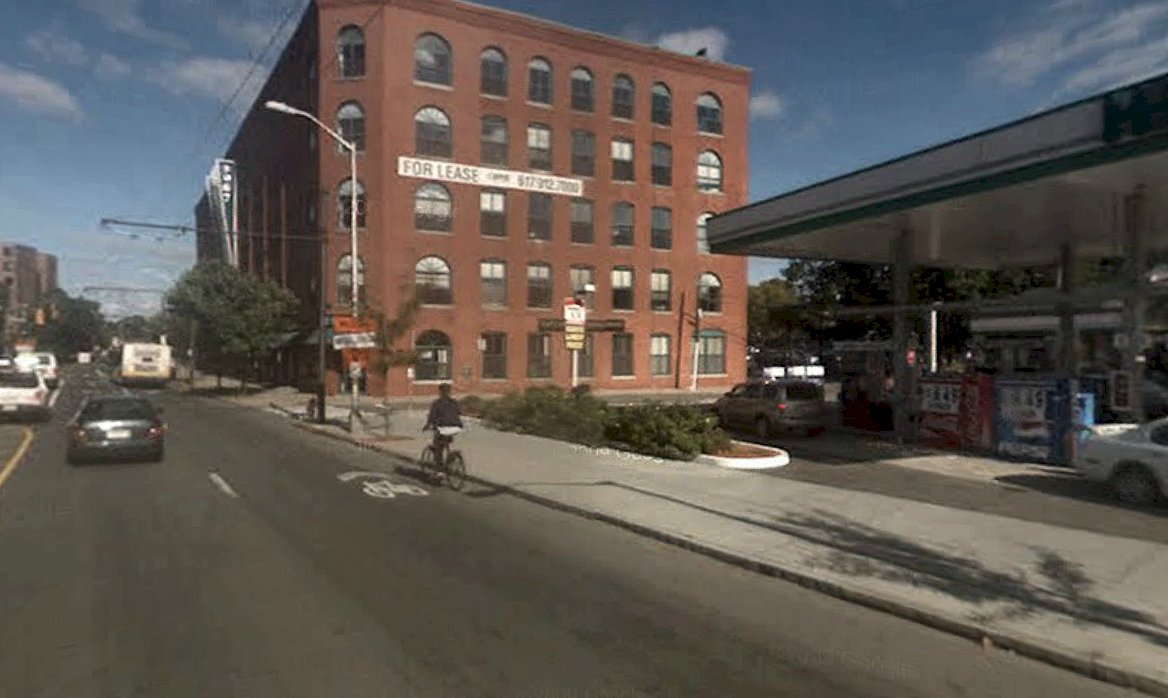
This photo shows DeVincent Auto Sales on Massachussetts Avenue in Cambridge, MA, with University Motor Sales (2055 Massachussetts Avenue) in front. Visible is Hadley Street between the two dealerships.
Same view today:
University Motor Sales was listed, among others, as an authorized Edsel dealer.
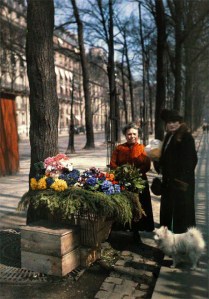
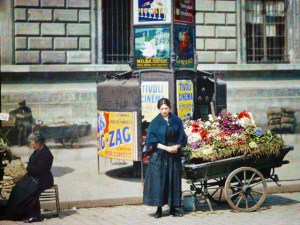
These images, and many others found at Paris1914, were taken using Autochrome Lumière technology, an early color photography process, patented in 1903 and invented by the famous French Auguste and Louis Lumière. The Lumière brothers were the earliest filmmakers in history.
Avenue Hoche – 1919
10th Arrondissement – Wandering flower vendors in Place de la République in front of the Verines Armory – 10 May, 1918 – Auguste Léon
These images capture a Paris normally seen in grainy black-and-white photos, and bring a life to the city that can be seen today. In truth, it shows that Paris is very resistant to change – other than abominations such as the Pompidou museum and the glass pyramid at the Louvre, the city looks today much as it did then.
The full collection was available at paris1914.com, but it appears this website has been taken down. You can see a few more color photos of Paris from the epoch here.







 Playing in the World Game