In the Appendix to 𝐿𝑖𝑓𝑒 𝑜𝑓 𝑎𝑛 𝐴𝑚𝑒𝑟𝑖𝑐𝑎𝑛 𝑆𝑙𝑎𝑣𝑒 by Frederick Douglass (Boston: Anti-Slavery Office, 1845), Douglass wrote:
“I find, since reading over the foregoing Narrative, that I have, in several instances, spoken in such a tone and manner, respecting religion, as may possibly lead those unacquainted with my religious views to suppose me an opponent of all religion. To remove the liability of such misapprehension, I deem it proper to append the following brief explanation. What I have said respecting and against religion, I mean strictly to apply to the 𝑠𝑙𝑎𝑣𝑒ℎ𝑜𝑙𝑑𝑖𝑛𝑔 𝑟𝑒𝑙𝑖𝑔𝑖𝑜𝑛 of this land, and with no possible reference to Christianity proper; for, between the Christianity of this land, and the Christianity of Christ, I recognize the widest possible difference — so wide, that to receive the one as good, pure, and holy, is of necessity to reject the other as bad, corrupt, and wicked. To be the friend of the one, is of necessity to be the enemy of the other. 𝐈 𝐥𝐨𝐯𝐞 𝐭𝐡𝐞 𝐩𝐮𝐫𝐞, 𝐩𝐞𝐚𝐜𝐞𝐚𝐛𝐥𝐞, 𝐚𝐧𝐝 𝐢𝐦𝐩𝐚𝐫𝐭𝐢𝐚𝐥 𝐂𝐡𝐫𝐢𝐬𝐭𝐢𝐚𝐧𝐢𝐭𝐲 𝐨𝐟 𝐂𝐡𝐫𝐢𝐬𝐭: 𝐈 𝐭𝐡𝐞𝐫𝐞𝐟𝐨𝐫𝐞 𝐡𝐚𝐭𝐞 𝐭𝐡𝐞 𝐜𝐨𝐫𝐫𝐮𝐩𝐭, 𝐬𝐥𝐚𝐯𝐞𝐡𝐨𝐥𝐝𝐢𝐧𝐠, 𝐰𝐨𝐦𝐞𝐧-𝐰𝐡𝐢𝐩𝐩𝐢𝐧𝐠, 𝐜𝐫𝐚𝐝𝐥𝐞-𝐩𝐥𝐮𝐧𝐝𝐞𝐫𝐢𝐧𝐠, 𝐩𝐚𝐫𝐭𝐢𝐚𝐥 𝐚𝐧𝐝 𝐡𝐲𝐩𝐨𝐜𝐫𝐢𝐭𝐢𝐜𝐚𝐥 𝐂𝐡𝐫𝐢𝐬𝐭𝐢𝐚𝐧𝐢𝐭𝐲 𝐨𝐟 𝐭𝐡𝐢𝐬 𝐥𝐚𝐧𝐝. [Emphasis mine]. Indeed, I can see no reason, but the most deceitful one, for calling the religion of this land Christianity. I look upon it as the climax of all misnomers, the boldest of all frauds, and the grossest of all libels.”
The entire appendix – nay, the entire book, but the appendix is a representative summary of Douglass’ thought – is a short but compelling read, and I recommend it to anyone who wishes to understand the foundation of hate in Christian Nationalism.

The following text is a representation of how this attitude showed up in 1965, and which persists today, to the great shame and detriment of our society.
“The hate stare was everywhere practiced, especially by women of the older generation. On Sunday, I made the experiment of dressing well and walking past some of the white churches just as services were over. In each instance, as the women came through the church doors and saw me, the “spiritual bouquets” changed to hostility. The transformation was grotesque. In all of Montgomery only one woman refrained. She did not smile. She merely looked at me and did not change her expression. My gratitude to her was so great it astonished me.” Griffin, John Howard, Black Like Me.¹
Given the gross disconnect between the Christianity found in the New Testament and the Book of Mormon, and the behavior of far too many² of those who profess to be followers of Christ in the current timeline, it is no wonder that so many people are turning away from mainstream Christian churches, citing loss of belief, negative experiences, LGBTQ-related concerns, scandals, and politics.
As a nation, we must do better if we are to have a country that works for everyone, with no one left out. R. Buckminster Fuller expressed this idea in what came to be known as his “World Game,” after which this blog is named:
“Make the world work, for 100% of humanity, in the shortest possible time, through spontaneous cooperation, without ecological offense or the disadvantage of anyone.”
The Old Wolf has spoken.
Footnotes
¹ Black Like Me, first published in 1961, is a nonfiction book by journalist John Howard Griffin recounting his journey in the Deep South of the United States, at a time when African Americans lived under the Jim Crow laws. Griffin was a native of Mansfield, Texas, who had his skin temporarily darkened to pass as a black man. He traveled for six weeks throughout the racially segregated states of Louisiana, Mississippi, Alabama, Arkansas, and Georgia to explore life from the other side of the color line. Sepia Magazine financed the project in exchange for the right to print the account first as a series of articles.(Wikipedia)
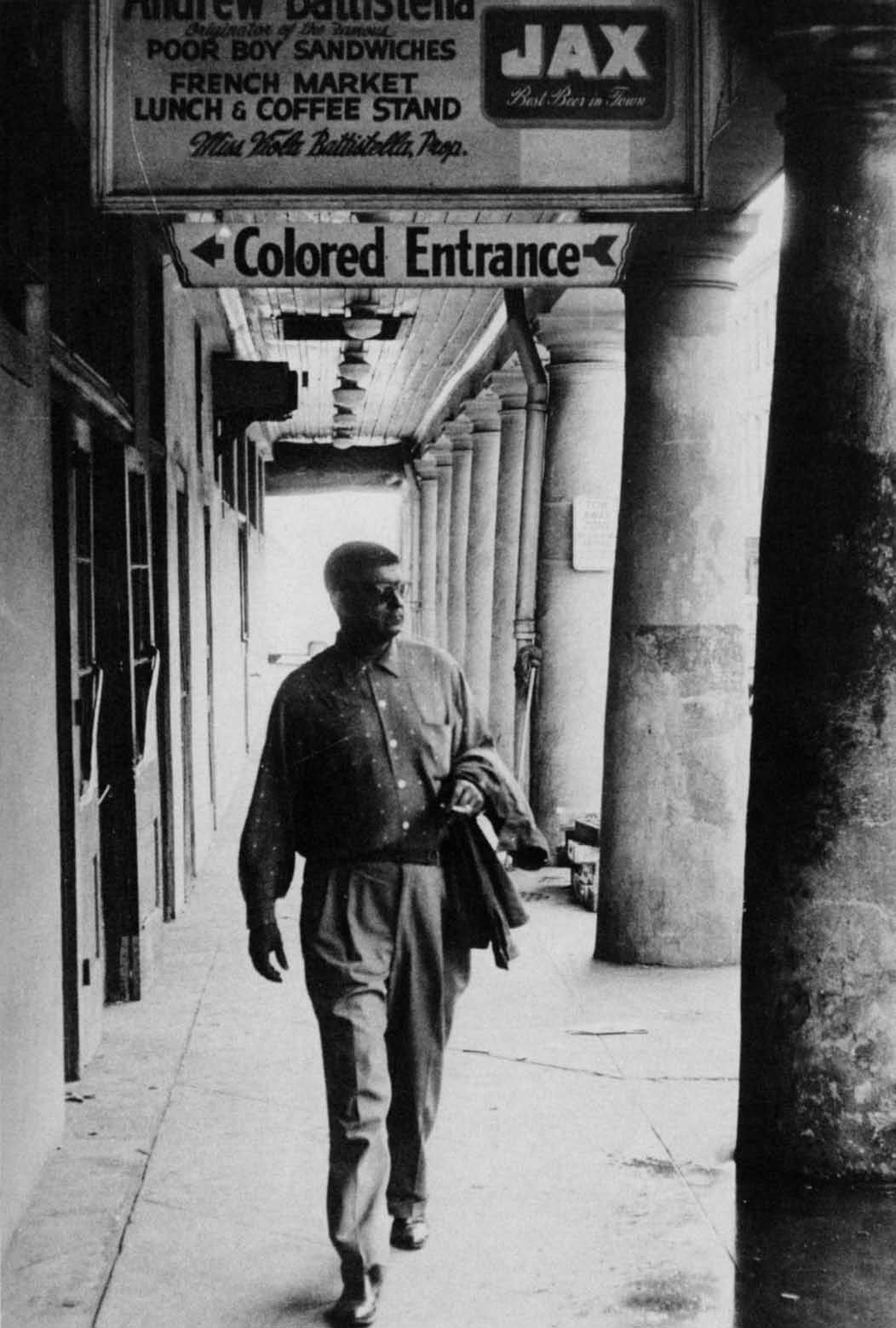
² It goes without saying that there are countless people in all Christian denominations who do their best to emulate the teachings of Jesus and go about, in a quiet and unassuming way, doing good. These are they who form a bulwark against the flood of openly-practiced hate and division of the hypocritical Christian Nationalists.

