The Dish

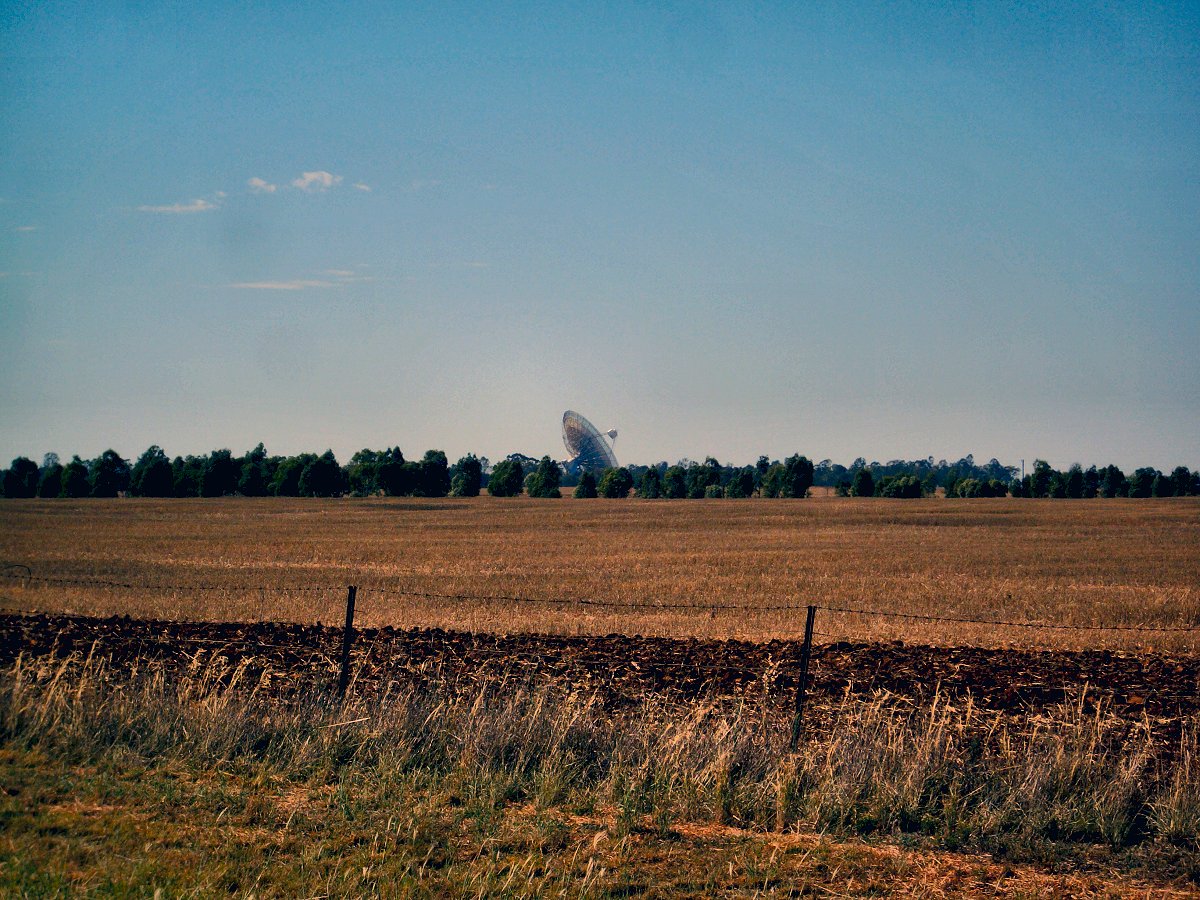
In 2009, during a 3-week sojourn to New South Wales, one of my “must-see” stops was the radio telescope in Parkes. The movie is an odd bit of cinematography which took certain liberties with its rôle in the Apollo 11 moon mission, but participate it did, and in a very significant manner. More at Wikipedia.

The Void has always fascinated me. I can remember being 11 or 12 years old, lying on my back with a friend on Fire Island, holding flashlights we had acquired at Ringling Brothers’ Barnum and Bailey Circus at Madison Square Garden, and shining our beams up into the sky, wondering if the light would go on forever and ever. Assuming nothing got in the way, anyone with sensors strong enough on a planet circling 31 Aquilae (49.5 light years away) might detect a few of our photons right about now.

Stars within 50 light years of Earth. Found at Atlas of the Universe.

As a result, being within driving distance of Parkes made this an absolute necessity.

The thing is big, and dominates the landscape as you approach it.

It’s even bigger up close, and in some ways more impressive than the large telescope at the NRAO in Virginia, because you can get closer to it.

Being a working telescope, it moved quite a bit during my visit.

They have a very nice visitors center with lots of things to learn about, some hands-on displays, and an AV presentation.

But this was my favorite part of the visit:

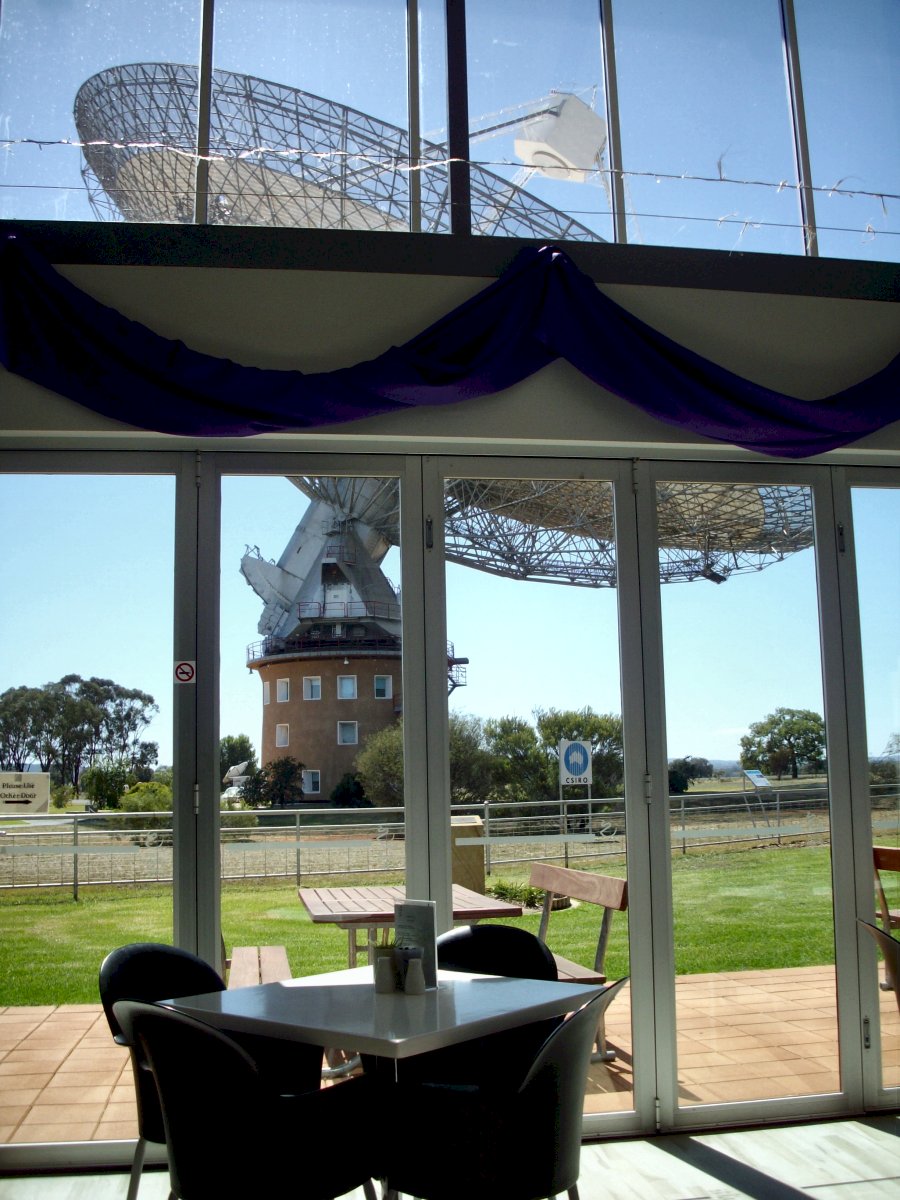
Beef and burgundy pie, at the Dish café: exquisite – I have never tasted better, although a friend of mine in Dubbo tells me there’s a pie shop I missed that does them one up. Next trip for sure.

And the scenery while dining was overpowering.

Still working hard, in 2012 the Observatory received special signals from the Mars rover Opportunity, to simulate the Curiosity rover UHF radio. This helped prepare for the then upcoming Curiosity landing on August 6, 2012.

If I had another lifetime and a brain that was not math challenged, working with a device like this would be a wonderful way to spend a career.

The Old Wolf has spoken.

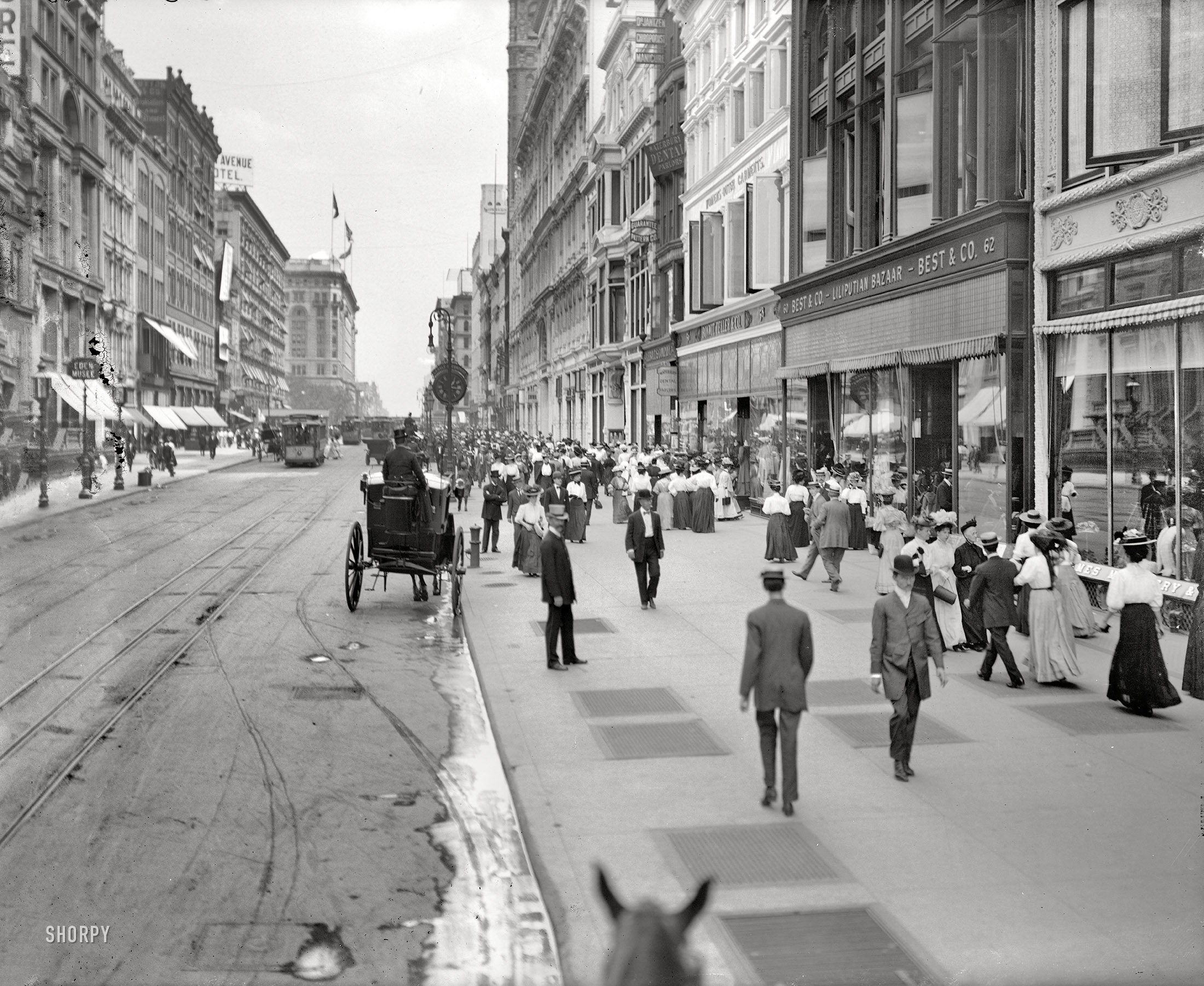
Bonwit Teller: New York, ca. 1905

“West 23rd Street.” Home to Best & Co’s “Lilliputian Bazaar,” Bonwit Teller (“Women’s Outer Garments”), Waterbury Dental Parlors and Eden Musee. 8×10 glass negative, Detroit Publishing Co.

Found at Shorpy.

While walking in the streets of New York, something I did daily for years while growing up there, I passed a brass placard on the right side of a doorway that said “Bonwit Teller.”

That’s a name I was familiar with, and gave it no thought. On the left side of the door, however, in the same very distinctive font, was another brass plaque that said “Gunther-Jaeckel.”

What was that all about, I wondered. Were they seldom used first names? I had never heard them before in conjunction with Bonwit. Long before the days of digital photography and smartphones, and without my trusty Brownie in my hand, I was unable to capture an image, but it remains seared in my memory because it was peculiar. I never passed that particular spot again, at least not knowingly. And, given the absence of the internet, there was no way of ferreting out the story; as time went on, I began to wonder if I had imagined it. Had I been wealthy enough to be purchasing furs, I might have found out – but thanks to the infinite capacity of the intertubez, I at last have my answer.

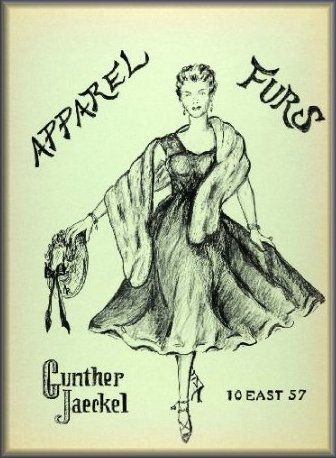
1954 ad for Gunther-Jaeckel furs, 5 years before its acquisition by Bonwit Teller.

“In a gilded age when sables were a princess’ best friend, the nation’s best place to buy sables was Manhattan’s C. G. Gunther’s Sons. Founded in 1820 by a German immigrant associated with Fur Trader John Jacob Astor, Gunther’s not only combed Siberia for the finest sables, but bid in the London market for the finest ermine, sent its agents across Canada on the lookout for mink. Even men coveted the Gunther’s label. Gunther’s long operated the only men’s fur department in Manhattan, offering coats made of every kind of fur, from buffalo, favored by post-Civil War tycoons, to collegiate raccoon. But sables for the ladies inspired the legends. On Black Friday of the 1929 crash, Gunther’s delivered a $70,000 sable coat to a customer, needlessly worried about payment (the customer settled in 60 days). Later it sold a shopper two sable coats, one for herself and one for her sister. As a token of esteem, the shopper bought her maid a mink. The bill: $107,000. In 1949 Gunther’s merged with an other old-line furrier, Jaeckel, Inc., founded in 1863.
Last week Manhattan’s oldest fur store had a new owner. Walter Hoving’s Hoving Corp., which already operates 60-year-old Bonwit Teller next door and nearby 121-year-old Tiffany & Co., added Gunther-Jaeckel, Inc. to its string. In taking control of Gunther-Jaeckel, Hoving got more of the kind of elegant tradition he likes, also a challenge to his merchandising skill (Gunther-Jaeckel last paid a dividend in 1945). But fellow merchants figured he would soon figure out a way to fit Gunther-Jaeckel into his spreading operation. Pursuing a policy of aggressive expansion, his Bonwit Teller already has two suburban branches operating in Manhasset, L.I. and White Plains, N.Y., a third projected (in Millburn, N.J.), plus stores in Chicago, Cleveland and Boston. For the present, Hoving will double up on some advertising and promotional costs, knock out a wall or two to throw the main Bonwit store and Gunther-Jaeckel together.” (Description found at Bis Repetita Placet.)

Interestingly enough, Gunther-Jaeckel still shows up in random Yellow Pages business searches with an address of 10 East 57th Street, as listed on the advert above. That matches precisely with my memory – the fact that it’s right next to Tiffany’s, another Hoving Corp. property cements the image in my head. Sadly, the building where the plaques appeared is now gone, replaced by another new skyscraper.

This is where 10 East would have sat.

But in retrospect, it’s nice to know I wasn’t crazy, all those years when I wondered if I had just seen something that wasn’t there.

The Old Wolf has spoken.

Only Ten More Years until Retirement

In 2004, I had the chance to attend Dragon Con in Atlanta. I picked this up and brought it back to my office

It was perfect.

As it turns out, things had become so frustrating that I ended up retiring early, two years later. After I announced my decision, I put this on my file cabinet, and still have it at home:

There are times I miss the regular paycheck instead of the entrepreneurial uncertainty, but only about 10% of me feels that way. The other nine voices in my head never look back.

Edit, 11/10/2021

“Retirement comes on little HR feet. It sits looking over the wreckage of corporate folly, and then moves on, never to look back.” (With apologies to Carl Sandburg.)

For some it comes, summoned and welcome, and those who call greet it as an old friend, and depart the world of corporate bullshit gladly, as equals. For others, it arrives quietly and suddenly carries an unprepared soul across the river Styx to a land of unexpected unemployment, yet those who dwell there come to appreciate a sense of freedom and self-determination that was denied them for decades.

I thank the Universe and whatever gods there may be that I no longer have to deal with power-crazed bastards who wield power over my life by raising their little finger.

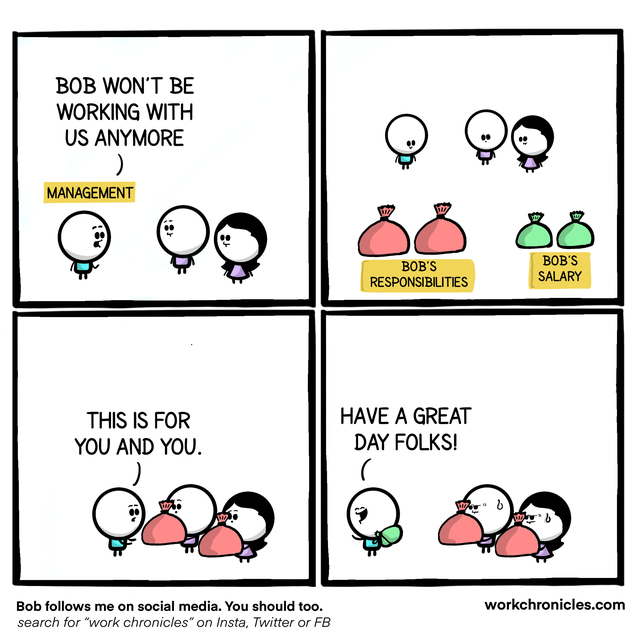
There’s always Dilbert, but “workchronicles” is a fresh take on corporate folly.

The Old Wolf has spoken.

When one is completely empty inside

Over on Facebook, I got a pointer to a blog post in Norwegian. Now, my Norwegian is hqiz; I studied intensively for 3 months before staffing a seminar for Klemmer and Associates in Asker, Norway, in November of 2008, and it helped me get around and interact with the students, but we’re talking survival. But it’s enough that I could understand the article, and with the help of online resources I worked my way through it enough to determine that it needs to be shared. What follows is my own effort at putting this moving post into English. It’s not perfect by any means, but I think it captures the spirit of what was said.


Tonight my daughter [1], age 7, told me that one of the seventh graders at her school had been bothering her. He pushed her and said something that made her sad.
– Well, what did he say? I asked.
– He called me  …n … he called me … a nigger,‘ [2] said my daughter, with downcast eyes.

My daughter never has downcast eyes. She tends to face the world with clenched fists and a huge smile, but now it looked as though she were ashamed of something. Something in me sank, not particularly because of the n-word, but because of my daughter’s uncharacteristic body language. But I replied in the same tone as I usually do when she talks about things that have happened; I tried to get all the facts on the table before I reacted.

– Do you know what “nigger” means? I asked.
– No, admitted my daughter. Then she took a breath and looked up at me:
– But I knew it meant something bad!
– How did you know that?
– Because he said it in such a mean,  teasing way. And because I was completely empty inside.

That description of being subjected to derogatory remarks was so spot-on that I felt pretty empty inside, too. But my daughter sat there and waited for an answer and an explanation. I took a deep breath and tried to explain. That “nigger” is a word that gets used on people with brown skin, who come from Africa or look like they come from Africa.

– Like  me? So he can SAY that? She widened her eyes and I felt like I had drowned a sack of kittens. I went on to say that word was common in the old days, but it is not used very often anymore. I explained that many people, especially adults and old people, use it without meaning anything bad by it, and without wanting to hurt anyone. They just have not kept up with the times.

But I told her that there are some people who use the word on purpose, to be mean, and that she probably was right, that this particular boy belongs to the latter group. These people tend to stand out.

And I said that no one has the right to call someone something that makes them completely empty inside, whatever that word means. But still, there are many people that say things just to make others sad. And sometimes people say things without wanting to make others sad, but they feel sad anyway.

We had a pretty long chat on the sofa, and another after that evening’s bedtime story session was finished. We discussed what is okay to say to others and what is not okay, and why. We talked about what we should say if we have accidentally made someone else feel empty inside, and what we should say if others are doing it to us. And whether it’s worse if someone we like and love says insensitive things to us. For this unknown boy was, after all, no one of consequence in my daughter’s life, but still, Mommy.

Actually, I had plans to use to use my personal development time this evening watching the zombie series and other fun things, but I ended up pondering a bit instead. Pretty loose and fragmented, I must confess, for mentally I’m dangerously close to zombie level right now. But let me think out loud anyway (after all it is my blog, so I can do what I want): Everyone agrees in principle that saying things to be mean is not allowed. The specific episode my daughter told me about obviously falls into that category. But people who say such things – where do they get this from? And where does one draw the line? There is no agreement.

Not so long ago I had a chat with some of my students at school. They have a pretty rough tone in the classroom, and several have responded that put-downs run pretty freely in the group. Among other things, it happens too often that something is characterized by derogatory prefixes such as Paki, whore- and homo- (for example, “homo music”, i.e. music that any talented guy with normal gender identity would consider worth listening to). The students themselves couldn’t get it through their heads that there was a problem here. We’re just kidding! We only say it to people who can take it, who are in on the joke!

It’s clear that kidding around with friends is fine. But the boundaries of humor are delicate and indistinct. The words we use have so many fine distinctions. One man’s fun banter can be another man’s nightmare. I didn’t mean any harm by it, we pout, as though that should make everything all better. By no means do we want to descend into an “I feel insulted” tyranny, where anyone’s negative feelings about some experience should determine the norm for everyone else’s behavior. But we do need to be crystal clear that every time we choose to say something hurtful (or refrain from saying something nice) to or about someone, we make a choice that affects everyone around us.

What about the person who is not in on the joke? The one who laughs uncomfortably, because he or she doesn’t want to be labeled killjoy or a first-class whiner? And what about the guy who happens to share the same classroom (or break room or dinner table) with two others “jokingly” using derogatory names for each other? He is not a direct recipient of Jesus Christ, you are so fucking gay, man! He’s not really involved at all, but sitting in the same room, he suddenly becomes completely empty inside. And no one says anything about it. So he’s completely empty, all alone.

It is never okay for anyone to be completely empty inside.


Notes

[1] The original Norwegian is “Lillesøster” (Little Sister)

[2] Nigger is the best translation available here. The original Norwegian is neger (negro), in this case used as a derogatory term, but it should be clearly stated here that the word doesn’t carry the immense cultural weight that it does here in the United States.

The Old Wolf has spoken.

If it ain’t broke, it must need improving

A Facebook acquaintance of mine posted a link to this article over at Software Engineering Tips – “Signs That You’re a Good Programmer.” Two of my favorite qualities were:

  • Eager to fix what isn’t broken
  • A destructive pursuit of perfection

The others are really good, too – as a former programmer now forever behind the technology curve, I can bear glowing witness that when you’re in the groove, this article describes to a “T” what it’s like to be a programmer. And it has ever been so. I first discovered this little gem back in 1980 while working at the State of Washington’s OFM, but it’s still every bit as valid today (except, perhaps, the part about the 80-column cards!)

Ode to a Programmer

“No program is perfect,”
they said with a shrug.
“The client is happy –
what’s one little bug?”

But he was determined;
The others went home.
He dug out the flowcharts,
Deserted, alone.

Night passed into morning,
The room became cluttered
With core-dumps and punch-cards.
“I’m close,” he muttered.

Chain-smoking, cold coffee,
Logic, deduction,
“I’ve got it!” her cried,
“Just change one instruction!”

Then change two, then three more,
As year followed year,
And strangers would comment,
“Is that guy still here?”

He died at the console
Of hunger and thirst.
Next day he was buried
Face down, 9-edge first.

And his wife, through her tears,
Accepting his fate,
Said, “He’s not really gone,
He’s
Just
Working
Late!

Programmers are engineers – they work with code and numbers and concepts instead of wrenches and solder and lathes, but they belong to the same breed. Suggest to an engineer that something needs to be repaired, and they won’t rest until it’s done. Dare to suggest that it might be improved, and you have won their heart forever:

Repaired Improved

Girl Genius by Phil and Kaja Foglio

And many of these people are sheer geniuses. I know a guy down in Australia who can take a paper clip, six gum wrappers and a hank of jute and create a street racer or an oil-cooled computer (yes, I’m looking at you, Steam Wolf). MacGyver was an engineer.

To all the programming widows and widowers languishing at home, you have my sympathies – but that’s just who these people are.

The Old Wolf has spoken.

A Little Girl Called me a Terrorist

Ela has asked that we spread her message. I am honored to do so. Her original post is at imperfectwriting.tumblr.com

I went to the mall, and a little girl called me a terrorist.

My name is Ela.  I am seventeen years old.  I am not Muslim, but my friend told me about her friend being discriminated against for wearing a hijab.  So I decided to see the discrimination firsthand to get a better understanding of what Muslim women go through.
My friend and I pinned scarves around our heads, and then we went to the mall.  Normally, vendors try to get us to buy things and ask us to sample a snack.  Clerks usually ask us if we need help, tell us about sales, and smile at us.  Not today.  People, including vendors, clerks, and other shoppers, wouldn’t look at us.  They didn’t talk to us.  They acted like we didn’t exist.  They didn’t want to be caught staring at us, so they didn’t look at all.
And then, in one store, a girl (who looked about four years old) asked her mom if my friend and I were terrorists.  She wasn’t trying to be mean or anything.  I don’t even think she could have grasped the idea of prejudice.  However, her mother’s response is one I can never forgive or forget.  The mother hushed her child, glared at me, and then took her daughter by the hand and led her out of the store.
All that because I put a scarf on my head.  Just like that, a mother taught her little girl that being Muslim was evil.  It didn’t matter that I was a nice person.  All that mattered was that I looked different.  That little girl may grow up and teach her children the same thing.
This experiment gave me a huge wakeup call.  It lasted for only a few hours, so I can’t even begin to imagine how much prejudice Muslim girls go through every day.  It reminded me of something that many people know but rarely remember: the women in hijabs are people, just like all those women out there who aren’t Muslim.
 Please help me spread this message.  Treat Muslims, Jews, Christians, Buddhists, Hindus, Pagans, Taoists, etc., exactly the way you want to be treated, regardless of what they’re wearing or not wearing, no exceptions.  I don’t know that the world will ever totally wipe out prejudice, but we can try, one blog at a time.

As I quoted in my post about John Howard Griffin, as a black man Griffin recorded experiences that were hauntingly mirrored by Ela’s words: “I got off and began walking along Canal Street in the heart of town… I passed the same taverns and amusement places where the hawkers had solicited me on previous evenings. They were busy, urging the white men to come in and see the girls. The same smells of smoke and liquor and dampness poured out through half-open doors. Tonight they did not solicit me. Tonight they looked at me but did not see me.” (From Black Like Me).

Ela said, “The mother hushed her child, glared at me, and then took her daughter by the hand and led her out of the store.” She had experienced her own version of “the hate stare.”

Ela said, “It didn’t matter that I was a nice person.  All that mattered was that I looked different.” Griffin reported that he discussed his project with the FBI before beginning. He asked them, “Do you suppose they will treat me as John Howard Griffin, regardless of my color – or will they treat me as some nameless Negro, even though I am still the same name?” The response: “You’re not serious, one of them said. “They’re not going to ask you any questions. As soon as they see you, you’ll be a Negro and that’s all they’ll ever want to know about you.”

50 years later, and we have made so little progress. Huge honor to Ela for taking her own journey into a different culture and bringing to light the prejudices and fears that still plague us.

The Old Wolf has spoken.

Warrumbungle National Park

Hike to Grand High Tops in the Warrumbungle National Park (New South Wales, Australia) and you will be treated to countless breathtaking views, not the least of which is this shot of the Bread Knife, a thin slice of rock jutting out of the volcanic soil. It was a rigorous hike, but the sights were spectacular, and I started early enough in the morning that the flies were only horribly annoying instead of hellishly demonic. Now I understand what those hats are for.

I had spent the previous night parked in the middle of the reserve, lying on my back and observing the stars overhead. The mountains around the crater are home, for good reason, home to the Siding Spring Observatory and the Anglo-Australian telescope; lack of surrounding light pollution made this one of the most stunning stargazing experiences I have ever had. Even my cheap little camera was able to detect the various colors of the stars in the Southern Cross – Gamma and Epsilon Crucis are red and orange giants, respectively, while Alpha, Beta and Delta are blue or blue-white. I also had spectacular views of the Magellanic clouds, too faint to be captured, alas, but plainly visible to the naked eye. What a rush!

Enhanced time-exposure of the Southern Cross, with Beta Crucis in the lower-left corner.

As the sky lightened, I drove down to the park entrance, and was treated to some spectacular sunrise shots along the way:

The views along the way were just as impressive as those from the top:

The Bread Knife from below

Warrumbungle – back rim from Grand High Tops

Siding Spring Observatory (star) from Grand High Tops

Would love to come back here and spend more time exploring, but I’m so grateful for the chance to have seen this wonder with my own eyes.

The Old Wolf has spoken.

Beauty in Metal – The USA’s most stunning coinage

Disclaimer: This post is entirely subjective. Others will have different opinions. As a long-time numismatist, these are the ones which have captured my imagination.

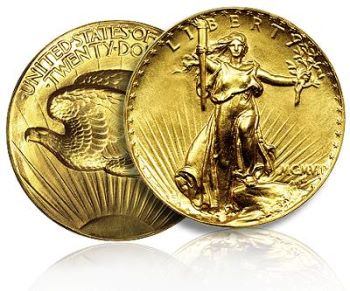
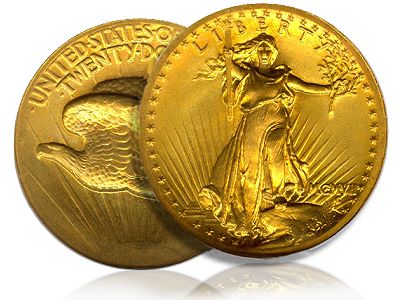
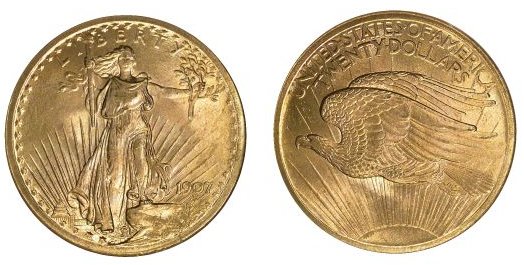
The Augustus St. Gaudens $20.00 Gold Piece

The St. Gaudens piece was originally struck in ultra high relief, such that it took nine strokes to create it, rendering it impractical; only 20 specimens are known, and they are valued at up to $3,000,000.

St. Gaudens was grieved, but made a few changes to his design under the misapprehension that the first coins were struck on a production press, rather than the mint’s only medal press; the next high-relief version only took 3 strokes, but was still impractical for production use.

It was only after St. Gaudens’ death that a production version in low relief was approved. It is still a masterful work of art.

The Walking Liberty Half Dollar

The combination of the liberty and the majectic eagle make for a beautiful piece of coinage.

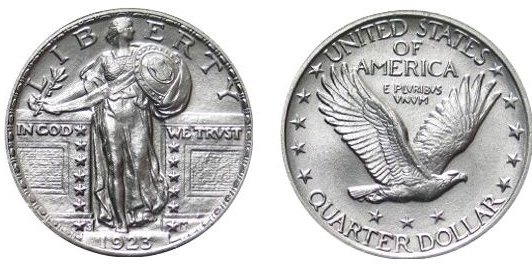
The Standing Liberty Quarter

This one vies with the St. Gaudens piece for my very favorite. It is just so aesthetically pleasing. The first version, stamped in 1916, had a bit of a problem:

The lady is rather unclad, which offended the sensibilities of the nation, so the next version had her cover up in a bit of chain mail. In addition, the date was set onto a flat raised pedestal and showed a tendency to wear off quickly – subsequent versions placed the date into a trough where it would be more protected from wear.

The Silver Three-Cent Piece

The second-smallest coin to have common circulation, smaller and thinner than a dime, this little gem had a turbulent history.

The Type-1 gold dollar on the left came in at 13 mm in diameter, the 3-cent silver piece at 14. A common dime is just under 18 mm wide. The coin was widely hoarded and melted down for its silver, and shopkeepers found them hard to keep track of. Uncirculated specimens are rare and highly valuable.

The Liberty-cap (Mercury) Dime

Common in circulation when I was a child, these coins are strikingly beautiful, especially when found in uncirculated condition. Can you spot the picture of the car on the reverse? If you’re having trouble, click here. Haha!

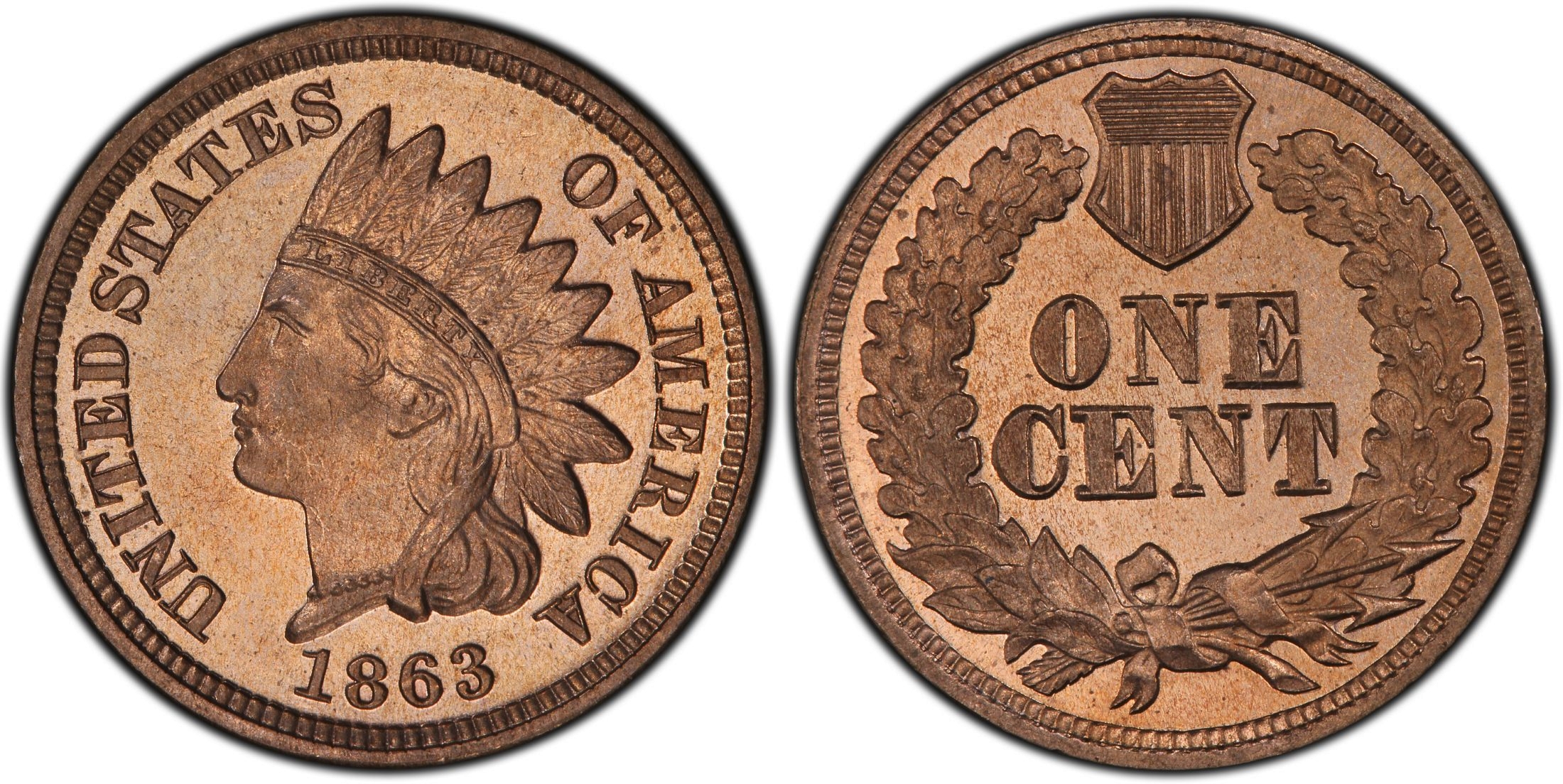
The Flying Eagle and Indian Head pennies

These are just pretty, especially when in good condition.

The Stella

The Stella, or $4.00 gold piece, was a pattern – it was never created for circulation. Nonetheless, I think it’s beautiful. The picture below is one of the finest examples known.

There are others; some of the state quarters that were recently released are quite attractive, but nothing comes up to the standard of previous centuries.

The Old Wolf has spoken.

Your lamp is getting dim

THERE IS A MASSIVE VENDING MACHINE HERE. THE INSTRUCTIONS ON IT READ:
“DROP COINS HERE TO RECEIVE FRESH BATTERIES.”

Will Crowther would be so proud.

This post will only have meaning to anyone of a certain age who is familiar with Colossal Cave, but I can’t help where my mind goes.

The Old Wolf is carried off by a cheering band of friendly elves.

The Iron Pillar of Delhi

Long one of the unexplained wonders of the world, this peculiar item in Delhi has now been analyzed by scientists, who are still amazed that metalworkers in the 4th or 5th century would have had the kind of knowledge required to create it.

Currently theory holds that the pillar was forged during the reign of Chandragupta II, who reigned from 380 to 413 or thereabouts.

And although it is composed of 98% wrought iron, it has sat exposed to the elements for about 1600 years… and it refuses to rust.

Wikipedia explains that “In a report published in the journal Current Science, R. Balasubramaniam of the IIT Kanpur explains how the pillar’s resistance to corrosion is due to a passive protective film at the iron-rust interface. The presence of second-phase particles (slag and unreduced iron oxides) in the microstructure of the iron, that of high amounts of phosphorus in the metal, and the alternate wetting and drying existing under atmospheric conditions are the three main factors in the three-stage formation of that protective passive film.”

Now that’s too many for this Wolf of Very Little Brain, but apparently the early blacksmiths knew how to do something marvelous. Whether it was by design or by happenstance, no one is quite sure. But there it sits, and if history is any indication, it will be there long after my great-great-grandchildren’s great-great-grandchildren have turned to dust.

The Old Wolf has spoken.