Reposting this from… well, I’m not sure where, but it looks like Tumblr. Anyway, it’s 100% on-target. Very slightly bowdlerized.
My wife and I have started taking our own re-usable plastic containers when we eat out, to bring our leftovers home without adding to the landfill.
Pervocracy
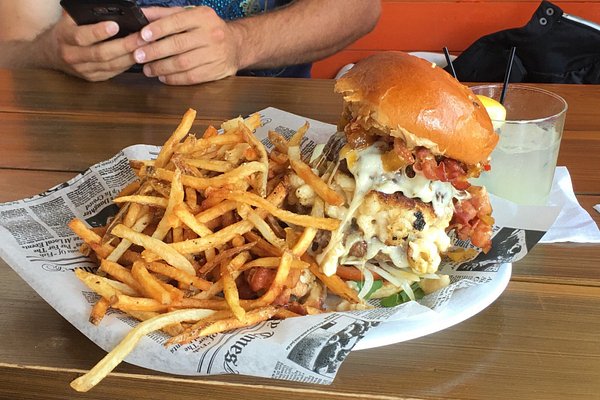
Note to vacationing non-Americans: while it’s true that America doesn’t always have the best food culture, the food in our restaurants is really not representative of what most of us eat at home. The portions at Cheesecake Factory or IHOP are meant to be indulgent, not just “what Americans are used to.”
If you eat at a regular American household, during a regular meal where they’re not going out of their way to impress guests, you probably will not be served twelve pounds of chocolate-covered cream cheese. Please bear this in mind before writing yet another “omg I can’t believe American food” post.
nettlepatchwork
Also, most American restaurant portions are 100% intended as two meals’ worth of food. Some of my older Irish relatives still struggle with the idea that it’s not just not rude to eat half your meal and take the rest home, it’s expected. (Apparently this is somewhat of an American custom.)
xenoqueer
Until you’re hitting the “fancy restaurant” tier (the kind of place you go for a celebration or an anniversary date), a dinner out should generally also be lunch for the next day. Leftovers are very much the norm.
From the little time I’ve spent in Canada, this seems to be the case up there as well.
jumpingjacktrash
The portions in family restaurants (as opposed to haute cuisine types) are designed so that no one goes away hungry.
Volume IS very much a part of the american hospitality tradition, and Nobody Leaves Hungry is important. but you have to recognize that it’s not how we cook for ourselves, it’s how we welcome guests and strengthen community ties.
So in order to give you a celebratory experience and make you feel welcomed, family restaurants make the portions big enough that even if you’re a teenage boy celebrating a hard win on the basketball court, you’re still going to be comfortably full when you leave.
Of course, that means that for your average person with a sit-down job, who ate a decent lunch that day, it’s twice as much as they want or more. that’s ok. as mentioned above, taking home leftovers is absolutely encouraged. that, too, is part of American hospitality tradition; it’s meant to invoke fond memories of grandma loading you down with covered dishes so you can have hearty celebration food all week. pot luck church basement get-togethers where the whole town makes sure everybody has enough. that sort of thing. it’s about sharing. it’s about celebrating Plenty.
it’s not about pigging out until you get huge. treating it that way is pretty disrespectful of our culture. and you know, contrary to what the world thinks, we do have one.
theunnamedstranger
atreefullofstars
Reblogging because I honestly never thought about it but yeah, this lines up.
This is also why the idea of “pay a lot for fancy food on tiny plates” pisses so many Americans off. Unless you are rich enough not to care about throwing your money away, it’s not just a ridiculous ripoff in terms of not filling you up, it’s stingy. Restaurants are places of hospitality. If I pay that much for a plate it had better be damn good and it had better be generous. Otherwise they are just trying to fleece me out of my money AND saying they don’t value me as a customer.
If I go to IHOP or Olive Garden or whatnot, I absolutely don’t need to eat again until evening if I had leftovers, and until the next day if I did eat everything (you can’t really take pancakes home as leftovers).
But EVEN IF I DID EAT EVERYTHING and then ate a full meal on top of that, later, it’s really not anyone’s place to criticize what other people eat. It just isn’t. Let it go. It’s old.
Making fun of American food culture and food habits isn’t original or surprising or witty or funny or getting one over on us or crafting a clever retort or whatever. It’s lazy and petty and childish.
Yeah, we eat a lot of hamburgers. They’re delicious. Cope.





 Playing in the World Game