New York, 1950s

Some photos of New York City taken by my father, found while scanning his collection of negatives. This is the city I knew as a child. Dad was not a great photographer, but was very enthusiastic, and did his own developing and printing. These pictures were taken between 1950 and around 1959, based on what the cars look like. All black & white photography Copyright 1950-2014 Old Wolf Enterprises.

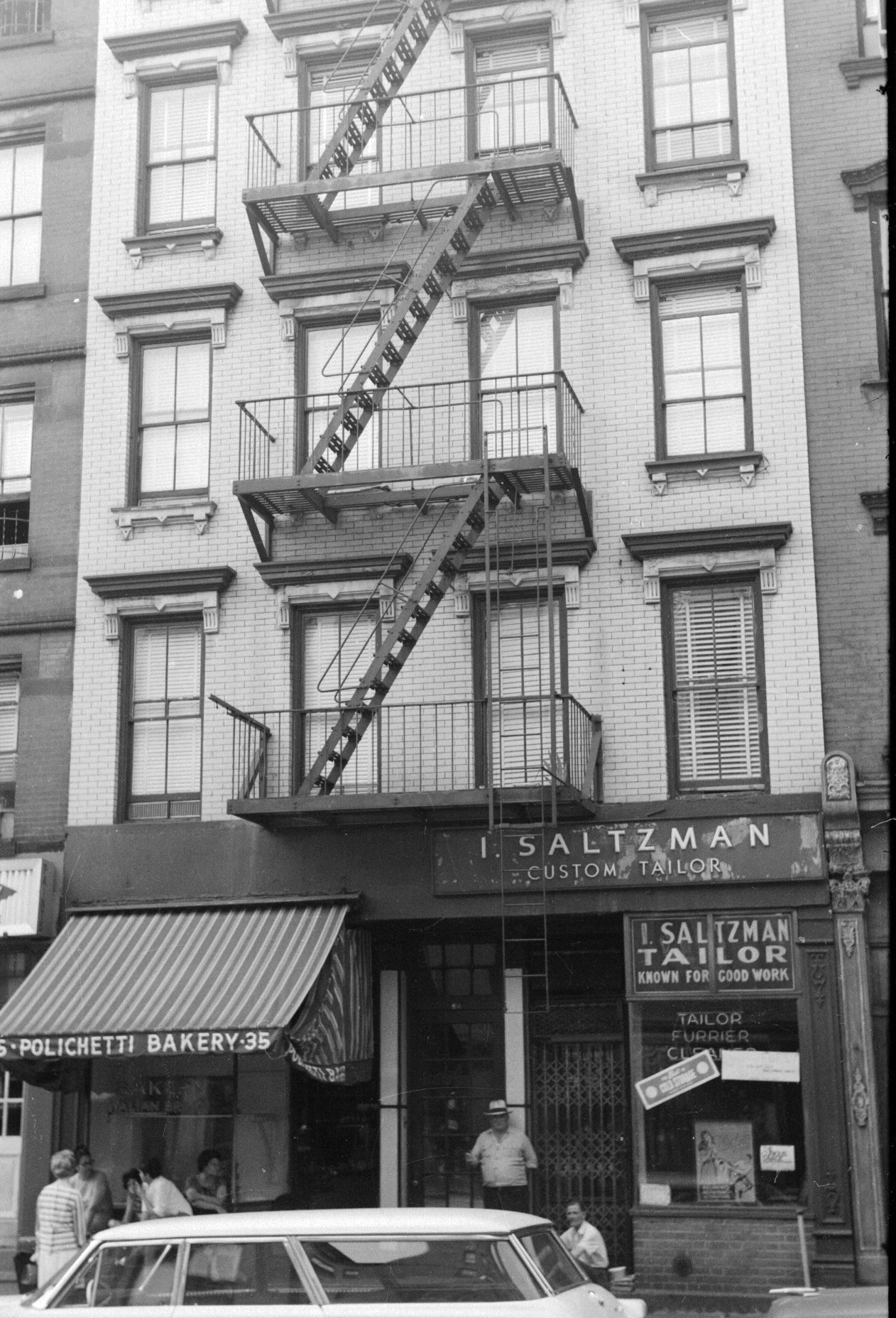
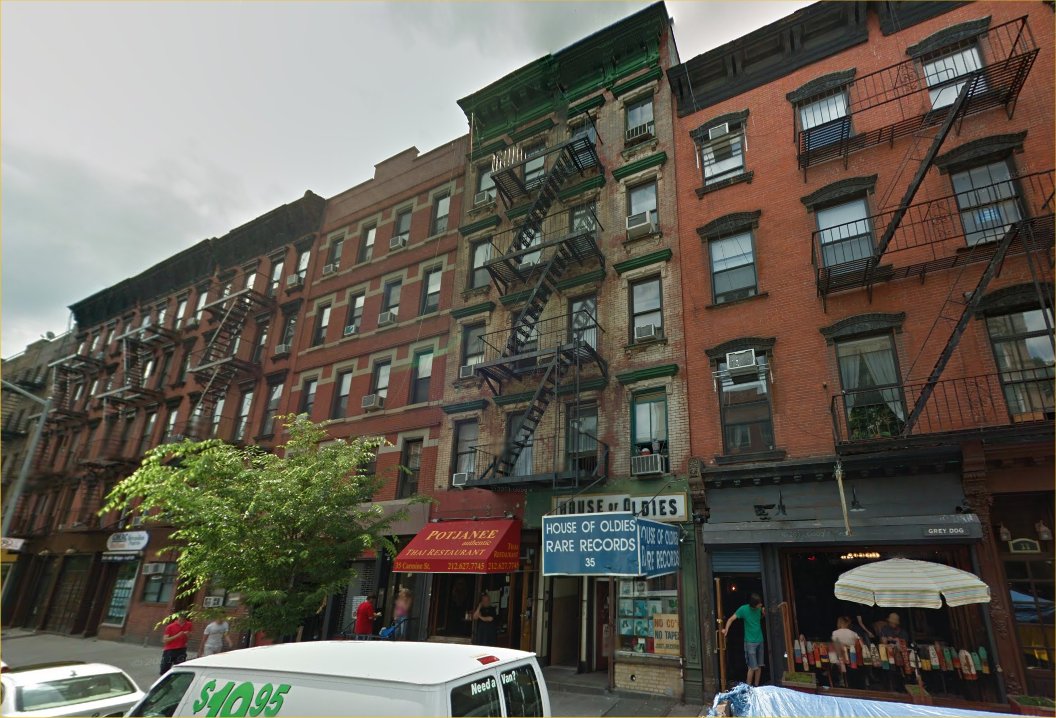
Below: two views of 35 Carmine Street.
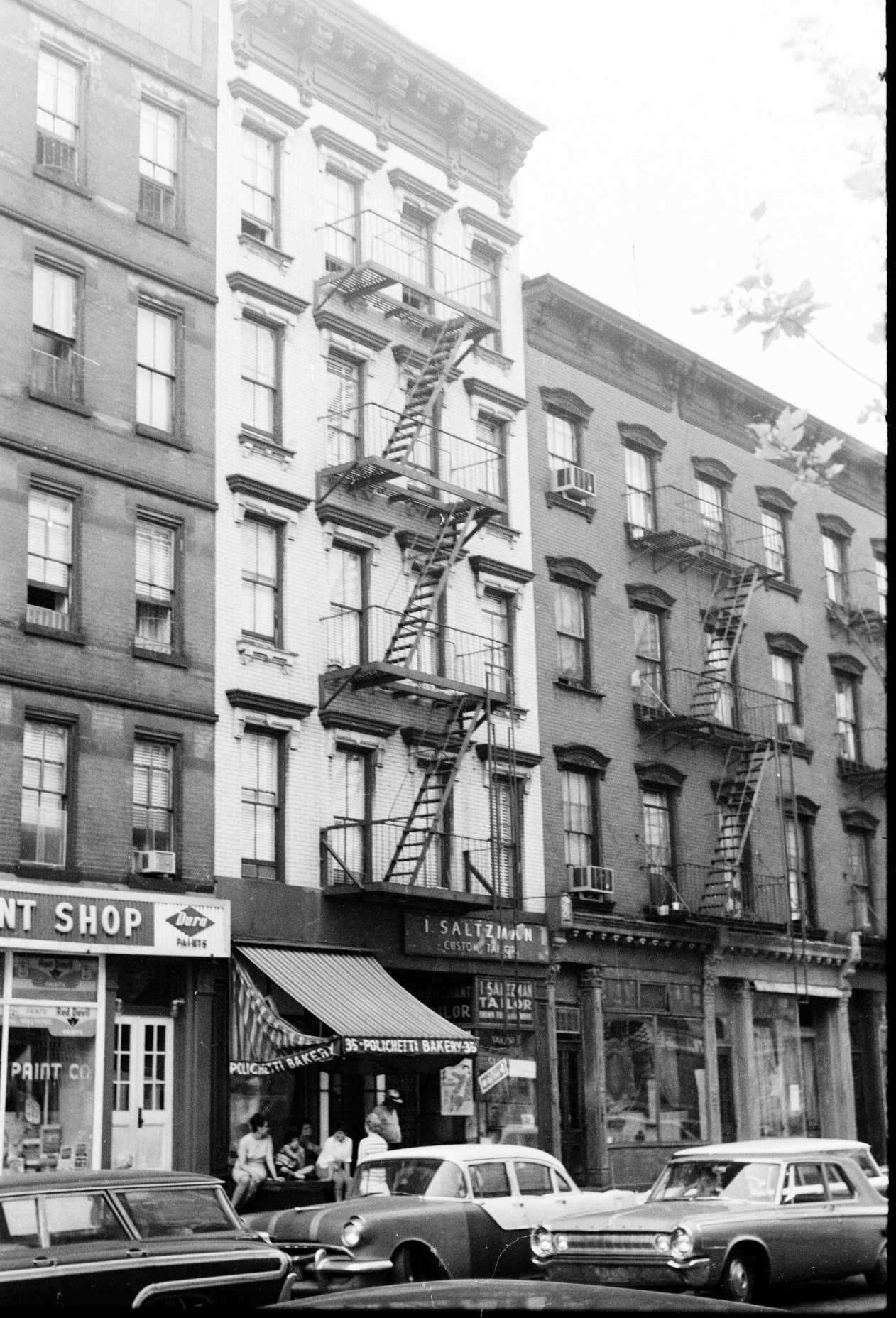
New York - Polichetti's Bakery

New York - Saltzman Tailor

History: No. 35 Carmine Street was constructed in 1877 by Bavarian-born brickmason and prolific tenement builder Peter Schaeffler, at a time when many of Greenwich Village‘s Federal and Greek Revival-style row houses were being replaced by tenements constructed to house the growing working-class and immigrant population. Featuring elements of the popular neo-Grec style in the design of the lintels, sills, and cornice, the building housed stores on the ground story and four families on each floor above. Built just prior to the 1879 tenement house law, the building had only two small square airshafts. Census data for 1880 shows that sixteen families resided at no. 35 Carmine Street, including three native-born families; first-generation immigrant families from Ireland (four), England (three), and Germany (one); and second-generation immigrant families from Ireland (two), England (one), Germany (one), and Scotland, via Canada (one). Residents were employed as a hatter, lawyer, watch case maker, bill collector and laundry worker, among other occupations. 1930 census records indicate that all fifteen families residing there were first-generation immigrant families from Italy. Residents held a variety of occupations, including bakery proprietor, cabinet maker, longshoreman, operator (men‘s clothing), and hat trimmer. By 1935, the number of apartments per floor had been reduced to two. City directories list the following commercial tenants: Experienced Hand Laundry (1950), A. Polichetti, baker, and Irving Saltzman, clothier (1959). The storefront had been occupied by a bakery in the early 1910s as well. In 1938 the western airshaft was enlarged and in 1939 architect Sidney Daub oversaw replacement of the existing storefronts; except for these changes, the building remains largely unchanged since its construction.  (Greenwich Village Historic District Extension II, Designation Report, June 22, 1910)
35 Carmine Street

35 Carmine Street as of June 2011, Google Street View
New York 1950 - Milkman

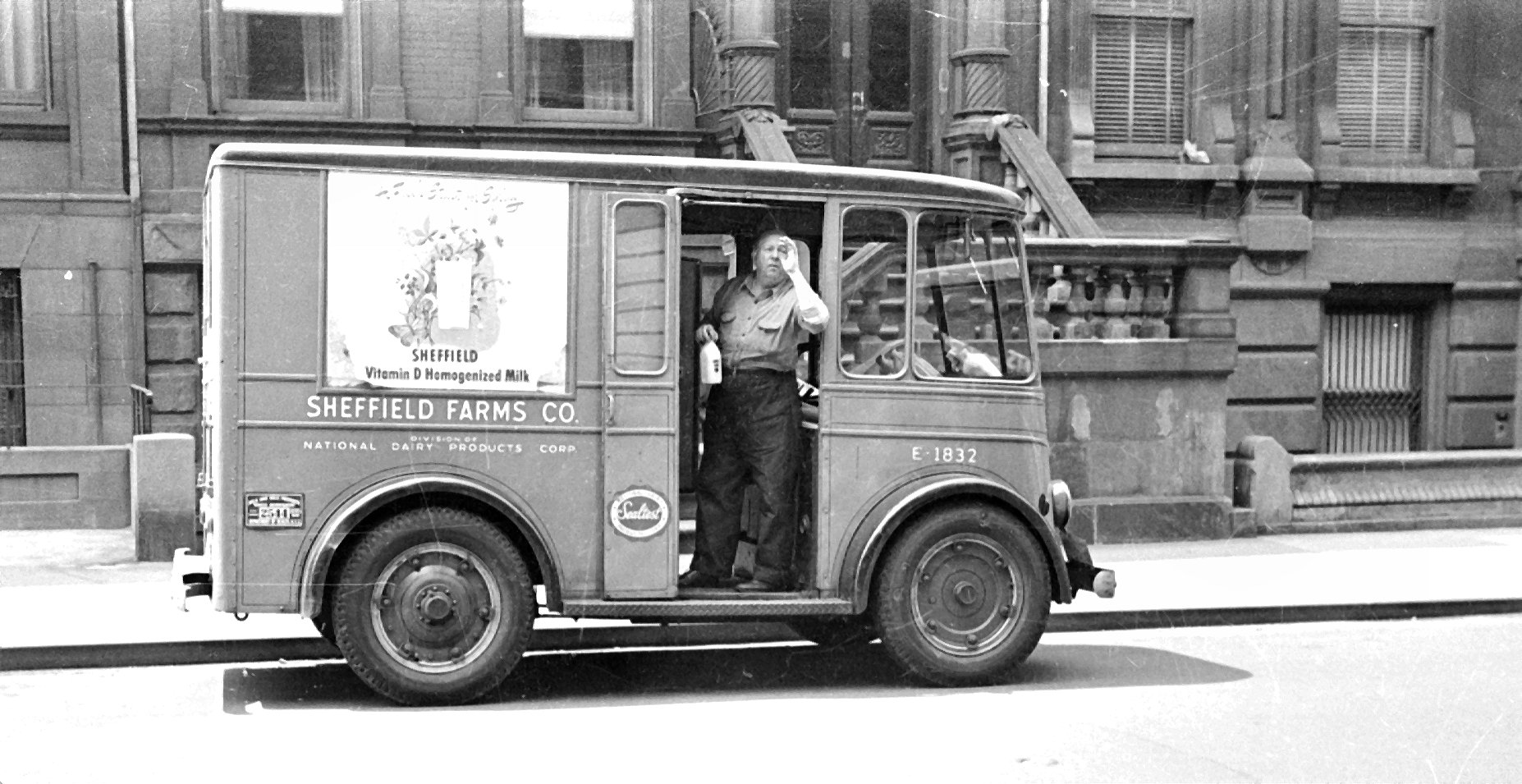
Milkman for Sheffield Farms Co. with typical New York brownstone in the background.
New York 1950 1

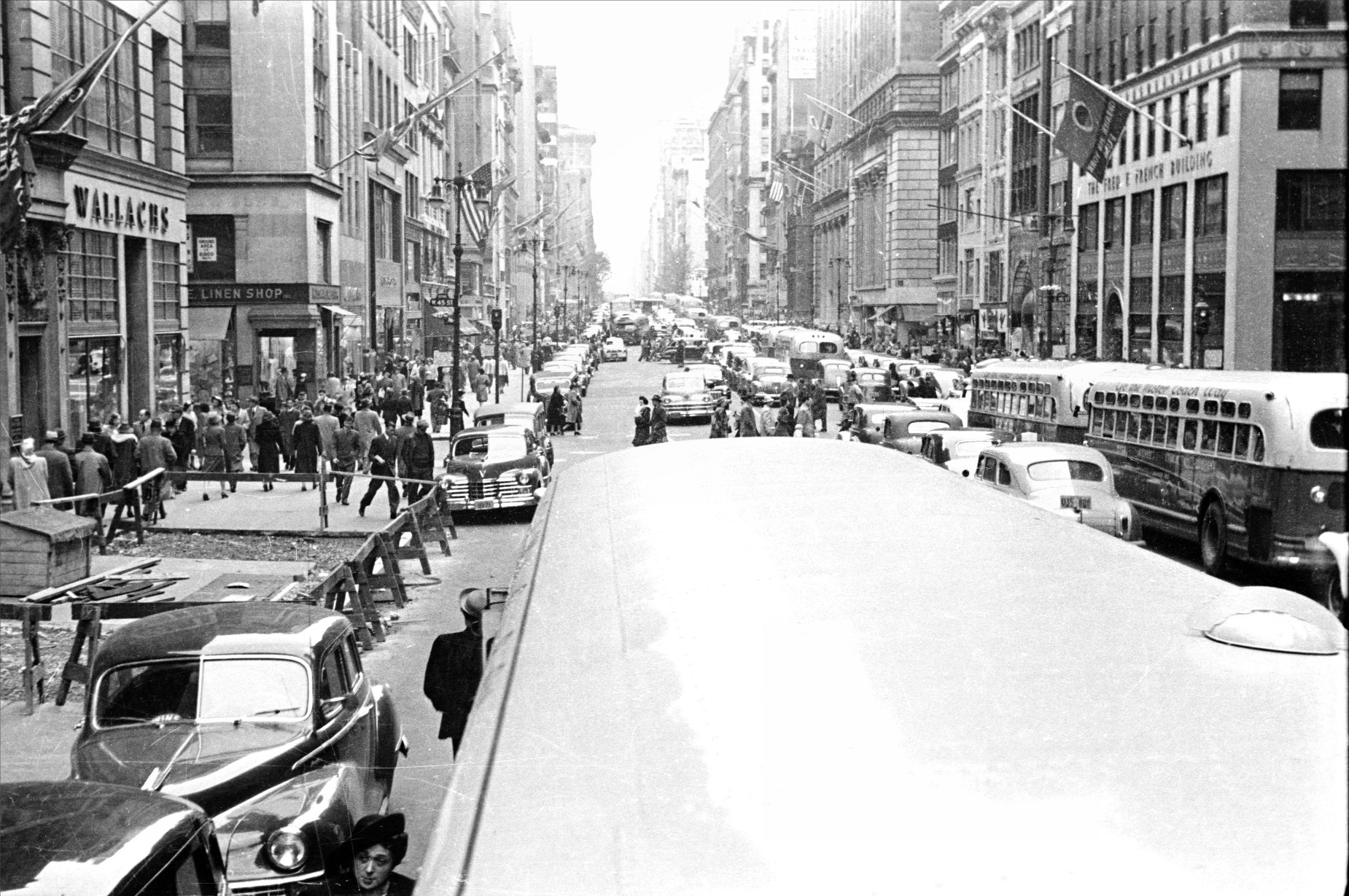
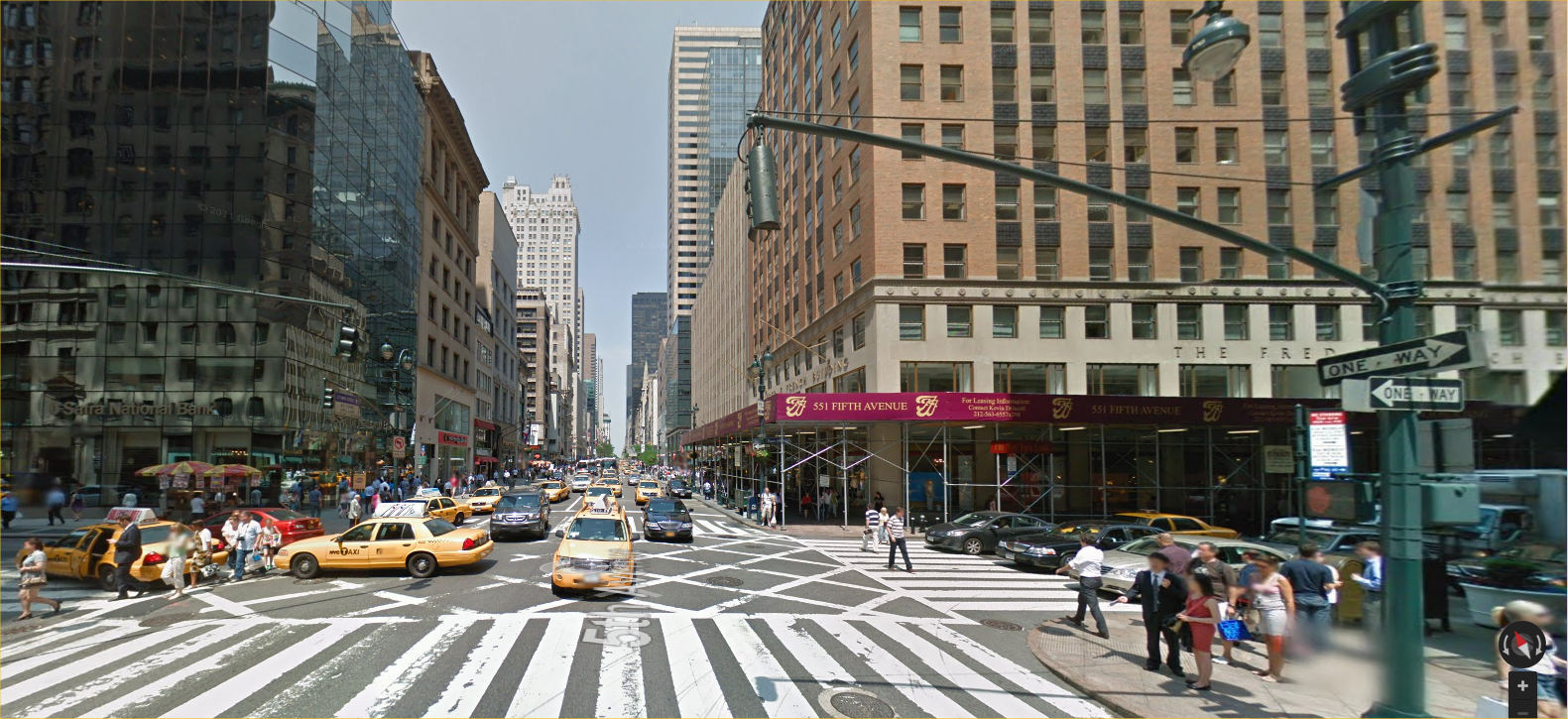
45th Street and 5th Avenue, looking north. The Fred F. French building on the northeast corner.
45th Street North

The same view as of June 2011, Google Street View
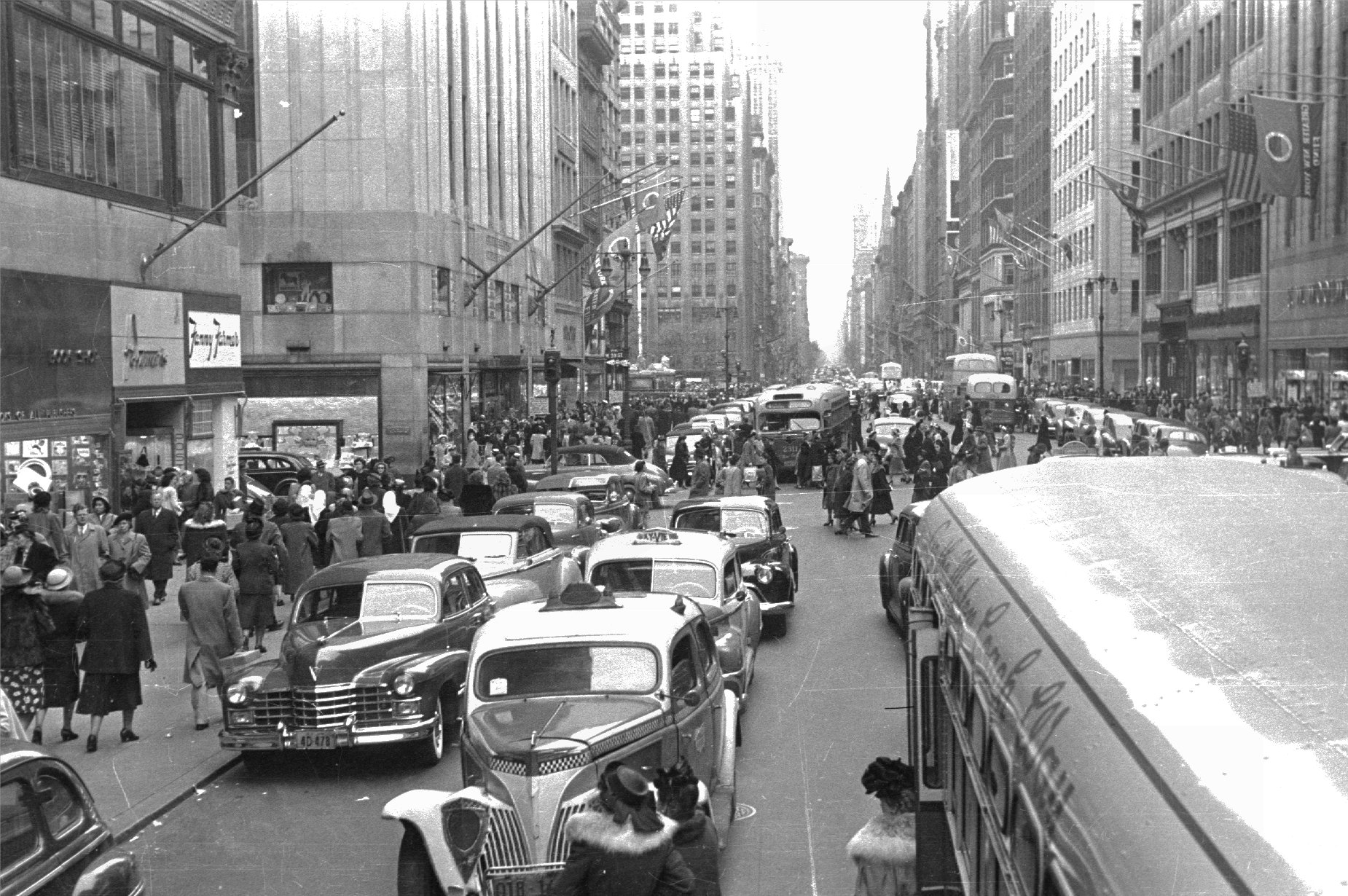
New York 1950 1a

5th Avenue and 39th Street, looking north. A New York Public Library lion is visible on the left.
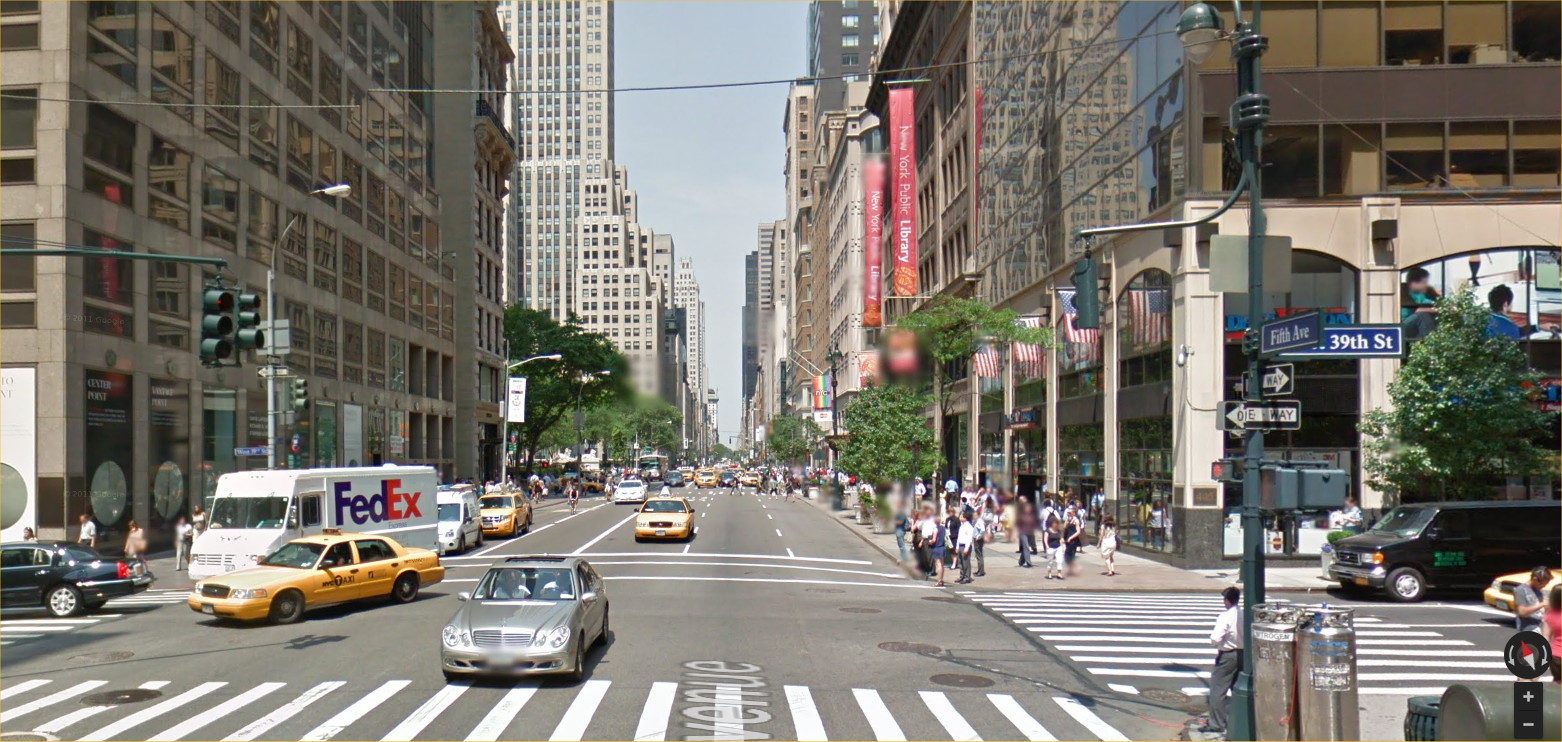
39th Street North

The same view as of June 2011, Google Street View
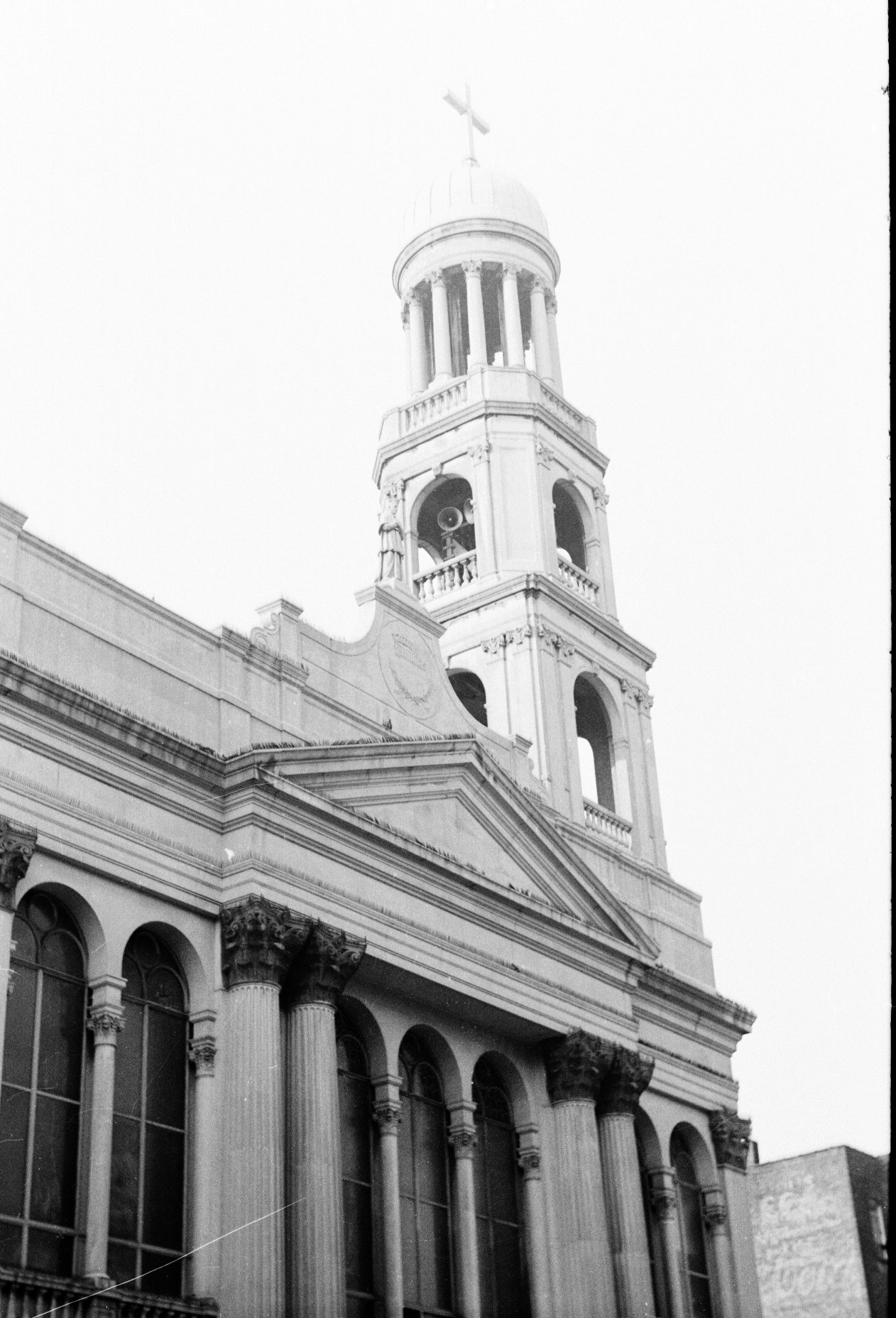
New York - Church

Our Lady of Pompeii, Carmine Street. This is my family’s parish; many blessed events have taken place here.
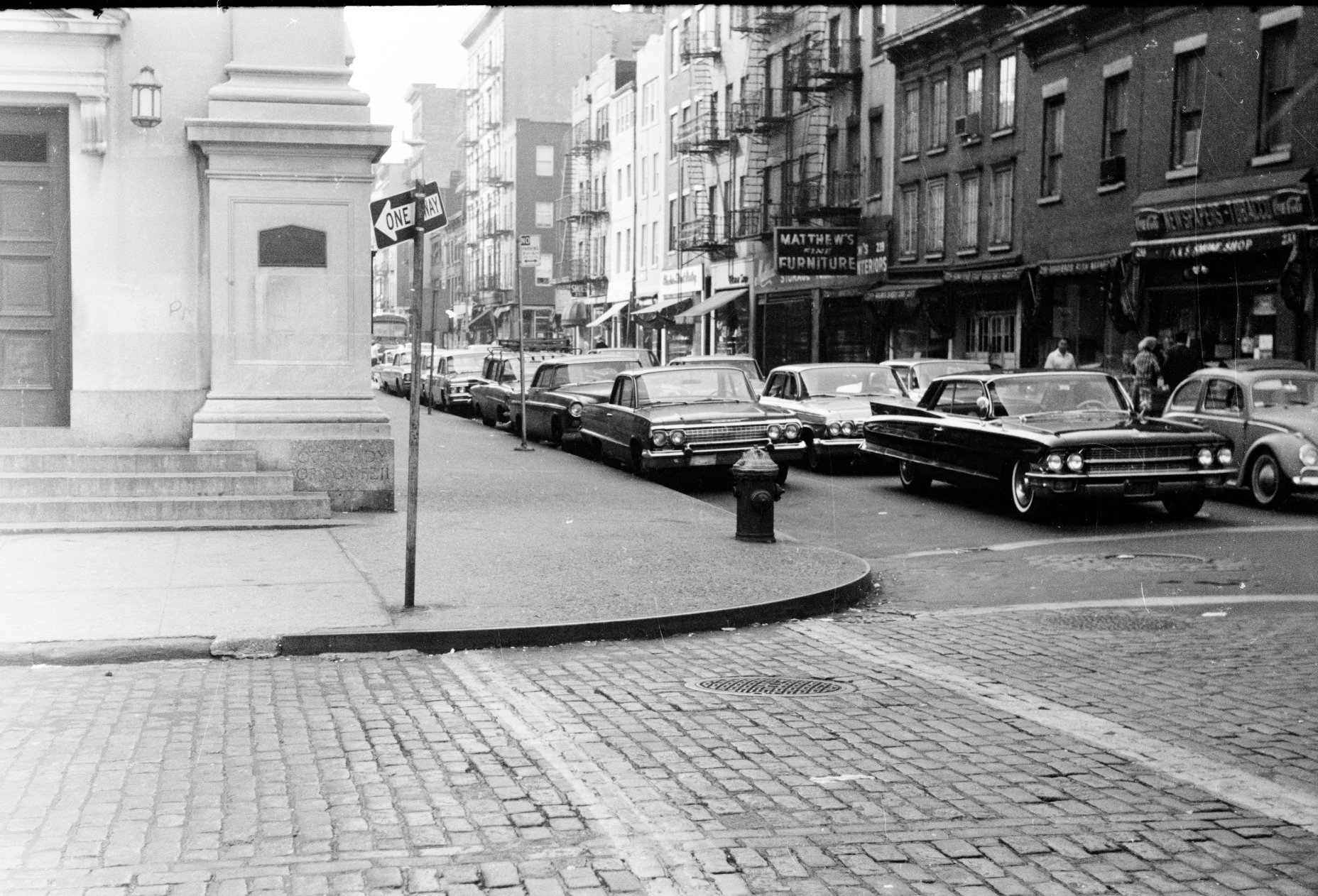
New York - Corner Scene\

Our Lady of Pompeii church on the corner of Carmine and Bleecker Street, looking northwest.
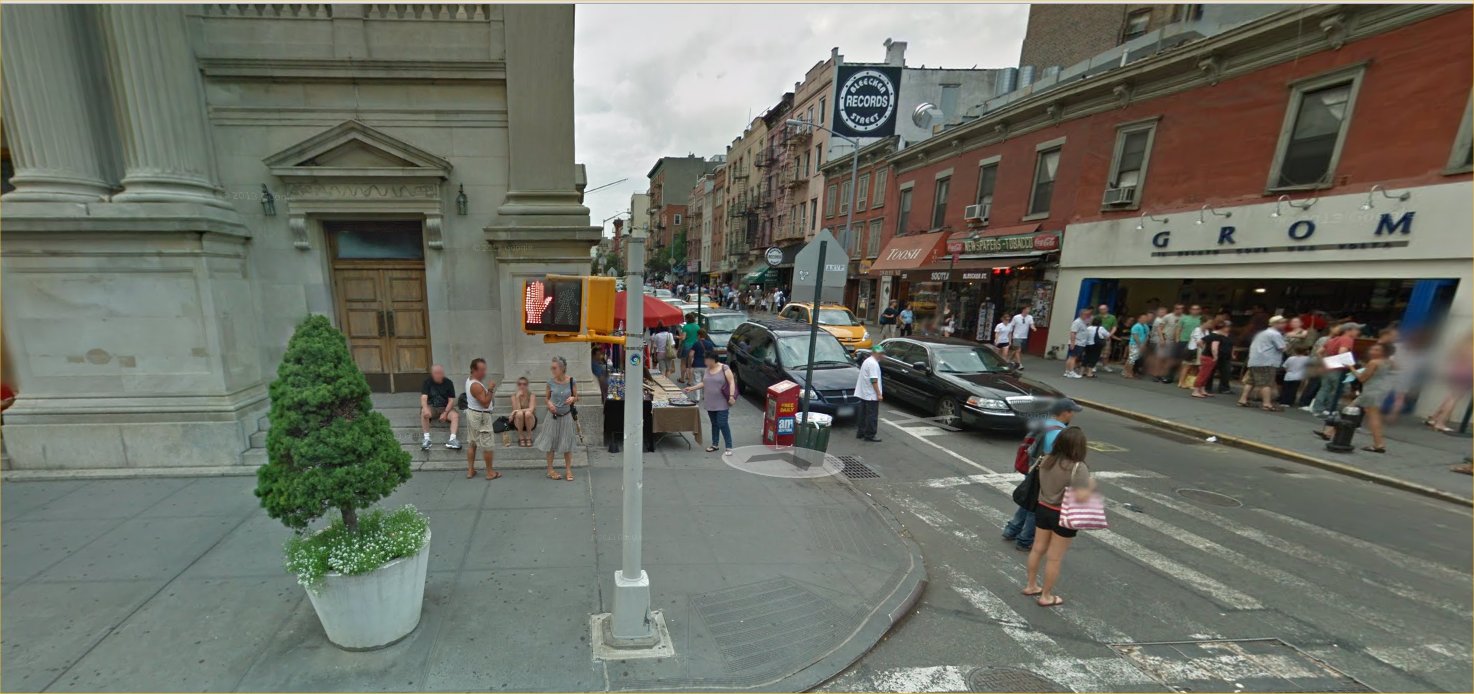
241 Bleecker Street

The same view as of 2014, Google Street View
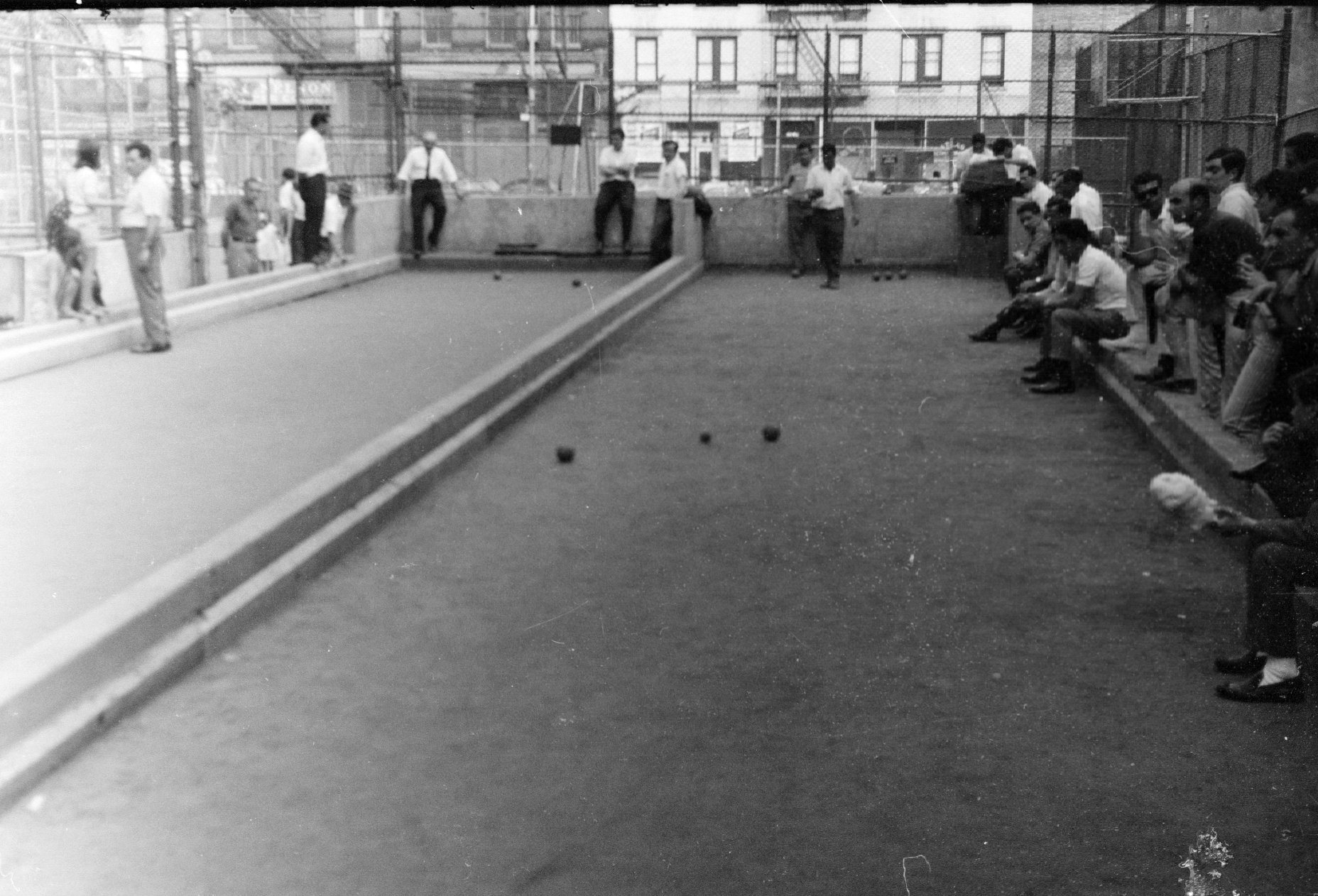
New York - Bocce Court

Common street scene in Greenwich Village – the bocce court
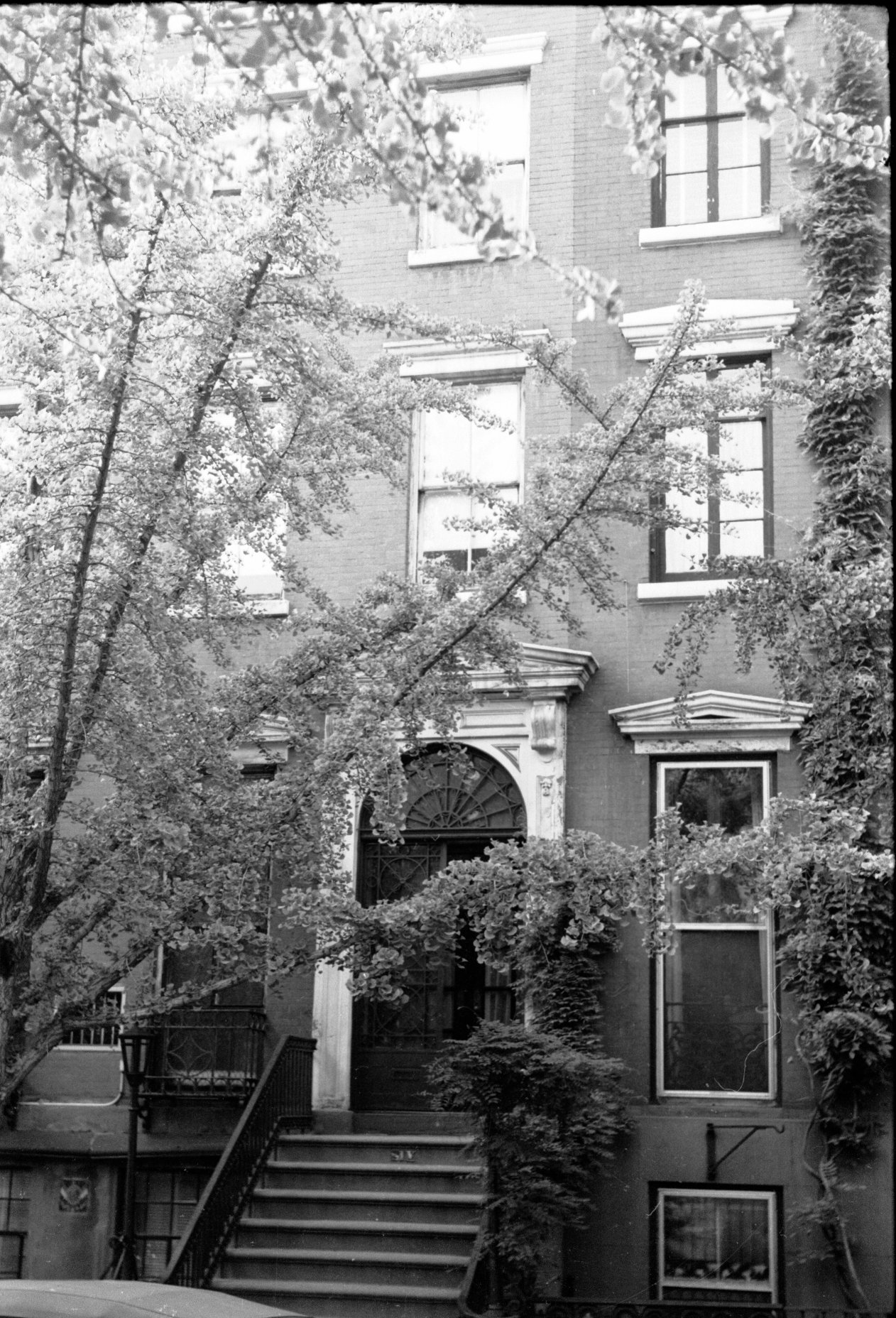
New York - Brownstone

New York Brownstone

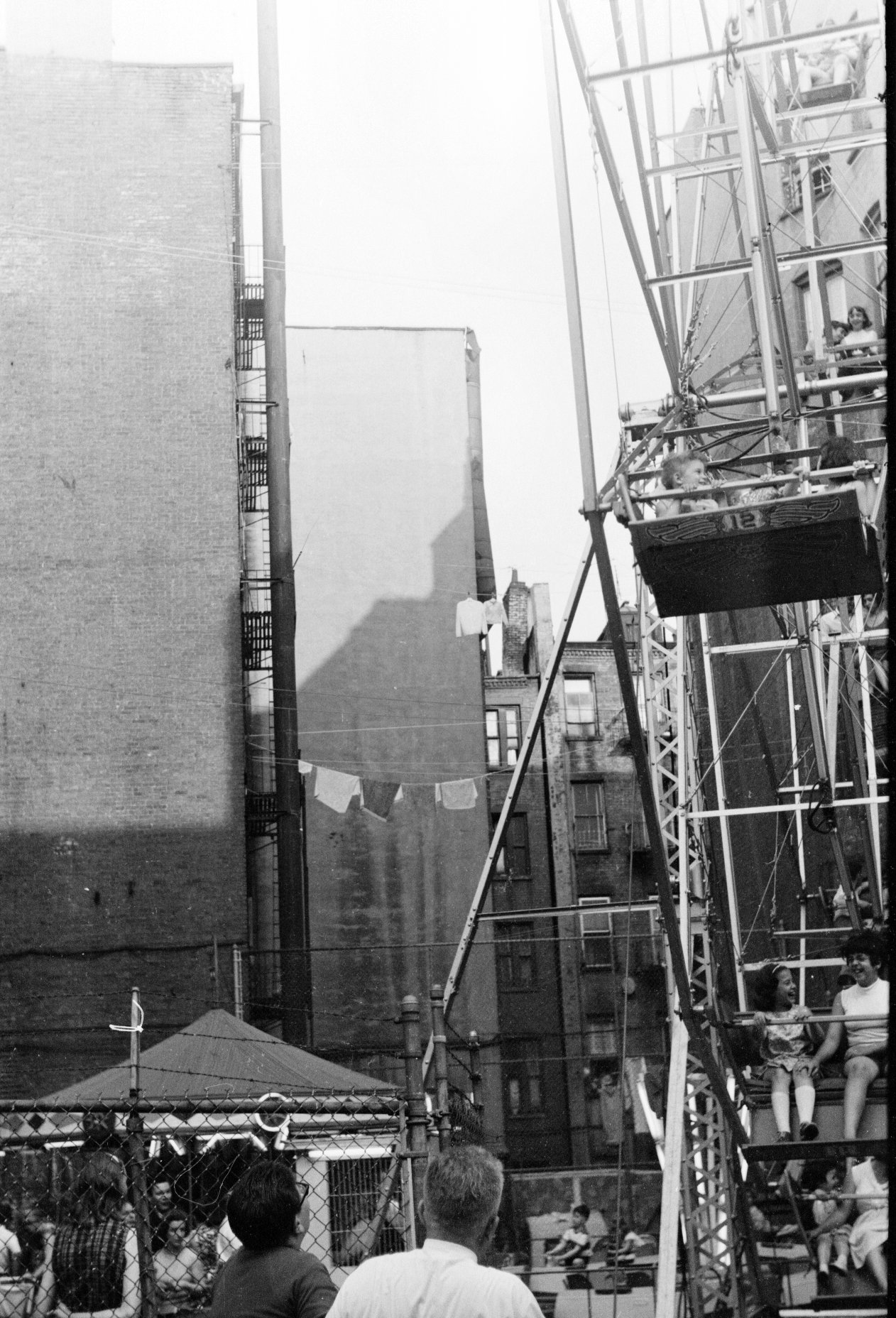
New York - Ferris Wheel


Local traveling carnival

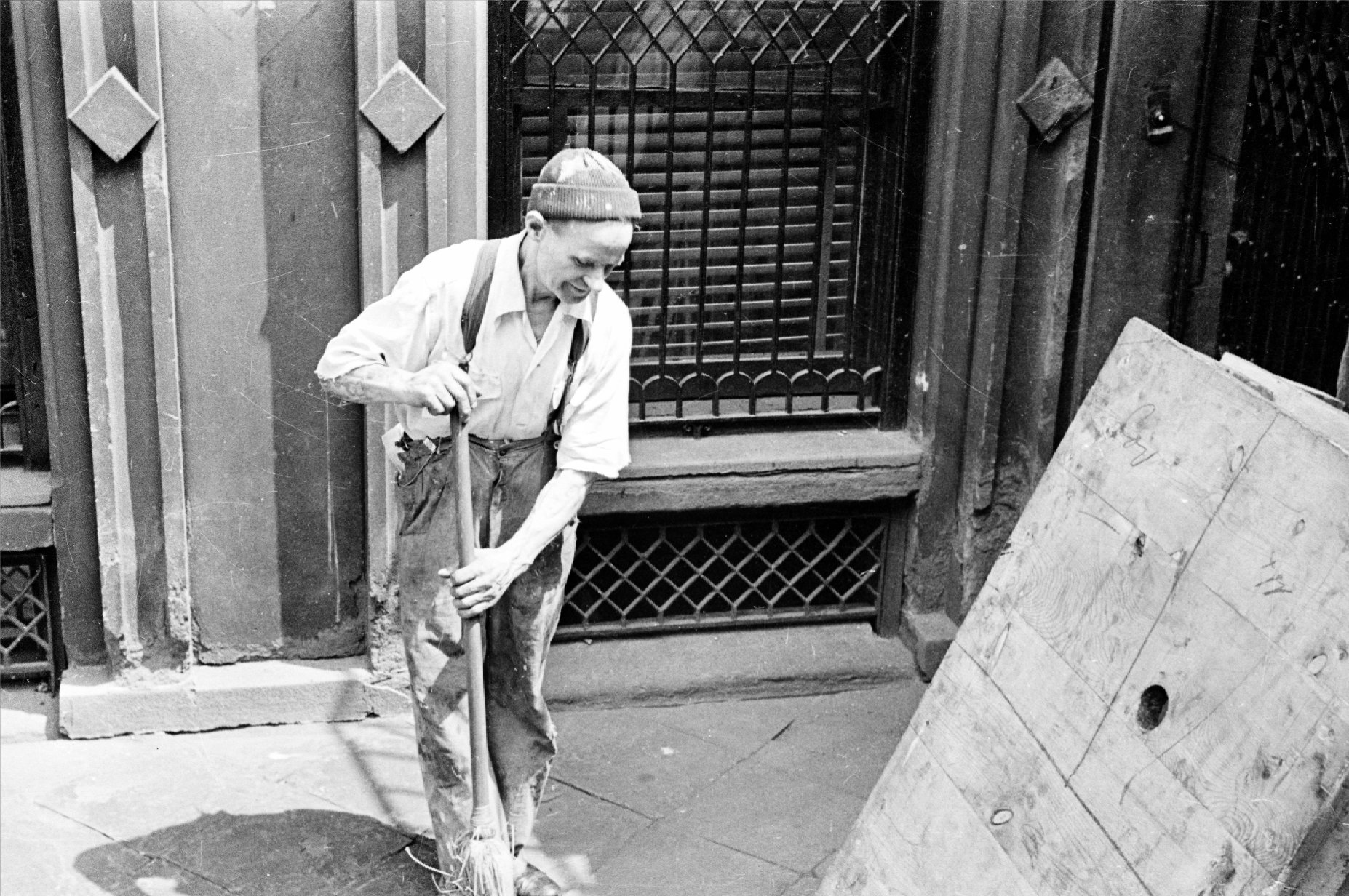
New York Sweeper 5


Janitor caring for a small courtyard.
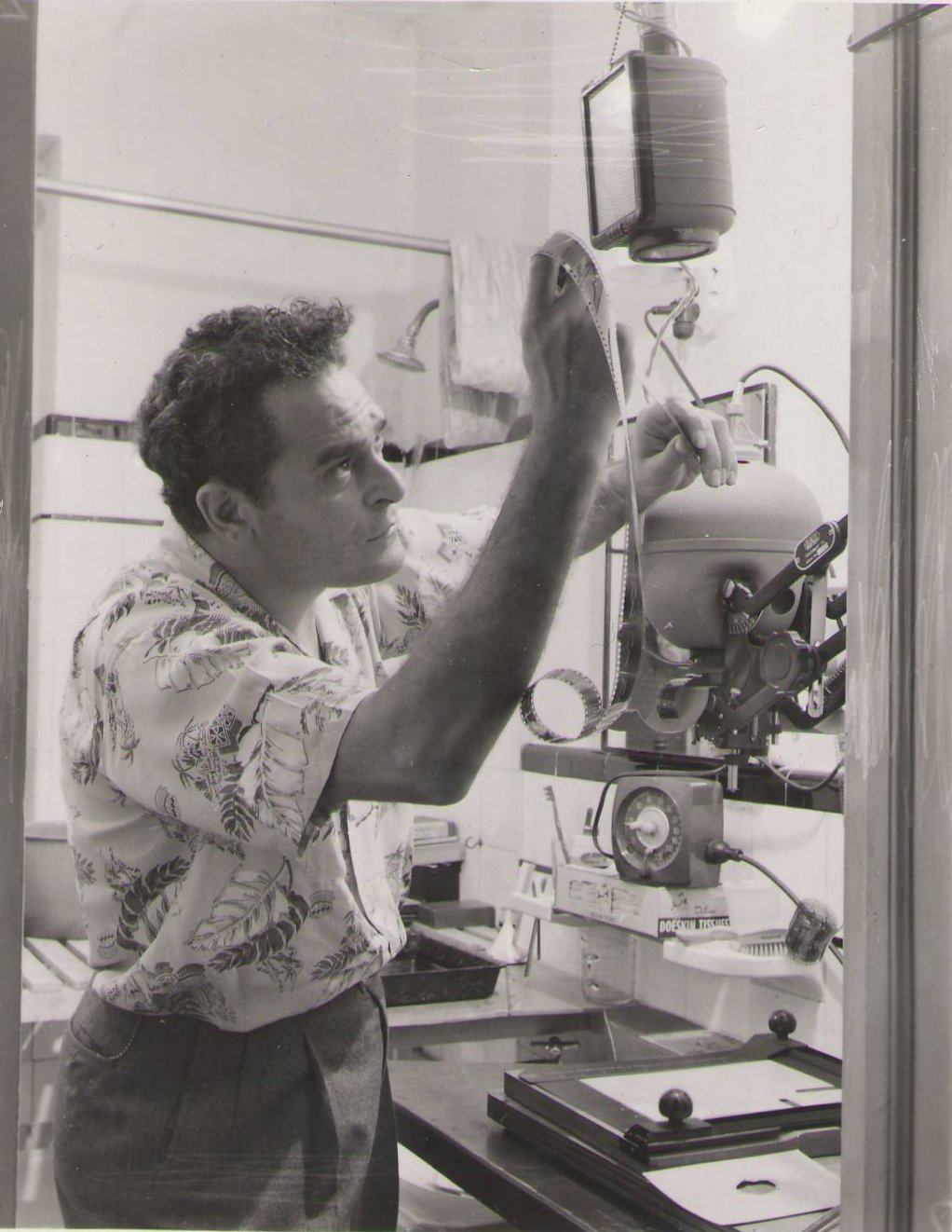
Joe Darkroom


Dad in his “darkroom.”

The Old Wolf has spoken.
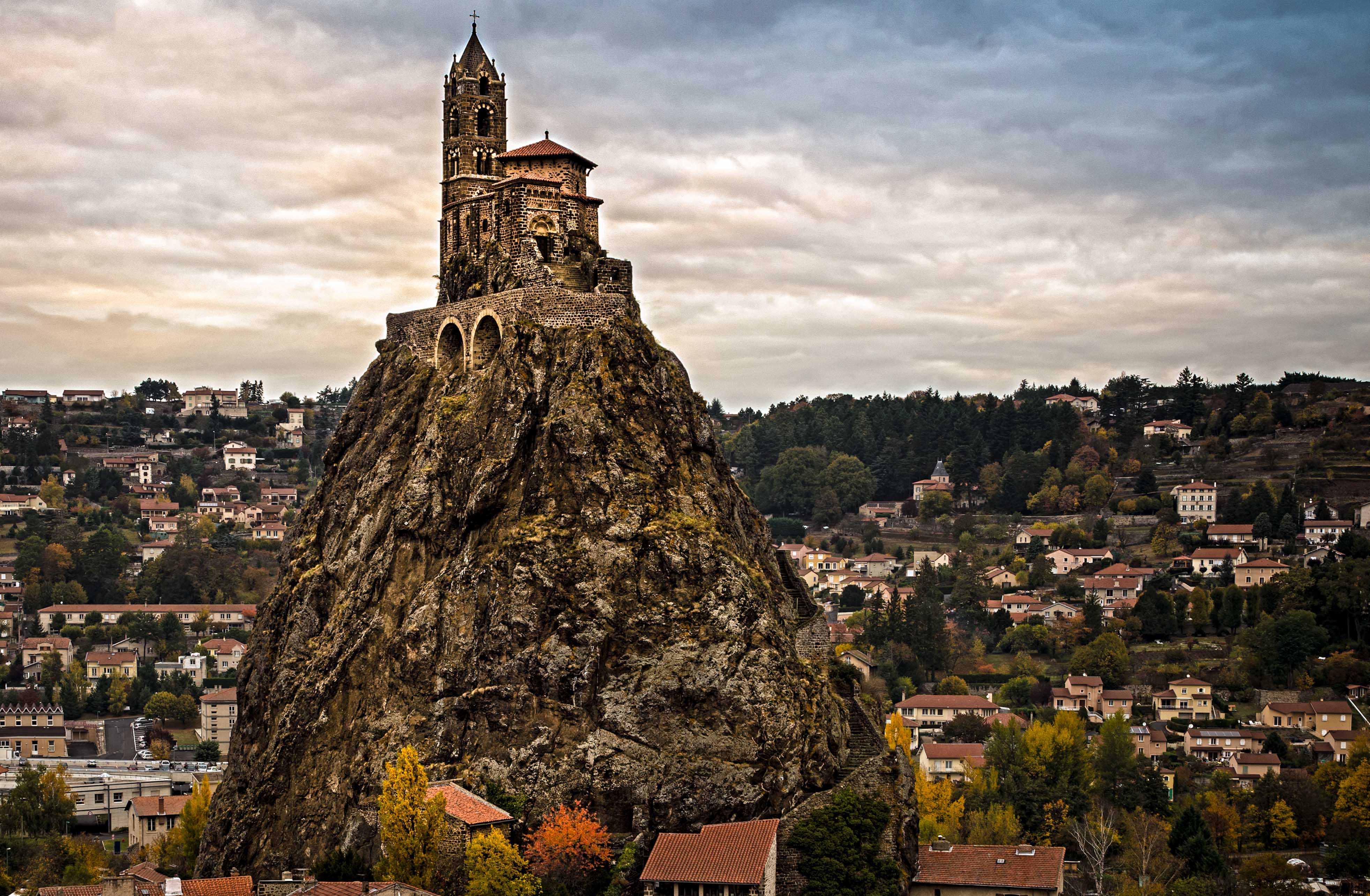
Saint Michel d’Aiguilhe, France

dsc_3903-edit-edit

Click for a full-size version

I happen to be a dyed-in-the-wool francophile; how in the world did I ever miss knowing about this stunning accomplishment?

From Wikipedia:

Saint-Michel d’Aiguilhe is a chapel in Aiguilhe, near Le Puy-en-Velay, France, built in 962 on a volcanic formation 85 metres (279 ft) high. The chapel is reached by 268 steps carved into the rock. It was built to celebrate the return from the pilgrimage of Saint James. In 1429, the mother of Joan of Arc, Isabelle Romée, was said to have come to the site to pray.

I would love to visit this chapel some day.

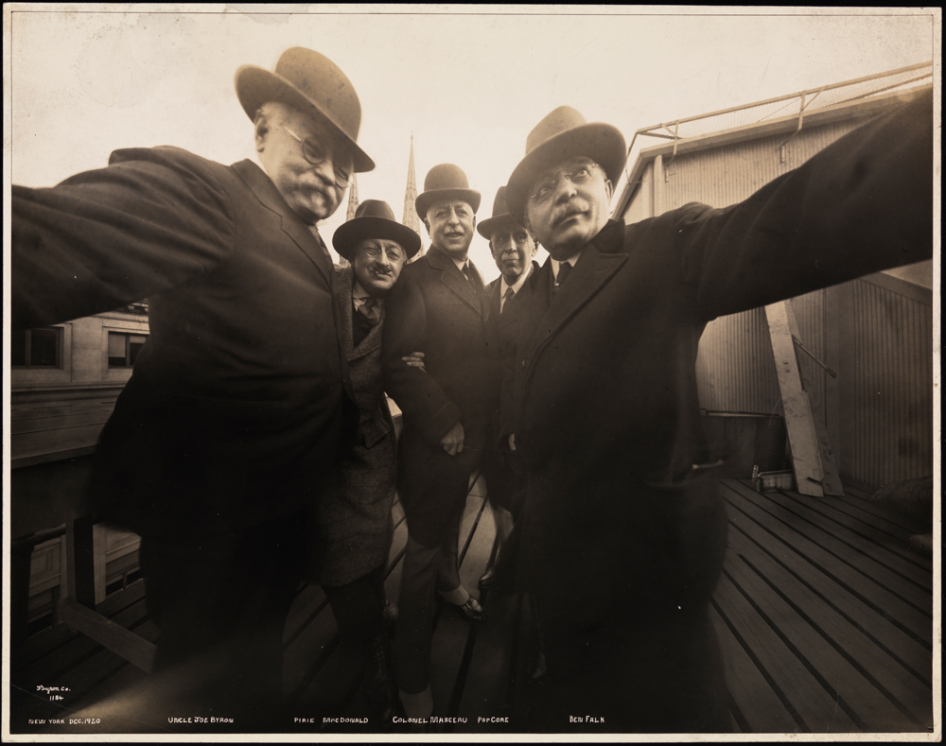
Selfie, 1920 Version.

One of the earliest selfies, taken by principals of the Byron Company, in 1920.

mny65379

Byron Company:  Uncle Joe Byron, Pirie MacDonald, Colonel Marceau, Pop Core, Ben Falk-New York, 1920. Museum of the City of New York.

How the photo was taken:

mny65382

Byron Company, Side view of Byron Co. photographers posing together for a photograph on the roof of Marceau’s Studio, 1920. Museum of the City of New York

More information can be found at the Museum of the City of New York.

The Old Wolf has spoken.
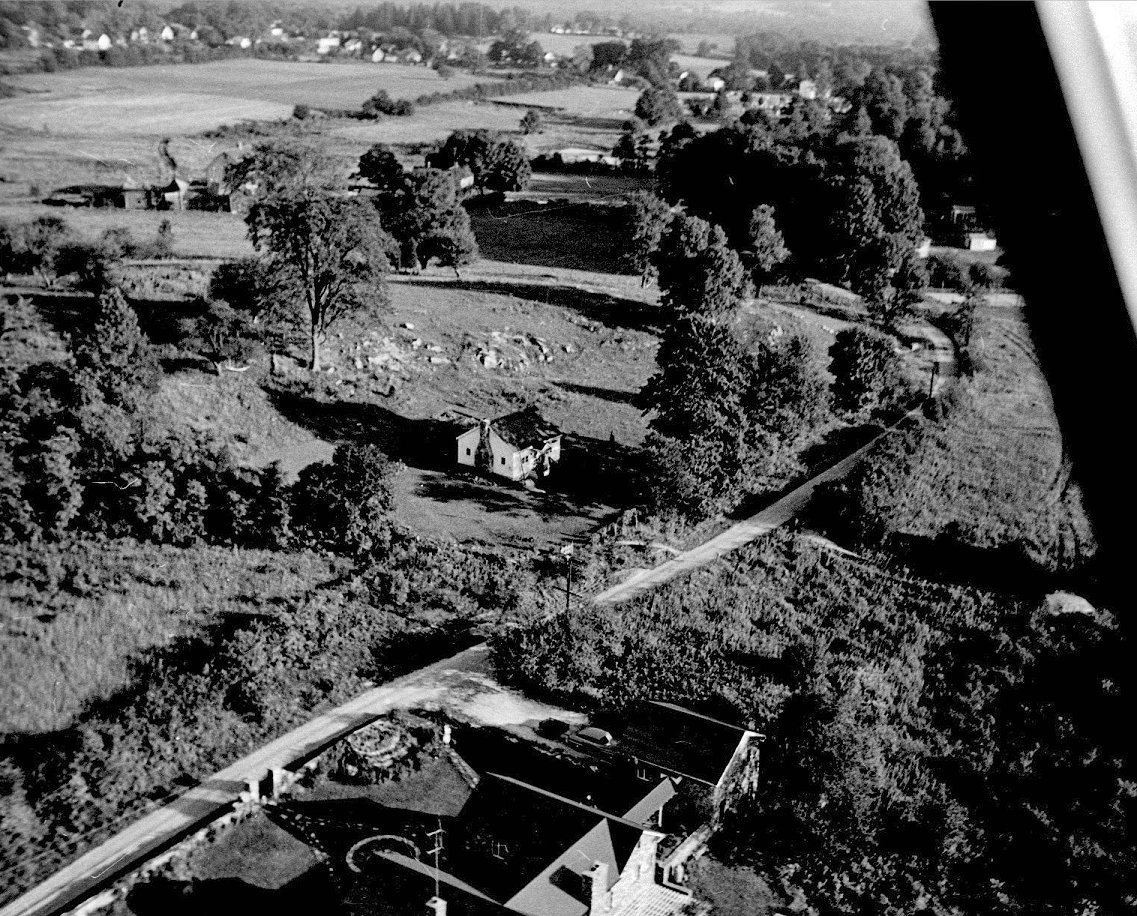
Le Robinson Resort from the air.

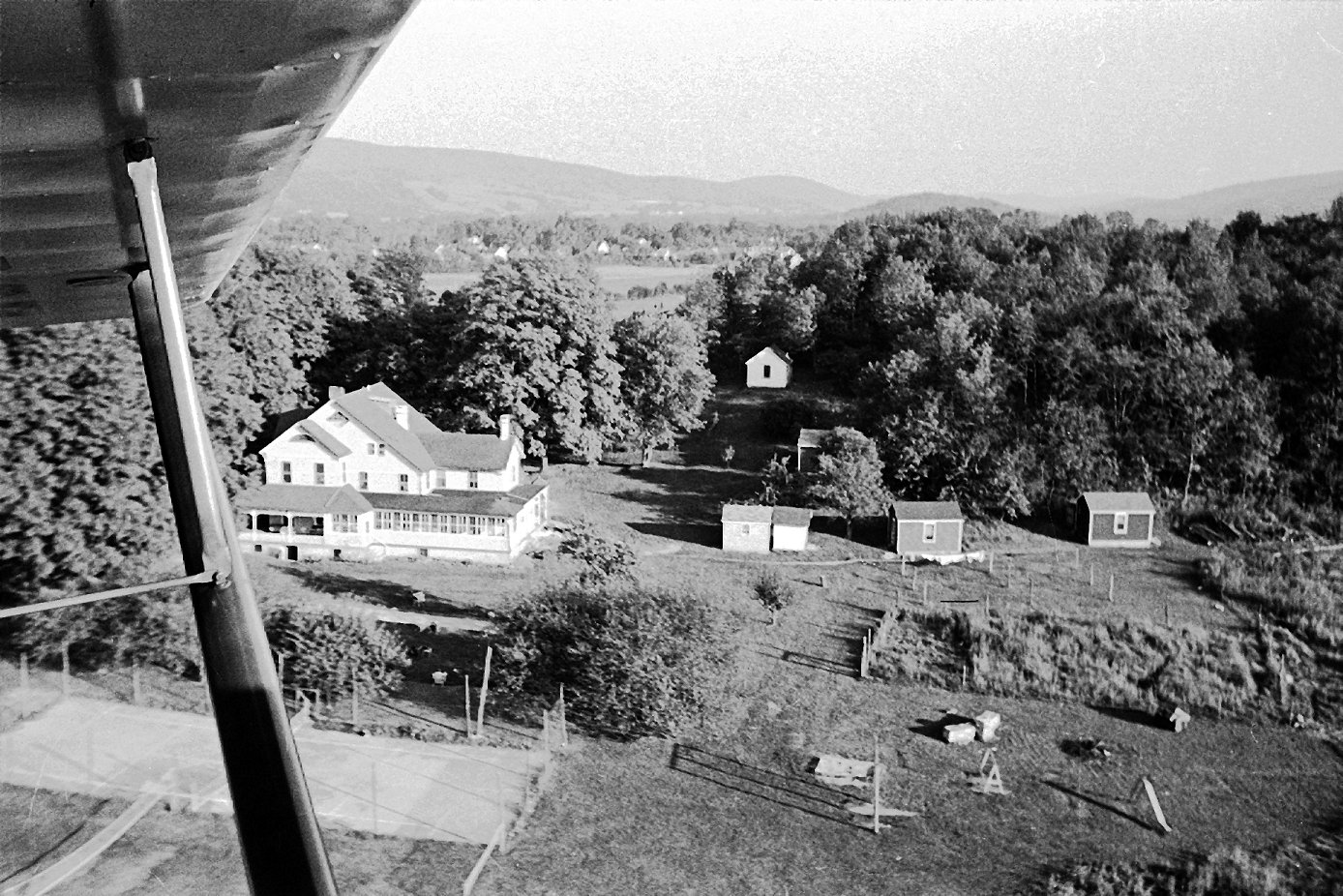
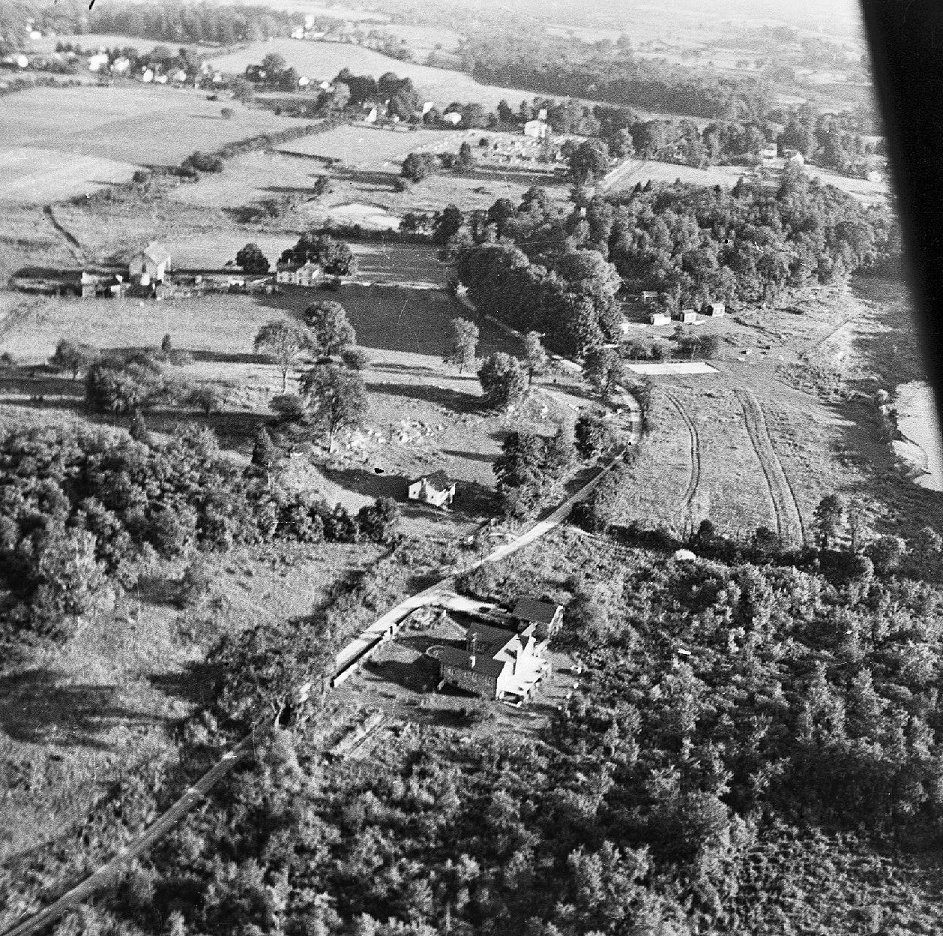
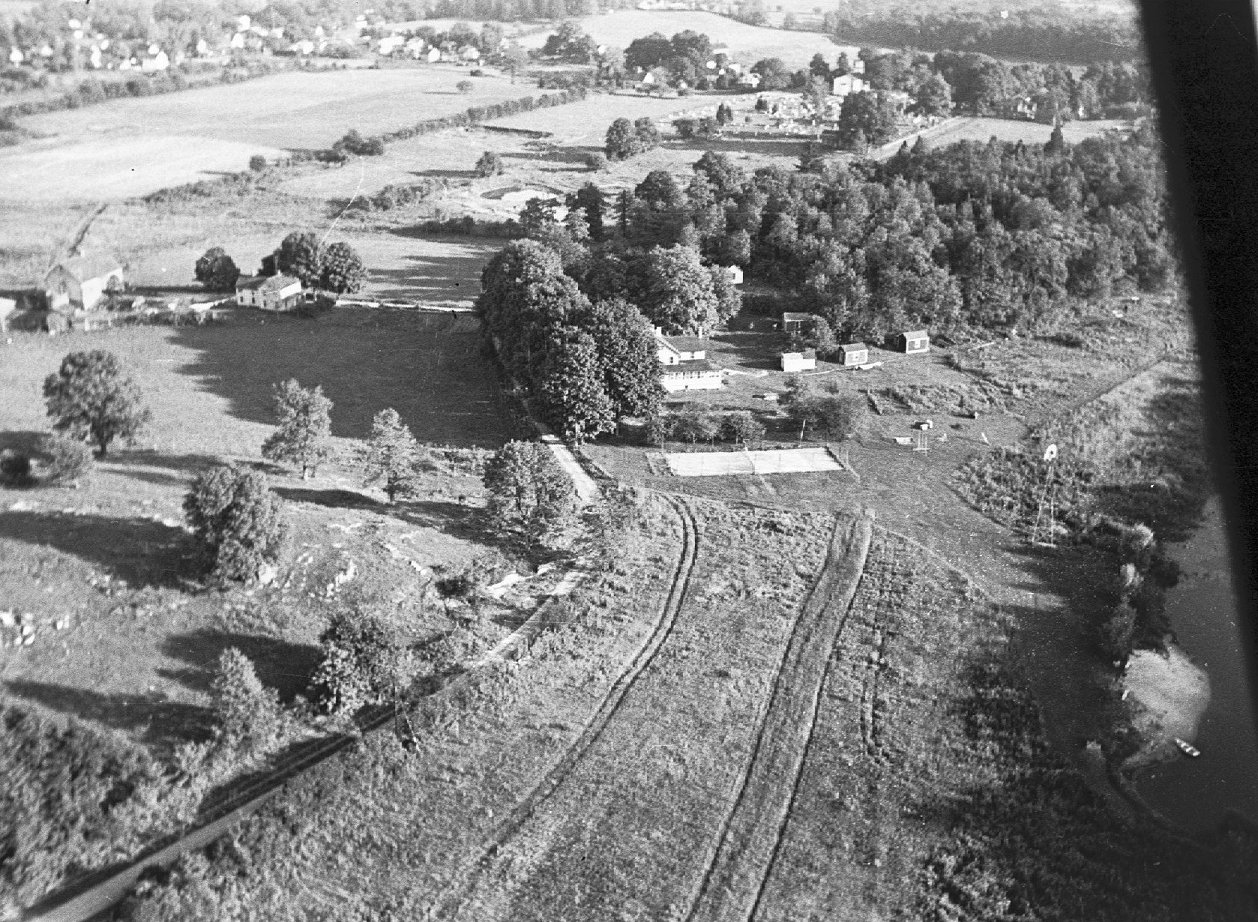
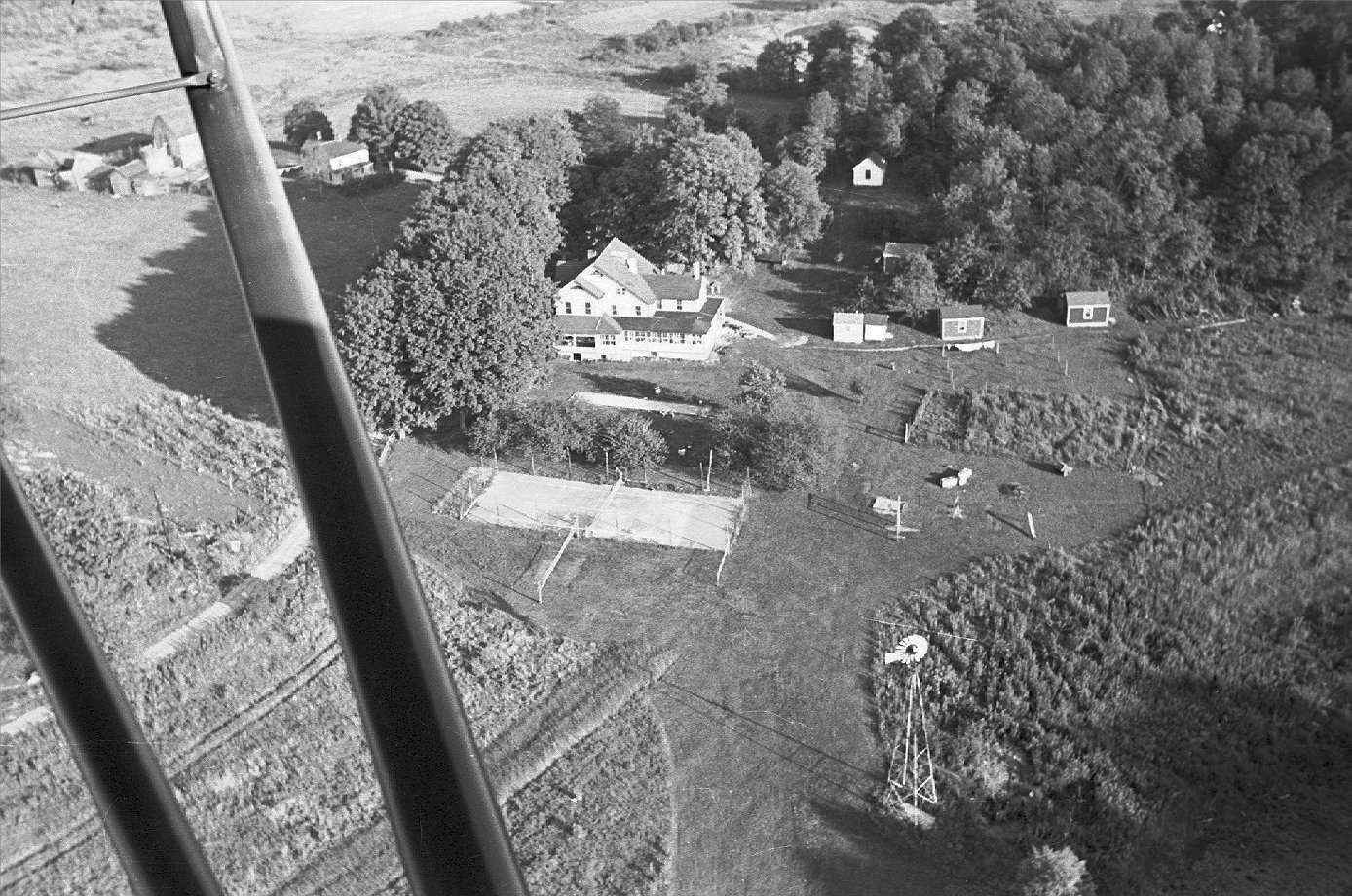
Previously I wrote about Le Robinson, a resort in Patterson, NY just north of New York City. It was owned by my father’s first wife, Miriam, and her second husband, André Lavielle.

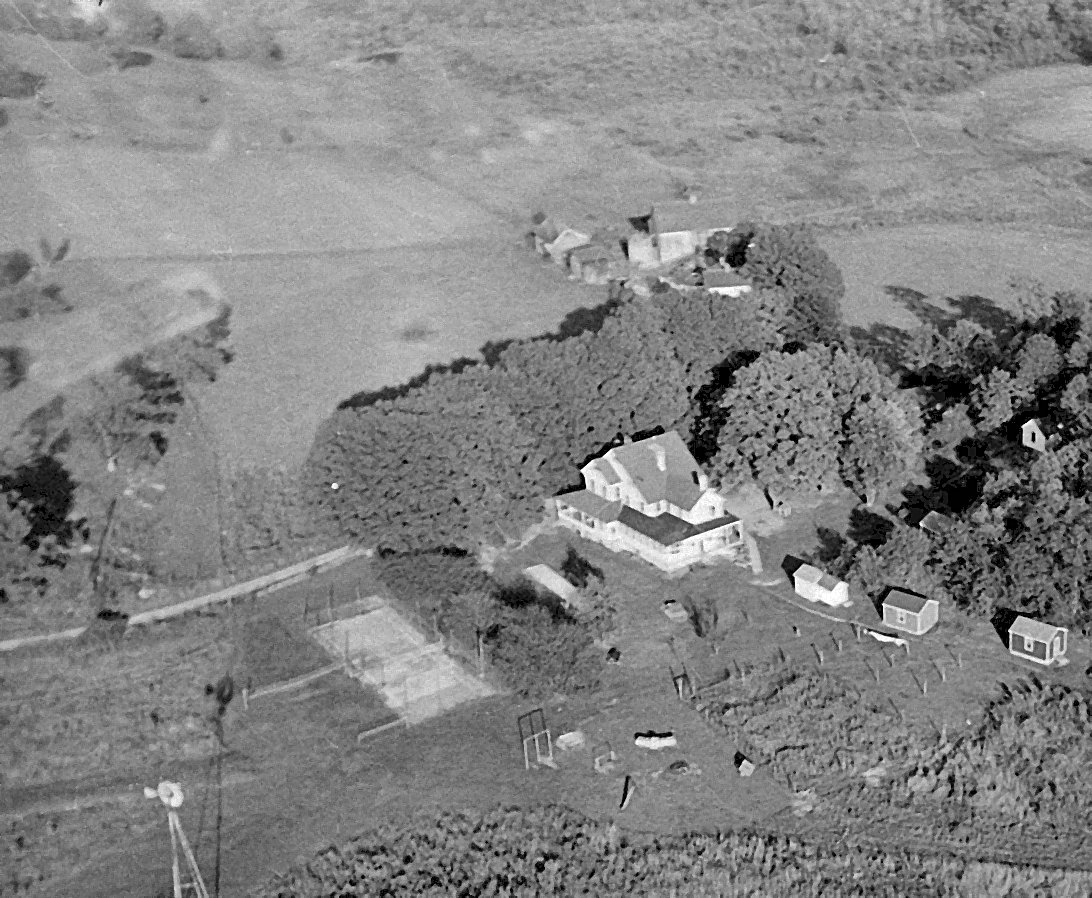
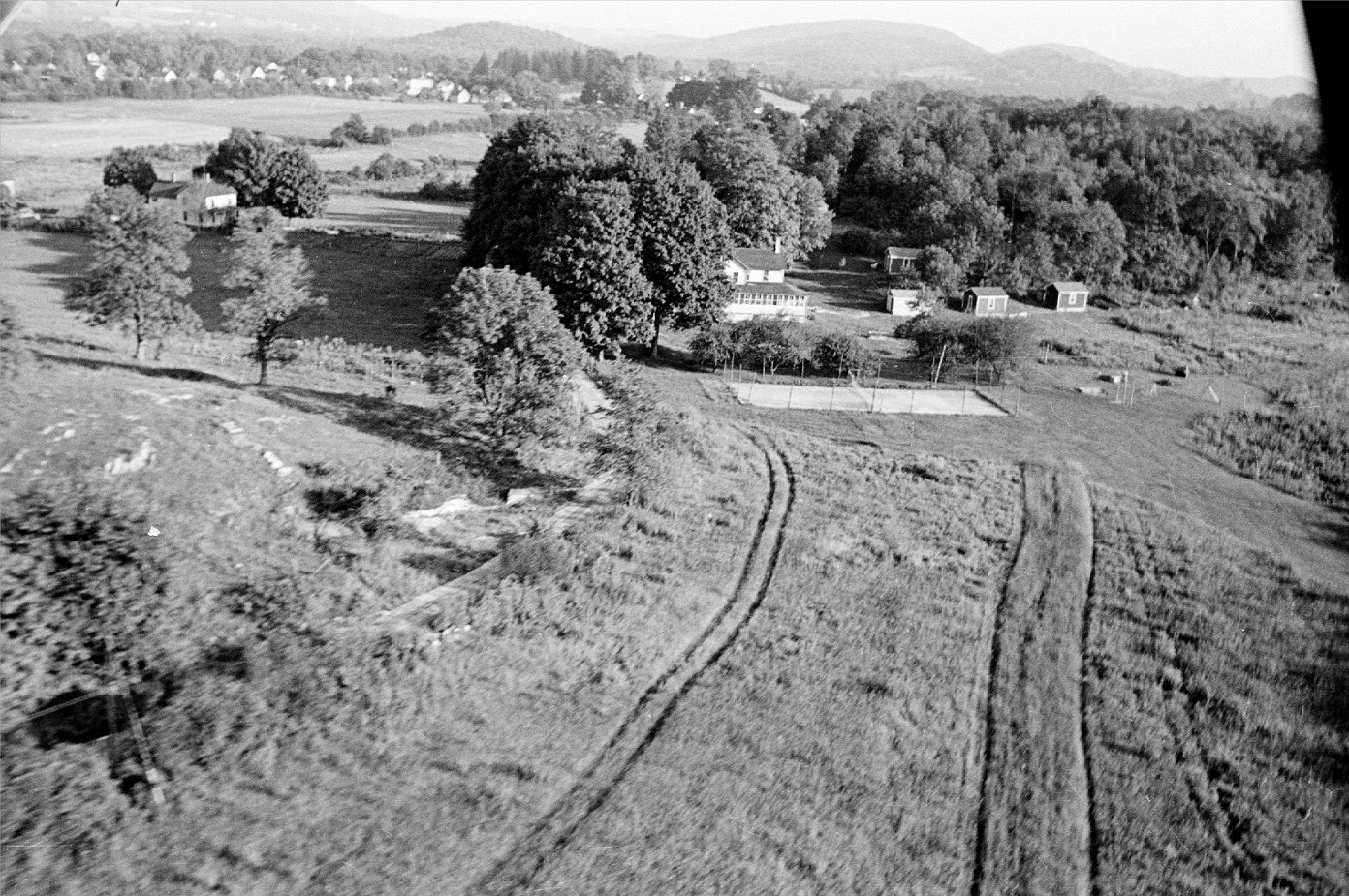
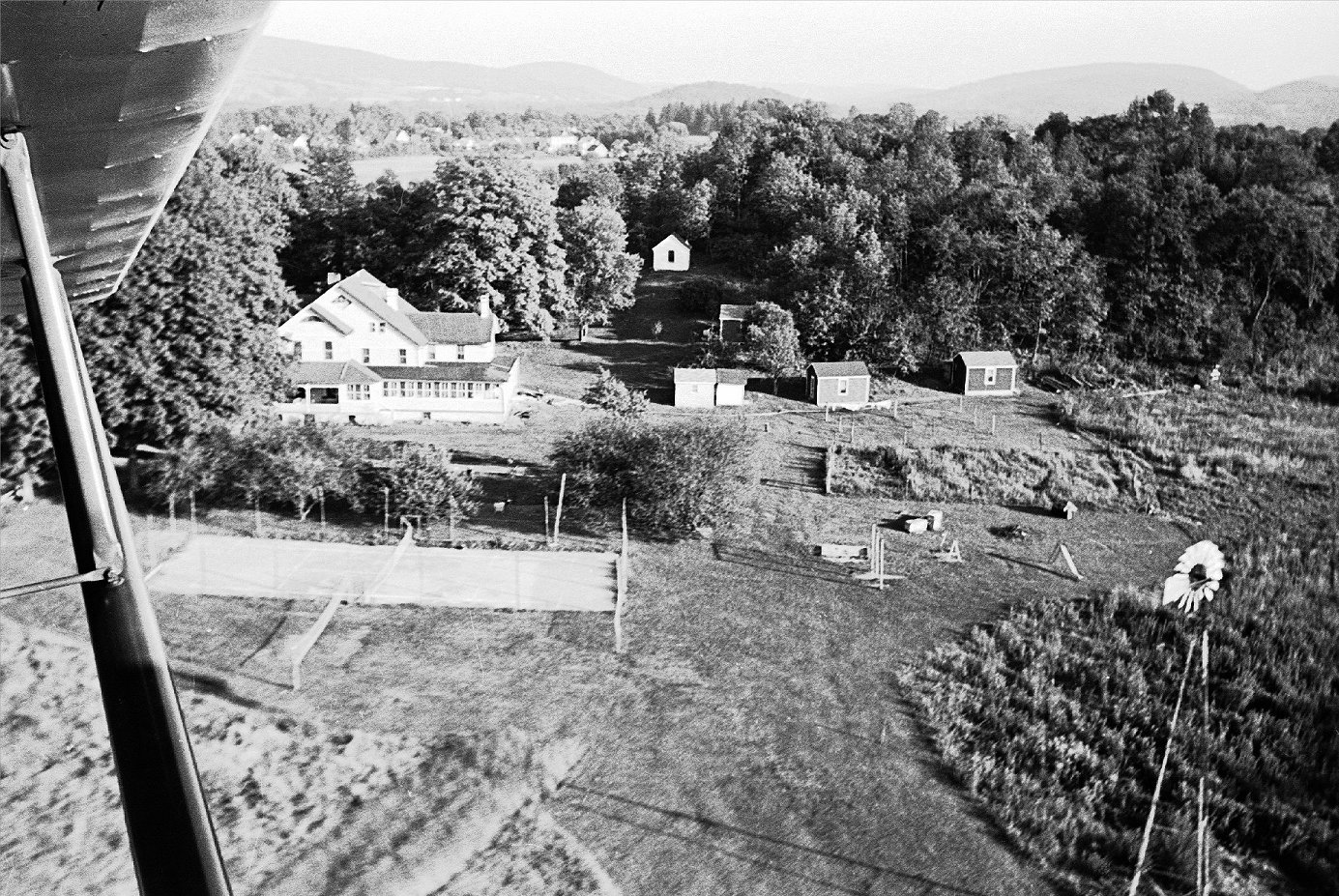
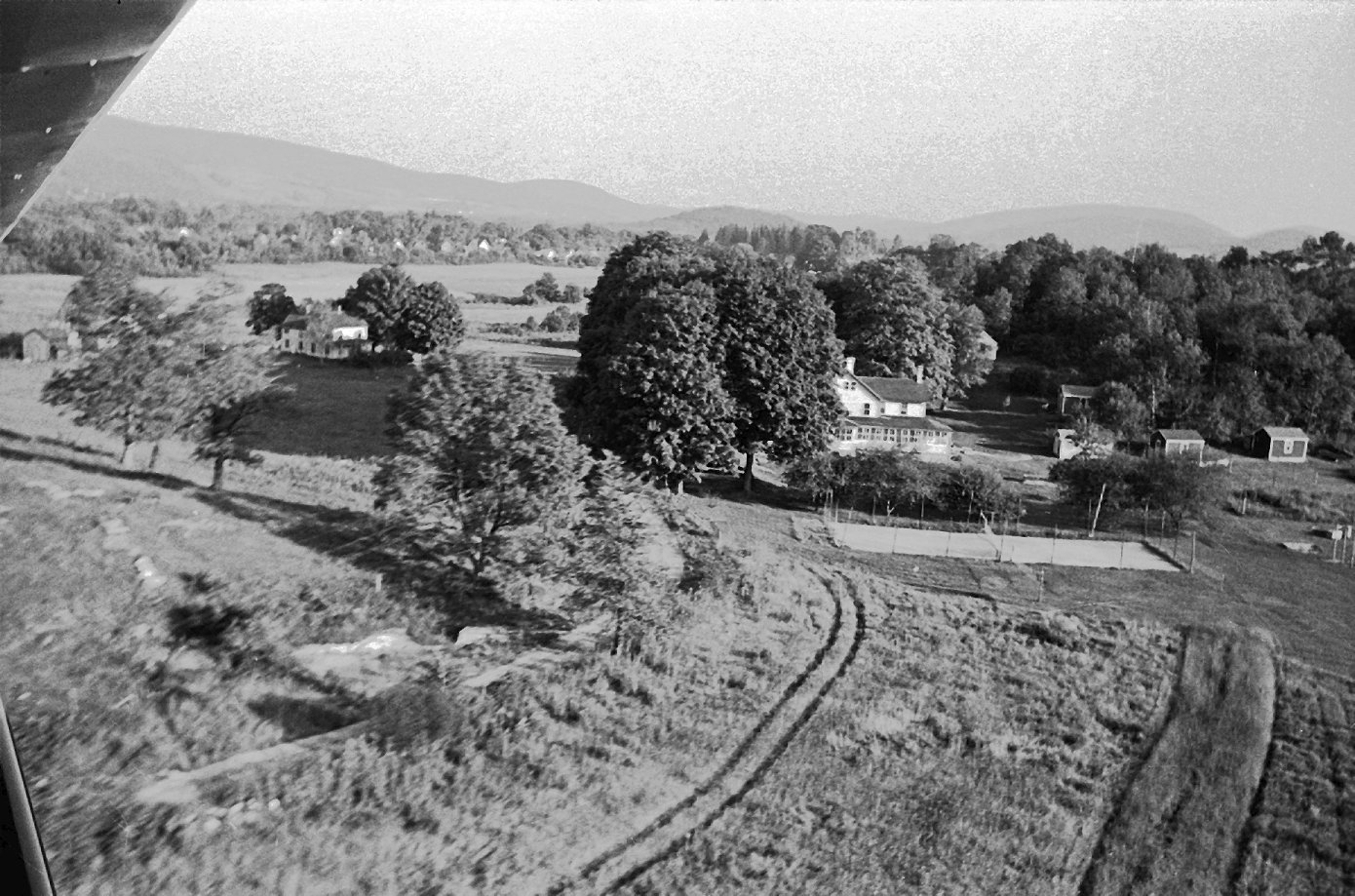
Recently I’ve been scanning a collection of slides and negatives that I inherited from my father, and encountered some shots of the resort taken from the air. My dad was an amateur pilot, among other things, and these are some pictures he took on one of his flights. They make an interesting addition to the history of the locale.

Le Robinson from the air 1

Le Robinson, showing the main house that burned, as well as the cottages. Visible are the tennis court and the bocce court to its right.

 Le Robinson from the air 8

Le Robinson from the air 7

Le Robinson from the air 6

Le Robinson from the air 5

Le Robinson from the air 4

Le Robinson from the air 3

The beginning of the pond can be seen at right.

Le Robinson from the air 2

Le Robinson from the air 9

It’s too bad the career of Le Robinson was cut short by the fire, but time was moving on and the popularity of these resorts was waning. I’m just glad the land was preserved and serves a useful community function.

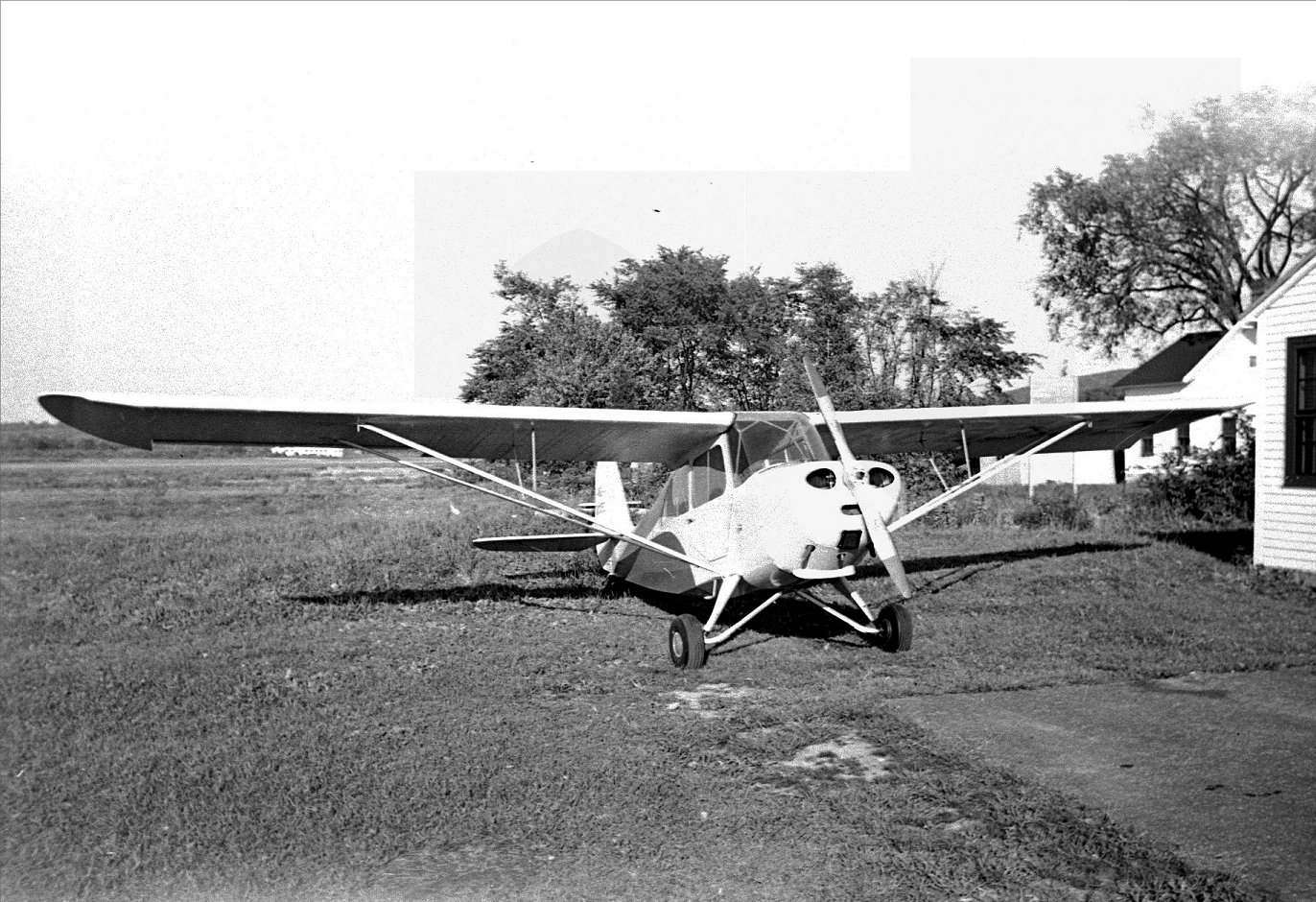
Airplane (Le Robinson Flight)

For your gratuitous enjoyment, here’s a shot of the plane that these pictures were taken from. According to Miriam’s son David, Joe had rented this plane at Danbury airport to fly around the farm. He was almost shot down by the previous owner of Le Robinson, who had been fined $1,000 (a princely sum in that day) for jacklighting deer using lights and salt. Apparently he thought my dad was the game warden and was going to shoot him down for revenge.

The Old Wolf has spoken.
Chaplin in the air

sOfpVz3

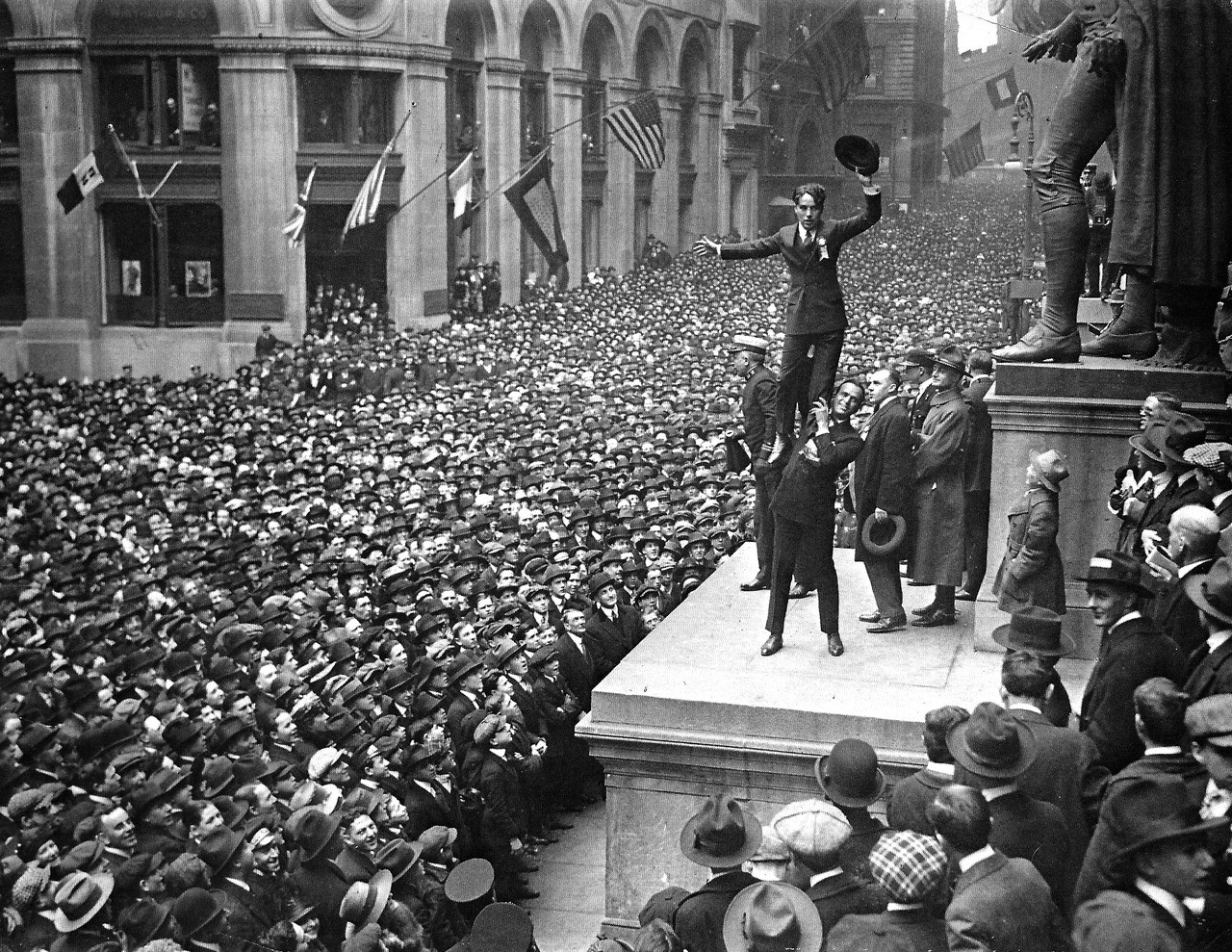
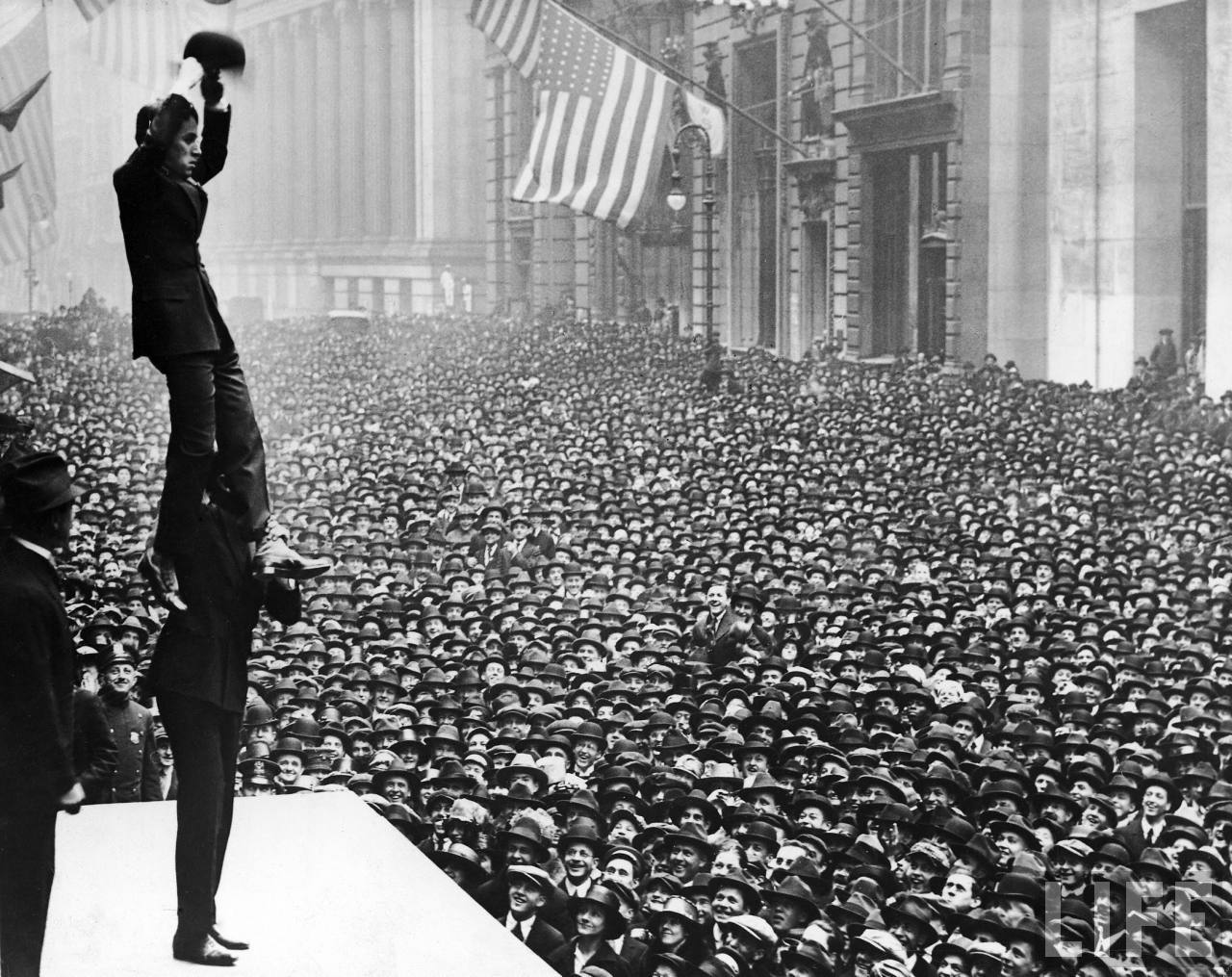
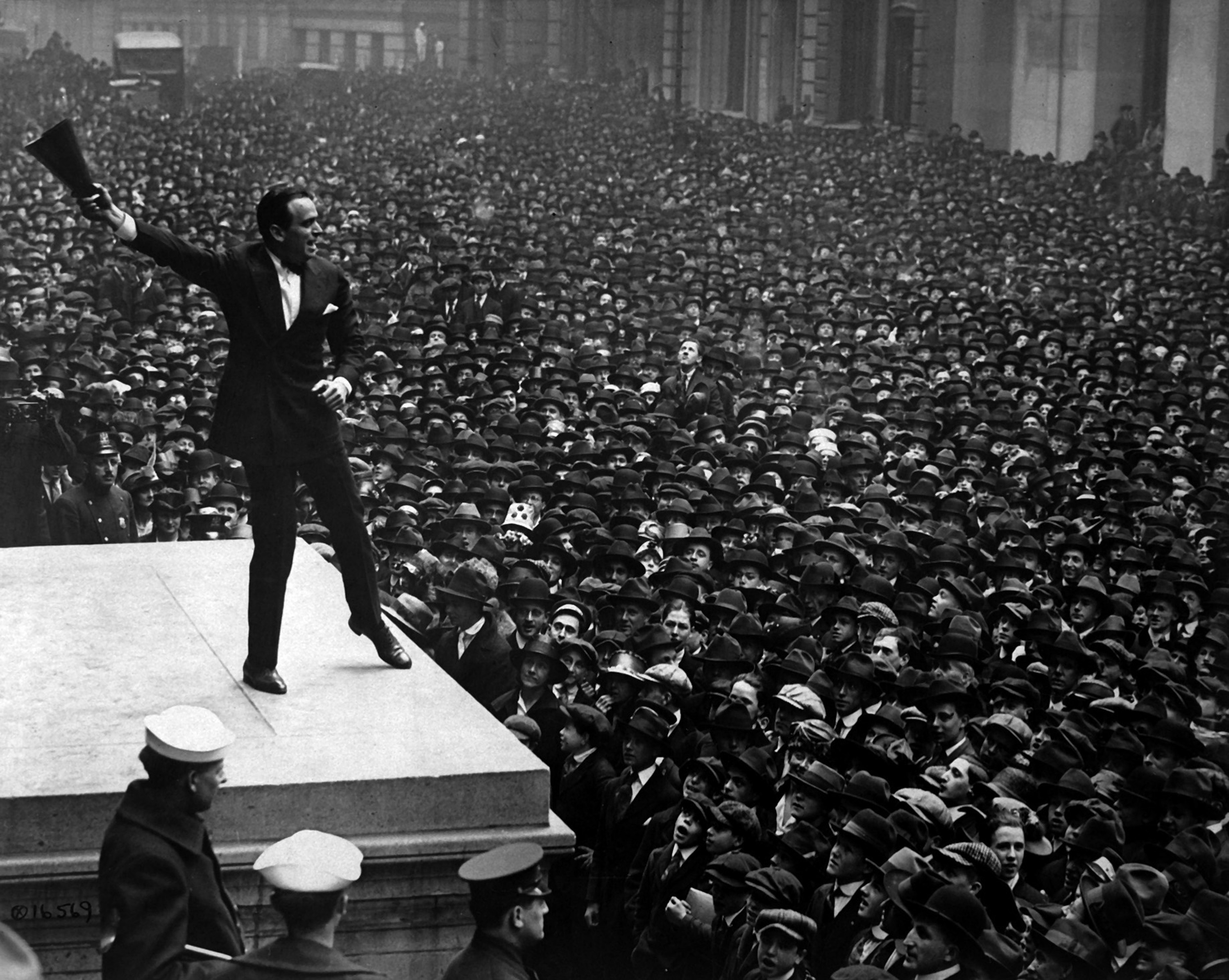
Charlie Chaplin in New York,  appearing with Douglas Fairbanks, Sr. during WWI. They were promoting war bonds for Third Liberty Loan. Photo taken in April, 1918 in front of the Sub-treasury building.

j4YyupW

Another view.

WAR & CONFLICT BOOK ERA:  WORLD WAR I/PATRIOTISM

Fairbanks addresses the crowd.

Some comments over at reddit are worth noting:

  • The respect. No policemen, no crowd control, everyone keeping a respectful distance.
  • The hats. Almost everyone was wearing hats. The wearing of hats was largely abandoned in the 1960s; some have hypothesized that the explosion of the automobile made wearing hats for protection from the elements less necessary.
  • The crowd is overwhelmingly men. Women just did not go out as much at the beginning of the 2oth Century. It was truly a man’s world.
  • The crowd is overwhelmingly white. That was our country in 1918.

An intriguing glimpse of a tiny slice of history that I had never seen before.

The Old Wolf has spoken.
Plexiglass Pontiac, 1939

I’ve posted pictures from World’s Fairs before; you can see some taken by my uncle (go ndéanai Día trocaire air) of the 1939 exhibition.

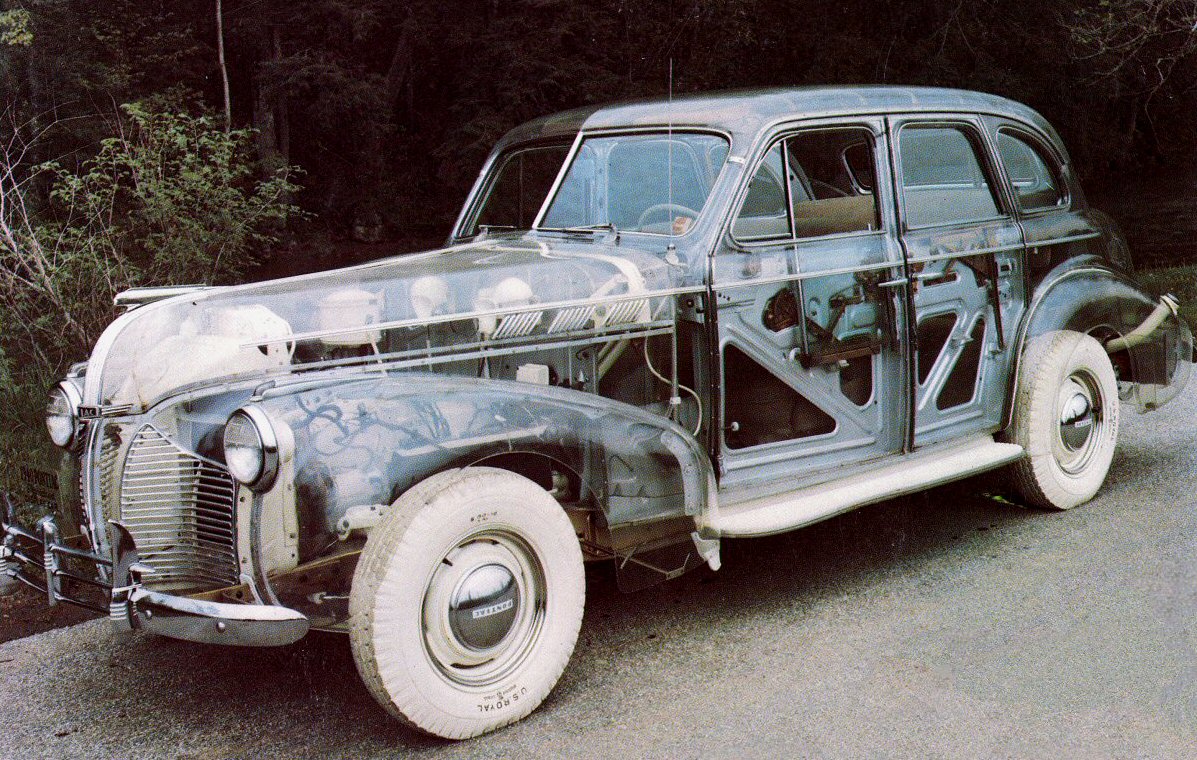
The plexiglass Pontiac “Ghost Car” was proudly exhibited at the General Motors Highways and Horizons pavilion; it was built on the chassis of a 1939 Pontiac Deluxe Six. It was a collaborative effort with Rohm & Haas, the developers of plexiglass. It is the only one ever built in the United States.

a62eDwn


You can see a whole raft of additional superb photos at Twisted Sifter.

The see-through sedan was sold at RM Auctions’ St. John’s auction in Michigan on July 30, 2011, for $308,000.

What a lovely piece of memorabilia.

The Old Wolf has spoken.
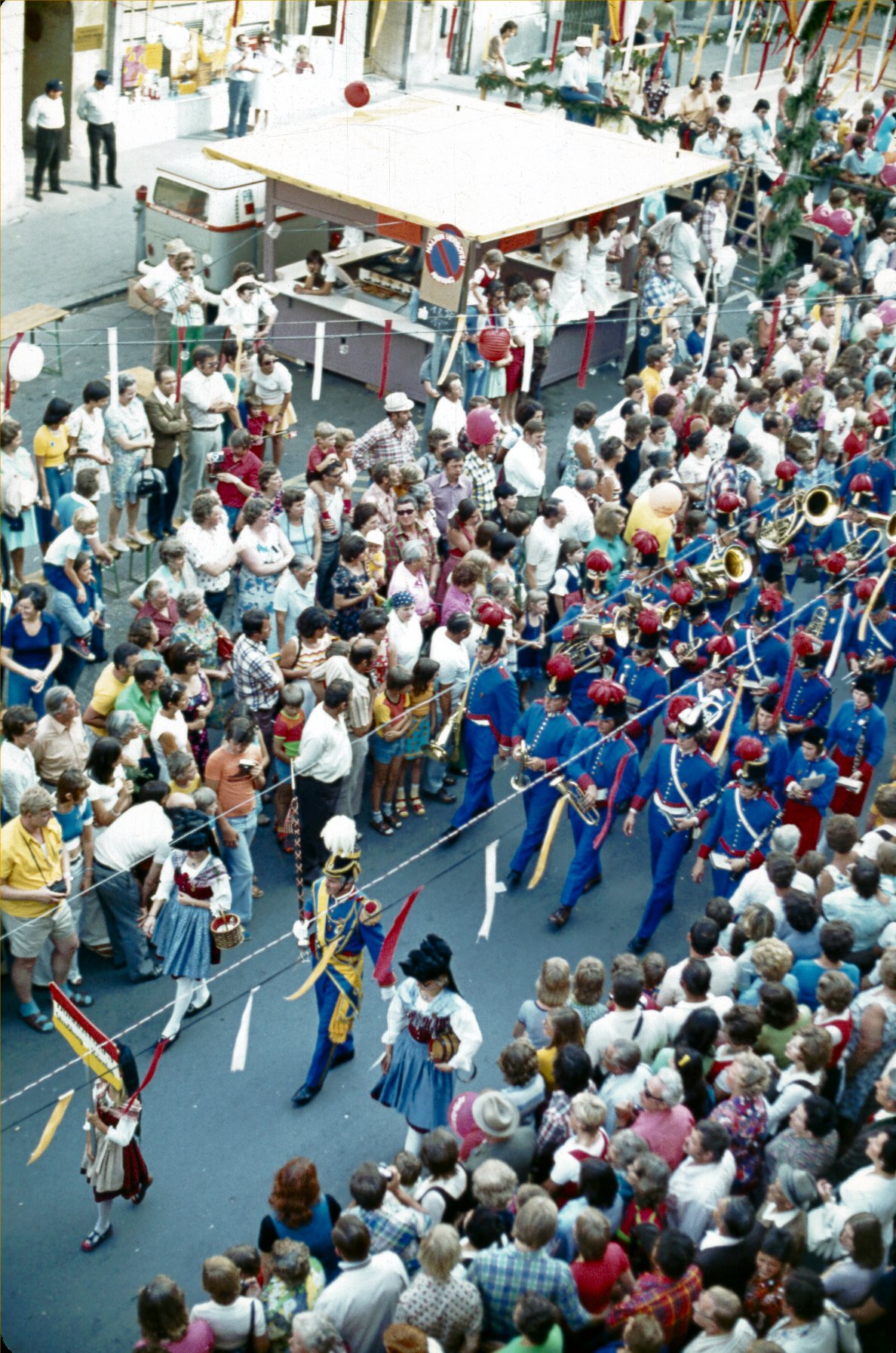
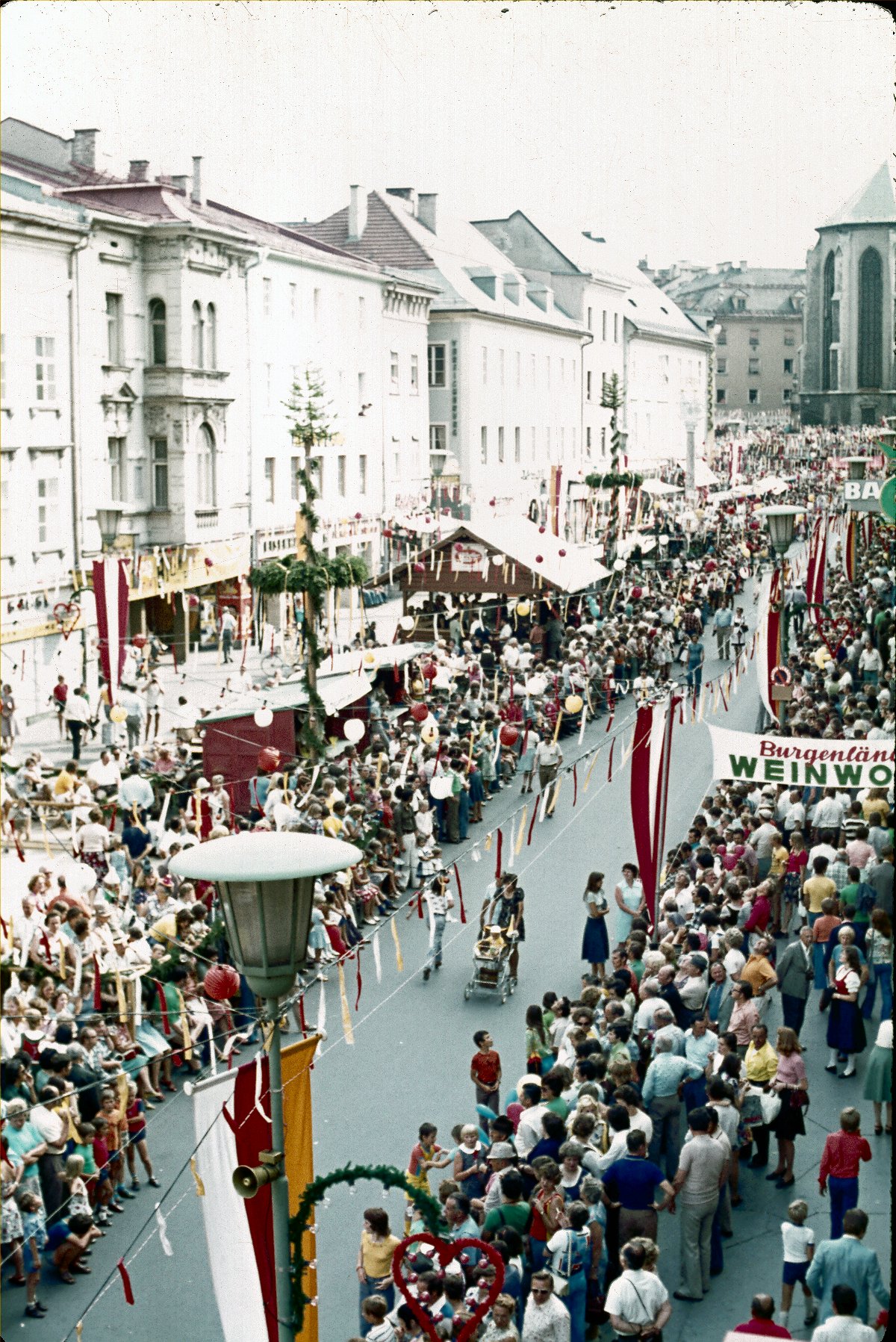
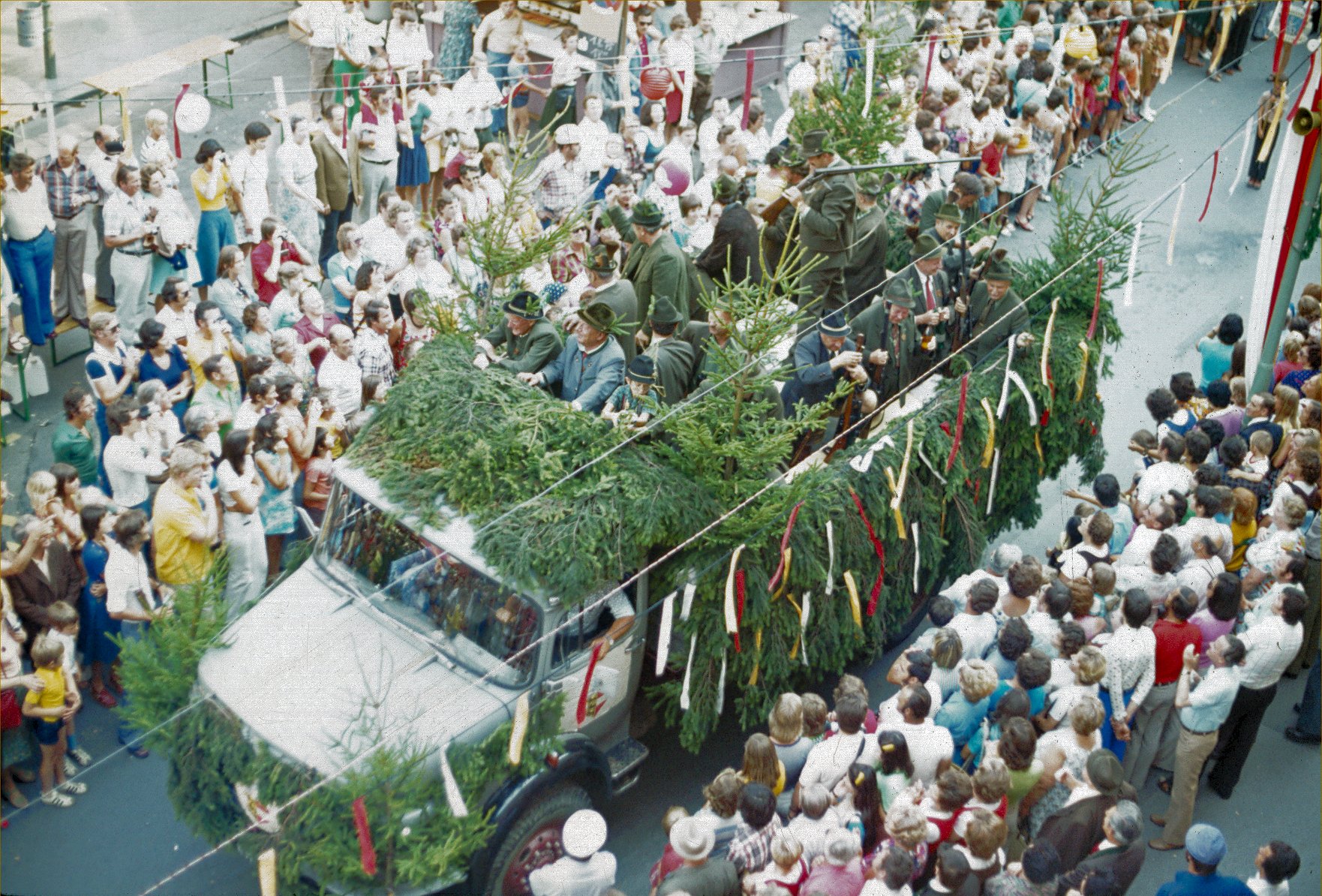
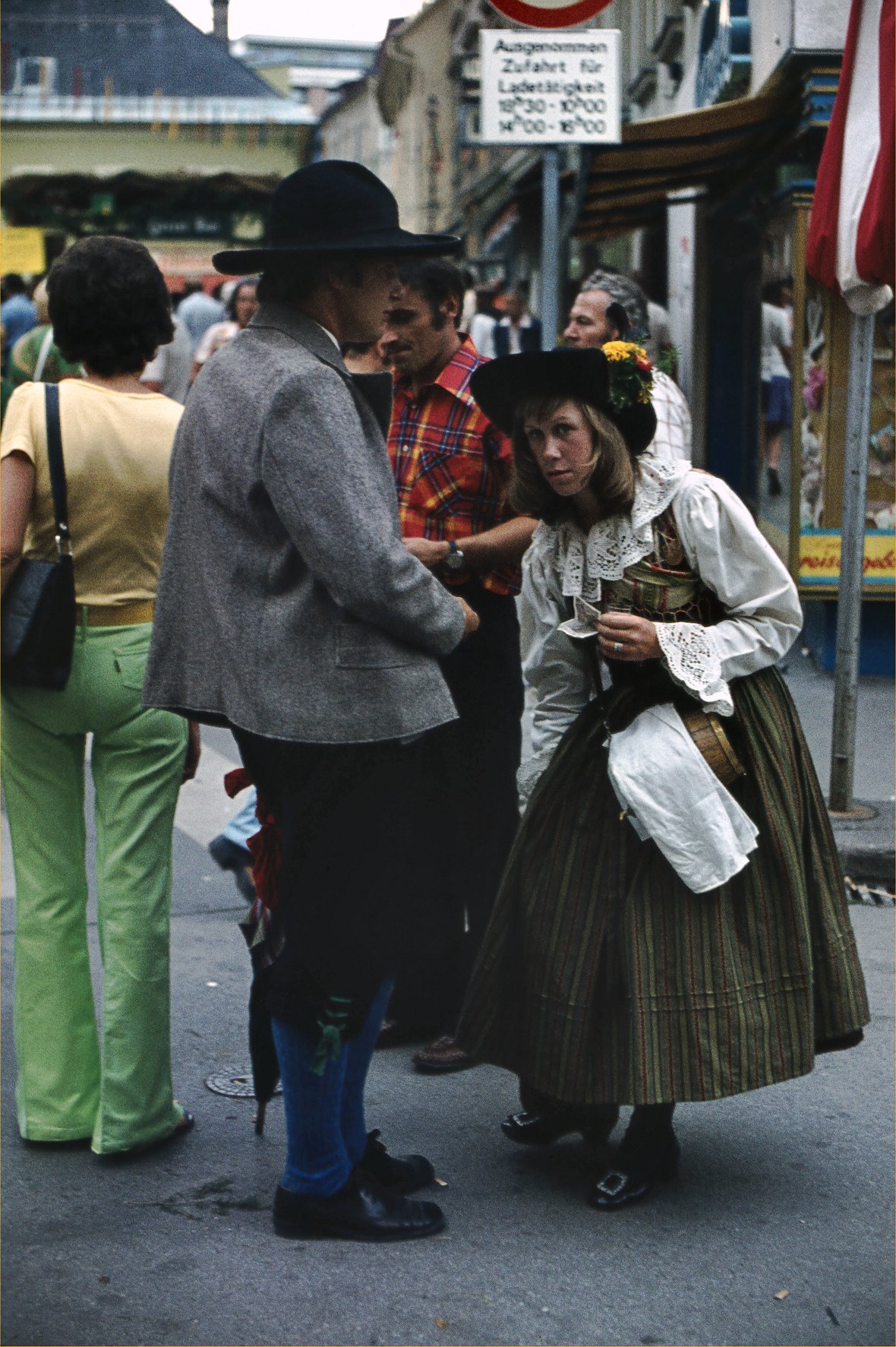
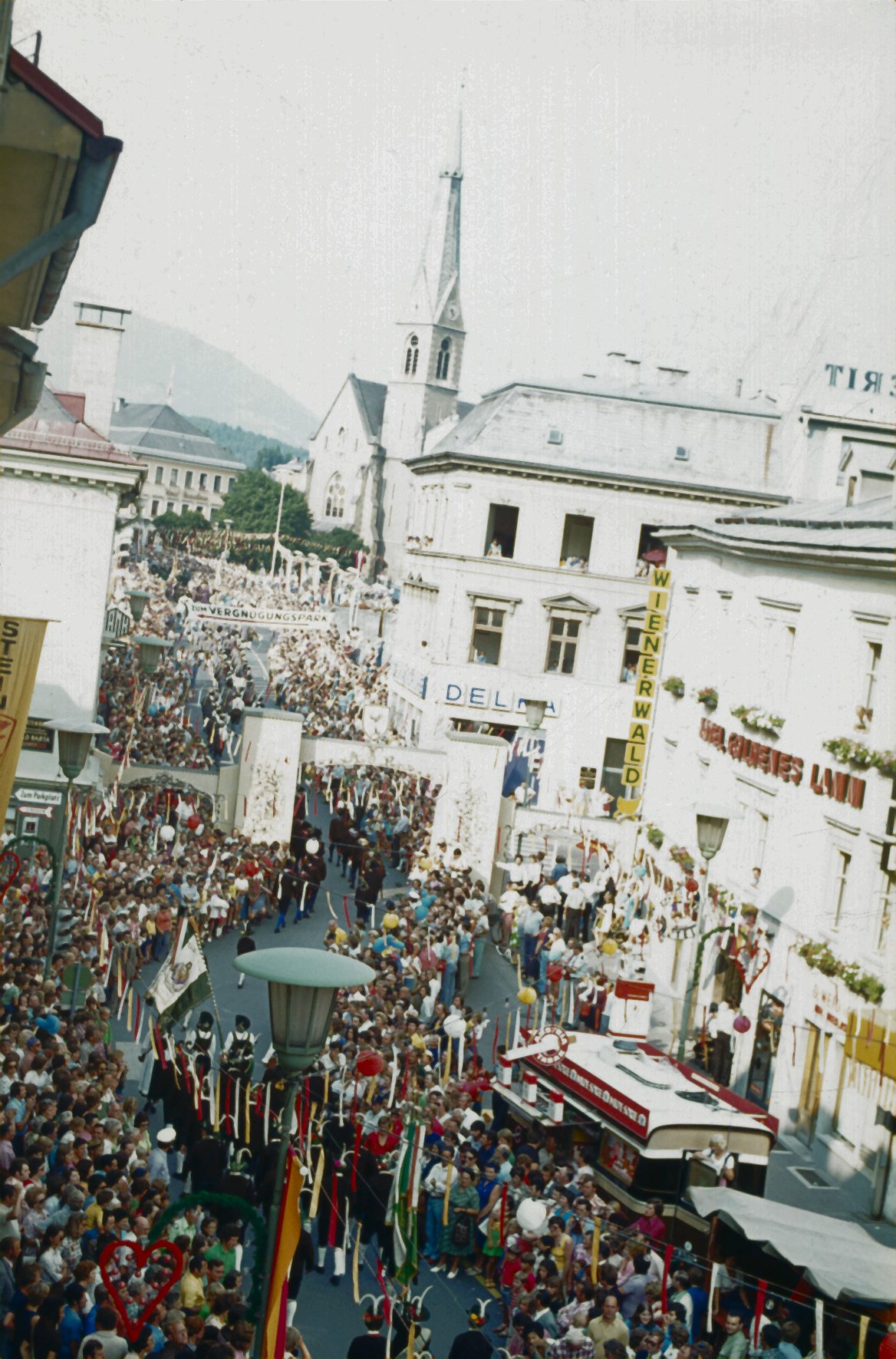
Villach, Austria – Kirchtag, 1975

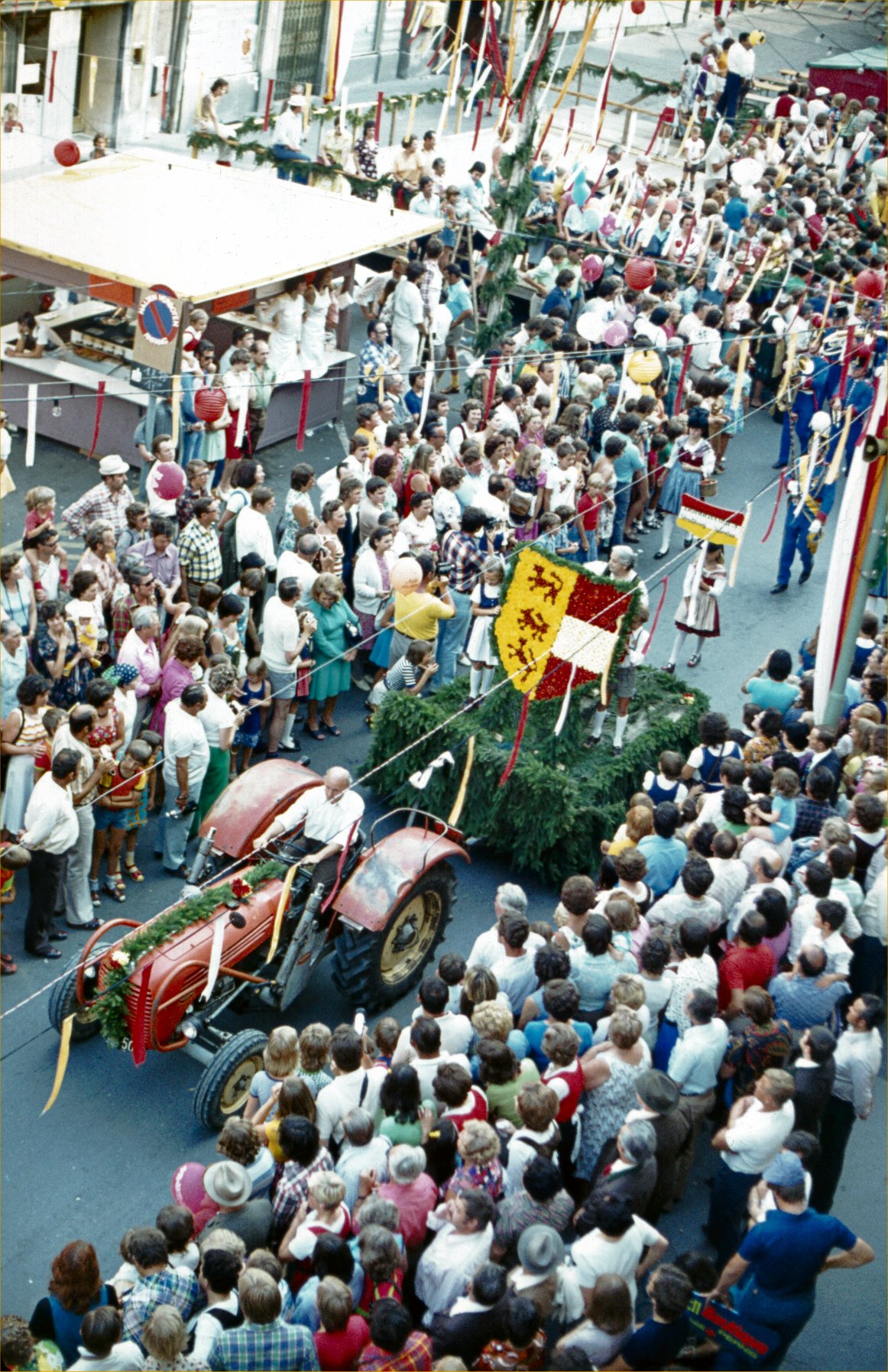
Villach, Austria is located in the state of Kärnten (Carinthia) in the South, and is situated on the Drau river. It is an important traffic hub for the entire region of southern Austria and the Alpe-Adria area. It is also beautiful – I lived there from February to August of 1975, and while I was there I was privileged to experience Villacher Kirchtag, one of Austria’s largest cultural festivals.

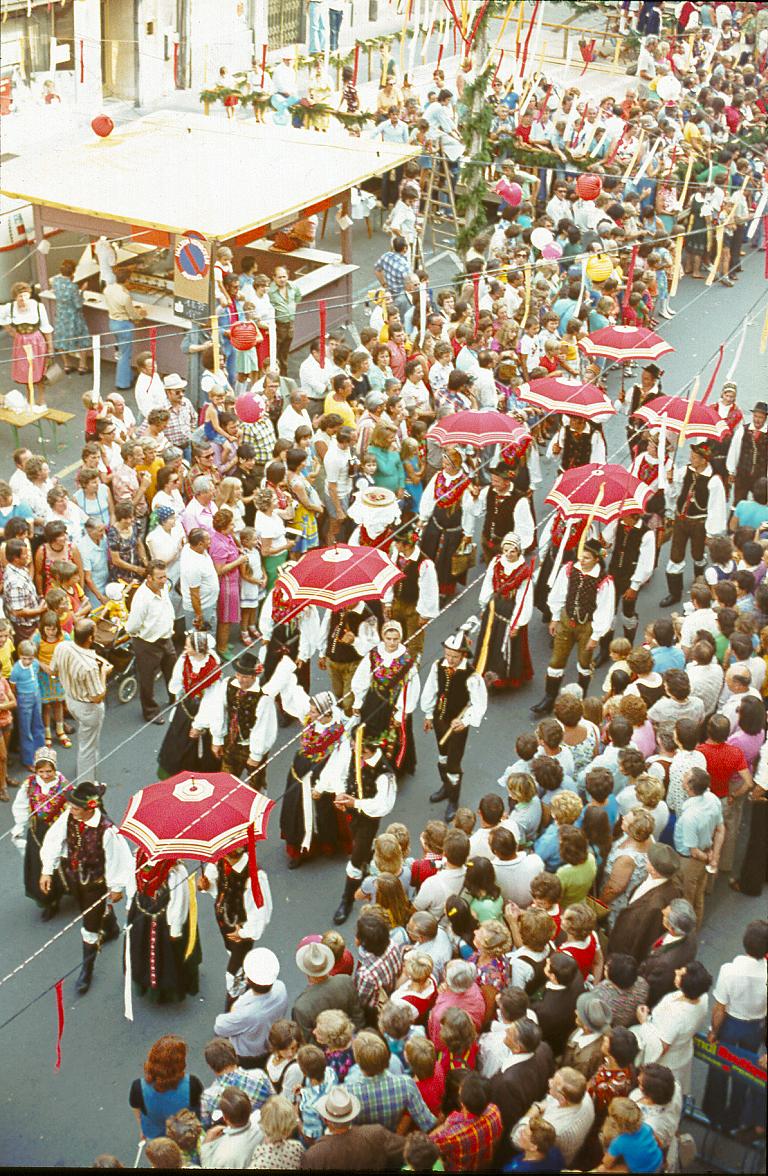
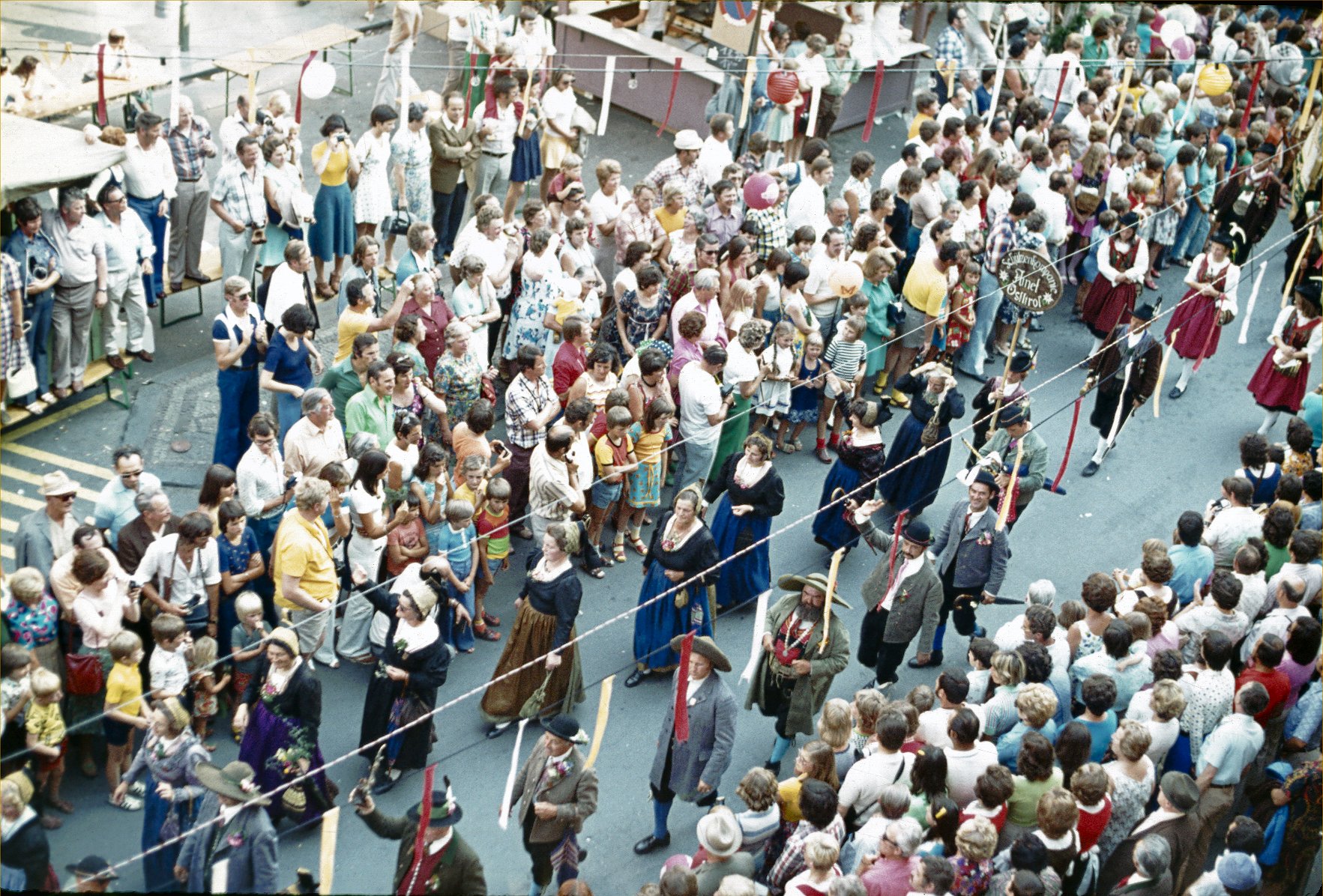
Kirchtag (literally “church day,” but encompassing more of a summer harvest festival than anything else) was begun on 1 August, 1936. It begins on the first Saturday in August and runs for a week. The annual Trachtenfestzug (regional costume parade) that takes place on the first day can attract 40,000 to 50,000 spectators.

Below, for your viewing pleasure, the photos I took of the event in 1975.

Austria - Villacher Kirchtag

To the Amusement Park

 Villach - Kirchtag - Amusement area

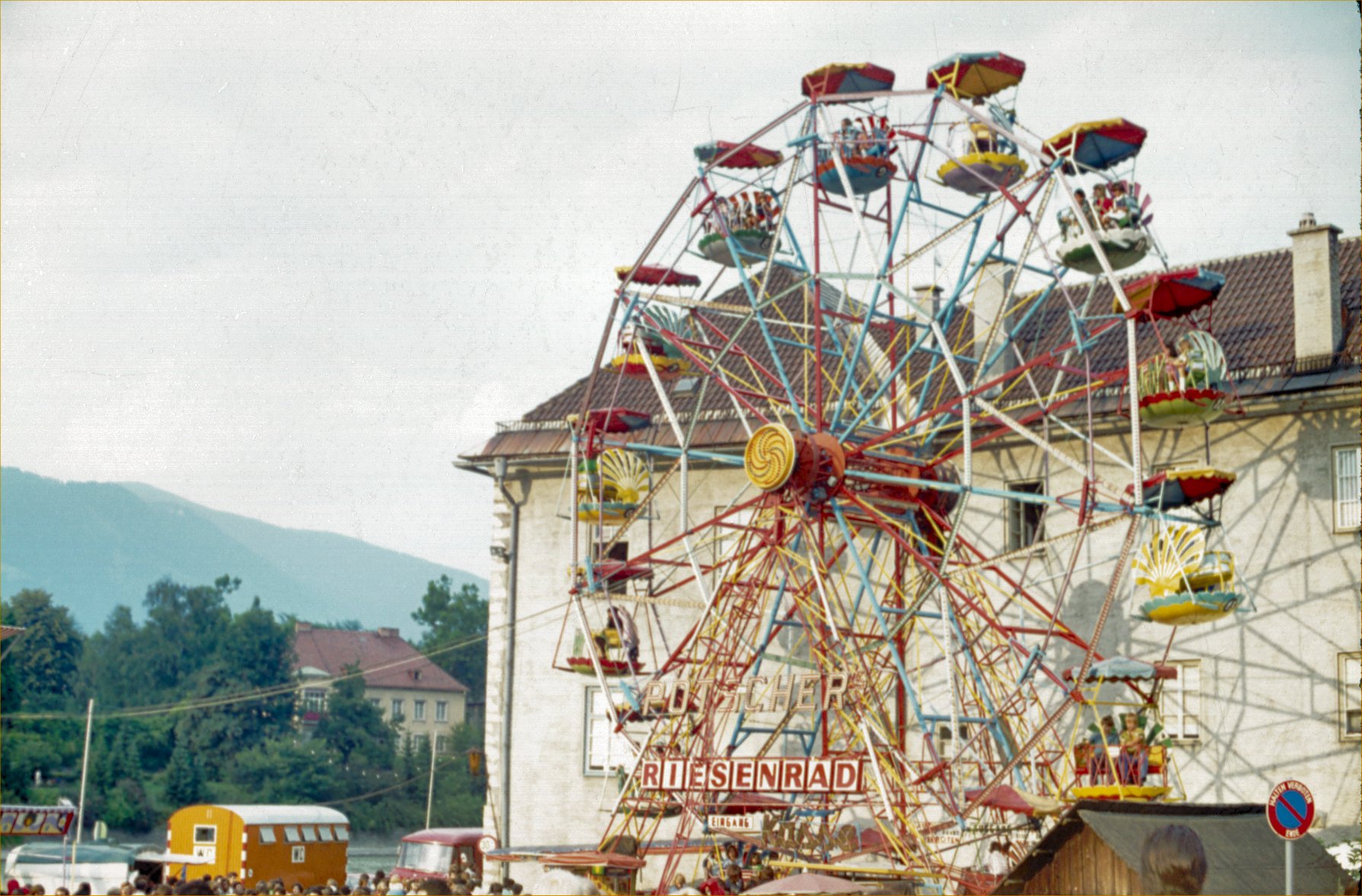
Rides

Villach - Kirchtag - Fireworks

Fireworks

Villach - Kirchtag - Parade

Parade

Villach - Kirchtag - Priest

Local clergy

Villach - Kirchtag - Trachten parade

Parade

Villach - Kirchtag 1

Hauptplatz festivities

Villacher Kirchtag - Fireworks.jpg

More Fireworks

Villacher Kirchtag 1

Ferris Wheel

Villacher Kirchtag 2

Amusement park

Villacher Kirchtag 3

Parade

Villacher Kirchtag 4

Parade

Villacher Kirchtag 5

Making a point

Villacher Kirchtag 6

Parade

Villacher Kirchtag 7

Dancing girls

Villacher Kirchtag 8

Spook Alley

Villacher Kirchtag 9

Parade

Villacher Kirchtag 10

Parade

Villacher Kirchtag 11

Parade

Villacher Kirchtag 12

Parade

Villacher Kirchtag 13

Parade

Villacher Kirchtag 14

Crowds gather to watch the parade

Villacher Kirchtag 15

Hauptplatz

Villacher Kirchtag 16

Parade

Villacher Kirchtag 17

Looking towards the train station

Villacher Kirchtag 18

Folk Dancing

Villacher Kirchtag 19

Parade

Villacher Kirchtag 20

Parade

Villacher Kirchtag 21

Parade

Villacher Kirchtag 22

Parade

Villacher Kirchtag 23

Hauptplatz again

Villacher Kirchtag 24

Looking the other way

Villacher Kirchtag 25

Parade

Villacher Kirchtag 26

Parade

Villacher Kirchtag 27

Local costume

Villacher Kirchtag 28

Oh my God it’s a bear get in the car!

Villacher Kirchtag 29

Parade

Villacher Kirchtag 30

Local color of a different kind.

Villacher Kirchtag 31

Music everywhere

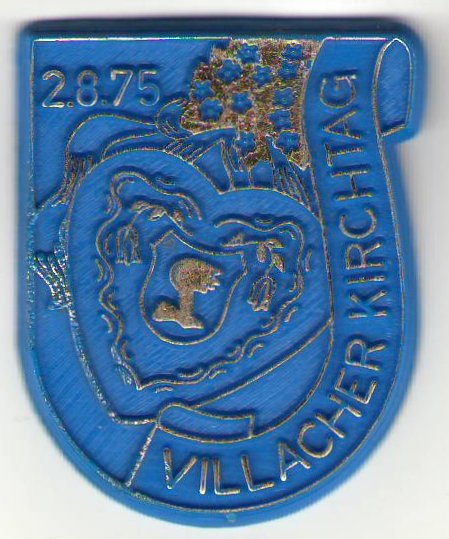
Kirchtag


My Kirchtag-ID, similar to today’s concert or event wristbands.

Our little meeting house was on the  second floor of one of the buildings along Hauptplatz, giving us a front-row seat for all the festivities. I love Villach, and I have enjoyed every chance to get back.

The Old Wolf has spoken.
Commerce on the streets of Naples

“The alleys are a self-sufficient microcosm.”

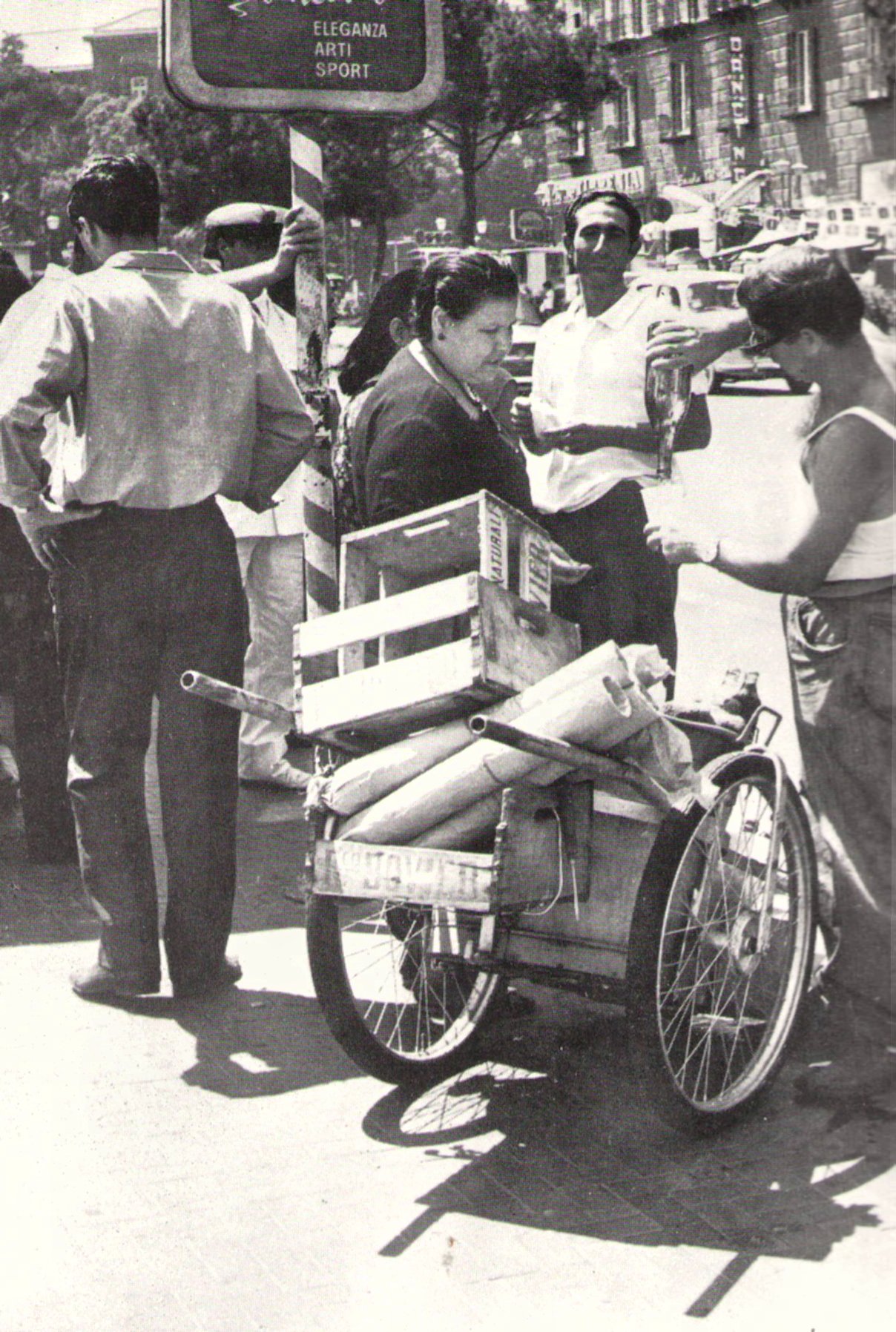
My previous posting of the umbrella repairman reminded me that there are countless other ways that people made a living in Naples, many of them without license or government sanction. Whatever you could do, you could probably find a market for your services.
These photos depict Naples in the 60s. Unless otherwise noted, quoted text and images are from “La Città Parla – Napoli” (1969, Casa Editrice A. Morano di Napoli)

Mattress Maker

Mattress-maker

Knife Grinder.jpgj

Knife Grinder

Bra Seller

Bra vendor

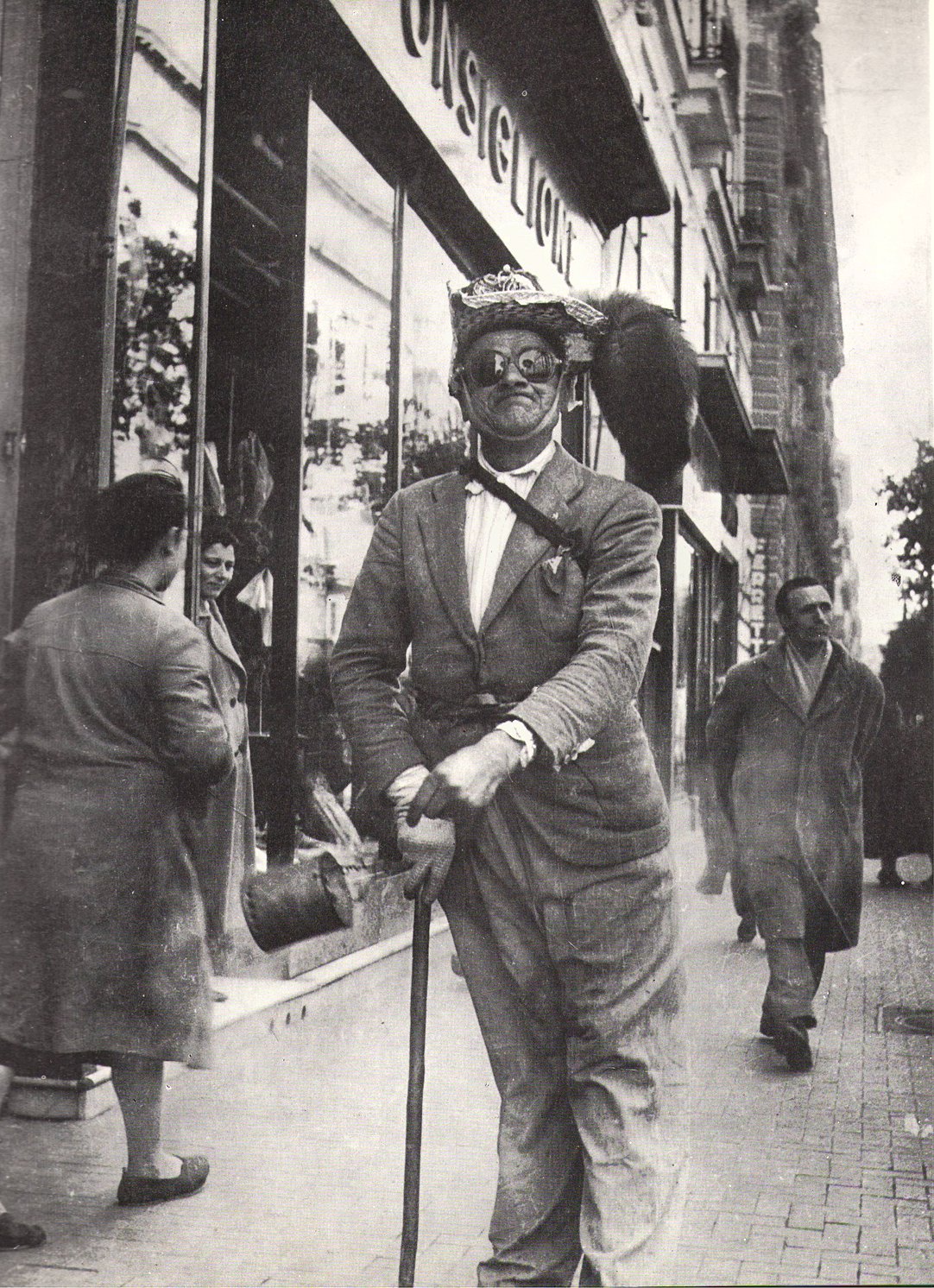
Scaccia-malocchio

“Scaccia-malocchio”

The “scaccia-malocchio'” (or “guastafatture”) drops by various retailers to practice a ritual with his censer in order to ward off the evil eye. He is sometimes paid for his interventions.

Lighter Repair

Repairing cigarette lighters

Scrivano pubblico

Scrivano pubblico – the public scribe. Many Neapolitans remain functionally illiterate, and these people serve a valuable function.

Kazoo

Selling home-made kazoos.

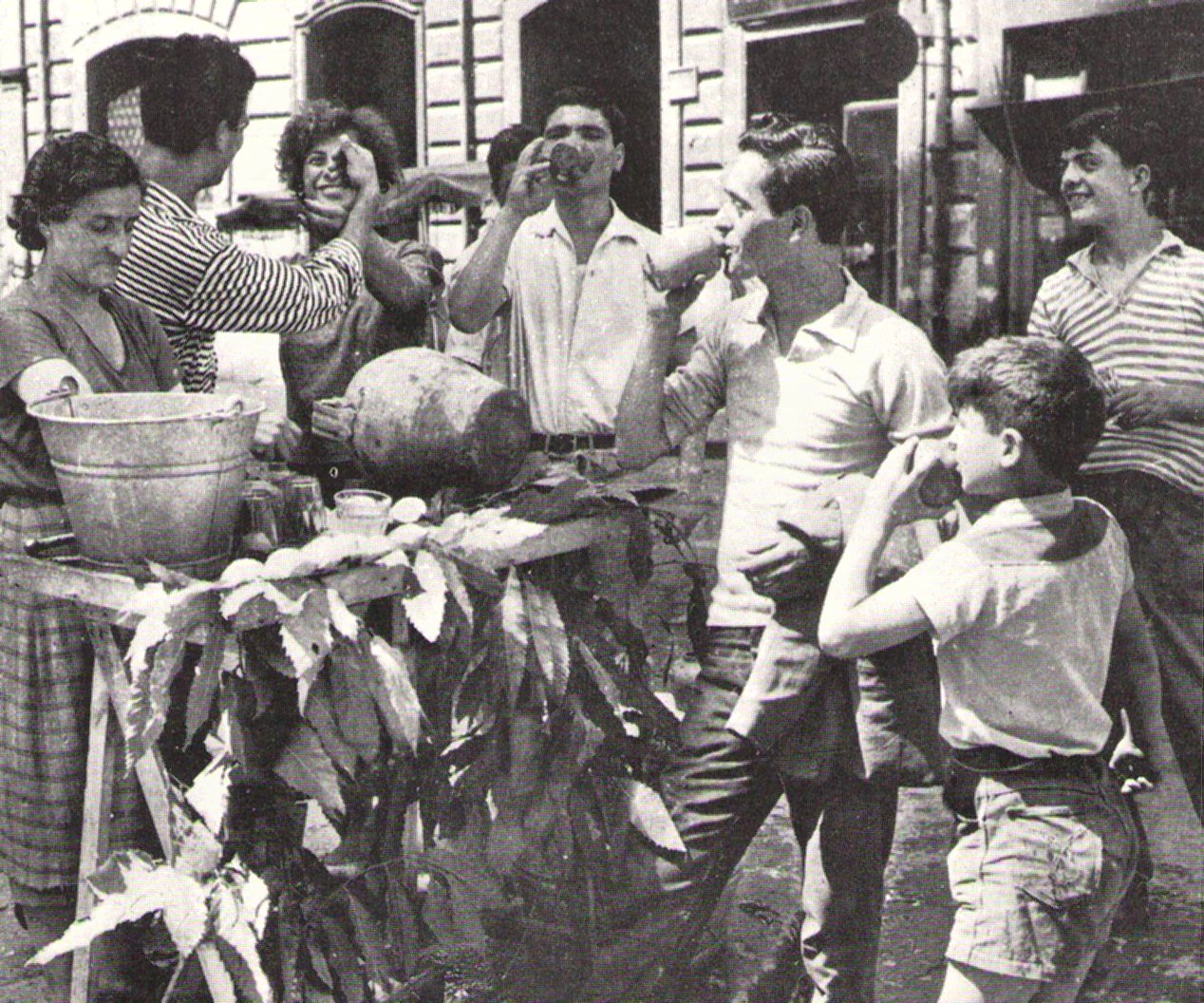
Water Seller 2

Water-Seller

Water Seller

Water-seller

Pizza1

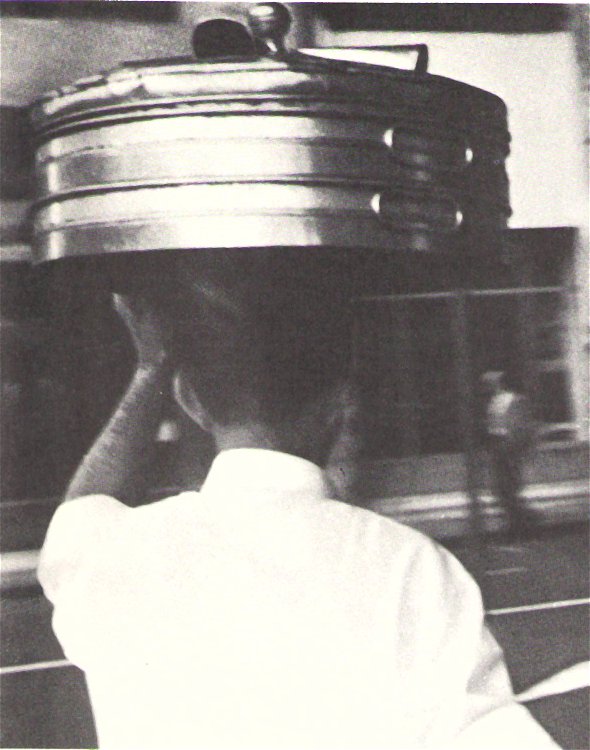
“The ‘pizza oggi ad otto’ (pizza today to eight) is eaten today and paid for in eight days. The wandering pizza vendor is also the bill collector. In eight days you can eat another pizza, which you will pay for sixteen days later. The vendor requires no written invoices – he trusts you… or rather, he trusts that you will be hungry again in eight days.”

Cigarettes

Cigarette black market in the alleys – all tobacco and salt trade is regulated by the government. “American Cigarettes” are manufactured from recycled cigarette butts.

Cantastorie

Wandering paladins singing historical ballads.

Candy Seller

Candy Vendor

Impaglia-seggie

“Impaglia-seggie” – re-caning chairs

Shoe market

Used Shoe Market

“For those who know that elegance begins (not ends) with shoes, buying used shoes for an entire lifetime can be an all-consuming frustration. This is why the sun of the wildest ambition is sometimes seen reflecting brightly from the shiny toes of a pair of patent-leather shoes… brand new ones.”

Graziella


Graziella was born in 1864. She is seen here 100 years later, selling taralli in Santa Lucia.
Image from The Italians, Face of a Nation by John Phillips.

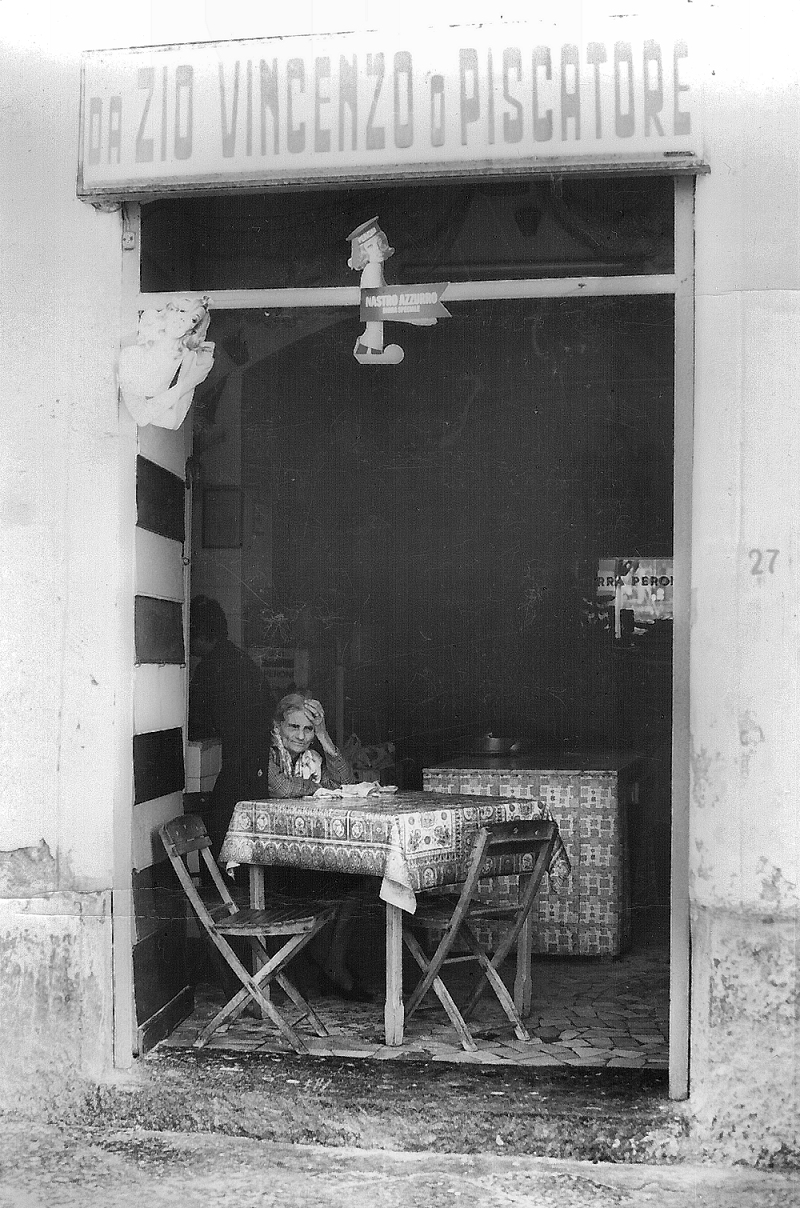
Naples - da Zio Vincenzo o Piscatore


Back-alley trattoria – “Uncle Vincent the Fisherman.” Photo ©1970 by Old Wolf Enterprises

The Old Wolf has spoken.