Tell a lie often enough…

… and you’ll sell more tobacco products. (A couple of earlier posts about tobacco products are here and here.)
bemerkenswerte-bucher-1

bemerkenswerte-bucher-2

bemerkenswerte-bucher-3

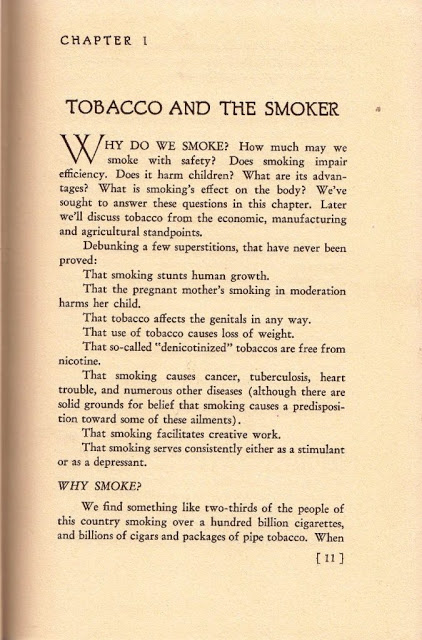
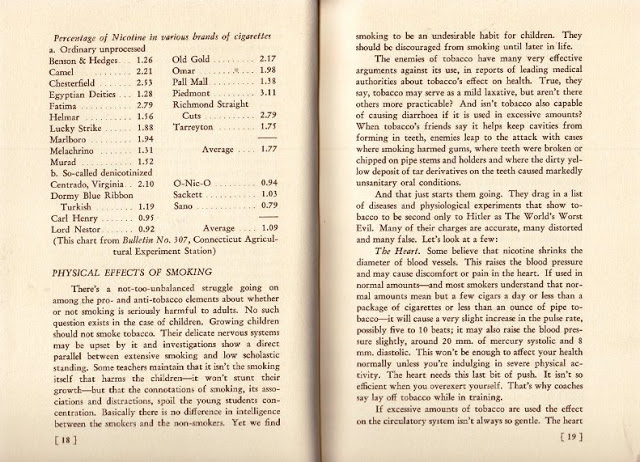
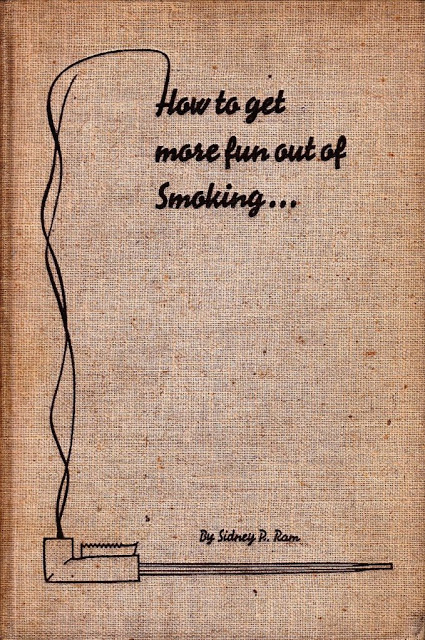
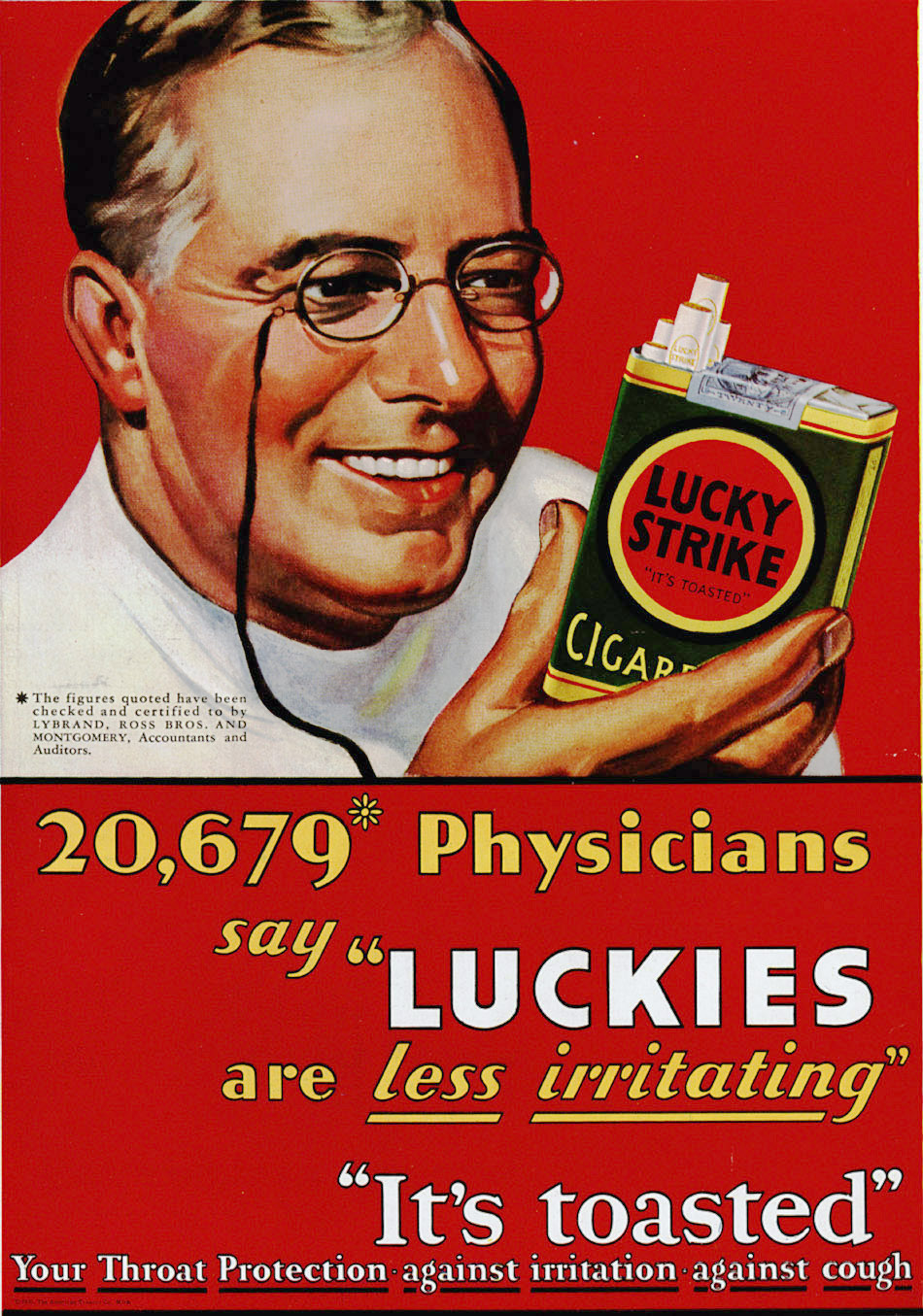
Sydney P. Ram was a Chicago pipe-maker who had a shop on the loop (he retired in 1942).  Apparently his pipes are still sought after by afficionadoes. This book was published in 1941, when advertisements of this nature were still common:

ripleysL

20679physiciansL

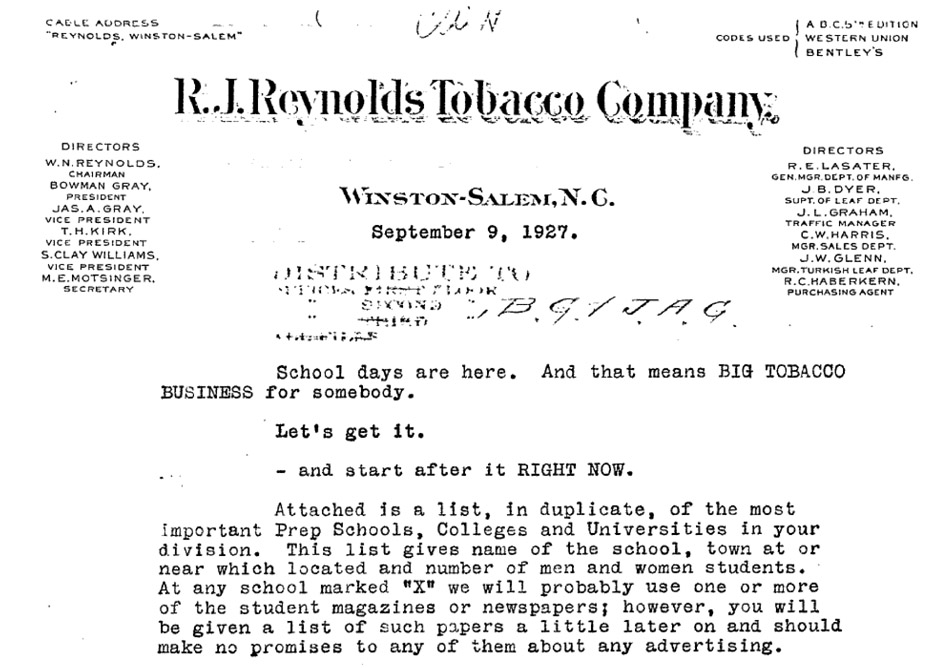
And memos like the following were (while not publicly disseminated) urging marketeers to go after the young:
rjreynoldsL

In 1952, Reader’s Digest condensed an article from the Christian Herald entitled “Cancer by the Carton.” Prior to this, very little was being publicly said about the dangers of smoking, and as we can see from Ram’s book, it was easy to muddle the issue simply by denying the “superstitions.” Anti-smoking PSA’s became one of Readers Digest’s favorite soapboxes, along with anti-Communism.

The situation was well described over at Lisa’s Nostalgia Cafe:

The worlds of advertising and cigarette smoking have been intertwined for as long as we can remember. In the first half of the 20th century, tobacco companies were major contributors to the advertising industry, and many radio and TV programs were sponsored by these companies.

As the 1960s dawned, things were beginning to change. During the 1950s, people became aware of the health hazards of cigarette smoking and began to file court cases against the tobacco companies. Private medical journals published studies linking smoking to lung cancer, and magazines like the Readers Digest ran anti-smoking articles.

The turning point came in 1964 when the Surgeon General released their first report linking smoking to lung cancer, heart disease, chronic bronchitis and emphysema. These results got everyone’s attention. The government, which had been at the mercy of the tobacco lobby, began to get involved and slowly some changes were made.

I was roped into smoking in high school in 1964. After I gave up tobacco five years later, for a while I became a dedicated crusader and I recall getting quite an assortmant of pamphlets, article reprints, buttons,

smokingsnuffyouout   smokingstinks

and other tools for use in my campaign.

Progress has been slow, but continues to be made in our country. The education campaign continues:

The faces of the onlookers are priceless.

Unfortunately and to our shame, tobacco manufacturers have shifted their focus from the US to overseas. As consumers here became more aware of the dangers of smoking, Big Tobacco looked for victims (I use that term deliberately)  in other parts of the globe. In 2019, the global market was worth $614 billion; even Everett Dirksen would be impressed by a number like that.[1]

According to the American Lung Association,

Cigarette smoking is the number one cause of preventable disease and death worldwide. Smoking-related diseases claim over 393,000 American lives each year. Smoking cost the United States over $193 billion in 2004, including $97 billion in lost productivity and $96 billion in direct health care expenditures, or an average of $4,260 per adult smoker.[2]

We can’t give up the fight. It will be slow. Tobacco is a legal product, and many people in the USA still put bread on their family’s table as a result of the industry. Acceptable alternative crops for farmers need to be found, and those who work in the packaging and shipping aspects will need to be moved into other economic sectors. If headway can be made in the legalization of industrial hemp[3], this could prove a godsend for farmers looking for a way out of the tobacco market.

Given the costs to society and individuals incurred as the direct result of tobacco use, the fight is a worthwhile one.

anti_smoking_ad_children

The Old Wolf has smoken (and is glad that he was able to quit when he did!)


[1] Senat0r Everett Dirksen was once reputed to have said, “A billion here, a billion there, pretty soon it adds up to real money.” He may never have said it, but it continues to circulate; after all, nothing on the Internet ever really dies.

[2] “Smoking-Attributable Mortality, Years of Potential Life Lost, and Productivity Losses — United States, 2000–2004”, CDC. Click through for the article.

[3] U.S. Department of Agriculture’s ‘White Paper’ on Hemp

Turnips and Cabbage

Dg9hRYt

Children eating their Christmas dinner during the Great Depression.

As I looked at this picture, I was reminded of this passage from Richard Wright’s Black Boy:

“Christmas came and I had but one orange. I was hurt and would not go out to play with the neighborhood children who were blowinghorns and shooting firecrackers. I nursed my orange all of Christmas Day; at night, just before going to bed, I ate it, first taking a bite out of the top and sucking the juice from it as I squeezed it; finally I tore the peeling into bits and munched them slowly.”
-Wright, Richard, Black Boy, Harper and Row, 1965

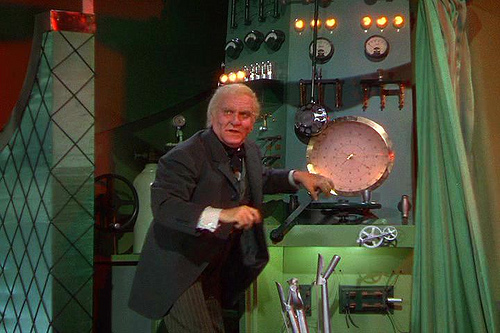
Poverty sucks. Previously I posted this picture of a desperate woman offering her children for sale in Chicago in 1948. Three years after World War II, when the military machine had largely mitigated the effects of the depression, and people were still struggling. And people continue to struggle today, in 2013, in America the Great and Terrible – which to far too many seems like nothing so much as smoke and mirrors, while the 1% who control over half our nation’s wealth shout, “Pay no attention to that CEO behind the curtain!”

wizard

They say the recession is over. For the wealthy and those whom our tax dollars bailed out, with no accountability or even gratitude, for the CEO’s and executives and board members who benefited with huge salaries and  bonuses, perhaps it is. But not for the average working american. It’s two years on from that article, and economic terror is still snapping at the heels of far too many in our country. Economic giants like Wal-Mart crow about the “opportunities” and “dignity” they provide people:

“Unfortunately there are some people who base their opinions on misconceptions rather than the facts, and that is why we recently launched a campaign to show people the unlimited opportunities that exist at Walmart,” Buchanan said, noting that 75 percent of Walmart managers started as hourly employees. “Every month more than 60 percent of Americans shop at Walmart and we are proud to help them save money on what they want and need to build better lives for themselves and their families. We provide a range of jobs — from people starting out stocking shelves to Ph.D.’s in engineering and finance. We provide education assistance and skill training and, most of all, a chance to move up in the ranks.”

But as the source article indicates, a single Wal-Mart’s low wages can cost taxpayers around $900,000 per year in food stamps and other government programs because wages are so low, no benefits are paid, and hours are kept to unliveable minimums. Nobody said it better than Jib-Jab:

One would think that a skilled laborer with advanced degrees could at least get a job with Wal-Mart; one might think that they would appreciate wisdom, experience and reliability. Unfortunately, that’s the exact opposite of what is happening. The sad truth is that Wal-mart’s turnover rate is obscenely high; 60% would not be considered abnormal in some stores. Managers expect impossible performance, treat employees like refuse and pay as little as the law allows. Report after report from former Wal-Mart employees refer to constant threats of firing and reminders that they needed Wal-Mart to survive; they will fight unemployment claims to the teeth and make sure their employees are aware of this. As a result, HR is actively looking for people who can’t find anything better and who won’t complain, regardless of how poorly they are treated.

How can a business possibly survive on such a model? How can managers who buy into this mindset live with themselves or sleep at night? I truly have no answers to these questions, but the fact that the situation persists is deeply troubling.

To be fair, I know people who have been with their Wal-Mart stores for a long, long time, have risen through the ranks by dint of sheer perseverance and who are grateful for their employment. I know some people who work at the corporate level in IT, and who say they’ve had it a lot worse elsewhere. But the overwhelming preponderance of tales seem to support what is generally supposed about the big box working environment.

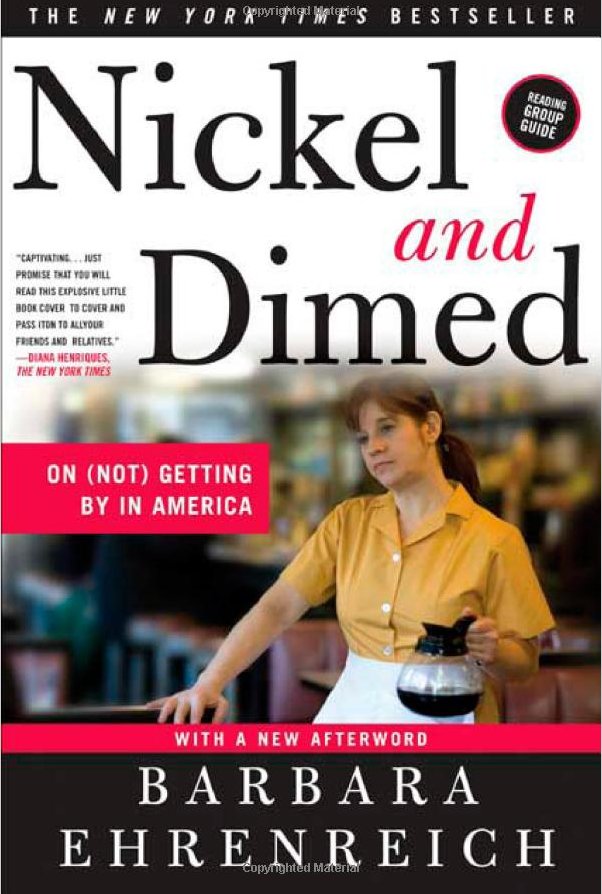
If you’d like a good (albeit depressing) read about what life is like for far too many of us in this country, read Nickel and Dimed: On (Not) Getting By in America, by Barbara Ehrenreich[1]; she describes what it’s like to try to live on minimum-wage jobs in our country.

nickel

Her tales of shelters, budget motels, cheap food, endless job interviews, and working in demeaning drudgery, only to find that it was seldom enough to live on, will open your eyes to the harsh realities of our economy. Her conclusion:

The “working poor,” as they are approvingly termed, are in fact the major philanthropists of our society. They neglect their own children so that the children of others will be cared for; they live in substandard housing so that other homes will be shiny and perfect; they endure privation so that inflation will be low and stock prices high. To be a member of the working poor is to be an anonymous donor, a nameless benefactor, to everyone else. As Gail, one of my restaurant coworkers put it, “you give and you give.”

Someday, of course – and I will make no predictions as to exactly when – they are bound to tire of getting so little in return and to demand to be paid what they’re worth. There’ll be a lot of anger when that day comes, and strikes and disruption. But the sky will not fall, and we will all be better off for it in the end.

Again in the interest of fairness, here’s another opinion from Charles Platt in 2009; no idea if he’s a shill or not, but add it to the mix. [2]

As a country, we must do better. We owe it to ourselves, and we owe it to our children. We need to start teaching kids how to think out of the box, how to value humanity, how to run an ethical business, and how to build a world that works for everyone. Richard Wright ended the original version of his autobiography with these words: “With ever watchful eyes and bearing scars, visible and invisible, I headed North, full of a hazy notion that life could be lived with dignity, that the personalities of others should not be violated, that men should be able to confront other mean without fear or shame, and that if men were lucky in their living on earth they might win some redeeming meaning for their having struggled and suffered here beneath the stars.” (Wright, Richard, Black Boy, Harper and Row, 1965)

We must do this.  Otherwise, as John Howard Griffin said in his moving conclusion to Black Like Me, “we will all pay for not having cried for justice long ago.”

The Old Wolf has spoken.


[1] You can find it at Amazon or read a pdf of the book here.

[2] What’s it like for Wal-Mart executives at the stratospheric corporate level? Not all peaches and cream, as Julie Roehm discovered; her odyssey makes for an interesting read as well.

Dangerous Ads

Thought patterns and philosophies have changed over time – many of us are familiar with sexist advertisements that ran in magazines in newspapers in decades and centuries past:

vintage-sexist-ads (13)[3][2]

Yikes. And this isn’t even the worst of them.

I was recently pointed to a collection of ads that were not only stupid but downright dangerous:

7_up-babies

cellophane1

dutch-boys-lead-party-1923-big-1024x852

lysol

MEAT

pennsalt

smoking

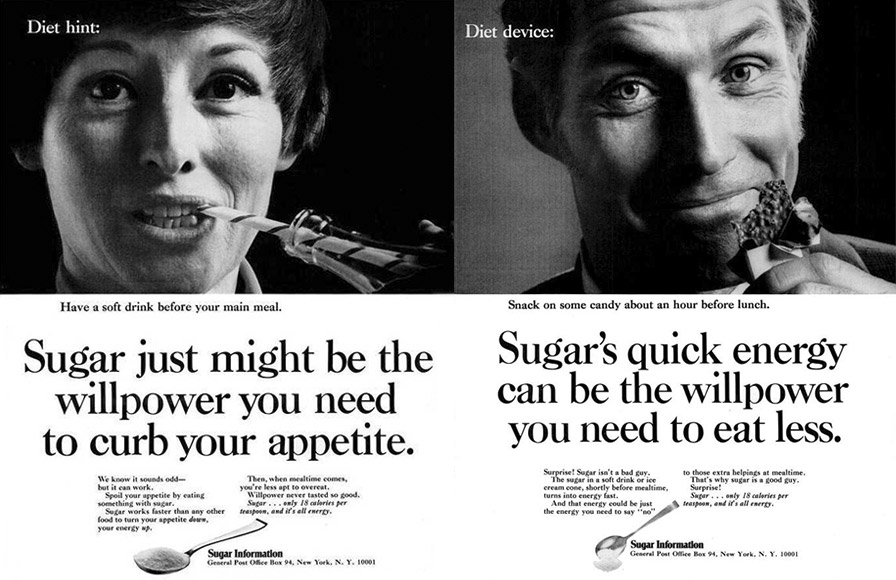
sugar-ads1

vi_rex_violet_rays1

vitamins1

Some of these simply contravene common sense, like the “vitamin doughnuts” ad above, but some of them are downright toxic, for example the DDT advertisement. You can see a full exposition on each of these over at Collector’s Weekly.

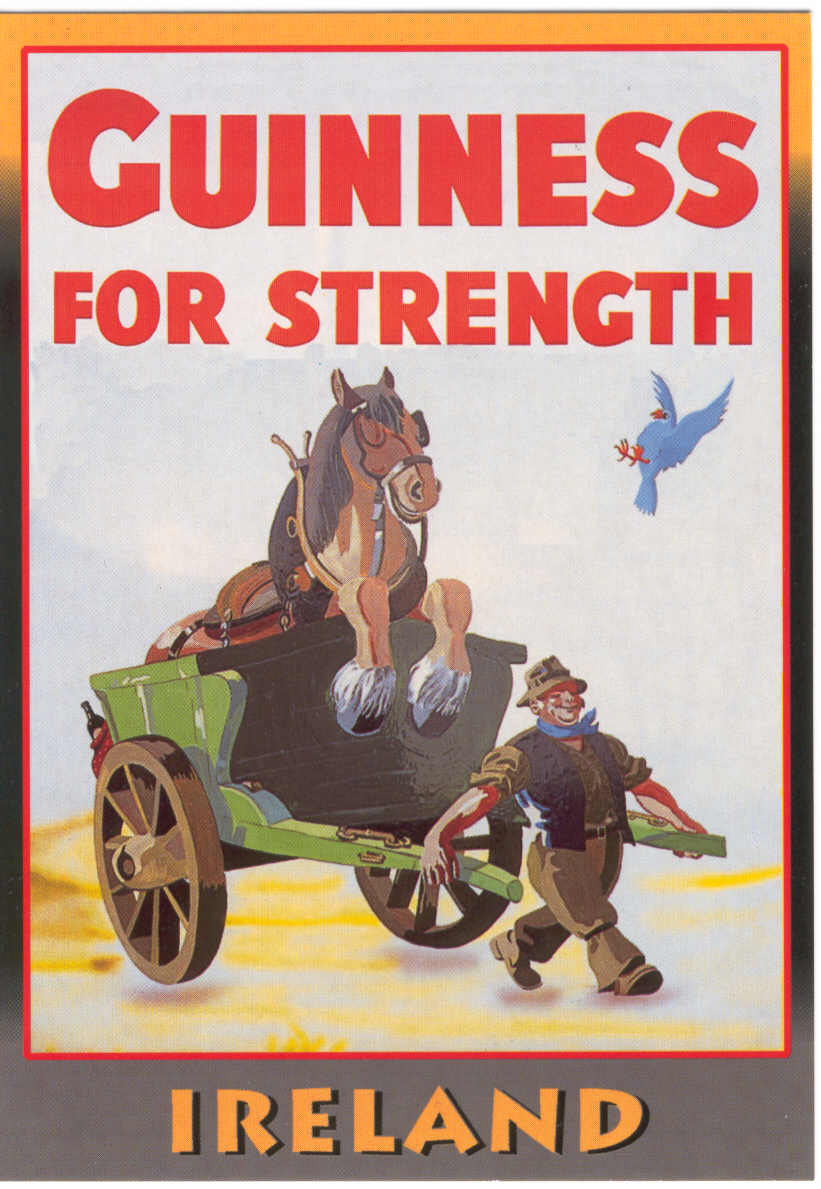
And of course, don’t forget the “Guinness is Good For You” campaign:

guinness-strength

Have we changed all that much, though? I rant regularly about quack remedies and sleazy advertisements that seem so prevalent on the web (if you don’t want to see these, consider using AdBlocker Plus for Firefox or Chrome – you’ll see almost no ads.)

As I said at the post I referenced above, regarding the “Açaí Berry / Colon Cleanse” scam,

Colon cleansing is unnecessary and potentially harmful. Your colon is an amazing apparatus. With the exception of abnormal medical conditions such as fecal impaction due to longstanding constipation, or intestinal torsion, your colon cleanses itself efficiently and regularly. If you do a colon cleanse, you’re likely to lose a few pounds as the result of clearing out two days worth of food in your system, but as soon as you start eating again, it will come right back. Colon cleansing on a regular basis can disrupt the natural intestinal flora, and impair the colon’s natural ability to regenerate its lining. A diet rich in soluble and insoluble fibers is all your body needs to keep your colon happy, and doing what it does best – absorbing nutrients and expelling wastes.

As for the berry itself,

Antioxidants are good. Virtually thousands of randomized, double-blind, placebo-based studies published in JAMA, Lancet and other mainstream medical journals show that free-radical scavengers help improve overall health. Fruits are full of antioxidants. The açaí berry is a fruit. Just like strawberries, kiwis, oranges, grapefruits, pomegranates, mangosteens, ningxia wolfberries, and you name it. When consumed as part of a balanced diet, they’re all good for you. But there is nothing “miraculous” about this or any other fruit.

The sad bottom line is that most advertising is borderline unethical by nature. It’s either

  • Misleading
  • Outright deceptive
  • Practicing “bait and switch” tactics, or
  • Designed to create a burning, passionate desire for something that you don’t really need.

It’s a conundrum, because advertising is what drives commerce, and commerce is what drives society. If nobody bought anything, practically nobody would have a job and our economy would collapse.

I don’t have all the answers, but if the human race is ever going to crawl out of the mud,  ethical business is a must. We need to teach our upcoming generations that the end does not justify the means.

The Old Wolf has spoken.

One of those photos…

… that gets shared around and around and around with nary an attribution. I looked, and was not able to find anything credible; two friends with greater Google-fu than I were able to identify a source, and thanks to them.

lls6tJM

Parents Selling Children

Original caption: August 4, 1948 – Chicago, Illinois: They’re on the auction block. These small children of Mr. and Mrs. Ray Chalifoux of Chicago, Illinois.

For long months 40 year old Ray and his wife, Lucille, 24, waged a desperate but losing battle to keep food in the mouth and a roof over their heads. Now jobless and facing eviction from their near barren flat, the Chalifoux have surrendered to their heart breaking decision. Photo shows mother sobbing as the children pose wonderingly on the steps. Left to right: Lana,6. Rae, 5. Milton, 4. Sue Ellen, 2 years old.

Image: © Bettmann/CORBIS
Date Photographed: August 4, 1948
Location Information: Chicago, Illinois, USA

One wonders at what happened after the photo was taken. Hard times are hard.

[Edit: Many thanks to reader Jen who found a recently-published followup:

Lana (top left) was likely adopted and died of cancer in 1998; RaeAnn (top right) was sold for $2 along with her brother Milton (bottom left) to an abusive family. Sue Ellen (bottom right) was adopted. David, inside mother Lucille Chalifoux’s womb in this picture, was adopted as well. Lucille would have four moure daughters; “She kept them; she didn’t keep us,” David says.

Bittersweet; click through for the full article.

The Old Wolf has spoken.

Everything is Relative

Back in 1962, I remember reading this story, which first appeared in Amazing Adult Fantasy No. 9:

Tim2

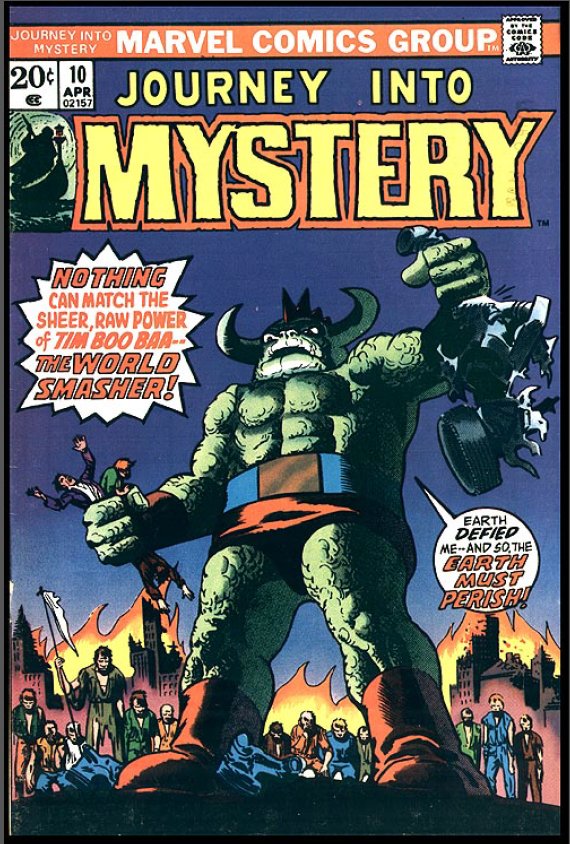
(Journey Into Mystery reprinted the story in April of 1974)

Tim

Even at the tender age of 11, I remember chuckling at the campiness of the story, but the resolution left an impression on my mind, because I never forgot it. The surprising conclusion to the story can be read in a 2MB PDF file here.)

Years later, I read a short story in one of my dad’s many vintage science fiction anthologies which I ultimately inherited; the story, by Martin Gardner, was entitled simply “Thang.” Written in 1949, it may have been the inspiration for Tim Boo Ba:

HE Earth had completed another turn about the sun, whirling slowly and silently as it always whirled. The East had experi- enced a record breaking crop of yellow rice and yellow chil- dren, larger stockpiles of weapons were accumulating in certain strategic centers, and the sages of the University of Chicago were uttering words of profound wisdom, when Thang reached down and picked up the Earth between his thumb and finger. Thang had been sleeping. When he finally awoke and blinked his six opulent eyes at the blinding light (for the light of our stars when viewed in their totality is no thing of dimness) he had become uncomfortably aware of an empty feeling near the pit of his stomach. How long he had been sleeping even he did not know exactly, for in the mind of Thang time is a term of no significance. Although the ways of Thang are beyond the ways of men, and the thoughts of Thang are scarcely conceivable by our thoughts; still——stating the matter roughly and in the language we know——the ways of Thang are this: When Thang is not asleep, Thang hungers. After blinking his opulent eyes (in a specific consecutive order which had long been his habit) and stretching forth a long arm to sweep aside the closer suns, Thang squinted into the deep. The riper planets were near the center and usually could be recognized by surface texture; but frequently Thang had to thump them with his middle finger. It was some time until he found a piece that suited him. He picked it up with his right hand and shook off most of the adhering salty moisture. Other fingers scaled away thin flakes of bluish ice that had caked on opposite sides. Finally, he dried the ball completely by rubbing it on his chest. He bit into it. It was soft and juicy, neither unpleasantly hot nor freezing to the tongue; and Thang, who always ate the entire planet, core and all, lay back contentedly, chewing slowly and permitting his thoughts to dwell idly on trivial matters, when suddenly he felt himself picked up by the back of the neck. He was jerked upward and backward by an arm of tremendous bulk (an arm covered with greyish hair and exuding a foul smell). Then he was lowered even more rapidly. He looked down in time to see an enormous mouth——red and gaping and watering around the edges——then the blackness closed over him with a slurp like a clap of thunder. For there are other gods than Thang.

So it goes in our day, and so it has always been. To quote from a book of scripture held dear by members of the Church of Jesus Christ of Latter-day Saints (often called the Mormons),

“We have learned by sad experience that it is the nature and disposition of almost all men, as soon as they get a little authority, as they suppose, they will immediately begin to exercise unrighteous dominion.”  (Doctrine and Covenants 121:39)

Regardless of your particular spiritual walk, this statement has been true for as long as I have been able to observe humanity. Give a man or woman a little power (as they suppose,) and they will promptly begin to act like a feudal lord, safely ensconced in their own little fiefdom. Politicians do it. Bureaucrats do it. Bosses do it. Department managers do it. Teachers do it. School administrators do it. It’s everywhere. One autocratic gatekeeper can keep countless people from access to jobs, goods, services, assistance, visas, passports, approvals, authorizations, or whatever they happen to need. “That’s not how we run things here.” “We do things differently.” “I see no need to change.” “I don’t think so.”

We hear it every day, and in many places, it’s harder to remove a deeply-entrenched functionary or manager or director or senator or president than it is to remove inertia from matter.[1] Yet it boggles the mind – how quickly people lose sight of the fact that they and their organization are really just a small part of a larger whole – the sum total of humanity.

In the 16th Century, John Donne penned the famous lines,

No man is an island,
Entire of itself.
Each is a piece of the continent,
A part of the main.
If a clod be washed away by the sea,
Europe is the less.
As well as if a promontory were.
As well as if a manor of thine own
Or of thine friend’s were.
Each man’s death diminishes me,
For I am involved in mankind.
Therefore, send not to know
For whom the bell tolls,
It tolls for thee.

Donne understood that we are all interconnected, and that the success of one is the success of another; the failure of one affects all of humanity.

Centuries later, Martin Luther King wrote a clear and poignant summary in prose:

“We must all learn to live together as brothers or we will all perish together as fools. We are tied together in the single garment of destiny, caught in an inescapable network of mutuality. And whatever affects one directly affects all indirectly. For some strange reason I can never be what I ought to be until you are what you ought to be. This is the way God’s universe is made; this is the way it is structured.”

As Benjamin Franklin stated, “We must all hang together, or assuredly we shall all hang separately.”

If we do not wish to perish as fools, as King said, we must return to principles of decency and the common good. As one small voice crying in the darkness,

  • I call for businesses to return to principles of ethical behavior and look past the corporate bottom line to the greater good.
  • I call upon politicians to look beyond their war chests and the next election to doing the job they were elected to do: raising the human condition.
  • I call upon school systems, and boards and administrators to look beyond zero tolerance (which means zero common sense) and standardized test scores and once again begin caring about the welfare of their students more than the idiotic policies written at the behest of paranoid attorneys and clueless legislators.
  • I call upon labor unions to return to their original purpose of guaranteeing fair wages and safe working conditions, instead of squeezing every last drop of blood out of an employer until businesses and factories shutter their doors.
  • As redwood trees support one another in the forest by intertwining their roots, I call upon humanity everywhere to stand with one another, instead of against one another.

My voice is small “amid the noise and haste,” but I raise it anyway. We must get away from Me and Mine, and move back to We and Ours. Do this, and we as a species may yet reach the stars. Do it not, and our civilization is headed for implosion under the weight of social inequity, and then (as John Howard Griffin wrote), “we will all pay for not having cried for justice long ago.”

The Old Wolf has spoken.


[1] Thus far, only E.E. (“Doc”) Smith has managed that trick.

Psychic Backlash

“Psychic Sylvia Browne told Amanda Berry’s mother that Berry had died when the two appeared on a talk show shortly after Berry’s disappearance nearly 10 years ago. Since Berry and two other kidnapped girls were found alive at a house in Cleveland this week, Browne and her psychic readings are facing a backlash from disgusted critics.”

-USA Today
0510-sylvia-browne-amanda-berry-4_3_rx404_c534x401
Sylvia Browne

In an interesting episode of “Criminal Minds,” (Cold Comfort, 4/14), the plot seems to lend credence to the supposition that psychics can assist law enforcement to resolve cases.

245px-Stanley

Stanley Usher, portrayed by Vondie Curtis-Hall

According to a recent article at Slate on the same topic, “Academics have repeatedly tested the abilities of psychics to provide any useful information in a crime investigation, and the results are damning.” The article is worth a read.

When my mother was alive, her twilight years were plagued by an onslaught of scam mail and phone solicitations that very nearly bankrupted her, and would have done so completely were it not for some very favorable and rare events that recovered the bulk of her funds. As a result, I spent a good bit of time putting together the Sweepstakes Fraud Factsheet. Most of this website has to do with the rampant scamming of elders and the gullible by selling sweepstakes entry aggregations under the false head of “You may have already won…”, one section describes the Psychic Connection.

If you find yourself on a “sucker list”, sweepstakes offerings are not the only things you will receive.  The crooks think, “Ah!  We’ve found someone stupid!” and you will receive some of the most bizarre solicitations you have ever seen. “Psychics” and “Clairvoyants” from all over will want to improve your luck, free you from curses, cast out evil spirits, teach you how to win contests, and much more.

Be smart!  Avoid worthless solicitations of this nature like the plague! Never respond, or you’ll find yourself inundated with hundreds of similar offers.

Here is one of the most disgraceful examples of this kind of fraud.


As the Slate article mentions, “While not especially good at making predictions, psychics are typically quite skilled at self-promotion.” Science and good police work trump mumbo-jumbo every time.

The Old Wolf has spoken.

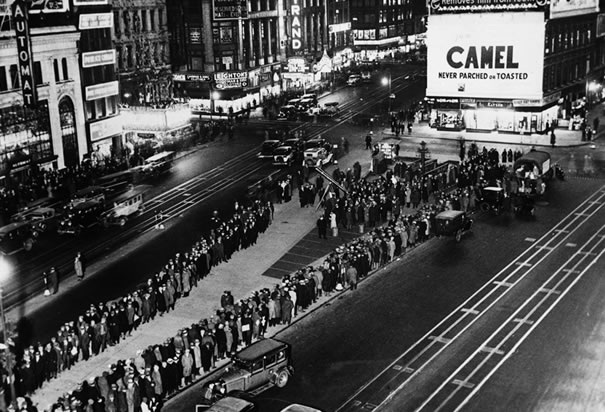
Times Square Breadlines

unemployed-in-line-for-rations


Notice the Automat sign on the left, lovingly mentioned here.

Things may not be as bad now as they were then… or then again, they may. We don’t have breadlines but we have food banks, and most of them are straining under the load. Too many people are out of work, too many are underemployed, and too many have simply given up.

Our country deserves better.

The Old Wolf has spoken.

What else could you do with $22 Billion?

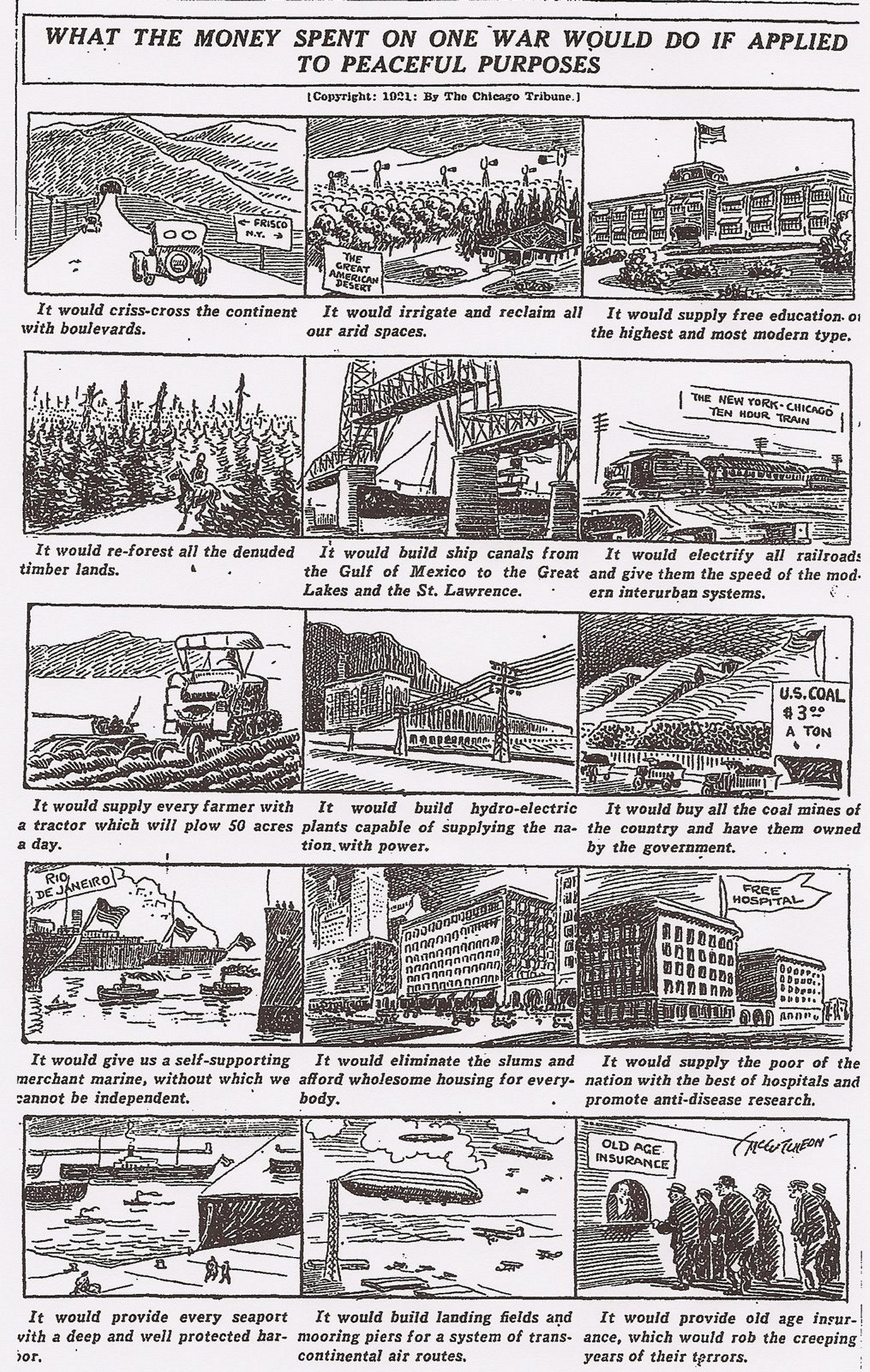
In 1921, the Chicago Tribune published the following cartoon by John T. McCutcheon, one of the foremost artists and political cartoonists of our nation. The numbers refer to the amount spent on World War 1, which for the United States is estimated at $22,625,253,000.00.[1]

War

The title was “What the money spent on one war would do if applied to peaceful purposes.”

The list is as follows:

  • It would criss-cross the continent with boulevards.
  • It would irrigate and reclaim all our arid spaces.
  • It would supply free education of the highest and most modern type.
  • It would re-forest all the denuded timber lands
  • It would build ship canals from the Gulf of Mexico to the Great Lakes and the St. Lawrence
  • It would electrify all railroads and give them the speed of the modern interurban systems.
  • It would supply every farmer with a tractor which will low 50 acres a day.
  • It would build hydro-electric plants capable of supplying the nation with power.’
  • It would buy all the coal mines of the country and have them owned by the government.
  • It would give us a self-supporting merchant marine, without which we cannot be independent.
  • It would eliminate the slums and afford wholesome housing for everybody,.
  • It would supply the poor of the nation with the best of hospitals and promote anti-disease research.
  • It would provide every seaport with a deep and well-protected harbor.
  • It would build landing fields and mooring piers for a system of trans-continental air routes.
  • It would provide old age insurance, which would rob the creeping years of their terrors.

Based on Dave Manuel’s inflation calculator, the amount spent by the USA on World War I would be the equivalent to $342,806,863,636.36 in 2012 dollars.

Given that the cost of the war in Iraq was roughly $2.2 trillion dollars, (more if you count the interest on the debt incurred to finance that war), we’re looking at a figure roughly an order of magnitude greater.

The economy is now so large and things have become so expensive that the same 2.2 trillion today would not do as much as it might have in 1921… but it would do a hell of a lot. According to David Roberts, it would have gotten our nation halfway to a renewable energy system.

I’m rapidly approaching retirement age. While everything on McCutcheon’s list is noteworth, it was that last bullet point up there that made me sit up and take notice, especially with the GOP slavering to cut social security benefits to balance their warmongering.

Given the employment situation in our nation, which on the ground and in the trenches is far worse than any civil servant or policy wonk would ever admit to, I have to ask the question:

“As a nation, and as human beings, have we taken total leave of our senses?”

signs

Let it be remembered that only Congress can wage war, and despite the efforts of repetitive previous administrations to promote and promulgate wars for personal gain – I’m looking at you, Dick Cheney – only Congress can authorized the funding. And yet we continue to elect, and re-elect, people – largely privileged and wealthy individuals who are unaffected by the economic terror that is snapping at the heels of so many, both elderly and young – who happily raise their hands to vote for obscene outlays of our national cash, present and future, taken from the pockets of you and me and our children and grandchildren – for the purpose of death and destruction.

When it first percolated up, the Tea Party sounded like a wonderful idea. I even attended a rally in my home town years ago, thinking I would find like-minded citizens who wanted to return to the concept of a republic run for the benefit of its people. What I saw that day was the wildest fringes of every tinfoil-hat group on the planet, and immediately saw that there was no salvation to be hoped for under that head.

I’m beyond outraged and beyond terrified. The increasing gap between the rich and the rest of us worries me not only for myself (as long as social security holds for a while, I should be OK on a daily basis, but that won’t help me pay off any housing debt any faster) but for my posterity. We have the wherewithal as a human species to make life better for everyone on the planet, but apparently not the moral (and certainly not the money-fueled political) will to do it.

Something’s gotta give. As the inimitable Benjamin Franklin said at the signing of our Declaration of Independence, “We must all hang together, or assuredly we shall all hang separately.”

The Old Wolf has spoken.


[1] Spartacus Educational