Why tipping is a bad idea.

This will be a short post, with a good video to watch.

I’ve written before about why tipping is not optional. The video below addresses that, but provides a good overview of why the example provided by Bar Marco – banning tipping and paying their servers a living wage – is a good idea, and should be the wave of the future. Mind you, Bar Marco is not the first – Sushi Yasuda started the practice in 2013. It is my hope that the entire industry is ultimately going to follow suit.

I love eating out, and if prices go up a bit to make this happen, as far as I’m concerned, it’s well worth it.

The video is below. It’s from College Humor, so there’s a bit of language in it – but I recommend this short film to anyone who enjoys dining out.

The Old Wolf has spoken.

After an Internship (courtesy of the reddit community)

reddit is a strange beast. Tailor your subreddits and settings carefully to avoid the dark side and the NSFW (not safe for work) stuff, and it can be a source of valuable information as well as good entertainment. If you like cats, paving your floor with pennies (don’t forget the sealer), using bananas for scale, and a host of mad references, you may find it a congenial place. But I digress.

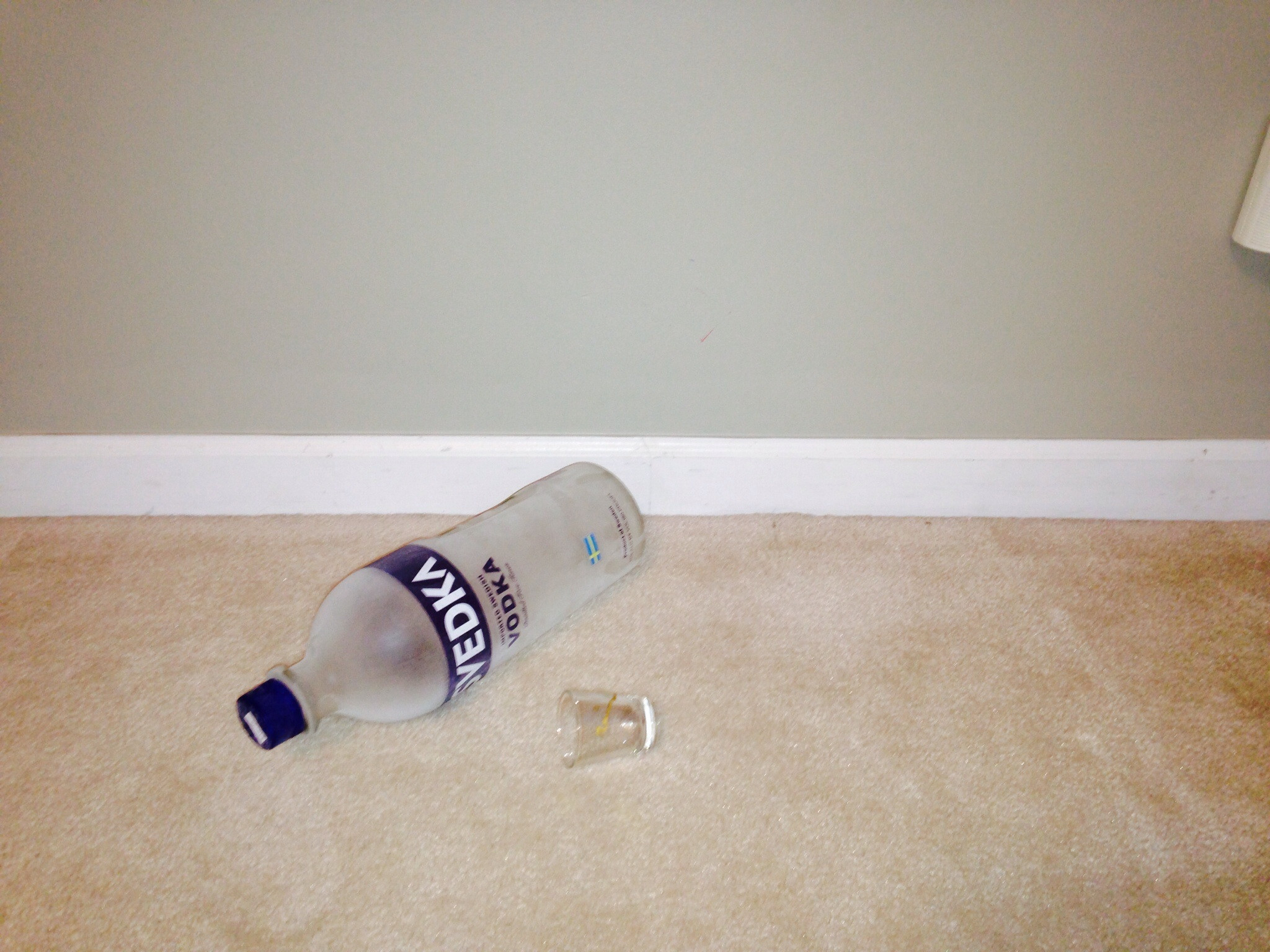
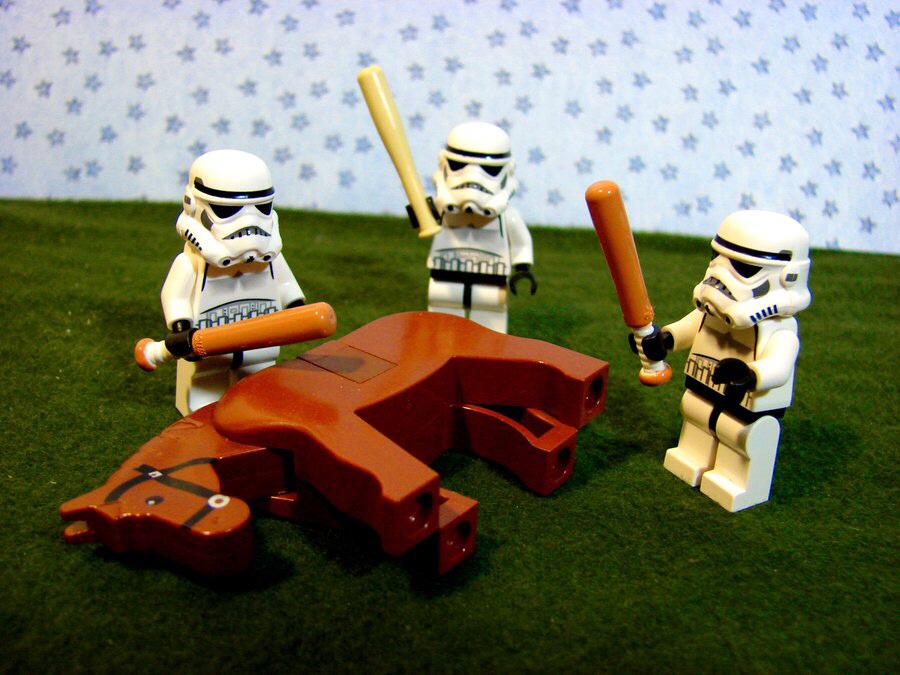
Recently redditors began posting pictures of what it’s like after an internship at [company name.] I found these amusing – and revelatory – so I have collected them here for your reading pleasure.

2Mdmqu6

At Google

mEKsmTV

At Microsoft

2KKL0wq

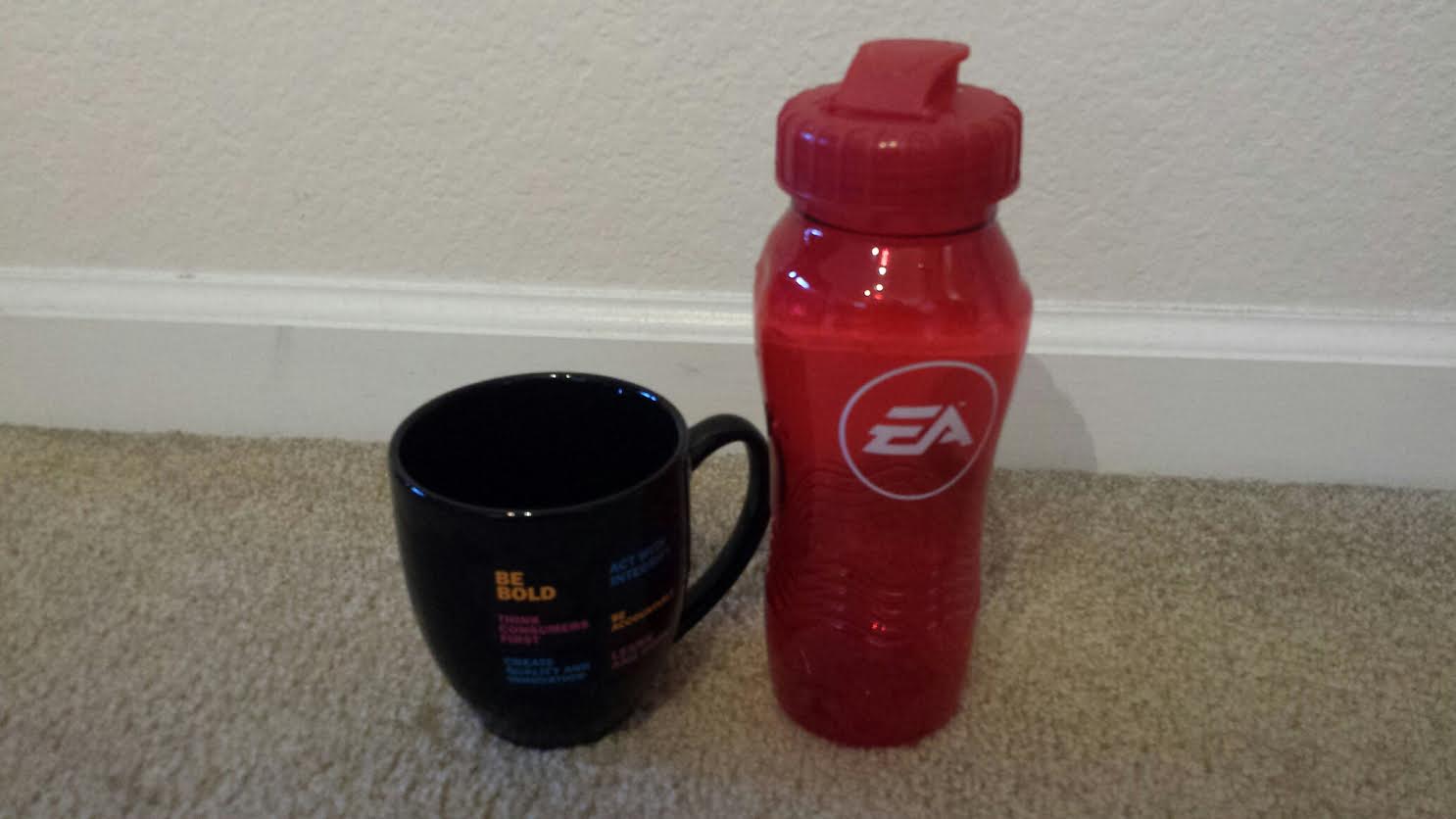
At EA

Rz5VksX

At Apple

F85lYXa


At Comcast

RzWxO7Q

At reddit

And, of course, what it’s like after an internship at pretty much anywhere these days:

homeless person sleeping in cardboard box


The Old Wolf has spoken.

There’s bad translation, and then there’s this.

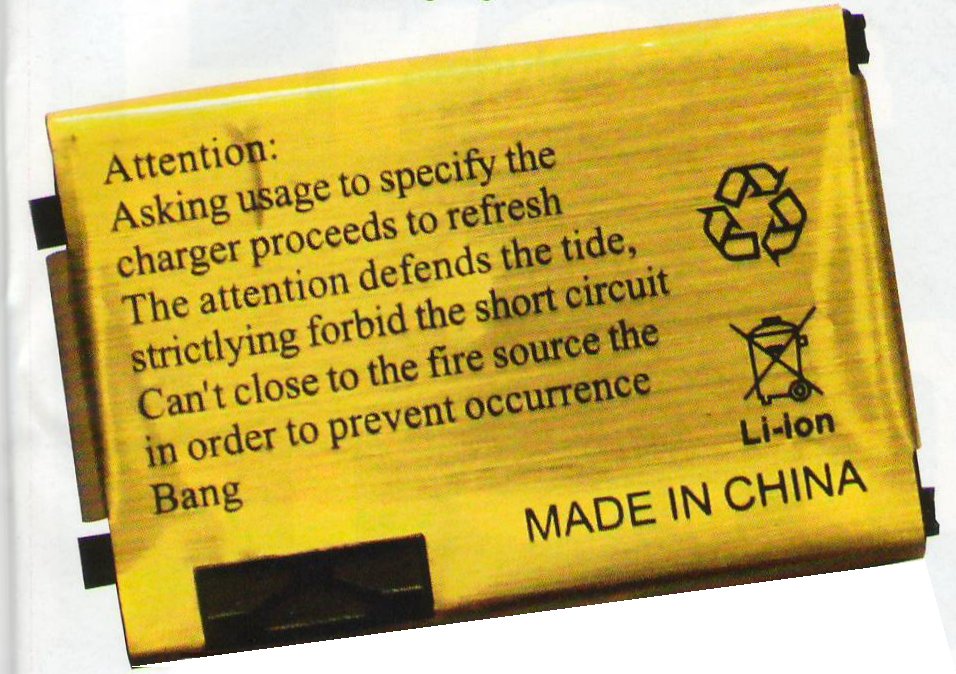
Battery

Found this abomination at the “Selling It” section of the May 2014 Consumer Reports. Engrish.com is full of such things, but this example is so egregious I felt as though it deserved its own shout-out.

The accompanying text said,

“Bang Indeed. The buyer who inserted this battery in his new “pay as you go” phone needn’t have worried about the warnings. “Sure enough,” he writes, “the phone did not work.”

I’ve talked about products made in China before, but it’s also worth remembering that the appetite for cheap Chinese goods is not driven by the Chinese exporters and manufacturers, but rather by American importers who buy their junk, exerting such downward price pressure on their suppliers that the quality goes from the toilet into the septic tank. It’s difficult to walk through Wal-Mart or Dollar Tree, to name two examples, without finding “Made in China” stamped on the goods. While getting American families up to living wage standards would help, it would take a miracle to break people of the habit of buying cheap trash just to save a dime. Frankly, I don’t have an answer, but I know that the current situation is doing nobody any good, except for those who manufacture and sell this type of garbage, balancing their bankbook on the backs of low-wage workers and low-wage consumers.

The Old Wolf has spoken.

Wind power? I’m a big fan. But not as big as this one.

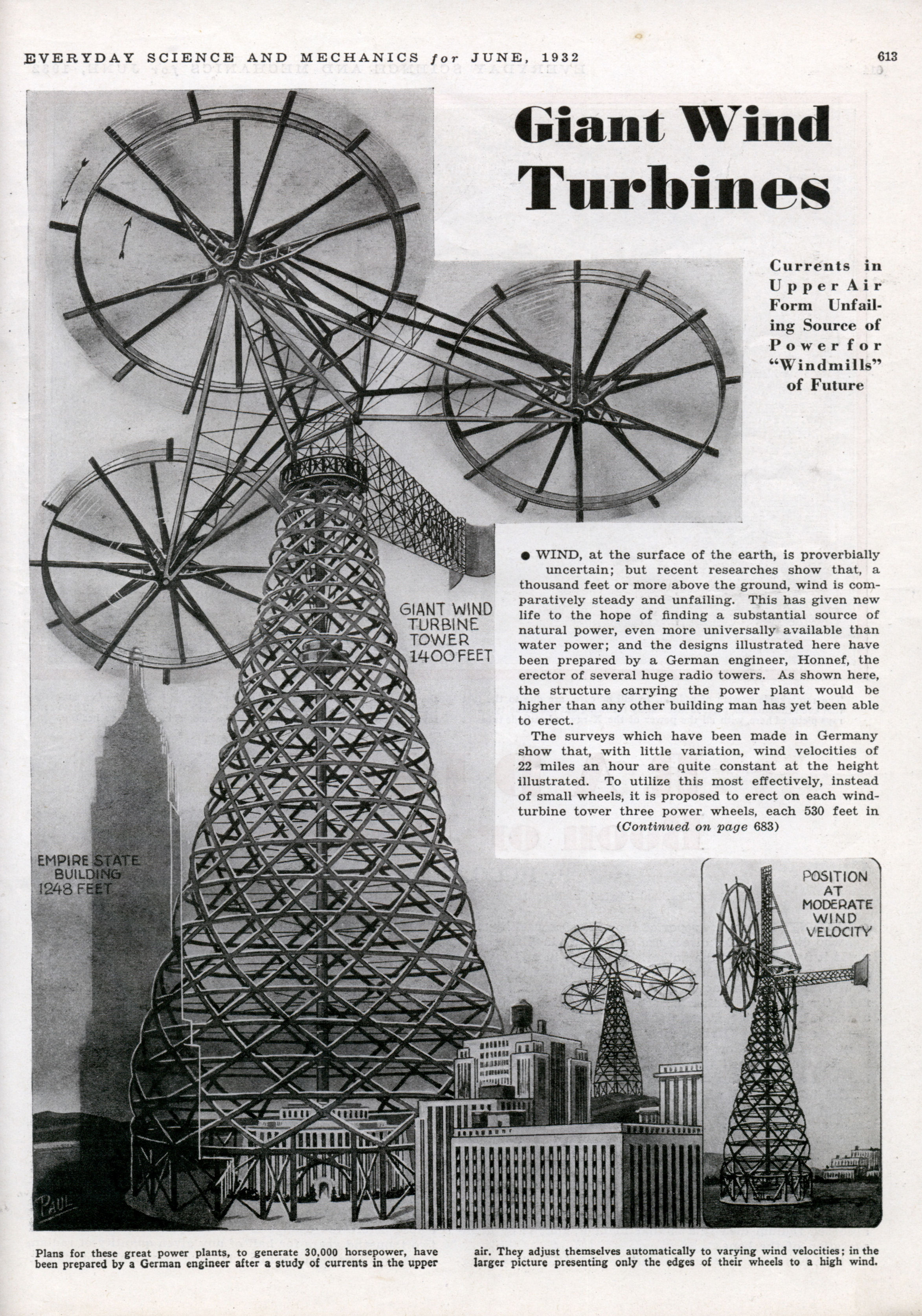
Berlin’s Godzilla-size windmills, 1932

wind_turbine_0

wind_turbine_1


“Berlin rests in the shadow of a monstrously tall steel tower with a hydra head of spinning fans, each about 500 feet in diameter. A medium-sized town’s population climbs over the 1,400-foot-high structure, noshing in a cavernous cafeteria and peering off a cloud-shrouded viewing deck. The city is aglow with great gouts of energy pouring out of the windmill – as much as 130,000,000 kilowatt hours a year – illuminating the anguished faces of once-profitable oil barons now crying into their beer.

This was the ambitious 1930s-era vision of Hermann Honnef, a German engineer with a lifelong obsession with high towers and wind power.”

Found this interesting bit over at The Atlantic – Cities – click through for the full article.

On the other end of the scale, scientists are working on windmills so tiny that 10 of them could fit on a grain of rice, with a view toward using such small devices to recharge cell phones and such.

windmill


More on the idea can be read at The Verge.

While some ideas are phantasmagorical and others are yet futuristic, thinking out of the box and along these lines is both admirable and necessary. Anything we can do to get the oil industry crying into their beer steins is a good thing.

The Old Wolf has spoken.

20 Things the Rich Do.

A recent blog entry by Dave Ramsey quotes Tom Corley, on his website RichHabitsInstitute.com, outlining a few of the differences between the habits of the rich and the poor. I have summarized these differences in the table below, which makes the comparison a bit more readable.

Percent of Wealthy Activity Percent of Poor
70 Eat less than 300 junk food calories per day 97
23 Gamble 52
80 Focus on accomplishing some single goal 12
76 Exercise aerobically four days a week 23
63 Listen to audio books during commute to work 5
81 81% of wealthy maintain a to-do list 19
63 Parents make their children read two or more non-fiction books a month 3
70 Parents make their children volunteer 10 hours or more a month 3
80 Make Happy Birthday calls 11
67 Write down their goals 17
88 Read 30 minutes or more each day for education or career reasons 2
6 Say what’s on their mind 69
79 Network five hours or more each month 16
67 Watch one hour or less of TV every day 23
6 Watch reality TV 78
44 Wake up three hours before work starts 3
74 Teach good daily success habits to their children 1
84 Believe good habits create opportunity and luck 4
76 Believe bad habits create detrimental luck 9
19 Believe in lifelong educational self-improvement 5
86 Love to read 26

There’s no question that these are habits which will improve one’s mind and create an environment where the chances for wealth-building are increased. There’s no guarantee that you’ll get rich if you do every one of these things (or don’t, as the case may be), but your odds of strengthening your position in life are radically increased.

I will be looking at this list closely as I determine what worked during this past year, what didn’t work, and what’s next.

Apparently Dave’s blog post attracted a storm of ignorant and negative comments, so he added some commentary which is worth the read.

The Old Wolf has spoken.

Their likes shall not be there again

A small tribute to the Waterford Crystal Factory in Kilbarry, Ireland, which I filmed during a family visit in August of 1998. The factory closed under unfavorable circumstances on 30 January 2009; workers staged a two-month sit-in to protest the closing, which only ended in March of that year when they accepted a payout of €10m, but many had worked there all their lives. A PBS Documentary chronicled their last fight.

The cinematography here is not the best, but I’m pleased with the video; the music seems to say just the right thing.

Tá an Sean-fhaolchú labhairthe.


Some things just deserve to be shared.

I found this by chance over on Reddit, serendipitously, without looking for it, in a random discussion about Portland, Oregon. There were a lot of humorous comments – the article had to do with a dispute between passengers and a cabdriver, but then the conversation drifted into the nature of Portland as a city.

And then this gem popped up, written by /u/fwaht. I’ve corrected one or two things for spelling and style, but it’s otherwise unedited. The added emphasis is mine.

The “Successful” Person

If you’re what society calls a “successful” person, then you’re probably making more than two standard deviations above the mean, and you probably have a family. And you’re probably working a 9-5 job, or something like it, where you spend roughly ⅓ of all the waking time you’ll ever have doing it. And your employer wants your best time, the time where you’re most energetic and willing to get things done. Your other time is probably spent in a lethargic daze staring at a television (and as you age it gets worse). And why are you watching television instead of doing something you can look back on in ten years be proud of? Because only unsocialized losers haven’t seen the latest episode of American Idol or the latest sports event.

The average company is not run as a meritocracy. If you were a boss, would you want to see the person that quietly does excellent work and all but ignores you and everyone else get the promotion? Or would you want your “friend,” the guy that talks with you about football and your kids and makes you happy, to get the promotion even though he doesn’t do such great work?

No, you need to play the game. Most every business is its own Machiavellian-themed nightmare or kingdom depending on the ease with which corruption and deception and social lubrication comes to your character (and if it doesn’t come to you easily, then you will fall behind those that are better at it).

And what do you win after having beat this game? Retirement? You mean 10-20 years of low-quality life where you have the freedom that you could have had all your life if you chosen a life of less responsibility, of placing less importance in what’s expected of you than trying to do what you’ve always really, really wanted to do. Did you need those new cars, that large house and expensive furniture, the expensive meals, and so on and on? No, they made you happy for a short while, but then you just slid back into normalcy – you were on a hedonistic treadmill. Here you are, 60 years old, with all sorts of aches and pains, and remembering the senility your parents drifted into around this age. Remembering how you wished they just died quickly while feeling your intelligence diminish every year as it has since you reached 50.

And on your deathbed, what are you going to look back on and be proud of? Your children? They will die soon, and so will their children. In a short while you’ll be long forgotten as they will, and any trace of your genetic legacy will have disappeared – you aren’t Genghis Khan. Nothing of you will remain. And why should you care about such a thing after you’re dead anyway?

The “successful” person has sculpted their future and life into a hell worse than the one given to Sisyphus, and yet as miserable and meaningless as they are, they still come to think they’re better than others somehow.

While this may sound a bit negative, it’s a very accurate distillation of business and working life, and a wakeup call to those who find themselves on the treadmill. This would be a good place to share another good tidbit I found while surfing around:

Dream

In the United States, it’s getting harder to build a successful business or enterprise on a shoestring; increasing regulation, coupled with the consolidation of wealth at the highest levels, has made it more challenging to get off the treadmill than it was for great-grandpa who started life manning a vegetable pushcart in Little Italy in 1900. Harder, but not impossible.

If a person is really interested in success that lasts, they won’t be able to measure it by the standards found in Corporate ‘Murica. From where I sit, true success can only be measured by the number of people one has served, and the level to which one has raised the human condition. Efforts of this nature will ripple through time, whereas the accumulation of stuff and the generation of progeny who will walk in the same corporate rut will, as fwaht has noted, be forgotten within a span of time so short as to be insignificant in social terms.

I am proud of my children – each of them is looking for ways to make a difference rather than to die with the most toys. It’s not easy, but keeping one’s eye fixed outside the societal box of corporate norms is the only way to ensure that one’s efforts count for something after our bodies have returned to dust.

The Old Wolf has spoken.

How Prices Hit Home, Part II

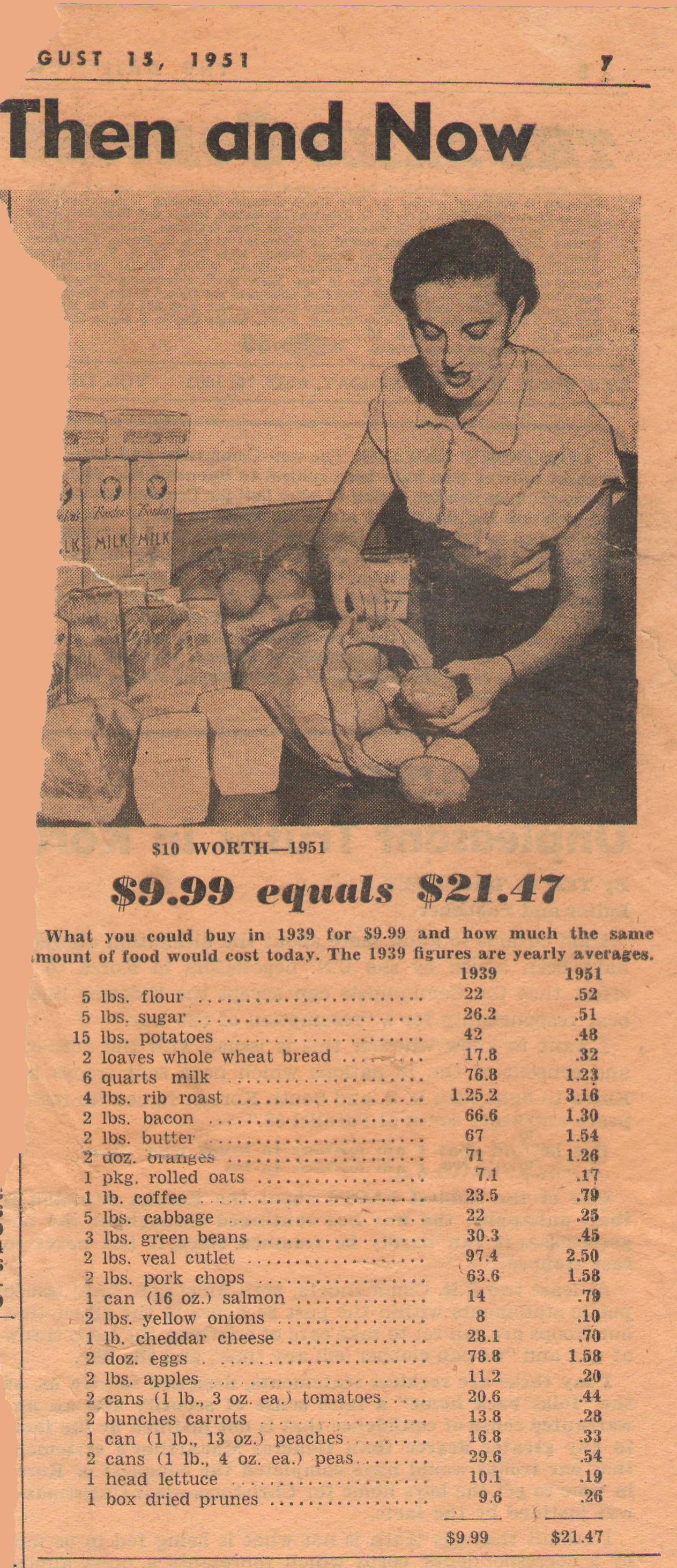
I previously posted about prices in 1978, and whilst cleaning out files I came across an article I had saved from my father’s archives. I present it here for comparison’s sake, and just because it’s interesting.

This was published in the Daily Compass on August 15, 1951, which itself cost 5¢ for each daily edition.

Prices Then and Now - 1939 and 1951


1939’s prices were, of course, depression-era; for your gratuitous enjoyment, a song from 1927 which was looking for any bright spots in an otherwise dismal economic climate:

The Old Wolf has spoken.

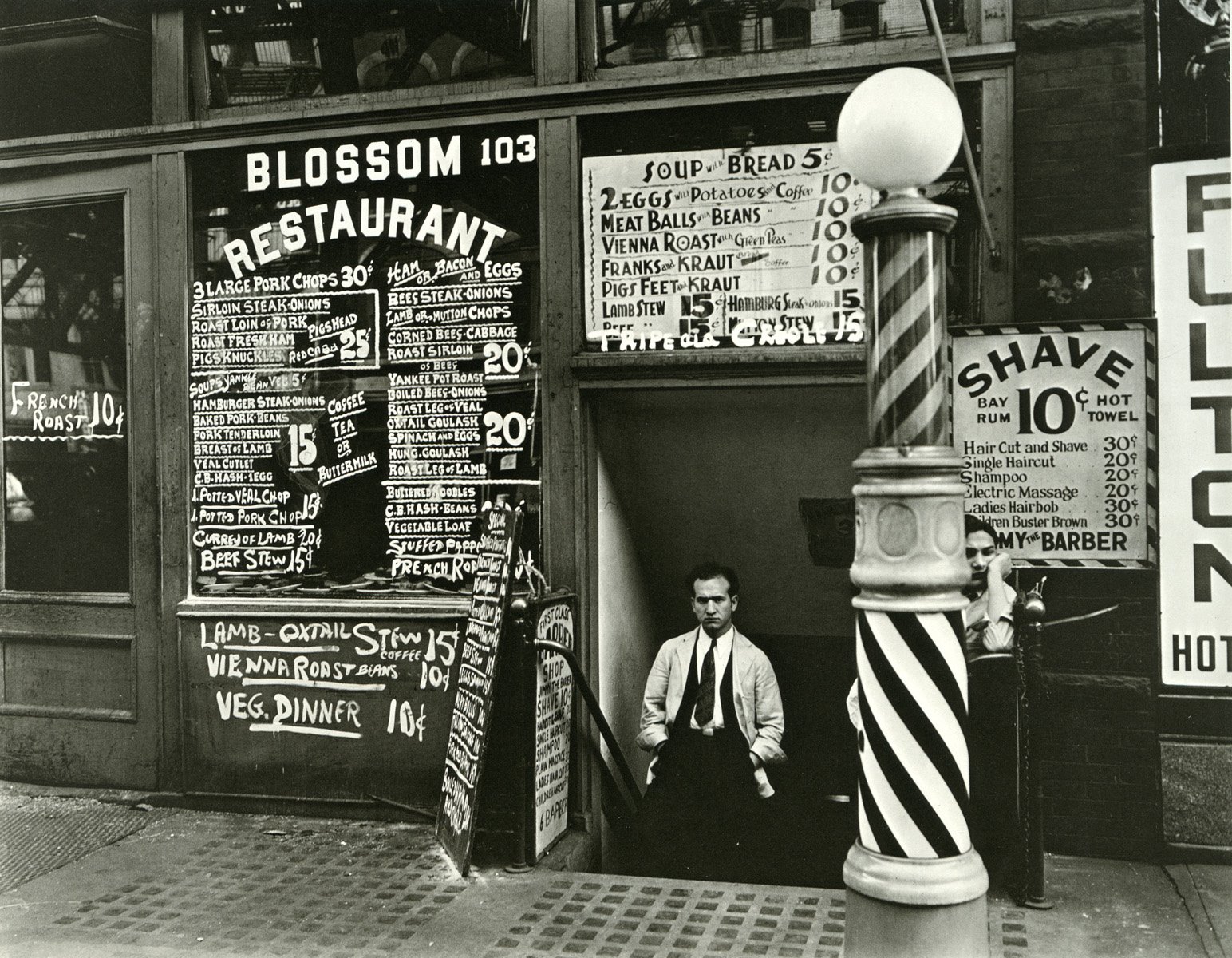
Blossom Restaurant, 1935. The Bowery, New York City

Blossom_Restaurant;_103_Bowery_by_Berenice_Abbott_in_1935


New York City, the Bowery. Photo by Berenice Abbott

Just spend a while looking at those prices. Now, according to the Bureau of Labor Statistics calculator, 30¢ in 1935 would be worth $5.09 today. Where could you get three large pork chops for that price? Certainly not even in my sleepy little town in southern Utah. No, I suspect the BLS has either not factored in the brutality of the depression, or its numbers are somewhat skewed in general.

♫ The Bow’ry, the Bow’ry!
They say such things,
And they do strange things
On the Bow’ry! The Bow’ry!
I’ll never go there anymore! ♫

by Charles H. Hoyt and Percy Gaunt
From the Broadway play A Trip to Chinatown (1891)

The Old Wolf has spoken.

Sushi Yasuda in NYC does away with tipping

I’ve blogged about tipping before. Now, a few bold restaurants are beginning to buck the trend.

(Reblogged from The Consumerist)

Note: Sushi Yasuda is the restaurant’s correct name – it appeared in the original article as “Yasada”.

 NYC Restaurant Tells Customers That Tipping Is Not Allowed
By  June 7, 2013

 (From ThePriceHike.com)

(From ThePriceHike.com)

As we’ve discussed here many, many times, restaurant wait staff often rely on tips because their base pay is generally far below the minimum wage level. Since tipping is an anomaly overseas, waiters in most other countries are paid a living wage. Thus, one sushi restaurant in Manhattan, which claims it has always paid its employees well, has recently started telling customers that tips will not be accepted.

On his Price Hike blog, Bloomberg food critic Ryan Sutton writes about the note that was recently added to the bottom of all receipts at Sushi Yasuda in NYC. It reads:

Following the custom in Japan, Sushi Yasuda’s service staff are fully compensated by their salary. Therefore gratuities are not accepted. Thank you.”

Sutton talked to the restaurant’s owner who says he decided to not go the route of some restaurants who simply add 18-20% service charges on to bills rather than have customer tip. That’s really just the same as the old system; it just saves the diner the hassle of doing basic math.

Instead, Yasuda’s owner raised the menu prices a bit and simply tells customers: Do Not Tip Your Waiter.

“We just take tipping out of the equation,” he explains to Sutton.

The reason more restaurants don’t follow this model is that they are afraid higher menu prices will drive away customers, but this owner maintains that “if you have faith in what you’re serving, and how you’re serving it, you know that when your customers have a good meal and look at their final tally it’s going to be around the same.”

He claims that paying your staff a solid wage that doesn’t fluctuate from day-to-day based on tips is a good way to build stability among your workers.

In spite of this being the standard for most of the world, there are only a very small number of restaurants in the U.S. that don’t accept tips and also don’t tack on service fees.


According to the poll at the bottom of the Consumerist’s page, the question “Should more restaurants do away with tipping?” provided (to me) unsurprising results:

results

Whereas in my previous posts I’ve stressed that tipping is not optional and that servers depend upon tips for their daily wage, I would be entirely in favor of eliminating tipping at restaurants and paying servers a dependable, living wage. Naturally, if restaurateurs try to take advantage of this trend to their own benefit and to the detriment of their employees, that doesn’t work… but I’d be willing to bet a lot of servers would line up for a regular job where busting their ass for a party of cheapskate douchebags never enters the equation.

Hats off to Sushi Yasuda! 

The Old Wolf has spoken.